Lupus Nephritis Pipeline Accelerates as 35+ Pharma Companies Rigorously Develop Drugs for Market Entry | DelveInsight
DelveInsight’s “Lupus Nephritis Pipeline Insight 2026” report provides comprehensive insights about 35+ companies and 42+ pipeline drugs in the Lupus Nephritis pipeline landscape. It covers the Lupus Nephritis Pipeline drug profiles, including clinical and nonclinical stage products. It also covers the Lupus Nephritis Pipeline Therapeutics assessment by product type, stage, route of administration, and molecule type. It further highlights the inactive pipeline products in this space.

Curious about the latest updates in the Lupus Nephritis Pipeline? @ https://www.delveinsight.com/sample-request/lupus-nephritis-pipeline-insight

Key Takeaways from the Lupus Nephritis Pipeline Report

  • On June 04, 2026- Nkarta Inc. initiated a Phase 1/2, open-label, multi-center, multi-cohort, non-randomized dose escalation and dose expansion basket study to determine the safety and tolerability of NKX019 (allogeneic CAR NK cells targeting CD19) in participants with autoimmune diseases.
  • On June 03, 2026- Hoffmann-La Roche announced a phase II study is designed to evaluate the safety, efficacy and pharmacokinetics (PK) of obinutuzumab in adolescent participants (AP) aged 12 to less than 18 with biopsy-confirmed proliferative lupus nephritis (LN). It will also evaluate open label safety and PK of obinutuzumab in pediatric participants (PP), aged 5 to
  • On June 01, 2026- Novartis Pharmaceuticals initiated a Phase 2 Trial to Evaluate the Efficacy, Safety and Tolerability of LNP023 in Combination With Standard-of-care With and Without Oral Corticosteroids in Patients With Active Lupus Nephritis Class III-IV, +/- V.
  • On June 01, 2026- Juno Therapeutics, Inc., a Bristol-Myers Squibb Company conducted a phase 2 study is to evaluate the efficacy, safety and drug levels of CC-97540 in participants with active systemic lupus erythematosus (SLE) including lupus nephritis with inadequate response to glucocorticoids and at least 2 immunosuppressants.
  • DelveInsight’s Lupus Nephritis Pipeline report depicts a robust space with 35+ active players working to develop 42+ pipeline therapies for Lupus Nephritis treatment.
  • The leading Lupus Nephritis Companies such as AstraZeneca, Hoffmann-La Roche, Qilu Pharmaceutical, BeiGene, RemeGen, Argenx, Jiangsu Lianhuan Pharmaceutical, Novartis Pharmaceuticals, Kyverna Therapeutics, Cabaletta Bio, Mono, Century Therapeutics, Yake Biotechnology, Qyuns Therapeutics, Resolve Therapeutics and others.
  • Promising Lupus Nephritis Therapies such as Ciclesonide, Niclosamide, Povetacicept, APL-2, Belimumab Injection, AZD0120, Cyclophosphamide, Fludarabine, AZD0120, Abetimus sodium (LJP 394), and others.

Want to know which companies are leading innovation in Lupus Nephritis? Dive into the full pipeline insights @ Lupus Nephritis Clinical Trials Assessment

The Lupus Nephritis Pipeline Report provides disease overview, pipeline scenario and therapeutic assessment of the key pipeline therapies in this domain. The Lupus Nephritis Pipeline Report also highlights the unmet needs with respect to the Lupus Nephritis.

Lupus Nephritis Overview

Lupus Nephritis (LN), is one of the most severe organ manifestations of systemic lupus erythematosus (SLE) which is an autoimmune disorder leading to the loss of immune tolerance of endogenous nuclear material resulting in systemic autoimmunity that causes damage to various tissues and organs. The overall incidence and prevalence of SLE ranges 7.4-159.4 cases per 100,000 people and from 1.4 to 21.9 %, respectively. According to National Kidney Foundation, Lupus nephritis (LN) is a form of glomerulonephritis that causes inflammation (swelling or scarring) of the small blood vessels that filter wastes in the kidney (glomeruli) and sometimes the kidneys itself. Histologically LN is classified into six distinct classes representing different manifestations and severity of renal involvement in SLE. Lupus nephritis can cause permanent kidney damage, called chronic kidney disease or CKD. The most serious type of lupus nephritis is proliferative nephritis, which can cause scarring of the kidneys. These scars can damage the kidneys and prevent them from working properly. Chronic kidney disease that gets worse and causes the kidneys to stop working is called kidney failure or end-stage renal disease (ESRD).

Lupus Nephritis Emerging Drugs Profile

  • Ianalumab: Novartis

Ianalumab is a humanized monoclonal antibody targeting the BAFF receptor (B-cell activating factor), designed to treat lupus nephritis (LN), a complication of systemic lupus erythematosus (SLE). By depleting B cells and modulating immune response, it helps reduce kidney inflammation and damage in LN patients. Early clinical studies show that ianalumab may improve renal outcomes by controlling disease activity in those with lupus nephritis. The drug is currently in Phase III stage of its development for the treatment of lupus nephritis.

  • ADX-097: Q32 Bio

ADX-097 is based on a novel platform enabling tissue-targeted regulation of the complement system without long-term systemic blockade, a key differentiator from current complement therapeutics. Q32 Bio completed a first-in-human, Phase I ascending dose clinical study of ADX-097 in healthy volunteers. Results from the Phase I clinical trial demonstrated a favorable tolerability and immunogenicity profile across all single and multiple dose cohorts and weekly subcutaneous dosing met exposures for predicted complete complement inhibition in the tissue with no systemic inhibition. Currently, the drug is in the Phase II stage of its development for the treatment of Lupus Nephritis.

  • KYV-101: Kyverna Therapeutics

KYV-101 is an autologous version of a novel, fully human clinical-stage anti-CD19 chimeric antigen receptor T-cell (CAR T) construct with properties well suited for use in B cell-driven autoimmune diseases such as lupus nephritis and other B-cell driven autoimmune diseases. It is currently in Phase I/II stage of development for the treatment of Lupus Nephritis.

  • CABA-201: Cabaletta Bio

CABA-201 is a fully human CD19 chimeric antigen receptor (CAR) T cell therapy containing a 4-1BB co-stimulatory domain. Cabaletta is advancing RESETTM (REstoring SElf-Tolerance) Phase I/II clinical trials in systemic lupus erythematous, myositis, systemic sclerosis and generalized myasthenia gravis, with potential application in a broad range of other autoimmune diseases. It is currently in Phase I/II stage of development for the treatment of Lupus Nephritis.

  • NKX019: Nkarta, Inc.

NKX019 is designed to target CD19-positive B cells, which play a significant role in the pathogenesis of autoimmune diseases like lupus. The therapy utilizes NK cells derived from healthy donors that are genetically modified to enhance their ability to eliminate these B cells. Notably, NKX019 is engineered to express a membrane-bound form of interleukin-15, which may improve the persistence and activity of the NK cells without the need for extensive cytokine support typically required in other therapies. It is currently in Phase I stage of development for the treatment of Lupus Nephritis.

If you’re tracking ongoing Lupus Nephritis Clinical trials, this press release is a must-read @ Lupus Nephritis Treatment Drugs

The Lupus Nephritis Pipeline report provides insights into:-

  • The report provides detailed insights about companies that are developing therapies for the treatment of Lupus Nephritis with aggregate therapies developed by each company for the same.
  • It accesses the Different therapeutic candidates segmented into early-stage, mid-stage, and late-stage of development for Lupus Nephritis Treatment.
  • Lupus Nephritis Companies are involved in targeted therapeutics development with respective active and inactive (dormant or discontinued) projects.
  • Lupus Nephritis Drugs under development based on the stage of development, route of administration, target receptor, monotherapy or combination therapy, a different mechanism of action, and molecular type.
  • Detailed analysis of collaborations (company-company collaborations and company-academia collaborations), licensing agreement and financing details for future advancement of the Lupus Nephritis market.

Lupus Nephritis Companies

AstraZeneca, Hoffmann-La Roche, Qilu Pharmaceutical, BeiGene, RemeGen, Argenx, Jiangsu Lianhuan Pharmaceutical, Novartis Pharmaceuticals, Kyverna Therapeutics, Cabaletta Bio, Mono, Century Therapeutics, Yake Biotechnology, Qyuns Therapeutics, Resolve Therapeutics and others.

Lupus Nephritis Pipeline report provides the therapeutic assessment of the pipeline drugs by the Route of Administration. Products have been categorized under various ROAs such as,

  • Oral
  • Intravenous
  • Subcutaneous
  • Parenteral
  • Topical

Lupus Nephritis Products have been categorized under various Molecule types such as,

  • Recombinant fusion proteins
  • Small molecule
  • Monoclonal antibody
  • Peptide
  • Polymer
  • Gene therap

From emerging drug candidates to competitive intelligence, the Lupus Nephritis Pipeline Report covers it all @ Lupus Nephritis Market Drivers and Barriers, and Future Perspectives

Scope of the Lupus Nephritis Pipeline Report

  • Coverage- Global
  • Lupus Nephritis Companies- AstraZeneca, Hoffmann-La Roche, Qilu Pharmaceutical, BeiGene, RemeGen, Argenx, Jiangsu Lianhuan Pharmaceutical, Novartis Pharmaceuticals, Kyverna Therapeutics, Cabaletta Bio, Mono, Century Therapeutics, Yake Biotechnology, Qyuns Therapeutics, Resolve Therapeutics and others.
  • Lupus Nephritis Therapies- Ciclesonide, Niclosamide, Povetacicept, APL-2, Belimumab Injection, AZD0120, Cyclophosphamide, Fludarabine, AZD0120, Abetimus sodium (LJP 394), and others.
  • Lupus Nephritis Therapeutic Assessment by Product Type: Mono, Combination, Mono/Combination
  • Lupus Nephritis Therapeutic Assessment by Clinical Stages: Discovery, Pre-clinical, Phase I, Phase II, Phase III

Discover what’s next for the Lupus Nephritis Treatment landscape in this detailed analysis @ Lupus Nephritis Emerging Drugs and Major Players

Table of Contents

  1. Introduction
  2. Executive Summary
  3. Lupus Nephritis: Overview
  4. Pipeline Therapeutics
  5. Therapeutic Assessment
  6. Lupus Nephritis– DelveInsight’s Analytical Perspective
  7. Late Stage Products (Phase III)
  8. Ianalumab: Novartis
  9. Drug profiles in the detailed report…..
  10. Mid Stage Products (Phase II)
  11. ADX-097: Q32 Bio
  12. Drug profiles in the detailed report…..
  13. Early Stage Products (Phase I)
  14. NKX019: Nkarta
  15. Drug profiles in the detailed report…..
  16. Preclinical and Discovery Stage Products
  17. Drug name: Company name
  18. Drug profiles in the detailed report…..
  19. Inactive Products
  20. Lupus Nephritis Key Companies
  21. Lupus Nephritis Key Products
  22. Lupus Nephritis- Unmet Needs
  23. Lupus Nephritis- Market Drivers and Barriers
  24. Lupus Nephritis- Future Perspectives and Conclusion
  25. Lupus Nephritis Analyst Views
  26. Lupus Nephritis Key Companies
  27. Appendix

About Us

DelveInsight is a leading healthcare-focused market research and consulting firm that provides clients with high-quality market intelligence and analysis to support informed business decisions. With a team of experienced industry experts and a deep understanding of the life sciences and healthcare sectors, we offer customized research solutions and insights to clients across the globe. Connect with us to get high-quality, accurate, and real-time intelligence to stay ahead of the growth curve.

Media Contact
Company Name: DelveInsight Business Research LLP
Contact Person: Yash Bhardwaj
Email: Send Email
Phone: 09650213330
Address:304 S. Jones Blvd #2432
City: Las Vegas
State: NV
Country: United States
Website: https://www.delveinsight.com/report-store/lupus-nephritis-pipeline-insight


Press Release Distributed by ABNewswire.com

To view the original version on ABNewswire visit: Lupus Nephritis Pipeline Accelerates as 35+ Pharma Companies Rigorously Develop Drugs for Market Entry | DelveInsight
Liquid Biopsy Market is Expected to Witness Robust Growth by 2032, Estimates DelveInsight

Liquid biopsy companies such as Myriad Genetics Inc, Exact Sciences Corporation, Biocartis, Sysmex Corporation, Thermo Fisher Scientific Inc, Biocept Inc, Agilent Technologies Inc, MDx Health, NeoGenomics Laboratories, F. Hoffmann-La Roche Ltd, Guardant Health, Bio-Techne, Illumina Inc, QIAGEN, Lucence Health, Personal Genome Diagnostics, SAGA Diagnostics, Agena Bioscience Inc, The Menarini Group, MiRXES Pte Ltd., and others are driving innovation and growth in the global liquid biopsy market.

DelveInsight’s “Liquid Biopsy – Market Insights, Competitive Landscape, and Market Forecast-2032” report delivers an in-depth understanding of the market dynamics, competitive landscape, key growth drivers, emerging technologies, and future opportunities shaping the global liquid biopsy industry.

Interested to know which liquid biopsy technologies will capture the highest market share?

Download the report to understand the latest liquid biopsy market trends and forecasts- https://www.delveinsight.com/report-store/liquid-biopsy-in-cancer-diagnostics-market?utm_source=abnewswire&utm_medium=pressrelease&utm_campaign=akpr

Key Takeaways from the Liquid Biopsy Market Report

  • The global Liquid Biopsy market was valued at USD 7.64 billion in 2024 and is projected to reach USD 19.24 billion by 2032, growing at a CAGR of 16.64% during the forecast period.

  • Rising incidence of cancers, including lung, breast, colorectal, and prostate cancers, is significantly increasing demand for non-invasive diagnostic solutions.

  • Growing adoption of precision medicine and personalized oncology is accelerating the use of liquid biopsy technologies for treatment selection and monitoring.

  • Technological advancements in Next-Generation Sequencing (NGS), digital PCR, multi-omics platforms, and AI-powered analytics are enhancing test accuracy and clinical utility.

  • Multi-Cancer Early Detection (MCED) tests based on DNA methylation, circulating tumor DNA (ctDNA), and proteomics are emerging as major growth opportunities.

  • North America represents the largest regional market, while Asia-Pacific is expected to witness the fastest growth during the forecast period.

  • Increasing regulatory approvals, reimbursement support, strategic collaborations, and investments are strengthening market expansion globally.

  • The germany liquid biopsy market, uk liquid biopsy market, italy liquid biopsy market, spain liquid biopsy market, gcc liquid biopsy market, and south america liquid biopsy market are expected to create significant future growth opportunities.

  • Leading liquid biopsy companies include Myriad Genetics Inc, Exact Sciences Corporation, Biocartis, Sysmex Corporation, Thermo Fisher Scientific Inc, Guardant Health, Illumina Inc, Roche, QIAGEN, and others.

Gain a competitive edge in the Liquid Biopsy Market by exploring our in-depth analysis @ Liquid Biopsy Market Report – https://www.delveinsight.com/report-store/liquid-biopsy-in-cancer-diagnostics-market?utm_source=abnewswire&utm_medium=pressrelease&utm_campaign=akpr

Liquid Biopsy Market Overview

The global liquid biopsy market is transforming cancer detection and monitoring through minimally invasive diagnostic techniques. Unlike conventional tissue biopsies, liquid biopsy analyzes circulating tumor DNA (ctDNA), circulating tumor cells (CTCs), exosomes, and other biomarkers from blood and other bodily fluids, enabling real-time disease assessment and personalized treatment planning.

Growing cancer prevalence worldwide, combined with increasing demand for less invasive diagnostic procedures, continues to fuel market growth. The integration of advanced genomic technologies and AI-enabled bioinformatics solutions has further expanded the clinical applications of liquid biopsy across cancer diagnosis, treatment monitoring, relapse detection, and precision oncology. Furthermore, the expanding in vitro diagnostic liquid biopsy testing market is contributing significantly to the adoption of advanced molecular diagnostic approaches worldwide.

Factors Driving the Growth of the Liquid Biopsy MarketRising Global Cancer Burden

The increasing prevalence of cancer worldwide remains one of the primary growth drivers for the liquid biopsy market. Rising incidences of lung, breast, colorectal, prostate, and other cancers have created substantial demand for efficient diagnostic solutions that support early detection and continuous disease monitoring. Growing demand within the breast cancer liquid biopsy market is further accelerating product development and clinical adoption.

Shift Toward Minimally Invasive Diagnostics

Liquid biopsy offers a non-invasive alternative to conventional tissue biopsies, reducing procedural risks, patient discomfort, and healthcare costs. The ability to perform repeated sampling also supports ongoing treatment monitoring and assessment of tumor evolution.

Advancements in Genomic Technologies

Rapid advancements in NGS, digital PCR, and multi-omics technologies have significantly improved the sensitivity and specificity of liquid biopsy assays. These innovations have enhanced the detection of ctDNA, CTCs, exosomes, and other clinically relevant biomarkers.

Growing Use in Personalized / Precision Oncology

The increasing focus on precision medicine is driving demand for liquid biopsy technologies. These tests enable molecular profiling of tumors and help clinicians identify actionable mutations such as EGFR, ALK, KRAS, and BRAF, supporting personalized treatment decisions.

New Liquid Biopsy Companies Entering the Market

The growing commercial attractiveness of the sector continues to encourage new liquid biopsy companies to enter the market, supported by increasing investments, technological innovation, and expanding clinical applications.

Liquid Biopsy Market Segment Analysis

Among market segments, the services category accounted for approximately 73% of revenue share in 2024. The segment benefits from increasing demand for specialized services including sample collection, biomarker analysis, genomic sequencing, and data interpretation.

Several liquid biopsy companies provide comprehensive liquid biopsy service platforms supporting both clinical and research applications. The growing adoption of outsourced diagnostic services is expected to further strengthen segment growth during the forecast period.

Liquid Biopsy Market Regional AnalysisNorth America is Expected to Dominate the Overall Liquid Biopsy Market

North America is anticipated to maintain the largest market share owing to increasing cancer prevalence, strong oncology research infrastructure, favorable regulatory policies, and widespread adoption of innovative diagnostic technologies.

The United States accounted for approximately 87% of North America’s market revenue in 2024, supported by high healthcare spending, strong reimbursement frameworks, and increasing regulatory support for liquid biopsy technologies. Continued investments in cancer diagnostics and precision medicine are expected to sustain regional leadership.

Asia-Pacific is projected to be the fastest-growing region due to expanding healthcare infrastructure, rising cancer burden, increasing awareness, and growing adoption of advanced diagnostic technologies.

Meanwhile, the germany liquid biopsy market, uk liquid biopsy market, italy liquid biopsy market, and spain liquid biopsy market continue to gain momentum due to increasing utilization of precision medicine approaches. Emerging regions such as the gcc liquid biopsy market and south america liquid biopsy market are also witnessing growing adoption driven by healthcare modernization initiatives.

Liquid Biopsy Key Companies

Liquid Biopsy Companies include:

  • Myriad Genetics Inc

  • Exact Sciences Corporation

  • Biocartis

  • Sysmex Corporation

  • Thermo Fisher Scientific Inc

  • Biocept Inc

  • Agilent Technologies Inc

  • MDx Health

  • NeoGenomics Laboratories

  • F. Hoffmann-La Roche Ltd

  • Guardant Health

  • Bio-Techne

  • Illumina Inc

  • QIAGEN

  • Lucence Health Inc

  • Personal Genome Diagnostics Inc

  • SAGA Diagnostics

  • Agena Bioscience Inc

  • The Menarini Group

  • MiRXES Pte Ltd.

  • And Others.

Download the report to understand which factors are driving Liquid Biopsy Market Trends

Latest Highlights from the Liquid Biopsy Market

  • Guardant Health launched upgraded Guardant360 and GuardantINFINITY assays featuring enhanced tumor profiling capabilities.

  • Roche expanded its AVENIO blood-based NGS oncology research test portfolio.

  • FDA expanded approvals for liquid biopsy-based companion diagnostics, including additional indications for Guardant360 CDx.

  • Natera’s Signatera MRD test received broader regulatory support across multiple cancer types.

  • Increased adoption of AI-driven analytics and bioinformatics platforms continues to improve biomarker interpretation and variant detection.

  • Strategic collaborations between diagnostics companies, pharmaceutical organizations, hospitals, and cancer centers are accelerating commercialization and adoption.

  • Growth in the breast cancer liquid biopsy market and the broader in vitro diagnostic liquid biopsy testing market is expected to drive future innovation.

Discover key developments and opportunities in the Liquid Biopsy Market @ Liquid Biopsy Market Size

Liquid Biopsy Market Outlook

The liquid biopsy market is experiencing rapid growth as healthcare systems increasingly embrace minimally invasive cancer diagnostics. Advances in molecular profiling, genomic sequencing, AI-powered analytics, and multi-omics technologies are significantly improving the clinical utility of liquid biopsy tests.

The market is also benefiting from expanding applications in minimal residual disease (MRD) detection, treatment monitoring, recurrence prediction, and multi-cancer early detection (MCED). Growing investments, strategic partnerships, and regulatory support are expected to further accelerate innovation and commercialization.

As precision oncology continues to gain momentum, liquid biopsy technologies are positioned to become an integral component of cancer diagnosis and management, enabling earlier intervention, improved patient outcomes, and more personalized treatment strategies across the gcc liquid biopsy market, south america liquid biopsy market, and major European markets.

Scope of the Liquid Biopsy Market Report

Study Period: 2022–2032

Forecast Period: 2025–2032

Market Size (2032): USD 19.24 Billion

CAGR (2025–2032): 16.64%

Major liquid biopsy companies Companies: Myriad Genetics Inc, Exact Sciences Corporation, Biocartis, Sysmex Corporation, Thermo Fisher Scientific Inc, Biocept Inc, Agilent Technologies Inc, MDx Health, NeoGenomics Laboratories, F. Hoffmann-La Roche Ltd, Guardant Health, Bio-Techne, Illumina Inc, QIAGEN, Lucence Health Inc, Personal Genome Diagnostics Inc, SAGA Diagnostics, Agena Bioscience Inc, The Menarini Group, MiRXES Pte Ltd., and others.

Market Segments Covered: Type, Sample Type, Biomarker Type, Cancer Type, Technique, End User, and Geography.

Competitive Intelligence Analysis: Market trends, competitive landscape, strategic collaborations, acquisitions, investments, regulatory approvals, and emerging technologies.

Key Focus Areas: Multi-Cancer Early Detection (MCED), Minimal Residual Disease (MRD), ctDNA Analysis, Precision Oncology, AI-Powered Diagnostics, and Next-Generation Sequencing Applications.

Table of Contents

  1. Liquid Biopsy Market Report Introduction

  2. Liquid Biopsy Market Executive Summary

  3. Regulatory Analysis

  4. Liquid Biopsy Market Key Factor Analysis

  5. Liquid Biopsy Market Porter’s Five Forces Analysis

  6. Liquid Biopsy Market Layout

  7. Liquid Biopsy Market Company and Product Profiles

  8. KOL Views

  9. Project Approach

  10. DelveInsight Capabilities

  11. About DelveInsight

  12. Disclaimer & Contact Us

How DelveInsight’s Liquid Biopsy Market Report Helps CXOs and Business Leaders

  • Evaluate the current and future market opportunity across key regions, including the United States, Europe, Asia-Pacific, and Rest of the World, through detailed market forecasts, technology assessments, and growth trend analysis.

  • Benchmark leading liquid biopsy technologies, products, and diagnostic platforms through comprehensive competitive intelligence, company profiling, product portfolio evaluation, and innovation tracking.

  • Identify potential licensing, acquisition, co-development, and strategic partnership opportunities by monitoring emerging market participants, novel biomarker technologies, and recent industry collaborations, mergers, and investments.

  • Assess the impact of upcoming regulatory approvals, technological advancements, reimbursement developments, and product launches on market share, pricing strategies, adoption rates, and commercial success.

  • Support strategic decision-making with insights into key opinion leader (KOL) perspectives, unmet diagnostic needs, clinical adoption trends, biomarker utilization, patient stratification approaches, and evolving market dynamics within the Liquid Biopsy landscape.

About DelveInsight

DelveInsight is a leading Business Consultant and Market Research firm focused exclusively on life sciences. It supports pharma companies by providing comprehensive end-to-end solutions to improve their performance. Get hassle-free access to all the healthcare and pharma market research reports through our subscription-based platform PharmDelve.

Media Contact
Company Name: DelveInsight Business Research LLP
Contact Person: Abhishek kumar
Email: Send Email
Phone: +14699457679
Address:304 S. Jones Blvd #2432
City: Las Vegas
State: Nevada
Country: United States
Website: https://www.delveinsight.com/report-store/liquid-biopsy-in-cancer-diagnostics-market


Press Release Distributed by ABNewswire.com

To view the original version on ABNewswire visit: Liquid Biopsy Market is Expected to Witness Robust Growth by 2032, Estimates DelveInsight

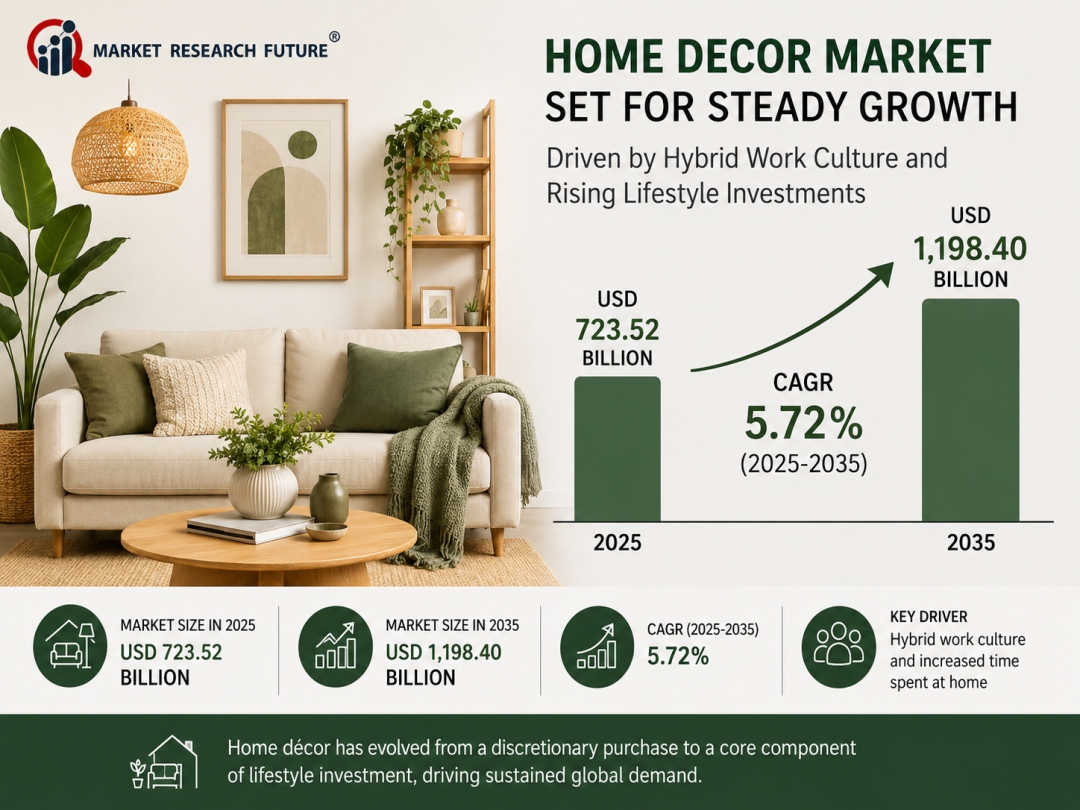
Global Home Decor Market Set for Steady Growth, Expected to Hit US$ 1.19 Trillion by 2035 Amid Shift Toward Home-Centric Lifestyles

“Home Decor Market”
Jun 2026: According to Market Research Future, the market was valued at USD 723.52 billion in 2025 and is projected to reach USD 1,198.40 billion by 2035, growing at a CAGR of 5.72% during the forecast period. The shift toward hybrid work culture and increased time spent at home has transformed home décor from a discretionary purchase into a core component of lifestyle investment, driving sustained global demand.

The growing inclination toward curated interiors, combined with rapid urbanization in emerging economies such as India and China, continues to accelerate market expansion. Additionally, the integration of e-commerce platforms and advanced visualization technologies is enabling consumers to make more informed purchasing decisions, further strengthening the market outlook.

Key Market Trends

One of the most prominent trends shaping the Home Decor Market is the increasing demand for personalized and experiential living spaces. Consumers are prioritizing designs that reflect individuality, cultural identity, and comfort. This has led to a surge in demand for customized furniture, artisanal décor, and unique decorative accessories.

Sustainability has also emerged as a critical trend, with consumers actively seeking eco-friendly materials such as bamboo, jute, and recycled fabrics. Regulatory frameworks, including sustainable product standards in Europe, are further pushing manufacturers to adopt environmentally responsible practices.

Another key trend is the rise of smart and connected décor products. The integration of smart lighting, sensor-enabled decorative elements, and voice-controlled home accessories is gaining traction, especially in premium segments. Additionally, the concept of wellness-centric interiors—incorporating low-VOC materials, biophilic design, and health-focused elements—is reshaping consumer preferences.

E-commerce growth is also redefining the purchasing landscape. Online channels accounted for approximately 22% of global home décor sales in 2024, with mobile commerce dominating transactions in Asia-Pacific. Technologies such as augmented reality (AR) are enhancing customer experience by enabling virtual visualization of décor items.

Recent Developments

  • April 2024 – Regulatory authorities in the European Union finalized the Ecodesign for Sustainable Products Regulation, mandating digital product passports for furniture sold in the region starting from 2027, enhancing supply chain transparency.
  • June 2024 – Leading online retailers expanded AR-based “try-before-you-buy” solutions, significantly reducing product return rates and improving conversion rates in furniture and decorative accessories segments.
  • September 2024 – The global smart home ecosystem surpassed USD 130 billion, with increasing overlap between smart home technologies and decorative lighting, making connected décor one of the fastest-growing premium segments.
  • November 2024 – Rising concerns regarding counterfeit interior decoration products, estimated at USD 8.5 billion globally, prompted stricter quality control measures across online marketplaces.


Top Companies Profile

The Home Decor Market is highly competitive, with the presence of global and regional players focusing on innovation, design differentiation, and digital transformation. Key companies are investing in product diversification, sustainability initiatives, and omnichannel distribution strategies to strengthen their market position.

Major players (Inter IKEA, Home Depot, Wayfair, Ashley Global Retail, MillerKnoll, Williams-Sonoma, Target, Overstock.com, Havells India, Nitori Holdings) are increasingly leveraging advanced technologies such as AR and AI-driven personalization tools to enhance customer engagement. Strategic collaborations with designers, expansion into emerging markets, and focus on premium product offerings are also key growth strategies adopted by leading companies. Additionally, companies are emphasizing sustainable sourcing practices and certifications to align with evolving consumer expectations.

Request for Sample Copy: https://www.marketresearchfuture.com/sample_request/11525

Segments Analysis

The Home Decor Market is segmented based on product category, distribution channel, and region.

By product category, furniture remains the largest revenue contributor, valued at approximately USD 215.60 billion in 2025. Floor coverings accounted for a significant 38.27% share in 2025, driven by increasing adoption of laminate and luxury vinyl tiles in residential remodeling projects. Meanwhile, textiles—including curtains, cushion covers, and throws—are expected to witness the fastest growth, registering a CAGR of 7.84% through 2035 due to frequent replacement cycles and evolving fashion trends.

In terms of distribution channels, specialty stores dominated the market with a 49.38% share in 2025, reflecting consumer preference for tactile shopping experiences. However, DIY and mass merchandisers are projected to grow at the fastest pace, with a CAGR of 8.52% during the forecast period, supported by expanding product assortments and competitive pricing strategies.

Regionally, North America held the largest share of 44.89% in 2025, driven by a strong home renovation culture and high consumer spending on interior décor. Europe accounted for approximately 24.3% of the market, supported by sustainability-focused purchasing behavior. Asia-Pacific is expected to be the fastest-growing region, with a CAGR of 8.76%, fueled by rapid urbanization, rising middle-class income, and increasing demand for decorative lighting and rugs in emerging economies.

The Home Decor Market is poised for sustained growth over the next decade, driven by changing consumer lifestyles, technological advancements, and increasing emphasis on personalized and sustainable living spaces. As the boundaries between functionality, aesthetics, and technology continue to blur, the market presents significant opportunities for innovation and expansion. Companies that can effectively align with evolving consumer preferences, adopt sustainable practices, and leverage digital transformation are expected to gain a competitive edge in this dynamic and rapidly evolving industry.

Browse More:

Home Decor and Accessories Market

Decorative Lighting Market

Media Contact
Company Name: Market Research Future
Contact Person: Media Relations
Email: Send Email
Country: United States
Website: https://www.marketresearchfuture.com


Press Release Distributed by ABNewswire.com

To view the original version on ABNewswire visit: Global Home Decor Market Set for Steady Growth, Expected to Hit US$ 1.19 Trillion by 2035 Amid Shift Toward Home-Centric Lifestyles

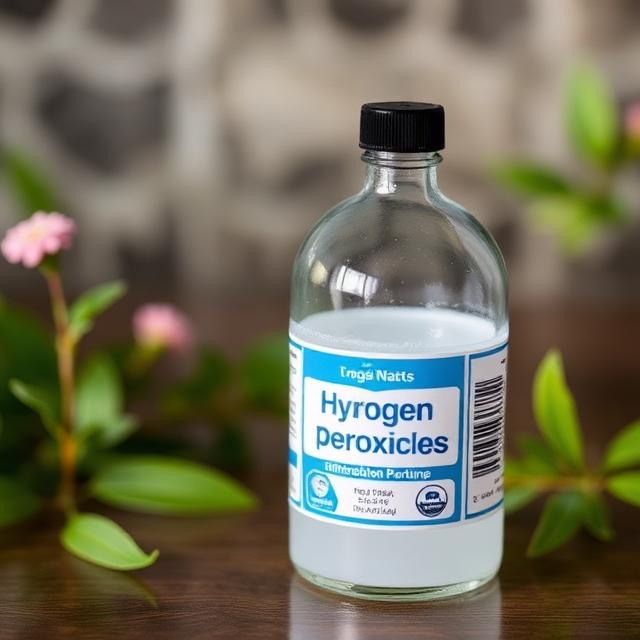
Hydrogen Peroxide Market to Reach USD 9.58 Million tons by 2035, Expanding at 4.30% CAGR Amid Semiconductor and Green Chemistry Demand

“Hydrogen Peroxide”
The Hydrogen Peroxide Market is dominated by the Asia-Pacific region, with an estimated 56.4% volume share in 2025

The global hydrogen peroxide market is on a steady growth trajectory, with comprehensive market research from Market Research Future projecting expansion from USD 6.54 Million tons in 2025 to USD 9.58 Million tons by 2035, reflecting a compound annual growth rate (CAGR) of 4.30% during the forecast period 2026–2035. In volume terms, the market is estimated at 6.54 million tons in 2025 and is projected to reach 9.58 million tons by 2035. This growth is anchored in tightening wastewater discharge standards across the European Union and Southeast Asia, alongside semiconductor fabrication investments exceeding USD 380 billion globally through 2030 that require ultra-high-purity industrial oxidizing agents for wafer cleaning.

Market Segmentation by Grade

The hydrogen peroxide market is categorized into four primary grades: Standard, Chemicals, Aseptic, and Semiconductor, each engineered to meet distinct purity and performance specifications.

Standard grade hydrogen peroxide, typically available in concentrations of 3–35%, is valued at approximately USD 2,150 million in 2025. This grade serves as the workhorse for general industrial applications, household disinfectants, and consumer products. Its cost-effectiveness and broad availability make it indispensable across developing economies where industrial infrastructure is rapidly scaling.

Chemicals grade hydrogen peroxide constitutes a strategically important segment, serving as a versatile oxidizing agent in organic and inorganic chemical synthesis. This grade is essential for the production of peracetic acid, epoxidized vegetable oils, and specialty chemicals. The chemical industry’s ongoing transition toward cleaner oxidation technologies—replacing chlorine-based processes with hydrogen peroxide-mediated alternatives—is significantly amplifying demand within this segment.

Aseptic grade hydrogen peroxide is witnessing accelerated growth, driven by its critical role in sterilization applications for food and beverage packaging, pharmaceutical manufacturing, and medical device disinfection. The global expansion of aseptic packaging technologies, particularly in dairy, juice, and ready-to-drink beverage sectors, is a primary demand catalyst. Regulatory mandates for food safety and the elimination of chemical preservatives are compelling manufacturers to adopt hydrogen peroxide-based cold sterilization methods.

Semiconductor grade hydrogen peroxide represents the highest-value and fastest-growing segment, with high-purity grades advancing at a 5.74% CAGR. This electronic-grade product, requiring sub-parts-per-billion metallic impurity levels, is indispensable in semiconductor wafer cleaning, photoresist stripping, and chemical mechanical planarization processes. The global surge in chip manufacturing capacity—fueled by artificial intelligence, 5G infrastructure, electric vehicles, and Internet of Things devices—is creating unprecedented demand. Only five global producers can consistently meet SEMI C30 Grade 5 specifications, conferring significant pricing power and margin resilience.


Download Report Sample Copy: https://www.marketresearchfuture.com/sample_request/7396


Application Landscape

The application spectrum for hydrogen peroxide spans three fundamental categories: Bleaching, Oxidation, and Environmental.

Bleaching applications dominate the market, accounting for 66.1% of volume share in 2025. Within this category, pulp and paper bleaching remains the single largest end-use, with the industry consuming the majority of global output as paper bleaching chemicals. The sector’s shift from elemental chlorine bleaching to totally chlorine-free and elemental chlorine-free processes has cemented hydrogen peroxide’s role as the preferred environmentally compatible bleaching agent. Textile bleaching represents another significant sub-segment, with hydrogen peroxide valued for its ability to achieve high whiteness indices without generating toxic chlorinated organic byproducts. However, recycled-fiber adoption and enzymatic pretreatments are compressing per-ton dosage, causing this segment to grow below the market average.

Oxidation applications constitute a strategically important and rapidly expanding segment. Hydrogen peroxide serves as a selective oxidant in chemical synthesis, enabling cleaner production pathways with water as the sole byproduct. Key oxidation applications include the manufacture of propylene oxide via the HPPO process, caprolactam production for nylon manufacturing, and epoxidation reactions. The HPPO process, operated by BASF, Dow, and Evonik, is the second-largest chemical-synthesis consumer, with each plant absorbing 100,000–150,000 tons annually of industrial-grade chemical processing agents.

Environmental applications represent the fastest-growing application category. This segment encompasses wastewater treatment, soil remediation, air pollution control, and advanced oxidation processes. The recast European Union Urban Wastewater Treatment Directive mandates quaternary treatment for large wastewater treatment plants, greatly increasing reliance on advanced oxidation processes using industrial-grade hydrogen peroxide as the main reagent. Hydrogen peroxide-driven Fenton reactions are also demonstrating 85–92% destruction efficiency for PFAS remediation at Department of Defense sites, opening a growing niche in contaminated groundwater treatment.

End-User Industry Analysis

The hydrogen peroxide market serves four principal end-user industries: Pulp and Paper, Chemicals, Textile, and Food and Beverage.

Pulp and paper remains the dominant end-user industry, accounting for 52.1% of the market in 2025. The segment’s demand is directly correlated with global paper and paperboard production volumes. While graphic paper consumption faces headwinds from digitalization, packaging paper and board demand—driven by e-commerce expansion and sustainable packaging trends—continues to grow robustly. Emerging economies in Asia-Pacific and Latin America are investing in new pulp mill capacity, creating sustained demand for bleaching chemicals. Pulp mills and consumer-goods brands are increasingly paying 15–20% premiums for low-carbon-validated peroxide, consistent with net-zero roadmaps across paper bleaching chemicals supply chains.

Chemicals manufacturing represents a high-value end-user segment, valued at USD 710 million in 2025. Hydrogen peroxide serves as both a raw material and a processing aid, with the segment benefiting from the chemical industry’s broader decarbonization agenda. Specialty chemical manufacturers are increasingly integrating hydrogen peroxide into their process intensification strategies to reduce waste generation and energy consumption.

Textile processing constitutes a significant volume consumer, particularly across Asia-Pacific manufacturing hubs. Valued with a 4.38% CAGR, hydrogen peroxide is employed in scouring, bleaching, and dyeing operations, with demand closely tied to global apparel and home textile production. The industry’s growing emphasis on sustainable processing and zero-discharge manufacturing is favoring hydrogen peroxide over traditional bleaching agents that generate adsorbable organic halogens and other harmful byproducts.

Food and beverage represents an emerging high-growth end-user segment. Applications include aseptic packaging sterilization, food surface disinfection, and as a processing aid in cheese whey treatment and starch modification. Regulatory approvals for hydrogen peroxide use in food contact applications across major jurisdictions are expanding the addressable market, while consumer preference for preservative-free products is driving adoption of hydrogen peroxide-based cold pasteurization technologies.


Ask for Customization: https://www.marketresearchfuture.com/ask_for_customize/7396


Regional Market Dynamics

Geographically, the hydrogen peroxide market is analyzed across North America, Europe, Asia-Pacific, and the Rest of the World.

Asia-Pacific commands the largest regional market share, with an estimated 56.4% volume share in 2025 and a market value of approximately USD 3.38 billion. This dominance is attributed to the expansion of textile processing chemicals demand in India and the vast expansion of pulp capacity in China. China alone operates over 300 peroxide plants, and its capacity additions outpace domestic demand growth, creating export pressure that depresses commodity pricing across the region. India’s textile sector is the fastest-growing consumer of bleaching chemicals in the region, while South Korea’s semiconductor clusters are driving double-digit growth in high-purity grades. Japan maintains a significant market position with USD 420 million in 2025, underpinned by its advanced electronics and specialty chemicals industries.

North America holds an approximate 18.9% market share, with the regional market projected to reach USD 2,890 million by 2035. The United States dominates the regional landscape with 72.3% of regional share, benefiting extensively from a massive wave of domestic semiconductor fabrication facility construction spurred by federal manufacturing incentives. Each newly commissioned foundry requires ultra-pure electronic-grade chemical processing agents. Canada contributes with a 4.68% CAGR, driven by pulp mill modernization across British Columbia and Quebec, while Mexico’s maquiladora textile corridors are scaling up hydrogen peroxide consumption to replace legacy chemistry.

Europe is the second-largest region, valued at approximately USD 1,780 million in 2025. Germany leads with 24.8% of regional share, driven by chemical synthesis and automotive catalysis applications. The United Kingdom is growing at a 4.39% CAGR, propelled by healthcare sterilization chemicals adoption. France’s market is valued at USD 215 million, with demand stemming from nuclear decontamination and food processing. The Nordic countries are advancing at a 4.61% CAGR, anchored by paper bleaching chemicals and green production initiatives. Europe’s market is shaped by the EU Green Deal’s push for carbon-neutral chemical production and the revised Urban Wastewater Treatment Directive mandating advanced oxidation. Evonik and Solvay operate the region’s largest plants and have announced green peroxide capacity additions using renewable-hydrogen feedstocks.

Rest of the World, encompassing Latin America, the Middle East, and Africa, presents substantial growth potential. South America is growing at a 3.85% CAGR, with Brazil holding 58.3% of regional share due to large-scale eucalyptus pulp capacity expansions led by major producers like Suzano and Klabin. The Middle East and Africa market is valued at USD 310 million in 2025, with Saudi Arabia’s NEOM and Jubail industrial developments embedding hydrogen peroxide into advanced water treatment chemicals infrastructure for desalination brine management.

Market Drivers and Strategic Outlook

Several converging factors are propelling the hydrogen peroxide market toward its 2035 projections. Environmental sustainability has emerged as the paramount driver, with hydrogen peroxide’s decomposition into water and oxygen positioning it as the quintessential green oxidant. Regulatory frameworks worldwide are systematically favoring hydrogen peroxide over chlorine-based and heavy metal-containing alternatives.

The global semiconductor industry’s unprecedented expansion represents a transformative demand catalyst. With worldwide semiconductor sales projected to exceed USD 1 trillion by 2030, the requirement for ultra-high-purity hydrogen peroxide in wafer fabrication is scaling commensurately. Each advanced semiconductor fabrication facility consumes thousands of metric tons of electronic-grade hydrogen peroxide annually.

Water scarcity and quality challenges are driving adoption of advanced oxidation processes in municipal and industrial wastewater treatment. The European Union’s recast Urban Wastewater Treatment Directive introduces quaternary treatment for large plants, mandating the removal of organic micropollutants and greatly increasing reliance on hydrogen peroxide-driven AOPs.

Healthcare sterilization expansion is another significant growth vector. Vaporized hydrogen peroxide devices have been integrated into infection-control workflows in hospitals worldwide, resulting in consistent daily consumption of sterilization chemicals. The World Health Organization highlights strict terminal cleaning procedures favoring VHP for its broad-spectrum sporicidal activity and safe breakdown into residue-free byproducts.

On-site electro-oxidation units are reducing delivered costs by up to 30% for mid-tier water utilities, eliminating hazardous chemical transport logistics and bulk storage risks. Producers are implementing these systems to provide access that was previously dependent on chemical processing agents transported from afar.

Green hydrogen integration is emerging as a pathway to carbon-neutral hydrogen peroxide manufacturing. Chemical producers validating low-carbon production methodologies using green-hydrogen feedstocks are commanding 15–20% commercial premiums from pulp processors, textile manufacturers, and consumer goods brands implementing strict corporate net-zero roadmaps.

Competitive Landscape

The hydrogen peroxide market exhibits moderate concentration, with the top five producers controlling roughly 43% of global capacity and an estimated HHI of approximately 850–950. Over 400 regional plants—predominantly in China and Southeast Asia—compete on freight advantage, keeping commodity pricing under pressure.

Key global players include Evonik Industries AG, Solvay S.A., Arkema S.A., Nouryon, Mitsubishi Gas Chemical Company, OCI NV, Kemira Oyj, Hansol Chemical, PeroxyChem, and Aditya Birla Chemicals. In January 2025, Evonik and Fuhua established a joint venture in Leshan, China, utilizing Fuhua’s raw industrial-grade hydrogen peroxide and Evonik’s proprietary purification technology. In June 2025, Solvay and BASF announced a strategic collaboration to lower the Scope 3 greenhouse gas footprint of hydrogen peroxide production, with Solvay selecting BASF as its primary local supplier of aluminum chloride for its Netherlands facility.


Related Report

Tungsten Carbide Market

Fatty Alcohol Market

Silicone Coating Market

Sodium Chloride Market

Isopropyl Alcohol Market

Inorganic Salts Market


Media Contact
Company Name: Market Research Future
Contact Person: Media Relations
Email: Send Email
Country: United States
Website: https://www.marketresearchfuture.com


Press Release Distributed by ABNewswire.com

To view the original version on ABNewswire visit: Hydrogen Peroxide Market to Reach USD 9.58 Million tons by 2035, Expanding at 4.30% CAGR Amid Semiconductor and Green Chemistry Demand

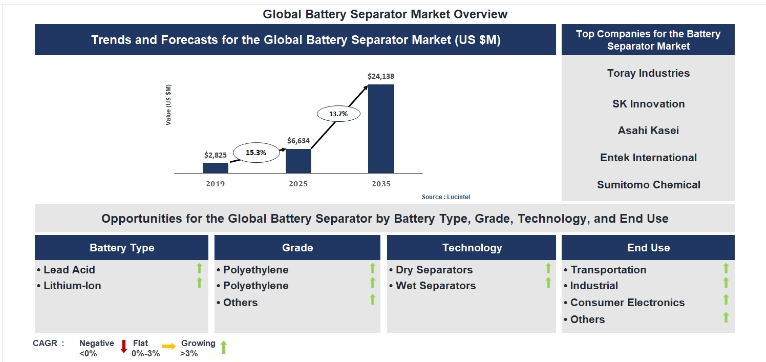
Lucintel Forecasts the Global Battery Separator Market to Reach $24,138 million by 2035

“The battery separator market is experiencing rapid evolution driven by technological advancements, increasing demand for electric vehicles, and the need for safer, more efficient energy storage solutions. As the world shifts towards sustainable energy sources, innovations in separator materials and manufacturing processes are shaping the future of battery technology.”
The future of the global battery separator market looks promising with opportunities in the transportation, industrial, and consumer electronic markets. The global battery separator market is expected to reach an estimated $24,138 million by 2035 with a CAGR of 13.7% from 2026 to 2035.

According to a market report by Lucintel, the future of the global battery separator market looks promising with opportunities in the transportation, industrial, and consumer electronic markets. The global battery separator market is expected to reach an estimated $24,138 million by 2035 with a CAGR of 13.7% from 2026 to 2035. The major drivers for this market are the rising demand for high-energy-density & long-life batteries, the increasing demand for consumer electronics like smartphones & laptops, and the growing demand for investment in battery manufacturing & gigafactories.

A more than 150-page report to understand trends, opportunity and forecast in battery separator market to 2035 by battery type (lead acid and lithium-ion), grade (polyethylene, polyethylene, and others), technology (dry separators and wet separators), end use (transportation, industrial, consumer electronics, and others), and region (North America, Europe, Asia Pacific, and the Rest of the World).

Lucintel forecasts that, within the battery type category, lithium-ion is expected to witness higher growth over the forecast period.

Within the end use category, transportation is expected to witness the highest growth.

Download sample by clicking on battery separator market

In terms of region, APAC is expected to witness the highest growth over the forecast period.

Toray Industries, SK Innovation, Asahi Kasei, Entek International, Sumitomo Chemical, UBE Industries, Semcorp are the major suppliers in the battery separator market.

This unique research report will enable you to make confident business decisions in this globally competitive marketplace. For a detailed table of contents, contact Lucintel at +1-972-636-5056 or write us at helpdesk@lucintel.com to get access of more than 1000 reports at fraction of cost visit Lucintel’s Analytics Dashboard.

About Lucintel

At Lucintel, we offer solutions for you growth through game changer ideas and robust market & unmet needs analysis. We are based in Dallas, TX and have been a trusted advisor for 1,000+ clients for over 20 years. We are quoted in several publications like the Wall Street Journal, ZACKS, and the Financial Times.

Contact: Roy Almaguer Lucintel Dallas, Texas, USA Email: roy.almaguer@lucintel.com Tel. +1-972-636-5056

Explore Our Latest Publications

Soft Signage Market

Superconductor Wire Market

Surgical Gown Market

Surgical Instrument Tracking System Market

Surgical Mask and Gown Market


Media Contact
Company Name: Lucintel
Contact Person: Roy Almaguer
Email: Send Email
Phone: 972.636.5056
Address:8951 Cypress Waters Blvd., Suite 160
City: Dallas
State: TEXAS
Country: United States
Website: https://www.lucintel.com/battery-separator-market.aspx


Press Release Distributed by ABNewswire.com

To view the original version on ABNewswire visit: Lucintel Forecasts the Global Battery Separator Market to Reach $24,138 million by 2035

Healthray Integrates AI for Enhanced Efficiency and Cost-Effectiveness in Healthcare

There’s a definite need for healthcare to be more efficient. All over the world, healthcare organizations are still dealing with growing operational problems like excessive paperwork, incompatible systems, soaring expenses, and patient demands getting higher. Healthray, a hospital management software powered by AI and located in Surat, Gujarat, is making hospitals’ lives easier by providing them with a single platform that helps automate workflow and lessens inefficiencies while enhancing patient care.

A single platform, replacing fragmented systems

The majority of hospital inefficiency is not a management or staff issue; it’s a software issue. There are different systems across the labs, OPD, pharmacy, billing and finance, which require manual data sharing and cause data errors, delays and duplicate efforts. To overcome this challenge, Healthray’s Hospital Management Software provides a complete solution to integrate the various departments within the hospital and enable them to work in sync, thereby reducing manual reconciliation and improving coordination across the hospital.

The system can meet all the needs of a hospital. Clinicians can access real-time, comprehensive patient records from admission to discharge with the help of EMR/EHR Software. Laboratory Information Management System is integrated with major analyser brands to enable the results to be automatically entered in the patient record. Pharmacy Management System provides accurate dispensing and stock tracking, while Clinic Management Software is a single solution for scheduling, consultation result management, patient communication, etc. Depending on their physical infrastructure and data handling needs, hospitals can opt for going on the cloud, stay on prem or opting for a hybrid approach.

Where the AI actually works

Healthray’s AI is seamlessly integrated with the daily clinical and administrative tasks. Predictive Analytics can track patient flow, resource consumption, and appointment trends to alert for potential problems before it impacts operations. Automated reminders and smart scheduling help reduce no-shows by not only spreading out the clinical load but also by sending reminders. Background billing audits can help catch mismatches without additional work by employees.

Voice-to-text documentation enables doctors to dictate into the EMR while or just after consultation, eradicating the backlog of documentation that eats into their clinical time.

The AI diagnostics feature provides point-of-care decision support, including relevant history, lab abnormalities, and tracking lab follow-ups. Altogether, these features lessen the administrative load throughout the hospital so that healthcare workers can concentrate on patient care rather than the management of processes.

Designed for Compliance Across All Markets

Healthray was one of the first to adopt full-fledged ABDM adherence and NHA approval, where ABHA ID generation is done as part of the patient registration process. All hospital platforms are compliance-enabled on launch, with an ideal platform for cross-border hospitals that complies with HIPAA, GDPR, DISHA and ISO 27001. Seamless and defined integration with national health infrastructure and third-party solutions is achieved by HL7 v2. x and FHIR R4, with data safeguarded by multiple layers of security.

“Our mission at Healthray is to eliminate operational delays, bridge hospital processes and enable a more productive experience for healthcare professionals every day without paperwork getting in the way.”

  • Ketan Mangukiya, Founder & CEO, Healthray

Designed to Scale With the Institution

Healthray is a hospital management System powered by AI. It brings EMR/EHR, LIS, Pharmacy, Clinic Management, and Billing in one system. Healthray can be customized for any size doctor’s office, including multi-specialty hospitals, and it can grow your staff.

It can be set up and working within 2 weeks, and embedded AI can provide predictive analytics, smart scheduling, billing audit automation, and voice-to-text documentation. The use of AI reduces paperwork and frees up doctors’ time.

Successful results in the healthcare industry

The outcomes of Healthray can be measured in healthcare organizations. Vibrant Hospital saved on an annual basis ₹25 lakh and reduced the billing time by 30%, whereas BBMH Hospital reduced the administrative workload by 35% and the number of manual errors by 40%. The time taken to process samples reduced by 80% at Jeevan Rekha Hospital, and 45% of the operational cost was reduced at Lilavati Hospital, respectively, while patient satisfaction was 95% in both hospitals. Furthermore, the implementation of an EHR system at Universal Hospitals resulted in a significant reduction in patient waiting times, with a 45% drop, and cost savings, a 30% reduction, highlighting its benefits in efficiency and cost-effectiveness.

Healthray today assists over 1000 hospitals and healthcare organizations throughout India and the global market, in easy and efficient operation and in supporting digital healthcare delivery. Such high scores are not just from trials but from day-to-day operations, due to tangible operational benefits.

What Hospitals Say

Healthray is being implemented in hospitals and clinics with a user-friendly and efficient system, and tangible benefits are already being achieved from this. Hospital administrators and clinical professionals who have used this software on a daily basis have rated it at 4.8/5 on Capterra, 5/5 on G2, 4.8/5 on Software Suggest, and 4.5/5 on Trustpilot.

Healthray has been featured among the top user-friendly EMR solutions by independent user-friendly review sites like Techjockey, Techimply, and Technology Counter. User comments highlight how fast it can be put to use, the wide array of functionalities, and the great reduction in hospital filing time that results from it.

About Healthray Technologies

Healthray Technologies is a Surat, Gujarat-based healthcare technology firm that offers AI-driven solutions for Hospital Management Software, EMR/EHR, LIMS, Pharmacy Management, and Clinic Management. Healthray is transforming the patient journey within hospitals and clinics, streamlining complexity, improving efficiency, and enhancing the patient journey with connected digital health systems used by more than 1,000 healthcare organisations.

Media Contact
Company Name: Healthray Technologies
Contact Person: Ketan Mangukiya
Email: Send Email
Country: India
Website: https://healthray.com


Press Release Distributed by ABNewswire.com

To view the original version on ABNewswire visit: Healthray Integrates AI for Enhanced Efficiency and Cost-Effectiveness in Healthcare

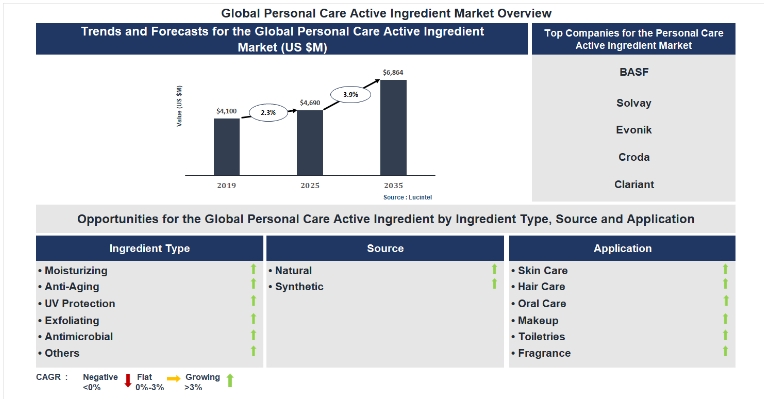
Lucintel Forecasts the Global Personal Care Active Ingredient Market to Reach $6,864 million by 2035

“The personal care active ingredient market is experiencing rapid evolution driven by technological advancements, changing consumer preferences, and increasing demand for natural and sustainable products. As consumers become more health-conscious and environmentally aware, companies are innovating to meet these needs. Regulatory landscapes are also shifting,”
The future of the global personal care active ingredient market looks promising with opportunities in the skin care, hair care, oral care, makeup, toiletry, and fragrance markets. The global personal care active ingredient market is expected to reach an estimated $6,864 million by 2035 with a CAGR of 3.9% from 2026 to 2035.

According to a market report by Lucintel, the future of the global personal care active ingredient market looks promising with opportunities in the skin care, hair care, oral care, makeup, toiletry, and fragrance markets. The global personal care active ingredient market is expected to reach an estimated $6,864 million by 2035 with a CAGR of 3.9% from 2026 to 2035. The major drivers for this market are the increasing demand for natural & organic ingredients, the rising adoption in male grooming products, and the growing demand for sun protection & uv defense products.

A more than 150-page report to understand trends, opportunity and forecast in personal care active ingredient market to 2035 by ingredient type (moisturizing, anti-aging, UV protection, exfoliating, antimicrobial, and others), source (natural and synthetic), application (skin care, hair care, oral care, makeup, toiletries, and fragrance), and region (North America, Europe, Asia Pacific, and the Rest of the World).

Lucintel forecasts that, within the ingredient type category, moisturizing is expected to witness the highest growth over the forecast period.

Within the application category, skin care is expected to witness the highest growth.

Download sample by clicking on personal care active ingredient market

In terms of region, APAC is expected to witness the highest growth over the forecast period.

BASF, Solvay, Evonik, Croda, Clariant, Ashland, DSM, Nouryon, Adeka Corp., Lonza aare the major suppliers in the personal care active ingredient market.

This unique research report will enable you to make confident business decisions in this globally competitive marketplace. For a detailed table of contents, contact Lucintel at +1-972-636-5056 or write us at helpdesk@lucintel.com to get access of more than 1000 reports at fraction of cost visit Lucintel’s Analytics Dashboard.

About Lucintel

At Lucintel, we offer solutions for you growth through game changer ideas and robust market & unmet needs analysis. We are based in Dallas, TX and have been a trusted advisor for 1,000+ clients for over 20 years. We are quoted in several publications like the Wall Street Journal, ZACKS, and the Financial Times.

Contact: Roy Almaguer Lucintel Dallas, Texas, USA Email: roy.almaguer@lucintel.com Tel. +1-972-636-5056

Explore Our Latest Publications

Liquid Biopsy Product Market

LTCC Filter Market

Magnetic Encoder Market

Mask Blank Market

Medical Device Connectivity Market


Media Contact
Company Name: Lucintel
Contact Person: Roy Almaguer
Email: Send Email
Phone: 972.636.5056
Address:8951 Cypress Waters Blvd., Suite 160
City: Dallas
State: TEXAS
Country: United States
Website: https://www.lucintel.com/


Press Release Distributed by ABNewswire.com

To view the original version on ABNewswire visit: Lucintel Forecasts the Global Personal Care Active Ingredient Market to Reach $6,864 million by 2035

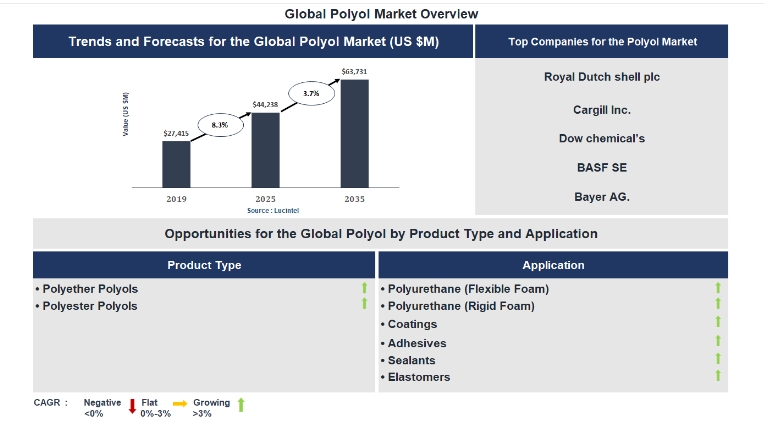
Lucintel Forecasts the Global Polyol Market to Reach $63,731 million by 2035

“The polyol market is experiencing rapid evolution driven by technological advancements, shifting consumer preferences, and increasing demand for sustainable solutions. As industries such as construction, automotive, and packaging expand, the need for innovative, eco-friendly, and high-performance polyols is growing. Market players are investing in research and development to meet these demands,”
The future of the global polyol market looks promising with opportunities in the polyurethane (flexible foam), polyurethane (rigid foam), coating, adhesive, sealant, and elastomer markets. The global polyol market is expected to reach an estimated $63,731 million by 2035 with a CAGR of 3.7% from 2026 to 2035.

According to a market report by Lucintel, the future of the global polyol market looks promising with opportunities in the polyurethane (flexible foam), polyurethane (rigid foam), coating, adhesive, sealant, and elastomer markets. The global polyol market is expected to reach an estimated $63,731 million by 2035 with a CAGR of 3.7% from 2026 to 2035. The major drivers for this market are the growing demand for energy efficient buildings, the rising demand for refrigeration & cold storage sectors, and the increasing demand for polyurethane in construction insulation.

A more than 150-page report to understand trends, opportunity and forecast in polyol market to 2035 by product type (polyether polyols and polyester polyols), application (polyurethane (flexible foam), polyurethane (rigid foam), coatings, adhesives, sealants, and elastomers), and region (North America, Europe, Asia Pacific, and the Rest of the World).

Lucintel forecasts that, within the product type category, polyether polyol is expected to witness higher growth over the forecast period.

Within the application category, polyurethane (flexible foam) is expected to witness the highest growth.

Download sample by clicking on polyol market

In terms of region, APAC is expected to witness the highest growth over the forecast period.

Royal Dutch shell plc, Cargill Inc., Dow chemical’s, BASF SE, Bayer AG. are the major suppliers in the polyol market.

This unique research report will enable you to make confident business decisions in this globally competitive marketplace. For a detailed table of contents, contact Lucintel at +1-972-636-5056 or write us at helpdesk@lucintel.com to get access of more than 1000 reports at fraction of cost visit Lucintel’s Analytics Dashboard.

About Lucintel

At Lucintel, we offer solutions for you growth through game changer ideas and robust market & unmet needs analysis. We are based in Dallas, TX and have been a trusted advisor for 1,000+ clients for over 20 years. We are quoted in several publications like the Wall Street Journal, ZACKS, and the Financial Times.

Contact: Roy Almaguer Lucintel Dallas, Texas, USA Email: roy.almaguer@lucintel.com Tel. +1-972-636-5056

Explore Our Latest Publications

Medical Rubber Stopper Market

Medical Smart Textile Market

Medicine Cabinet Market

Microbial and Bacterial Cellulose Market

Microbiome Therapeutics Market


Media Contact
Company Name: Lucintel
Contact Person: Roy Almaguer
Email: Send Email
Phone: 972.636.5056
Address:8951 Cypress Waters Blvd., Suite 160
City: Dallas
State: TEXAS
Country: United States
Website: https://www.lucintel.com/polyol-market.aspx


Press Release Distributed by ABNewswire.com

To view the original version on ABNewswire visit: Lucintel Forecasts the Global Polyol Market to Reach $63,731 million by 2035

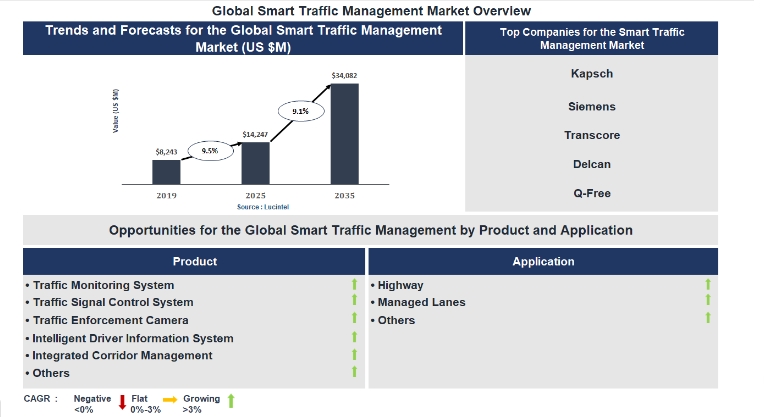
Lucintel Forecasts the Global Smart Traffic Management Market to Reach $34,082 million by 2035

“The smart traffic management market is experiencing rapid evolution driven by technological advancements, urbanization, and the need for sustainable transportation solutions. As cities grow and traffic congestion worsens, innovative systems are being adopted to improve traffic flow,”
Key data points: The market size in 2035 = $34,082 million, growth forecast = 9.1% annually for the next 8 years. Scroll below to get more insights. This market report covers trends, opportunities and forecasts in smart traffic management market to 2035 by product (traffic monitoring system, traffic signal control system, traffic enforcement camera, intelligent driver information system,

According to a market report by Lucintel, the future of the global smart traffic management market looks promising with opportunities in the highway and managed lane markets. The global smart traffic management market is expected to reach an estimated $34,082 million by 2035 with a CAGR of 9.1% from 2026 to 2035. The major drivers for this market are the rising demand for real time traffic monitoring solutions, the growing adoption of ai & iot in traffic systems, and the increasing demand for focus on reducing travel time & fuel consumption.

A more than 150-page report to understand trends, opportunity and forecast in smart traffic management market to 2035 by product (traffic monitoring system, traffic signal control system, traffic enforcement camera, intelligent driver information system, integrated corridor management , and others), application (highway, managed lanes, and others), and region (North America, Europe, Asia Pacific, and the Rest of the World).

Lucintel forecasts that, within the product category, traffic monitoring system is expected to witness the highest growth over the forecast period.

Within the application category, highway is expected to witness the highest growth.

Download sample by clicking on smart traffic management market

In terms of region, APAC is expected to witness the highest growth over the forecast period.

Kapsch, Siemens, Transcore, Delcan, Q-Free, Xerox, SICE are the major suppliers in the smart traffic management market.

This unique research report will enable you to make confident business decisions in this globally competitive marketplace. For a detailed table of contents, contact Lucintel at +1-972-636-5056 or write us at helpdesk@lucintel.com to get access of more than 1000 reports at fraction of cost visit Lucintel’s Analytics Dashboard.

About Lucintel

At Lucintel, we offer solutions for you growth through game changer ideas and robust market & unmet needs analysis. We are based in Dallas, TX and have been a trusted advisor for 1,000+ clients for over 20 years. We are quoted in several publications like the Wall Street Journal, ZACKS, and the Financial Times.

Contact: Roy Almaguer Lucintel Dallas, Texas, USA Email: roy.almaguer@lucintel.com Tel. +1-972-636-5056

Explore Our Latest Publications

Nitrate Sensor Market

Optical Microscope Market

People Counting System Market

Pharma Track and Trace Solution Market

Photoelectric Detector Market


Media Contact
Company Name: Lucintel
Contact Person: Roy Almaguer
Email: Send Email
Phone: 972.636.5056
Address:8951 Cypress Waters Blvd., Suite 160
City: Dallas
State: TEXAS
Country: United States
Website: https://www.lucintel.com/smart-traffic-management-system-market.aspx


Press Release Distributed by ABNewswire.com

To view the original version on ABNewswire visit: Lucintel Forecasts the Global Smart Traffic Management Market to Reach $34,082 million by 2035

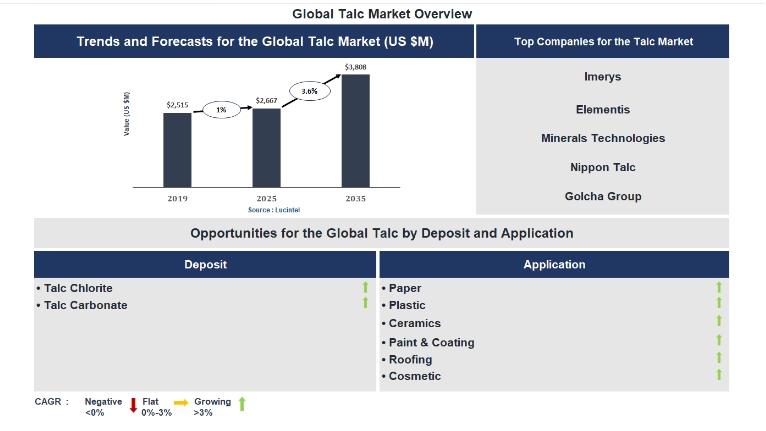
Lucintel Forecasts the Global Talc Market to Reach $3,808 million by 2035

“The talc market is experiencing significant transformation driven by technological advancements, changing consumer preferences, and increasing regulatory scrutiny. As industries such as cosmetics, plastics, and ceramics expand, the demand for talc is evolving in both developed and emerging markets.”
Key data points: The market size in 2035 = $3,808 million, growth forecast = 3.6% annually for the next 8 years. Scroll below to get more insights. This market report covers trends, opportunities and forecasts in talc market to 2035 by deposit

According to a market report by Lucintel, the future of the global talc market looks promising with opportunities in the paper, plastic, ceramic, paint & coating, roofing, and cosmetic markets. The global talc market is expected to reach an estimated $3,808 million by 2035 with a CAGR of 3.6% from 2026 to 2035. The major drivers for this market are the rising demand in ceramics & tiles production, the growing demand in automotive & electrical components, and the increasing demand for use in cosmetics & personal care products.

A more than 150-page report to understand trends, opportunity and forecast in talc market to 2035 by deposit (talc chlorite and talc carbonate), application (paper, plastic, ceramics, paint & coating, roofing, and cosmetic), and region (North America, Europe, Asia Pacific, and the Rest of the World).

Lucintel forecasts that, within the deposit category, talc chlorite is expected to witness higher growth over the forecast period.

Within the application category, paper is expected to witness the highest growth.

Download sample by clicking on talc market

In terms of region, APAC is expected to witness the highest growth over the forecast period.

Imerys, Elementis, Minerals Technologies, Nippon Talc, Golcha Group are the major suppliers in the talc market.

This unique research report will enable you to make confident business decisions in this globally competitive marketplace. For a detailed table of contents, contact Lucintel at +1-972-636-5056 or write us at helpdesk@lucintel.com to get access of more than 1000 reports at fraction of cost visit Lucintel’s Analytics Dashboard.

About Lucintel

At Lucintel, we offer solutions for you growth through game changer ideas and robust market & unmet needs analysis. We are based in Dallas, TX and have been a trusted advisor for 1,000+ clients for over 20 years. We are quoted in several publications like the Wall Street Journal, ZACKS, and the Financial Times.

Contact: Roy Almaguer Lucintel Dallas, Texas, USA Email: roy.almaguer@lucintel.com Tel. +1-972-636-5056

Explore Our Latest Publications

P-Phenylenediamine Market

Prosthetic Market

RF PIN Diode Market

Silicon Electrode Market

Silicon Nitride Ceramic Substrate Market


Media Contact
Company Name: Lucintel
Contact Person: Roy Almaguer
Email: Send Email
Phone: 972.636.5056
Address:8951 Cypress Waters Blvd., Suite 160
City: Dallas
State: TEXAS
Country: United States
Website: https://www.lucintel.com/talc-market.aspx


Press Release Distributed by ABNewswire.com

To view the original version on ABNewswire visit: Lucintel Forecasts the Global Talc Market to Reach $3,808 million by 2035