Aircraft Engines Market to Reach USD 124.84 Billion by 2030 – Mordor Intelligence

“Aircraft Engines Market”
Mordor Intelligence has published a latest report on the Aircraft Engines Market, offering a comprehensive analysis of trends, growth drivers, and future projections.

Introduction

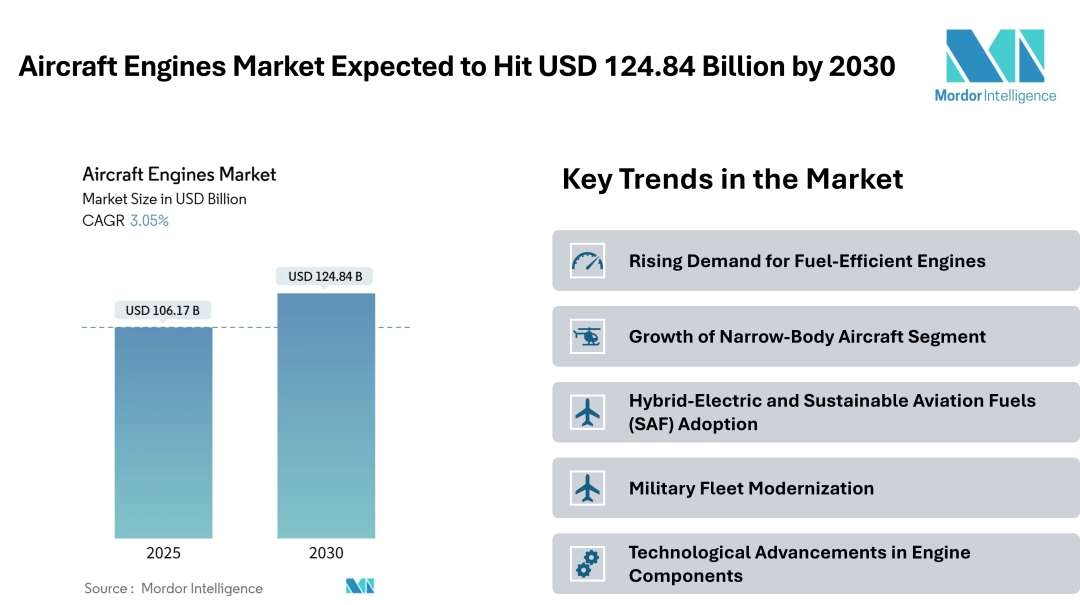
According to a 2025 report, the Aircraft Engines Market is projected to grow from USD 106.17 billion in 2025 to USD 124.84 billion by 2030 at a CAGR of 3.05%.

The aircraft engines market form the backbone of the global aviation industry, powering commercial, military, and general aviation aircraft worldwide. Over the years, the market has evolved from traditional propulsion systems to highly fuel-efficient and environmentally conscious technologies. Airlines and defense organizations are steadily upgrading fleets with engines that reduce fuel consumption, minimize emissions, and support lower operating costs.


Key Market Trends

Rising Demand for Fuel-Efficient Engines: Airlines worldwide are prioritizing engines that offer lower fuel burn and reduced operating costs. Modern turbofan and geared-turbofan engines provide significant fuel savings compared to older models, making them attractive options for both narrow-body and wide-body aircraft programs.

Growth of Narrow-Body Aircraft Segment: Short-to-medium haul routes are becoming the backbone of commercial aviation. Narrow-body aircraft such as the Boeing 737 MAX and Airbus A320neo are leading this demand, increasing the need for engines with higher efficiency and reliability for frequent, shorter flights.

Hybrid-Electric and Sustainable Aviation Fuels (SAF) Adoption: The push for greener aviation is accelerating research in hybrid-electric propulsion systems and engines compatible with SAF. This trend is driven by stricter emission norms and the global goal of carbon-neutral aviation by 2050, encouraging manufacturers to invest in low-emission technologies.

Military Fleet Modernization: Defense organizations are upgrading older fighter jets and aerial refueling tankers with new-generation engines offering higher thrust, improved fuel efficiency, and lower maintenance requirements. Programs like the KC-46A Pegasus and A330 MRTT are prime examples of this shift.

Technological Advancements in Engine Components: Manufacturers are focusing on innovations in turbine blades, gearboxes, and adaptive-cycle engine technologies to improve performance and extend engine life. These advancements also aim to lower maintenance costs while supporting higher flight frequencies.


Market Segmentation

By Aircraft Type

  • Commercial Aviation: This includes narrow-body, wide-body, and regional aircraft used in passenger and cargo operations. It represents the largest segment of the aircraft engines market, driven by global air traffic growth and fleet modernization programs.

  • Military Aviation: Covers combat and non-combat aircraft such as fighter jets, transport planes, and refueling tankers. Demand in this segment is influenced by defense budgets, modernization efforts, and strategic air mobility requirements.

  • General Aviation: Encompasses smaller civil aircraft like business jets, helicopters, turboprops, and piston-engine planes. It supports private, corporate, training, and utility missions across various regions.

  • Unmanned Aerial Vehicles (UAVs): Represents drones and unmanned platforms used for military reconnaissance, commercial applications, and emerging civil uses. Engine demand here focuses on compact, efficient, and lightweight propulsion systems.

  • Advanced Air Mobility (AAM) Vehicles: Refers to electric or hybrid-electric vertical takeoff and landing (eVTOL) aircraft, air taxis, and other next-generation urban mobility solutions aimed at sustainable and short-distance air transportation.


By Engine Type

  • Turbofan: Widely used in commercial aviation due to high fuel efficiency, low noise levels, and suitability for long-haul flights.

  • Turboprop: Preferred for regional and short-haul routes, offering better performance at lower speeds and shorter runways.

  • Turboshaft: Primarily used in helicopters and rotorcraft, optimized for vertical takeoff and landing operations.

  • Piston: Common in smaller general aviation aircraft, providing lower thrust and cost-effective performance for short distances.

  • Hybrid-Electric: An emerging segment aimed at reducing carbon emissions through partial electrification of aircraft propulsion systems.


By Technology

  • Conventional Turbofan/Turboprop: Traditional engine technology dominating current commercial and military fleets.

  • Geared Turbofan (GTF): Uses a gearbox to optimize fan and turbine speeds, improving fuel efficiency and reducing noise.

  • Contra-Rotating Open Rotor: Features dual counter-rotating propellers for higher efficiency in future aircraft concepts.

  • Adaptive-Cycle Engines: Provides variable operating cycles, delivering high efficiency in both subsonic and supersonic flight conditions.

  • Hybrid-Electric Propulsion: Focuses on integrating electric power sources to reduce fuel consumption and emissions.


By Thrust Class

  • Less than 10,000 lbf: Used in small regional aircraft, business jets, and certain rotorcraft.

  • 10,001 to 25,000 lbf: Powers regional jets and some narrow-body commercial aircraft.

  • 25,001 to 50,000 lbf: Suits larger narrow-body and medium wide-body aircraft fleets.

  • Greater than 50,000 lbf: Deployed in wide-body long-haul aircraft and military transport planes needing high thrust levels.


By Component

  • Compressor: Increases air pressure before combustion for greater engine efficiency.

  • Turbine: Extracts energy from hot gases to drive the compressor and fan systems.

  • Nozzle: Expels exhaust gases to generate thrust for forward propulsion.

  • Gearbox: Synchronizes engine components, improving efficiency in geared engine designs.

  • Other Components: Includes ancillary parts like bearings, seals, and casings that support engine functionality.


By End-User

  • OEM Factory-Fit: Engines supplied directly with new aircraft during manufacturing.

  • Replacement/Aftermarket: Engines or components delivered for maintenance, repair, and overhaul (MRO) needs throughout the aircraft’s lifecycle.


By Geography

  • North America: A mature and significant player in the aircraft engines market, North America benefits from a large installed base of both commercial and military aircraft. The region’s focus on modernizing fleets and meeting stringent emission standards supports robust demand for next-generation engines and MRO services.

  • South America: Although smaller in comparison to other regions, South America is gradually growing, with expanding domestic air travel and regional connectivity projects boosting the need for reliable engine solutions, especially for narrow-body and turboprop aircraft.

  • Europe: Europe remains a steady market driven by strong airline networks, defense investments, and regulatory encouragement for cleaner, more efficient engines. The presence of renowned OEMs and a well-established maintenance infrastructure underpin the region’s sustained demand.

  • Asia-Pacific: The fastest-expanding region and currently the largest market by volume. Rapid economic growth, booming passenger air traffic, and ongoing investments in fleet expansion and modernization are propelling demand across commercial, military, and emerging AAM segments.

  • Middle East & Africa: While smaller in absolute terms, this combined region exhibits one of the fastest growth trajectories. High-growth carriers, long-haul traffic hubs, and strategic overhaul programs for defense aviation are central to increasing engine demand and aftermarket services.


Major Players

  • Safran SA A French aerospace and defense group known for designing and manufacturing aircraft engines for both commercial and military sectors, as well as launch vehicle propulsion systems.

  • General Electric Company (GE Aerospace) An American manufacturer that produces jet and turboprop engines for commercial, military, business, and general aviation, including engines made via its joint venture CFM International.

  • Rolls-Royce plc A British aerospace and defense company recognized as the world’s second-largest aircraft engine maker, with strong presence in both civil and military aviation.

  • RTX Corporation A major U.S.-based aerospace and defense conglomerate that includes Pratt & Whitney, supplying engines and propulsion systems across commercial, military, and business aviation.

  • Honeywell International, Inc. (Honeywell Aerospace) A U.S. company that produces aircraft engines, auxiliary power units (APUs), and avionics, serving both commercial and defense markets with a broad product portfolio.


Conclusion

The aircraft engines market is poised for steady growth through 2030, supported by rising passenger traffic, fleet modernization programs, and increasing demand for fuel-efficient propulsion technologies. Commercial aviation continues to dominate, while military upgrades, unmanned aerial vehicles, and advanced air mobility platforms contribute to emerging opportunities.

Get More insights: https://www.mordorintelligence.com/industry-reports/aircraft-engines-market?utm_source=abnewswire


Industry Related Reports

Asia-Pacific Aircraft Engine Market: The Asia-Pacific Aircraft Engine Market is segmented by engine type (turbofan, turboprop, turboshaft, and piston), end user (commercial aviation, military aviation, and general aviation), and geography (China, India, Japan, Singapore, South Korea, and the rest of Asia-Pacific). The report provides the market size and forecasts for each segment in terms of value (USD).


Commercial Aircraft Engines Market: The report covers global commercial aircraft engine manufacturers and segments the market by aircraft type (narrow-body, wide-body, and regional aircraft), engine type (turbofan and turboprop), and geography (North America, Europe, Asia-Pacific, Latin America, and the Middle East & Africa). Market size and forecasts are provided in terms of value (USD) for all these segments.

Get More insights: https://www.mordorintelligence.com/industry-reports/commercial-aircraft-engines-market?utm_source=abnewswire


Aircraft Engine Testbed Market: The Global Aircraft Engine Testbed Market is segmented by engine type (piston engine, turboprop, and turbofan jet engine), aircraft type (fixed-wing and rotary-wing), and geography (North America, Europe, Asia-Pacific, Latin America, and the Middle East & Africa). The report provides market size and forecasts in terms of value (USD million) for all these segments.


About Mordor Intelligence: Mordor Intelligence is a trusted partner for businesses seeking comprehensive and actionable market intelligence. Our global reach, expert team, and tailored solutions empower organizations and individuals to make informed decisions, navigate complex markets, and achieve their strategic goals.With a team of over 550 domain experts and on-ground specialists spanning 150+ countries, Mordor Intelligence possesses a unique understanding of the global business landscape. This expertise translates into comprehensive syndicated and custom research reports covering a wide spectrum of industries, including aerospace & defense, agriculture, animal nutrition and wellness, automation, automotive, chemicals & materials, consumer goods & services, electronics, energy & power, financial services, food & beverages, healthcare, hospitality & tourism, information & communications technology, investment opportunities, and logistics.

For any inquiries or to access the full report, please contact: media@mordorintelligence.com

https://www.mordorintelligence.com/

Media Contact
Company Name: Mordor Intelligence Private Limited
Contact Person: Jignesh Thakkar
Email: Send Email
Phone: +1 617-765-2493
Address:5th Floor, Rajapushpa Summit, Nanakramguda Rd, Financial District, Gachibowli
City: Hyderabad
State: Telangana 500008
Country: India
Website: https://www.mordorintelligence.com/


Press Release Distributed by ABNewswire.com

To view the original version on ABNewswire visit: Aircraft Engines Market to Reach USD 124.84 Billion by 2030 – Mordor Intelligence
Sickle Cell Disease Market Outlook 2034 – Clinical Trials, Market Size, Medication, Prevalence, Companies by DelveInsight

“Sickle Cell Disease Market”
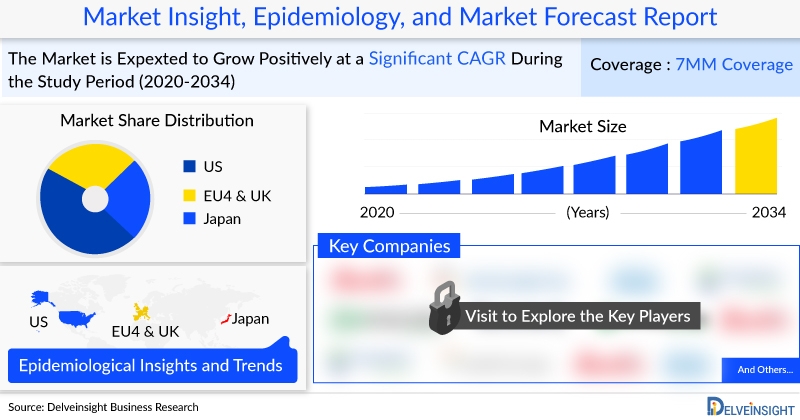
The Sickle Cell Disease (SCD) market in the 6MM was valued at ~USD 650 million in 2023. Sickle Cell Disease companies working in the treatment market are Cellectis, Sana Biotechnology, Global Blood Therapeutics, Inc., CSL Behring, Pfizer, Aruvant Sciences, Graphite Bio, Novartis, Agios Pharmaceuticals, Forma therapeutics, Vertex Pharmaceuticals, Global Blood Therapeutics, Inc., Alfasigma, Novo Nordisk, bluebird bio, ExCellThera, Gamida Cell, KM Biologics/Takeda, Editas Medicine, and others.

Sickle Cell Disease Market Summary

In 2023, The United States Sickle Cell Disease (SCD) market was valued ~USD 603 million (~92% share), followed by France and the UK. SCD is a genetic disorder caused by an HBB gene mutation, producing abnormal hemoglobin that distorts red blood cells, leading to anemia, painful crises, organ damage, and reduced life expectancy. Current management includes NSAIDs, blood transfusions, chelating agents, supplements, and antibiotics, alongside FDA-approved therapies such as DROXIA (hydroxyurea), ENDARI (L-glutamine), ADAKVEO (crizanlizumab), and OXBRYTA (voxelotor). Recently approved gene therapies, CASGEVY and LYFGENIA, are expected to drive future market growth, with pipeline candidates like EDIT-301, Mitapivat, Inclacumab, and Osivelotor showing promise. Despite progress, barriers such as delayed diagnosis, high treatment costs, adherence issues, and limited awareness remain. Ongoing research in gene therapy and gene editing offers potential for transformative treatments and long-term cures.


DelveInsight’s report, “Sickle Cell Disease Market Insights, Epidemiology, and Market Forecast – 2034”, offers a comprehensive analysis of Sickle Cell Disease, including historical data, future epidemiological projections, and market trends across the United States, EU5 (Germany, Spain, Italy, France, and the United Kingdom), and Japan. The study examines current treatment approaches, investigational therapies, therapy-wise market share, and market size forecasts from 2020 to 2034 across the seven major markets. Additionally, it provides insights into treatment algorithms, key market drivers and challenges, unmet medical needs, and potential opportunities shaping the future of the Sickle Cell Disease market.


Request for a Free Sample Report @ Sickle Cell Disease Market Forecast


Some facts of the Sickle Cell Disease Market Report are:

  • According to DelveInsight, Sickle Cell Disease market size is expected to grow at a decent CAGR by 2034.
  • Leading Sickle Cell Disease companies working in the market are Cellectis, Sana Biotechnology, Global Blood Therapeutics, Inc., CSL Behring, Pfizer, Aruvant Sciences, Graphite Bio, Novartis, Agios Pharmaceuticals, Forma therapeutics, Vertex Pharmaceuticals, Global Blood Therapeutics, Inc., Alfasigma, Novo Nordisk, bluebird bio, ExCellThera, Gamida Cell, KM Biologics/Takeda, Editas Medicine, and others.
  • Key Sickle Cell Disease Therapies expected to launch in the market are BPX-501 T cells, Canakinumab, EPI01, CTX001, ADAKVEO, DROXIA, ENDARI, OXBRYTA, and many others.
  • On 25 August 2025, Oryzon Genomics, S.A. (ISIN Code: ES0167733015, Ticker: ORY), a clinical-stage biopharmaceutical company and a European leader in epigenetics, today announced that the European Medicines Agency (EMA) has approved its Clinical Trial Application (CTA), the European equivalent to an IND, to initiate a Phase Ib trial of iadademstat in sickle cell disease (SCD). This will be the first clinical trial investigating iadademstat in a non-malignant hematological indication.
  • In August 2025, Beam Therapeutics Inc. (Nasdaq: BEAM), a biotechnology company developing precision genetic medicines through base editing, today announced that the United States (U.S.) Food and Drug Administration (FDA) has granted Regenerative Medicine Advanced Therapy (RMAT) designation to BEAM-101, an investigational genetically modified cell therapy for the treatment of sickle cell disease (SCD).
  • In July 2025, Fulcrum Therapeutics, Inc.® (Fulcrum) (Nasdaq: FULC), a clinical-stage biopharmaceutical company focused on developing small molecules to improve the lives of patients with genetically defined rare diseases, today reported positive results from the 12 mg dose cohort of the Phase 1b PIONEER trial of pociredir in sickle cell disease (SCD).
  • In May 2025, Beam Therapeutics Inc. (Nasdaq: BEAM), a biotechnology company specializing in precision genetic medicines via base editing, announced it will share new findings from its BEACON Phase 1/2 clinical trial of BEAM-101 at the upcoming European Hematology Association 2025 Congress (EHA2025), scheduled for June 12–15, 2025, in Milan, Italy. BEAM-101 is an investigational ex vivo genetically modified cell therapy being developed to treat sickle cell disease (SCD), specifically in patients experiencing severe vaso-occlusive crises (VOCs).
  • In November 2024, BioLineRx Ltd. (NASDAQ: BLRX) (TASE: BLRX), a commercial-stage biopharmaceutical company focused on oncology and rare diseases, announced that an abstract featuring initial results from a Phase 1 trial of motixafortide—both as a monotherapy and in combination with natalizumab for CD34+ hematopoietic stem cell (HSC) mobilization in gene therapies for sickle cell disease (SCD)—has been accepted for oral presentation at the 66th American Society of Hematology (ASH) Annual Meeting & Exposition, taking place December 7-10, 2024, in San Diego, California. Conducted in collaboration with Washington University School of Medicine in St. Louis, this proof-of-concept study aims to explore alternative HSC mobilization approaches to enhance the treatment experience for SCD patients undergoing gene therapy.
  • In May 2024, Afimmune announced results of an Open-label Mechanistic Study to Assess the Pharmacokinetics, Pharmacodynamics and Safety of Orally Administered Epeleuton in Patients With Sickle Cell Disease
  • In April 2024, Pfizer announced results of an Open-label Extension Study to Evaluate the Long-term Safety of GBT021601 Administered to Participants With Sickle Cell Disease Who Have Participated in a GBT021601 Clinical Trial
  • In April 2024, Novo Nordisk A/S (Forma Therapeutics, Inc.) announced results of an adaptive, Randomized, Placebo-controlled, Double-blind, Multi-center Study of Oral Etavopivat, a Pyruvate Kinase Activator in Patients With Sickle Cell Disease (HIBISCUS).
  • In July 2023, Novartis announced results of an Open-label, Multi-center, Phase IV, Rollover Study for Patients With Sickle Cell Disease Who Have Completed a Prior Novartis-Sponsored Crizanlizumab Study.


Sickle Cell Disease Overview

Sickle cell disease (SCD) is a hereditary blood disorder characterized by the production of abnormal hemoglobin, known as hemoglobin S. This defect causes red blood cells to assume a rigid, sickle-like shape, which impedes their ability to flow smoothly through blood vessels. Consequently, these misshapen cells can obstruct blood flow, leading to severe pain, organ damage, and an increased risk of infection.

Sickle cell disease is most prevalent among individuals of African, Mediterranean, Middle Eastern, and Indian ancestry. Symptoms typically appear in early childhood and include episodes of pain (called sickle cell crises), chronic anemia, fatigue, swelling in the hands and feet, and delayed growth. Complications can be severe, including stroke, acute chest syndrome, and organ failure.

Management of Sickle cell disease involves both preventive and therapeutic strategies. Preventive measures include regular vaccinations, antibiotics to prevent infections, and hydroxyurea, a medication that reduces the frequency of pain crises and the need for blood transfusions. Pain management, blood transfusions, and bone marrow transplants are critical therapeutic options for managing acute and chronic complications.

Recent advancements in gene therapy and CRISPR technology hold promise for more effective treatments and potential cures for Sickle cell disease. Ongoing research and clinical trials aim to improve the quality of life for patients and reduce the burden of this debilitating disease.


Do you know what will be the Sickle Cell Disease market share in 7MM by 2034 @ Sickle Cell Disease Treatment Market


Sickle Cell Disease Market Outlook

The Sickle Cell Disease (SCD) market, valued at ~USD 650 million in 2023 across the 6MM, is projected to grow significantly through 2034, driven by the introduction of novel therapies. The United States dominated with ~USD 603 million in 2023, followed by France and the UK. Key players including Pfizer, Agios Pharmaceuticals, Editas Medicine, and Roche are actively developing new treatments. Pipeline therapies such as Etavopivat, Inclacumab (PF-07940370), Reni-cel (EDIT-301), and Osivelotor (GBT-601) are expected to be major growth drivers during 2024–2034. Among these, Casgevy (Exa-cel) is anticipated to capture the largest market share by 2034 in the 6MM. While gene therapies hold transformative potential, they face hurdles related to market access, reimbursement, and limited eligible patient pools, which may restrict their overall market share despite high efficacy.

Sickle Cell Disease (SCD) is a chronic inherited blood disorder caused by mutations in the β-globin gene, resulting in abnormal hemoglobin (HbS) that distorts red blood cells into a sickle shape. This leads to vaso-occlusive crises, hemolysis, anemia, organ damage, and reduced life expectancy. While symptomatic management remains the mainstay, an effective cure is still a major unmet need. Current treatments include NSAIDs, opioids, blood transfusions, and supportive measures, with FDA-approved drugs such as hydroxyurea (DROXIA), ENDARI (L-glutamine), ADAKVEO (crizanlizumab), and OXBRYTA (voxelotor). In December 2023, gene-editing therapies CASGEVY (exa-cel) and LYFGENIA (lovo-cel) were approved, marking a milestone in curative approaches.

Non-pharmacological therapies, including cognitive behavioral therapy and relaxation techniques, are used adjunctively for pain management. Opioids remain the cornerstone for acute vaso-occlusive crises, though their adverse effects limit long-term use. The treatment landscape is evolving with a robust pipeline, including Inclacumab, Etavopivat, Mitapivat, EDIT-301, and others. Screening at birth is mandatory in the US, aiding early diagnosis and intervention.

Despite advances, barriers such as limited access to comprehensive care, poor treatment adherence, and economic burden persist. However, rising healthcare investment and ongoing R&D suggest a promising outlook for improved management and potential cures in the forecast period (2024–2034).


Sickle Cell Disease Epidemiology

In 2023, the United States recorded the highest number of Sickle Cell Disease (SCD) prevalent cases among the 6MM, with sickle cell anemia (HbSS or HbS/β⁰-thalassemia) being the dominant subtype. Within the EU4 and the UK, France had the largest SCD prevalence, followed by the UK, while Spain reported the lowest prevalence.

Sickle Cell Disease Epidemiology Segmentation

  • Total prevalent cases of Sickle Cell Disease trait
  • Total prevalent cases of Sickle Cell Disease
  • Diagnosed cases of Sickle Cell Disease
  • Age-specific prevalent cases of Sickle Cell Disease
  • Type-specific prevalent cases of Sickle Cell Disease


Interested to know how the emerging diagnostic approaches will be contributing in increased Sickle Cell Disease diagnosed prevalence pool? Download report @ Sickle Cell Disease Market Dynamics and Trends


Sickle Cell Disease Drugs Uptake and Pipeline Outlook

Mitapivat (Agios Pharmaceuticals): Mitapivat is a first-in-class oral activator of the pyruvate kinase enzyme, enhancing ATP production and reducing 2,3-DPG levels. Already FDA-approved as PYRUKYND for pyruvate kinase deficiency (2022), it is being evaluated in sickle cell disease. The Phase II portion of the RISE UP trial (2023) met its primary endpoint, showing positive hemoglobin responses at both 50 mg and 100 mg BID doses.


Inclacumab (Pfizer): Inclacumab is a fully human monoclonal antibody targeting P-selectin, a key mediator of cell adhesion and vaso-occlusive crises (VOCs). With the potential for quarterly dosing, it may offer best-in-class efficacy in VOC reduction. Inclacumab has completed Phase II studies and is in Phase III development for SCD. Pfizer advanced this program after acquiring Global Blood Therapeutics (GBT) in 2022, a company focused on sickle cell therapies.


Download report to know which TOP 3 therapies will be capturing the largest Sickle Cell Disease market share by 2034? Click here @ Sickle Cell Disease Companies and Medication


Sickle Cell Disease Therapeutics Assessment

Major key companies are working proactively in the Sickle Cell Disease Therapeutics market to develop novel therapies which will drive the Sickle Cell Disease treatment markets in the upcoming years are Cellectis, Sana Biotechnology, Global Blood Therapeutics, Inc., CSL Behring, Pfizer, Aruvant Sciences, Graphite Bio, Novartis, Agios Pharmaceuticals, Forma therapeutics, Vertex Pharmaceuticals, Global Blood Therapeutics, Inc., Alfasigma, Novo Nordisk, bluebird bio, ExCellThera, Gamida Cell, KM Biologics/Takeda, Editas Medicine, and others.


Do you know how market launches of New drugs will be impacting the Sickle Cell Disease market CAGR? Download sample report @ Sickle Cell Disease Therapies and Clinical Trials


Sickle Cell Disease Report Key Insights

1. Sickle Cell Disease Patient Population

2. Sickle Cell Disease Market Size and Trends

3. Key Cross Competition in the Sickle Cell Disease Market

4. Sickle Cell Disease Market Dynamics (Key Drivers and Barriers)

5. Sickle Cell Disease Market Opportunities

6. Sickle Cell Disease Therapeutic Approaches

7. Sickle Cell Disease Pipeline Analysis

8. Sickle Cell Disease Current Treatment Practices/Algorithm

9. Impact of Emerging Therapies on the Sickle Cell Disease Market


Table of Contents

1. Key Insights

2. Executive Summary

3. Sickle Cell Disease Competitive Intelligence Analysis

4. Sickle Cell Disease Market Overview at a Glance

5. Sickle Cell Disease Disease Background and Overview

6. Sickle Cell Disease Patient Journey

7. Sickle Cell Disease Epidemiology and Patient Population

8. Sickle Cell Disease Treatment Algorithm, Current Treatment, and Medical Practices

9. Sickle Cell Disease Unmet Needs

10. Key Endpoints of Sickle Cell Disease Treatment

11. Sickle Cell Disease Marketed Products

12. Sickle Cell Disease Emerging Therapies

13. Sickle Cell Disease Seven Major Market Analysis

14. Attribute Analysis

15. Sickle Cell Disease Market Outlook (7 major markets)

16. Sickle Cell Disease Access and Reimbursement Overview

17. KOL Views on the Sickle Cell Disease Market

18. Sickle Cell Disease Market Drivers

19. Sickle Cell Disease Market Barriers

20. Appendix

21. DelveInsight Capabilities

22. Disclaimer


About DelveInsight

DelveInsight is a leading Life Science market research and business consulting company recognized for its off-the-shelf syndicated market research reports and customized solutions to firms in the healthcare sector.

Media Contact
Company Name: DelveInsight Business Research LLP
Contact Person: Ankit Nigam
Email: Send Email
Phone: +14699457679
Address:304 S. Jones Blvd #2432
City: Albany
State: New York
Country: United States
Website: https://www.delveinsight.com/consulting/conference-coverage-services


Press Release Distributed by ABNewswire.com

To view the original version on ABNewswire visit: Sickle Cell Disease Market Outlook 2034 – Clinical Trials, Market Size, Medication, Prevalence, Companies by DelveInsight

SERM Market Outlook 2034: Clinical Trials, FDA Approvals, Market Size, Therapies, Companies by DelveInsight

“SERM Market”
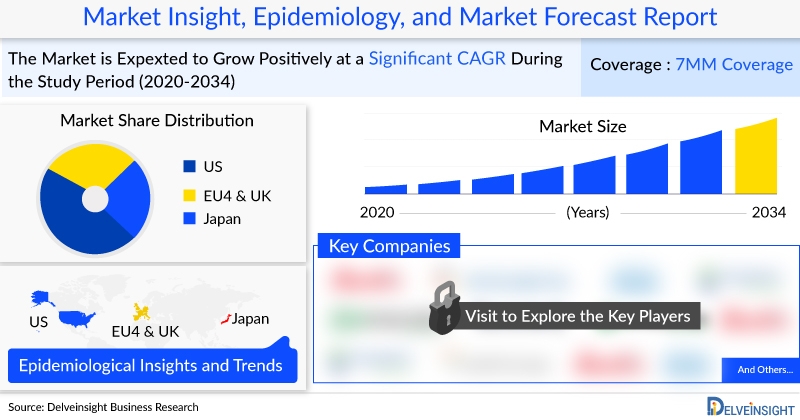
The Selective Estrogen Receptor Modulators (SERMs) market is anticipated to witness significant expansion in the coming years, fueled by the increasing prevalence of cancer, heightened awareness of SERM therapies, and a growing pipeline of candidates in clinical trials and regulatory review across multiple companies.

SERMs Market Summary

The Selective Estrogen Receptor Modulators (SERMs) market is expected to witness significant growth in the coming years, fueled by the increasing incidence of cancer, rising awareness about SERMs, and a growing pipeline of candidates in clinical trials or pending regulatory approval from various companies. Selective estrogen receptor modulators (SERMs) play a vital role in managing ER-positive/HER2-negative breast cancer, menopausal symptoms such as dyspareunia and in preventing postmenopausal osteoporosis. Key players include Duchesnay, Pfizer, Eli Lilly, Sermonix Pharmaceuticals, and Atossa Therapeutics. Pfizer’s DUAVEE/DUAVIVE, a combination of conjugated estrogens with bazedoxifene, addresses vasomotor symptoms and osteoporosis prevention. Lasofoxifene (FABLYN) is approved in Europe for osteoporosis, while U.S. approval remains pending. Atossa’s novel (Z)-Endoxifen recently received a U.S. patent, showing strong potential in breast cancer treatment. Despite advances, pipeline limitations highlight the urgent need for further SERM development in oncology and osteoporosis.


DelveInsight’s report, “SERMS Market Size, Target Population, Competitive Landscape & Market Forecast – 2034” provides a comprehensive overview of SERM, including historical and projected epidemiology as well as therapeutic market trends across the United States, EU4 (Germany, Spain, Italy, and France), the United Kingdom, and Japan. The SERM market report offers insights into current treatment practices, emerging therapies, and the market share of individual drugs, along with the present and projected SERM market size across the 7MM from 2020 to 2034. It further examines existing treatment algorithms, highlights unmet medical needs, and identifies key opportunities to evaluate the market’s overall potential.


Gain in-depth insights into the evolving SERM market, including pipeline developments, clinical trials, and emerging therapies. Download the full market report and stay ahead in oncology and women’s health innovation. @ SERM market forecast


Recent Development in SERM Clinical Research

  • In April 2025, Atossa Therapeutics reported that the US Patent and Trademark Office (USPTO) had issued a new patent (US Patent No. 12,275,684) covering enteric oral formulations containing (Z)-Endoxifen, along with methods for treating patients using these formulations.

  • In April 2025, Sermonix Pharmaceuticals and Quantum Leap Healthcare Collaborative jointly announced that in a Phase II clinical trial assessing lasofoxifene as a neoadjuvant endocrine therapy in molecularly selected HR+/HER2-, locally advanced breast cancer, the investigational therapy was well tolerated and showed encouraging early results in reducing Ki67 protein levels in both premenopausal and postmenopausal patients.

  • In January 2025, Sermonix Pharmaceuticals shared the publication of an article titled “Effects of Lasofoxifene Versus Fulvestrant on Vulvar Symptoms in Patients with ESR1-Mutated, ER+/HER2-, Metastatic Breast Cancer from the ELAINE-1 Study” in the peer-reviewed journal Clinical Breast Cancer.

  • In December 2024, Atossa presented three posters at the San Antonio Breast Cancer Symposium (SABCS) highlighting pharmacokinetic (PK) and tolerability data from the Phase II EVANGELINE trial.

  • In July 2024, Sermonix Pharmaceuticals announced the issuance of a US patent expanding its intellectual property portfolio for lasofoxifene. The patent covers methods for treating aromatase inhibitor (AI)-resistant, estrogen receptor-positive (ER+) breast cancer in patients without ESR1 mutations.

  • In April 2024, Atossa Therapeutics and Quantum Leap Healthcare Collaborative announced the initiation of a new study evaluating Atossa’s proprietary (Z)-Endoxifen in combination with abemaciclib (VERZENIO) in women with ER+/HER2- breast cancer.

  • In March 2024, Atossa Therapeutics reported that a premenopausal ER+/HER2- breast cancer patient receiving neoadjuvant and adjuvant (Z)-Endoxifen therapy under an FDA-approved “expanded access” program completed five years of treatment. The patient remains cancer-free and has experienced no significant safety or tolerability issues throughout the treatment period.


From breast cancer treatments to postmenopausal osteoporosis, SERMs are reshaping therapeutic strategies. Get exclusive forecasts and actionable intelligence to power your next move. Request your report today @ SERMs Therapeutics Market


SERM Market Outlook

The Selective Estrogen Receptor Modulators (SERMs) market is set for strong growth, driven by rising cancer diagnoses, greater awareness of SERMs, and expanding clinical trials. SERMs show promise in treating ER-positive breast cancer, postmenopausal osteoporosis, dyspareunia, and dryness. Key players include Atossa Therapeutics, Sermonix Pharmaceuticals, and others, with notable progress such as Atossa’s clinical advancement of (Z)-Endoxifen and Sermonix’s expanding patent portfolio for Lasofoxifene (FABLYN), already approved in Europe. While marketed drugs like OSPHENA, DUAVEE, EVISTA, and FABLYN paved the way, limited new approvals highlight the need for innovation. With a growing pipeline, ongoing trials, and rising demand, SERMs are emerging as a critical therapeutic class for oncology and women’s health.


SERM Market Drivers

  • Rising Incidence of Hormone-Related Disorders: Increasing prevalence of estrogen receptor-positive (ER+) breast cancer, postmenopausal osteoporosis, and dyspareunia is expanding the patient pool.Hormone-related conditions in aging populations are driving sustained demand for SERMs.

  • Targeted Mechanism of Action: SERMs selectively stimulate or inhibit estrogen receptors depending on tissue type, offering therapeutic benefits without the widespread side effects of traditional hormone replacement therapy. Their tissue-specific action makes them effective in oncology, bone health, and menopausal symptom management.

  • Emerging Therapies and Pipeline Innovations: Novel SERMs such as (Z)-Endoxifen and Lasofoxifene are in advanced clinical trials and expected to reach the market, promising improved efficacy and safety. New formulations and personalized medicine approaches enhance treatment precision and broaden indications.

  • Growing Awareness of Women’s Health: Increasing patient and physician awareness of SERMs for osteoporosis, breast cancer prevention, and menopausal symptoms supports market growth. Expansion into emerging markets with better healthcare access further fuels adoption.

  • Regulatory Approvals and Strategic Collaboration: Recent patents and regulatory milestones, along with collaborations among pharmaceutical companies, support innovation and market expansion.


SERM Market Barriers

  1. Competition from Alternative Therapies: Aromatase inhibitors, biologics, and newer endocrine therapies sometimes offer superior efficacy in certain indications, limiting SERM adoption.

  2. Safety Concerns: Long-term SERM use carries risks such as thromboembolic events and endometrial cancer, prompting cautious prescribing by clinicians.

  3. Generic Competition: First-generation SERMs like tamoxifen face pricing pressures from generics, which can erode profit margins and reduce market attractiveness for existing products.

  4. Limited Awareness in Certain Regions: While global awareness is rising, uptake in certain emerging markets remains restrained due to healthcare infrastructure limitations and access challenges.

  5. Regulatory Hurdles: Approval timelines for novel SERMs can be long, and stringent safety and efficacy requirements may delay market entry.


The market for SERMs is expanding rapidly, but the pipeline remains limited. Understand where the real opportunities lie with our expert-driven forecasts. Download the report now. @ SERMs Market Size and Share


Key SERM Companies In The Market Landscape:

Several key players, including Atossa Therapeutics ((Z)-Endoxifen) and Sermonix Pharmaceuticals (Lasofoxifene), are actively developing selective estrogen receptor modulators (SERMs) for a range of indications such as breast cancer, dyspareunia, dryness, and more. This emerging class of agents holds significant promise for therapeutic innovation.

(Z)-Endoxifen, developed by Atossa Therapeutics, is a nonsteroidal SERM from the triphenylethylene class currently in Phase II development for estrogen receptor-positive (ER+) breast cancer. The drug demonstrates potential across multiple stages of breast cancer management: reducing breast tissue density to lower cancer risk, inhibiting tumor cell activity prior to surgery, and preventing recurrence or new tumor development following initial treatment. Atossa is particularly focused on advancing (Z)-Endoxifen for metastatic breast cancer.

In April 2025, Atossa announced that the U.S. Patent and Trademark Office granted a new patent (US Patent No. 12,275,684) for enteric oral formulations of (Z)-Endoxifen and their therapeutic applications. Previously, in December 2024, the company presented three posters at the San Antonio Breast Cancer Symposium (SABCS), highlighting pharmacokinetic and tolerability results from the ongoing Phase II EVANGELINE trial.

Lasofoxifene is an investigational endocrine therapy being evaluated for its activity as an ESR1 antagonist, especially in tumors harboring ESR1 mutations. Phase II trials have shown promising anti-tumor activity both as a monotherapy and in combination with CDK4/6 inhibitors. Lasofoxifene is notable for its tissue-selective effects, with benefits previously observed for bone health.

In April 2025, Sermonix Pharmaceuticals, in collaboration with Quantum Leap Healthcare Collaborative, reported encouraging Phase II neoadjuvant trial data in patients with HR+/HER2- locally advanced breast cancer, demonstrating favorable tolerability and early suppression of the proliferation marker Ki67 in both premenopausal and postmenopausal women. Earlier, in January 2025, findings from the ELAINE-1 study published in Clinical Breast Cancer compared lasofoxifene with fulvestrant, highlighting lasofoxifene’s positive impact on vulvar symptoms in ESR1-mutated, ER+/HER2- metastatic breast cancer patients.

The introduction of these novel therapies is expected to significantly transform the SERM market in the coming years. As these advanced agents progress through development and gain regulatory approvals, they are likely to establish new standards of care while creating opportunities for medical innovation and economic growth.


Gain Strategic Advantage in the SERM Market – Request Your Copy! @ SERM Drugs and Therapies


SERM Epidemiology Insights

The global burden of estrogen-related disorders continues to rise, fueling the demand for SERMs. According to epidemiological estimates, breast cancer remains one of the leading cancers among women worldwide, with over 2.3 million new cases annually. Similarly, osteoporosis affects approximately 200 million people globally, with postmenopausal women at the highest risk. These figures highlight a significant patient pool that directly contributes to the SERMs market growth. Moreover, the increasing prevalence of gynecological conditions, such as uterine fibroids and endometriosis, further supports the expanding role of SERMs in clinical practice.

Key Highlights:

  • In 2024, the total number of new breast cancer cases in the 7MM was approximately 670,500.

  • Of these, around 480,000 cases were HR+/HER2– breast cancer in the 7MM in 2024.

  • In the 7MM, the United States recorded the highest number of new HR+/HER2− breast cancer cases, with roughly 211,580 in 2024.

  • Within EU4 and the UK, Germany reported the highest incidence of HR+/HER2– breast cancer, followed by France.

  • In the United States, the majority of HR+/HER2− breast cancer patients were in the 60–79 years age group.

  • Among postmenopausal women, the overall prevalence of osteoporotic fractures was 82.2%, including 37.5% with osteoporosis and 44.7% with osteopenia.

  • In EU4 and the UK, dyspareunia affected nearly 7.5% of women in 2024.

  • In the United States, dyspareunia was estimated to impact 10–20% of women in 2024.


SERM Drugs and Therapies

The drug chapter segment of the SERM reports provides an in-depth review of both marketed SERMs and late-stage (Phase II and Phase III) pipeline candidates. It offers insights into clinical trial details, pharmacological mechanisms, partnerships and collaborations, regulatory approvals, patent information, and the pros and cons of each drug, along with the latest news and press releases.


SERM Marketed Drugs

OSPHENA (ospemifene): Duchesnay

OSPHENA, an estrogen agonist/antagonist, is approved for treating moderate to severe dyspareunia, a symptom of vulvar and atrophy due to menopause, as well as moderate to severe dryness. The US Food and Drug Administration first approved OSPHENA in 2013, and it was initially marketed in the US by Shionogi. The European Commission granted approval in 2015 for distribution in the EU. In 2017, Duchesnay acquired exclusive rights from Shionogi to market and distribute OSPHENA in the US and Canada.

DUAVEE (conjugated estrogens/bazedoxifene): Pfizer

DUAVEE is a combination of conjugated estrogens with an estrogen agonist/antagonist, indicated for treating moderate to severe vasomotor symptoms associated with menopause and preventing postmenopausal osteoporosis. Marketed as DUAVEE in the US and DUAVIVE in the EU, the combination received approval in the United States in October 2013 and in the European Union in December 2014.


Emerging SERM Drugs

(Z)-Endoxifen: Atossa Therapeutics

(Z)-Endoxifen, developed by Atossa Therapeutics, is a nonsteroidal selective estrogen receptor modulator (SERM) belonging to the triphenylethylene class. It is being developed for the treatment of estrogen receptor-positive breast cancer. The therapy has the potential to address all three stages of the breast cancer continuum: reducing breast cancer risk by decreasing breast tissue density, inhibiting cancer cell activity prior to surgery, and lowering the likelihood of recurrence or new breast cancer after initial treatment. Currently, (Z)-Endoxifen is in Phase II development, with plans to advance the program for metastatic breast cancer.

  • In April 2025, Atossa Therapeutics announced that the US Patent and Trademark Office (USPTO) had granted a new patent (US Patent No. 12,275,684) covering enteric oral formulations of (Z)-Endoxifen, along with methods of treating patients using these formulations.

  • In December 2024, Atossa presented three posters at the San Antonio Breast Cancer Symposium (SABCS), showcasing pharmacokinetic (PK) and tolerability data from the Phase II EVANGELINE trial.


Lasofoxifene: Sermonix Pharmaceuticals

Lasofoxifene is an investigational novel endocrine therapy that acts as an ESR1 antagonist in the breast, particularly effective in the presence of ESR1 mutations. It has demonstrated anti-tumor activity as both a monotherapy and in combination with CDK4/6 inhibitors in Phase II studies. Its unique tissue selectivity differentiates it from other current and investigational endocrine therapies, with beneficial effects observed on tissue and bone in prior clinical studies. Lasofoxifene is currently in Phase II development.

  • In April 2025, Sermonix Pharmaceuticals and Quantum Leap Healthcare Collaborative announced that in a Phase II trial evaluating lasofoxifene as a neoadjuvant endocrine therapy for molecularly selected HR+/HER2-, locally advanced breast cancer, the drug was well tolerated and showed promising early activity in reducing Ki67 protein levels in both premenopausal and postmenopausal patients.

  • In January 2025, Sermonix Pharmaceuticals reported the publication of an article titled “Effects of Lasofoxifene Versus Fulvestrant on Vulvar Symptoms in Patients with ESR1-Mutated, ER+/HER2-, Metastatic Breast Cancer from the ELAINE-1 Study” in the peer-reviewed journal Clinical Breast Cancer.


With key players like Atossa, Sermonix, and Pfizer driving innovation, the SERM market is poised for growth. Don’t miss out – access comprehensive insights and identify the next big opportunity @ SERMs Drugs Clinical Trials and Companies


Scope of the SERM Market Report

  • Study Period:2020–2034

  • SERM Report Coverage: 7MM [The United States, the EU-4 (Germany, France, Italy, and Spain), the United Kingdom, and Japan]

  • Key Indications Covered in the Report: Breast cancer, Postmenopausal osteoporosis, Dyspareunia and dryness, and others

  • Key SERM Companies: Atossa Therapeutics, Sermonix Pharmaceuticals, Duchesnay, Pfizer, Eli Lilly, and others

  • Key SERM: (Z)-Endoxifen, Lasofoxifene, OSPHENA, DUAVEE, EVISTA (raloxifene hydrochloride), FABLYN, and others

  • SERM Therapeutic Assessment: SERM current marketed and emerging therapies

  • SERM Market Dynamics: Conjoint Analysis of Emerging SERM Drugs

  • Competitive Intelligence Analysis: SWOT analysis and Market entry strategies

  • Unmet Needs, KOL’s views, Analyst’s views, SERM Market Access and Reimbursement


About DelveInsight

DelveInsight is a global market research and consulting firm focused exclusively on life sciences. Through integration of epidemiology, pipeline intelligence, and market analytics, DelveInsight equips pharmaceutical, biotech, and investment stakeholders with actionable insights to navigate and capitalize on complex healthcare markets.

Media Contact
Company Name: DelveInsight Business Research LLP
Contact Person: Ankit Nigam
Email: Send Email
Phone: +14699457679
Address:304 S. Jones Blvd #2432
City: Albany
State: New York
Country: United States
Website: https://www.delveinsight.com/consulting/competitive-intelligence-services


Press Release Distributed by ABNewswire.com

To view the original version on ABNewswire visit: SERM Market Outlook 2034: Clinical Trials, FDA Approvals, Market Size, Therapies, Companies by DelveInsight

IgG4-related disease Market Outlook 2034: Clinical Trials, EMA, PDMA, FDA Approvals, Revenue, Statistics, Therapies, Prevalence, Medication, and Companies by DelveInsight

“IgG4-related disease Market”
The IgG4-Related Disease (IgG4-RD) market, valued at ~USD 170 million in 2024, is projected to grow significantly through 2034.

IgG4-related disease Market Summary

The US IgG4-Related Disease (IgG4-RD) market, valued at ~USD 90 million in 2024, is projected to grow significantly through 2034. IgG4-RD is a rare systemic fibroinflammatory condition that can affect multiple organs, including the pancreas, kidneys, lungs, and salivary glands. In 2024, there were nearly 148,970 diagnosed prevalent cases across the 7MM, with the U.S. recording the highest numbers and Japan reporting ~38,690 cases. The disease is often underdiagnosed due to its relatively recent discovery, male predominance, and variable presentation. Current treatment relies mainly on corticosteroids like prednisone, with immunosuppressants and Rituximab used in relapsing or resistant cases. However, no curative therapy exists. A major milestone occurred in April 2025, when the FDA approved Amgen’s UPLIZNA, the first-ever treatment for IgG4-RD, following its Breakthrough Therapy Designation. Other key pipeline therapies include obexelimab (Zenas BioPharma/Bristol Myers Squibb) and rilzabrutinib (Sanofi). UPLIZNA and obexelimab are expected to compete strongly, while rilzabrutinib, an oral candidate, could reshape the market with a convenient alternative to injectables. Leading players include Zenas BioPharma, Bristol Myers Squibb, Amgen, Sanofi, and others, with innovation set to transform this underserved market.


DelveInsight’s “IgG4-related disease Market Insights, Epidemiology, and Market Forecast-2034” report delivers an in-depth understanding of IgG4-related disease, historical and forecasted epidemiology as well as the IgG4-related disease market trends in the United States, EU5 (Germany, Spain, Italy, France, and United Kingdom), and Japan. The IgG4-related disease market report provides current treatment practices, emerging drugs, the market share of the individual therapies, and the current and forecasted IgG4-related disease market size from 2020 to 2034, segmented by seven major markets. The Report also covers current IgG4-related disease treatment practice/algorithm, market drivers, market barriers, and unmet medical needs to curate the best opportunities and assesses the underlying potential of the IgG4-related disease market.


The IgG4-Related Disease market is set for major growth with the approval of UPLIZNA and a robust pipeline including obexelimab and rilzabrutinib @ IgG4-related disease Market Forecast


Some facts of the IgG4-related disease Market Report are:

  • The IgG4-Related Disease market size is anticipated to grow with a significant CAGR during the study period (2020-2034).
  • DelveInsight estimates that the market size for IgG4-RD is expected to grow from USD 170 million in 2024, with a significant CAGR by 2034.
  • IgG4 related disease is a systemic disease that causes fibrosis, tumor-like nodules, and lymphoid hyperplasia with infiltration of IgG4-positive plasma cells. It can manifest in many organ systems.
  • There are no approved therapies for IgG4-related disease (IgG4-RD) specifically and hence, the current treatment landscape is driven by off-label therapies such as glucocorticoids, immunomodulators, and rituximab.
  • Glucocorticoids (GCs) have been considered the first-line therapy in IgG4-related disease (IgG4-RD), whereas rituximab accounted for the majority of the market share as annual treatment cost is significantly higher for patients taking rituximab.
  • The United States accounted for the largest market size (around USD 115 million) of IgG4-related disease treatment market, in comparison to EU4 (Germany, Spain, Italy, France), the United Kingdom, and Japan.
  • Amgen recorded USD 379 million in UPLIZNA sales in 2024 from its original indication alone. However, the recent approval for IgG4-related disease presents a significant growth opportunity, as this new market includes a treatable patient population that is roughly twice as large as that for NMOSD.
  • Limited number of therapies are being investigated for the treatment of IgG4 related disease. Some of the key players involved in the development are Zenas Biopharma (obexelimab), Amgen/Horizon Therapeutics (inebilizumab), and Sanofi (rilzabrutinib).
  • Approval of ZB012 (obexelimab) and UPLIZNA (inebilizumab) will change the treatment pattern drastically over the forecast period as these will be the first few drugs to be launched for the treatment of IgG4-related disease.
  • IgG4-related disease is a rare disease, with an estimated prevalence of 6 cases per 100,000 individuals. This condition primarily affects middle-aged to elderly men.
  • The 7MM accounted for approximately 300,000 prevalent cases of IgG4-related disease in 2023. These cases are expected to increase due to increased awareness and improved diagnostic methods that contribute to the rise in identified cases of IgG4-related disease, especially among aging populations with higher incidences of autoimmune disorders.
  • Key IgG4-Related Disease Companies: Zenas BioPharma, Horizon Therapeutics, Sanofi, Roche, AbbVie, Gilead Sciences, Takeda Pharmaceutical Company, and others
  • Key IgG4-Related Disease Therapies: ZB012 (obexelimab), UPLIZNA (inebilizumab), Rilzabrutinib, and others
  • The IgG4-Related Disease market is expected to surge due to the disease’s increasing prevalence and awareness during the forecast period. Furthermore, launching various multiple-stage IgG4-Related Disease pipeline products will significantly revolutionize the IgG4-Related Disease market dynamics.
  • In April 2025, Amgen announced that the FDA had approved UPLIZNA as the first and only treatment for adults living with IgG4-RD.
  • In March 2025, Zenas BioPharma announced that the company anticipates reporting topline results for the INDIGO trial by the end of 2025.
  • In November 2024, Amgen presented new data at the annual American College of Rheumatology (ACR) Convergence 2024, demonstrating a significant reduction in disease activity in patients with IgG4-RD following treatment with UPLIZNA.
  • In August 2024, Amgen announced that the US FDA had granted Breakthrough Therapy Designation (BTD) to UPLIZNA for the treatment of IgG4-RD based on data from the MITIGATE study.


IgG4-related disease Overview

IgG4-related disease (IgG4-RD) is a rare, chronic, and systemic fibroinflammatory condition characterized by the infiltration of IgG4-positive plasma cells and elevated serum IgG4 levels. It can affect nearly any organ, with common involvement of the pancreas, bile ducts, salivary glands, lacrimal glands, kidneys, lungs, and retroperitoneum. Clinical manifestations often mimic malignancies or other autoimmune diseases, making diagnosis challenging and frequently delayed. The disease shows a male predominance and typically presents between the fourth and sixth decades, though pediatric cases are also reported. Current management relies on corticosteroids such as prednisone, with immunosuppressants or biologics like rituximab used in relapsed or refractory cases. Novel targeted therapies, including UPLIZNA and obexelimab, are emerging to address unmet needs.


Do you know what will be the IgG4-related disease market share in 7MM by 2034 @ IgG4-related disease Treatment Market


IgG4-Related Disease (IgG4-RD) Treatment & Market Outlook

In 2024, the U.S. led the IgG4-RD market with nearly USD 90 million, followed by the EU4 and UK (~USD 80 million, with Germany as the largest European contributor). Japan’s market stood at ~USD 6 million but is projected to grow rapidly through 2034. IgG4-Related Disease companies are driving innovation include Zenas BioPharma, Amgen, and Sanofi, each advancing late-stage candidates to address unmet needs. If successful, these therapies could reshape the IgG4-RD landscape, improve patient outcomes, and expand market potential across the 7MM.

Glucocorticoids remain the first-line therapy for IgG4-RD, with prednisone (30–40 mg/day or 0.6 mg/kg/day) commonly used for remission induction. In some cases, DMARDs are prescribed, and plasmablast levels serve as biomarkers to guide B-cell–targeted therapy.

The treatment landscape is expected to undergo significant transformation with multiple pipeline therapies under development. However, challenges around pricing, reimbursement, regulatory precedent, and standardized trial endpoints may impact adoption and market growth. Rituximab, though effective and cost-friendly, faces restrictions in Japan due to insurance limitations.


IgG4-related disease Epidemiology

In 2024, the diagnosed prevalent population of IgG4-related disease (IgG4-RD) in the United States was estimated at ~56,800 cases, with males (~39,100 cases) outnumbering females (~17,700 cases). Across the EU4 and the UK, diagnosed prevalence was ~53,550 cases, comprising ~38,850 males and ~14,750 females. Age-stratified analysis categorized cases into six groups: 0–17 years, 18–29 years, 30–44 years, 45–64 years, 65–74 years, and ≥75 years. In Japan, the ≥75 years age group represented the highest disease burden, accounting for ~12,800 cases in 2024. Across all geographies, the diagnosed prevalence of IgG4-RD is projected to increase steadily from 2025 to 2034, driven by improved recognition, diagnostic awareness, and broader clinical reporting.

IgG4-related disease Epidemiology Segmented by:

  • Total diagnosed prevalent cases of IgG4-RD
  • Gender-specific diagnosed prevalent cases of IgG4-RD
  • Age-specific diagnosed prevalent cases of IgG4-RD


Interested to know how the emerging diagnostic approaches will be contributing in increased IgG4-related disease diagnosed prevalence pool? Download report @ IgG4-related-disease Patient Population


IgG4-related disease Drugs Uptake

Obexelimab (XmAb5871) – Developed by Zenas BioPharma and Bristol Myers Squibb, this bifunctional monoclonal antibody targets CD19 and FcγRIIb to inhibit B-cell activity. It is administered subcutaneously (SC) and is currently in Phase III development.

Rilzabrutinib (PRN1008/SAR444671) – A small molecule oral Bruton’s Tyrosine Kinase (BTK) inhibitor from Sanofi, positioned in Phase II clinical development for IgG4-RD.


IgG4-related disease Market Drivers and Barriers

IgG4-related disease Market Drivers

  • Rising Diagnosis and Awareness – Improved recognition of IgG4-RD by clinicians, supported by growing research and clinical guidelines.
  • Unmet Medical Need – Lack of approved therapies until recently creates strong demand for effective, targeted treatments.
  • Novel Therapeutics Pipeline – Approval of UPLIZNA (Amgen, 2025) and advancement of obexelimab (Zenas/BMS) and rilzabrutinib (Sanofi) drive innovation.
  • Increasing Prevalence – Rising diagnosed patient pool in the US, EU, and Japan supports market expansion.
  • Supportive Regulatory Designations – Breakthrough and orphan drug designations accelerate drug development.
  • Shift Toward Targeted Therapies – Growing interest in B-cell modulation and BTK inhibitors to replace long-term steroid dependence.


IgG4-related disease Market Barriers

  • Underdiagnosis & Misdiagnosis – Due to nonspecific symptoms and overlap with malignancies/autoimmune diseases.
  • Limited Epidemiological Data – True prevalence remains unclear, impacting investment and healthcare planning.
  • Pricing & Reimbursement Challenges – High-cost biologics face payer resistance, especially where off-label rituximab is used as a cheaper alternative.
  • Clinical Development Risks – Lack of established regulatory precedent and standardized endpoints for IgG4-RD trials.
  • Steroid Dependence – Corticosteroids remain the standard first-line therapy, delaying adoption of novel agents.
  • Regional Variations – Limited drug access in markets like Japan, where rituximab use is restricted.


Explore how these pipeline therapies could transform IgG4-RD management — get DelveInsight’s detailed market insights today! Click here @ IgG4-related disease Medication and Companies


IgG4-related disease Therapeutics Assessment

Major key companies are working proactively in the IgG4-related disease Therapeutics market to develop novel therapies which will drive the IgG4-related disease treatment markets in the upcoming years are Zenas BioPharma, Amgen Inc (NASDAQ: AMGN), Horizon Therapeutics (NASDAQ: HZNP), Sanofi (EPA: SAN), Roche (SWX: ROG), AbbVie (NYSE: ABBV), Gilead Sciences (NASDAQ: GILD), Takeda Pharmaceutical Company (TYO: 4502), and others.


Do you know how new drugs market launch will be impacting the IgG4-related disease market CAGR? Download sample report @ IgG4-related disease Drugs Market


IgG4-related disease Report Key Insights

1. IgG4-related disease Patient Population

2. IgG4-related disease Market Size and Trends

3. Key Cross Competition in the IgG4-related disease Market

4. IgG4-related disease Market Dynamics (Key Drivers and Barriers)

5. IgG4-related disease Market Opportunities

6. IgG4-related disease Therapeutic Approaches

7. IgG4-related disease Pipeline Analysis

8. IgG4-related disease Current Treatment Practices/Algorithm

9. Impact of Emerging Therapies on the IgG4-related disease Market


Table of Contents

1. Key Insights

2. Executive Summary

3. IgG4-related disease Competitive Intelligence Analysis

4. IgG4-related disease Market Overview at a Glance

5. IgG4-related disease Disease Background and Overview

6. IgG4-related disease Patient Journey

7. IgG4-related disease Epidemiology and Patient Population

8. IgG4-related disease Treatment Algorithm, Current Treatment, and Medical Practices

9. IgG4-related disease Unmet Needs

10. Key Endpoints of IgG4-related disease Treatment

11. IgG4-related disease Marketed Products

12. IgG4-related disease Emerging Therapies

13. IgG4-related disease Seven Major Market Analysis

14. Attribute Analysis

15. IgG4-related disease Market Outlook (7 major markets)

16. IgG4-related disease Access and Reimbursement Overview

17. KOL Views on the IgG4-related disease Market

18. IgG4-related disease Market Drivers

19. IgG4-related disease Market Barriers

20. Appendix

21. DelveInsight Capabilities

22. Disclaimer


About DelveInsight

DelveInsight is a leading Life Science market research and business consulting company recognized for its off-the-shelf syndicated market research reports and customized solutions to firms in the healthcare sector.

Media Contact
Company Name: DelveInsight Business Research LLP
Contact Person: Ankit Nigam
Email: Send Email
Phone: +14699457679
Address:304 S. Jones Blvd #2432
City: Albany
State: New York
Country: United States
Website: https://www.delveinsight.com/consulting/competitive-intelligence-services


Press Release Distributed by ABNewswire.com

To view the original version on ABNewswire visit: IgG4-related disease Market Outlook 2034: Clinical Trials, EMA, PDMA, FDA Approvals, Revenue, Statistics, Therapies, Prevalence, Medication, and Companies by DelveInsight

Biliary Atresia Market Outlook 2034: Clinical Trials, FDA Approval, Medication, Prevalence, Revenue, and Companies by DelveInsight

“Biliary Atresia Market”
The Biliary Atresia market size is expected to grow steadily at a CAGR of 7.7% (2024–2034), driven by rising incidence, better diagnostics, and wider treatment adoption

Biliary Atresia Market Summary

The Biliary Atresia market size is expected to grow steadily at a CAGR of 7.7% (2024–2034), driven by rising incidence, better diagnostics, and wider treatment adoption. In 2023, there were about 609 incident cases of Biliary Atresia in the 7MM, with the US accounting for 56%, EU4 and the UK for 28%, and Japan for 16%. However, treatment remains limited, as no approved drug therapies exist, with reliance on surgeries like the Kasai procedure and liver transplantation. To address unmet needs, several promising drugs such as odevixibat and obeticholic acid are under development.


DelveInsight’s report, “Biliary Atresia Market Insights, Epidemiology, and Market Forecast – 2034”, offers a comprehensive analysis of the disorder, covering historical data, projected epidemiology, and market dynamics across the United States, EU4 (Germany, France, Italy, and Spain), the United Kingdom, and Japan. The Biliary Atresia market is emerging as a significant segment within the healthcare industry, primarily fueled by the rising prevalence of the condition and ongoing advancements in treatment approaches. It spans multiple therapeutic areas, including adjunctive therapies, antipsychotics, and innovative treatment options currently under development. The report highlights existing treatment practices, investigational drugs, therapy-wise market share, and the estimated market size from 2020 through 2034, segmented across the seven major markets. In addition, it explores treatment algorithms, key market drivers and restraints, unmet clinical needs, and potential growth opportunities, offering an in-depth outlook on the future of the Biliary Atresia market.


Discover Key Insights into the Biliary Atresia Market with DelveInsight’s In-Depth Report @ Biliary Atresia Market Outlook


Key Takeaways from the Biliary Atresia Market Report

  • In March 2025, Mirum Pharmaceuticals, Inc announced results of a Randomized Double-Blind Placebo-Controlled Phase 3 Study to Evaluate the Efficacy and Safety of Maralixibat in the Treatment of Participants with Cholestatic Pruritus
  • In November 2024, Intercept Pharmaceuticals announced results of a Randomized, Double-blind, Placebo-controlled, Phase 2/3 Study to Assess the Efficacy, Safety, Tolerability, Pharmacokinetics, and Pharmacodynamics of Obeticholic Acid Compared to Placebo in Pediatric Subjects With Biliary Atresia, Post-hepatoportoenterostomy
  • In October 2024:- Mirum Pharmaceuticals Inc.- The purpose of this study is to determine whether the investigational treatment (maralixibat) is safe and effective in pediatric and adult participants who have cholestatic liver disease with pruritus that has been refractory to other therapies, and who have no other treatment options.
  • In October 2024:- Albireo, an Ipsen Company- A Double-Blind, Randomized, Placebo-Controlled Study to Evaluate the Efficacy and Safety of Odevixibat (A4250) in Children With Biliary Atresia Who Have Undergone a Kasai Hepatoportoenterostomy. Double-blind, randomized, placebo-controlled, Phase 3 study to investigate the efficacy and safety of odevixibat compared to placebo in children with biliary atresia who have undergone a Kasai hepatoportoenterostomy.
  • According to DelveInsight’s epidemiology model, in 2023, the Incident cases of biliary atresia in the US was found to be approximately 338, these case are expected to increase by 2034.
  • In 2023, there were nearly 17 cases of Type I, 7 cases of Type II and 315 cases for Type III. Our estimates suggest that these cases will change during the forecast period (2024-2034).
  • In 2023, Germany saw approximately 34 cases of biliary atresia, with around 17 cases in males and 18 in females.
  • In 2023, in the UK there were approximately 19 cases of biliary atresia in males and 25 cases in females. Assessments as per DelveInsight’s analysts show that the overall cases of biliary atresia in both the genders is subjected to decrease in the coming years directly attributed to the country population that is decreasing by 2034, in males and females, respectively.
  • In 2023, in Japan there were 11 cases of Type I and 2 cases of Type II. Assessments as per DelveInsight’s analysts show that the overall incidence of biliary atresia is maximum for type III with 80 cases.
  • The leading Biliary Atresia Companies working in the market include Mirium Pharmaceuticals, Albireo, Intercept Pharmaceuticals, Ipsen and others.
  • Promising Biliary Atresia Therapies in the various stages of development include BYLVAY, LIVMARLI, and others.


Biliary Atresia Overview

Biliary Atresia is a rare but serious liver condition that affects infants, characterized by the blockage or absence of bile ducts. Biliary Atresia prevents bile from flowing from the liver to the gallbladder, leading to liver damage and scarring. Biliary Atresia symptoms typically appear within the first few weeks of life and may include jaundice, dark urine, pale stools, and poor weight gain. Biliary Atresia diagnosis involves a combination of blood tests, imaging studies, and sometimes a liver biopsy. Biliary Atresia treatment primarily includes surgery, known as the Kasai procedure, which aims to restore bile flow. Biliary Atresia surgery is most effective when performed early, ideally within two months of birth. Biliary Atresia prognosis improves with timely intervention, though many children may eventually require a liver transplant. Biliary Atresia research is ongoing to better understand its causes and develop more effective treatments. Biliary Atresia awareness is crucial for early detection and management. Biliary Atresia support groups and medical teams play a key role in helping families navigate the condition. Biliary Atresia outcomes vary, but early diagnosis and appropriate care can significantly improve quality of life. Biliary Atresia remains a leading cause of pediatric liver transplants worldwide.


Stay ahead in the Biliary Atresia Therapeutics Market with DelveInsight’s Strategic Report @ Biliary Atresia Treatment Market


Biliary Atresia Epidemiology Segmentation in the 7MM

  • Total Biliary Atresia Incident cases
  • Biliary Atresia Type-specific cases
  • Biliary Atresia Gender-specific cases
  • Biliary Atresia Treated cases


Download the report to understand which factors are driving Biliary Atresia epidemiology trends @ Biliary Atresia Patient Population and Prevalence


Biliary Atresia Market Outlook

Biliary Atresia (BA) is defined by progressive fibro-proliferative obliteration of the biliary tree, ultimately leading to hepatic fibrosis, cirrhosis, and end-stage liver disease. Management is primarily surgical, typically involving two stages: an early Hepatoportoenterostomy (Kasai procedure) to re-establish bile flow, followed by liver transplantation in cases of failed HPE or advanced cirrhosis. BA remains the leading pediatric indication for liver transplantation.

Postoperative management includes choleretic agents (e.g., ursodeoxycholic acid) to enhance bile flow, though their efficacy is not fully validated. Supportive care involves nutritional optimization, fat-soluble vitamin supplementation, prevention of cholangitis, and management of portal hypertension. Medium-chain triglyceride (MCT)-based nutrition is preferred due to its high caloric density and efficient absorption in cholestasis.

Overall, treatment is multidimensional, combining surgical intervention with medical and nutritional strategies aimed at delaying disease progression, minimizing complications, and improving long-term outcomes.


Biliary Atresia Market Drivers

  • Rising Incidence and Prevalence: Increasing number of diagnosed cases across the US, EU4+UK, and Japan is driving demand for effective treatments.
  • Advancements in Diagnostics: Improved neonatal screening and imaging techniques are enabling earlier detection, which supports better outcomes and increases treatment uptake.
  • Surgical Innovation and Transplantation Outcomes: Refinements in the Kasai procedure and advancements in pediatric liver transplantation have improved survival rates, creating a more structured treatment pathway.
  • Emerging Drug Pipeline: Development of novel therapeutics (e.g., odevixibat, obeticholic acid) targeting cholestasis and liver damage is expected to expand treatment options.
  • Rising Awareness and Research Funding: Increasing focus from research organizations, rare disease networks, and healthcare systems is supporting clinical trials and patient management.


Biliary Atresia Market Barriers

  • Lack of Approved Pharmacological Therapies: No FDA/EMA-approved drugs exist for BA, leaving surgery as the primary treatment modality.
  • High Dependence on Invasive Procedures: Reliance on the Kasai operation and liver transplantation carries risks, high costs, and limited donor availability.
  • Variable Treatment Outcomes: Success of HPE depends on timing and surgical expertise, with significant variability in long-term survival and quality of life.
  • Limited Awareness in Low-Incidence Regions: Delayed diagnosis due to poor awareness among healthcare providers and parents reduces the effectiveness of surgical interventions.
  • Regulatory and Developmental Challenges: Small patient population and rare disease designation hinder large-scale clinical trials and delay drug development.


Get In-Depth Knowledge on Biliary Atresia Market Trends and Forecasts with DelveInsight @ Biliary Atresia Market Drynamics and Trends


Biliary Atresia Emerging Drugs

  • BYLVAY (odevixibat): Ipsen

Odevixibat (A-4250), a potent and selective inhibitor of the ileal bile acid transporter (IBAT), also known as apical sodium-dependent bile acid transporter (ASBT), acts locally in the gut, and has minimal systemic exposure at the therapeutic dose. IBAT initiates the transport of bile acids, which flow through the portal vein back to the liver in a process known as enterohepatic circulation. Approximately 95% of bile acids are recirculated via the IBAT to the liver. Accordingly, a product capable of inhibiting the IBAT could lead to a reduction in bile acids returning to the liver and may represent a promising approach for treating cholestatic liver diseases. Odevixibat is being developed by Ipsen that completed acquisition of Albireo, expanding the scope of its rare disease portfolio.


  • Obeticholic Acid: Intercept Pharmaceuticals

Obeticholic acid (OCA) is a first-in-class agonist that selectively binds to the farnesoid X receptor (FXR), a nuclear receptor expressed in the liver and intestine. FXR is a key regulator of bile acid, inflammatory, fibrotic, and metabolic pathways. FXR activation decreases the intracellular hepatocyte concentrations of bile acids by suppressing de novo synthesis from cholesterol as well as by increased transport of bile acids out of the hepatocytes. These mechanisms limit the overall size of the circulating bile acid pool while promoting choleresis, thus reducing hepatic exposure to bile acids.


Unlock Strategic Insights with DelveInsight’s Comprehensive Biliary Atresia Market Report @ Biliary Atresia Clinical Trials and FDA Approvals


Scope of the Biliary Atresia Market Report

  • Coverage- 7MM
  • Biliary Atresia Companies- Mirum Pharmaceuticals (NASDAQ: MIRM), Albireo Pharma (NASDAQ: ALBO), Intercept Pharmaceuticals (NASDAQ: ICPT), Ipsen (EPA: IPN), and others.
  • Biliary Atresia Therapies- BYLVAY, LIVMARLI, and others.
  • Biliary Atresia Market Dynamics: Biliary Atresia Market Drivers and Barriers
  • Biliary Atresia Market Access and Reimbursement, Unmet Needs and Future Perspectives


Table of Content

1 Key Insights

2 Report Introduction

3 Market Overview at a Glance

4 Epidemiology and Market Forecast Methodology

5 Executive Summary

6 Key Events

7 Disease Background and Overview

8 Patient Journey

9 Epidemiology and Patient Population

10 Emerging Drugs

11 Biliary atresia: Market Analysis

12 Key Opinion Leaders’ Views

13 SWOT Analysis

14 Unmet Needs

15 Market Access and Reimbursement

16 Appendix

17 DelveInsight Capabilities

18 Disclaimer

19 About DelveInsight


About DelveInsight

DelveInsight is a leading Life Science market research and business consulting company recognized for its off-the-shelf syndicated market research reports and customized solutions to firms in the healthcare sector.

Media Contact
Company Name: DelveInsight Business Research LLP
Contact Person: Ankit Nigam
Email: Send Email
Phone: +14699457679
Address:304 S. Jones Blvd #2432
City: Albany
State: New York
Country: United States
Website: https://www.delveinsight.com/consulting/conference-coverage-services


Press Release Distributed by ABNewswire.com

To view the original version on ABNewswire visit: Biliary Atresia Market Outlook 2034: Clinical Trials, FDA Approval, Medication, Prevalence, Revenue, and Companies by DelveInsight

Primary Immune Deficiency Market Outlook 2032: Clinical Trials, FDA Approval, Medication, Prevalence, Revenue, and Companies by DelveInsight

“Primary Immune Deficiency Market”
According to DelveInsight, the Primary Immune Deficiency market size is projected to grow at a steady CAGR through 2032 due to Improved awareness and early diagnosis, advancements in genetic testing and molecular diagnostics, growing reliance on immunoglobulin therapies, enhanced government support and reimbursement policies and rising prevalence statistics due to better screening.

Primary Immune Deficiency Market Summary

The Primary Immune Deficiency (PID) Treatment Market is poised for significant growth through 2032, driven by rising prevalence, improved diagnostic capabilities, and advances in therapeutic options. PID comprises over 400 rare, inherited immune disorders that increase susceptibility to infections, autoimmune diseases, and certain cancers. Current treatment approaches include immunoglobulin replacement therapy, antibiotics, and stem cell or bone marrow transplants, with novel therapies in late-stage development. Regulatory milestones such as FDA approvals for HYQVIA in pediatric patients, EMA and PDMA evaluations, and NICE reimbursement decisions are shaping the competitive landscape. Leading pharmaceutical companies, including Takeda, Grifols, CSL Behring, ADMA Biologics, Octapharma, GC Biopharma, Medac, and Bellicum Pharmaceuticals, are investing heavily in clinical trials and innovative therapies. Despite high treatment costs and supply chain challenges for plasma-derived products, supportive reimbursement policies and growing awareness are expected to expand the patient pool and drive market revenue growth across the 7MM.

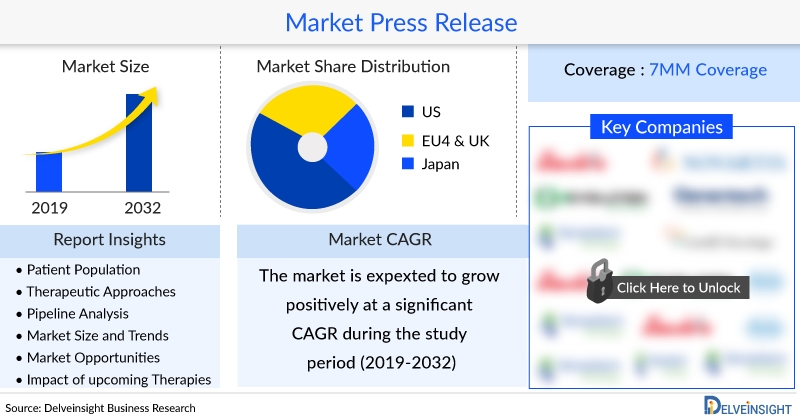
DelveInsight’s latest report, Primary Immune Deficiency Market Insights, Epidemiology, and Market Forecast–2032, provides a comprehensive analysis of Primary Immune Deficiency (PID), including historical and projected epidemiology data, market trends, and the evolving treatment landscape across the United States, EU5 (Germany, Spain, Italy, France, and the United Kingdom), and Japan. The Primary Immune Deficiency treatment market report highlights current clinical practices, available medications, pipeline drugs, and the revenue share of various therapies. It also estimates the present and forecasted market size from 2019 to 2032 across seven major markets. In addition, the study reviews treatment algorithms, drivers, barriers, and unmet needs to evaluate the commercial potential and opportunities within the Primary Immune Deficiency treatment space.


Request a Free Sample ReportPrimary Immune Deficiency Market Forecast


Key Insights from the Primary Immune Deficiency Market Report

  • According to DelveInsight, the Primary Immune Deficiency market size is projected to grow at a steady CAGR through 2032.
  • Major Primary Immune Deficiency companies include Takeda, Grifols, CSL Behring, ADMA Biologics, Octapharma, GC Biopharma, Medac, Bellicum Pharmaceuticals, and several others.
  • Key Primary Immune Deficiency therapies expected to launch by 2032 are being developed by Takeda, Grifols, CSL Behring, ADMA Biologics, Octapharma, GC Biopharma, Medac, Bellicum Pharmaceuticals, and more.
  • Dec 2024 – Octapharma announced results from a Phase 3 open-label, multicenter clinical trial assessing the pharmacokinetics, efficacy, safety, and tolerability of Subcutaneous Human Immunoglobulin (Newnorm) in patients with Primary Immunodeficiency Diseases.
  • Sept 2024 – Pharming Group N.V. (EURONEXT Amsterdam: PHARM/Nasdaq: PHAR) received U.K. MHRA marketing authorization for Joenja® (leniolisib) for activated PI3Kδ syndrome (APDS) in patients ≥12 years old. Leniolisib is the first approved treatment in the U.K. for APDS and is under NICE review for NHS reimbursement.
  • Apr 2023 – Takeda (TSE:4502/NYSE:TAK) secured FDA approval for a supplemental BLA expanding HYQVIA to treat pediatric patients (ages 2–16) with Primary Immunodeficiency. HYQVIA remains the only once-monthly ScIG infusion therapy available in the U.S., originally approved in 2014 for adults with PI.


Primary Immune Deficiency Overview

Primary Immune Deficiency (PID) encompasses a spectrum of over 400 rare, chronic, and inherited immune disorders where parts of the immune system are absent or dysfunctional. While often diagnosed in infancy or childhood, certain forms may develop later in life. Patients with Primary Immune Deficiency are prone to recurrent infections, autoimmune diseases, and certain cancers.

Common subtypes include Common Variable Immunodeficiency (CVID), Severe Combined Immunodeficiency (SCID), and X-linked Agammaglobulinemia (XLA). Diagnosis typically involves clinical history, physical examination, immunoglobulin level testing, and advanced genetic assessments.

Treatment strategies vary but may include immunoglobulin replacement therapy, antibiotics, bone marrow or stem cell transplants, and emerging novel therapies. Early recognition and intervention are critical for improving patient outcomes and quality of life.


Discover the projected market share of Primary Immune Deficiency in 7MM by 2032Primary Immune Deficiency Treatment Market


Primary Immune Deficiency Market Dynamics

The report offers an in-depth review of historical, current, and forecasted Primary Immune Deficiency treatment market trends, analyzing the impact of marketed therapies and unmet clinical needs.


Primary Immune Deficiency Market drivers include:

  • Improved awareness and early diagnosis
  • Advances in genetic testing and molecular diagnostics
  • Growing reliance on immunoglobulin therapies
  • Enhanced government support and reimbursement policies
  • Rising prevalence statistics due to better screening


Primary Immune Deficiency Market Barriers impacting growth:

  • High treatment costs for long-term immunoglobulin therapy
  • Limited healthcare access in middle- and low-income nations
  • Diagnostic complexity of rare immune disorders
  • Ongoing supply chain issues for plasma-derived therapies

DelveInsight projects the Primary Immune Deficiency market across 7MM to undergo major transformation between 2019–2032.


Primary Immune Deficiency Epidemiology

This section presents an analysis of the historical and forecasted epidemiology of Primary Immune Deficiency across major markets. It includes patient pool size, diagnosis rates, and growth trends, supported by published studies and KOL perspectives.


Explore the impact of new diagnostic techniques on PID prevalence trendsPrimary Immune Deficiency Patient Pool


Primary Immune Deficiency Drugs Uptake

The report also covers the market uptake of recently launched and pipeline drugs within the 2019–2032 forecast window. It evaluates therapy adoption rates, drug-specific market share, patient compliance, and overall sales performance.

This analysis helps in understanding:

  • Which therapies will achieve rapid uptake
  • Factors driving maximal usage
  • Revenue potential across leading markets
  • Impact on financial, regulatory, and commercial decisions


Primary Immune Deficiency Pipeline Development Activities

Prominent therapies in late-stage development include:

  • HyQvia (Immune globulin) – Takeda
  • Flebogamma (Immune globulin) – Grifols
  • Privigen (Immune globulin) – CSL Behring
  • Asceniv (Immune globulin) – ADMA Biologics
  • Panzyga (Immune globulin 10%) – Octapharma
  • GC 5107 – GC Biopharma
  • Treosulfan – Medac
  • BPX501 – Bellicum Pharmaceuticals


Find out which top 3 therapies are expected to dominate the marketPrimary Immune Deficiency Medication and Companies


Primary Immune Deficiency Therapeutics Assessment

Global biopharmaceutical leaders proactively advancing research in the Primary Immune Deficiency therapeutics market include:

  • Takeda Pharmaceutical Company Limited (TYO: 4502)
  • Grifols, S.A. (BME: GRF)
  • CSL Behring (CSL Limited, ASX: CSL)
  • ADMA Biologics, Inc. (NASDAQ: ADMA)
  • Octapharma (Privately Held)
  • GC Biopharma Corp. (KRX: 006280)
  • Medac GmbH (Privately Held)
  • Bellicum Pharmaceuticals, Inc. (NASDAQ: BLCM)


Learn how the latest drug launches will reshape the Primary Immune Deficiency treatment landscapePrimary Immune Deficiency Clinical Trials and FDA Approvals


Primary Immune Deficiency Report Key Highlights

  1. Primary Immune Deficiency Prevalence & Patient Population
  2. Market Size, Trends, and Revenue Statistics
  3. Competitive Landscape & Cross-Therapy Analysis
  4. Drivers and Barriers in the Primary Immune Deficiency Market
  5. Emerging Opportunities and Unmet Needs
  6. Therapeutic Landscape & Pipeline Insights
  7. Current Treatment Algorithms & Medication Practices
  8. Market Impact of EMA, FDA, PDMA, and NICE Approvals
  9. Expert (KOL) Views and Market Outlook


About DelveInsight

DelveInsight is a globally recognized life sciences market research and business consulting firm offering syndicated reports and tailored solutions for healthcare and pharmaceutical companies.

Media Contact
Company Name: DelveInsight Business Research LLP
Contact Person: Ankit Nigam
Email: Send Email
Phone: +19193216187
Address:304 S. Jones Blvd #2432
City: Albany
State: New York
Country: United States
Website: https://www.delveinsight.com/consulting


Press Release Distributed by ABNewswire.com

To view the original version on ABNewswire visit: Primary Immune Deficiency Market Outlook 2032: Clinical Trials, FDA Approval, Medication, Prevalence, Revenue, and Companies by DelveInsight

Hepatic Tumor Pipeline Outlook 2025: Clinical Trial Studies, EMA, PDMA, FDA Approvals, MOA, ROA, NDA, IND, and Companies

DelveInsight’s, “Hepatic Tumor Pipeline Insight 2025”report provides comprehensive insights about 75+ companies and 75+ pipeline drugs in Hepatic Tumor pipeline landscape. It covers the Hepatic Tumor pipeline drug profiles, including clinical and nonclinical stage products. It also covers the Hepatic Tumor pipeline therapeutics assessment by product type, stage, route of administration, and molecule type. It further highlights the inactive pipeline products in this space.

Discover the latest drugs and treatment options in the Hepatic Tumor Pipeline. Dive into DelveInsight’s comprehensive report today! @ Hepatic Tumor Pipeline Outlook

Key Takeaways from the Hepatic Tumor Pipeline Report

  • On 22 August 2025, Massachusetts General Hospital announced a study is studying a drug in combination with radiation therapy as a possible treatment for hepatic metastases from colorectal cancer. A phase I clinical trial tests the safety of an investigational intervention and also tries to define the appropriate dose of the investigational drug to use for further studies. “Investigational” means that the intervention is being studied.
  • On 12 August 2025, Eureka Therapeutics Inc. conducted a study is to evaluate an investigational ARTEMIS® ECT204 T-cell therapy in adult patients with GPC3-positive advanced hepatocellular carcinoma (HCC). In this study, a patient’s T cells are collected and genetically modified to express Eureka’s proprietary anti-GPC3 ARTEMIS T cell receptors (AbTCR). These modified T cells are then reintroduced into the patient to specifically seek out and destroy GPC3-expressing cancer cells.
  • DelveInsight’s Hepatic Tumor pipeline report depicts a robust space with 75+ active players working to develop 75+ pipeline therapies for Hepatic Tumor treatment.
  • The leading Hepatic Tumor Companies such as Can Fite Biopharma, MiNA Therapeutics, Medivir AB, Janssen Research & Development, LLC, Etnova Therapeutics Corp., SillaJen Biotherapeutics, Akeso Biopharma, Shanghai Junshi Biosciences, Genmab/Janssen Biotech, Bio-Thera Solutions, Ocuphire Pharma, Surface Oncology, Genoscience, Onyx Pharmaceuticals, Qurient Co., Ltd., Kowa Company, Ltd., and Eureka Therapeutics Inc and others.
  • Promising Hepatic Tumor Pipeline Therapies such as Atezolizumab, Bevacizumab 15 mg/kg, Tiragolumab, NIK-333(peretinoin), Sorafenib, SonoVue®, Talaporfin sodium, NV1020, Pemetrexed, and others.

Stay ahead with the most recent pipeline outlook for Hepatic Tumor. Get insights into clinical trials, emerging therapies, and leading companies with DelveInsight @ Hepatic Tumor Treatment Drugs

Hepatic Tumor Emerging Drugs Profile

  • Namodenoson: Can Fite Biopharma

Namodenoson is a small molecule A3 adenosine receptor (A3AR) agonist. It is an oral drug currently being developed for the treatment of oncology diseases including advanced liver cancer(hepatocellular carcinoma), pancreatic cancer and metabolic associated steatohepatitis (MASH). Currently it is in Phase III stage of clinical trial evaluation to treat Hepatocellular Carcinoma.

  • MTL CEBPA: MiNA Therapeutics

MTL-CEBPA is a novel medicine being developed as a combination therapy in cancer. MTL-CEBPA is designed to reduce immune suppression of myeloid cells by restoring C/EBP-a protein to normal levels using the RNA Activation mechanism. The drug candidate uses the RNA interference mechanism of action. Currently being evaluated in the Phase II studies for the treatment of Hepatic Tumor.

  • Amivantamab: Janssen Research & Development, LLC

Amivantamab is a fully-human EGFR-MET bispecific antibody with immune cell-directing activity that targets tumors with activating and resistance EGFR mutations and MET mutations and amplifications. The drug is based on antibody-dependent cell cytotoxicity mechanism of action. The drug is in Phase II stage of clinical trials for the treatment of Hepatic Tumor.

  • Fostroxacitabine bralpamide: Medivir AB

Fostroxacitabine bralpamide is a small molecule a type of smart chemotherapy that delivers the cell-killing compound selectively to the tumor while minimizing the harmful effect on normal cells. being developed by Medivir AB. It works as Nucleotide DNA polymerase inhibitor. The drug candidate is administered through oral route. Currently the drug is being evaluated in Phase I/II for the treatment of Hepatic Tumor.

  • ETN101: Etnova Therapeutics Corp.

ETN101 is a synthetic drug candidate designed to be a best-in-class anticancer agent targeting hepatocellular carcinoma. It is being developed with the aim of preoccupying the market for both first-line and follow-up treatments of hepatocellular carcinoma with its high rate of complete remission and safety. It inhibits protein activity using FLT3/KIT/VEGFR2/PDGFRB tyrosine kinase inhibitors and its downstream signaling pathways: PI3K/AKT and RAS-MAPK, working as multiple tyrosine kinase inhibitors (mTKI). The drug is in Phase I stage of clinical trials for the treatment of Hepatic Tumor.

The Hepatic Tumor Pipeline Report Provides Insights into

  • The report provides detailed insights about companies that are developing therapies for the treatment of Hepatic Tumor with aggregate therapies developed by each company for the same.
  • It accesses the Different therapeutic candidates segmented into early-stage, mid-stage, and late-stage of development for Hepatic Tumor Treatment.
  • Hepatic Tumor Companies are involved in targeted therapeutics development with respective active and inactive (dormant or discontinued) projects.
  • Hepatic Tumor Drugs under development based on the stage of development, route of administration, target receptor, monotherapy or combination therapy, a different mechanism of action, and molecular type.
  • Detailed analysis of collaborations (company-company collaborations and company-academia collaborations), licensing agreement and financing details for future advancement of the Hepatic Tumor market

Explore groundbreaking therapies and clinical trials in the Hepatic Tumor Pipeline. Access DelveInsight’s detailed report now! @ New Hepatic Tumor Drugs

Hepatic Tumor Companies

Can Fite Biopharma, MiNA Therapeutics, Medivir AB, Janssen Research & Development, LLC, Etnova Therapeutics Corp., SillaJen Biotherapeutics, Akeso Biopharma, Shanghai Junshi Biosciences, Genmab/Janssen Biotech, Bio-Thera Solutions, Ocuphire Pharma, Surface Oncology, Genoscience, Onyx Pharmaceuticals, Qurient Co., Ltd., Kowa Company, Ltd., and Eureka Therapeutics Inc and others.

Hepatic Tumor Pipeline report provides the therapeutic assessment of the pipeline drugs by the Route of Administration. Products have been categorized under various ROAs such as

  • Oral
  • Parenteral
  • intravenous
  • Subcutaneous
  • Topical.

Hepatic Tumor Products have been categorized under various Molecule types such as

  • Monoclonal Antibody
  • Peptides
  • Polymer
  • Small molecule
  • Gene therapy

Unveil the future of Hepatic Tumor Treatment. Learn about new drugs, pipeline developments, and key companies with DelveInsight’s expert analysis @ Hepatic Tumor Market Drivers and Barriers

Scope of the Hepatic Tumor Pipeline Report

  • Coverage- Global
  • Hepatic Tumor Companies- Can Fite Biopharma, MiNA Therapeutics, Medivir AB, Janssen Research & Development, LLC, Etnova Therapeutics Corp., SillaJen Biotherapeutics, Akeso Biopharma, Shanghai Junshi Biosciences, Genmab/Janssen Biotech, Bio-Thera Solutions, Ocuphire Pharma, Surface Oncology, Genoscience, Onyx Pharmaceuticals, Qurient Co., Ltd., Kowa Company, Ltd., and Eureka Therapeutics Inc and others.
  • Hepatic Tumor Pipeline Therapies- Atezolizumab, Bevacizumab 15 mg/kg, Tiragolumab, NIK-333(peretinoin), Sorafenib, SonoVue®, Talaporfin sodium, NV1020, Pemetrexed, and others.
  • Hepatic Tumor Therapeutic Assessment by Product Type: Mono, Combination, Mono/Combination
  • Hepatic Tumor Therapeutic Assessment by Clinical Stages: Discovery, Pre-clinical, Phase I, Phase II, Phase III

Get the latest on Hepatic Tumor Therapies and clinical trials. Download DelveInsight’s in-depth pipeline report today! @ Hepatic Tumor Companies, Key Products and Unmet Needs

Table of Contents

  1. Introduction
  2. Executive Summary
  3. Hepatic Tumor: Overview
  4. Pipeline Therapeutics
  5. Therapeutic Assessment
  6. Late Stage Products (Phase III)
  7. Comparative Analysis
  8. Namodenoson: Can Fite Biopharma
  9. Mid Stage Products (Phase II)
  10. MTL CEBPA : MiNA Therapeutics
  11. Early Stage Products (Phase I)
  12. Comparative Analysis
  13. ETN101: Etnova Therapeutics Corp.
  14. Inactive Products
  15. Hepatic Tumor Key Companies
  16. Hepatic Tumor Key Products
  17. Hepatic Tumor – Unmet Needs
  18. Hepatic Tumor – Market Drivers and Barriers
  19. Hepatic Tumor – Future Perspectives and Conclusion
  20. Hepatic Tumor Analyst Views
  21. Hepatic Tumor Key Companies
  22. Appendix

About Us

DelveInsight is a leading healthcare-focused market research and consulting firm that provides clients with high-quality market intelligence and analysis to support informed business decisions. With a team of experienced industry experts and a deep understanding of the life sciences and healthcare sectors, we offer customized research solutions and insights to clients across the globe. Connect with us to get high-quality, accurate, and real-time intelligence to stay ahead of the growth curve.

Media Contact
Company Name: DelveInsight Business Research LLP
Contact Person: Yash Bhardwaj
Email: Send Email
Phone: 09650213330
Address:304 S. Jones Blvd #2432
City: Las Vegas
State: NV
Country: United States
Website: https://www.delveinsight.com/report-store/hepatic-tumor-pipeline-insight


Press Release Distributed by ABNewswire.com

To view the original version on ABNewswire visit: Hepatic Tumor Pipeline Outlook 2025: Clinical Trial Studies, EMA, PDMA, FDA Approvals, MOA, ROA, NDA, IND, and Companies

Limbal Stem Cell Deficiency Pipeline Outlook 2025: Clinical Trial Studies, EMA, PDMA, FDA Approvals, MOA, ROA, NDA, IND, and Companies

DelveInsight’s, “Limbal Stem Cell Deficiency Pipeline Insight, 2025” report provides comprehensive insights about 5+ companies and 5+ pipeline drugs in Limbal Stem Cell Deficiency pipeline landscape. It covers the pipeline drug profiles, including clinical and nonclinical stage products. It also covers the therapeutics assessment by product type, stage, route of administration, and molecule type. It further highlights the inactive pipeline products in this space.

Discover the latest drugs and treatment options in the Limbal Stem Cell Deficiency Pipeline. Dive into DelveInsight’s comprehensive report today! @ Limbal Stem Cell Deficiency Pipeline Outlook

Key Takeaways from the Limbal Stem Cell Deficiency Pipeline Report

  • DelveInsight’s Limbal Stem Cell Deficiency pipeline report depicts a robust space with 5+ active players working to develop 5+ pipeline therapies for Limbal Stem Cell Deficiency treatment.
  • The leading Limbal Stem Cell Deficiency Companies such as RHEACELL, Kala Pharmaceuticals, Surrozen, and others.
  • Promising Limbal Stem Cell Deficiency Pipeline Therapies such as LSC 2, KPI 012, Research Programme, and others.

Stay ahead with the most recent pipeline outlook for Limbal Stem Cell Deficiency. Get insights into clinical trials, emerging therapies, and leading companies with DelveInsight @ Limbal Stem Cell Deficiency Treatment Drugs

Limbal Stem Cell Deficiency Emerging Drugs Profile

  • LSC 2: RHEACELL

LSC 2, is an investigational drug being developed by Rheacell. LSC 2, belongs to the class of stem cell therapy. The allogeneic investigational product LSC2 contains ABCB5-positive limbal stem cells (from corneal rims of cadaveric donors, expanded ex vivo, isolated and stored in a donor cell bank). Currently, the drug is being developed in Phase I/II stage of Clinical trial evaluation for the treatment of Limbal stem cell deficiency.

  • KPI 012: Kala Pharmaceuticals

Kala Pharmaceuticals lead clinical-stage candidate is KPI-012, a topically dosed ophthalmic therapy developed from the MSC-S platform. KPI-012 contains multiple classes of proteins relevant to ocular surface tissue repair, including matrix proteins, growth factors, neurotrophic factors and protease inhibitors. Kala Pharmaceuticals believe that the presence of these factors enables KPI-012 to provide a multifactorial mechanism of action that is relevant to the treatment of multiple rare ocular surface diseases. In addition to PCED, Kala Pharmaceuticals are planning to advance KPI-012 for the treatment of partial limbal stem cell deficiency and ocular manifestations of moderate-to-severe Sjögren’s. Patients with Partial LSCD could be appropriate candidates for a cell-free regenerative therapy such as KPI-012, which acts to maintain the integrity of the ocular surface and avoid the vision impairment and pain associated with LSCD. Currently, the drug is in Preclinical stage of development for the treatment of partial Limbal stem cell deficiency.

  • Research programme: regenerative therapeutics: Surrozen

Research programme: regenerative therapeutics, is an investigational programme being developed by Surrozen. Currently the programme is being studied in Discovery stage of development for the treatment of Limbal stem cell deficiency.

The Limbal Stem Cell Deficiency Pipeline Report Provides Insights into

  • The report provides detailed insights about companies that are developing therapies for the treatment of Limbal Stem Cell Deficiency with aggregate therapies developed by each company for the same.
  • It accesses the Different therapeutic candidates segmented into early-stage, mid-stage, and late-stage of development for Limbal Stem Cell Deficiency Treatment.
  • Limbal Stem Cell Deficiency Companies are involved in targeted therapeutics development with respective active and inactive (dormant or discontinued) projects.
  • Limbal Stem Cell Deficiency Drugs under development based on the stage of development, route of administration, target receptor, monotherapy or combination therapy, a different mechanism of action, and molecular type.
  • Detailed analysis of collaborations (company-company collaborations and company-academia collaborations), licensing agreement and financing details for future advancement of the Limbal Stem Cell Deficiency market

Explore groundbreaking therapies and clinical trials in the Limbal Stem Cell Deficiency Pipeline. Access DelveInsight’s detailed report now! @ New Limbal Stem Cell Deficiency Drugs

Limbal Stem Cell Deficiency Companies

RHEACELL, Kala Pharmaceuticals, Surrozen, and others.

Limbal Stem Cell Deficiency pipeline report provides the therapeutic assessment of the pipeline drugs by the Route of Administration. Products have been categorized under various ROAs such as

  • Intra-articular
  • Intraocular
  • Intrathecal
  • Intravenous
  • Ophthalmic
  • Oral
  • Parenteral
  • Subcutaneous
  • Topical
  • Transdermal

Limbal Stem Cell Deficiency Products have been categorized under various Molecule types such as

  • Oligonucleotide
  • Peptide
  • Small molecule

Unveil the future of Limbal Stem Cell Deficiency Treatment. Learn about new drugs, pipeline developments, and key companies with DelveInsight’s expert analysis @ Limbal Stem Cell Deficiency Market Drivers and Barriers

Scope of the Limbal Stem Cell Deficiency Pipeline Report

  • Coverage- Global
  • Limbal Stem Cell Deficiency Companies- RHEACELL, Kala Pharmaceuticals, Surrozen, and others.
  • Limbal Stem Cell Deficiency Pipeline Therapies- LSC 2, KPI 012, Research Programme, and others.
  • Limbal Stem Cell Deficiency Therapeutic Assessment by Product Type: Mono, Combination, Mono/Combination
  • Limbal Stem Cell Deficiency Therapeutic Assessment by Clinical Stages: Discovery, Pre-clinical, Phase I, Phase II, Phase III

Get the latest on Limbal Stem Cell Deficiency Therapies and clinical trials. Download DelveInsight’s in-depth pipeline report today! @ Limbal Stem Cell Deficiency Companies, Key Products and Unmet Needs

Table of Content

  1. Introduction
  2. Executive Summary
  3. Limbal Stem Cell Deficiency: Overview
  4. Pipeline Therapeutics
  5. Therapeutic Assessment
  6. Limbal Stem Cell Deficiency– DelveInsight’s Analytical Perspective
  7. Late Stage Products (Phase III)
  8. Mid Stage Products (Phase II)
  9. Drug Name: Company Name
  10. Mid Stage Products (Phase I/II)
  11. LSC 2: RHEACELL
  12. Early Stage Products (Phase I)
  13. Drug Name: Company Name
  14. Preclinical and Discovery Stage Products
  15. KPI 012: Kala Pharmaceuticals
  16. Inactive Products
  17. Limbal Stem Cell Deficiency Key Companies
  18. Limbal Stem Cell Deficiency Key Products
  19. Limbal Stem Cell Deficiency – Unmet Needs
  20. Limbal Stem Cell Deficiency – Market Drivers and Barriers
  21. Limbal Stem Cell Deficiency – Future Perspectives and Conclusion
  22. Limbal Stem Cell Deficiency Analyst Views
  23. Limbal Stem Cell Deficiency Key Companies
  24. Appendix

About Us

DelveInsight is a leading healthcare-focused market research and consulting firm that provides clients with high-quality market intelligence and analysis to support informed business decisions. With a team of experienced industry experts and a deep understanding of the life sciences and healthcare sectors, we offer customized research solutions and insights to clients across the globe. Connect with us to get high-quality, accurate, and real-time intelligence to stay ahead of the growth curve.

Media Contact
Company Name: DelveInsight Business Research LLP
Contact Person: Yash Bhardwaj
Email: Send Email
Phone: 09650213330
Address:304 S. Jones Blvd #2432
City: Las Vegas
State: NV
Country: United States
Website: https://www.delveinsight.com/report-store/limbal-stem-cells-deficiency-lsd-pipeline-insight


Press Release Distributed by ABNewswire.com

To view the original version on ABNewswire visit: Limbal Stem Cell Deficiency Pipeline Outlook 2025: Clinical Trial Studies, EMA, PDMA, FDA Approvals, MOA, ROA, NDA, IND, and Companies

Glaucoma Pipeline Outlook 2025: Clinical Trial Studies, EMA, PDMA, FDA Approvals, MOA, ROA, NDA, IND, and Companies

DelveInsight’s, “Glaucoma Pipeline Insight, 2025,” report provides comprehensive insights about 50+ companies and 50+ pipeline drugs in Glaucoma pipeline landscape. It covers the Glaucoma pipeline drug profiles, including clinical and nonclinical stage products. It also covers the Glaucoma pipeline therapeutics assessment by product type, stage, route of administration, and molecule type. It further highlights the inactive pipeline products in this space.

Stay ahead with the latest insights! Download DelveInsight’s comprehensive Glaucoma Pipeline Report to explore emerging therapies, key players, and future treatment landscapes @ Glaucoma Pipeline Outlook Report

Key Takeaways from the Glaucoma Pipeline Report

  • In July 2025, Glaukos Corporation conducted a Phase 2/Phase 3 Trial to Evaluate the Safety and Efficacy of the Second Generation Travoprost Intracameral Implant. Evaluate the Safety and Efficacy of the Second Generation Travoprost Intracameral Implant Compared to Timolol Ophthalmic Solution 0.5% Administered Twice Daily in Subjects with Open-Angle Glaucoma or Ocular Hypertension.
  • In July 2025, AbbVie announced a study will assess how safe and effective a glaucoma gel stent is when implanted using the ab externo approach. Adverse events and intraocular pressure will be assessed. XEN45 is an approved device for the treatment of glaucoma implanted using the ab interno approach (inside the eye). XEN45 implanted using the ab externo approach (outside the eye) is being studied in this study. Approximately 65 participants aged 45 years or older with open-angle glaucoma will be enrolled in this study at approximately 22 sites in the United States.
  • DelveInsight’s Glaucoma pipeline report depicts a robust space with 50+ active players working to develop 50+ pipeline therapies for Glaucoma treatment.
  • The leading Glaucoma Companies such as Santen Pharmaceuticals, Visiox Pharma, Nicox Ophthalmics, pH Pharma, Omikron Italia, Tarsier Pharma, TearClear, Laboratoires Thea, EMS, Peregrine Ophthalmic, Betaliq, Inc., Ocuphire Pharma, Inc., HK inno.N, VivaVision Biotech, Qlaris Bio, and others.
  • Promising Glaucoma Pipeline Therapies such as EYEOP1, Latanoprost 0.005%, POLAT-001, Ranibizumab, Mitomycin (MMC), PRM-151, Triesence, Timolol, latanoprost, Xalatan, Travatan Z and others.

Discover how the Glaucoma treatment paradigm is evolving. Access DelveInsight’s in-depth Glaucoma Pipeline Analysis for a closer look at promising breakthroughs @ Glaucoma Clinical Trials and Studies

Glaucoma Overview

Glaucoma is an eye disease that gradually steals vision. There are typically no early warning signs or ainful symptoms of glaucoma. It develops slowly and sometimes without noticeable sight loss for many years. The damage caused by glaucoma cannot be reversed. But, treatment and regular checkups can help slow or prevent vision loss, especially if the disease is in its early stages. Glaucoma is treated by lowering the eye pressure (intraocular pressure). Depending on the situation, the options may include prescription eye drops, oral medications, laser treatment, surgery, or a combination.

Glaucoma Treatment

Glaucoma treatment mainly focuses on improving QoL by properly managing intraocular pressure (IOP) and treating the causative condition. The treatment approach for steroid-induced secondary glaucoma is similar to open-angle glaucoma and can include options like eye drops and surgical approaches. At times, whenever possible, discontinuation of steroids or moving to non-steroidal anti-inflammatory drugs is recommended. For patients with neovascular glaucoma, it is often required to control the ocular pressure and treat the underlying cause leading to the growth of new blood vessels.

Glaucoma Emerging Drugs Profile

  • GmbH NCX 470: Nicox Ophthalmics

NCX 470 is a novel, second-generation nitric oxide (NO)-donating prostaglandin analog that is currently being developed by Nicox Ophthalmics. NCX-470 may assist glaucoma patients by a mechanism other than IOP lowering, notably by enhancing ocular perfusion. IOP reduction is the most common treatment for glaucoma, and preliminary studies suggest that if approved, NCX-470’s dual mechanistic approach (nitric oxide donation and prostaglandin F2 activity) could make it the most effective single-agent glaucoma medicine in terms of IOP-lowering efficacy. Currently, the drug is in Phase III stage of its clinical study for the treatment of open-angle glaucoma or ocular hypertension.

  • DE-126: Santen Pharmaceuticals

DE-126 (ONO-9054) is a once-daily prostaglandin eye drop drug product with a novel, dual-mode of action that activates both FP and EP3 receptors (both FP and EP3 receptors are prostaglandin receptors). As it has been reported that both receptors have an effect in reducing intraocular pressure, ONO-9054 is expected to give a new therapeutic options for the treatment of glaucoma. It is likely to show a superior IOP lowering effect compared to FP receptor agonists. Currently, the drug is in Phase III stage of its clinical study for the treatment of open-angle glaucoma or ocular hypertension.

  • POLAT 001: Peregrine Ophthalmic

POLAT-001 is a sustained released product of latanoprost for the medical treatment of glaucoma. The drug is a 100 nm-long nanoliposome containing latanoprost. Lipolat is an extended release drug delivery solution that is a ground breaking development in nanomedicine for ophthalmology. Liposomal latanoprost has completed a pilot Phase IIa trial in the US for glaucoma indication.

  • BTQ-1902: Betaliq, Inc.

BTQ 1902 is an EyeSol based formulation of timolol, the most commonly prescribed beta blocker. Beta blockers are one of the most commonly prescribed classes of medicines to treat glaucoma. Beta blockers reduce Intraocular Pressure (IOP) by blockade of sympathetic nerve endings in the ciliary epithelium causing a fall in aqueous humour production. Beta blockers are often prescribed in combination with other glaucoma medications. Currently, the drug is in Phase II stage of Clinical trial evaluation for the treatment of Open-Angle Glaucoma.

  • ST266: Noveome Biotherapeutics

ST266 is a non-cellular biologic drug candidate, currently considered “investigational,” since it is not yet approved by the U.S. Food and Drug Administration (FDA). The clinical trials are designed to examine and confirm that ST266 is safe and effective in humans with the goal of bringing this unique product to potentially millions of patients who suffer from complex diseases and conditions in ophthalmology, neurology, dermatology—and beyond. ST266 is made by the proprietary method of culturing amnion epithelial cells that are harvested from donated full-term placentas normally discarded after birth. It contains hundreds of biologically active proteins and other factors crucial to neuroprotection, the modulation of inflammation, cell recovery and healing. These various proteins and factors are delivered in physiologic concentrations that have been shown, in preclinical and clinical studies to date, to be well-tolerated with demonstrated biologic activity. In preclinical studies, ST266 has been shown to be neuroprotective and to resuscitate damaged and diseased retinal ganglion cells, offering the possibility of a novel treatment for glaucoma. Currently, the drug is in Phase I stage of Clinical trial evaluation for the treatment of Glaucoma.

The Gastroparesis Pipeline Report Provides Insights into

  • The report provides detailed insights about companies that are developing therapies for the treatment of Gastroparesis with aggregate therapies developed by each company for the same.
  • It accesses the Different therapeutic candidates segmented into early-stage, mid-stage, and late-stage of development for Gastroparesis Treatment.
  • Gastroparesis Companies are involved in targeted therapeutics development with respective active and inactive (dormant or discontinued) projects.
  • Gastroparesis Drugs under development based on the stage of development, route of administration, target receptor, monotherapy or combination therapy, a different mechanism of action, and molecular type.
  • Detailed analysis of collaborations (company-company collaborations and company-academia collaborations), licensing agreement and financing details for future advancement of the Gastroparesis market

Explore groundbreaking therapies and clinical trials in the Gastroparesis Pipeline. Access DelveInsight’s detailed report now! @ New Gastroparesis Drugs

Glaucoma Companies

Santen Pharmaceuticals, Visiox Pharma, Nicox Ophthalmics, pH Pharma, Omikron Italia, Tarsier Pharma, TearClear, Laboratoires Thea, EMS, Peregrine Ophthalmic, Betaliq, Inc., Ocuphire Pharma, Inc., HK inno.N, VivaVision Biotech, Qlaris Bio, and others.

Glaucoma Disease pipeline report provides the therapeutic assessment of the pipeline drugs by the Route of Administration. Products have been categorized under various ROAs such as

  • Intravenous
  • Subcutaneous
  • Oral
  • Intramuscular

Glaucoma Products have been categorized under various Molecule types such as

  • Monoclonal antibody
  • Small molecule
  • Peptide

Download DelveInsight’s latest report to gain strategic insights into upcoming therapies and key developments @ Glaucoma Market Drivers and Barriers, and Future Perspectives

Scope of the Glaucoma Pipeline Report

  • Coverage- Global
  • Glaucoma Companies- Santen Pharmaceuticals, Visiox Pharma, Nicox Ophthalmics, pH Pharma, Omikron Italia, Tarsier Pharma, TearClear, Laboratoires Thea, EMS, Peregrine Ophthalmic, Betaliq, Inc., Ocuphire Pharma, Inc., HK inno.N, VivaVision Biotech, Qlaris Bio, and others.
  • Glaucoma Pipeline Therapies- EYEOP1, Latanoprost 0.005%, POLAT-001, Ranibizumab, Mitomycin (MMC), PRM-151, Triesence, Timolol, latanoprost, Xalatan, Travatan Z and others.
  • Glaucoma Therapeutic Assessment by Product Type: Mono, Combination, Mono/Combination
  • Glaucoma Therapeutic Assessment by Clinical Stages: Discovery, Pre-clinical, Phase I, Phase II, Phase III

Which companies are leading the race in Glaucoma drug development? Find out in DelveInsight’s exclusive Glaucoma Pipeline Report—access it now! @ Glaucoma Emerging Drugs and Major Companies

Table of Contents

  1. Introduction
  2. Executive Summary
  3. Glaucoma Disease: Overview
  4. Pipeline Therapeutics
  5. Therapeutic Assessment
  6. Glaucoma Disease– DelveInsight’s Analytical Perspective
  7. Late Stage Products (Phase III)
  8. NCX 470: Nicox Ophthalmics
  9. Drug profiles in the detailed report…..
  10. Mid Stage Products (Phase II)
  11. POLAT 001: Peregrine Ophthalmic
  12. Drug profiles in the detailed report…..
  13. Early Stage Products (Phase I)
  14. ST266: Noveome Biotherapeutics
  15. Drug profiles in the detailed report…..
  16. Preclinical and Discovery Stage Products
  17. RTC-1119: Ripple Therapeutics
  18. Drug profiles in the detailed report…..
  19. Inactive Products
  20. Glaucoma Disease Key Companies
  21. Glaucoma Disease Key Products
  22. Glaucoma Disease- Unmet Needs
  23. Glaucoma Disease- Market Drivers and Barriers
  24. Glaucoma Disease- Future Perspectives and Conclusion
  25. Glaucoma Disease Analyst Views
  26. Glaucoma Disease Key Companies
  27. Appendix

About Us

DelveInsight is a leading healthcare-focused market research and consulting firm that provides clients with high-quality market intelligence and analysis to support informed business decisions. With a team of experienced industry experts and a deep understanding of the life sciences and healthcare sectors, we offer customized research solutions and insights to clients across the globe. Connect with us to get high-quality, accurate, and real-time intelligence to stay ahead of the growth curve.

Media Contact
Company Name: DelveInsight Business Research LLP
Contact Person: Yash Bhardwaj
Email: Send Email
Phone: 09650213330
Address:304 S. Jones Blvd #2432
City: Las Vegas
State: NV
Country: United States
Website: https://www.delveinsight.com/report-store/glaucoma-pipeline-insight


Press Release Distributed by ABNewswire.com

To view the original version on ABNewswire visit: Glaucoma Pipeline Outlook 2025: Clinical Trial Studies, EMA, PDMA, FDA Approvals, MOA, ROA, NDA, IND, and Companies

Acute Myeloid Leukemia Pipeline Outlook 2025: Clinical Trial Studies, EMA, PDMA, FDA Approvals, MOA, ROA, NDA, IND, and Companies

DelveInsight’s, “Acute Myeloid Leukemia Pipeline Insight” report provides comprehensive insights about 100+ companies and 110+ pipeline drugs in Acute Myeloid Leukemia pipeline landscape. It covers the Acute Myeloid Leukemia pipeline drug profiles, including Acute Myeloid Leukemia clinical trials and nonclinical stage products. It also covers the Acute Myeloid Leukemia pipeline therapeutics assessment by product type, stage, route of administration, and molecule type. It further highlights the inactive pipeline products in this space.

Explore the comprehensive insights by DelveInsight and stay ahead in understanding the Acute Myeloid Leukemia Treatment Landscape. Click here to read more @ Acute Myeloid Leukemia Pipeline Outlook

Key Takeaways from the Acute Myeloid Leukemia Pipeline Report

  • On 22 August 2025, Debiopharm International SA announced a Phase 1 is to assess the doses studied under Phase 1 (Dose Escalation) Arm A and identify the recommended dose (RD) for further development (Dose optimization). The primary objective of Phase 2 is to evaluate the antileukemic activity of Debio 1562M.
  • On 22 August 2025, Ascentage Pharma Group Inc. conducted a phase III pivotal registration study, to evaluate the efficacy of APG-2575 (Lisaftoclax) combined with azacitidine (AZA) versus placebo combined with azacitidine in newly diagnosed acute myeloid leukemia who are not eligible for standard induction chemotherapy.
  • On 20 August 2025, OncoVerity, Inc. organized a study is to determine the efficacy of cusatuzumab in combination with azacitidine in participants with previously untreated acute myeloid leukemia (AML) who are not eligible for intensive chemotherapy.
  • DelveInsight’s Acute Myeloid Leukemia Pipeline analysis depicts a robust space with 100+ active players working to develop 110+ pipeline treatment therapies.
  • The leading Acute Myeloid Leukemia Companies such as BioSight, Kura Oncology, Senti Biosciences, Chimerix, Takeda, Apollo Therapeutics, Immune-Onc Therapeutics, AbbVie/Genentech, Altor BioScience Corporation, Merck & Co, Astex Pharmaceuticals, Karyopharm Therapeutics, Mesoblast, SELLAS Life Sciences Group, Molecular Partners, Kling Biotherapeutics, HitGen, Chordia Therapeutics, Inc, Cullinan Therapeutics Inc., Aptose Biosciences Inc., Celgene, Syndax Pharmaceuticals, Moleculin Biotech Inc. and others.
  • Promising Acute Myeloid Leukemia Therapies such as OCV-501, SEL24/MEN1703, Venetoclax, Alvocidib, TL-895, KRT-232, XY0206, Azacitidine, Venetoclax, and others.

Gain in-depth knowledge of key clinical trials, emerging drugs, and market opportunities @ Acute Myeloid Leukemia Clinical Trials Assessment

Acute Myeloid Leukaemia Emerging Drugs Profile

  • Ziftomenib – Kura Oncology

Ziftomenib is a novel, once-daily, oral investigational drug candidate targeting the menin-KMT2A/MLL protein-protein interaction for treatment of genetically defined AML patients with high unmet need. In preclinical models, ziftomenib inhibits the KMT2A/MLL protein complex and exhibits downstream effects on HOXA9/MEIS1 expression and potent anti-leukemic activity in genetically defined preclinical models of AML. Ziftomenib has received Orphan Drug Designation from the U.S. Food and Drug Administration for the treatment of AML. Currently, the drug is in Phase III stage of its development for the treatment of AML.

  • Annamycin: Moleculin Biotech, Inc.

Annamycin is a next-generation anthracycline being evaluated in the MIRACLE (Moleculin R/R AML AnnAraC Clinical Evaluation) Trial, a pivotal, adaptive design Phase III trial evaluating Annamycin in combination with cytarabine, together referred to as AnnAraC, for the treatment of relapsed or refractory acute myeloid leukemia (AML). If successful, Annamycin has the potential to transform the standard of care for 2nd line AML. Annamycin is also in development for the treatment of soft tissue sarcoma (STS). Annamycin has demonstrated in multiple clinical trials a lack of cardiotoxicity, allowing us to exceed the currently set maximum lifetime dosing for an anthracycline and potentially realizing the full therapeutic potential of anthracyclines to treat serious, hard-to-treat cancers. Currently the drug is in Phase III stage of its clinical trial for the treatment of AML.

  • SNDX-5613: Syndax Pharmaceuticals

SNDX-5613 (revumenib) is an oral, selective inhibitor of the menin-KMT2A (MLL) interaction, being developed by Syndax Pharmaceuticals for the treatment of acute leukemias, particularly acute myeloid leukemia (AML) with KMT2A rearrangements or NPM1 mutations. By disrupting the menin-KMT2A complex, SNDX-5613 restores normal gene expression and promotes differentiation of leukemic cells. The therapy has shown promising efficacy in relapsed or refractory AML patients in early-phase clinical trials. Revumenib has received multiple regulatory designations, including Breakthrough Therapy and Orphan Drug status from the FDA. Currently the drug is in Phase II/III stage of its development for the treatment of AML.

  • BST-236: BioSight

Aspacytarabine (BST-236) is a novel proprietary anti-metabolite. It is composed of cytarabine covalently bound to asparagine, acting as a pro-drug of cytarabine, enabling delivery of high cytarabine doses to leukemia patients with lower systemic exposure to the free drug. Currently, the drug is in Phase II stage of its development for the treatment of Acute Myeloid Leukemia (AML).

  • SENTI 202: Senti Biosciences

SENTI-202 is a first in class Logic-gated CAR-NK product engineered with an OR and a NOT Logic Gate gene circuit approach to enhance therapeutic efficacy and safety, with additional arming via expression of calibrated release IL-15 (crIL-15). A dual targeting activating CAR (aCAR) that recognizes both CD33 and FLT3 tumor antigens improves the anti-tumor activity, ensuring the targeting of AML blasts and LSCs. Currently, the drug is in Phase I stage of its development for the treatment of AML.

The Acute Myeloid Leukemia pipeline report provides insights into

  • The report provides detailed insights about companies that are developing therapies for the treatment of Acute Myeloid Leukemia with aggregate therapies developed by each company for the same.
  • It accesses the Different therapeutic candidates segmented into early-stage, mid-stage, and late-stage of development for Acute Myeloid Leukemia Treatment.
  • Acute Myeloid Leukemia Companies are involved in targeted therapeutics development with respective active and inactive (dormant or discontinued) projects.
  • Acute Myeloid Leukemia Drugs under development based on the stage of development, route of administration, target receptor, monotherapy or combination therapy, a different mechanism of action, and molecular type.
  • Detailed analysis of collaborations (company-company collaborations and company-academia collaborations), licensing agreement and financing details for future advancement of the Acute Myeloid Leukemia market

Uncover critical updates on therapeutic innovations and their potential impact on patients and the healthcare industry @ Acute Myeloid Leukemia Unmet Needs

Acute Myeloid Leukemia Companies

BioSight, Kura Oncology, Senti Biosciences, Chimerix, Takeda, Apollo Therapeutics, Immune-Onc Therapeutics, AbbVie/Genentech, Altor BioScience Corporation, Merck & Co, Astex Pharmaceuticals, Karyopharm Therapeutics, Mesoblast, SELLAS Life Sciences Group, Molecular Partners, Kling Biotherapeutics, HitGen, Chordia Therapeutics, Inc, Cullinan Therapeutics Inc., Aptose Biosciences Inc., Celgene, Syndax Pharmaceuticals, Moleculin Biotech Inc. and others.

The Acute Myeloid Leukaemia pipeline report provides the therapeutic assessment of the pipeline drugs by the Route of Administration. Products have been categorized under various ROAs such as

  • Oral
  • Intravenous
  • Subcutaneous
  • Parenteral
  • Topical

Acute Myeloid Leukaemia Products have been categorized under various Molecule types such as

  • Recombinant fusion proteins
  • Small molecule
  • Monoclonal antibody
  • Peptide
  • Polymer
  • Gene therapy

See the latest progress in drug development and clinical research @ Acute Myeloid Leukemia Market Drivers and Barriers, and Future Perspectives

Scope of the Acute Myeloid Leukemia Pipeline Report

  • Coverage- Global
  • Acute Myeloid Leukemia Companies- BioSight, Kura Oncology, Senti Biosciences, Chimerix, Takeda, Apollo Therapeutics, Immune-Onc Therapeutics, AbbVie/Genentech, Altor BioScience Corporation, Merck & Co, Astex Pharmaceuticals, Karyopharm Therapeutics, Mesoblast, SELLAS Life Sciences Group, Molecular Partners, Kling Biotherapeutics, HitGen, Chordia Therapeutics, Inc, Cullinan Therapeutics Inc., Aptose Biosciences Inc., Celgene, Syndax Pharmaceuticals, Moleculin Biotech Inc. and others.
  • Acute Myeloid Leukemia Therapies- OCV-501, SEL24/MEN1703, Venetoclax, Alvocidib, TL-895, KRT-232, XY0206, Azacitidine, Venetoclax, and others.
  • Acute Myeloid Leukemia Therapeutic Assessment by Product Type: Mono, Combination, Mono/Combination
  • Acute Myeloid Leukemia Therapeutic Assessment by Clinical Stages: Discovery, Pre-clinical, Phase I, Phase II, Phase III

Stay Ahead in Oncology Research–Access the Full Acute Myeloid Leukemia Pipeline Analysis Today! @ Acute Myeloid Leukemia Drugs and Companies

Table of Content

  1. Introduction
  2. Executive Summary
  3. Acute Myeloid Leukemia: Overview
  4. Pipeline Therapeutics
  5. Therapeutic Assessment
  6. Acute Myeloid Leukemia – DelveInsight’s Analytical Perspective
  7. Late Stage Products (Phase III)
  8. Ziftomenib: Kura Oncology
  9. Mid Stage Products (Phase II)
  10. BST-236: BioSight
  11. Early Stage Products (Phase I)
  12. SENTI 202: Senti Biosciences
  13. Preclinical and Discovery Stage Products
  14. Drug Name: Company Name
  15. Inactive Products
  16. Acute Myeloid Leukemia Key Companies
  17. Acute Myeloid Leukemia Key Products
  18. Acute Myeloid Leukemia – Unmet Needs
  19. Acute Myeloid Leukemia – Market Drivers and Barriers
  20. Acute Myeloid Leukemia – Future Perspectives and Conclusion
  21. Acute Myeloid Leukemia Analyst Views
  22. Acute Myeloid Leukemia Key Companies
  23. Appendix

About Us

DelveInsight is a leading healthcare-focused market research and consulting firm that provides clients with high-quality market intelligence and analysis to support informed business decisions. With a team of experienced industry experts and a deep understanding of the life sciences and healthcare sectors, we offer customized research solutions and insights to clients across the globe. Connect with us to get high-quality, accurate, and real-time intelligence to stay ahead of the growth curve.

Media Contact
Company Name: DelveInsight Business Research LLP
Contact Person: Yash Bhardwaj
Email: Send Email
Phone: 09650213330
Address:304 S. Jones Blvd #2432
City: Las Vegas
State: NV
Country: United States
Website: https://www.delveinsight.com/report-store/acute-myeloid-leukemia-aml-pipeline-insight


Press Release Distributed by ABNewswire.com

To view the original version on ABNewswire visit: Acute Myeloid Leukemia Pipeline Outlook 2025: Clinical Trial Studies, EMA, PDMA, FDA Approvals, MOA, ROA, NDA, IND, and Companies