Medical Suction Devices Market to Grow at 5.21% CAGR, Driven by FDA Approvals, Technological Innovations, and Chronic Disease Burden | DelveInsight
“Medical Suction Devices Market Insights, Competitive Landscape, and Market Forecast – 2030”
DelveInsight’s report projects the Medical Suction Devices market to grow from USD 1.29B in 2023 to USD 1.84B by 2030 at a CAGR of 5.21%. Key players include Olympus, Laerdal Medical, Medela AG, Precision Medical Inc., ATMOS MedizinTechni GmbH & Co. KG, INTEGRA Biosciences AG, SSCOR Inc., Flexicare (Group) Limited, Ohio Medical, and Asahi Kasei Corporation.

DelveInsight’s “Medical Suction Devices Market Insights, Competitive Landscape, and Market Forecast – 2030” report delivers a comprehensive analysis of the Medical Suction Devices market, covering historical and forecasted potential patient pools, competitive landscape, and market outlook across the globe through 2030.

Key Takeaways

  • Market size projection: As per DelveInsight’s analysis, the total medical suction device market size is expected to surge significantly from USD 1.29 billion in 2023 to USD 1.84 billion globally by 2030, growing at a CAGR of 5.21% during the forecast period.

  • Medical Suction Device Market segmentation: The report provides a comprehensive analysis across product types (instruments and accessories), applications (orthopedic suction, respiratory suction, dental suction, and others), and end-users (hospitals & clinics, ambulatory surgical centers, and others).

  • Key medical suction device companies: Leading medical suction device manufacturers include Olympus, Laerdal Medical, Medela AG, Precision Medical Inc., ATMOS MedizinTechni GmbH & Co. KG, INTEGRA Biosciences AG, SSCOR Inc., Flexicare (Group) Limited, Ohio Medical, Asahi Kasei Corporation, and others.

  • Geographic dominance: North America is expected to dominate the overall medical suction devices market during the forecast period from 2024 to 2030, driven by growing surgical procedures, an aging population, and a robust healthcare infrastructure.

  • In July 2025, the FDA issued a recall notice for Avanos Medical, Inc.’s Ballard Closed Suction Systems due to risk of non-sterility, highlighting the ongoing quality control challenges in the medical suction device sector.

  • In April 2025, AIRO Suction Unit (Model AIRO-01), a portable, battery-powered medical suction device intended for emergency airway management, received FDA approval for emergency care settings.

The FDA is replacing its Quality System Regulation (QSR) with the Quality Management System Regulation (QMSR), aligning with the ISO 13485:2016 standard by February 2, 2026. This will impact all medical suction device manufacturers. Prepare your medical suction device business for the mandate @ Medical Suction Devices Regulations.

Medical Suction Device Market Dynamics

The global medical suction devices market demonstrates robust growth potential, valued at USD 1.29 billion in 2023 and projected to reach USD 1.84 billion by 2030. This steady expansion reflects the increasing integration of suction technology across diverse medical applications and the growing demand for precision surgical instruments.

The medical suction devices market drivers include an escalating number of surgical procedures worldwide, with over 300 million surgical procedures performed annually across orthopedic, cardiovascular, and gynecological disorders, according to the World Health Organization. The rising preference for minimally invasive procedures and the global aging population serve as additional catalysts for market growth. The demographic shift is particularly significant, with the World Health Organization projecting that people aged 60 and above will double from 12% to 22% between 2015 and 2050, reaching 2.1 billion by 2050.

Medical suction devices center on their critical role in maintaining clear surgical fields and removing fluids, debris, and contaminants during procedures. In cardiovascular interventions, these devices clear blood clots and plaque from arteries, restoring normal blood flow and preventing complications like strokes or heart attacks. In orthopedic surgeries, suction devices remove fluids and debris from surgical sites, reducing infection risk and enhancing the surgeon’s visibility during arthroscopy and joint replacements. The devices contribute to shorter operating times by facilitating streamlined surgical processes.

The medical suction device development focuses on enhanced precision, improved suction performance, and specialized applications. The market has witnessed significant regulatory approvals, including FDA clearances for advanced bronchoscopes and airway management devices. Product innovation emphasizes single-use designs, multiple sizing options, and specialized channel adapters for various medical applications.

The medical suction device competitive landscape features established medical device manufacturers competing through technological advancement, regulatory compliance, and market expansion strategies. Companies are investing in product diversification across orthopedic, respiratory, and dental applications while maintaining focus on safety and efficacy standards.

Furthermore, the medical suction device market challenges and opportunities include managing suction strength optimization during surgical procedures, which can limit end-user adoption. However, opportunities emerge from expanding applications in chronic disease management, particularly in COPD and arthritis treatment, and the growing demand for specialized accessories that enhance surgical precision and patient safety.

Recent tariff measures enacted in 2025 have introduced a baseline 10% duty on most Chinese imports affecting Medical Suction Devices supply chains, with derivative tariffs of 25% on steel and aluminum components taking effect in March 2025. Know more about how the companies are navigating these tariff tensions @ Medical Suction Devices Recent Developments.

Medical Suction Device Patient Pool

The medical suction devices market addresses a broad patient population across multiple therapeutic areas, with significant epidemiological drivers supporting market growth. The report highlights substantial patient populations requiring medical suction interventions across various medical specialties.

Respiratory conditions represent a major epidemiological segment, with COPD affecting approximately 11.7 million people annually in the United States, according to the American Lung Association. COPD patients experience airflow limitation and respiratory symptoms often exacerbated by mucus accumulation in air passages, creating a substantial demand for medical suction devices to maintain respiratory function and patient comfort.

Orthopedic conditions constitute another significant patient population, with the Centers for Disease Control and Prevention reporting that around 53.2 million people (21.2%) were diagnosed with bone disorders such as arthritis and rheumatoid arthritis in the US between 2019-2021. These conditions often involve joint fluid accumulation due to inflammation, requiring suction interventions to alleviate pressure, reduce pain, and improve joint function.

Cardiovascular conditions add to the epidemiological burden, with the Heart and Stroke Foundation of Canada reporting 750,000 Canadians with heart failure in 2021, with 100,000 new diagnoses annually. Medical suction devices play crucial roles in managing heart failure symptoms, including shortness of breath relief and circulation improvement through airway clearance.

The aging demographic represents a fundamental epidemiological driver, with natural cardiovascular health decline, bone density reduction, and respiratory function deterioration occurring with advancing age. This demographic shift creates expanding patient pools requiring surgical interventions where medical suction devices are essential components of treatment protocols.

Geographic segmentation shows North America leading in patient population and healthcare infrastructure development, supported by comprehensive healthcare systems and advanced medical facilities. The epidemiological data support sustained market demand across surgical specialties, chronic disease management, and emergency medical care applications throughout the forecast period from 2024 to 2030.

Discover evolving trends in the Medical Suction Devices patient pool forecasts @ Medical Suction Devices Patient Pool Analysis.

Key Medical Suction Device Companies and Treatment Market

The medical suction device clinical and regulatory landscape encompasses diverse therapeutic applications across surgical specialties, with established treatment protocols integrating suction technology as standard care components. Current treatment options utilize medical suction devices for fluid removal, debris clearance, and surgical site maintenance across orthopedic, cardiovascular, respiratory, and dental procedures.

The medical suction device development pipeline activity demonstrates continued innovation in device design, functionality, and application-specific features. Recent FDA approvals highlight development phases focusing on single-use technologies, enhanced suction performance, and specialized sizing options. The Boston Scientific EXALT™ Model B Single-Use Bronchoscope represents advanced development in ICU and OR applications, while Olympus Airway Mobilescopes showcase progress in upper and lower airway management capabilities.

Key Medical Suction Device companies include established medical device manufacturers with comprehensive product portfolios. Major companies comprise Olympus (airway management devices), Laerdal Medical (emergency medical equipment), Medela AG (medical vacuum technology), Precision Medical Inc. (suction systems), ATMOS MedizinTechni GmbH & Co. KG (surgical suction), INTEGRA Biosciences AG (laboratory and medical equipment), SSCOR Inc. (portable suction units), Flexicare (Group) Limited (respiratory care), Ohio Medical (medical gas and suction systems), and Asahi Kasei Corporation (healthcare technologies).

The Medical Suction Device market positioning reflects the essential role of medical suction devices in current treatment paradigms, with devices serving as fundamental components in surgical procedures, emergency medicine, and chronic disease management. The accessories segment demonstrates particular strength, with suction catheters providing vital functions in fluid elimination, debris removal, and contamination prevention during surgical procedures.

Delve deeper into the major and specialised companies in the Medical Suction Devices market @ Medical Suction Devices Competitive Landscape.

Conclusion

DelveInsight’s comprehensive analysis reveals a robust medical suction devices market poised for steady growth, driven by increasing surgical procedures, aging demographics, and technological advancement. The market’s expansion from USD 1.29 billion in 2023 to a projected USD 1.84 billion by 2030 reflects the essential role these devices play in modern healthcare delivery. With North America leading market development and established companies continuing innovation through regulatory approvals and product diversification, the medical suction devices market demonstrates strong fundamentals for sustained growth throughout the forecast period.

Table of Contents

1. Medical Suction Devices Market Report Introduction

2. Medical Suction Devices Market Executive Summary

3. Medical Suction Devices Competitive Landscape

4. Medical Suction Devices Regulatory Analysis

5. Medical Suction Devices Market Key Factors Analysis

6. Medical Suction Devices Market Porter’s Five Forces Analysis

7. Medical Suction Devices Market Assessment

8. Medical Suction Devices Market Company and Product Profiles

9. KOL Views

10. Project Approach

11. About DelveInsight

12. Disclaimer & Contact Us

About DelveInsight

DelveInsight is a leading business consulting and market research company focused on the healthcare and life sciences sectors, providing comprehensive market intelligence, competitive landscape analysis, and strategic insights to support decision-making across the pharmaceutical industry.

Media Contact
Company Name: DelveInsight Business Research LLP
Contact Person: Shruti Thakur
Email: Send Email
Phone: 09650213330
Address:304 S. Jones Blvd #2432
City: Las Vegas
State: NV
Country: United States
Website: https://www.delveinsight.com/


Press Release Distributed by ABNewswire.com

To view the original version on ABNewswire visit: Medical Suction Devices Market to Grow at 5.21% CAGR, Driven by FDA Approvals, Technological Innovations, and Chronic Disease Burden | DelveInsight
Esophageal Cancer Pipeline Outlook 2025: Clinical Trial Studies, EMA, PDMA, FDA Approvals, MOA, ROA, NDA, IND, and Companies

DelveInsight, “Esophageal Cancer Pipeline Insight 2025” report provides comprehensive insights about 80+ companies and 100+ pipeline drugs in the Esophageal Cancer pipeline landscape. It covers the Esophageal Cancer pipeline drug profiles, including clinical and nonclinical stage products. It also covers the Esophageal Cancer therapeutics assessment by product type, stage, route of administration, and molecule type. It further highlights the inactive pipeline products in this space.

Explore our latest breakthroughs in Esophageal Cancer Research. Learn more about our innovative pipeline today! @ Esophageal Cancer Pipeline Outlook

Key Takeaways from the Esophageal Cancer Pipeline Report

  • On 20 August 2025, Merck Sharp & Dohme LLC announced the initiation of a Phase 1/2, multicenter, open-label umbrella platform study designed to assess the safety and tolerability of sacituzumab tirumotecan in combination with pembrolizumab and fluoropyrimidine chemotherapy. The trial focuses on first-line (1L) treatment for patients with locally advanced unresectable or metastatic HER2-negative gastric, gastroesophageal junction, or esophageal adenocarcinoma.
  • On 20 August 2025, Hoffmann-La Roche initiated a clinical study aimed at evaluating the efficacy and safety of atezolizumab plus tiragolumab in combination with paclitaxel and cisplatin (PC). This regimen is being compared against a control arm of atezolizumab-matching placebo plus tiragolumab-matching placebo with PC as a first-line treatment for participants with unresectable locally advanced, unresectable recurrent, or metastatic esophageal carcinoma (EC).
  • DelveInsight’s Esophageal Cancer pipeline report depicts a robust space with 80+ active players working to develop 100+ pipeline therapies for Esophageal Cancer treatment.
  • The leading Esophageal Cancer Companies such as OncoTherapy Science, Inc./Shionogi & Co., Oncolys BioPharma Inc, Lyvgen Biopharma, Adlai Nortye Biopharma, NovaRock Biotherapeutics, Genmab, Genentech, Jiangsu HengRui Medicine, Taiho Pharmaceutical, Mirati Therapeutics, Boehringer Ingelheim, Suzhou Zelgen Biopharmaceuticals, Active Biotech/NeoTX Therapeutics, Rakuten Medical, HLB, CDR-Life, Schrodinger, BioSyngen, Guangzhou Bio-gene Technology, GO Therapeutics and others..
  • Promising Esophageal Cancer Therapies such as Panitumumab, Capecitabine, Oxaliplatin, Ramucirumab, Paclitaxel, Pertuzumab, trastuzumab and others.

Stay informed about the cutting-edge advancements in Esophageal Cancer Treatments. Download for updates and be a part of the revolution in cancer care @ Esophageal Cancer Clinical Trials Assessment

Esophageal Cancer Emerging Drugs Profile

  • S-588410: OncoTherapy Science, Inc. /Shionogi & Co.

S-588410 is cancer peptide vaccine licensed out from OncoTherapy to Shionogi & Co., Ltd. It is a subunit vaccine commercialized by Shionogi. It is administered subcutaneously as an emulsion. The therapeutic candidate is a mixed peptide-cocktail vaccine of S-288310 and S-488410 comprising of five human leukocyte antigens (HLA)-A 2402-restricted epitope peptides derived from oncoantigen. The drug candidate is a new molecular entity. Currently, the drug is in the Phase III stage of its development for the treatment of Esophageal Cancer.

  • Telomelysin: Oncolys BioPharma Inc

Telomelysin (OBP-301) is a gene-modified oncolytic adenovirus in which selectively replicate in cancer cells by introducing human telomerase reverse transcriptase (hTERT) promotor. From the result of Phase I clinical study in the US, Telomelysin showed abscopal effect, which non-injected tumor as well as injected tumor was regressed in melanoma patients after single injection into one single tumor and found that not only increasing infiltration of CD8 and antigen presenting cells but diminishing Treg cells in injected tumor site. In preclinical studies for Telomelysin, Oncolys has demonstrated effective anti-tumor activity on various cancer cells, and there was no finding that may bring safety concerns in toxicological studies as well as bio-distribution study. Currently, the drug is in the Phase II stage of its development for the treatment of Esophageal Cancer.

  • LVGN-6051: Lyvgen Biopharma

LVGN6051 is xLinkAb anti-4-1BB (CD137) agonist mAb that has been designed to activate 4-1BB optimally in tumor microenvironment by targeting both 4-1BB and FcγRIIB. LVGN6051 strikes a balance between antitumor efficacy and safety by agonizing 4-1BB only in the presence of FcγRIIB, which is expressed on immune cells enriched in the tumor microenvironment, including B cells, dendritic cells and granulocytes. Currently, the drug is in the Phase I stage of its development for the treatment of Esophageal Cancer.

  • AN-0025: Adlai Nortye Biopharma

AN0025 is a small molecule prostaglandin E receptor 4 (EP4) antagonist, discovered by Eisai Co., Ltd. (Eisai), and designed to modulate the tumor microenvironment. Adlai Nortye has been granted exclusive rights concerning the research, development, manufacture and marketing in all regions outside of Japan and part of Asia (excluding China) by Eisai. It is currently under development for the treatment of locally advanced rectal cancer with radiation therapy in the ongoing global Phase II ARTEMIS study. We presented Phase 1b results for this indication at the European Society for Medical Oncology (“ESMO”) in October 2019, where combination therapy with AN0025 and RT/CRT was safe and enabled 36% of patients to achieve either a cCR or pathologic complete response (pCR). Currently, the drug is in the Phase I stage of its development for the treatment of Esophageal Cancer.

The Esophageal Cancer pipeline report provides insights into:-

  • The report provides detailed insights about companies that are developing therapies for the treatment of Esophageal Cancer with aggregate therapies developed by each company for the same.
  • It accesses the Different therapeutic candidates segmented into early-stage, mid-stage, and late-stage of development for Esophageal Cancer Treatment.
  • Esophageal Cancer Companies are involved in targeted therapeutics development with respective active and inactive (dormant or discontinued) projects.
  • Esophageal Cancer Drugs under development based on the stage of development, route of administration, target receptor, monotherapy or combination therapy, a different mechanism of action, and molecular type.
  • Detailed analysis of collaborations (company-company collaborations and company-academia collaborations), licensing agreement and financing details for future advancement of the Esophageal Cancer market.

Get a detailed analysis of the latest innovations in the Esophageal Cancer pipeline. Explore DelveInsight’s expert-driven report today! @ Esophageal Cancer Unmet Needs

Esophageal Cancer Companies

OncoTherapy Science, Inc./Shionogi & Co., Oncolys BioPharma Inc, Lyvgen Biopharma, Adlai Nortye Biopharma, NovaRock Biotherapeutics, Genmab, Genentech, Jiangsu HengRui Medicine, Taiho Pharmaceutical, Mirati Therapeutics, Boehringer Ingelheim, Suzhou Zelgen Biopharmaceuticals, Active Biotech/NeoTX Therapeutics, Rakuten Medical, HLB, CDR-Life, Schrodinger, BioSyngen, Guangzhou Bio-gene Technology, GO Therapeutics and others.

Esophageal Cancer pipeline report provides the therapeutic assessment of the pipeline drugs by the Route of Administration. Products have been categorized under various ROAs such as

  • Intravenous
  • Subcutaneous
  • Oral
  • Intramuscular

Products have been categorized under various Molecule types such as

  • Monoclonal antibody
  • Small molecule
  • Peptide

Download DelveInsight’s latest report to gain strategic insights into upcoming Esophageal Cancer Therapies and key Esophageal Cancer Developments @ Esophageal Cancer Market Drivers and Barriers, and Future Perspectives

Scope of the Esophageal Cancer Pipeline Report

  • Coverage- Global
  • Esophageal Cancer Therapeutic Assessment by Product Type: Mono, Combination, Mono/Combination
  • Esophageal Cancer Therapeutic Assessment by Clinical Stages: Discovery, Pre-clinical, Phase I, Phase II, Phase III
  • Esophageal Cancer Companies- BeiGene, AstraZeneca, CSPC ZhongQi Pharmaceutical Technology, Amgen, Jiangsu Hengrui Medicine, Oncolys Biopharma, Pfizer, Novartis, Luye Pharma, Eli Lilly and Company, ImmunoFrontier, Inc., Adaptimmune, Innovent Biologics (Suzhou) Co. Ltd., Genentech, Janssen Pharmaceuticals, Merck KGaA, Shenzhen Hornetcorn Biotechnology, Apexigen, Inc., Highlight Therapeutics, EMD Serono, HaiHe Biopharma, Lumicell, Jacobio Pharmaceuticals Co., Ltd., TESARO, Ascentage Pharma Group Inc., and others.
  • Esophageal Cancer Therapies-Panitumumab, Capecitabine, Oxaliplatin, Ramucirumab, Paclitaxel, Pertuzumab, trastuzumab and others.

Which companies are leading the race in Esophageal Cancer drug development? Find out in DelveInsight’s exclusive Pipeline Report—access it now! @ Esophageal Cancer Emerging Drugs and Major Companies

Table of Content

  1. Introduction
  2. Executive Summary
  3. Esophageal Cancer: Overview
  4. Pipeline Therapeutics
  5. Therapeutic Assessment
  6. Esophageal Cancer– DelveInsight’s Analytical Perspective
  7. Late Stage Products (Phase III)
  8. S-588410: OncoTherapy Science, Inc. /Shionogi & Co.
  9. Mid Stage Products (Phase II)
  10. Telomelysin: Oncolys BioPharma Inc
  11. Early Stage Products (Phase I)
  12. LVGN-6051: Lyvgen Biopharma
  13. Preclinical and Discovery Stage Products
  14. Drug Name: Company Name
  15. Inactive Products
  16. Esophageal Cancer Key Companies
  17. Esophageal Cancer Key Products
  18. Esophageal Cancer- Unmet Needs
  19. Esophageal Cancer- Market Drivers and Barriers
  20. Esophageal Cancer- Future Perspectives and Conclusion
  21. Esophageal Cancer Analyst Views
  22. Esophageal Cancer Key Companies
  23. Appendix

About Us

DelveInsight is a leading healthcare-focused market research and consulting firm that provides clients with high-quality market intelligence and analysis to support informed business decisions. With a team of experienced industry experts and a deep understanding of the life sciences and healthcare sectors, we offer customized research solutions and insights to clients across the globe. Connect with us to get high-quality, accurate, and real-time intelligence to stay ahead of the growth curve.

Media Contact
Company Name: DelveInsight Business Research LLP
Contact Person: Yash Bhardwaj
Email: Send Email
Phone: 09650213330
Address:304 S. Jones Blvd #2432
City: Las Vegas
State: NV
Country: United States
Website: https://www.delveinsight.com/report-store/esophageal-cancer-pipeline-insight


Press Release Distributed by ABNewswire.com

To view the original version on ABNewswire visit: Esophageal Cancer Pipeline Outlook 2025: Clinical Trial Studies, EMA, PDMA, FDA Approvals, MOA, ROA, NDA, IND, and Companies

Cranio-Maxillofacial Fixation Devices Market to Reach USD 2.4 Billion by 2030, Growing at 5.05% CAGR: Key Players, Technological Advancements, and Patient Pool Insights | DelveInsight

“Cranio-Maxillofacial Fixation Devices Market Insights, Competitive Landscape, and Market Forecast – 2030”
DelveInsight’s report projects the Cranio-Maxillofacial Fixation Devices market to grow from USD 1.8B in 2023 to USD 2.4B by 2030 at a CAGR of 5.05%. Key players driving innovation include Zimmer Biomet, Stryker Corporation, Medtronic, Johnson & Johnson Services Inc., B. Braun Melsungen AG, XTANT MEDICAL, KLS Martin Group, Medartis AG, and Integra LifeSciences.

DelveInsight’s “Cranio-Maxillofacial Fixation Devices Market Insights, Competitive Landscape, and Market Forecast – 2030” report delivers a comprehensive analysis of the Cranio-Maxillofacial Fixation Devices market, covering historical and forecasted potential patient pools, competitive landscape and market outlook across the globe through 2030.

Key Takeaways

  • Market size projection: As per DelveInsight’s analysis, the total market size of Cranio-Maxillofacial Fixation Devices in the global market is expected to surge significantly from USD 1.8 billion in 2023 to USD 2.4 billion by 2030, growing at a CAGR of 5.05% during the forecast period from 2025 to 2030.

  • Patient population data: The report provides comprehensive potential patient pool insights, including approximately one million brain injury-related hospital admissions annually within the European Union, with motor vehicle crashes responsible for 50% of traumatic brain injuries, and more than 600 traumatic brain injury-related hospitalizations per day in the US alone.

  • Key companies: Leading Cranio-Maxillofacial Fixation Device manufacturers include Zimmer Biomet, Stryker Corporation, Medtronic, Johnson & Johnson Services Inc., B. Braun Melsungen AG, XTANT MEDICAL, KLS Martin Group, Medartis AG, Integra LifeSciences, and others

  • Product portfolio: Key Cranio-Maxillofacial Fixation devices in the market include CMF Plate and Screw Fixation Devices, Cranial Flap Fixation Devices, CMF Distraction Devices, Temporomandibular Joint Replacement Devices, and Bone Graft Substitute products

  • The FDA is replacing its Quality System Regulation (QSR) with the Quality Management System Regulation (QMSR), aligning with the ISO 13485:2016 standard by February 2, 2026. This will impact all CMF fixation device manufacturers.

Don’t let regulatory barriers eliminate your competitive edge. Prepare Your Cranio-Maxillofacial Fixation Device Business for the ISO 13485:2016 Mandate @ Cranio-Maxillofacial Fixation Device Regulations.

Cranio-Maxillofacial Fixation Devices Market Dynamics

The global Cranio-Maxillofacial Fixation Devices market demonstrates robust growth momentum, with the market valued at USD 1.76 billion in 2023 and positioned to reach USD 2.36 billion by 2030. This substantial expansion reflects a compound annual growth rate of 5.05% during the forecast period, driven by multiple converging factors that underscore the critical importance of these medical devices in modern healthcare.

The Cranio-Maxillofacial Fixation Devices market drivers include the alarming increase in traumatic brain injuries and facial fractures across global populations. According to the International Brain Injury Association, brain injuries result in approximately one million hospital admissions annually within the European Union alone, with motor vehicle crashes accounting for 50% of all traumatic brain injuries. The complexity and severity of these injuries necessitate sophisticated fixation solutions that can provide stable, precise outcomes for patients undergoing craniofacial reconstruction procedures.

Furthermore, the evolving understanding of craniofacial anatomy and the development of advanced biomaterials are also contributing to the Cranio-Maxillofacial Fixation Devices market expansion. The integration of cutting-edge technologies, particularly 3D printing for customized implants, represents a paradigm shift in treatment approaches. This technological advancement enables the creation of patient-specific solutions that account for unique facial anatomies, significantly improving surgical outcomes and patient recovery times. The preference for these personalized solutions among healthcare providers and patients alike is driving substantial market demand.

The Cranio-Maxillofacial Fixation Device development shows remarkable activity across multiple therapeutic applications. The neurosurgery segment dominates market revenue share due to the increasing prevalence of neurological disorders and traumatic brain injuries requiring complex cranial repairs. Neurosurgical procedures demand intricate interventions on craniofacial structures, necessitating high-quality fixation devices to ensure optimal surgical outcomes. Additionally, the growing trend in facial cosmetic procedures, with 1.6 million facial cosmetic surgery procedures performed in the United States in 2023, representing a 5% increase from the previous year, further amplifies market demand.

The Cranio-Maxillofacial Fixation Devices competitive landscape features established industry leaders, including Zimmer Biomet, Stryker Corporation, Medtronic, and Johnson & Johnson Services, which continue to drive innovation through extensive research and development activities. These companies leverage robust distribution networks and technological expertise to deliver advanced products across diverse geographic markets.

Market challenges include potential mechanical failures of implants, such as bending, loosening, or breakage, as well as risks of temporary or chronic neural damage. However, ongoing technological improvements and enhanced manufacturing standards continue to address these concerns. The future outlook remains highly optimistic, supported by increasing healthcare expenditure, advancing surgical techniques, and the growing recognition of the importance of craniofacial reconstruction in patient quality of life.

Recent tariff measures enacted in 2025 have introduced a baseline 10% duty on most Chinese imports affecting Cranio-Maxillofacial Fixation Devices supply chains, with derivative tariffs of 25% on steel and aluminum components taking effect in March 2025. Know more about how the companies are navigating these tariff tensions @ Cranio-Maxillofacial Fixation Devices Recent Developments.

Cranio-Maxillofacial Fixation Devices Patient Pool

The epidemiological landscape for conditions requiring cranio-maxillofacial fixation devices reveals a significant potential patient pool across the globe, with particular concentration in developed markets. The European Union experiences approximately one million brain injury-related hospital admissions annually, establishing a substantial patient population requiring specialized craniofacial intervention. Motor vehicle crashes emerge as the leading cause, responsible for 50% of all traumatic brain injuries, highlighting the critical intersection between modern lifestyle patterns and healthcare demands.

In the United States, epidemiological data demonstrate more than 600 traumatic brain injury-related hospitalizations occurring daily, representing a significant patient population requiring immediate and specialized care. This daily hospitalization rate translates to over 215K annual cases requiring potential craniofacial fixation interventions, establishing a robust foundation for cranio-maxillofacial fixation device market demand. The severity and complexity of these cases often necessitate multiple surgical interventions and long-term follow-up care, further expanding the addressable patient population.

Facial fracture epidemiology analysis reveals that maxillary fractures comprise between 6% to 33% of all facial fractures, with studies indicating that 63.5% of facial fractures involve the midface region. Detailed analysis of 93 patients with facial trauma showed that the infraorbital foramen was affected in 56.9% of cases, while displacement of the orbital floor occurred in 86% of cases. These statistics underscore the complexity and prevalence of conditions requiring sophisticated fixation solutions.

The total eligible patient pool extends beyond traumatic injuries to include elective procedures, with 1.6 million facial cosmetic surgery procedures performed in the United States alone in 2023, representing a 5% year on year growth. This growing segment of elective procedures expands the addressable market beyond emergency trauma cases to include aesthetic and reconstructive applications.

Furthermore, geographic segmentation reveals North America as the dominant region, benefiting from advanced healthcare infrastructure, higher procedural volumes, and established reimbursement frameworks. The region’s leadership in both traumatic and elective procedures positions it as the primary market for cranio-maxillofacial fixation devices.

Discover evolving trends in the Cranio-Maxillofacial Fixation Devices patient pool forecasts @ Cranio-Maxillofacial Fixation Devices Patient Pool Analysis.

Key Cranio-Maxillofacial Fixation Device Companies and Treatment Market Context

The cranio-maxillofacial fixation devices market operates within a sophisticated clinical and regulatory landscape characterized by stringent safety requirements and evolving treatment paradigms. Current treatment options span from traditional metallic fixation systems to advanced bioabsorbable materials and customized implant solutions, reflecting the industry’s commitment to improving patient outcomes through technological innovation.

The cranio-maxillofacial fixation device innovation demonstrates robust development across multiple therapeutic areas, with companies focusing on neurosurgery, orthognathic surgery, and plastic surgery applications. The neurosurgery segment leads market development due to the increasing prevalence of neurological disorders and traumatic brain injuries requiring complex cranial repairs. Advanced imaging techniques and minimally invasive surgical approaches continue to drive demand for sophisticated fixation solutions that ensure stable and precise surgical outcomes.

Key cranio-maxillofacial fixation device companies include Zimmer Biomet (comprehensive fixation plates and screws portfolio), Stryker Corporation (TMJ Concepts acquisition enhancing TMJ disorder focus), Medtronic (advanced neurosurgical solutions), Johnson & Johnson Services Inc. (broad medical device portfolio), B. Braun Melsungen AG (specialized surgical instruments), XTANT MEDICAL (spine and orthopedic solutions), KLS Martin Group (craniomaxillofacial systems), Medartis AG (precision implant systems), Integra LifeSciences (neurosurgical and reconstructive solutions), and others. These companies leverage extensive research capabilities and established distribution networks to maintain competitive positioning.

DelveInsight’s report reflects the critical role these devices play in current treatment paradigms, particularly in emergency trauma care and elective reconstructive procedures. The integration of 3D printing technology for customized implants represents a significant advancement, with companies like Lucid Implants pioneering PEEK-based personalized solutions using advanced manufacturing techniques and virtual surgical planning.

Recent development milestones include Materialise’s introduction of the Personalized TMJ Total Arthroplasty System in February 2024, designed to provide tailored treatment for patients undergoing total temporomandibular joint arthroplasty. Stryker Corporation’s strategic acquisition of TMJ Concepts in April 2021 strengthened its specialized product portfolio for temporomandibular joint disorders while maintaining focus on innovative treatment solutions.

Commercial arrangements increasingly emphasize strategic partnerships and technological collaborations, with companies recognizing the importance of combining clinical expertise with advanced manufacturing capabilities to deliver superior patient outcomes in the evolving cranio-maxillofacial fixation devices market.

Delve deeper into the major and specialised companies in the Cranio-Maxillofacial Fixation Devices market @ Cranio-Maxillofacial Fixation Devices Competitive Landscape.

Conclusion

DelveInsight’s comprehensive analysis reveals a dynamic and rapidly expanding cranio-maxillofacial fixation devices market poised for substantial growth through 2030. The projected increase from USD 1.76 billion in 2023 to USD 2.36 billion by 2030 reflects not only the growing clinical need but also the industry’s commitment to technological advancement and improved patient care. With North America leading market development and key players driving innovation through strategic acquisitions and breakthrough technologies, the cranio-maxillofacial fixation devices market represents a critical component of modern healthcare infrastructure, addressing both emergency trauma care and elective reconstructive procedures with increasing sophistication and precision.

Table of Contents

1. Cranio-Maxillofacial Fixation Devices Market Report Introduction

2. Cranio-Maxillofacial Fixation Devices Market Executive Summary

3. Cranio-Maxillofacial Fixation Devices Competitive Landscape

4. Cranio-Maxillofacial Fixation Devices Regulatory Analysis

5. Cranio-Maxillofacial Fixation Devices Market Key Factors Analysis

6. Cranio-Maxillofacial Fixation Devices Market Porter’s Five Forces Analysis

7. Cranio-Maxillofacial Fixation Devices Market Assessment

8. Cranio-Maxillofacial Fixation Devices Market Company and Product Profiles

9. KOL Views

10. Project Approach

11. About DelveInsight

12. Disclaimer & Contact Us

About DelveInsight

DelveInsight is a leading business consulting and market research company focused on the healthcare and life sciences sectors, providing comprehensive market intelligence, competitive landscape analysis, and strategic insights to support decision-making across the pharmaceutical industry.

Media Contact
Company Name: DelveInsight Business Research LLP
Contact Person: Arpit Anand
Email: Send Email
Phone: +14699457679
Address:304 S. Jones Blvd #2432
City: Las Vegas
State: NV
Country: United States
Website: https://www.delveinsight.com/


Press Release Distributed by ABNewswire.com

To view the original version on ABNewswire visit: Cranio-Maxillofacial Fixation Devices Market to Reach USD 2.4 Billion by 2030, Growing at 5.05% CAGR: Key Players, Technological Advancements, and Patient Pool Insights | DelveInsight

Gastrointestinal Stromal Tumors Pipeline Outlook 2025: Clinical Trial Studies, EMA, PDMA, FDA Approvals, MOA, ROA, NDA, IND, and Companies

DelveInsight’s, “Gastrointestinal Stromal Tumors Pipeline Insight 2025” report provides comprehensive insights about 25+ companies and 28+ pipeline drugs in Gastrointestinal Stromal Tumors pipeline landscape. It covers the Gastrointestinal Stromal Tumors pipeline drug profiles, including clinical and nonclinical stage products. It also covers the Gastrointestinal Stromal Tumors pipeline therapeutics assessment by product type, stage, route of administration, and molecule type. It further highlights the inactive pipeline products in this space.

Discover the latest drugs and treatment options in the Gastrointestinal Stromal Tumors Pipeline. Dive into DelveInsight’s comprehensive report today! @ Gastrointestinal Stromal Tumors Pipeline Outlook

Key Takeaways from the Gastrointestinal Stromal Tumors Pipeline Report

  • On 20 August 2025, Bayer announced the initiation of a trial designed to evaluate the efficacy of BAY2927088 (sevabertinib) in patients with HER2-mutated solid tumors. The study covers multiple cancer types, including tumors of the colon or rectum, uterus, cervix, bladder, and biliary tract (gall bladder and bile ducts), as well as other HER2-mutated solid tumors. However, the trial specifically excludes individuals with advanced non-small cell lung cancer (NSCLC).
  • On 14 August 2025, Merck Sharp & Dohme LLC initiated a study assessing the efficacy and safety of belzutifan monotherapy in patients with advanced or rare tumor types. These include pheochromocytoma/paraganglioma (PPGL), pancreatic neuroendocrine tumors (pNET), von Hippel-Lindau (VHL) disease-associated tumors, advanced wild-type gastrointestinal stromal tumor (wt GIST), and solid tumors with HIF-2α related genetic alterations. The primary endpoint of the trial focuses on determining the objective response rate (ORR) of belzutifan, evaluated according to RECIST 1.1 criteria through blinded independent central review (BICR).
  • DelveInsight’s Gastrointestinal Stromal Tumors Pipeline analysis depicts a robust space with 25+ active players working to develop 28+ pipeline treatment therapies.
  • The leading Gastrointestinal Stromal Tumors Companies such as Jiangsu Hengrui Medicine, Daiichi Sankyo Company, Cogent Biosciences, Advenchen Laboratories, Chia Tai Tianqing Pharmaceutical Group, AB Science, Immunicum AB, Novartis, Bristol-Myers Squibb, Hanmi Pharmaceutical Company Limited, GlaxoSmithKline, Ascentage Pharma, Takeda, Array BioPharma, Plexxikon, Arog Pharmaceuticals, Xencor, Inc., DNAtrix, Inc., Onyx Pharmaceuticals, Exelixis, Allarity Therapeutics, Theseus Pharmaceuticals, IDRx, Inc., Allarity Therapeutics, and others.
  • Promising Gastrointestinal Stromal Tumors Therapies such as Belzutifan, Sunitinib, CGT9486, DCC-3116, Ripretinib, UCB4594, and others.

Stay ahead with the most recent pipeline outlook for Gastrointestinal Stromal Tumors. Get insights into clinical trials, emerging therapies, and leading companies with DelveInsight @ Gastrointestinal Stromal Tumors Approved Drugs

Gastrointestinal Stromal Tumors (GIST) Emerging Drugs

  • Famitinib: Jiangsu Hengrui Medicine

Famitinib, an orally active, small molecule, is a tyrosine kinase inhibitor against multiple targets, including vascular endothelial growth factor receptor 2/3, platelet-derived growth factor receptor, and stem cell factor receptor (c-kit). Jiangsu Hengrui Medicine Co is developing famitinib against a wide variety of advanced-stage solid cancers. The drug is currently in phase 3 of clinical development for the treatment of Gastrointestinal Stromal Tumors (GIST).

  • Nilotinib: Novartis

Tasigna (nilotinib hydrochloride monohydrate) is an orally available signal transduction inhibitor of the Bcr-Abl kinase, c-kit and Platelet Derived Growth Factor (PDGF), all of which play a role in cell proliferation, cell migration, and angiogenesis. Tasigna is specifically indicated for the treatment of chronic phase and accelerated phase Philadelphia chromosome positive chronic myelogenous leukemia (CML) in adult patients resistant or intolerant to prior therapy that included imatinib. The drug is currently being investigated in Phase II clinical trial to evaluate its potential for the treatment of gastrointestinal stromal tumors.

  • THE-630: Theseus Pharmaceuticals

THE-630 is a pan-variant inhibitor of the receptor tyrosine kinase KIT. It is designed for patients with advanced GIST whose cancer has developed resistance to earlier lines of therapy by accruing mutations that render those therapies ineffective. In GIST, these mutations occur most often in the KIT protein, where a patient can have multiple KIT mutations simultaneously, leading to complex disease heterogeneity. In preclinical studies, THE-630 demonstrated potent in vitro and in vivo activity against all major classes of KIT activating and resistance mutations in GIST. Moreover, THE-630 achieved predicted pan-variant KIT inhibitory blood concentrations at tolerable doses and was associated with significant anti-tumor activity. Theseus Pharmaceuticals is currently conducting Phase I/II study to evaluate lead candidate, THE-630, in patients with advanced gastrointestinal stromal tumors (GIST).

  • DS 6157: Daiichi Sankyo Company

DS-6157 is a potential first-in-class GPR20 targeting ADC and the fifth DXd ADC in the oncology pipeline of Daiichi Sankyo to enter clinical development. ADCs are targeted cancer medicines that deliver cytotoxic chemotherapy (“payload”) to cancer cells via a linker attached to a monoclonal antibody that binds to a specific target expressed on cancer cells. Designed utilizing Daiichi Sankyo’s proprietary DXd ADC technology, DS-6157 is comprised of a humanized anti-GPR20 monoclonal antibody, which is attached to a novel topoisomerase I inhibitor payload by a tetrapeptide-based linker. The drug is currently in Phase I stage of clinical trial evaluation to treat Gastrointestinal Stromal Tumors.

The Gastrointestinal Stromal Tumors pipeline report provides insights into

  • The report provides detailed insights about companies that are developing therapies for the treatment of Gastrointestinal Stromal Tumors with aggregate therapies developed by each company for the same.
  • It accesses the Different therapeutic candidates segmented into early-stage, mid-stage, and late-stage of development for Gastrointestinal Stromal Tumors Treatment.
  • Gastrointestinal Stromal Tumors Companies are involved in targeted therapeutics development with respective active and inactive (dormant or discontinued) projects.
  • Gastrointestinal Stromal Tumors Drugs under development based on the stage of development, route of administration, target receptor, monotherapy or combination therapy, a different mechanism of action, and molecular type.
  • Detailed analysis of collaborations (company-company collaborations and company-academia collaborations), licensing agreement and financing details for future advancement of the Gastrointestinal Stromal Tumors market.

Explore groundbreaking therapies and clinical trials in the Gastrointestinal Stromal Tumors Pipeline. Access DelveInsight’s detailed report now! @ Gastrointestinal Stromal Tumors Treatment Drugs

Gastrointestinal Stromal Tumors Companies

Jiangsu Hengrui Medicine, Daiichi Sankyo Company, Cogent Biosciences, Advenchen Laboratories, Chia Tai Tianqing Pharmaceutical Group, AB Science, Immunicum AB, Novartis, Bristol-Myers Squibb, Hanmi Pharmaceutical Company Limited, GlaxoSmithKline, Ascentage Pharma, Takeda, Array BioPharma, Plexxikon, Arog Pharmaceuticals, Xencor, Inc., DNAtrix, Inc., Onyx Pharmaceuticals, Exelixis, Allarity Therapeutics, Theseus Pharmaceuticals, IDRx, Inc., Allarity Therapeutics, and others.

Gastrointestinal Stromal Tumors pipeline report provides the therapeutic assessment of the pipeline drugs by the Route of Administration

  • Oral
  • Parenteral
  • Intravenous
  • Subcutaneous
  • Topical

Gastrointestinal Stromal Tumors Products have been categorized under various Molecule types such as

  • Monoclonal Antibody
  • Peptides
  • Polymer
  • Small molecule
  • Gene therapy

Unveil the future of Gastrointestinal Stromal Tumors Treatment. Learn about new drugs, pipeline developments, and key companies with DelveInsight’s expert analysis @ Gastrointestinal Stromal Tumors Market Drivers and Barriers

Scope of the Gastrointestinal Stromal Tumors Pipeline Report

  • Coverage- Global
  • Gastrointestinal Stromal Tumors Companies- Jiangsu Hengrui Medicine, Daiichi Sankyo Company, Cogent Biosciences, Advenchen Laboratories, Chia Tai Tianqing Pharmaceutical Group, AB Science, Immunicum AB, Novartis, Bristol-Myers Squibb, Hanmi Pharmaceutical Company Limited, GlaxoSmithKline, Ascentage Pharma, Takeda, Array BioPharma, Plexxikon, Arog Pharmaceuticals, Xencor, Inc., DNAtrix, Inc., Onyx Pharmaceuticals, Exelixis, Allarity Therapeutics, Theseus Pharmaceuticals, IDRx, Inc., Allarity Therapeutics, and others.
  • Gastrointestinal Stromal Tumors Therapies- Belzutifan, Sunitinib, CGT9486, DCC-3116, Ripretinib, UCB4594, and others.
  • Gastrointestinal Stromal Tumors Therapeutic Assessment by Product Type: Mono, Combination, Mono/Combination
  • Gastrointestinal Stromal Tumors Therapeutic Assessment by Clinical Stages: Discovery, Pre-clinical, Phase I, Phase II, Phase III

Get the latest on Gastrointestinal Stromal Tumors Therapies and clinical trials. Download DelveInsight’s in-depth pipeline report today! @ Gastrointestinal Stromal Tumors Companies, Key Products and Unmet Needs

Table of Content

  1. Introduction
  2. Executive Summary
  3. Gastrointestinal Stromal Tumors: Overview
  4. Pipeline Therapeutics
  5. Therapeutic Assessment
  6. Gastrointestinal Stromal Tumors – DelveInsight’s Analytical Perspective
  7. Late Stage Products (Phase III)
  8. Famitinib: Jiangsu Hengrui Medicine
  9. Drug profiles in the detailed report…..
  10. Mid Stage Products (Phase II)
  11. Nilotinib: Novartis
  12. Drug profiles in the detailed report…..
  13. Early Stage Products (Phase I)
  14. DS 6157: Daiichi Sankyo Company
  15. Drug profiles in the detailed report…..
  16. Inactive Products
  17. Gastrointestinal Stromal Tumors Key Companies
  18. Gastrointestinal Stromal Tumors Key Products
  19. Gastrointestinal Stromal Tumors- Unmet Needs
  20. Gastrointestinal Stromal Tumors- Market Drivers and Barriers
  21. Gastrointestinal Stromal Tumors- Future Perspectives and Conclusion
  22. Gastrointestinal Stromal Tumors Analyst Views
  23. Gastrointestinal Stromal Tumors Key Companies
  24. Appendix

About Us

DelveInsight is a leading healthcare-focused market research and consulting firm that provides clients with high-quality market intelligence and analysis to support informed business decisions. With a team of experienced industry experts and a deep understanding of the life sciences and healthcare sectors, we offer customized research solutions and insights to clients across the globe. Connect with us to get high-quality, accurate, and real-time intelligence to stay ahead of the growth curve.

Media Contact
Company Name: DelveInsight Business Research LLP
Contact Person: Yash Bhardwaj
Email: Send Email
Phone: 09650213330
Address:304 S. Jones Blvd #2432
City: Las Vegas
State: NV
Country: United States
Website: https://www.delveinsight.com/report-store/gastrointestinal-stromal-tumor-gist-pipeline-insight


Press Release Distributed by ABNewswire.com

To view the original version on ABNewswire visit: Gastrointestinal Stromal Tumors Pipeline Outlook 2025: Clinical Trial Studies, EMA, PDMA, FDA Approvals, MOA, ROA, NDA, IND, and Companies

Paroxysmal Nocturnal Hemoglobinuria Pipeline Outlook 2025: Clinical Trial Studies, EMA, PDMA, FDA Approvals, MOA, ROA, NDA, IND, and Companies

DelveInsight’s, “Paroxysmal Nocturnal Haemoglobinuria Pipeline Insight 2025” report provides comprehensive insights about 20+ companies and 25+ pipeline drugs in Paroxysmal Nocturnal Haemoglobinuria pipeline landscape. It covers the pipeline drug profiles, including clinical and nonclinical stage products. It also covers the therapeutics assessment by product type, stage, route of administration, and molecule type. It further highlights the inactive pipeline products in this space.

Explore the comprehensive insights by DelveInsight and stay ahead in understanding the Paroxysmal Nocturnal Hemoglobinuria Treatment Landscape @ Paroxysmal Nocturnal Hemoglobinuria Pipeline Outlook

Key Takeaways from the Paroxysmal Nocturnal Hemoglobinuria Pipeline Report

  • On August 19, 2025, Regeneron Pharmaceuticals announced the initiation of a clinical study investigating a novel treatment approach with its two investigational drugs, pozelimab and cemdisiran, for individuals diagnosed with paroxysmal nocturnal hemoglobinuria (PNH). The primary objective of this trial is to assess the long-term safety and efficacy of the pozelimab + cemdisiran combination therapy, which is collectively referred to as the “study drugs” within the trial framework.
  • On August 14, 2025, Hoffmann-La Roche disclosed the commencement of a Phase I/II, first-in-human trial designed with four sequential parts and an open-label extension (OLE). In Part 1, the study will evaluate the safety, tolerability, pharmacokinetics (PK), and pharmacodynamics (PD) of single doses of crovalimab in healthy volunteers. Subsequently, in Parts 2, 3, 4, and the OLE, the trial will focus on assessing the safety, tolerability, PK, and PD of multiple doses of crovalimab in patients with PNH. Additionally, the efficacy of crovalimab will be examined during Parts 2, 3, and 4.
  • DelveInsight’s Paroxysmal Nocturnal Hemoglobinuria pipeline report depicts a robust space with 20+ active players working to develop 25+ pipeline therapies for Paroxysmal Nocturnal Hemoglobinuria treatment.
  • The leading Paroxysmal Nocturnal Hemoglobinuria Companies such as Hoffmann-La Roche, Apellis Pharmaceuticals, Regeneron Pharmaceuticals, Biocad, AKARI Therapeutics, Alexion Pharmaceuticals, Novartis Pharmaceuticals, Amgen, BioCryst Pharmaceuticals, MorphoSys, Ra Pharmaceuticals, Alnylam Pharmaceuticals, Arrowhead Pharmaceuticals, Wuhan Createrna Science and Technology, CANbridge, Attune Pharmaceuticals, RallyBio and others.
  • Promising Paroxysmal Nocturnal Hemoglobinuria Pipeline Therapies such as HSK39297 tablets, Coversin, MY008211A tablets, Eculizumab Injection, Pegcetacoplan, Crovalimab, Ravulizumab, Iptacopan, LNP023, and others.

Discover groundbreaking developments in Paroxysmal Nocturnal Hemoglobinuria Therapies! Gain in-depth knowledge of key clinical trials, emerging drugs @ Paroxysmal Nocturnal Hemoglobinuria Ongoing Clinical Trials Assessment

Paroxysmal Nocturnal Hemoglobinuria Emerging Drugs Profile

  • Crovalimab: Hoffman-La-Roche

Crovalimab (RG6107) is a humanised complement inhibitor C5 monoclonal antibody discovered by Chugai using recycling antibody technology. By blocking the cleavage of C5 to C5a and C5b, it is expected to inhibit complement activation, which is the cause of a number of diseases. As the complement system is a key innate immune defense mechanism, we plan to study the potential of this antibody in a broader range of complement-mediated diseases. A phase III clinical trial is evaluating crovalimab for the treatment of paroxysmal nocturnal hemoglobinuria.

  • Pozelimab: Regeneron Pharmaceuticals

Pozelimab is an investigational, fully-human monoclonal antibody designed to block complement factor C5 and prevent the destruction of red blood cells (hemolysis) that cause the symptoms of PNH and other diseases mediated by complement pathway activity. It is an IgG4 antibody that binds with high affinity to wild-type and variant human C5 and blocks its activity. Pozelimab was invented using Regeneron’s proprietary VelocImmune technology, which uses a unique genetically-humanized mouse to produce optimized fully-human antibodies. Pozelimab is currently under clinical development, and its safety and efficacy have not been evaluated by any regulatory authority.

The Paroxysmal Nocturnal Hemoglobinuria Pipeline Report Provides Insights into

  • The report provides detailed insights about companies that are developing therapies for the treatment of Paroxysmal Nocturnal Hemoglobinuria with aggregate therapies developed by each company for the same.
  • It accesses the Different therapeutic candidates segmented into early-stage, mid-stage, and late-stage of development for Paroxysmal Nocturnal Hemoglobinuria Treatment.
  • Paroxysmal Nocturnal Hemoglobinuria Companies are involved in targeted therapeutics development with respective active and inactive (dormant or discontinued) projects.
  • Paroxysmal Nocturnal Hemoglobinuria Drugs under development based on the stage of development, route of administration, target receptor, monotherapy or combination therapy, a different mechanism of action, and molecular type.
  • Detailed analysis of collaborations (company-company collaborations and company-academia collaborations), licensing agreement and financing details for future advancement of the Paroxysmal Nocturnal Hemoglobinuria market

Stay informed about the Paroxysmal Nocturnal Hemoglobinuria pipeline trends! Uncover critical updates on therapeutic innovations and their potential impact on patients @ Paroxysmal Nocturnal Hemoglobinuria Unmet Needs

Paroxysmal Nocturnal Hemoglobinuria Companies

Hoffmann-La Roche, Apellis Pharmaceuticals, Regeneron Pharmaceuticals, Biocad, AKARI Therapeutics, Alexion Pharmaceuticals, Novartis Pharmaceuticals, Amgen, BioCryst Pharmaceuticals, MorphoSys, Ra Pharmaceuticals, Alnylam Pharmaceuticals, Arrowhead Pharmaceuticals, Wuhan Createrna Science and Technology, CANbridge, Attune Pharmaceuticals, RallyBio and others.

Paroxysmal Nocturnal Haemoglobinuria pipeline report provides the therapeutic assessment of the pipeline drugs by the Route of Administration. Products have been categorized under various ROAs such as

  • Oral
  • Parenteral
  • Intravitreal
  • Subretinal
  • Topical
  • Molecule Type

Paroxysmal Nocturnal Hemoglobinuria Products have been categorized under various Molecule types such as

  • Monoclonal Antibody
  • Peptides
  • Polymer
  • Small molecule
  • Gene therapy
  • Product Type

Transform your understanding of the Paroxysmal Nocturnal Hemoglobinuria Pipeline! See the latest progress in drug development and clinical research @ Paroxysmal Nocturnal Hemoglobinuria Market Drivers and Barriers, and Future Perspectives

Scope of the Paroxysmal Nocturnal Hemoglobinuria Pipeline Report

  • Coverage- Global
  • Paroxysmal Nocturnal Hemoglobinuria Companies- Hoffmann-La Roche, Apellis Pharmaceuticals, Regeneron Pharmaceuticals, Biocad, AKARI Therapeutics, Alexion Pharmaceuticals, Novartis Pharmaceuticals, Amgen, BioCryst Pharmaceuticals, MorphoSys, Ra Pharmaceuticals, Alnylam Pharmaceuticals, Arrowhead Pharmaceuticals, Wuhan Createrna Science and Technology, CANbridge, Attune Pharmaceuticals, RallyBio and others.
  • Paroxysmal Nocturnal Hemoglobinuria Pipeline Therapies- HSK39297 tablets, Coversin, MY008211A tablets, Eculizumab Injection, Pegcetacoplan, Crovalimab, Ravulizumab, Iptacopan, LNP023, and others.
  • Paroxysmal Nocturnal Hemoglobinuria Therapeutic Assessment by Product Type: Mono, Combination, Mono/Combination
  • Paroxysmal Nocturnal Hemoglobinuria Therapeutic Assessment by Clinical Stages: Discovery, Pre-clinical, Phase I, Phase II, Phase III

Stay Ahead in Hematological Disorders Research–Access the Full Paroxysmal Nocturnal Hemoglobinuria Pipeline Analysis Today! @ Paroxysmal Nocturnal Hemoglobinuria Drugs and Companies

Table of Content

  1. Introduction
  2. Executive Summary
  3. Paroxysmal Nocturnal Haemoglobinuria: Overview
  4. Pipeline Therapeutics
  5. Therapeutic Assessment
  6. Paroxysmal Nocturnal Haemoglobinuria – DelveInsight’s Analytical Perspective
  7. In-depth Commercial Assessment
  8. Paroxysmal Nocturnal Haemoglobinuria Collaboration Deals
  9. Late Stage Products (Phase III)
  10. Crovalimab: Hoffman-La-Roche
  11. Mid Stage Products (Phase II)
  12. BCX9930: BioCryst pharmaceuticals
  13. Eary Stage Products (Phase I)
  14. CAN106: CanBridge
  15. Inactive Products
  16. Paroxysmal Nocturnal Haemoglobinuria Key Companies
  17. Paroxysmal Nocturnal Haemoglobinuria Key Products
  18. Paroxysmal Nocturnal Haemoglobinuria- Unmet Needs
  19. Paroxysmal Nocturnal Haemoglobinuria- Market Drivers and Barriers
  20. Paroxysmal Nocturnal Haemoglobinuria- Future Perspectives and Conclusion
  21. Paroxysmal Nocturnal Haemoglobinuria Analyst Views
  22. Paroxysmal Nocturnal Haemoglobinuria Key Companies
  23. Appendix

About Us

DelveInsight is a leading healthcare-focused market research and consulting firm that provides clients with high-quality market intelligence and analysis to support informed business decisions. With a team of experienced industry experts and a deep understanding of the life sciences and healthcare sectors, we offer customized research solutions and insights to clients across the globe. Connect with us to get high-quality, accurate, and real-time intelligence to stay ahead of the growth curve.

Media Contact
Company Name: DelveInsight Business Research LLP
Contact Person: Yash Bhardwaj
Email: Send Email
Phone: 09650213330
Address:304 S. Jones Blvd #2432
City: Las Vegas
State: NV
Country: United States
Website: Paroxysmal Nocturnal Hemoglobinuria


Press Release Distributed by ABNewswire.com

To view the original version on ABNewswire visit: Paroxysmal Nocturnal Hemoglobinuria Pipeline Outlook 2025: Clinical Trial Studies, EMA, PDMA, FDA Approvals, MOA, ROA, NDA, IND, and Companies

ilovepdf2 Unveils Enhanced PDF-to-PNG Converter with Batch Processing and Quality Options

In an era where visual content dominates presentations, reports, and online communication, the need to quickly convert documents into high-quality images has never been greater. Whether for business proposals, marketing materials, classroom resources, or digital portfolios, having a reliable and free PDF to PNG converter is now a must-have tool.

iLovePDF 2, a free web-based platform, has emerged as a go-to solution for anyone looking to turn PDF pages into crystal-clear PNG images – all without signups, logins, or software installation. Built for speed, security, and simplicity, iLovePDF 2 delivers instant results while keeping every feature free for everyone, forever.

iLovePDF2 makes PDF to PNG conversion easy, free, and secure

The PDF to PNG converter at iLovePDF 2 transforms static PDF pages into high-resolution PNG images within seconds. No technical skills required – just drag, drop, and download.

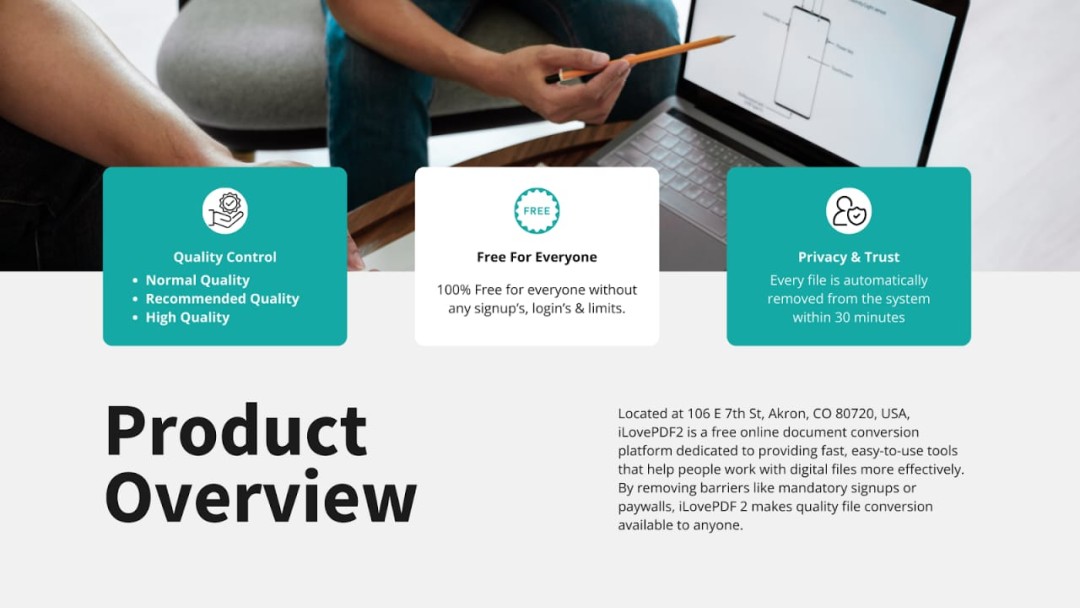
To make conversions even more tailored to different needs, iLovePDF 2 now offers three distinct quality modes:

  • Normal Quality – Converts your PDFs into sleek PNG images in standard quality – perfect for everyday sharing, internal communication, or lightweight web use.

  • Recommended Quality – Strikes the ideal balance between clarity and file size – great for users who want high-quality images without storage concerns.

  • High Quality – Produces maximum-resolution PNG images – ideal for design professionals, print materials, and intricate graphics.

  • Batch Processing – Converts multiple PDFs into PNGs in a single process – saving time for users handling large projects or repetitive tasks.

Built for everyone – from casual users to professionals

“Our mission is to eliminate the friction users face when working with documents and images,” said Rehmat Analyst, Media Relations Manager at iLovePDF 2. “We’ve designed the PDF to PNG converter so that it’s just as useful for a student creating a school project as it is for a marketing agency producing client assets – and it’s all completely free, with no logins, no signups, and no limits.”

From personal use to corporate applications, their converter has already been adopted by users in over 80 countries and enjoys accuracy, speed, and full control over output quality.

Common use cases for the PDF to PNG converter

For Education – Teachers can easily pull diagrams from PDF textbooks for presentations or create image-based resources for digital classrooms. Students can turn pages into visuals for slideshows, reports, or study notes without losing clarity.

For Business – Marketing teams convert brochures, proposals, and product sheets into lightweight PNGs for websites, newsletters, and client emails. Sales teams create quick-reference visuals from detailed product catalogs.

For Design & Creative Work – Graphic designers extract high-resolution artwork from PDFs for editing in Photoshop, Illustrator, or other design software – maintaining every detail.

For Legal & Archiving – Law firms, researchers, and archivists generate PNG copies of PDF documents for indexing, sharing, or preserving as image records.

Why quality matters in PDF to PNG conversion

Not every project needs the same image resolution. Sending a large, print-ready PNG over email may cause unnecessary delays or storage issues. Conversely, low-resolution images can make a professional presentation look unpolished. iLovePDF 2 solves this with its tiered quality settings, allowing users to pick exactly what fits their workflow – no compromises.

Privacy & Trust

Privacy and trust are always top considerations for every user. The team understands that when users upload documents, they’re placing trust in the platform. To honor that trust, every file is automatically removed from the system within just 30 minutes – a safeguard that ensures nothing lingers online longer than necessary.

Since the platform runs entirely on browsers, there’s nothing to download or install.Users never need to create an account, iLovePDF 2 doesn’t collect personal information or monitor activity.

More than just PDF to PNG

While the PDF to PNG converter is one of iLovePDF 2’s most popular tools, the platform also offers a growing suite of document and image utilities – all free, all without restrictions:

  • PDF to Word, PowerPoint, and Excel conversions.

  • PDF to XML/JSON for developers and analysts.

  • Image background removal for clean, professional product or marketing photos.

  • DJVU to PDF for converting rare or archival file formats.

  • OCR integration for searchable, editable text from scanned PDFs.

  • Split, merge, rotate and compress PDFs for better organization and sharing.

Users don’t have to jump between multiple websites or software – everything they need is in one place, designed with the same focus on speed, quality, and privacy.

About iLovePDF 2

Located at 106 E 7th St, Akron, CO 80720, USA, iLovePDF 2 is a free online document conversion platform dedicated to providing fast, easy-to-use tools that help people work with digital files more effectively.

By removing barriers like mandatory signups or paywalls, iLovePDF 2 makes quality file conversion available to anyone. Its lightweight design helps maintain quick load times and consistent performance, even in locations with limited internet speed.

Media Contact
Company Name: iLovePDF2
Contact Person: Rehmat Analyst – Media Relations Manager
Email: Send Email
Address:106 E 7th St
City: Akron
State: CO 80720
Country: United States
Website: https://ilovepdf2.com/


Press Release Distributed by ABNewswire.com

To view the original version on ABNewswire visit: ilovepdf2 Unveils Enhanced PDF-to-PNG Converter with Batch Processing and Quality Options

Belitsoft Responds to Global Market Trends with Enhanced .NET Development Capabilities

The Belitsoft custom software development company, with 20+ years of experience launching projects for businesses of all sizes in the US, UK, and Canada, announced the augmentation of its .NET development unit to meet soaring demand for dedicated .NET software engineers in 2025.

This accomplishment aligns with a documented pattern that shows a market demand for superior .NET development coupled with the highest level of cost-effectiveness. Along with providing labor for new projects, the extended unit collects, standardizes, and implements best practices based on the company’s .NET portfolio. In addition to operational structures that have accommodated an expanding clientele of .NET developers, the expanded unit offers a unified governance framework for project intake, commercial negotiation, talent allocation, and service quality oversight.

Belitsoft has been handling an increasing volume of service requests since January 2025 that look into the capabilities of vendors’ .NET dedicated teams. Customers want full-stack .NET excellence, modern architecture proficiency, enterprise integration, and cloud-native development, according to prospective client briefs. Second, businesses are looking for contractors who can provide limited technical knowledge along with strict development procedures, which they mention as a main challenge. Customers struggle with assigning suppliers who maintain strict delivery schedules, avoid costly flaws, and create solutions that won’t break right after the contract expires.

The constant pressure to align software engineering with business objectives is aggravating that challenge for owners, CTOs, and engineering managers. Rivals force them to reduce cloud expenses, maintain application responsiveness, and expedite release cycles. Being merely functional is insufficient for modern software. Slow, insecure, and unscalable solutions lose the race to the competition.

From the Internet of Things and e-commerce to manufacturing and healthcare, .NET continues to be the foundation of many enterprise architectures. For example, it helps guarantee mobile-first design, cloud-managed point-of-sale, faster websites, consistent SEO performance, and intelligent subscriptions to improve the customer experience in the retail and e-commerce sectors.

Financial case studies demonstrate that businesses that use containerized deployment, API-first designs, and the modern .NET stack are able to lower financial risks, comply with regulations smoothly, and release new digital products more promptly.

In the healthcare sector, .NET development uncovers new remote-care and AI-driven functionality and simpler integrations, which help organizations provide better patient care and accomplish Triple Aim – improving patient outcomes, per capita costs, and population health – faster.

Stronger ICS security, the deployment of edge OPC UA servers to bridge outdated equipment, and the linking of several locations to a single cloud dashboard for worldwide analytics and monitoring are all made possible by .NET development in the manufacturing industry.

Additionally, compared to hiring in local markets, customer surveys indicated that working with dedicated offshore or nearshore teams reduced workforce costs by almost 30%. A governance framework that satisfies business procurement requirements has been approved by Belitsoft’s extended .NET Development Unit. Master service agreements that establish goals for repository integration cadence, critical event response, and sprint outcomes (deadlines, quality, and completion) are used to engage contracting organizations.

Compliance policies collect certifications for data security management and quality control procedures. A specialized account management office conducts quarterly business review meetings and makes sure that client governance cycles and service level reporting are in line. A standard operating procedure is used to process procurement checklists that are received from potential clients. Financial solvency disclosure and reference verification are part of this procedure.

The expanded unit’s skill matrix satisfies the current demand for data-centric projects and modern .NET architectures, according to labor data. The outcomes mentioned by procurement teams are demonstrated by recent project completions. With roughly 300 workers, one independent software vendor in the US met strict deadlines, raised profits, and satisfied demanding investors. The opportunity to be the first to enter the market was seized by another client, a Fortune 1000 technology company with offices in the UK, Canada, Hong Kong, Brazil, and other countries. Its ground-breaking product has been dominating the market for years.

The .NET unit’s hiring procedure favors professionals with experience working in agile, international teams, and English proficiency. Technical knowledge, proactive behavior-focused interviews, and situational judgment are all part of the evaluation process. Quarterly audits examine diversity. According to recent data, the delivery centers employ staff members of ten different nationalities, matching clients’ needs to guarantee a diverse representation of European cultures.

A key component of the .NET unit governance framework is adherence to local data protection regulations. Cloud platforms certified to globally accepted security standards house repositories of personal data. According to current procurement requirements, security procedures require that clients be notified within 24 hours of any confirmed incident.

In response to open performance reporting and continuous alignment with enterprise sourcing requirements, Belitsoft will report the progress of the extended .NET unit in the 2025 Operational Review.

About the Author:

Dmitry Baraishuk is a partner and Chief Innovation Officer at a software development company Belitsoft (a Noventiq company). He has been leading a department specializing in custom software development for 20 years. The department has hundreds of successful projects in AI software development, healthcare and finance IT consulting, application modernization, cloud migration, data analytics implementation, and more for startups and enterprises in the US, UK, and Canada.

Media Contact
Company Name: Belitsoft
Contact Person: Dmitry Baraishuk
Email: Send Email
City: Warsaw
Country: Poland
Website: https://belitsoft.com/


Press Release Distributed by ABNewswire.com

To view the original version on ABNewswire visit: Belitsoft Responds to Global Market Trends with Enhanced .NET Development Capabilities

Avoid Common Mistakes: Georgia Fencer Shares Expert Tips for Fence Maintenance

Georgia Fencer shares expert tips to help homeowners avoid costly mistakes in fence maintenance. From seasonal inspections to proper cleaning and material care, the company offers trusted advice to extend fence life and protect property investments. Learn more at georgiafencer.com.

Jackson, GA – August 20, 2025 – Georgia Fencer, a trusted leader in fencing solutions across the state, is offering homeowners expert advice on how to properly maintain their fences and avoid common mistakes that can lead to costly repairs or premature replacements. With more than 15 years of experience installing and maintaining fences for residential, commercial, and agricultural clients, Georgia Fencer is committed to helping property owners protect their investments with simple, practical maintenance practices.

The Importance of Fence Maintenance

A fence is not only a boundary marker but also an important investment in security, privacy, and curb appeal. However, many homeowners overlook proper care, leading to issues such as rotting wood, rusting metal, sagging posts, and weakened structural integrity. Georgia Fencer emphasizes that regular maintenance can add years of life to a fence while also saving owners from expensive replacements.

“Too often, homeowners treat their fence as a set-it-and-forget-it feature,” said Micah, spokesperson for Georgia Fencer. “The reality is that a little routine maintenance goes a long way. Our goal is to educate homeowners on the simple steps they can take to keep their fences in excellent condition.”

Common Mistakes Homeowners Make

Through years of working with Georgia property owners, Georgia Fencer has identified several frequent maintenance mistakes:

  • Neglecting Seasonal Inspections – Homeowners often wait until a major problem appears instead of inspecting fences after storms or seasonal changes.

  • Using Harsh Cleaning Chemicals – Improper cleaning agents can strip finishes and weaken protective coatings.

  • Ignoring Drainage Issues – Standing water near posts is a leading cause of rot and instability.

  • Delaying Repairs – Small cracks, loose boards, or missing fasteners left unaddressed can quickly escalate into costly damage.

  • Choosing the Wrong Stain or Sealant – Using products that aren’t suited for Georgia’s humid climate reduces protection.

Georgia Fencer’s Expert Tips

To help homeowners protect their investment, Georgia Fencer recommends:

  1. Regular Inspections – Walk the perimeter of the fence at least twice a year and after heavy storms.

  2. Proper Cleaning – Use mild detergents and soft brushes for wood and vinyl fencing; avoid pressure washing at full strength.

  3. Protect Against Moisture – Apply weather-resistant sealants and ensure soil and mulch are kept away from fence bases.

  4. Address Problems Quickly – Tighten bolts, replace damaged boards, and treat rust spots early.

  5. Professional Consultation – When in doubt, consult with a local fencing professional for proper care recommendations.

Helping Homeowners Across Georgia

Georgia Fencer believes that providing education is just as important as providing top-quality fencing installations. By sharing tips and insights, the company continues to build trust with homeowners while reinforcing its reputation as a reliable and customer-focused partner in property improvement.

“We’re not just about building fences,” said Micah. “We’re about helping families and businesses feel safe, secure, and proud of their property. Part of that mission is giving people the knowledge they need to protect what they’ve invested in.”

About Georgia Fencer

With more than 15 years of experience, Georgia Fencer has become one of the state’s leading fencing providers. The company specializes in residential, commercial, and agricultural fencing solutions, offering materials and designs that combine durability, security, and visual appeal. Georgia Fencer is dedicated to quality craftsmanship, exceptional service, and building long-lasting relationships with clients throughout Georgia.

For more expert fencing tips and information about installation services, visit www.georgiafencer.com.

Media Contact
Company Name: Georgia Fencer
Contact Person: Micah Upchurch
Email: Send Email
Phone: 470-750-6550
Address:300 W 3rd St
City: Jackson
State: Georgia
Country: United States
Website: https://georgiafencer.com/


Press Release Distributed by ABNewswire.com

To view the original version on ABNewswire visit: Avoid Common Mistakes: Georgia Fencer Shares Expert Tips for Fence Maintenance

The Social Contract of Co-Living: 99 Analyzes Communal Living Trends in Singapore

Co-living, a form of communal living where residents have private bedrooms but share common areas like kitchens and lounges, has exploded in popularity across the globe. It’s a modern solution to urban housing problems, offering flexibility and community in an increasingly isolated world. But in Singapore, the co-living model is shaped by a unique cultural blueprint. It’s a “social contract,” a set of unspoken rules and deeply held values that govern how people from diverse backgrounds can not only co-exist but thrive in a shared space.

Singapore’s social fabric is built on multiculturalism, a respect for authority, and a collective emphasis on harmony. This isn’t just theory; it’s a daily practice woven into the very design of public housing and national policy. When you move into a co-living space here, you’re not just renting a room for rent in Singapore; you’re entering into a complex, unspoken agreement with your flatmates, one that is subtly but powerfully influenced by the city’s unique cultural norms.

1. Harmony and the Art of Indirect Communication

Singaporean society, influenced by a blend of cultures, places a high value on harmony and avoiding direct conflict. This is a crucial element of the co-living social contract. In many Western cultures, it’s common to directly confront a flatmate about a noisy habit or a messy kitchen. In Singapore, this direct approach can be seen as rude or aggressive.

Instead, the social contract often operates through indirect communication and subtle cues. If a flatmate is being too loud late at night, a polite text message might be sent to the group chat, asking for a general reduction in noise, rather than calling out the individual. A community manager might send out a friendly reminder about cleaning up after yourself, subtly addressing the issue without causing a direct confrontation.

For an expat, understanding this can be a learning curve. What might feel like passive-aggressiveness is often a deeply ingrained cultural practice designed to maintain peace and save face for everyone involved. The expectation is that you will pick up on these cues and adjust your behavior, thus preserving the harmonious environment that is so highly valued.

2. Cleanliness is a Shared Responsibility, Not Just a Personal Habit

Singapore’s famous cleanliness is not just a result of strict laws; it’s a collective social value. This is reflected in co-living spaces where shared areas are expected to be spotless. Unlike a shared apartment in other countries where the cleanliness of common areas can be a source of constant friction, in Singapore’s co-living communities, a high standard is the norm.

The social contract dictates that you are responsible for more than just your own private space. You are expected to clean up after yourself immediately in the kitchen, wipe down the counter, and wash your dishes. The weekly professional cleaning service for communal areas is a bonus, not a crutch. This shared responsibility for cleanliness is a direct extension of Singapore’s broader cultural emphasis on maintaining public order and a tidy environment. It’s a non-negotiable part of living together and is a key factor in preventing small annoyances from escalating into major conflicts.

3. The Multicultural Kitchen: Respecting Dietary and Religious Practices

Singapore is a melting pot of Chinese, Malay, Indian, and other cultures, and this diversity is most evident in the kitchen. In a co-living space, a shared kitchen is a microcosm of this multiculturalism. The social contract here is built on a foundation of respect for dietary and religious practices.

A simple act like bringing non-halal food into the shared kitchen could be a cultural misstep if you have a Muslim flatmate. The unspoken rule is that you should be mindful of what you cook and where you store your food, especially if your flatmates have religious dietary restrictions. Similarly, cooking strong-smelling foods from a particular cuisine might be seen as an imposition on others. This requires a level of awareness and consideration that goes beyond a simple agreement. It’s about a willingness to learn and adapt to the cultural backgrounds of the people you live with, a skill that is essential for life in Singapore.

4. Balancing Community with Privacy: The Quiet Hours and Personal Space

While co-living is all about community, the Singaporean model places a strong emphasis on respecting individual privacy. This is a reflection of living in a high-density urban environment where private space is a luxury. The social contract of co-living has clear, unwritten rules about personal space and noise levels.

  • Quiet Hours: Most co-living spaces have official quiet hours, but even without a rule, the social contract dictates that you should be mindful of noise, especially late at night. Whether it’s a late-night phone call or a noisy video game, the expectation is that you will use headphones and keep your voice down to avoid disturbing others. This is a common-sense rule that is particularly important in a small living space like a hdb for rent, where sound can travel easily.
  • No-Go Zones: The social contract also includes an unspoken rule about a person’s private space. A closed door is a signal for privacy, and you should never enter another resident’s private room without explicit permission. This is a universal courtesy but is particularly valued in a communal setting, where residents need a place to retreat and decompress.


5. Rules for the Digital Age: Group Chats and Shared Resources

In a co-living space, much of the communication takes place in a group chat. The social contract here dictates how you use this tool. It’s for shared announcements, coordinating cleaning schedules, and general questions—not for personal grievances or passive-aggressive comments.

Furthermore, the social contract extends to shared digital resources. For example, a shared Wi-Fi network. While it might seem trivial, the expectation is that no one person should monopolize the bandwidth with large downloads, slowing down the connection for others. This is a modern-day example of how the Singaporean value of collective responsibility extends to the digital realm.

In conclusion, co-living in Singapore is far more than just a place to live. It is a carefully orchestrated social experiment, one that is subtly guided by the country’s unique cultural norms. The social contract of co-living—with its emphasis on harmony, cleanliness, respect for diversity, and communal responsibility—is a testament to Singapore’s ability to create a harmonious and efficient society, even in the most communal of living spaces. For an expat, understanding and embracing this unspoken agreement is the key to not just finding a place to stay, but truly finding a home and a community in the Lion City.

Media Contact
Company Name: 99
Contact Person: Andrew Jackson
Email: Send Email
City: Singapore
Country: Singapore
Website: https://www.99.co/


Press Release Distributed by ABNewswire.com

To view the original version on ABNewswire visit: The Social Contract of Co-Living: 99 Analyzes Communal Living Trends in Singapore

Boldswitch Launches FacePay, the World’s First Face-Based Payment System

Lagos, Nigeria – Nigerian fintech startup Boldswitch has unveiled FacePay, a first-of-its-kind payment technology that allows users to transfer money simply by taking a photo of a recipient’s face.

With this breakthrough, Boldswitch eliminates the need for account numbers, phone details, or payment cards. Using the Boldswitch app, a sender activates the FacePay feature, takes a quick picture of the recipient, and the platform instantly verifies the individual’s identity and completes the transaction within seconds.

“We wanted to make sending money as natural as greeting someone,” said Glad Akhison, Founder and CEO of Boldswitch. “With FacePay, you can pay a vendor, tip a waiter, or send money to a friend instantly without asking for their bank details—just their face.”

How It Works

FacePay is powered by advanced AI facial recognition and real-time identity matching. To prevent fraud, the system incorporates liveness detection, ensuring only real individuals—not photos, videos, or deepfakes—can receive funds.

For individuals not yet registered on Boldswitch, the app generates a fallback QR code, enabling instant payment with equal ease.

Security and Compliance

Security has been positioned as the cornerstone of the technology. FacePay integrates bank-grade encryption, multi-layer biometric verification, and anti-spoofing safeguards. Importantly, biometric data is never stored or shared without explicit user consent. Boldswitch emphasizes that the platform aligns with international data protection and privacy standards.

Expanding Use Cases

Beyond peer-to-peer transfers, FacePay introduces new opportunities for frictionless transactions, including:

  • Tipping service providers without cash
  • Paying street vendors in cashless environments
  • Instant payouts for gig workers and freelancers
  • Seamless donations to charities
  • Identity verification for events and secure services

A Global First

FacePay represents the world’s first payment solution to use a person’s face as the sole payment identifier. By eliminating traditional barriers, the system holds potential to redefine payments globally, particularly in markets with limited banking infrastructure.

The launch begins in Nigeria, with Boldswitch planning international expansion through strategic partnerships, patent protections, and regulatory approvals.

About Boldswitch

Boldswitch is a Nigerian fintech company developing secure, simple, and inclusive financial solutions. Founded by entrepreneur Glad Akhison, the company is dedicated to bridging gaps in digital finance, driving financial inclusion, and making money movement effortless.

Media Contact
Company Name: Boldswitch
Contact Person: Glad Akhison
Email: Send Email
Country: Nigeria
Website: https://Boldswitch.ng