Smart Shoppers Save Big with Targeted Coupon Codes During Summer Closeouts

Smart Shoppers Save Big with Targeted Coupon Codes During Summer Closeouts

As the sun begins to set on another summer retail season, shoppers across the globe are capitalizing on one of the year’s most strategic buying opportunities: summer closeouts. These end-of-season sales have long been favored by value-driven consumers, but in 2025, smart shopping has evolved beyond simply scouring for discounts. The key to unlocking deeper savings? Targeted coupon codes.

While clearance sales have traditionally relied on sweeping markdowns to reduce overstock, retailers are now implementing refined digital incentives to engage a more discerning, digitally savvy shopper base. Among the most effective tools in this ecosystem are targeted coupon codes—flexible, customizable, and often exclusive offers that enhance both the buyer’s experience and the retailer’s conversion goals.

The Rise of Strategic Discounting in the Digital Age

Over the past few years, the retail industry has undergone a noticeable shift. Blanket price reductions are giving way to dynamic, customer-specific incentives. Instead of offering the same deal to every shopper, brands are leveraging consumer data, purchasing patterns, and seasonal timing to deliver relevant codes to the right user at the right time.

Coupon codes are no longer generic strings of numbers and letters. Today’s most effective codes are smartly distributed—via email campaigns, mobile apps, and curated platforms like Hotdeals—designed to trigger during specific shopping windows such as summer clearance events. These codes might offer an extra 20% off clearance items, a free shipping bonus on discounted orders, or even a buy-one-get-one promotion, depending on the buyer’s profile and the merchant’s objectives.

Why Summer Closeouts Are Prime Time for Coupon Code Usage

The summer clearance season is uniquely suited to coupon-based savings for several reasons:

1. Inventory Turnover Goals: Retailers are racing to make room for fall collections. This urgency drives an uptick in targeted offers, particularly those that can accelerate movement of slow-selling SKUs.

2. Price Consciousness Among Consumers: With inflationary pressures still affecting household budgets, shoppers are more proactive in searching for compound savings—combining sale pricing with coupon codes for maximum benefit.

3. Platform Partnerships: Retailers increasingly collaborate with promotion platforms to release codes to segmented audiences. For example, Hotdeals works with numerous brands to ensure coupon code distribution is timely, authentic, and optimized for performance.

4. Mobile Optimization: Many shoppers are discovering and applying coupon codes via mobile apps, enabling real-time price comparisons and code testing while shopping in-store or online.

Types of Targeted Coupon Codes Gaining Traction in 2025

Coupon codes used during summer closeouts are not one-size-fits-all. Several variations are proving especially effective this season:

l Category-Based Codes: Shoppers looking for specific product types—such as summer fashion, outdoor gear, or seasonal home décor—can apply codes dedicated to these categories for deeper markdowns.

l Cart Value Incentives: “Spend $75, save $15” codes encourage higher order values while still offering savings, especially compelling during clearance when shoppers tend to buy in volume.

l Time-Sensitive Offers: Flash codes valid for 24 to 48 hours add urgency to the checkout process and are frequently deployed during high-traffic weekends.

l Loyalty or First-Time Shopper Codes: To boost customer acquisition and retention, brands offer special coupon codes to subscribers or those making their first purchase via a given channel.

These formats allow brands to remain competitive without eroding margins, while simultaneously giving shoppers real reasons to act quickly and decisively.

How Consumers Can Maximize the Value of Coupon Codes

While coupon codes hold tremendous potential for saving, unlocking their full value requires a thoughtful approach:

1. Rely on Verified Sources: The internet is filled with outdated or inactive codes. Platforms like Hotdeals curate only verified and tested coupon codes, ensuring users don’t waste time on errors at checkout.

2. Combine Codes with Sale Timing: Apply codes during final markdown periods—often late July through August—to benefit from already-discounted base prices.

3. Use Alerts and Subscriptions: Signing up for promotional newsletters or push notifications from trusted sites allows users to be the first to receive limited-time coupon code drops.

4. Read the Terms Carefully: Many codes have restrictions—minimum spend requirements, exclusions on certain brands or SKUs, or limits on use per customer. Understanding these conditions helps avoid checkout frustration.

5. Track Category Trends: Staying updated on which categories are being prioritized for closeout—e.g., outdoor furniture or summer footwear—can help shoppers plan their purchases more effectively.

Hotdeals’Role in the Modern Coupon Landscape

Unlike generic coupon aggregators, Hotdeals functions as a direct bridge between retailers and consumers. The platform emphasizes transparency, trust, and timing, providing users with coupons that are not only verified but also optimized for use during strategic sales windows like summer closeouts.

What sets platforms like Hotdeals apart is the depth of collaboration with merchant partners. Instead of scraping codes from across the web, it offers curated collections of brand-authorized coupon codes, often with exclusivity and added benefits not available elsewhere.

For shoppers seeking clarity amid the chaos of summer sales, Hotdeals is increasingly becoming a one-stop destination for high-impact savings.

Summer closeouts represent more than just a seasonal inventory reset—they’re a key opportunity for consumers to refresh their homes, wardrobes, and technology with end-of-line products at unbeatable prices. But as retail evolves, it’s no longer enough to simply wait for prices to drop. Today’s smartest shoppers are using coupon codes to push their savings further.

By identifying the right moments to buy, applying verified codes from trusted sources, and staying alert to targeted deals, consumers can transform a standard clearance event into a strategic shopping triumph.

In 2025, the margin between full price and a fantastic deal is no longer measured just in percentage points—it’s determined by who knows how to use the right coupon code at the right time. And this summer, that margin is wider than ever.

Media Contact
Company Name: HotDeals
Contact Person: Media Relations
Email: Send Email
Country: Singapore
Website: https://us.hotdeals.com/


Press Release Distributed by ABNewswire.com

To view the original version on ABNewswire visit: Smart Shoppers Save Big with Targeted Coupon Codes During Summer Closeouts

Tackling the UK’s PPE Waste Crisis: Earth Safe PPE Honoured for PPE Recycling Innovation

Tackling the UK's PPE Waste Crisis: Earth Safe PPE Honoured for PPE Recycling Innovation

London, United Kingdom – Earth Safe PPE, the pioneering sustainability leader in PPE Recycling and Textile recycling, has been awarded two major accolades at the Healthcare and Pharmaceutical Awards 2025, hosted by Global Health & Pharma (GHP). The honours recognise Earth Safe PPE’s exceptional contributions to sustainable waste management during an era of heightened environmental urgency.

The company was named:

  • Best Eco-Driven PPE Waste Management Innovators 2025 – UK

  • Excellence Award in End-of-Life PPE & Textile Recycling 2025 – UK

This recognition comes as global industries continue to seek responsible, compliant solutions for managing pandemic-related waste and environmental impact. Earth Safe PPE has positioned itself as a visionary force in this space, offering fully traceable, closed-loop recycling services to healthcare institutions, educational organisations, corporate clients, and government entities across the UK.

“To be honoured in two distinct categories is a reflection of our team’s tireless innovation and the trust placed in us by clients who value sustainability and transparency,” said a spokesperson for Earth Safe PPE. “We built our model to be both rigorous and scalable, and these awards reinforce the urgency and relevance of our mission.”

Operating from its headquarters in London and expanding rapidly into other urban centres, Earth Safe PPE incinerates contaminated PPE waste such as gloves, masks, aprons, and gowns, diverting tonnes of landfill-bound waste. The company’s textile recycling division reclaims used workwear, uniforms, and industrial textiles, giving second life to materials that would otherwise contribute to the UK’s fast fashion and commercial textile crisis.

Earth Safe PPE’s model is defined by rigorous compliance, zero-waste objectives, and measurable sustainability outcomes. Each client can receive full environmental impact reporting for an extra fee, which is aligned with ESG and net-zero frameworks. This makes us a preferred choice for environmentally conscious institutions.

The dual awards place Earth Safe PPE at the centre of the UK’s green recovery movement, one that prioritises innovation, integrity, and long-term environmental responsibility.

About Earth Safe PPE

Earth Safe PPE is a UK-based environmental services provider specialising in the ethical recycling of personal protective equipment (PPE) and textiles. Serving clients across the healthcare, education, industrial, and public sectors, the company delivers scalable, compliant, and transparent recycling solutions that support zero-waste targets and ESG goals. Its mission: to transform waste into opportunity, and create a future where sustainability is the standard, not the exception.

Media Contact
Company Name: Earth Safe PPE
Contact Person: Peter O’Keeffe
Email: Send Email
Phone: +353838800200
Address:71-75 Shelton Street Covent Garden
City: London WC2H9JQ
Country: United Kingdom
Website: https://www.earthsafeppe.com/

OnlineMed launches its Online Service, providing instant Access to Instant Doctor’s Notes Online

OnlineMed launches its Online Service, providing instant Access to Instant Doctor’s Notes Online
OnlineMed introduced an online service to allow doctors to write absent notes without physically visiting schools or workplaces.

OnlineMed has officially been launched and is set to change the way Americans can access virtual doctor’s notes. This idea will address the hectic visits to the doctor’s clinic, even when the world is moving fast and working with technology. The entire process of getting a note written by a doctor for being absent finally has a convenient and smooth way, making people’s lives easier. People can finally avoid the long waiting hours and the additional medical fees.

Workplaces and schools always demand a legitimate doctor’s note for being absent, and people always hated visiting the clinic for this trivial task, and for the longest time, no one ever thought of bringing a solution to this. However, OnlineMed understood the need at the right time and, by utilizing the latest technology, they are enabling people to access these notes from the comfort of their homes. They will be provided with these notes in a matter of a few hours.

The process of accessing a genuine doctor’s note has been kept extremely easy. People simply have to go to the website and request a doctor’s written note. This process eliminates the compulsion of being physically present at the clinic for a simple task that requires a minimum amount. OnlineMed understood this need of the majority right at the time and has introduced this service at $39.

At the time of launch, the founder, Justin Garner, said, “I have been through the hectic process of getting a doctor’s note many times. It not only costed me money but also my time, which I could have utilized better. This website addresses this issue very well, and even if it takes a couple of hours to provide the note, you can still stay at your home and not wait in the waiting rooms.”

OnlineMed not only provides you with online medical note service, but also ensures that the doctors they are working with are legitimate and hold a degree. Before issuing you the note, every request goes through review and then only gets issued by a licensed provider, making the notes legit and accurate.

The task of developing OnlineMed was started back in October 2024 and finally took its shape now. Though this will help everyone to get the doctor’s appointment right on time and at a very convenient cost, it will especially come as a relief to those who work for hourly gigs, full-time parents, and working multiple jobs. Those who had to travel a long distance will also find this very useful.

The launch of OnlineMed will put people at ease, and the services may be utilized for bigger and better causes. In the time when online services are making things easier, the traditional method did feel like a burden, but not anymore. The website is now live, and anyone can request the doctor’s written note.

Media Contact
Company Name: OnlineMed
Contact Person: Justin Garner
Email: Send Email
City: Sheridan
State: WY
Country: United States
Website: onlinemedcare.com

Overview of the China Optics Valley Artificial Intelligence Innovation Conference & 2025 Forbes China AI Tech Enterprises Top 50 Release Ceremony

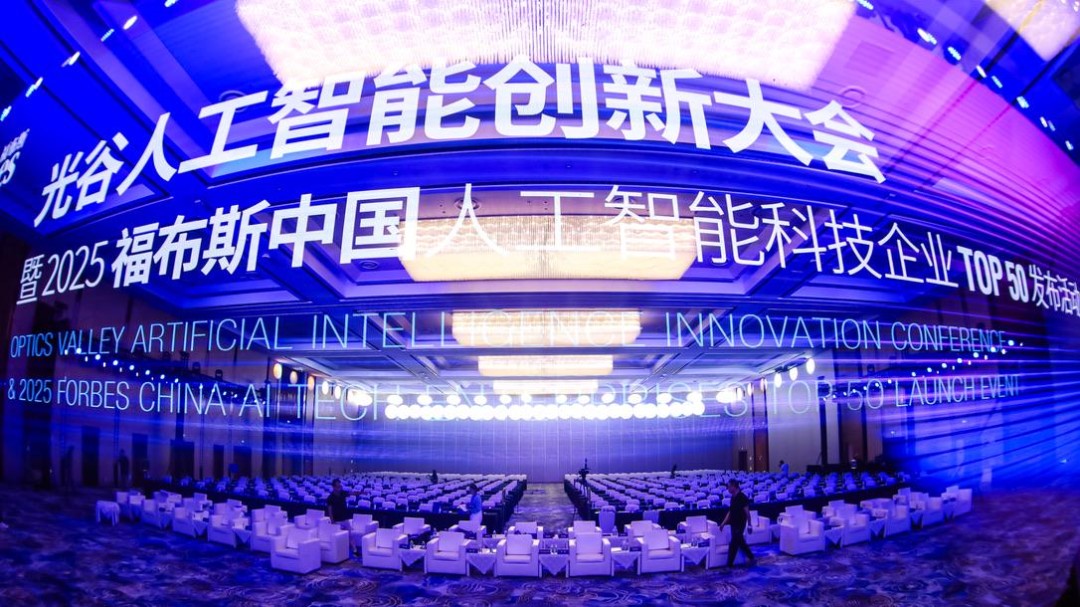
On June 27, in the grand banquet hall on the third floor of the China Optics Valley Technology Exhibition Center, the “China Optics Valley Artificial Intelligence Innovation Conference & 2025 Forbes China AI Tech Enterprises Top 50 Release Ceremony” took place, featuring the release of the comprehensive “China’s Optics Valley Report”, which highlighted major developments and broad insights for the global AI industry.

Aiming for “China’s Fourth AI Pole”

In his opening speech, Shen Yue, a member of the Standing Committee of the CPC Wuhan Municipal Committee and Secretary of the Party Working Committee of the Wuhan East Lake High-tech Development Zone, revealed the “report card” and “roadmap”:

  • Industry Scale: By 2024, the AI industry in Optics Valley is expected to exceed 45 billion yuan, with a three – year goal of reaching 100 billion yuan, nurturing three leading companies worth 10 billion yuan and a thousand SMEs.
  • Computing Power Base: With the leading intelligent computing/supercomputing center in China, the national storage base in the country, and the largest optical communication R&D base globally, comprehensive support for AI from storage to computing is ensured.
  • Talent and Funds: A global talent attraction plan has been launched, offering up to 100 million yuan in support for top scientists; a 10 – billion – yuan humanoid robot master fund coordinated by Hubei provincial, Wuhan municipal and East Lake High-tech Development Zone governments is set to launch.
  • Open Scenarios: A massive autonomous driving operational zone reaching 7.7 million people and covering 3,000 square kilometers, a big data pool of 12 million cervical cancer screenings ensures abundant data and scenarios for large models.


“Pooling Strengths, Driving Breakthroughs” Industry Collaboration Signing Ceremony: Multiple AI Firms Establish Presence in Optics Valley of China

During the “Pooling Strengths, Driving Breakthroughs” collaboration signing ceremony, several leading companies ranked in the 2025 Forbes China AI Tech Enterprises Top 50 list signed strategic cooperation agreements with the East Lake High-Tech Development Zone. Representing core AI sectors—including autonomous driving, XR-powered cultural tourism, industrial quality inspection, healthcare robotics, AIGC content generation, and intelligent computing infrastructure—these companies span a full-stack ecosystem, from foundational large models to end-to-end application scenarios.

World-Class Brainstorming: Key Insights from Four Academicians and Experts

AI Paradigm Leap

From healthcare to cultural tourism, from industry to daily life, the conference highlighted ten transformative breakthroughs shaping the future of AI:

  • Trusted Interaction: Achieving high accuracy in urban hotlines, bank counters services, and autonomous driving operations, elevating AI from mere “understanding” to active “management”.
  • AI-Native Creativity: Generating 33.27 million pixel-level images from a single prompt, compressing the traditonal “shoot-edit-publish” process into minutes.
  • Medical Scenarios: Diagnostic-level large models advancing evidence-based medicine into an “intent-driven” era, validated by millions of screening data in “no doctor” scenarios. Additionally, Integrating family doctors, fall monitoring, and emergency calls into service robots, deeply engaging with rural areas and communities to address the aging population.
  • Cultural Tourism: Ultra-high-resolution immersive experiences bringing millennia-old murals to life,enabling a 25-minute journey along the Silk Road.
  • Embodied Intelligence: Completing training-deployment loops in 45 days via simple voice commands, achieving a new paradigm of human-AI collaboration.
  • Content Production: AI workstations scaling to 20 million users in 20 months, transforming diverse physical environments into trainable “embodied AI” interfaces.
  • Industrial Quality Inspection: Nano-level defect detection setting new industry benchmarks and driving a national AI initiative targeting 2030.
  • Manufacturing Methodology: Introducing a new industrial AI framework: “scene-first + model collaboration + five core capabilities.”
  • Computing Infrastructure Consensus: A shift toward inference dominance — predicting that inference compute demand will soon surpass training, redefining the next generation of AI factories.
  • Autonomous Driving: Achieving global deployment across over 100 projects within three days, with remote safety operators leading commercialization efforts.

The ten paradigms collectively outline a future vision of “AI being everywhere, seamlessly integrated into daily life.”

Four Roundtables, One Message: Scenarios Are King, Collaboration Is Key

Addressing the integration bottlenecks in embodied intelligence, the tripartite complementarity of technology, scenarios, and funding, and the emerging consensus around smart manufacturing —defined by “data × model × software-hardware co-design,” the four roundtable discussions converged on a shared conclusion: by 2025, AI competitiveness will no longer hinge on showcasing isolated technologies, but on who can fastest embed algorithms into real-world scenarios, integrate computing power into industrial workflows, and attract capital to secure global orders.

Wuhan unveiled a series of initiatives to accelerate this transformation, including:

  • A “humanoid robot marathon testbed,” to advance embodied AI;
  • A support package for SMEs featuring “computing power vouchers,” open data access, and an industry-finance collaboration platform;

Making Optics Valley of China the “World Optics Valley” in the AI Era

The 2025 Forbes China AI Tech Enterprises Top 50 Award Ceremony was held with great acclaim, honoring:

50 core technology pioneers, 10 breakthrough AI applications,, 10 cutting-edge technologies, 10 rising startups, and 15 influential leaders shaping the future pf AI. At this pivotal moment, Optics Valley not only celebrate achievement but also illuminated the path forward: “From a beam of light to a city, from a city to an era.” The sparks of AI innovation have ignited a torch in Optics Valley of China. Next stop, the World Optics Valley!

Media Contact
Company Name: ForbesChina
Contact Person: Austin Lee
Email: Send Email
City: Wuhan
Country: China
Website: https://www.forbeschina.com/

M5V Developments Launches The Muskoka Lake Houses – A Lakeside Escape Designed to Deliver Lifestyle and Profit

““With Muskoka’s second-home market seeing consistent growth year over year, The Muskoka Lake Houses present a rare opportunity to invest not only in property, but in your quality of life,” said Sherard McQueen, CVO at M5V Developments. “This is about more than owning a cottage. It’s about creating a retreat that can be passed down for generations, a timeless investment in family, leisure, and the security of Muskoka’s thriving market.””
Modern waterfront cottages offering luxury living, nature access, and strong rental returns — all within 90 minutes of Toronto.

TORONTO, ON – August 19, 2025 – Imagine waking up to Muskoka’s sparkling waters, coffee in hand, as the sunrise paints the shoreline. Knowing that when you’re not there, your property is working for you as a high-yield investment.

Today, M5V Developments announced the launch of The Muskoka Lake Houses, a premium lakeside community designed for those who want to enjoy the best of cottage country while building lasting wealth. Located just 90 minutes from Toronto in Port Severn, these homes combine sleek design, nature access, and income potential in one of Ontario’s most desirable second-home markets.

Key Highlights of The Muskoka Lake Houses

  • Waterfront & Outdoor Access – Direct lakefront living with boating, swimming, and hiking right at your doorstep.

  • Modern Design – Sleek interiors with high-end finishes, offering floor plans from 4-bedroom Lake Houses starting at ~1,750 sq. ft. to expansive 6-bedroom residences up to ~2,749 sq. ft.

  • Prime Location – Just 90 minutes from Toronto via Highway 400, ideal for weekend escapes or year-round enjoyment.

  • Strong ROI Potential – Positioned to benefit from Muskoka’s growing demand for seasonal rentals and long-term appreciation.

  • Limited Release – Only 22 units are available in this phase.


A Lifestyle That Sells Itself

Owners and guests can enjoy mornings on the dock, afternoons exploring Muskoka’s trails, and evenings by the fire under the stars. The region has a vibrant year-round culture — from boating in summer to winter festivals — making these homes as attractive to investors as they are to families seeking a permanent getaway.

Bookings are now available. Interested buyers can access renderings, download the project brochure, and register for priority access at https://themuskokalakehouses.com.

About M5V Developments

M5V Developments is a Canadian real estate developer focused on creating communities where design excellence meets functional living and lasting value. With a diverse portfolio across Ontario, M5V delivers high-quality residential projects that connect people, places, and opportunity — building spaces that inspire, perform, and appreciate over time.

Media Contact
Company Name: M5V Developments
Contact Person: Pritica Kher
Email: Send Email
Country: Canada
Website: https://m5vinc.com/


Press Release Distributed by ABNewswire.com

To view the original version on ABNewswire visit: M5V Developments Launches The Muskoka Lake Houses – A Lakeside Escape Designed to Deliver Lifestyle and Profit

The Truth Behind Refugee Camps: A Raw, Unfiltered Story That Breaks the Myth of Humanitarian Fairytales

Bucharest, Romania –  Refugee camps. The phrase often conjures up images of humanitarian documentaries with soft music, noble speeches, and the promise of resilience and hope. But reality? It’s far more complex, chaotic, and human.

In his latest book, now available on Google Books, Adrian Dumitru takes readers inside the heart of life in a refugee camp—stripped of the clichés, stripped of the staged gratitude, and stripped of the halos.

The narrative begins when buses rolled in with people carrying nothing but plastic bags and broken nerves, and a “refugee camp” was born overnight. What followed wasn’t the neat humanitarian picture often painted for the world. Instead, it was hundreds of exhausted strangers—hungry, fearful, short-tempered—thrown together in conditions that tested patience, empathy, and the very essence of humanity.

Over three years, Dumitru witnessed the chaos and contradictions of camp life:

  • Scarcity – Food never enough, space non-existent, privacy impossible.
  • Fractures – Fights over blankets, tempers snapping, volunteers burning out.
  • Harsh Truths – Gratitude was rare, complaints were endless, and survival trumped everything.
  • Moments of Light – A child’s laughter after weeks of silence, a shared piece of bread, a hug that kept a volunteer going.

“Refugee camps aren’t about halos and heroism,” Dumitru writes. “They’re about survival with drama. They’re soap operas without glamour and with a lot more crying. They show us who we really are when everything else is stripped away.”

This book is not a charity poster—it’s a mirror. It reflects the raw, unfiltered, brutally honest truth of life in camps: sometimes inspiring, often messy, always real.

Readers looking for polished narratives of heroism won’t find them here. But those ready to face the complexity of humanity at its most fragile will discover a story that lingers long after the last page.

Availability

The book is available now on Google Books, Amazon and Apple Books.

Media Contact
Company Name: Dezibel Media
Contact Person: Adrian Dumitru
Email: Send Email
City: Bucharest
Country: Romania
Website: dezibelmedia.ro


Press Release Distributed by ABNewswire.com

To view the original version on ABNewswire visit: The Truth Behind Refugee Camps: A Raw, Unfiltered Story That Breaks the Myth of Humanitarian Fairytales

Williams Floorcenter Makes Flooring Projects Easier with Free In-Home Consultations Across Central Florida

Orange City, FL – August 19, 2025 – Williams Floorcenter is making home renovations easier for Central Florida homeowners by offering free in-home consultations, measuring services, and estimates. These complimentary offerings help take the stress out of choosing the right flooring or cabinets by delivering expert guidance directly to customers’ homes.

Understanding that selecting the perfect flooring can feel overwhelming, Williams Floorcenter’s team visits homes to assess the space, review design preferences, and provide personalized recommendations based on style, budget, and lifestyle. With access to flooring samples and the support of knowledgeable professionals, customers can make confident, informed decisions.

“Our free in-home consultations are all about making the process simple and stress-free for our customers,” said a spokesperson for Williams Floorcenter. “By bringing expert advice straight to their homes, we help them visualize their options and plan their projects more accurately.”

This service includes precise measuring and a detailed estimate at no cost, giving homeowners everything they need to start their renovation projects with clarity. Whether updating a single room or planning a full remodel, Williams Floorcenter ensures homeowners are supported every step of the way.

To schedule a free in-home consultation, visit www.williamsfloorcenter.com.

About Williams Floorcenter

Williams Floorcenter, established in 1978, is a locally owned flooring showroom in Orange City, Florida. They offer a wide selection of flooring options, including carpet, hardwood, laminate, tile, and luxury vinyl. Serving Central Florida, they provide professional installation services and complimentary in-home consultations.

Media Contact
Company Name: Williams Floorcenter
Contact Person: Eric Alleyn
Email: Send Email
Phone: (386) 775-4000
Address:2740 Enterprise Rd
City: Orange City
State: Florida
Country: United States
Website: https://www.williamsfloorcenter.com/


Press Release Distributed by ABNewswire.com

To view the original version on ABNewswire visit: Williams Floorcenter Makes Flooring Projects Easier with Free In-Home Consultations Across Central Florida

Drug Delivery Devices Market to Grow at 7.90% CAGR Through 2030, Driven by FDA Approvals and Pipeline Advances by Pfizer, J&J, Novartis, Medtronic, and Becton Dickinson Through 2030 | DelveInsight

“Drug Delivery Devices- Market Insights, Competitive Landscape and Market Forecast–2030”
DelveInsight projects the global drug delivery devices market to grow at a 7.90% CAGR through 2030, driven by rising chronic disease prevalence and demand for patient-friendly therapies. Key players include Pfizer (NYSE: PFE), Johnson & Johnson (NYSE: JNJ), Novartis (SIX: NOVN / NYSE: NVS), Boehringer Ingelheim, Medtronic (NYSE: MDT), GSK (NYSE: GSK), AstraZeneca (NASDAQ: AZN), and Becton Dickinson (NYSE: BDX).

DelveInsight’s “Drug Delivery Devices- Market Insights, Competitive Landscape and Market Forecast–2030” report delivers a comprehensive analysis of the Drug Delivery Devices market, covering historical and forecasted potential patient pools, competitive landscape and market outlook across the globe through 2030.

Key Takeaways

  • Market size projection: As per DelveInsight’s analysis, the total drug delivery devices market size in the global market is expected to surge significantly by 2030, with an appreciable CAGR of 7.90% during the forecast period from 2024 to 2030.

  • Patient population data: The report provides the total drug delivery devices potential patient pool driven by the increasing chronic diseases prevalence such as diabetes, affecting 37.3 million people across the US in 2021, and cancer, with an estimated 2 million new cases diagnosed in the United States in 2020.

  • Key companies: Leading drug delivery devices companies, such as Pfizer Inc. (NYSE: PFE), Johnson & Johnson Services Inc. (NYSE: JNJ), Novartis AG (SIX Swiss Exchange: NOVN / NYSE: NVS), Boehringer Ingelheim, Medtronic Plc (NYSE: MDT), GlaxoSmithKline plc (NYSE: GSK), AstraZeneca PLC (NASDAQ: AZN), and Becton Dickinson (NYSE: BDX)., and others dominate the competitive landscape.

  • Pipeline assets: Some of the key drug delivery devices in the pipeline include injectable drug delivery systems, implantable drug delivery devices, inhalers and nebulizers, safety syringes, transdermal patches, and others across various therapeutic applications.

  • The FDA published updated guidance in August 2025 addressing human factors assessment requirements for injection devices, establishing comprehensive definitions for device classifications and user interface features. This regulatory framework significantly impacts generic injection device approvals through the ANDA pathway, requiring more rigorous usability testing.

  • In May 2025, two products employing Halozyme’s Enhanze drug delivery technology received FDA approval: BMS’s Opdivo and Johnson & Johnson’s DARZALEX FASPRO.

  • In December 2024, Coherus BioSciences received FDA approval for the UDENCYA ONBODY™ Injector, delivering pegfilgrastim-cbqv biosimilar for neutropenia treatment.

  • In July 2025, neffy® (epinephrine nasal spray) by ARS Pharmaceuticals became commercially available to patients at risk of anaphylaxis. This needle-free device represents the first FDA-approved nasal spray for emergency epinephrine delivery, offering a significant alternative to traditional auto-injectors for patients with needle phobia.

Recent tariff measures enacted in 2025 have introduced a baseline 10% duty on most Chinese imports affecting Drug Delivery Devices supply chains, with derivative tariffs of 25% on steel and aluminum components taking effect in March 2025. Know more about how the companies are navigating these tariff tensions @ Drug Delivery Devices Recent Developments.

Drug Delivery Devices Market Dynamics

The global drug delivery devices market demonstrates robust growth momentum, driven by multiple converging factors that collectively position the sector for sustained expansion through 2030. The market is experiencing a significant demand surge, primarily attributed to the escalating prevalence of chronic diseases worldwide, with diabetes and cancer serving as key therapeutic drivers requiring sophisticated delivery mechanisms.

This market momentum is fundamentally supported by the rising diabetic population, which necessitates reliable and precise drug delivery systems for effective disease management. The increasing frequency of both chronic and acute diseases, coupled with the expanding biologics market, creates substantial opportunities for advanced delivery technologies. The COVID-19 pandemic has positively influenced market dynamics, particularly through increased vaccination requirements and enhanced focus on efficient drug delivery systems for emergency healthcare responses.

The scientific rationale underlying drug delivery devices centers on optimizing therapeutic efficacy while minimizing adverse effects through controlled, targeted drug administration. Injectable delivery systems, in particular, offer significant advantages including predictable drug-release profiling, improved patient compliance, enhanced systemic availability by avoiding first-pass metabolism, reduced dosing frequency, and overall cost reduction in medical care. These systems are especially crucial for delivering larger molecules such as biologics, which require specialized administration methods due to their size, profile, and viscosity characteristics.

The drug delivery device competitive landscape reveals intense industry participation with established pharmaceutical giants and specialized device manufacturers pursuing strategic approaches to capture market share. Companies are focusing on technological advancements, regulatory approvals, and product innovation to maintain competitive positioning. North America dominates the market due to high chronic disease prevalence, robust research and development infrastructure, increasing biologics usage, and government initiatives supporting healthcare access.

The drug delivery device market challenges include stringent regulatory policies governing drug delivery devices and limited patient adoption in certain segments. However, opportunities abound through technological innovations, expanding applications across therapeutic areas, and growing demand for home-care medication delivery systems. Future outlook remains highly optimistic, with growth drivers including continued chronic disease burden, aging populations, advancement in biologics, and increasing preference for patient-friendly delivery mechanisms.

Download the Drug Delivery Devices Market report to understand which factors are driving the therapeutic market @ Drug Delivery Devices Market Trends.

Drug Delivery Devices Targeted Patient Pool

The drug delivery device patient pool is primarily driven by the global burden of chronic diseases requiring sophisticated therapeutic interventions across major markets. The disease burden encompasses multiple therapeutic areas, including oncology, diabetes, respiratory diseases, and infectious diseases, each contributing to the expanding patient population requiring advanced drug delivery solutions.

Diabetes represents a significant epidemiological driver, with the United States alone reporting 37.3 million affected individuals in 2021, accounting for approximately 11.3% of the total population. Of these cases, 28.7 million adults were formally diagnosed, highlighting the substantial treated patient population requiring continuous medication delivery systems. The oncological burden further amplifies market demand, with an estimated 1,806,590 new cancer cases diagnosed in the United States in 2020, alongside more than 600K patients affected by the disease during the same period.

Global cancer statistics indicate approximately 20 million cases worldwide in 2020, affecting more than 10 million people globally, demonstrating the extensive international patient pool requiring specialized drug delivery mechanisms. The total eligible patient pool encompasses individuals across various chronic conditions requiring long-term medication management, including respiratory diseases necessitating inhalation devices, oncology patients requiring injectable therapies, and diabetic populations utilizing multiple delivery modalities.

Geographic segmentation reveals North America as the dominant region due to high chronic disease prevalence, advanced healthcare infrastructure, and favorable regulatory environment supporting device adoption. The region’s epidemiological profile is characterized by significant diabetes and cancer burdens, driving substantial demand for sophisticated delivery systems. The forecast period extends through 2030, with epidemiological trends indicating continued growth in chronic disease prevalence, aging populations, and expanding diagnostic capabilities contributing to increased identification of treatable patient populations requiring advanced drug delivery solutions.

Discover evolving trends in the Drug Delivery Devices patient pool forecasts @ Drug Delivery Devices Patient Pool Analysis.

Key Drug Delivery Devices Companies and Treatment Market

The clinical and regulatory landscape for drug delivery devices is characterized by a comprehensive ecosystem of established pharmaceutical companies and specialized device manufacturers working to address diverse therapeutic needs across multiple administration routes. Current treatment options span implantable drug delivery devices, inhalers and nebulizers, safety syringes, transdermal patches, and various other delivery mechanisms designed to optimize therapeutic outcomes across oncology, infectious diseases, respiratory diseases, diabetes, and other therapeutic areas.

The drug delivery device clinical pipeline activity demonstrates robust development across multiple phases, with companies pursuing innovative delivery technologies to enhance patient outcomes and compliance. Key drug delivery device manufacturer include Pfizer Inc. (NYSE: PFE), Johnson & Johnson Services Inc. (NYSE: JNJ), F. Hoffmann-La Roche Ltd (SIX Swiss Exchange: ROG), Novartis AG (SIX Swiss Exchange: NOVN), 3M (NYSE: MMM), Bayer AG (Xetra: BAYN; ADR: BAYRY), uniQure N.V. (NASDAQ: QURE), Shenzhen Sibiono GeneTech Co. Ltd, Antares Pharma Inc. (NASDAQ: ATRS), GlaxoSmithKline plc (NYSE: GSK), AstraZeneca PLC (NASDAQ: AZN), Becton Dickinson (NYSE: BDX), Boehringer Ingelheim group, Consort Medical plc (Recipharm Group) (LSE: CSRT), Insulet Corporation (NASDAQ: PODD), Medtronic Plc (NYSE: MDT), Sulzer Ltd (SIX Swiss Exchange: SUR), West Pharmaceutical Services Inc (NYSE: WST), Generex Biotechnology (NASDAQ: GNBT), Panacea Pharmaceuticals Inc, Aptar Pharma (AptarGroup Inc., NYSE: ATR), Koninklijke Philips N.V. (Euronext Amsterdam: PHIA), Nemera, Biocorp Production, and Eli Lilly and Co. (NYSE: LLY), among others.

Market positioning varies across therapeutic applications, with injectable delivery systems commanding significant market share due to their effectiveness in delivering biologics and complex molecules. These systems offer superior drug-release profiling, enhanced patient compliance, and improved systemic availability compared to traditional oral formulations. Development milestones include strategic regulatory approvals such as the FDA clearance of AireHealth’s portable nebulizers in December 2020, B Braun’s Emergency Use Authorization for infusion pumps with nebulizers for COVID-19 treatment in April 2020, and the approval of GSK’s three-drug asthma inhaler in September 2020.

Commercial arrangements reflect increasing collaboration between pharmaceutical companies and device manufacturers to develop integrated therapeutic solutions. The market context emphasizes end-user applications across hospitals, ambulatory surgical centers, and home-care settings, with growing emphasis on patient-centric delivery mechanisms that enhance treatment adherence and clinical outcomes.

Delve deeper into the major and specialised companies in the Drug Delivery Devices market @ Drug Delivery Devices Competitive Landscape.

Conclusion

The drug delivery devices market represents a dynamic and rapidly expanding sector driven by increasing chronic disease prevalence, technological advancement, and growing demand for patient-friendly therapeutic solutions. With a projected CAGR of 7.90% through 2030, the market demonstrates strong fundamentals supported by robust pipeline activity, strategic regulatory approvals, and comprehensive industry participation across multiple therapeutic areas. The combination of favorable epidemiological trends, technological innovation, and expanding clinical applications positions the drug delivery devices market for sustained growth and continued therapeutic impact across global healthcare systems.

Table of Contents

1. Drug Delivery Devices Market Report Introduction

2. Drug Delivery Devices Market Executive Summary

3. Competitive Landscape

4. Regulatory Analysis

5. Drug Delivery Devices Market Key Factors Analysis

6. Drug Delivery Devices Market Porter’s Five Forces Analysis

7. Drug Delivery Devices Market Assessment

8. Drug Delivery Devices Market Company and Product Profiles

9. KOL Views

10. Project Approach

11. About DelveInsight

12. Disclaimer & Contact Us

About DelveInsight

DelveInsight is a leading business consulting and market research company focused on the healthcare and life sciences sectors, providing comprehensive market intelligence, competitive landscape analysis, and strategic insights to support decision-making across the pharmaceutical industry.

Media Contact
Company Name: DelveInsight Business Research LLP
Contact Person: Arpit Anand
Email: Send Email
Phone: +14699457679
Address:304 S. Jones Blvd #2432
City: Las Vegas
State: NV
Country: United States
Website: https://www.delveinsight.com/


Press Release Distributed by ABNewswire.com

To view the original version on ABNewswire visit: Drug Delivery Devices Market to Grow at 7.90% CAGR Through 2030, Driven by FDA Approvals and Pipeline Advances by Pfizer, J&J, Novartis, Medtronic, and Becton Dickinson Through 2030 | DelveInsight

Neurology Devices Market to Grow at 7.46% CAGR Through 2030: Rising Alzheimer’s, Parkinson’s, and Dementia Cases Propel Global Expansion | DelveInsight

“Neurology Devices Market Insights, Competitive Landscape, and Market Forecast – 2030”
Neurology devices market to grow at a 7.46% CAGR through 2030, fueled by rising neurological disease prevalence, aging populations, and AI-driven innovations by key companies include Abbott (NYSE: ABT), B. Braun, Boston Scientific (NYSE: BSX), Integra LifeSciences (NASDAQ: IART), LivaNova (NASDAQ: LIVN), Medtronic (NYSE: MDT), Penumbra (NYSE: PEN), Stryker (NYSE: SYK), Philips (AMS: PHIA), MicroPort, Helius (NASDAQ: HSDT), Cerus Endovascular, Magstim TMS, Rapid Medical, and Acandis GmbH.

DelveInsight’s “Neurology Devices Market Insights, Competitive Landscape, and Market Forecast – 2030” report delivers a comprehensive analysis of the Neurology Devices market, covering historical and forecasted potential patient pools, competitive landscape and market outlook across the globe through 2030.

Key Takeaways

  • Market size projection: As per DelveInsight’s analysis, the global neurology devices market is estimated to grow at a CAGR of 7.46% during the forecast period from 2024 to 2030, driven by increasing prevalence of neurological conditions and technological advancements.

  • Patient population data: The report highlights significant patient populations requiring neurological intervention, including over 55 million people worldwide living with dementia according to DelveInsight data.

  • Key companies: Leading neurology devices companies include Abbott (NYSE: ABT), B. Braun SE, Boston Scientific Corporation (NYSE: BSX), Integra LifeSciences (NASDAQ: IART), LivaNova plc (NASDAQ: LIVN), Medtronic (NYSE: MDT), Magstim TMS, Penumbra Inc. (NYSE: PEN), Stryker (NYSE: SYK), MicroPort Scientific Corporation (Hong Kong Stock Exchange: 0853.HK), Koninklijke Philips N.V. (Euronext Amsterdam: PHIA; ADR: PHG), Rapid Medical, Acandis GmbH, Helius Medical Technologies (NASDAQ: HSDT), and Cerus Endovascular Inc., among others.

  • The FDA continues to expand its list of AI-enabled medical devices, with several recent approvals having neurological applications. Notable recent clearances include the Swoop Portable MR Imaging System (K251276) approved in May 2025, which represents a significant advancement in portable neuroimaging technology.

  • The most significant recent FDA approval occurred in February 2025, when the agency approved Supernus Pharmaceuticals’ SPN-830 (Onapgo) as the first and only subcutaneous apomorphine infusion device for treating motor fluctuations in adults with advanced Parkinson’s disease.

  • Several promising medtech startups are advancing innovative neurological devices in 2025, such as Inbrain Neuroelectronics, Precisis (Easee System), and Axorus.

  • The report segments the neurology devices market as neurostimulation devices, neurosurgery devices, cerebrospinal fluid management devices, and interventional neurology devices, with neurostimulation devices expected to maintain a significant market share due to their effectiveness in treating neuropathic pain and spinal injuries.

Recent tariff measures enacted in 2025 have introduced a baseline 10% duty on most Chinese imports affecting Neurology Devices supply chains, with derivative tariffs of 25% on steel and aluminum components taking effect in March 2025. Know more about how the companies are navigating these tariff tensions @ Neurology Devices Recent Developments.

Neurology Devices Market Dynamics

The global neurology devices market demonstrates strong momentum driven by multiple convergent factors that collectively create a favorable growth environment. The current neurology devices market landscape is characterized by increasing regulatory approvals across various neurology device categories, establishing a foundation for sustained expansion through 2030.

The neurology devices market is primarily fueled by the escalating prevalence of hard-to-treat neurological diseases, including Alzheimer’s disease, Huntington’s disease, Parkinson’s disease, and multiple sclerosis. The demographic shift toward an aging global population serves as a fundamental growth driver, with the World Health Organization projecting that by 2030, at least one in six people will be aged 60 years or above, increasing to 2.1 billion by 2050. This demographic transformation directly correlates with increased susceptibility to neurological conditions such as dementia, stroke, and other age-related neurological disorders.

The scientific rationale underlying neurology devices centers on their ability to target specific deep subcortical, cortical, spinal, cranial, and peripheral nerve structures to modify or modulate neuronal activity. Neurostimulation devices, representing a significant market segment, provide therapeutic effects for numerous neurological diseases, including chronic pain, movement disorders, epilepsy, and Parkinson’s disease, through precise neural pathway modulation.

The neurology devices clinical development activity reflects robust pipeline engagement across the industry, with companies focusing on enhancing device safety, affordability, and usability for end users. The increasing frequency of head injuries from accidents and workplace incidents further drives demand for various neurological devices, creating sustained market expansion opportunities.

The neurology device competitive landscape demonstrates significant industry participation with established players investing in technological advancement and regulatory compliance. Strategic approaches include focusing on product innovation, expanding geographical presence, and developing comprehensive device portfolios to address diverse neurological conditions.

However, the market faces challenges, including high costs and risks associated with various neurology devices, which may constrain adoption rates in price-sensitive markets. The COVID-19 pandemic initially impacted market growth through healthcare system disruptions, but recovery has been facilitated by vaccine development and the resumption of regular healthcare services.

The future neurology devices market outlook indicates sustained growth driven by continued demographic aging, increasing neurological disease prevalence, technological innovation, and expanding regulatory approvals. The market is expected to benefit from ongoing research and development initiatives aimed at developing more effective and accessible neurological treatment solutions.

Download the Neurology Devices Market report to understand which factors are driving the therapeutic market @ Neurology Devices Market Trends.

Neurology Devices Targeted Patient Pool

The neurology devices patient pool reflects a substantial and growing patient population across multiple neurological conditions, with particular concentration in developed markets. The global burden of neurological diseases demonstrates significant variation across geographic regions, with North America showing particularly high incidence rates that drive device utilization. According to the American Society for Biochemistry and Molecular Biology data from 2021, brain injuries occur every nine seconds in the United States, resulting in more than 3.5 million incidents annually, with approximately 3 million people suffering from traumatic brain injury each year, of which 280K result in hospitalizations.

The neurology devices patient pool segmentation reveals distinct patterns across different neurological conditions, with Parkinson’s disease affecting approximately 60K newly diagnosed patients annually in America, according to the Parkinson’s Foundation. Brain and central nervous system cancers contribute to additional patient populations, with GLOBOCAN 2020 recording approximately 25K cases in the United States alone. Alzheimer’s disease represents a particularly significant epidemiological burden, with the Alzheimer’s Association reporting that more than 6 million Americans currently live with the condition, projected to increase to nearly 13 million by 2050.

The total eligible patient pool encompasses individuals across various neurological conditions requiring device-based interventions, including those with movement disorders, chronic pain conditions, epilepsy, and neurodegenerative diseases. Treatment patterns indicate that device utilization correlates strongly with disease severity and available healthcare infrastructure, with treated case volumes reflecting both clinical need and healthcare system capacity.

Furthermore, geographic segmentation demonstrates North America’s dominance in both disease prevalence and device utilization, attributed to advanced healthcare infrastructure, higher diagnostic rates, and greater access to specialized neurological care. The forecast period through 2030 anticipates continued growth in diagnosed cases due to improved diagnostic capabilities, increased healthcare awareness, and demographic aging trends across major markets.

Discover evolving trends in the Neurology Devices patient pool forecasts @ Neurology Devices Patient Pool Analysis.

Key Neurology Devices Companies and Treatment Market

The clinical and regulatory landscape for neurology devices encompasses a comprehensive ecosystem of established medical device manufacturers and emerging technology companies focused on neurological applications. Current treatment options span multiple device categories, including neurostimulation systems for pain management and movement disorders, neurosurgical instruments for interventional procedures, cerebrospinal fluid management devices for hydrocephalus and related conditions, and interventional neurology devices for stroke and vascular interventions.

The neurology devices clinical pipeline activity demonstrates robust development phases across various neurological applications, with companies pursuing regulatory approvals for next-generation devices offering enhanced precision, reduced invasiveness, and improved patient outcomes. Key neurology device manufacturers include Abbott with their neurostimulation portfolio, Boston Scientific Corporation focusing on deep brain stimulation and spinal cord stimulation systems, Medtronic maintaining leadership in comprehensive neurological device solutions, Stryker specializing in neurosurgical instruments and navigation systems, and LivaNova plc developing innovative neurostimulation therapies.

Market positioning reflects each company’s strategic focus within current treatment paradigms, with established players leveraging extensive clinical evidence and regulatory experience while emerging companies introduce disruptive technologies. Abbott’s neurostimulation devices target chronic pain and movement disorders through advanced programming capabilities, while Boston Scientific’s systems emphasize precision targeting and patient customization. Medtronic’s comprehensive portfolio spans multiple neurological conditions with integrated therapy management platforms.

The competitive environment emphasizes technological differentiation through mechanisms of action improvements, clinical application expansion, and development status advancement across various pipeline programs. Companies pursue strategic partnerships and licensing arrangements to accelerate development timelines and expand market access, with particular focus on addressing unmet clinical needs in neurological care.

Delve deeper into the major and specialised companies in the Neurology Devices market @ Neurology Devices Competitive Landscape.

Conclusion

DelveInsight’s comprehensive analysis reveals a neurology devices market positioned for substantial growth through 2030, driven by demographic aging, increasing neurological disease prevalence, and continuous technological innovation. The 7.46% CAGR projection reflects strong market fundamentals supported by robust clinical development pipelines and expanding regulatory approvals. North America’s market leadership, combined with significant patient populations requiring neurological interventions, establishes a foundation for sustained industry expansion. Key market participants continue investing in advanced technologies while addressing cost and accessibility challenges, positioning the neurology devices sector for a long-term growth trajectory that aligns with evolving healthcare needs and demographic trends.

Table of Contents

1. Neurology Devices Market Report Introduction

2. Neurology Devices Market Executive Summary

3. Competitive Landscape

4. Regulatory Analysis

5. Neurology Devices Market Key Factors Analysis

6. Neurology Devices Market Porter’s Five Forces Analysis

7. Neurology Devices Market Assessment

8. Neurology Devices Market Company and Product Profiles

9. KOL Views

10. Project Approach

11. About DelveInsight

12. Disclaimer & Contact Us

About DelveInsight

DelveInsight is a leading business consulting and market research company focused on the healthcare and life sciences sectors, providing comprehensive market intelligence, competitive landscape analysis, and strategic insights to support decision-making across the pharmaceutical industry.

Media Contact
Company Name: DelveInsight Business Research LLP
Contact Person: Arpit Anand
Email: Send Email
Phone: +14699457679
Address:304 S. Jones Blvd #2432
City: Las Vegas
State: NV
Country: United States
Website: https://www.delveinsight.com/


Press Release Distributed by ABNewswire.com

To view the original version on ABNewswire visit: Neurology Devices Market to Grow at 7.46% CAGR Through 2030: Rising Alzheimer’s, Parkinson’s, and Dementia Cases Propel Global Expansion | DelveInsight

Catheter Stabilization Devices Market to Grow at 6.34% CAGR, Driven by Strategic Partnership, Increasing Chronic Disease Patient Pool and Changing Global Market Dynamics | DelveInsight

“Catheter Stabilization Devices Market Insights, Competitive Landscape, and Market Forecast – 2030”
DelveInsight projects the Catheter Stabilization Devices market to grow from USD 1.35B in 2023 to USD 1.88B by 2030 at a CAGR of 6.34%. Key players include Baxter (NYSE: BAX), Fresenius (Xetra: FMEG / NYSE: FMS), Nikkiso (TSE: 6376), B. Braun, Asahi Kasei (TSE: 3407), Medtronic (NYSE: MDT), Medica (MDC), and Jiangxi Sanxin (SZSE: 300453). Growth is fueled by rising chronic diseases, innovations like B. Braun’s Clik-FIX, and Cook Medical–Bedal partnerships.

DelveInsight’s “Catheter Stabilization Devices Market Insights, Competitive Landscape, and Market Forecast – 2030” report delivers a comprehensive analysis of the Catheter Stabilization Devices market, covering historical and forecasted potential patient pools, competitive landscape and market outlook across the globe through 2030.

Key Takeaways

  • Market size projection: As per DelveInsight’s analysis, the total Catheter Stabilization Devices market size is expected to surge significantly from USD 1.35 billion in 2023 to USD 1.88 billion globally by 2030, representing a CAGR of 6.34% during the forecast period.

  • Patient population data: The report provides a comprehensive analysis of the total Catheter Stabilization Devices potential pool across multiple therapeutic areas, including cardiovascular diseases (over 500 million people globally), respiratory conditions (262 million people with asthma and 392 million with COPD), and neurological disorders (1.8 million people with Multiple Sclerosis globally).

  • Key companies: Leading Catheter Stabilization Devices companies include Baxter International Inc. (NYSE: BAX), Fresenius Medical Care (Xetra: FMEG / NYSE ADR: FMS), NIKKISO CO., LTD. (Tokyo Stock Exchange: 6376), B. Braun Melsungen, Asahi Kasei Corporation (Tokyo Stock Exchange: 3407 / ADR: AHKSY), Infomed SA, Medtronic plc (NYSE: MDT), NxStage Medical (Nasdaq: NXTM), Medica S.p.A. (Euronext Growth Milan / Borsa Italiana: MDC), SWS Hemodialysis Care (Shanghai Stock Exchange: 688410/SHH), Dialco Medical Inc. (subsidiary of Spectral Medical Inc., which is listed on the Toronto Stock Exchange as EDT), Anjue Medical Equipment Co. Ltd, and Jiangxi Sanxin Medtec Co. Ltd. (Shenzhen Stock Exchange: 300453).

  • Product segments: Key catheter stabilization device categories include Arterial Stabilization, Foley Stabilization, Peripheral/CVC Stabilization, Multipurpose Stabilization, and Epidural Stabilization, with multipurpose stabilization expected to demonstrate significant revenue share during the forecast period.

  • B. Braun Medical Inc. announced the launch of its Clik-FIX Epidural/Peripheral Nerve Block (PNB) Catheter Securement Device in January 2025. This represents the latest addition to B. Braun’s Clik-FIX Family of Catheter Securement Devices, specifically designed to reduce catheter displacement and dislodgement risks during regional anesthesia procedures. The device addresses the current lack of universally acknowledged standards for epidural/PNB catheter securement in clinical practice.

  • In February 2024, Cook Medical partnered with Bedal International to add FlexGRIP® catheter securement devices to its percutaneous drainage portfolio. In September 2022, B. Braun Medical Inc. acquired the Clik-FIX catheter securement device portfolio from Starboard Medical.

Recent tariff measures enacted in 2025 have introduced a baseline 10% duty on most Chinese imports affecting catheter stabilization device supply chains, with derivative tariffs of 25% on steel and aluminum components taking effect in March 2025. Know more about how the companies are navigating these tariff tensions @ Catheter Stabilization Devices Recent Developments.

Catheter Stabilization Devices Market Dynamics

The global Catheter Stabilization Devices market demonstrates robust growth momentum, valued at USD 1.35 billion in 2023 and projected to reach USD 1.88 billion by 2030. This substantial market expansion reflects the increasing prevalence of chronic disorders and rising demand for effective medical solutions across clinical and home healthcare settings.

The Catheter Stabilization Devices drivers include the escalating burden of cardiovascular diseases, with over half a billion people globally living with cardiovascular conditions as of 2021. DelveInsight’s analysis projects that over 12 million people will have atrial fibrillation by 2030, necessitating advanced catheter stabilization solutions for diagnostic and therapeutic procedures. Respiratory disorders further amplify market demand, with 262 million people affected by asthma and 392 million living with COPD, particularly impacting low and middle-income countries where three-quarters of COPD patients reside.

Scientific rationale for catheter stabilization devices centers on preventing catheter dislodgement, reducing complications, and ensuring optimal treatment delivery. These devices provide crucial stability during catheter-based interventions such as electrophysiology studies and ablation procedures for atrial fibrillation. For respiratory patients requiring supplemental oxygen or ventilatory support, proper stabilization prevents accidental dislodgement and minimizes patient discomfort.

The Catheter Stabilization Devices clinical development in this space focuses on multipurpose stabilization solutions that offer versatility across diverse medical procedures. These devices demonstrate significant advantages in reducing healthcare costs while enhancing patient safety through reliable catheter securement methods. The multipurpose nature enables seamless integration into both acute and chronic care settings, supporting efficient patient management across various catheterization types.

The Catheter Stabilization Devices competitive landscape features established medical device manufacturers leveraging strategic partnerships and acquisitions to expand their product portfolios. The Catheter Stabilization Devices Companies are focusing on innovative securement technologies that address specific clinical needs while improving patient comfort and treatment outcomes.

According to DelveInsight report, Catheter Stabilization Devices market challenges include potential irritation or allergic reactions from prolonged device use and the availability of alternative procedures. However, the growing aging population, increasing surgical procedures, and expanding home healthcare market present substantial opportunities for market expansion.

Future market outlook remains optimistic, driven by technological advancements in device design, increasing healthcare expenditure, and growing awareness of catheter-related complications. North America is expected to maintain market dominance due to high prevalence of chronic respiratory disorders, rising Parkinson’s disease cases, and increasing cancer incidence requiring catheter-based treatments.

Download the Catheter Stabilization Devices Market report to understand which factors are driving the therapeutic market @ Catheter Stabilization Devices Market Trends.

Catheter Stabilization Devices Targeted Patient Pool

The catheter stabilization devices patient pool spans multiple therapeutic areas across global markets, with significant patient populations requiring catheter-based interventions. Cardiovascular diseases represent the largest patient segment, affecting over 500 million people worldwide, with projections indicating over 12 million people will have atrial fibrillation by 2030. These patients require catheter stabilization during diagnostic procedures, electrophysiology studies, and therapeutic interventions such as ablation procedures.

Respiratory disease epidemiology demonstrates substantial market potential, with 262 million people globally affected by asthma and 392 million living with Chronic Obstructive Pulmonary Disease (COPD). The geographic distribution shows three-quarters of COPD patients residing in low and middle-income countries, indicating significant market expansion opportunities in emerging economies. These patients require catheter stabilization for oxygen delivery systems, ventilatory support, and respiratory monitoring equipment.

Neurological disorders contribute meaningfully to the Catheter Stabilization Devices eligible patient pool, with over 1.8 million people worldwide affected by Multiple Sclerosis. This condition impacts cognitive, emotional, motor, sensory, and visual abilities, necessitating catheter stabilization for urinary catheters and feeding tubes due to muscle weakness and coordination issues. The patient population requires specialized stabilization solutions to prevent catheter dislodgement and minimize complications associated with impaired sensation and motor control.

Regional Catheter Stabilization Devices epidemiological patterns show North America leading in market demand, with over 34 million people living with chronic lung diseases, including asthma and COPD. The United States specifically reports 11.7 million people with chronic respiratory disorders and 14.2 million with COPD as of 2021. Parkinson’s disease affects nearly one million Americans, projected to reach 1.2 million by 2030, with approximately 90,000 new diagnoses annually. Cancer epidemiology further supports market growth, though specific incidence data varies by region and cancer type.

The forecast period from 2024 to 2030 anticipates continued growth in underlying disease prevalence, particularly in aging populations across developed markets. This demographic trend, combined with expanding healthcare access in emerging markets, supports sustained demand for catheter stabilization devices across diverse patient populations and clinical applications.

Discover evolving trends in the Catheter Stabilization Devices patient pool forecasts @ Catheter Stabilization Devices Patient Pool Analysis.

Key Catheter Stabilization Devices Companies and Treatment Market

The catheter stabilization devices market operates within a well-established clinical and regulatory framework, supporting diverse treatment modalities across hospital and home healthcare settings. Current treatment options encompass multiple device categories, including arterial stabilization, Foley stabilization, peripheral/CVC stabilization, multipurpose stabilization, and epidural stabilization systems. These devices serve critical roles in preventing catheter migration, reducing infection risks, and improving patient comfort during both short-term and long-term catheterization procedures.

The Catheter Stabilization Devices clinical pipeline activity demonstrates robust development phases with ongoing studies focusing on enhanced biocompatibility, improved adhesion mechanisms, and innovative securement technologies. Companies are advancing multipurpose stabilization platforms that offer versatility across multiple catheter types while reducing inventory complexity for healthcare providers. Development programs emphasize patient safety improvements, cost-effectiveness, and integration with existing clinical workflows.

Key Catheter Stabilization Devices companies include Baxter (comprehensive infusion and renal care solutions), Fresenius Medical Care AG & Co. KGaA (dialysis and nephrology focus), NIKKISO CO., LTD. (medical device technologies), B. Braun Melsungen AG (infusion therapy and pain management), Asahi Kasei Corporation (diversified medical technologies), Infomed SA (specialized medical devices), Medtronic (broad medical device portfolio), NxStage Medical, Inc. (kidney care solutions), Medica S.p.A. (dialysis equipment), SWS Hemodialysis Care Co., Ltd. (renal care), Dialco Medical Inc. (dialysis solutions), Anjue Medical Equipment Co. Ltd (medical equipment manufacturing), and Jiangxi Sanxin Medtec Co. Ltd (medical device production).

Market positioning reflects the critical role these devices play in current treatment paradigms, particularly for patients with chronic conditions requiring long-term catheter access. Companies leverage their existing relationships with healthcare providers and distribution networks to expand catheter stabilization device adoption. The devices integrate seamlessly with established clinical protocols while offering measurable improvements in patient outcomes and healthcare economics.

Furthermore, Catheter Stabilization Devices development milestones include strategic partnerships and acquisitions that enhance product portfolios and market reach. Cook Medical’s February 2024 partnership with Bedal International brought FlexGRIP® catheter securement devices into their percutaneous drainage portfolio, demonstrating industry consolidation trends. B. Braun Medical Inc.’s September 2022 acquisition of the Clik-FIX catheter securement device portfolio from Starboard Medical, Inc. exemplifies companies’ focus on innovative securement technologies.

Commercial arrangements increasingly feature licensing deals and strategic collaborations that combine complementary technologies and expand market access. These partnerships enable companies to leverage specialized expertise while accelerating product development timelines and reducing regulatory burdens. The collaborative approach supports innovation in device design while maintaining focus on clinical efficacy and patient safety.

Delve deeper into the major and specialised companies in the Catheter Stabilization Devices market @ Catheter Stabilization Devices Competitive Landscape.

Conclusion

The catheter stabilization devices market represents a dynamic and rapidly expanding segment of the global medical device industry, driven by the increasing prevalence of chronic diseases and the growing demand for effective catheter management solutions. With a projected market growth from USD 1.35 billion in 2023 to USD 1.88 billion by 2030, this sector demonstrates strong fundamentals supported by robust patient populations across cardiovascular, respiratory, and neurological therapeutic areas. The market’s evolution reflects the critical importance of catheter stabilization in modern healthcare delivery, offering significant opportunities for innovation, strategic partnerships, and market expansion across both established and emerging healthcare markets.

Table of Contents

1. Catheter Stabilization Devices Market Report Introduction

2. Catheter Stabilization Devices Market Executive Summary

3. Competitive Landscape

4. Regulatory Analysis

5. Catheter Stabilization Devices Market Key Factors Analysis

6. Catheter Stabilization Devices Market Porter’s Five Forces Analysis

7. Catheter Stabilization Devices Market Assessment

8. Catheter Stabilization Devices Market Company and Product Profiles

9. KOL Views

10. Project Approach

11. About DelveInsight

12. Disclaimer & Contact Us

About DelveInsight

DelveInsight is a leading business consulting and market research company focused on the healthcare and life sciences sectors, providing comprehensive market intelligence, competitive landscape analysis, and strategic insights to support decision-making across the pharmaceutical industry.

Media Contact
Company Name: DelveInsight Business Research LLP
Contact Person: Arpit Anand
Email: Send Email
Phone: +14699457679
Address:304 S. Jones Blvd #2432
City: Las Vegas
State: NV
Country: United States
Website: https://www.delveinsight.com/


Press Release Distributed by ABNewswire.com

To view the original version on ABNewswire visit: Catheter Stabilization Devices Market to Grow at 6.34% CAGR, Driven by Strategic Partnership, Increasing Chronic Disease Patient Pool and Changing Global Market Dynamics | DelveInsight