Flooring Specialist Elevates Custom Shower Installations with Advanced Schluter System Technology

Leading flooring contractor adopts industry-leading waterproofing system to deliver superior, long-lasting shower solutions

Warner Robins, GA – 15 Aug, 2025 – Flooring Specialist, a premier full-service professional flooring company serving Middle Georgia for over 25 years, today announced its adoption of the renowned Schluter System for all custom shower installations and bathroom remodeling projects, bringing cutting-edge waterproof shower installation technology and enhanced durability to residential and commercial clients throughout the Warner Robins and Middle Georgia area.

The Schluter System represents a revolutionary approach to shower construction, replacing traditional “water in/water out” methods with a fully bonded, watertight assembly that eliminates the risk of water damage, mold growth, and costly repairs.

Advanced Technology for Superior Protection

The Schluter®-Shower System is an integrated family of products that together form a fully bonded, watertight assembly for tiled showers. The Schluter®-Shower System eliminates the risk of failures due to water and vapor penetration and dramatically reduces total installation time.

“We’re committed to providing our Warner Robins clients with the most advanced and reliable shower systems available,” said Ricky Knowles, Owner of Flooring Specialist. “The Schluter System represents the gold standard in waterproof shower installation technology, and we’re excited to offer this superior bathroom renovation solution to homeowners and businesses throughout Middle Georgia.”

Key Benefits of Schluter System Integration:

Complete Waterproofing Protection: Schluter®-KERDI waterproofing membrane creates an impenetrable barrier against moisture penetration in custom tile work applications.

Faster Installation Times: The integrated system dramatically reduces bathroom renovation timelines while maintaining superior quality standards.

Mold and Mildew Prevention: Advanced waterproof shower installation prevents moisture from reaching building materials, eliminating conditions that promote mold growth.

Design Flexibility: From traditional shower configurations to modern curbless showers and luxury bathroom design, the Schluter System accommodates diverse aesthetic preferences.

Long-Term Durability: Professional tile installation with Schluter technology provides Middle Georgia homeowners with lasting peace of mind and investment protection.

Comprehensive System Components

Flooring Specialist’s certified installers include:

  • KERDI Waterproofing Membrane: Advanced sheet-applied waterproofing for walls and floors in custom tile work
  • Prefabricated Shower Trays: Ready-to-install bases with integrated slopes and waterproofing for efficient bathroom remodeling
  • KERDI-DRAIN and KERDI-LINE: Sophisticated drainage solutions including linear drains for contemporary luxury bathroom design
  • KERDI-BOARD: Lightweight, waterproof building panels for niches, benches, and custom features
  • Complete Accessory System: Including pipe seals, corners, and finishing profiles for comprehensive shower renovation

Professional Installation Expertise

“The Schluter System requires precision and expertise to achieve optimal results in professional tile installation,” noted Ricky Knowles. “Our certified installers have undergone comprehensive training on Schluter waterproof shower installation techniques, ensuring every bathroom renovation project in Warner Robins and Middle Georgia meets the manufacturer’s exacting standards and warranty requirements.”

Market Response and Customer Benefits

The completely integrated Schluter Shower System eliminates any potential for leakage, efflorescence, and mold growth. It’s a cost-effective system that can save you money by reducing installation time and is efficient, effective, and offer our clients peace of mind.

The adoption of Schluter technology aligns with growing Warner Robins homeowner demand for reliable, long-lasting bathroom renovation solutions that combine luxury bathroom design with superior waterproof shower installation performance.

About Flooring Specialist

Flooring Specialist is a full-service professional flooring company and retail store located in Warner Robins, Georgia, serving Middle Georgia bathroom remodeling and flooring needs for over 25 years. The company provides the highest quality carpet, hardwood, laminate, professional tile installation, vinyl (including luxury vinyl), custom showers, and various types of specialty flooring for residential and commercial customers. With their knowledgeable showroom staff and certified installers, Flooring Specialist has earned recognition as the Telegraph’s “Best of the Best” multiple years running (2015, 2016, 2017, 2019, 2020, 2021), demonstrating their commitment to customer satisfaction and quality craftsmanship in Middle Georgia.

About Schluter Systems

Founded in Germany in the late 1960s, Schluter Systems has become a global leader in tile installation systems, waterproofing membranes, and innovative building solutions. The company’s products are specified by architects, contractors, and installers worldwide for their reliability, performance, and comprehensive system approach.

Media Contact
Company Name: Flooring Specialist
Contact Person: Ricky Knowles
Email: Send Email
Phone: 478-922-7777
Address:101 Lochlyn Pl
City: Bonaire
State: GA 31005
Country: United States
Website: myflooringspecialist.com


Press Release Distributed by ABNewswire.com

To view the original version on ABNewswire visit: Flooring Specialist Elevates Custom Shower Installations with Advanced Schluter System Technology

Doctor Bangkok Elevates In‑Hotel Medical Care with 24/7 Doctor Hotel Visit Service in Bangkok

Doctor Bangkok Takecare clinic provide In‑Hotel Medical Care with 24/7 Doctor Hotel Visit Service in Bangkok

Bangkok, Thailand – Doctor Bangkok, a trusted provider of fast, professional medical services in Bangkok, today announces the expansion of its Doctor Hotel Visit service—a mobile medical solution that delivers experienced, English-speaking physicians directly to hotel rooms across the city, day or night.

Key Highlights:

  • 24/7 Availability in Every District Whether it’s a health scare at 3 AM or a suspected bug bite, Doctor Bangkok will dispatch an experienced physician to the patient’s hotel—no travel necessary.

  • English‑Speaking, On‑Demand Medical Expertise Catering to both tourists and business travellers, Doctor Bangkok ensures no language barrier stands in the way of quality care—right at your doorstep.

  • Comprehensive Services, Tailored to Travelers’ Needs From general illness and food poisoning to dehydration and travel‑related ailments, the service covers the urgent medical needs that often disrupt travel plans.

  • Backed by a Decade of Trusted Medical Experience With over 10 years in operation, Doctor Bangkok offers a broad spectrum of services—from IV drips to rabies vaccinations and minor surgeries—underpinned by strong word-of-mouth trust.

Quote from the Founder “Our goal is simple: world-class medical care, instantly available, wherever you rest your head,” says [Dr.Pon], CEO of Doctor Bangkok. “The Doctor Hotel Visit service is part of our mission to eliminate travel‑disrupting healthcare delays and language barriers.”

How It Works:

  1. Book via website or WhatsApp.

  2. Confirm your hotel’s location.

  3. A qualified doctor arrives in full medical kit.

  4. Receive diagnosis, treatment, or referral—without leaving your hotel.

Contact Information:

About Doctor Bangkok:

Doctor Bangkok delivers fast, professional, and trustworthy medical services across Bangkok. With ten years of experience and a 4.8-star rating from over 2,000 reviews from the clinic in our network, the brand offers everything from urgent diagnostics to hotel visits—catering equally to residents and travelers.

Media Contact
Company Name: Doctor bangkok
Email: Send Email
Country: Thailand
Website: https://doctorbangkok.co.th/


Press Release Distributed by ABNewswire.com

To view the original version on ABNewswire visit: Doctor Bangkok Elevates In‑Hotel Medical Care with 24/7 Doctor Hotel Visit Service in Bangkok

AMG Building Introduces Mobile App for Remote Project Control

AMG Building, a leading developer of luxury villas in Morocco, today announced the launch of its new mobile application, giving international clients real-time access to their construction projects—anytime, anywhere. Built to complement AMG Building’s digital project platform, the app centralizes milestones, documents, approvals, and communications in a secure, user-friendly experience tailored to buyers based in Europe, North America, and the Gulf.

“Luxury isn’t only the finished home—it’s the clarity and control you feel along the way,” said Mohammed Boutaleb, Founder & CEO of AMG Building. “Our mobile app turns long-distance development into a truly local experience. Clients can track progress, validate choices, and talk to their project team from their phone, whether they’re in Marrakech or thousands of miles away.”

What the AMG Building app delivers

  • Live progress tracking: Follow construction timelines, milestones, and weekly updates with time-stamped photos and short video clips from site.
  • Approvals made simple: Review and validate finishes, materials, and change requests with clear audit trails.
  • Document vault: Access contracts, drawings, reports, and handover documents in one secure location.
  • Direct messaging & alerts: Communicate with the project team, receive notifications for actions required, and never miss a decision window.
  • Agenda & appointments: View upcoming site meetings, design reviews, and delivery dates, with reminders and push notifications.
  • Payments & invoices: Consult invoices and track payment status securely within the app.
  • Showcase catalog: Explore reference projects and materials used by AMG Building for inspiration and specification clarity.
  • Concierge services: Book accommodations, a car, or curated activities during project visits—seamlessly connected to AMG’s hospitality partners.
  • BNB management tools: For owners planning short-term rentals, access a dedicated space to coordinate listings and related services tied to AMG’s concierge network.

The app extends AMG Building’s commitment to transparency and accountability by consolidating every project touchpoint. Clients gain faster response times and clearer decision paths, while AMG teams operate from a single source of truth that reduces friction, improves documentation, and supports on-time, on-budget delivery.

“International buyers expect a connected experience that respects their time zone and decision pace,” Boutaleb added. “This app is our promise—structured information, rapid approvals, and a direct line to the team building your home.”

Availability

The AMG Building mobile app is available now for active clients and will be standard for all future villa projects. The interface supports multilingual use and secure, role-based access. Download details and onboarding are provided directly to clients upon project kick-off. For inquiries, please contact the AMG team below.

About AMG Building

AMG Building is a Marrakech-based developer specializing in high-end residential villas and turnkey construction services. From design coordination to final finishes, AMG combines architectural rigor, craftsmanship, and a client-first approach. With a global client base, the company pairs on-the-ground expertise with modern digital tools to deliver clarity, quality, and peace of mind.

Learn more at https://amg-building.com.

Media Contact
Company Name: AMG Building
Contact Person: Kar Imbok
Email: Send Email
State: Marrakech
Country: Morocco
Website: https://amg-building.com


Press Release Distributed by ABNewswire.com

To view the original version on ABNewswire visit: AMG Building Introduces Mobile App for Remote Project Control

VistaSocial Releases Its 2025 List of the “Best Social Media Management Tools”

Comprehensive roundup helps marketers, agencies, and creators choose the right platform—with a free trial link for Vista Social. Today, VistaSocial unveils its annual guide to the Best Social Media Management Tools for 2025. As platforms fragment and audiences demand authenticity, this expertly curated list highlights six solutions that excel at scheduling, analytics, collaboration, and real-time engagement—while offering marketers an easy starting point with VistaSocial’s own free trial.

VistaSocial’s Top Picks for 2025

  • Vista Social – A full-scale social media engine built for today’s creator economy. Enjoy collaborative calendars, deep social listening, link-in-bio pages, reputation monitoring, and advocacy tools—all wrapped in an intuitive interface.

  • Start your free trial: https://vistasocial.com?fpr=lovedbycreators

  • Buffer – Renowned for its simplicity and per-channel pricing, Buffer’s Essentials plan unlocks unlimited queued posts plus robust performance analytics.

  • Hootsuite – The enterprise-grade powerhouse with best-in-class X (formerly Twitter) integration and competitive benchmarking for agencies of all sizes.

  • Loomly – Unique “Custom Channel” feature via Zapier lets you post almost anywhere while maintaining separate calendars per network.

  • Iconosquare – The go-to for visual platforms—schedule carousels, Reels, Stories, first comments, and monitor hashtags with ease.

  • Typefully – Built for text-first microblogs; schedule and thread seamlessly across X, Threads, Mastodon, Bluesky, and LinkedIn.

Why This Guide Matters

Social media APIs and audience behaviors have shifted drastically. Legacy scheduling tools no longer suffice. Today’s teams need platforms that:

  • Scale across emerging networks like Mastodon and Bluesky

  • Automate personal-feeling workflows

  • Analyze post performance and traffic attribution

  • Collaborate in real time, from content briefs to approval

VistaSocial’s editorial team tested nearly 70 apps this year and selected these six based on ease of use, depth of features, and overall value.

About VistaSocial

VistaSocial is a next-generation social media management platform trusted by over 30,000 users—including agencies, brands, and creators—for its combination of enterprise-grade power and creator-friendly design.

Learn more at https://vistasocial.com?fpr=lovedbycreators

Media Contact
Company Name: Vista Social
Contact Person: Ana Ing
Email: Send Email
Country: United States
Website: vistasocial.com


Press Release Distributed by ABNewswire.com

To view the original version on ABNewswire visit: VistaSocial Releases Its 2025 List of the “Best Social Media Management Tools”

Liposarcoma Pipeline 2025: Clinical Trials, Revenue Share, Medication, Treatment Drugs, Companies by DelveInsight

“Liposarcoma Pipeline”
Liposarcoma companies are Karyopharm Therapeutics, Rain Therapeutics, Pfizer, Sanofi, Incyte Corporation, Macrogenics, Adaptimmune, Merck KGaA, GlaxoSmithKline, Novartis Oncology, Immune Design, Syndivia, TerSera Therapeutics, among others.

Liposarcoma Pipeline Summary

Around 15+ companies are developing therapies, with Boehringer Ingelheim’s Brigimadlin being the most advanced (Phase III). The report categorizes ~20+ products by phase (late, mid, early), route of administration (oral, parenteral, intravitreal, etc.), and molecule type (monoclonal antibodies, peptides, small molecules, gene therapies, etc.), providing a comprehensive therapeutic assessment.

DelveInsight’s report, “Liposarcoma Pipeline Insight 2025” offers an extensive overview of more than 15 companies and over 15 drugs in the Liposarcoma pipeline. The report includes detailed profiles of Liposarcoma pipeline drugs, covering both clinical trials and preclinical stage candidates. It also evaluates the pipeline therapeutics based on product type, development stage, route of administration, and molecule classification. Additionally, the report identifies inactive pipeline products within the Liposarcoma space. Within the report, each drug is thoroughly described, including its mechanism of action, details of clinical trial studies, any NDA approvals, and ongoing product development activities. These activities encompass technology platforms, collaborations, licensing agreements, mergers and acquisitions, funding status, designations, and other relevant product information.


Unlock key insights into the Liposarcoma treatment landscape with DelveInsight’s “Liposarcoma Pipeline Insight 2025” report. Discover detailed drug profiles, clinical trial updates, and market opportunities across 15+ companies and therapies. Don’t miss out—access the full report now to stay ahead in this evolving field! @ Liposarcoma Pipeline Outlook


Key takeaways from the Liposarcoma Pipeline Report

  • More than 15 companies are actively developing over 15 pipeline therapies for Liposarcoma, and their successful market introduction is expected to significantly boost industry revenue.
  • In March 2025, a multicenter, open-label, non-randomized clinical trial enrolled patients with locally advanced or metastatic soft tissue sarcoma who had shown disease progression within six months before joining the study.
  • Ascentage Pharma Group Inc. reported Phase Ib/II trial results in March 2025 for APG-115 combined with a PD-1 inhibitor in patients with advanced Liposarcoma and other solid tumors.
  • Boehringer Ingelheim announced findings from the Brightline-4 study in March 2025, a Phase III open-label, single-arm, multicenter trial evaluating Brigimadlin (BI 907828) in both treatment-naïve and previously treated advanced dedifferentiated Liposarcoma patients.
  • In January 2025, Adaptimmune Therapeutics plc revealed that letetresgene autoleucel (lete-cel) received breakthrough therapy designation from the U.S. FDA for patients with unresectable or metastatic myxoid/round cell Liposarcoma, positive for specific HLA types, and whose tumors express the NY-ESO-1 antigen.
  • Leading companies in the Liposarcoma space include Karyopharm Therapeutics, Rain Therapeutics, Pfizer, Sanofi, Incyte Corporation, Macrogenics, Adaptimmune, Merck KGaA, GlaxoSmithKline, Novartis Oncology, Immune Design, Syndivia, TerSera Therapeutics, among others.
  • Prominent therapies in the Liposarcoma pipeline include Trabectedin, Dexamethasone, Dacarbazine, RAIN-32, HDM201, LEE011, Selinexor, IPI-504, Yondelis, Cabazitaxel, MGCD516, and others.
  • Both industry players and academic researchers are actively evaluating challenges and exploring opportunities to advance Liposarcoma research and development, with a focus on innovative treatment strategies to improve patient outcomes.


Stay ahead in Liposarcoma innovation! Explore our detailed report on 15+ companies and breakthrough therapies shaping the future of treatment. Don’t miss key clinical trial updates and market insights—get your copy today to drive strategic growth and investment decisions. @ Liposarcoma Clinical Trials and FDA Approvals


Liposarcoma Overview

Liposarcoma is a rare type of cancer that arises in fat cells, typically developing in deep soft tissues such as those in the thighs, behind the knees, or in the abdomen. It belongs to a broader group of cancers known as soft tissue sarcomas. Liposarcoma can vary widely in its aggressiveness and clinical behavior depending on the subtype, which includes well-differentiated, dedifferentiated, myxoid, round cell, and pleomorphic forms. Well-differentiated liposarcomas tend to grow slowly and have a lower risk of metastasis, whereas dedifferentiated and pleomorphic types are more aggressive and prone to spreading to other organs.

Symptoms often include a painless, enlarging mass or swelling in the affected area, which can sometimes cause discomfort or functional impairment depending on its size and location. Diagnosis typically involves imaging studies such as MRI or CT scans, followed by a biopsy to confirm the cancer type and grade.

Treatment depends on the tumor’s size, location, and subtype but usually involves surgical removal as the primary approach. Radiation therapy and chemotherapy may be used as adjuncts, especially in aggressive or advanced cases. Due to the risk of recurrence and metastasis, patients require close follow-up. Research continues into new therapies, including targeted treatments and immunotherapies, aiming to improve outcomes and reduce side effects.


Liposarcoma Emerging Drugs Profile

RAIN-32 (milademetan) is an orally administered small molecule that inhibits mouse double minute 2 (MDM2), a key regulator of the tumor suppressor protein p53, often called the “guardian of the genome.” RAIN-32 is currently undergoing Phase III clinical trials for the treatment of liposarcoma.

Selinexor: Karyopharm Therapeutics

Selinexor is a novel, first-in-class selective inhibitor of nuclear export (SINE) that works by binding to and blocking the nuclear export protein XPO1. This inhibition causes tumor suppressor proteins to accumulate inside the cell nucleus. Marketed under the brand name XPOVIO, Selinexor has received US FDA approval for treating relapsed or refractory multiple myeloma, relapsed or refractory diffuse large B-cell lymphoma (DLBCL), and in combination with bortezomib and dexamethasone for multiple myeloma patients who have had at least one prior therapy. It is also currently in Phase III trials for liposarcoma treatment


Discover the latest advancements in Liposarcoma treatment! Explore detailed insights on emerging therapies like RAIN-32 and Selinexor, currently in Phase III trials, and understand how they could transform patient care. Get your comprehensive report now to stay ahead in this evolving market and unlock new growth opportunities.- Liposarcoma Drugs and Therapies


Liposarcoma Pipeline Therapeutics Assessment

Around 15+ major companies are actively developing therapies for liposarcoma. Among them, Rain Therapeutics stands out with its liposarcoma drug candidates currently in the most advanced stage of development, Phase III.


Liposarcoma Pipeline Segmentation by Phases


• Late stage Liposarcoma products (Phase III)

• Mid-stage Liposarcoma products (Phase II)

• Early-stage Liposarcoma product (Phase I) along with the details of

• Pre-clinical and Discovery stage candidates

• Discontinued & Inactive Liposarcoma candidates


Liposarcoma Route of Administration

  • Oral
  • Parenteral
  • Intravitreal
  • Subretinal
  • Topical


Liposarcoma Molecule Types

  • Monoclonal Antibody
  • Peptides
  • Polymer
  • Small molecule
  • Gene therapy
  • Product Type


Unlock in-depth insights into the Liposarcoma therapeutic landscape! Discover over 15 key companies, pipeline stages from early discovery to Phase III, diverse molecule types, and administration routes shaping the future of treatment. Download the full report now to identify emerging opportunities and stay competitive in this evolving market. @ Liposarcoma Treatment Algorithm


Scope of the Liposarcoma Pipeline Report

  • Coverage: Global
  • Key Liposarcoma Companies include Karyopharm Therapeutics, Rain Therapeutics, Pfizer, Sanofi, Incyte Corporation, Macrogenics, Adaptimmune, Merck KGaA, GlaxoSmithKline, Novartis Oncology, Immune Design, Syndivia, TerSera Therapeutics, among others.
  • The Liposarcoma Pipeline features therapies such as Trabectedin, Dexamethasone, Dacarbazine, RAIN-32, HDM201, LEE011, Selinexor, IPI-504, Yondelis, Cabazitaxel, MGCD516, and more.
  • Pipeline segmentation includes categories based on product type, molecule type, mechanism of action, and route of administration.


Stay ahead in the global Liposarcoma market! Explore key players like Karyopharm, Rain Therapeutics, Pfizer, and others driving innovation with breakthrough therapies such as RAIN-32 and Selinexor. Get comprehensive pipeline insights segmented by product type, mechanism, and administration routes. Download our full report today to capitalize on emerging opportunities and accelerate your strategic growth! @ Liposarcoma Unmet Needs and Analyst Views


Table of Content

1. Introduction

2. Executive Summary

3. Liposarcoma: Overview

4. Pipeline Therapeutics

5. Therapeutic Assessment

6. Liposarcoma – DelveInsight’s Analytical Perspective

7. Late Stage Products (Phase III)

8. RAIN-32: Rain Therapeutics

9. Drug profiles in the detailed report…..

10. Mid Stage Products (Phase II)

11. Cabazitaxel: Sanofi

12. Drug profiles in the detailed report…..

13. Early Stage Products (Phase I/II)

14. Ribociclib: Novartis Oncology

15. Drug profiles in the detailed report…..

16. Preclinical and Discovery Stage Products

17. SDV-1101: Syndivia

18. Drug profiles in the detailed report…..

19. Inactive Products

20. Liposarcoma Key Companies

21. Liposarcoma Key Products

22. Liposarcoma- Unmet Needs

23. Liposarcoma- Market Drivers and Barriers

24. Liposarcoma- Future Perspectives and Conclusion

25. Liposarcoma Analyst Views

26. Appendix


About DelveInsight

DelveInsight is a leading Life Science market research and business consulting company recognized for its off-the-shelf syndicated market research reports and customized solutions to firms in the healthcare sector.

Media Contact
Company Name: DelveInsight Business Research LLP
Contact Person: Ankit Nigam
Email: Send Email
Phone: +14699457679
Address:304 S. Jones Blvd #2432
City: Albany
State: New York
Country: United States
Website: https://www.delveinsight.com/consulting/competitive-intelligence-services


Press Release Distributed by ABNewswire.com

To view the original version on ABNewswire visit: Liposarcoma Pipeline 2025: Clinical Trials, Revenue Share, Medication, Treatment Drugs, Companies by DelveInsight

Chemotherapy Induced Anemia Market Outlook 2034 – Clinical Trials, Market Size, Medication, Prevalence, Companies by DelveInsight


“Chemotherapy Induced Anemia Market”
The Chemotherapy Induced Anemia market is expected to sour at a decent CAGR by 2032 due to the launch of emerging therapies in 7MM.

Chemotherapy Induced Anemia Market Summary

The Chemotherapy-Induced Anemia (CIA) market in the seven major markets (7MM) exceeded USD 1 billion in 2021, with an estimated 1.6 million incident cases. Chemotherapy Induced Anemia companies are Astellas, FibroGen, AstraZeneca, Aileron Therapeutics, Zydus Cadila, Pfizer Inc., F. Hoffmann-La Roche Ltd., Johnson & Johnson, Amgen Inc., Novartis AG, 3SBio Group, Bristol-Myers Squibb, FibroGen, and others.

DelveInsight’s report, Chemotherapy Induced Anemia Market Insights, Epidemiology, and Market Forecast–2032 offers a comprehensive analysis of Chemotherapy Induced Anemia. It includes detailed insights into the disease’s epidemiology—both historical data and future forecasts—along with evolving market trends across the United States, Japan, and the EU5 countries (Germany, Spain, Italy, France, and the United Kingdom). The report also highlights current treatment approaches, the market landscape of existing and emerging therapies, and the individual market shares of various treatments. It presents an in-depth review of the market size from 2019 to 2032, segmented across the seven major markets. Additionally, the report evaluates the current treatment algorithms, key market drivers and barriers, as well as the unmet medical needs—providing a strategic view of the market’s growth potential and future opportunities.


Unlock critical insights on leading companies, emerging therapies, and market trends shaping the Chemotherapy Induced Anemia landscape. Request your copy of DelveInsight’s comprehensive market report now and stay ahead in this evolving field! @ Chemotherapy Induced Anemia Market Forecast


Some facts of the Chemotherapy Induced Anemia Market Report are:

  • According to DelveInsight, the Chemotherapy Induced Anemia (CIA) market is projected to witness steady growth, with a respectable compound annual growth rate (CAGR) anticipated by 2032. In 2021, the total market size across the seven major markets surpassed USD 1 billion.
  • Key pharmaceutical companies actively engaged in the CIA market include Astellas, FibroGen, AstraZeneca, Aileron Therapeutics, Zydus Cadila, Pfizer Inc., F. Hoffmann-La Roche Ltd., Johnson & Johnson, Amgen Inc., Novartis AG, 3SBio Group, Bristol-Myers Squibb, and others.
  • Several promising therapies are expected to enter the market, including Roxadustat (FG-4592), ALRN-6924, Desidustat, among others, offering new treatment options for patients.
  • In a significant development in December 2024, the Indian Council of Medical Research (ICMR) adopted a groundbreaking tool called AnemiaPhone, developed by a research team at Cornell. This innovation aims to streamline the diagnosis of iron deficiency—an underlying cause of anemia—by offering rapid and affordable point-of-care screening throughout India. Iron deficiency, which hampers the body’s ability to generate sufficient healthy red blood cells, remains a major public health issue, impacting roughly one in four individuals.
  • In March 2024, Akums, a pharmaceutical company, introduced India’s first locally developed hydroxyurea oral solution, aimed at treating sickle cell disease in pediatric patients.
  • That same month, Akebia Therapeutics announced the launch of its anemia treatment Vafseo for dialysis patients. The company also stated its intention to collaborate with the FDA to further evaluate the drug’s potential in the pre-dialysis population. While Vafseo (vadadustat) secured FDA approval for use in dialysis patients, a previous 2022 application to expand its use to non-dialysis patients was denied due to concerns about increased cardiovascular risk compared to traditional erythropoiesis-stimulating agents (ESAs).
  • In May 2024, Xyphos Biosciences, a subsidiary of Astellas, entered a research collaboration and licensing agreement with Poseida Therapeutics. The partnership aims to develop novel convertible CAR (chimeric antigen receptor) programs by leveraging the advanced cell therapy technologies of both organizations.
  • Additionally, in March 2024, Elsevier, a global leader in scientific publishing, announced the launch of a new open-access journal titled CMI Communications. The initiative is in partnership with ESCMID, Europe’s foremost organization for clinical microbiology and infectious diseases.
  • Earlier, in June 2023, FibroGen released findings from a Phase 3 randomized, open-label, multicenter study evaluating the safety and efficacy of Roxadustat in treating anemia among patients undergoing chemotherapy for non-myeloid cancers.


Chemotherapy Induced Anemia Overview

Chemotherapy-Induced Anemia is a frequent and serious complication experienced by cancer patients undergoing chemotherapy. It occurs when chemotherapy drugs impair bone marrow function, leading to a reduced production of red blood cells. This decline in red blood cell count lowers the blood’s oxygen-carrying capacity, causing symptoms such as fatigue, dizziness, shortness of breath, and reduced physical performance—all of which negatively impact a patient’s quality of life.

The development of Chemotherapy-Induced Anemia is influenced by various factors, including the type and dosage of chemotherapy, duration of treatment, patient’s overall health, and the nature of the underlying malignancy. It can lead to treatment delays, dose reductions, or even discontinuation of cancer therapy, which in turn may affect treatment efficacy and survival outcomes.

Treatment options for Chemotherapy-Induced Anemia include red blood cell transfusions, iron therapy, and the administration of erythropoiesis-stimulating agents (ESAs). However, each of these interventions carries potential risks such as iron overload, transfusion reactions, or cardiovascular complications.

Ongoing research is focused on developing safer and more effective therapies. Promising new treatments, such as hypoxia-inducible factor prolyl hydroxylase (HIF-PH) inhibitors like Roxadustat, aim to address the limitations of current therapies and enhance outcomes for patients affected by Chemotherapy-Induced Anemia.


Discover key insights and emerging opportunities in the Chemotherapy Induced Anemia market from leading companies and innovative therapies to groundbreaking research and regional advancements. Download the full DelveInsight report now to stay informed and leverage strategic advantages in this rapidly evolving landscape! @ Chemotherapy Induced Anemia Treatment Market


Chemotherapy Induced Anemia Market

In 2021, the Chemotherapy-Induced Anemia market size across the seven major markets (7MM) exceeded USD 1 billion, with approximately 1.6 million incident cases reported. The United States holds the largest market share compared to the EU5 and Japan. Leading pharmaceutical companies involved include Astellas, FibroGen, AstraZeneca, Aileron Therapeutics, and Zydus Cadila.

Current treatments primarily involve erythropoiesis-stimulating agents (ESAs) such as epoetin alfa and darbepoetin alfa. The FDA has also approved biosimilars like epoetin alfa-epbx (Retacrit), offering cost-effective alternatives. Despite their widespread use, ESAs are linked to cardiovascular risks.

To address unmet needs, Hypoxia-Inducible Factor Prolyl Hydroxylase (HIF-PH) inhibitors like roxadustat are emerging as promising oral therapies with potentially fewer side effects. Roxadustat completed Phase II trials in 2021, with other drugs like ALRN-6924 and Desidustat also in development. As cancer prevalence rises, the incidence of Chemotherapy-Induced Anemia is expected to increase, driving demand for safer and more effective treatment options.


Chemotherapy Induced Anemia Epidemiology

The report provides detailed epidemiological insights into Chemotherapy-Induced Anemia across the seven major markets (7MM), including the United States, EU5 (Germany, France, Italy, Spain, and the United Kingdom), and Japan, from 2019 to 2032. It includes both historical and forecasted data.

In 2021, the total incident population of Chemotherapy-Induced Anemia in these regions was estimated at approximately 1.6 million cases.

Epidemiology Segmentation:

By Type: Total Incidence of Chemotherapy-Induced Anemia, Severity-specific Cases (mild, moderate, severe), Incidence Per Chemotherapy Cycle, and others.

This segmentation allows for a comprehensive understanding of how Chemotherapy-Induced Anemia varies by region, severity, and treatment cycles over time.


Stay ahead in the evolving Chemotherapy-Induced Anemia landscape with deep market and epidemiology insights across major global regions. Download our detailed report now to explore key trends, emerging therapies, and strategic opportunities shaping the future of CIA treatment. Don’t miss out—unlock the data that drives smarter decisions! @ Chemotherapy Induced Anemia prevalence


Chemotherapy Induced Anemia Drugs Uptake

This section focuses on the uptake rate of the potential Chemotherapy Induced Anemia drugs recently launched in the Chemotherapy Induced Anemia market or expected to be launched in 2019-2032. The analysis covers the Chemotherapy Induced Anemia market uptake by drugs, patient uptake by therapies, and sales of each drug.

Chemotherapy Induced Anemia Drugs Uptake helps in understanding the drugs with the most rapid uptake and the reasons behind the maximal use of new drugs and allows the comparison of the drugs based on Chemotherapy Induced Anemia market share and size, which again will be useful in investigating factors important in market uptake and in making financial and regulatory decisions.


Chemotherapy Induced Anemia Pipeline Development Activities

Roxadustat (FG-4592) is an oral drug and the first in a novel class of hypoxia-inducible factor prolyl hydroxylase (HIF-PH) inhibitors designed to stimulate erythropoiesis, or red blood cell production. It works by enhancing the body’s natural production of erythropoietin, improving iron absorption and utilization, and reducing levels of hepcidin, a hormone that restricts iron availability. Roxadustat has received approval for the treatment of anemia associated with chronic kidney disease (CKD) in both dialysis-dependent (DD) and non-dialysis-dependent (NDD) adult patients in several regions, including the European Union (EU), European Economic Area (EEA) countries, Japan, China, South Korea, and Chile. Additionally, Roxadustat has completed Phase II clinical trials for treating Chemotherapy-Induced Anemia. Beyond this, it is also being investigated as a treatment for anemia linked to chronic kidney disease and myelodysplastic syndromes (MDS), highlighting its broader potential in anemia management.


Download report to know which TOP 3 therapies will be capturing the largest Chemotherapy Induced Anemia market share by 2032? Click here @ Chemotherapy Induced Anemia Medication and Companies


Chemotherapy Induced Anemia Therapeutics Assessment

Major key companies are working proactively in the Chemotherapy Induced Anemia Therapeutics market to develop novel therapies which will drive the Chemotherapy Induced Anemia treatment markets in the upcoming years are Astellas, FibroGen, AstraZeneca, Aileron Therapeutics, Zydus Cadila, Pfizer Inc., F. Hoffmann-La Roche Ltd., Johnson & Johnson, Amgen Inc., Novartis AG, 3SBio Group, Bristol-Myers Squibb, FibroGen, and others.


Discover how Roxadustat and other innovative therapies are transforming the Chemotherapy-Induced Anemia treatment landscape. Download our exclusive report now to gain insights into key players, emerging drugs, and future market opportunities driving growth in this critical space! @ Chemotherapy Induced Anemia Clinical Trials and FDA Approvals


Chemotherapy Induced Anemia Report Key Insights

1. Chemotherapy Induced Anemia Patient Population

2. Chemotherapy Induced Anemia Market Size and Trends

3. Key Cross Competition in the Chemotherapy Induced Anemia Market

4. Chemotherapy Induced Anemia Market Dynamics (Key Drivers and Barriers)

5. Chemotherapy Induced Anemia Market Opportunities

6. Chemotherapy Induced Anemia Therapeutic Approaches

7. Chemotherapy Induced Anemia Pipeline Analysis

8. Chemotherapy Induced Anemia Current Treatment Practices/Algorithm

9. Impact of Emerging Therapies on the Chemotherapy Induced Anemia Market


Table of Contents

1. Key Insights

2. Executive Summary

3. Chemotherapy Induced Anemia Competitive Intelligence Analysis

4. Chemotherapy Induced Anemia Market Overview at a Glance

5. Chemotherapy Induced Anemia Disease Background and Overview

6. Chemotherapy Induced Anemia Patient Journey

7. Chemotherapy Induced Anemia Epidemiology and Patient Population

8. Chemotherapy Induced Anemia Treatment Algorithm, Current Treatment, and Medical Practices

9. Chemotherapy Induced Anemia Unmet Needs

10. Key Endpoints of Chemotherapy Induced Anemia Treatment

11. Chemotherapy Induced Anemia Marketed Products

12. Chemotherapy Induced Anemia Emerging Therapies

13. Chemotherapy Induced Anemia Seven Major Market Analysis

14. Attribute Analysis

15. Chemotherapy Induced Anemia Market Outlook (7 major markets)

16. Chemotherapy Induced Anemia Access and Reimbursement Overview

17. KOL Views on the Chemotherapy Induced Anemia Market

18. Chemotherapy Induced Anemia Market Drivers

19. Chemotherapy Induced Anemia Market Barriers

20. Appendix

21. DelveInsight Capabilities

22. Disclaimer


About DelveInsight

DelveInsight is a leading Life Science market research and business consulting company recognized for its off-the-shelf syndicated market research reports and customized solutions to firms in the healthcare sector.

Media Contact
Company Name: DelveInsight Business Research LLP
Contact Person: Ankit Nigam
Email: Send Email
Phone: +14699457679
Address:304 S. Jones Blvd #2432
City: Albany
State: New York
Country: United States
Website: https://www.delveinsight.com/consulting/primary-research-services


Press Release Distributed by ABNewswire.com

To view the original version on ABNewswire visit: Chemotherapy Induced Anemia Market Outlook 2034 – Clinical Trials, Market Size, Medication, Prevalence, Companies by DelveInsight

Glioma Market Outlook 2034 – Clinical Trials, Market Size, Medication, Prevalence, Companies by DelveInsight
“Glioma Market”
The total Glioma market size in the 7MM is around USD 1,000 million in 2023 and is projected to grow during the forecast period (2024-2034).

Glioma Market Summary

In 2023, the United States led the glioma market with an estimated size of USD 650 million. Current treatments—including surgery, radiation, and temozolomide – are largely ineffective, with relapse in about 95% of patients. FDA-approved therapies include OPTUNE, AVASTIN, TEMODAR, and TAFINLAR + MEKINIST, alongside biosimilars of bevacizumab (MVASI and ZIRABEV), which are expected to reduce market value due to lower therapy costs. Recently, the FDA accepted an NDA for tovorafenib monotherapy in relapsed or progressive pediatric low-grade glioma (pLGG), with a decision expected by April 2024. The market outlook is positive, driven by promising late-stage pipeline therapies such as AV-GBM-1, DCVax-L, SurVaxM, and vorasidenib. Additionally, Novartis’ label expansion of TAFINLAR + MEKINIST for pediatric low-grade glioma patients with BRAF V600E mutations highlights the potential for significant growth, while the limited treatment options in this segment present a lucrative opportunity for new entrants.


DelveInsight’s report, “Glioma Market Insights, Epidemiology, and Market Forecast-2034,” offers a comprehensive analysis of Glioma, including historical data, future epidemiological trends, and market dynamics across the United States, the EU5 (Germany, Spain, Italy, France, and the United Kingdom), and Japan. It highlights current treatment approaches, emerging therapies, and the market share of individual drugs, along with projections of the Glioma market size from 2020 to 2034 across these seven key markets. In addition, the report explores existing treatment algorithms, market drivers and barriers, as well as unmet medical needs, to identify growth opportunities and evaluate the untapped potential of the Glioma market.


Request for a Free Sample Report @ Glioma Market Forecast


Some facts of the Glioma Market Report are:

  • The total glioma market across the 7MM was valued at approximately USD 1 billion in 2023 and is expected to expand throughout 2024–2034.
  • The United States represented the largest share of the glioma market in 2023.
  • Key companies active in glioma research and treatment include Bayer, VBL Therapeutics, Candel Therapeutics, AstraZeneca, DNAtrix, DelMar Pharmaceuticals, Oncoceutics, KaryoPharma, VBI Vaccines, Kazia Therapeutics, Aivita Biomedical, Medicenna Therapeutics, Immunomic Therapeutics, Inovio Pharmaceuticals, MedImmune, Bristol-Myers Squibb, Laminar Pharmaceuticals, Day One Biopharmaceuticals, Servier, and others.
  • Major investigational glioma therapies include AV-GBM-1, ITI-1000, LAM561, DCVax-L, INO-5401+, INO-9012 + LIBTAYO, SurVaxM, Enzastaurin Hydrochloride, VAL-083, temferon, DAY101, vorasidenib, among others.
  • In 2023, OPTUNE, with or without temozolomide, held the largest share of the glioma market in Japan.
  • Across the 7MM, there were more than 47,000 new glioma cases in 2022, with incidence expected to increase during the forecast period.
  • In the United States, Grade IV glioma accounted for the most cases, followed by Grade II, while Grade I had the lowest incidence.
  • Within EU4 and the UK, Germany reported the highest number of glioma cases in 2022, followed by France, while Spain had the fewest.
  • Japan represented around 9% of all glioma cases in the 7MM in 2022, with incidence expected to rise over time.
  • In July 2025, Hemispherian AS received FDA Orphan Drug Designation for GLIX1 to treat malignant gliomas, including glioblastoma.
  • In April 2025, Telix Pharmaceuticals received a Complete Response Letter from the FDA for its NDA of TLX101-CDx (18F-FET, Pixclara®1), an imaging agent for glioma.
  • In March 2025, Chimerix initiated a Phase 3 trial of ONC201 for newly diagnosed H3 K27M-mutant diffuse glioma following frontline radiotherapy to assess survival outcomes.
  • In March 2025, Day One Biopharmaceuticals launched a Phase 3 trial evaluating tovorafenib monotherapy versus standard chemotherapy in pediatric low-grade glioma patients with RAF alterations.
  • In March 2025, Daiichi Sankyo began a Phase 2 trial testing DS-1001b in untreated patients with IDH1-mutated Grade II glioma.
  • In March 2025, Laminar Pharmaceuticals initiated a two-phase study of LAM561, starting with a dose escalation design followed by an expanded safety cohort to determine the recommended Phase 2 dose.
  • In February 2025, the FDA accepted Chimerix’s NDA for accelerated approval of dordaviprone (ONC201) for recurrent H3 K27M-mutant diffuse glioma.
  • In January 2025, Chimerix submitted an NDA for dordaviprone for recurrent H3K27M-mutant diffuse glioma, requesting priority review, with an expected FDA decision in Q3 2025. The therapy also has rare pediatric disease designation.
  • In August 2024, Servier gained FDA approval for VORANIGO®, an IDH1/IDH2 inhibitor for adults and children 12+ with Grade 2 astrocytoma or oligodendroglioma with IDH1/2 mutations, offering a once-daily oral treatment.
  • On April 23, 2024, the FDA granted accelerated approval to tovorafenib for pediatric patients (≥6 months) with relapsed/refractory low-grade glioma harboring BRAF alterations.
  • In March 2024, Daiichi Sankyo reported results from a Phase 1 trial of DS-1001b in IDH1-mutated gliomas.
  • In April 2024, Boehringer Ingelheim released Phase Ib results for BI 764532, a DLL3-targeted therapy, in glioma patients.


Glioma Overview

Gliomas are a diverse group of primary brain tumors that arise from glial cells, which provide structural and functional support to neurons. They are among the most common types of brain tumors and vary widely in terms of aggressiveness, prognosis, and treatment response. Based on their origin, gliomas are classified into several subtypes, including astrocytomas, oligodendrogliomas, ependymomas, and glioblastomas, the latter being the most aggressive form. The World Health Organization (WHO) further grades gliomas from I to IV, with higher grades indicating more malignant behavior.


The exact cause of glioma development remains unclear, though genetic alterations, family history, and exposure to ionizing radiation are recognized risk factors. Symptoms depend on tumor size and location, often including headaches, seizures, nausea, vision or speech problems, and cognitive or motor impairments. Diagnosis typically involves MRI or CT scans, followed by biopsy and molecular testing to determine tumor subtype and genetic markers, such as IDH mutation or 1p/19q co-deletion, which also guide prognosis and treatment planning.


Management of gliomas combines surgery, radiation therapy, and chemotherapy, tailored to tumor type and grade. Despite advancements, high-grade gliomas, particularly glioblastomas, remain challenging to treat, with limited survival rates, underscoring the need for ongoing research and novel therapies.


Learn more about Glioma treatment algorithms in different geographies, and patient journeys. Contact to receive a sample @ Glioma Treatment Market


Glioma Market

The current Glioma market, valued at around USD 1 billion across the 7MM in 2023, is forecast to grow through 2034. The United States dominated with ~63% share, while Germany led in Europe, and Spain had the lowest. In Japan, OPTUNE ± temozolomide accounted for the largest market share and is expected to remain dominant. Recent approvals, such as Daiichi’s DELYTACT, highlight growing interest in oncolytic virus therapies, potentially opening new opportunities for players like DNAtrix and Istari Oncology.


Gliomas are classified into four grades, with Grade I being the least malignant and Grade IV the most aggressive. Treatment is complex and typically requires a multidisciplinary team, as glioma cells respond variably to therapies. Standard care often involves surgery to achieve “maximum safe resection,” followed by chemotherapy, radiation, or stereotactic radiosurgery. High-grade gliomas, particularly glioblastoma (GBM), attract greater commercial focus due to their poor prognosis, while low-grade gliomas, associated with longer survival, have fewer late-stage drugs in development. The GBM pipeline is robust, with multiple mid- to late-stage assets under investigation. Emerging approaches, including gene therapies like VB-111 and vaccine/immunotherapies such as AV-GBM-1, ITI-1000, and DNX-2401, are expected to shift future market dynamics.


The Glioma market is driven by several key factors, including the rising prevalence of brain tumors, increasing research and development activities, and advancements in precision medicine and immunotherapy. The growing adoption of targeted therapies and novel treatment approaches such as gene therapy, oncolytic viruses, and immuno-oncology agents has significantly enhanced patient outcomes. Additionally, regulatory support and fast-track designations for innovative glioma treatments have accelerated drug approvals, fostering market expansion.


However, the Glioma market faces notable barriers, including the aggressive and heterogeneous nature of gliomas, which complicates treatment development. The high cost of novel therapies, limited penetration of advanced treatment options in emerging markets, and the challenges associated with crossing the blood-brain barrier (BBB) further hinder market growth. Additionally, the recurrence rate of gliomas and resistance to existing therapies pose significant obstacles to long-term disease management. Despite these challenges, ongoing clinical trials, biomarker-driven therapies, and combination treatment strategies are expected to drive future growth in the Glioma market, offering new hope for improved patient survival and quality of life.


According to DelveInsight, the Glioma market in 7MM is expected to witness a major change in the study period 2020-2034.


Glioma Epidemiology

In 2023, the United States accounted for about 40% of glioma cases across the 7MM, with Grade IV glioma making up the majority (~68%), followed by Grade II (~13%), while Grade I had the lowest (~6%). Within EU4 and the UK, Germany reported the most cases, France ranked second, and Spain the least. Glioblastoma was the predominant subtype, representing roughly 67% of all glioma cases. In the U.S., incidence was highest among individuals aged 60–74 years (~36%), followed by those aged 45–59 years (~25%).


Glioma Epidemiology Segmentation:

Total Incident Cases (7MM, 2023)

  • The United States contributed ~40% of all glioma cases in the 7MM.
  • Within EU4 and the UK, Germany had the highest number of cases, followed by France, while Spain reported the lowest.


Grade-Specific Cases (US, 2023)

  • Grade IV: ~68% of total cases (highest incidence).
  • Grade II: ~13% of cases.
  • Grade I: ~6% of cases (lowest incidence).


Age-Specific Cases (US, 2023)

  • 60–74 years: ~36% of cases (highest burden).
  • 45–59 years: ~25% of cases.
  • Other age groups: Lower proportions compared to these two.


Glioma Type-Specific Cases (7MM, 2023)

  • Major glioma types: diffuse astrocytoma, anaplastic astrocytoma, glioblastoma, oligodendroglioma, anaplastic oligodendroglioma, oligoastrocytic tumors, pilocytic astrocytoma, and others.
  • Glioblastoma: ~67% of all glioma cases (dominant subtype).


Uncover detailed insights into glioma epidemiology across the 7MM, with in-depth analysis by geography, grade, age, and subtype. Access the full Glioma Epidemiology Report now to explore trends shaping this complex market! @ Glioma Incidence


Glioma Pipeline Outlook and Drugs Uptake

Ofranergene Obadenovec (VB-111) – VBL Therapeutics

VB-111 is a pioneering targeted anticancer gene therapy developed by VBL Therapeutics for multiple solid tumors, including glioblastoma (GBM). It uses a non-replicating adenovirus 5 vector (Ad-5, E1-deleted) that delivers a proapoptotic human Fas-chimera transgene to selectively attack angiogenic blood vessels, resulting in vascular disruption. The therapy has received Orphan Drug Designation from both the US FDA and EMA for GBM, along with Fast Track Designation from the FDA for recurrent GBM (rGBM) survival benefit. VB-111 has completed Phase III trials in rGBM and is licensed to NanoCarrier for development and commercialization in Japan.


SurVaxM – MimiVax

SurVaxM is a novel peptide-mimic immunotherapy vaccine designed to target survivin, a cell-survival protein expressed in 95% of GBM and other cancers. It works by both activating T-cell immunity and blocking survivin signaling through antibody-mediated inhibition, thereby slowing tumor growth and reducing recurrence risk. In a Phase IIa trial, MGMT-methylated patients showed a median overall survival of 41.4 months (25.9 months overall), compared with 16.5 months in unmethylated patients. Other vaccine developers in this space include Aivita Biomedical, Immunomic Therapeutics, Northwest Therapeutics, and TVAX Biomedical.


Vorasidenib (AG-881) – Servier

Vorasidenib is a first-in-class dual mIDH1/2 inhibitor engineered for blood–brain barrier penetration. Preclinical studies demonstrated tumor suppression in IDH-mutant glioma models. Early-phase trials confirmed favorable safety and tumor-suppressive activity. The drug is currently under evaluation in the Phase III INDIGO study for patients with residual or recurrent Grade II low-grade glioma.


Tovorafenib (DAY101) – Day One Biopharmaceuticals

Tovorafenib is an oral, brain-penetrant, highly selective type II pan-RAF kinase inhibitor that blocks a key enzyme in the MAPK pathway, offering potential therapy for brain tumors and metastatic brain lesions. It is being studied in the pivotal Phase II FIREFLY-1 trial to assess its safety and efficacy in pediatric, adolescent, and young adult patients with recurrent or progressive low-grade glioma carrying BRAF alterations.


Gain in-depth insights into emerging glioma therapies, including VB-111, SurVaxM, Vorasidenib, and Tovorafenib—explore clinical progress, regulatory designations, and therapeutic potential. Access the complete analysis here @ Glioma Medication and Companies


Glioma Therapeutics Assessment

Major key companies are working proactively in the Glioma Therapeutics market to develop novel therapies which will drive the Glioma treatment markets in the upcoming years are Bayer (BAYN.DE, XETRA), VBL Therapeutics (VBLT, NASDAQ), Candel Therapeutics (CADL, NASDAQ), AstraZeneca (AZN, NASDAQ & LSE), DNAtrix (Private), DelMar Pharmaceuticals (Now part of Kintara Therapeutics – KTRA, NASDAQ), Oncoceutics (Acquired by Chimerix – CMRX, NASDAQ), KaryoPharma (KPTI, NASDAQ), VBI Vaccines (VBIV, NASDAQ), Kazia Therapeutics (KZIA, NASDAQ), Aivita Biomedical (Private), Medicenna Therapeutics (MDNA, NASDAQ & TSX), Immunomic Therapeutics (Private), Inovio Pharmaceuticals (INO, NASDAQ), MedImmune (Subsidiary of AstraZeneca), Bristol-Myers Squibb (BMY, NYSE), Laminar Pharmaceuticals (Private), Day One Biopharmaceuticals (DAWN, NASDAQ), and Servier, and others.


Learn more about the emerging Glioma therapies & key companies @ Glioma Clinical Trials and FDA Approvals


Glioma Report Key Insights

1. Glioma Patient Population

2. Glioma Market Size and Trends

3. Key Cross Competition in the Glioma Market

4. Glioma Market Dynamics (Key Drivers and Barriers)

5. Glioma Market Opportunities

6. Glioma Therapeutic Approaches

7. Glioma Pipeline Analysis

8. Glioma Current Treatment Practices/Algorithm

9. Impact of Emerging Therapies on the Glioma Market


Table of Contents

1. Key Insights

2. Executive Summary

3. Glioma Competitive Intelligence Analysis

4. Glioma Market Overview at a Glance

5. Glioma Disease Background and Overview

6. Glioma Patient Journey

7. Glioma Epidemiology and Patient Population

8. Glioma Treatment Algorithm, Current Treatment, and Medical Practices

9. Glioma Unmet Needs

10. Key Endpoints of Glioma Treatment

11. Glioma Marketed Products

12. Glioma Emerging Therapies

13. Glioma Seven Major Market Analysis

14. Attribute Analysis

15. Glioma Market Outlook (7 major markets)

16. Glioma Access and Reimbursement Overview

17. KOL Views on the Glioma Market

18. Glioma Market Drivers

19. Glioma Market Barriers

20. Appendix

21. DelveInsight Capabilities

22. Disclaimer


About DelveInsight

DelveInsight is a leading Life Science market research and business consulting company recognized for its off-the-shelf syndicated market research reports and customized solutions to firms in the healthcare sector.

Media Contact
Company Name: DelveInsight Business Research LLP
Contact Person: Ankit Nigam
Email: Send Email
Phone: +14699457679
Address:304 S. Jones Blvd #2432
City: Albany
State: New York
Country: United States
Website: https://www.delveinsight.com/consulting/conference-coverage-services


Press Release Distributed by ABNewswire.com

To view the original version on ABNewswire visit: Glioma Market Outlook 2034 – Clinical Trials, Market Size, Medication, Prevalence, Companies by DelveInsight
Peripheral T-Cell Lymphoma (PTCL) Market Outlook 2034 – Clinical Trials, Market Size, Medication, Prevalence, Companies by DelveInsight
“Peripheral T-Cell Lymphoma (PTCL) Market”
Peripheral T-Cell Lymphoma Market Size in the 7MM was estimated to be ~USD 680 million in 2020, which is projected to show positive growth by 2034.

Peripheral T-Cell Lymphoma (PTCL) Market Summary

In 2023, the US led the Peripheral T-Cell Lymphoma (PTCL) therapeutics market in the 7MM, valued at USD 500 million, followed by Japan. Newly diagnosed PTCL patients are primarily treated with anthracycline-based chemotherapy regimens like CHOP, CHOEP, or other multidrug combinations. The US reported approximately 12,600 PTCL cases in 2023, with numbers expected to rise by 2034. A new treatment approach, CHP-BV (cyclophosphamide, doxorubicin, prednisone, and brentuximab vedotin), is emerging for ALCL. In Japan, therapies like HIYASTA for ATLL and PTCL, along with DARVIAS and REMITORO for relapsed/refractory cases, are expanding treatment options. The innovative CAR-T and NK cell therapies are entering PTCL research, currently in preclinical and early clinical trial stages. Additionally, novel biologics targeting immune checkpoints (PD-1/PD-L1), NK-cell engagers, anti-CD47 antibodies, and mogamulizumab (CCR4-targeting) are creating new opportunities for more disease-specific and effective PTCL treatments.

DelveInsight’s “Peripheral T-cell Lymphoma Market Insights, Epidemiology, and Market Forecast-2034” report delivers an in-depth understanding of Peripheral T-cell Lymphoma, historical and forecasted epidemiology as well as the Peripheral T-cell Lymphoma market trends in the United States, EU5 (Germany, Spain, Italy, France, and United Kingdom), and Japan. The Peripheral T-cell Lymphoma market report offers information on current treatment methods, new drugs, the market share of different therapies, and the present and projected size of the Peripheral T-cell Lymphoma market from 2020 to 2034. The report is divided into segments covering seven major markets. Additionally, it includes details about the current treatment practices and algorithms for Peripheral T-cell Lymphoma, factors driving the market, obstacles faced, and areas with unmet medical needs. This comprehensive report aims to identify the best opportunities and evaluate the potential of the Peripheral T-cell Lymphoma market.


Unlock key insights into the evolving Peripheral T-cell Lymphoma (PTCL) market with DelveInsight’s latest report. Discover emerging therapies, market trends, patient forecasts, and growth opportunities across the US, EU5, and Japan. Download the report now to stay ahead in the PTCL space! @ Peripheral T-cell Lymphoma Market Forecast


Key takeaways from Peripheral T-Cell Lymphoma (PTCL) Market Report:

  • The Peripheral T-cell Lymphoma market size in the United States is projected to grow steadily at a healthy CAGR from 2020 to 2034.
  • Leading companies developing Peripheral T-cell Lymphoma treatments include Eisai, Celgene Corporation, HUYA Bioscience International/Quintiles, Verastem, BeiGene, Merck Sharp & Dohme Corp, Solasia Pharma, Aileron Therapeutics, Incyte, Novartis, among others.
  • Key therapies expected to launch in the Peripheral T-cell Lymphoma market include Beleodaq (Belinostat, Acrotech Biopharma), Istodax (Romidepsin), Folotyn (Pralatrexate, Acrotech Biopharma), Arranon (Nelarabine, GlaxoSmithKline), and Adcetris (Brentuximab vedotin, Seattle Genetics), among others.
  • In 2021, the total number of Peripheral T-cell Lymphoma cases across the seven major markets (7MM) was approximately 18,027 and this figure is anticipated to rise during the forecast period.
  • In June 2025, Dizal (SSE:688192), a biopharmaceutical company committed to developing novel medicines for the treatment of cancer and immunological diseases, announced that it will present research findings on two of its first-in-class hematologic oncology assets—golidocitinib and DZD8586—at the 2025 European Hematology Association (EHA) Annual Congress and the 18th International Conference on Malignant Lymphoma (ICML). These include long-term follow-up data on golidocitinib as a maintenance therapy in peripheral T-cell lymphoma (PTCL) after first-line systemic therapy and pooled analysis results for DZD8586 in chronic lymphocytic leukemia / small lymphocytic lymphoma (CLL/SLL), both selected for oral presentations at ICML.
  • In April 2025, Shanghai Yingli Pharmaceutical Co., Ltd. (Yingli Pharma), a clinical stage biotechnology company developing oral small molecule drugs for cancer, metabolic, and immune diseases, announced today that it has received clearance from the US Food and Drug Administration (FDA) to initiate a global registration Phase 3 study of linperlisib versus physicians’ choice of standard of care for the treatment of relapsed/refractory (R/R) peripheral T-cell lymphoma (PTCL). FDA’s approval of the pivotal Phase 3 protocol follows a successful Type B End-of-Phase 2 meeting, during which Yingli Pharma discussed the overall development program and regulatory path. The Phase 3 study is planned to commence during the second quarter of 2025. Linperlisib is a potent oral small molecule inhibitor of the delta isoform of PI3 kinase (PI3Kδ) developed by Yingli Pharma.
  • In March 2025, Corvus Pharmaceuticals announced new data from their Phase 1/1b clinical trial of soquelitinib for T-cell lymphoma patients, which was presented at the 16th Annual T-Cell Lymphoma Forum held in San Diego.
  • In February 2025, Pfizer announced that the FDA approved the supplemental Biologics License Application for ADCETRIS® (brentuximab vedotin) combined with lenalidomide and rituximab for adults with relapsed or refractory large B-cell lymphoma who are ineligible for stem cell transplant or CAR-T therapy.
  • In August 2024, Viracta Therapeutics reported positive Phase 2 results from the NAVAL-1 trial targeting relapsed or refractory Epstein-Barr virus-positive Peripheral T-cell Lymphoma. The FDA provided feedback supporting a regulatory path forward, with plans for a randomized controlled trial in late 2025.
  • In April 2024, Affimed GmbH shared results from a Phase 2 study combining Innate Cell Engager AFM13 with allogeneic natural killer cells for patients with recurrent or refractory Hodgkin Lymphoma and CD-30 positive Peripheral T-cell Lymphoma.
  • In April 2024, Astex Pharmaceuticals announced Phase 1-2 trial outcomes evaluating the safety, pharmacokinetics, and initial activity of Tolinapant combined with oral Decitabine/Cedazuridine in relapsed/refractory Peripheral T-cell Lymphoma patients.
  • In February 2024, Acrotech Biopharma revealed Phase 3 results comparing the efficacy and safety of Beleodaq-CHOP or Folotyn-COP versus CHOP alone in newly diagnosed Peripheral T-cell Lymphoma patients.


Peripheral T-cell Lymphoma Overview

Peripheral T-cell lymphoma (PTCL) is a rare and aggressive group of non-Hodgkin lymphomas that arise from mature T-cells and natural killer (NK) cells. PTCL accounts for a small percentage of all lymphomas but tends to have a poorer prognosis compared to B-cell lymphomas due to its aggressive nature and resistance to conventional therapies. It includes several subtypes, such as anaplastic large cell lymphoma (ALCL), angioimmunoblastic T-cell lymphoma (AITL), and peripheral T-cell lymphoma not otherwise specified (PTCL-NOS). Symptoms often include swollen lymph nodes, fever, weight loss, and night sweats. Diagnosis typically involves biopsy, immunophenotyping, and imaging studies. Standard treatment usually starts with anthracycline-based combination chemotherapy regimens like CHOP or CHOEP. However, many patients experience relapse or refractory disease, prompting the development of novel therapies, including targeted agents, immunotherapies, and cellular therapies. Ongoing research and clinical trials aim to improve outcomes and provide new options for patients with this challenging disease.


Peripheral T-cell Lymphoma Market Outlook

As new targetable mutations are identified and targeted drugs developed, treatment options for Peripheral T-cell Lymphoma (PTCL) are expanding rapidly. However, given PTCL’s aggressive and diverse nature, it remains a therapeutic challenge. Standard first-line treatments mainly include anthracycline-based chemotherapy regimens such as CHOP or CHOEP, but nearly a quarter of patients develop refractory disease, and many relapse with poor overall survival. The FDA has approved several drugs, including BELEODAQ, ISTODAX, FOLOTYN, ARRANON, XALKORI, and notably ADCETRIS (Brentuximab vedotin), which reshaped the market by becoming the first approved first-line therapy for certain PTCL subtypes. Key companies like Secura Bio, HUYA Bioscience, Verastem, and others are advancing clinical candidates. The global PTCL therapeutics market was valued at approximately USD 680 million in 2020, with steady growth projected. Emerging therapies like Viracta’s Nanatinostat target EBV+ T-cell lymphomas, showing promise in ongoing clinical trials.


Stay ahead in the evolving Peripheral T-cell Lymphoma (PTCL) landscape. Explore key insights, emerging therapies, and market opportunities in DelveInsight’s comprehensive PTCL report. Download now to uncover the future of PTCL treatment and innovation! @Peripheral T-Cell Lymphoma Treatment Market


PTCL Market Drivers

  • Rising Incidence of PTCL: Increasing diagnosis rates in the US, EU5, and Japan are fueling demand for effective treatments.
  • Advancements in Targeted Therapies: Development of novel agents such as HDAC inhibitors, monoclonal antibodies, and CAR-T therapies is expanding treatment options.
  • Unmet Clinical Needs: Limited efficacy of conventional chemotherapy creates opportunities for new drugs with better safety and efficacy profiles.
  • Growing R&D Investments: Pharmaceutical companies and research institutes are actively conducting clinical trials to bring innovative therapies into the market.
  • Regulatory Support and Approvals: Accelerated approval pathways and orphan drug designations encourage faster development of PTCL therapies.
  • Expanding Awareness: Increased awareness among healthcare professionals and patients supports early diagnosis and treatment adoption.


PTCL Market Barriers

  • Rarity of PTCL: As a rare and heterogeneous cancer, patient pool limitations restrict large-scale trials and revenue potential.
  • High Treatment Costs: Novel targeted therapies and immunotherapies are expensive, limiting accessibility in some markets.
  • Adverse Effects of Therapies: Severe side effects associated with chemotherapy and newer drugs can affect adoption.
  • Limited Biomarkers: Lack of reliable biomarkers for predicting treatment response hampers precision medicine approaches.
  • High Clinical Trial Failure Rate: Complex disease biology and heterogeneous subtypes lead to frequent late-stage trial failures.
  • Competition from Existing Therapies: Generic chemotherapies and supportive treatments continue to dominate due to affordability.


Peripheral T-cell Lymphoma Epidemiology

Peripheral T-cell lymphoma (PTCL) subtypes show regional variations: PTCL-NOS is more common in the US and Europe, while ATLL and NKTCL are more prevalent in Asia. ATLL is frequent in Japan but rare elsewhere in Asia, where NKTCL represents 44% of cases (excluding Japan). ALCL, ALK-positive, is most common in North America, and enteropathy-type PTCL is most often seen in Europe. In 2023, Germany had the highest PTCL cases among the EU4 and the UK, followed by the UK, with Spain reporting the fewest. Most PTCL cases were diagnosed at advanced stages (III–IV). Additionally, around 1,150 ATLL cases in Japan in 2023 showed CD30 expression.


Peripheral T-cell Lymphoma Epidemiology Segmentation in the 7MM

  • Total Peripheral T-cell Lymphoma Incident Cases
  • Peripheral T-cell Lymphoma Stage-Specific Incident Cases (Stage I, Stage II, Stage III, and Stage IV)
  • Peripheral T-cell Lymphoma Subtype-Specific Incident Cases (PTCL-NOS, ALCL, AITL, nasal NK/T-cell lymphoma, enteropathy-type intestinal TCL, hepatosplenic TCL, and others)


Uncover regional and subtype-specific insights into Peripheral T-cell Lymphoma across the 7MM. Stay informed on emerging trends and market opportunities.Download the full report now to drive data-backed decisions. @ Peripheral T-cell Lymphoma Incidence


Peripheral T-cell Lymphoma Companies and Pipeline Therapies

  • Denileukin diftitox: Eisai
  • SP-02 (Darinaparsin, ZIO-101): Solasia Pharma
  • Fenretinide (4-HPR): CerRx
  • Tipifarnib: Kura Oncology
  • HBI-8000: HUYA Bioscience International/Quintiles, Inc.
  • COPIKTRA (Duvelisib): Verastem
  • Genolimzumab (GB226): Genor Biopharma
  • Azacitidine (CC-486): Celgene Corporation
  • Tislelizumab: BeiGene
  • Lacutamab/IPH4102: Innate Pharma
  • AFM13: Affimed GmbH
  • Opdivo (nivolumab) + Cabiralizumab: Bristol-Myers Squibb
  • Bavencio (avelumab): Pfizer
  • Keytruda (pembrolizumab): Merck Sharp & Dohme Corp.
  • STI-3031/IMC-001: Sorrento Therapeutics
  • ALRN 6924: Aileron Therapeutics
  • Masitinib: AB Science
  • Ruxolitinib: Incyte Corporation/Novartis
  • Aplidin (plitidepsin): PharmaMar
  • ASTX660: Otsuka Pharmaceutical/Astex Pharmaceuticals


Discover which Peripheral T-cell Lymphoma therapies are gaining traction, understand patient adoption patterns, and explore the competitive pipeline from leading companies like Eisai, Celgene, Pfizer, and Merck. Download the full report now to stay ahead in strategic planning and identify high-impact opportunities in the evolving PTCL marke @ Peripheral T-cell Lymphoma Drugs and Therapies


Peripheral T-cell Lymphoma Therapeutics Assessment

Top pharmaceutical companies are deeply involved in advancing the Peripheral T-cell Lymphoma (PTCL) therapeutics landscape, concentrating on the development of novel and transformative treatment options expected to shape the future of PTCL care. Key players in this space include Eisai, Celgene Corporation, HUYA Bioscience International/Quintiles, Verastem, BeiGene, Merck Sharp & Dohme Corp, Solasia Pharma, Aileron Therapeutics, Incyte, Novartis, and several others.


Explore how top pharmaceutical leaders like Eisai, Celgene, and Merck are shaping the future of Peripheral T-cell Lymphoma treatments. Access our detailed report now to uncover breakthrough therapies and strategic market insights driving growth and opportunity.@ Peripheral T-cell Lymphoma Clinical trials and Medication


Peripheral T-cell Lymphoma Report Key Insights

1. Peripheral T-cell Lymphoma Patient Population

2. Peripheral T-cell Lymphoma Market Size and Trends

3. Key Cross Competition in the Peripheral T-cell Lymphoma Market

4. Peripheral T-cell Lymphoma Market Dynamics (Key Drivers and Barriers)

5. Peripheral T-cell Lymphoma Market Opportunities

6. Peripheral T-cell Lymphoma Therapeutic Approaches

7. Peripheral T-cell Lymphoma Pipeline Analysis

8. Peripheral T-cell Lymphoma Current Treatment Practices/Algorithm

9. Impact of Emerging Therapies on the Peripheral T-cell Lymphoma Market


About DelveInsight

DelveInsight is a leading Life Science market research and business consulting company recognized for its off-the-shelf syndicated market research reports and customized solutions to firms in the healthcare sector.

Media Contact
Company Name: DelveInsight Business Research LLP
Contact Person: Ankit Nigam
Email: Send Email
Phone: +14699457679
Address:304 S. Jones Blvd #2432
City: Albany
State: New York
Country: United States
Website: https://www.delveinsight.com/consulting


Press Release Distributed by ABNewswire.com

To view the original version on ABNewswire visit: Peripheral T-Cell Lymphoma (PTCL) Market Outlook 2034 – Clinical Trials, Market Size, Medication, Prevalence, Companies by DelveInsight
Biliary Tract Cancer Market Outlook 2034 – Clinical Trials, Market Size, Medication, Prevalence, Companies by DelveInsight
“Biliary Tract Cancer Market”
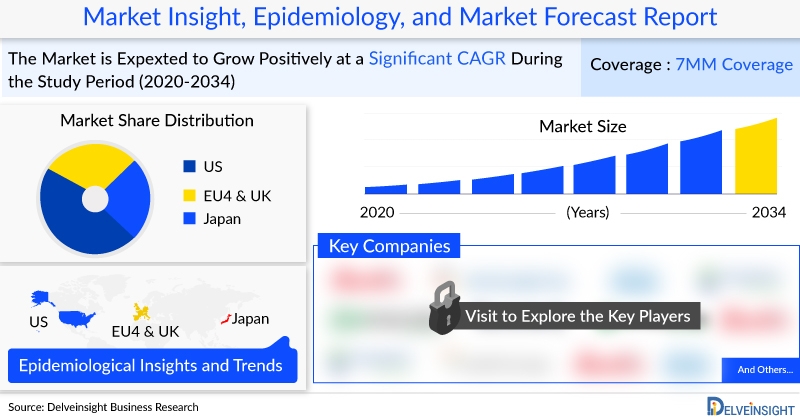
In 2023, the total Biliary Tract Cancer Market Size was around USD 1000 million, which is expected to increase by 2034 during the study period (2020–2034) in the 7MM.

Biliary Tract Cancer Market Summary

In 2023, the United States held the largest share of the biliary tract cancer (BTC) market within the 7MM, accounting for nearly 48%, followed by Italy as the leading EU market and Spain with the smallest share. Japan reported the highest number of BTC incident cases. In the U.S., the disease was most prevalent in patients aged 70–79 years (~30%). Clinically, tumor location influences presentation-extrahepatic tumors often cause painless jaundice, while intrahepatic tumors present with abdominal pain and other symptoms such as pruritus, fatigue, and fever. Diagnosis typically involves imaging modalities (ultrasound, MRI, CT) and biopsy. Treatment strategies vary by disease stage: surgery with adjuvant chemotherapy for early cases, loco-regional therapies for locally advanced disease, and gemcitabine-cisplatin combinations for advanced/metastatic BTC. While chemotherapy dominates, novel therapies-such as FGFR2 inhibitors PEMAZYRE and LYTGOBI, PD-1 inhibitor KEYTRUDA (expanded approval in 2023), and targeted agents like TAFINLAR + MEKINIST, VITRAKVI, and ROZLYTREK-are reshaping the landscape. Despite progress, low survival rates and high mortality remain significant challenges.


DelveInsight’s report, “Biliary Tract Cancer Market Insights, Epidemiology, and Market Forecast-2034”, provides a comprehensive analysis of biliary tract cancer, including historical trends, epidemiological projections, and market dynamics across the United States, EU5 (Germany, Spain, Italy, France, and the United Kingdom), and Japan. The report evaluates current treatment practices, pipeline therapies, and the market share of existing and emerging interventions. It presents the current and forecasted market size for biliary tract cancer from 2020 to 2034 across the seven major markets (7MM). In addition, it outlines treatment algorithms, key market drivers, barriers, and prevailing unmet needs, thereby identifying growth opportunities and assessing the future potential of the biliary tract cancer market.


Discover in-depth insights into the evolving Biliary Tract Cancer market – explore epidemiology trends, treatment landscapes, and emerging therapies shaping the future. Download sample report @ Biliary Tract Cancer market forecast


Some facts of the Biliary Tract Cancer Market Report are:

  • According to DelveInsight, Biliary Tract Cancer market size is expected to grow at a decent CAGR by 2034.
  • In the 7MM, the United States accounted for the highest Biliary Tract Cancer market size, with nearly 48% of the market share of the Biliary Tract Cancer market as compared to EU4 and the UK and Japan in 2023.
  • Leading Biliary Tract Cancer companies working in the market are Basilea Pharmaceutica, Zymeworks, BeiGene, Incyte Corporation, Loxo Oncology, Bayer, Roche, Genentech, QED Therapeutics, Agios Pharmaceuticals, Servier Pharmaceuticals, Merck Sharp & Dohme, AstraZeneca, Taiho Oncology, Delcath Systems, Eisai, and TransThera Sciences (Nanjing), and others.
  • Key Biliary Tract Cancer Therapies expected to launch in the market are PEMAZYRE (pemigatinib), IMFINZI (durvalumab), CTX-009, Zanidatamab, and others.
  • In July 2025, FUJIFILM Pharmaceuticals U.S.A., Inc., drug development center and a leading provider of Contract Development and Manufacturing Organization (CDMO) services for drug delivery system (DDS) technologies, today announced that the U.S. Food and Drug Administration (FDA) has granted orphan drug designation to Fujifilm’s FF-10832 — an investigational liposomal formulation of gemcitabine — for the treatment of biliary tract cancer (BTC). FF-10832 is currently being evaluated in phase 2a studies (NCT05318573) as monotherapy or in combination with pembrolizumab for the treatment of solid tumors in the U.S.
  • In July 2025, Jazz Pharmaceuticals plc (Nasdaq: JAZZ) today announced that the European Commission (EC) has granted conditional marketing authorization1 for Ziihera® (zanidatamab), a dual human epidermal growth factor receptor 2 (HER2)-targeted bispecific antibody, as monotherapy for the treatment of adults with unresectable locally advanced or metastatic HER2-positive (IHC 3+) biliary tract cancer (BTC) previously treated with at least one prior line of systemic therapy.
  • In November 2024, Jazz Pharmaceuticals announced the FDA’s accelerated approval of Ziihera® (zanidatamab-hrii) 50mg/mL for intravenous use, for the treatment of adults with previously treated, unresectable or metastatic HER2-positive biliary tract cancer (BTC), as detected by an FDA-approved test.
  • In November 2024, the FDA approved a label expansion for Roche’s PATHWAY anti-HER2/neu (4B5) test to include biliary tract cancer (BTC).
  • On March 2024, Genome & Company announced results of a Phase II Study to Evaluate the Safety and the Efficacy of GEN-001 in Combination with Pembrolizumab for Patients with Advanced Refractory Biliary Tract Cancer.
  • On March 2024, AstraZeneca announced results of a Phase IIIb, Single Arm, Open-label, Multi-center Study on Durvalumab in Combination With Gemcitabine-based Chemotherapy as First Line Treatment for Chinese Patients With Unresectable Biliary Tract Cancers.
  • On April 25, 2023, Jazz and Zymeworks entered into a Stock and Asset Purchase Agreement to, among other things, transfer to Jazz certain assets, contracts, and employees associated with the development of zanidatamab.


Biliary Tract Cancer Overview

Biliary Tract Cancer (BTC) is a rare but aggressive malignancy that arises from the epithelial lining of the biliary system, including intrahepatic and extrahepatic bile ducts as well as the gallbladder. The disease is often classified into intrahepatic cholangiocarcinoma, extrahepatic cholangiocarcinoma, and gallbladder cancer. Clinical presentation depends on tumor location: extrahepatic tumors commonly cause painless jaundice due to biliary obstruction, whereas intrahepatic tumors often present with abdominal pain. Other symptoms may include pruritus, malaise, fever, and weight loss.


Biliary Tract Cancer Diagnosis typically involves abdominal examination, imaging techniques such as ultrasound, computed tomography (CT), or magnetic resonance imaging (MRI), followed by confirmatory biopsy. The disease is frequently detected at advanced stages, limiting curative options. Surgical resection with adjuvant chemotherapy remains the mainstay for early-stage disease, while loco-regional therapies (e.g., trans-arterial chemoembolization, external beam radiation therapy) may be considered for locally advanced cases. For unresectable or metastatic BTC, gemcitabine combined with cisplatin is the standard first-line regimen.


Emerging targeted therapies and immunotherapies are expanding treatment possibilities. FGFR2 inhibitors (PEMAZYRE, LYTGOBI) and PD-1 inhibitors (KEYTRUDA) represent key recent advances, while other agents targeting mutations such as KRAS, BRAF, and NTRK fusions are under development. Despite progress, BTC continues to be associated with poor prognosis and high mortality.


Explore Biliary Tract Cancer treatment algorithm and patient journeys across geographies. Get your free sample report here @ Biliary Tract Cancer Treatment Market


Biliary Tract Cancer Market

The Biliary Tract Cancer (BTC) market is projected to grow significantly between 2024–2034, driven by the launch of emerging therapies and increased healthcare spending. In 2023, the BTC market size across the 7MM was approximately USD 1 billion, with the United States leading, followed by Japan. By 2034, chemotherapy regimens are expected to generate the largest market share in the U.S. (~USD 360 million).


Current treatments include surgery with adjuvant chemotherapy for early-stage disease and gemcitabine plus cisplatin for advanced or metastatic cases. Recent FDA approvals have reshaped the treatment landscape:


IMFINZI (AstraZeneca) in Sept 2022 and KEYTRUDA (Merck) in Nov 2023 (both with gemcitabine + cisplatin) improved first-line outcomes.


LYTGOBI (2022) competes with PEMAZYRE (2020) for FGFR2-positive patients.


Other approved therapies include ROZLYTREK, TIBSOVO, and TAFINLAR + MEKINIST.


Several late-stage pipeline therapies, such as Tinengotinib (TransThera Sciences), Rilvegostomig (AstraZeneca/Compugen), Zanidatamab (Jazz/Zymeworks), CX-4945, and CTX-009, are expected to further expand options.


Overall, the BTC treatment landscape is evolving rapidly, with emerging targeted and immunotherapies expected to transform patient outcomes and drive substantial market growth through 2034.

According to DelveInsight, the Biliary Tract Cancer market in 7MM is expected to witness a major change in the study period 2020-2034.


Biliary Tract Cancer Market Drivers


  • Rising Incidence and Prevalence: Increasing global cases of biliary tract cancer, particularly in aging populations, drive demand for advanced therapies.
  • Advances in Diagnostics: Improved imaging, molecular profiling, and biomarker identification enhance early detection and enable personalized treatment approaches.
  • Emergence of Targeted Therapies: Approvals of drugs like PEMAZYRE, LYTGOBI, and FGFR/IDH inhibitors expand treatment options for biomarker-driven patient subsets.
  • Immunotherapy Approvals: Checkpoint inhibitors such as IMFINZI and KEYTRUDA (with chemotherapy) demonstrate survival benefits in first-line settings, fueling adoption.
  • Strong R&D Pipeline: Promising candidates (e.g., Tinengotinib, Zanidatamab, Rilvegostomig) are in late-stage development, expected to reshape the treatment paradigm.
  • Increasing Healthcare Spending: Rising investments in oncology and broader access to advanced therapies stimulate market growth across the 7MM.


Biliary Tract Cancer Market Barriers


  • High Treatment Costs: Targeted and immunotherapies are expensive, limiting accessibility in certain markets.
  • Tumor Heterogeneity: Genetic diversity in BTC complicates treatment response and restricts broad applicability of targeted drugs.
  • Late Diagnosis: Most patients present with advanced disease, reducing eligibility for curative interventions like surgery.
  • Limited Awareness: Low public and clinical awareness in some regions delays diagnosis and timely treatment initiation.
  • Regulatory and Reimbursement Challenges: Lengthy approval timelines and restrictive reimbursement policies hinder therapy uptake002E
  • Adverse Effects and Resistance: Chemotherapy toxicity and resistance to targeted agents reduce long-term effectiveness.


Biliary Tract Cancer Epidemiology

The Biliary Tract Cancer epidemiology section provides insights into the historical and current Biliary Tract Cancer patient pool and forecasted trends for seven individual major countries. It helps to recognize the causes of current and forecasted trends by exploring numerous studies and views of key opinion leaders. This part of the Biliary Tract Cancer market report also provides the diagnosed patient pool, trends, and assumptions.


Segmented by:

  • Total Incident Cases of Biliary Tract Cancer in the 7MM
  • Age-specific Cases of Biliary Tract Cancer in the 7MM
  • Stage-specific Cases of Biliary Tract Cancer in the 7MM
  • Total Incident Cases of Biliary Tract Cancer by tumor location in the 7MM
  • Mutation-specific Cases of Biliary Tract Cancer in the 7MM
  • Treated Cases of Biliary Tract Cancer in the 7MM


Discover key trends in Biliary Tract Cancer epidemiology across the 7MM. Explore cases by age, stage, tumor location, and mutations—get the full insights now! @ Biliary Tract Cancer Patient Pool


Biliary Tract Cancer Pipeline Outlook and Drugs Uptake

CTX-009 (Compass Therapeutics) CTX-009 (ABL001) is a bispecific antibody targeting DLL4/Notch and VEGF-A signaling pathways, both crucial for angiogenesis and tumor vascularization. By simultaneously blocking these pathways, CTX-009 has shown strong antitumor activity across multiple solid tumors, including colorectal, gastric, pancreatic, cholangiocarcinoma, and non-small cell lung cancer. Clinical studies have reported partial responses in heavily pre-treated patients resistant to existing VEGF therapies, highlighting its potential as an effective treatment option. Compass holds global rights for CTX-009, except in Korea (Handok) and China (Elpiscience Biopharma). Currently, CTX-009 is in Phase III clinical development for the treatment of Biliary Tract Cancer.


Zanidatamab (Jazz Pharmaceuticals/Zymeworks):

Zanidatamab is a late-stage HER2-targeted antibody designed to improve outcomes in HER2-expressing cancers, including biliary tract cancer and gastroesophageal adenocarcinoma. A pivotal Phase II trial is evaluating zanidatamab as monotherapy in patients with advanced or metastatic HER2-amplified biliary tract cancer. The therapy has received several regulatory designations from the US FDA, including Breakthrough Therapy, Fast Track, and Orphan Drug status, as well as Orphan Drug designation from the EMA, allowing access to Accelerated Approval pathways, Priority Review, and expedited regulatory guidance. These recognitions underline its strong potential to address unmet needs in biliary tract cancer. In April 2023, Jazz Pharmaceuticals acquired rights to zanidatamab from Zymeworks through a Stock and Asset Purchase Agreement, further advancing its development.


Gain exclusive insights into the rapidly expanding Biliary Tract Cancer (BTC) market, driven by breakthrough therapies like PEMAZYRE, IMFINZI, CTX-009, Zanidatamab, and more. Download sample report now @ Biliary Tract Cancer Medication and Companies


Biliary Tract Cancer Therapeutics Assessment

Major key companies are working proactively in the Biliary Tract Cancer Therapeutics market to develop novel therapies which will drive the Biliary Tract Cancer treatment markets in the upcoming years are Basilea Pharmaceutica (SIX: BSLN), Zymeworks (NASDAQ: ZYME), BeiGene (NASDAQ: ONC), Incyte Corporation (NASDAQ: INCY), Loxo Oncology (Acquired by Eli Lilly, no longer listed), Bayer (FWB: BAYN), Roche (SIX: ROG), Genentech (Acquired by Roche, no longer listed), QED Therapeutics (Privately held), Agios Pharmaceuticals (NASDAQ: AGIO), Servier Pharmaceuticals (Privately held), Merck Sharp & Dohme (NYSE: MRK), AstraZeneca (LSE: AZN), Taiho Oncology (Subsidiary of Otsuka Holdings, TYO: 4578), Delcath Systems (NASDAQ: DCTH), Eisai (TYO: 4523), TransThera Sciences (Nanjing), and others.


Learn more about the emerging Biliary Tract Cancer therapies & key companies @ Biliary Tract Cancer Clinical Trials and FDA Approvals


Biliary Tract Cancer Report Key Insights

1. Biliary Tract Cancer Patient Population

2. Biliary Tract Cancer Market Size and Trends

3. Key Cross Competition in the Biliary Tract Cancer Market

4. Biliary Tract Cancer Market Dynamics (Key Drivers and Barriers)

5. Biliary Tract Cancer Market Opportunities

6. Biliary Tract Cancer Therapeutic Approaches

7. Biliary Tract Cancer Pipeline Analysis

8. Biliary Tract Cancer Current Treatment Practices/Algorithm

9. Impact of Emerging Therapies on the Biliary Tract Cancer Market


Table of Contents

1. Key Insights

2. Executive Summary

3. Biliary Tract Cancer Competitive Intelligence Analysis

4. Biliary Tract Cancer Market Overview at a Glance

5. Biliary Tract Cancer Disease Background and Overview

6. Biliary Tract Cancer Patient Journey

7. Biliary Tract Cancer Epidemiology and Patient Population

8. Biliary Tract Cancer Treatment Algorithm, Current Treatment, and Medical Practices

9. Biliary Tract Cancer Unmet Needs

10. Key Endpoints of Biliary Tract Cancer Treatment

11. Biliary Tract Cancer Marketed Products

12. Biliary Tract Cancer Emerging Therapies

13. Biliary Tract Cancer Seven Major Market Analysis

14. Attribute Analysis

15. Biliary Tract Cancer Market Outlook (7 major markets)

16. Biliary Tract Cancer Access and Reimbursement Overview

17. KOL Views on the Biliary Tract Cancer Market

18. Biliary Tract Cancer Market Drivers

19. Biliary Tract Cancer Market Barriers

20. Appendix

21. DelveInsight Capabilities

22. Disclaimer


About DelveInsight

DelveInsight is a leading Life Science market research and business consulting company recognized for its off-the-shelf syndicated market research reports and customized solutions to firms in the healthcare sector.

Media Contact
Company Name: DelveInsight Business Research LLP
Contact Person: Ankit Nigam
Email: Send Email
Phone: +14699457679
Address:304 S. Jones Blvd #2432
City: Albany
State: New York
Country: United States
Website: https://www.delveinsight.com/consulting/competitive-intelligence-services


Press Release Distributed by ABNewswire.com

To view the original version on ABNewswire visit: Biliary Tract Cancer Market Outlook 2034 – Clinical Trials, Market Size, Medication, Prevalence, Companies by DelveInsight

Pre-Launch of the World Cultural Cities: Conversations with Icons for the Beijing Culture Forum

The ten-episode micro-documentary series, World Cultural Cities: Conversations with Icons, is now streaming worldwide on the overseas social media platforms of Beijing Radio & Television Station, serving as a cultural prelude to the 3rd Beijing Culture Forum this September.

Paris is witness the mutual gaze between East and West through a shared “bond with China”; Germany sees a bridge of the heart built across mountains and seas between China and Germany; in the United Kingdom, under glittering lights, eyes meet in moments of connection. As a “visual invitation” and a “cultural prelude” to the Forum, the program vividly conveys the Forum’s theme of inclusiveness, innovation, and the building of a community with a shared future for mankind.

https://youtu.be/tM7iK-LQ3-M

https://www.youtube.com/watch?v=31TiGY1Banw

https://www.youtube.com/watch?v=NNJH2xNVm5I

The peoples and cultures of China and Greece share essential commonalities when speaking of love, peace, reconciliation, knowledge, science, and many fields of learning. When diverse languages converge to articulate the ideas of heritage, innovation, and mutual learning, the very spirit championed by the Forum comes vividly to life on screen.

Beijing, an ancient capital of the East, resounds with both timeless wisdom and modern technology. It is a window through which the spirit of the East embraces the world. In the golden autumn of 2025, people will gather in Beijing, to thrive in diversity, to learn from one another, and to share in a grand cultural exchange of harmony without uniformity.

Media Contact
Company Name: BRTV Btime Co., Ltd.
Contact Person: Yang Jing
Email: Send Email
Country: China
Website: https://m.btime.com/index