Macular Telangiectasia (MacTel) Pipeline Insight 2025: Breakthroughs in Neuroprotection and Retinal Regeneration Reshape the Therapeutic Landscape | DelveInsight
“Macular Telangiectasia (MacTel) Pipeline Insight”
The MacTel treatment landscape is advancing, fueled by research into neurodegeneration, vascular issues, and metabolic dysfunction. Type 2 MacTel, the most common form, remains the focus, as current care is mainly supportive. Improved understanding of Müller cell dysfunction, photoreceptor loss, and retinal capillary damage is driving the development of promising new therapies.

DelveInsight’s “Macular Telangiectasia – Pipeline Insight, 2025” highlights the increasing interest in vision-preserving interventions, with more than 4 pharmaceutical and biotech companies actively engaged in developing therapies. Key candidates include CNTF (ciliary neurotrophic factor), being investigated via encapsulated cell technology (e.g., NT-501), and various AAV-based gene therapies aimed at restoring metabolic support to retinal cells. Early clinical data from the CNTF program have shown promising signs of structural and functional stabilization in patients with Type 2 MacTel, sparking hope for long-term retinal preservation.

Other innovative approaches in the pipeline include the use of stem cell-derived retinal progenitor cells, neuroprotective peptides, and small molecules targeting oxidative stress and mitochondrial dysfunction. Several programs are in Phase I/II development stages, reflecting the complexity of establishing robust clinical endpoints in this slow-progressing, heterogeneous disease. Nevertheless, advances in imaging biomarkers, including OCT and adaptive optics, are helping refine trial designs and patient stratification, enabling better assessment of therapeutic efficacy.

As 2025 approaches, the MacTel pipeline reflects a shift from passive monitoring to active intervention, guided by scientific advances in retinal biology and precision ophthalmology. Though challenges remain in translating experimental successes into approved therapies, the ongoing momentum suggests that disease-modifying treatments for MacTel may soon become a reality, offering renewed hope to patients facing progressive vision loss.

Interested in learning more about the current treatment landscape and the key drivers shaping the Macular Telangiectasia pipeline? Click here


Key Takeaways from the Macular Telangiectasia Pipeline Report

• DelveInsight’s Macular Telangiectasia pipeline analysis depicts a strong space with 4+ active players working to develop 4+ pipeline drugs for Macular Telangiectasia treatment.

• The leading Macular Telangiectasia companies include OXURION, Neurotech Pharmaceuticals, and others are evaluating their lead assets to improve the Macular Telangiectasia treatment landscape.

• Key Macular Telangiectasia pipeline therapies in various stages of development include THR 317, NT-501, and others.

• In March 2025, the FDA approved Encelto (revakinagene taroretcel‑lwey), the first-ever treatment for MacTel type 2. This implant uses encapsulated cell therapy to deliver ciliary neurotrophic factor (CNTF) directly to the retina, helping slow photoreceptor loss and preserve central vision.

• At the Angiogenesis 2025 virtual conference (February 2025), researchers presented Phase III data on NT‑501 (an earlier version of the Encelto implant) showing a 31–52% reduction in photoreceptor loss over two years—anatomic endpoints supported by OCT-based measures.


Macular Telangiectasia Overview

Macular Telangiectasia (MacTel) is a rare, progressive eye disease that affects the macula, the central part of the retina responsible for sharp, detailed vision. It involves abnormal dilation (telangiectasia) of blood vessels in the macula, leading to leakage, retinal damage, and gradual vision loss. There are two main types: Type 1, which is typically unilateral and associated with aneurysmal changes, and Type 2, the more common, bilateral form, often linked with neurodegenerative changes in the retina.

Symptoms usually appear gradually and may include blurred or distorted central vision, difficulty reading, or seeing fine details. The exact cause of MacTel, especially Type 2, is not fully understood but may involve both vascular and neurodegenerative mechanisms. There is currently no cure, but research is ongoing. Management may include anti-VEGF injections, laser treatment, or participation in clinical trials to slow progression and preserve vision.

Find out more about Macular Telangiectasia medication at https://www.delveinsight.com/report-store/macular-telangiectasia-mactel-pipeline-insight


Macular Telangiectasia Treatment Analysis: Drug Profile

NT-501 (Renexus): Neurotech Pharmaceuticals

NT-501, also known as Renexus, is an encapsulated cell therapy being developed for the treatment of Macular Telangiectasia Type 2 (MacTel 2). It is currently in a Phase 3, randomized, multi-center clinical trial to assess its efficacy and safety. The therapy uses a novel drug-delivery system in which human-derived cells are enclosed within a semipermeable capsule that continuously releases ciliary neurotrophic factor (CNTF), a protein believed to support retinal health. The FDA granted orphan drug designation to NT-501 in July 2012 and Fast Track status in February 2019 for the treatment of MacTel 2.

THR-317: OXURION

THR-317 is a Placenta Growth Factor (PlGF) inhibitor being developed for the treatment of Idiopathic Macular Telangiectasia Type 1 (MacTel 1). The drug is currently under evaluation in a Phase II clinical trial, targeting the abnormal blood vessel growth and inflammation associated with MacTel 1.

Learn more about the novel and emerging Macular Telangiectasia pipeline therapies.


Macular Telangiectasia Therapeutics Assessment

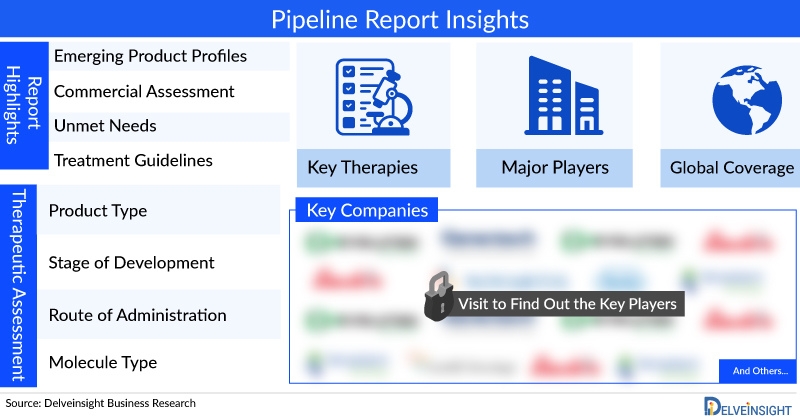
By Product Type

• Mono

• Combination

• Mono/Combination.


By Stage

• Late-stage products (Phase III)

• Mid-stage products (Phase II)

• Early-stage product (Phase I) along with the details of

• Pre-clinical and Discovery stage candidates

• Discontinued & Inactive candidates


By Route of Administration

• Intravenous

• Subcutaneous

• Oral

• Intramuscular


By Molecule Type

• Monoclonal antibody

• Small molecule

• Peptide


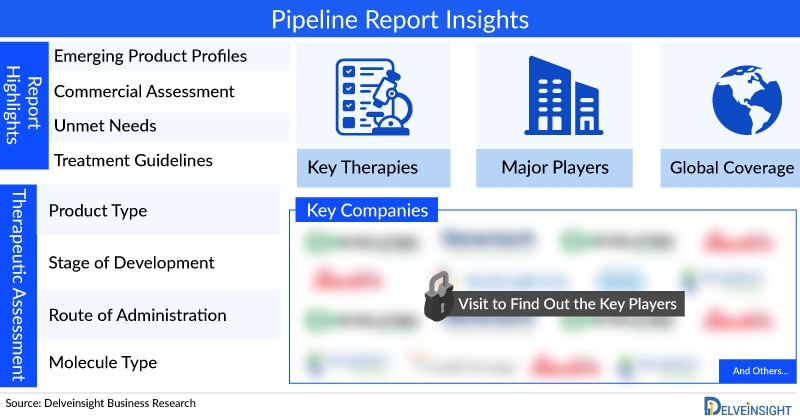
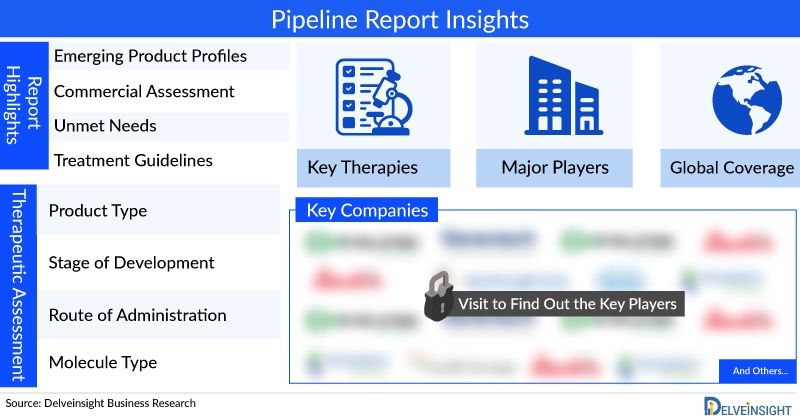
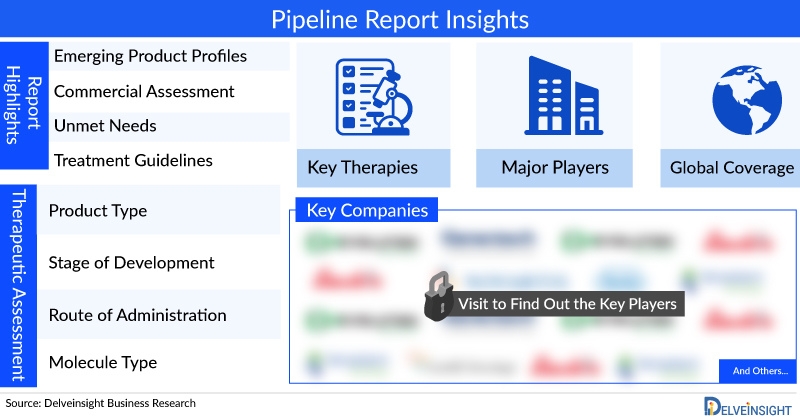
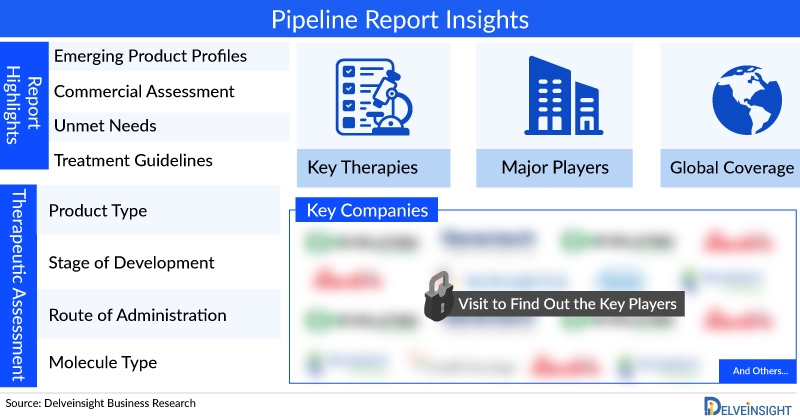
Scope of the Macular Telangiectasia Pipeline Report

• Coverage: Global

• Key Macular Telangiectasia Companies: OXURION, Neurotech Pharmaceuticals, and others.

• Key Macular Telangiectasia Pipeline Therapies: THR 317, NT-501, and others.

Explore detailed insights on drugs used in the treatment of Macular Telangiectasia here.


Table of Contents

1. Introduction

2. Executive Summary

3. Macular Telangiectasia Pipeline: Overview

4. Analytical Perspective In-depth Commercial Assessment

5. Macular Telangiectasia Pipeline Therapeutics

6. Macular Telangiectasia Pipeline: Late-Stage Products (Phase III)

7. Macular Telangiectasia Pipeline: Mid-Stage Products (Phase II)

8. Macular Telangiectasia Pipeline: Early Stage Products (Phase I)

9. Therapeutic Assessment

10. Inactive Products

11. Company-University Collaborations (Licensing/Partnering) Analysis

12. Key Companies

13. Key Products

14. Unmet Needs

15. Market Drivers and Barriers

16. Future Perspectives and Conclusion

17. Analyst Views

18. Appendix


About DelveInsight

DelveInsight is a leading Business Consultant and Market Research firm focused exclusively on life sciences. It supports Pharma companies by providing comprehensive end-to-end solutions to improve their performance. Get hassle-free access to all the healthcare and pharma market research reports through our subscription-based platform, PharmDelve.

Media Contact
Company Name: DelveInsight
Contact Person: Jatin Vimal
Email: Send Email
Phone: +14699457679
Address:304 S. Jones Blvd #2432
City: Las Vegas
State: Nevada
Country: United States
Website: https://www.delveinsight.com/


Press Release Distributed by ABNewswire.com

To view the original version on ABNewswire visit: Macular Telangiectasia (MacTel) Pipeline Insight 2025: Breakthroughs in Neuroprotection and Retinal Regeneration Reshape the Therapeutic Landscape | DelveInsight
Vertigo Pipeline Insight 2025: Novel Drug Classes and Central Mechanism Targets Drive Innovation | DelveInsight

The vertigo treatment pipeline is steadily advancing, with numerous companies exploring novel therapies targeting its complex causes. Common in older adults, vertigo is often managed with vestibular suppressants or antiemetics, which provide only short-term relief. Growing demand for targeted, disease-modifying treatments is driving continued R&D in both central and peripheral vestibular pathway modulation.

DelveInsight’s “Vertigo – Pipeline Insight, 2025” highlights the growing momentum in drug development focused on vestibular disorders, particularly in conditions such as Ménière’s disease, vestibular migraine, and bilateral vestibulopathy. Companies are leveraging advances in neuropharmacology and inner ear biology to explore diverse therapeutic strategies. Drug candidates such as betahistine analogs, neurokinin receptor antagonists, selective serotonin receptor modulators, and sodium channel blockers are showing promise in early to mid-stage clinical trials. Several pipeline assets are designed to act on central nervous system targets involved in vestibular compensation and sensory mismatch processing.

Among the most advanced candidates is SENS-401 (Aeglea BioTherapeutics), initially developed for sudden sensorineural hearing loss but also evaluated for vestibular balance disorders. Another notable candidate is SPI-1005 (ebselen), developed by Sound Pharmaceuticals, which modulates oxidative stress and inflammation in the inner ear. Efforts are also underway to evaluate non-invasive vestibular rehabilitation technologies in combination with pharmacologic agents, with an aim to enhance neural plasticity and functional recovery in chronic vertigo patients.

As the understanding of vestibular dysfunction deepens, the 2025 pipeline reflects a strategic shift from generic symptomatic agents toward mechanism-specific drugs with neuroprotective or restorative potential. Regulatory designations such as Fast Track and orphan drug status are helping accelerate development in niche subtypes like Ménière’s disease. With a blend of CNS-focused candidates and inner ear-targeted therapies in the pipeline, the coming years may see a meaningful transformation in the clinical management of vertigo and related disorders.

Interested in learning more about the current treatment landscape and the key drivers shaping the Vertigo pipeline? Click here


Key Takeaways from the Vertigo Pipeline Report

• DelveInsight’s Vertigo pipeline analysis depicts a strong space with 2+ active players working to develop 2+ pipeline drugs for Vertigo treatment.

• The leading Vertigo companies include Auris Medical, Sensorion, Apsen Farmaceutica, and others are evaluating their lead assets to improve the Vertigo treatment landscape.

• Key Vertigo pipeline therapies in various stages of development include AM-125, Seliforant, APSLXR, and others.

• In March 2025, A pilot study called ED‑VeRT, conducted in an Emergency Department setting, found that vestibular rehabilitation therapy (VRT) significantly eased dizziness and improved discharge outcomes compared to usual care, marking a promising nonpharmacological intervention.

• In December 2024, Sound Pharmaceuticals announced that its Phase III trial (STOPMD-3) of SPI-1005 (ebselen) met its co-primary efficacy endpoints for improving hearing loss and speech discrimination in patients with Meniere’s Disease. MD is a chronic inner ear disorder causing hearing loss, tinnitus, and episodes of vertigo, with no current FDA-approved treatments.

• In September 2024, Spiral Therapeutics announced the successful completion of a Phase 1b/2a trial for SPT‑2101—a long‑acting dexamethasone gel delivered via their MICS™ platform. The results demonstrated significant reductions in vertigo days for Menière’s disease, using a minimally invasive delivery directly to the inner ear.


Vertigo Overview

Vertigo is a type of dizziness characterized by the false sensation that you or your surroundings are spinning or moving, even when there is no actual movement. It is not a condition itself but a symptom of various underlying disorders, most commonly involving the inner ear (vestibular system) or parts of the brain that control balance and spatial orientation. People with vertigo often experience nausea, vomiting, imbalance, and difficulty walking.

Common causes include benign paroxysmal positional vertigo (BPPV), Ménière’s disease, vestibular neuritis, and migraines. Less commonly, vertigo may be linked to neurological conditions such as stroke or multiple sclerosis. Treatment depends on the cause and may include vestibular rehabilitation exercises, medications to reduce symptoms, or procedures like the Epley maneuver for BPPV. In some cases, lifestyle changes or surgery may be necessary to manage chronic or severe vertigo.

Find out more about Vertigo medication at https://www.delveinsight.com/report-store/vertigo-pipeline-insight


Vertigo Treatment Analysis: Drug Profile

AM-125: Auris Medical

Auris Medical is developing AM-125, an intranasal formulation of betahistine, for the treatment of vertigo. Unlike oral betahistine, AM-125 bypasses first-pass metabolism, potentially enhancing both efficacy and tolerability. Betahistine is a small-molecule drug that functions as a partial H1 receptor agonist and H3 receptor antagonist, promoting increased blood flow in the cochlear, vestibular, and cerebral regions. It also supports vestibular compensation and reduces neuronal firing in the vestibular nuclei. The goal of AM-125 is to help restore balance in vertigo patients. The drug is currently in Phase 2 clinical development.

Seliforant: Sensorion

Seliforant (formerly SENS-111) is an investigational histamine H4 receptor antagonist being developed by Sensorion for the symptomatic treatment of vertigo episodes. As the first drug of its class under clinical evaluation for this purpose, Seliforant acts via neuromodulation of sensorineural inner ear cell function. It is a small molecule designed for oral or injectable administration and is currently being tested in a Phase 2 clinical trial.

Learn more about the novel and emerging Vertigo pipeline therapies.


Vertigo Therapeutics Assessment

By Product Type

• Mono

• Combination

• Mono/Combination.


By Stage

• Late-stage products (Phase III)

• Mid-stage products (Phase II)

• Early-stage product (Phase I) along with the details of

• Pre-clinical and Discovery stage candidates

• Discontinued & Inactive candidates


By Route of Administration

• Oral

• Parenteral

• Intravitreal

• Subretinal

• Topical


By Molecule Type

• Monoclonal Antibody

• Peptides

• Polymer

• Small molecule

• Gene therapy


Scope of the Vertigo Pipeline Report

• Coverage: Global

• Key Vertigo Companies: Auris Medical, Sensorion, Apsen Farmaceutica, and others.

• Key Vertigo Pipeline Therapies: AM-125, Seliforant, APSLXR, and others.

Explore detailed insights on drugs used in the treatment of Vertigo here.


Table of Contents

1. Introduction

2. Executive Summary

3. Vertigo Pipeline: Overview

4. Analytical Perspective In-depth Commercial Assessment

5. Vertigo Pipeline Therapeutics

6. Vertigo Pipeline: Late-Stage Products (Phase III)

7. Vertigo Pipeline: Mid-Stage Products (Phase II)

8. Vertigo Pipeline: Early Stage Products (Phase I)

9. Therapeutic Assessment

10. Inactive Products

11. Company-University Collaborations (Licensing/Partnering) Analysis

12. Key Companies

13. Key Products

14. Unmet Needs

15. Market Drivers and Barriers

16. Future Perspectives and Conclusion

17. Analyst Views

18. Appendix


About DelveInsight

DelveInsight is a leading Business Consultant and Market Research firm focused exclusively on life sciences. It supports Pharma companies by providing comprehensive end-to-end solutions to improve their performance. Get hassle-free access to all the healthcare and pharma market research reports through our subscription-based platform, PharmDelve.

Media Contact
Company Name: DelveInsight
Contact Person: Jatin Vimal
Email: Send Email
Phone: +14699457679
Address:304 S. Jones Blvd #2432
City: Las Vegas
State: Nevada
Country: United States
Website: https://www.delveinsight.com/


Press Release Distributed by ABNewswire.com

To view the original version on ABNewswire visit: Vertigo Pipeline Insight 2025: Novel Drug Classes and Central Mechanism Targets Drive Innovation | DelveInsight

Relapsing-Remitting Multiple Sclerosis Pipeline Insight 2025: Advancing Toward Remission with Next-Gen Immunomodulators and Remyelinating Therapies | DelveInsight

“Relapsing-Remitting Multiple Sclerosis Pipeline”
Relapsing-Remitting Multiple Sclerosis (RRMS), the most common MS form, drives active R&D as companies seek safer, more effective, and potentially curative therapies. Affecting 85% of initial MS cases, RRMS involves episodic neurological symptoms with recovery periods. While current disease-modifying therapies (DMTs) like ocrelizumab and fingolimod offer expanded options, challenges remain in long-term efficacy, safety, and halting disease progression.

DelveInsight’s “Relapsing-Remitting Multiple Sclerosis – Pipeline Insight, 2025” reveals a vibrant pipeline with more than 22 active candidates at various stages of development, reflecting a paradigm shift from broad immunosuppression toward precision-targeted and regenerative approaches. Notable candidates include BTK inhibitors like evobrutinib and tolebrutinib, which target B-cell signaling with greater selectivity, offering potential for improved safety and sustained efficacy. In addition, a new wave of S1P receptor modulators, such as etrasimod and siponimod derivatives, is being designed to enhance blood-brain barrier penetration and minimize cardiovascular risks.

Equally significant are the advances in remyelination-focused therapies and neuroprotective agents. Investigational molecules such as opicinumab (anti-LINGO-1) and clemastine fumarate aim to repair myelin damage, while stem-cell-based interventions and neurotrophic factors are under exploration to preserve axonal integrity and prevent long-term disability. Several of these therapies are progressing into mid- and late-stage trials, showing encouraging early signs of lesion reduction and slowed neurodegeneration.

As of 2025, the RRMS pipeline reflects a strong momentum toward comprehensive disease control—combining immune modulation, remyelination, and neuroprotection. With multiple late-stage programs approaching pivotal readouts and new mechanisms of action entering the clinical space, the treatment landscape is poised to transition from relapse prevention to true disease modification, offering renewed hope for long-term remission and improved quality of life for RRMS patients.

Interested in learning more about the current treatment landscape and the key drivers shaping the Relapsing-Remitting Multiple Sclerosis pipeline? Click here


Key Takeaways from the Relapsing-Remitting Multiple Sclerosis Pipeline Report

• DelveInsight’s Relapsing-Remitting Multiple Sclerosis pipeline analysis depicts a strong space with 20+ active players working to develop 22+ pipeline drugs for Relapsing-Remitting Multiple Sclerosis treatment.

• The leading Relapsing-Remitting Multiple Sclerosis companies include Immunic AG, Sanofi, Anokion, RemeGen, HuniLife Biotechnology, Biogen, Clene Nanomedicine, Novartis, Celltrion, Imcyse SA, Takeda, and others are evaluating their lead assets to improve the Relapsing-Remitting Multiple Sclerosis treatment landscape.

• Key Relapsing-Remitting Multiple Sclerosis pipeline therapies in various stages of development include IMU-838, Tolebrutinib, ANK700, CNM Au 8, Telitacicept, HuL001, BIIB-061, Remibrutinib, CT-P53, IMCY-0141, Ixazomib, and others.

• In May 2024, Zydus Lifesciences and Chemi S.p.A. received FDA approval for a generically equivalent form of glatiramer acetate (Copaxone). The lower-cost option is now available in prefilled syringes for relapsing forms of MS.

• In May 2024, data from the Phase III OPTIMUM‑LT extension trial reveal that over eight years, more than half of RRMS patients on ponesimod remained relapse‑free, demonstrating sustained efficacy in reducing relapses and MRI activity.

• In March 2024, the FDA began priority review of tolebrutinib, a BTK inhibitor for non‑relapsing secondary‑progressive MS (nrSPMS). The decision marks a pivotal moment, with approval potentially arriving in late September 2025.

• In February 2025, a Phase IV observational study launched at UCSF to assess how early ocrelizumab treatment affects vestibular and immune markers (B and T cells) in newly diagnosed RRMS patients.


Relapsing-Remitting Multiple Sclerosis Overview

Relapsing-Remitting Multiple Sclerosis (RRMS) is the most common form of multiple sclerosis (MS), a chronic autoimmune disease that affects the central nervous system. RRMS is characterized by clearly defined episodes of new or worsening neurological symptoms (relapses) followed by periods of partial or complete recovery (remissions). During remissions, symptoms may improve or disappear entirely, but the disease can cause cumulative nerve damage over time.

The exact cause of RRMS is unknown, but it involves the immune system mistakenly attacking the protective myelin sheath around nerve fibers, disrupting communication between the brain and the rest of the body. Symptoms vary widely but often include fatigue, numbness, vision problems, muscle weakness, and coordination difficulties. Treatment focuses on managing relapses, slowing disease progression, and improving quality of life through disease-modifying therapies and symptom management.

Find out more about Relapsing-Remitting Multiple Sclerosis medication at https://www.delveinsight.com/report-store/relapsing-remitting-multiple-sclerosis-pipeline-insight


Relapsing-Remitting Multiple Sclerosis Treatment Analysis: Drug Profile

IMU-838: Immunic AG

Vidofludimus calcium, an oral investigational small molecule, is being developed for chronic inflammatory and autoimmune diseases and is currently in late-stage clinical trials for multiple sclerosis (MS). This first-in-class drug features a dual mode of action, combining neuroprotective, anti-inflammatory, and antiviral effects to address the complex nature of MS. As a selective immune modulator, it activates the neuroprotective transcription factor Nurr1, providing both direct and indirect neuroprotection. Additionally, it selectively inhibits the enzyme dihydroorotate dehydrogenase (DHODH) to achieve its anti-inflammatory and antiviral effects. Vidofludimus calcium is now in Phase III development for treating Relapsing-Remitting Multiple Sclerosis (RRMS).

IMCY-0141: Imcyse SA

IMCY-0141, based on Myelin Oligodendrocyte Glycoprotein (MOG), is designed to halt multiple sclerosis (MS) progression by preventing the immune system from attacking the central nervous system and reducing harmful autoimmune responses that damage the myelin sheath. It has shown promising results in preclinical MS models, demonstrating immune responses consistent with its mode of action and inducing a durable memory response, potentially enabling less frequent dosing. When administered early, IMCY-0141 may allow patients to live with minimal disease impact. The drug is currently in Phase I/II clinical trials for Relapsing-Remitting Multiple Sclerosis.

Learn more about the novel and emerging Relapsing-Remitting Multiple Sclerosis pipeline therapies.


Relapsing-Remitting Multiple Sclerosis Therapeutics Assessment

By Product Type

• Mono

• Combination

• Mono/Combination.


By Stage

• Late-stage products (Phase III)

• Mid-stage products (Phase II)

• Early-stage product (Phase I) along with the details of

• Pre-clinical and Discovery stage candidates

• Discontinued & Inactive candidates


By Route of Administration

• Oral

• Intravenous

• Subcutaneous

• Parenteral

• Topical


By Molecule Type

• Recombinant fusion proteins

• Small molecule

• Monoclonal antibody

• Peptide

• Polymer

• Gene therapy


Scope of the Relapsing-Remitting Multiple Sclerosis Pipeline Report

• Coverage: Global

• Key Relapsing-Remitting Multiple Sclerosis Companies: Immunic AG, Sanofi, Anokion, RemeGen, HuniLife Biotechnology, Biogen, Clene Nanomedicine, Novartis, Celltrion, Imcyse SA, Takeda, and others.

• Key Relapsing-Remitting Multiple Sclerosis Pipeline Therapies: IMU-838, Tolebrutinib, ANK700, CNM Au 8, Telitacicept, HuL001, BIIB-061, Remibrutinib, CT-P53, IMCY-0141, Ixazomib, and others.

Explore detailed insights on drugs used in the treatment of Relapsing-Remitting Multiple Sclerosis here.


Table of Contents

1. Introduction

2. Executive Summary

3. Relapsing-Remitting Multiple Sclerosis Pipeline: Overview

4. Analytical Perspective In-depth Commercial Assessment

5. Relapsing-Remitting Multiple Sclerosis Pipeline Therapeutics

6. Relapsing-Remitting Multiple Sclerosis Pipeline: Late-Stage Products (Phase III)

7. Relapsing-Remitting Multiple Sclerosis Pipeline: Mid-Stage Products (Phase II)

8. Relapsing-Remitting Multiple Sclerosis Pipeline: Early Stage Products (Phase I)

9. Therapeutic Assessment

10. Inactive Products

11. Company-University Collaborations (Licensing/Partnering) Analysis

12. Key Companies

13. Key Products

14. Unmet Needs

15. Market Drivers and Barriers

16. Future Perspectives and Conclusion

17. Analyst Views

18. Appendix


About DelveInsight

DelveInsight is a leading Business Consultant and Market Research firm focused exclusively on life sciences. It supports Pharma companies by providing comprehensive end-to-end solutions to improve their performance. Get hassle-free access to all the healthcare and pharma market research reports through our subscription-based platform, PharmDelve.

Media Contact
Company Name: DelveInsight
Contact Person: Jatin Vimal
Email: Send Email
Phone: +14699457679
Address:304 S. Jones Blvd #2432
City: Las Vegas
State: Nevada
Country: United States
Website: https://www.delveinsight.com/


Press Release Distributed by ABNewswire.com

To view the original version on ABNewswire visit: Relapsing-Remitting Multiple Sclerosis Pipeline Insight 2025: Advancing Toward Remission with Next-Gen Immunomodulators and Remyelinating Therapies | DelveInsight

Ventricular Tachycardia Pipeline Insight 2025: Innovations in Gene Therapy, Ablation Technologies, and Antiarrhythmic Drug Development | DelveInsight

“Ventricular Tachycardia Pipeline”
The treatment landscape for ventricular tachycardia (VT) is evolving, driven by advances in mechanistic understanding and personalized care. VT, a serious arrhythmia often linked to structural heart disease or prior heart attacks, remains challenging to manage. While ICDs and catheter ablation are standard treatments, high recurrence rates and limited long-term options are spurring innovation in both drug and interventional therapies.

DelveInsight’s “Ventricular Tachycardia – Pipeline Insight, 2025” offers a comprehensive analysis of the therapeutic pipeline, highlighting over a dozen companies actively exploring novel strategies to address both monomorphic and polymorphic VT. From next-generation antiarrhythmic drugs to targeted gene therapy and non-invasive ablation modalities, the development pipeline reflects a shift toward disease-modifying approaches rather than symptomatic control alone. Several agents are progressing through early- to mid-stage clinical trials, aiming to address unmet needs in VT prevention, suppression, and recurrence reduction.

Emerging therapies such as VX-150 (Nav1.8 inhibitor) and dronedarone analogs are being evaluated for their potential to provide rhythm control without the adverse effects associated with older agents like amiodarone. Simultaneously, efforts in gene silencing and RNA-based therapies seek to modulate arrhythmogenic substrates at the molecular level. Advancements in stereotactic radioablation are offering promise as a non-invasive alternative for refractory VT, especially for patients unsuitable for traditional ablation.

The 2025 outlook for VT therapeutics is promising, with the convergence of precision electrophysiology, imaging-guided interventions, and targeted pharmacology reshaping the management paradigm. As the focus broadens beyond acute rhythm termination to long-term disease control, the pipeline is expected to deliver safer, more effective, and personalized treatment solutions for patients with VT.

Interested in learning more about the current treatment landscape and the key drivers shaping the Ventricular Tachycardia pipeline? Click here


Key Takeaways from the Ventricular Tachycardia Pipeline Report

• DelveInsight’s Ventricular Tachycardia pipeline analysis depicts a strong space with 5+ active players working to develop 7+ pipeline drugs for Ventricular Tachycardia treatment.

• The leading Ventricular Tachycardia companies include Espero BioPharma, CTP amio Vivasc Therapeutics, Aladorian – ARMGO Pharma, RyR2 Research Program, and others are evaluating their lead assets to improve the Ventricular Tachycardia treatment landscape.

• Key Ventricular Tachycardia pipeline therapies in various stages of development include ESP 001, Vivasc Therapeutics, ARMGO Pharma, RyR2 Research Program, and others.

• In June 2025, Milestone Pharmaceuticals submitted a response to the FDA’s Complete Response Letter for CARDAMYST™ (etripamil) nasal spray, aimed at treating acute paroxysmal supraventricular tachycardia (PSVT) in adults. FDA review and PDUFA date are expected within 2 to 6 months.

• In December 2024, Field Medical announced that its FieldForce ablation system received FDA Breakthrough Device designation and was accepted into the Total Product Life Cycle Advisory Program (TAP) pilot for treating sustained monomorphic scar-related ventricular tachycardia (VT).


Ventricular Tachycardia Overview

Ventricular Tachycardia (VT) is a fast, abnormal heart rhythm originating from the ventricles, the lower chambers of the heart. It causes the heart to beat rapidly—often over 100 beats per minute—reducing its ability to pump blood effectively. VT can be life-threatening, especially if it lasts for more than a few seconds or occurs repeatedly, as it may lead to ventricular fibrillation and sudden cardiac arrest.

VT is often associated with underlying heart conditions such as coronary artery disease, cardiomyopathy, or previous heart attacks. Symptoms may include palpitations, dizziness, shortness of breath, chest pain, or loss of consciousness. Diagnosis typically involves electrocardiograms (ECG) and other cardiac tests. Treatment options range from medications and catheter ablation to implantable devices like implantable cardioverter defibrillators (ICDs) to prevent sudden death.

Find out more about Ventricular Tachycardia medication at https://www.delveinsight.com/report-store/ventricular-tachycardia-v-tach-or-vt-pipeline-insight


Ventricular Tachycardia Treatment Analysis: Drug Profile

ARM210: ARMGO Pharma

ARM210 is a small molecule designed to bind to and repair leaky ryanodine receptor (RyR) channels, as shown in laboratory studies using muscle biopsies from patients with RYR1-related myopathies (RYR1-RM). It is being developed to treat Catecholaminergic Polymorphic Ventricular Tachycardia (CPVT), a rare and potentially fatal form of ventricular tachycardia caused by mutations in the ryanodine receptor 2 (RyR2), which plays a critical role in regulating cellular calcium (Ca²⁺) homeostasis.

Learn more about the novel and emerging Ventricular Tachycardia pipeline therapies.


Ventricular Tachycardia Therapeutics Assessment

By Product Type

• Mono

• Combination

• Mono/Combination.


By Stage

• Late-stage products (Phase III)

• Mid-stage products (Phase II)

• Early-stage product (Phase I) along with the details of

• Pre-clinical and Discovery stage candidates

• Discontinued & Inactive candidates


By Route of Administration

• Intranasal

• Intrathecal

• Intravenous

• Oral

• Oral/Intravenous

• Parenteral

• Subcutaneous

• Subcutaneous/Intramuscular

• Transdermal


By Molecule Type

• Antisense oligonucleotide

• Gene therapy

• Hormones

• Neuropeptides

• Oligonucleotides

• Small Molecule

• Triglyceride


Scope of the Ventricular Tachycardia Pipeline Report

• Coverage: Global

• Key Ventricular Tachycardia Companies: Espero BioPharma, CTP amio Vivasc Therapeutics, Aladorian – ARMGO Pharma, RyR2 Research Program, and others.

• Key Ventricular Tachycardia Pipeline Therapies: ESP 001, Vivasc Therapeutics, ARMGO Pharma, RyR2 Research Program, and others.

Explore detailed insights on drugs used in the treatment of Ventricular Tachycardia here.


Table of Contents

1. Introduction

2. Executive Summary

3. Ventricular Tachycardia Pipeline: Overview

4. Analytical Perspective In-depth Commercial Assessment

5. Ventricular Tachycardia Pipeline Therapeutics

6. Ventricular Tachycardia Pipeline: Late-Stage Products (Phase III)

7. Ventricular Tachycardia Pipeline: Mid-Stage Products (Phase II)

8. Ventricular Tachycardia Pipeline: Early Stage Products (Phase I)

9. Therapeutic Assessment

10. Inactive Products

11. Company-University Collaborations (Licensing/Partnering) Analysis

12. Key Companies

13. Key Products

14. Unmet Needs

15. Market Drivers and Barriers

16. Future Perspectives and Conclusion

17. Analyst Views

18. Appendix


About DelveInsight

DelveInsight is a leading Business Consultant and Market Research firm focused exclusively on life sciences. It supports Pharma companies by providing comprehensive end-to-end solutions to improve their performance. Get hassle-free access to all the healthcare and pharma market research reports through our subscription-based platform, PharmDelve.

Media Contact
Company Name: DelveInsight
Contact Person: Jatin Vimal
Email: Send Email
Phone: +14699457679
Address:304 S. Jones Blvd #2432
City: Las Vegas
State: Nevada
Country: United States
Website: https://www.delveinsight.com/


Press Release Distributed by ABNewswire.com

To view the original version on ABNewswire visit: Ventricular Tachycardia Pipeline Insight 2025: Innovations in Gene Therapy, Ablation Technologies, and Antiarrhythmic Drug Development | DelveInsight

Minimal Change Disease Pipeline Insight 2025: Advancing Therapies Targeting Podocyte Injury and Immune Dysregulation | DelveInsight

“Minimal Change Disease Pipeline Insight”
Minimal Change Disease (MCD), a leading cause of nephrotic syndrome in children and a significant contributor in adults, continues to pose clinical challenges due to frequent relapses and steroid dependency. While corticosteroids remain the standard of care, the emergence of steroid-sparing agents and targeted therapies is reshaping the MCD treatment paradigm.

DelveInsight’s “Minimal Change Disease – Pipeline Insight, 2025” outlines the evolving therapeutic landscape, highlighting over 10 emerging candidates across various stages of clinical development aiming to improve remission rates and reduce long-term renal damage.

The pathophysiology of MCD is increasingly linked to podocyte dysfunction, T-cell dysregulation, and permeability factors, prompting a shift toward targeted immunomodulation. Several agents under development are designed to address these mechanisms. Therapies such as rituximab have shown promise in reducing relapse rates, while novel monoclonal antibodies and small molecules targeting B cells, T cells, and the podocyte cytoskeleton are advancing through clinical trials. Companies are also evaluating JAK inhibitors, anti-CD38 agents, and novel formulations of calcineurin inhibitors tailored to reduce toxicity while preserving efficacy.

Precision medicine is gaining momentum in the nephrology space, and MCD is no exception. Molecular and immunological profiling is enabling better patient stratification, while biomarkers for early diagnosis and relapse prediction are under investigation. Regulatory bodies have begun to acknowledge the unmet need in rare glomerular diseases, with some MCD pipeline therapies receiving orphan drug designations and Fast Track status to facilitate accelerated approval. The incorporation of patient-reported outcomes and kidney function preservation as key clinical endpoints is also influencing trial design.

As the field advances, biopharma companies are collaborating with academic nephrology centers to expedite translational research and improve clinical trial enrollment. The Minimal Change Disease pipeline in 2025 reflects a broader trend in nephrology—moving beyond non-specific immunosuppression toward mechanism-based, individualized therapy. With promising late-stage candidates and a deeper understanding of disease biology, the outlook for MCD patients is gradually shifting toward more sustainable disease control and improved quality of life.

Interested in learning more about the current treatment landscape and the key drivers shaping the Minimal Change Disease pipeline? Click here


Key Takeaways from the Minimal Change Disease Pipeline Report

• DelveInsight’s Minimal Change Disease pipeline analysis depicts a strong space with 3+ active players working to develop 3+ pipeline drugs for Minimal Change Disease treatment.

• The leading Minimal Change Disease companies include Goldfinch Bio, Bristol-Myers Squibb, and others are evaluating their lead assets to improve the Minimal Change Disease treatment landscape.

• Key Minimal Change Disease pipeline therapies in various stages of development include Nivolumab, bb2121, Belantamab mafodotin, and others.

• A retrospective study published April 24, 2025, assessed rituximab as an initial treatment in MCD patients and remains under review.

• A case report published on July 29, 2024, documents successful treatment of a rituximab-resistant adult MCD patient using obinutuzumab, leading to sustained complete remission for 12 months.


Minimal Change Disease Overview

Minimal Change Disease (MCD) is a kidney disorder that causes nephrotic syndrome, characterized by heavy protein loss in the urine, low blood protein levels, swelling (edema), and high cholesterol. It is named “minimal change” because kidney tissue appears nearly normal or shows only subtle abnormalities under a regular microscope, although electron microscopy reveals damage to the podocytes—specialized cells essential for filtering blood.


MCD is most common in children, but can affect adults as well. The exact cause is unknown but is believed to involve immune system dysfunction. It typically responds well to corticosteroid treatment, with most patients achieving remission. However, some may experience relapses or require additional immunosuppressive therapies.


Find out more about Minimal Change Disease medication at https://www.delveinsight.com/report-store/minimal-change-disease-pipeline-insight


Minimal Change Disease Treatment Analysis: Drug Profile

GFB-887: Goldfinch Bio

Goldfinch Bio’s lead candidate, GFB-887, is a TRPC5 ion channel inhibitor currently in Phase 2 development for treating kidney diseases. The company reported positive Phase 1 trial results in healthy volunteers, demonstrating that GFB-887 is a first-in-class, highly potent, and selective inhibitor of the Transient Receptor Potential Canonical Channel 5 (TRPC5).

Learn more about the novel and emerging Minimal Change Disease pipeline therapies.


Minimal Change Disease Therapeutics Assessment

By Product Type

• Mono

• Combination

• Mono/Combination.


By Stage

• Late-stage products (Phase III)

• Mid-stage products (Phase II)

• Early-stage product (Phase I) along with the details of

• Pre-clinical and Discovery stage candidates

• Discontinued & Inactive candidates


By Route of Administration

• Oral

• Parenteral

• Intravenous

• Subretinal

• Topical


By Molecule Type

• Monoclonal Antibody

• Peptides

• Polymer

• Small molecule

• Gene therapy


Scope of the Minimal Change Disease Pipeline Report

• Coverage: Global

• Key Minimal Change Disease Companies: Goldfinch Bio, Bristol-Myers Squibb, and others.

• Key Minimal Change Disease Pipeline Therapies: Nivolumab, bb2121, Belantamab mafodotin, and others.

Explore detailed insights on drugs used in the treatment of Minimal Change Disease here.


Table of Contents

1. Introduction

2. Executive Summary

3. Minimal Change Disease Pipeline: Overview

4. Analytical Perspective In-depth Commercial Assessment

5. Minimal Change Disease Pipeline Therapeutics

6. Minimal Change Disease Pipeline: Late-Stage Products (Phase III)

7. Minimal Change Disease Pipeline: Mid-Stage Products (Phase II)

8. Minimal Change Disease Pipeline: Early Stage Products (Phase I)

9. Therapeutic Assessment

10. Inactive Products

11. Company-University Collaborations (Licensing/Partnering) Analysis

12. Key Companies

13. Key Products

14. Unmet Needs

15. Market Drivers and Barriers

16. Future Perspectives and Conclusion

17. Analyst Views

18. Appendix


About DelveInsight

DelveInsight is a leading Business Consultant and Market Research firm focused exclusively on life sciences. It supports Pharma companies by providing comprehensive end-to-end solutions to improve their performance. Get hassle-free access to all the healthcare and pharma market research reports through our subscription-based platform, PharmDelve.

Media Contact
Company Name: DelveInsight
Contact Person: Jatin Vimal
Email: Send Email
Phone: +14699457679
Address:304 S. Jones Blvd #2432
City: Las Vegas
State: Nevada
Country: United States
Website: https://www.delveinsight.com/


Press Release Distributed by ABNewswire.com

To view the original version on ABNewswire visit: Minimal Change Disease Pipeline Insight 2025: Advancing Therapies Targeting Podocyte Injury and Immune Dysregulation | DelveInsight

Professional Services Automation from IBN Technologies Transforms U.S. Manufacturing Performance

“Professional Services Automation [USA]”
U.S. manufacturers are advancing operations with professional services automation to improve accuracy, reduce delays, and streamline decision-making. The news highlights automation results in real-world cases, adoption of AI and automation, scalable productivity models, and expert-backed ERP and DMS integrations by firms like IBN Technologies. Discover how manufacturing firms are reaching competitive milestones.

Miami, Florida, 07 Aug 2025 Production leaders in the U.S. manufacturing sector are turning their attention to structured digital frameworks that align with evolving industry demands. Factory operations, engineering workflows, and supply-chain coordination are increasingly incorporating professional services automation to accelerate output and improve operational control. As plants expand their service ecosystems and digitize their project execution models, executives are refining their use of resources through detailed, data-backed systems.

Facility heads and operations managers are actively engaging in process automation to enhance production cycles while streamlining back-office tasks such as invoicing, inventory tracking, and compliance reviews. These strategies are helping teams increase plant reliability and minimize manual interventions, setting a clearer path toward efficient execution. Manufacturers implementing unified platforms for oversight and planning are seeing measurable improvements in turnaround times, labor management, and vendor alignment, indicating a broader move toward sustainable and coordinated performance gains. U.S.-based manufacturers adopting structured automation practices are building long-term value by linking workforce knowledge with intelligent software. With the added advantage of precision reporting and real-time controls, industry leaders are defining more achievable goals while aligning strategic outcomes with measurable plant-level results.

Power your payables through automation.

Get a Free Consultation: https://www.ibntech.com/free-consultation-for-ipa/

Manual Processing Slows Manufacturing

U.S. manufacturers managing operations without automation are encountering persistent pressure from rising operational costs. As inflation continues to affect raw material prices, labor, and logistics, firms depending solely on manual workflows face difficulty scaling efficiently and meeting production timelines. Manual oversight is limiting visibility, making it harder for decision-makers to act with speed and accuracy.

▪ Inconsistent tracking delays inventory turnover and disrupts demand planning

▪ Labor-intensive tasks increase overtime and raise operating expenses

▪ Manual documentation leads to higher chances of compliance errors

▪ Fragmented systems hinder coordination between departments and vendors

▪ Downtime grows due to reactive maintenance instead of predictive planning

▪ Limited reporting slows executive decision-making and performance reviews

To address these concerns, industry specialists are introducing structured process frameworks designed for manufacturing environments. Solutions backed by professional services automation are helping teams manage time-sensitive workflows, eliminate task redundancies, and establish tighter integration across departments. These service-led systems offer real-time production oversight, refined cost tracking, and improved labor utilization, providing manufacturers with the tools to respond to market shifts while maintaining control over operations.

Automation Services Elevate Manufacturing

Decision-makers in U.S. manufacturing are accelerating automation to replace outdated manual processes, optimize operations, and improve plant-wide coordination. Specialists are introducing intelligent frameworks that support continuous output, cost control, and responsive planning—helping manufacturers better adapt to fluctuating demand and supply-side complexities.

✅ Automated workflow design for consistent output and reduced delays

✅ Real-time production tracking integrated with smart device networks

✅ Digitized inventory control with predictive restocking and usage metrics

✅ Integrated ERP connections for seamless financial and operational updates

✅ Document automation systems for compliance and audit readiness

✅ Smart scheduling platforms aligned with labor and resource availability

✅ Automated quality checks using sensor-based defect detection tools

✅ Predictive maintenance alerts based on machine usage and analytics

✅ Procurement automation linked to vendor timelines and price triggers

✅ Unified dashboards with live reporting for faster executive reviews

By using these automation services, manufacturers are gaining sharper visibility, reducing reliance on manual input, and improving response times across departments. Expert-led implementations supported by professional services automation in USA are enabling firms to restructure their operations into scalable, high-performance ecosystems. Results are being realized through customized configurations and strategic advice—services that firms like IBN Technologies continue to deliver with precision and manufacturing-specific insight.

Proven Gains from Automation Integration

A U.S.-based HVAC manufacturer in California has recorded measurable performance improvements after integrating professional services automation into its sales order systems. Through expert-led automation, the company successfully linked its SAP environment to a more streamlined, real-time workflow—resulting in improved speed, accuracy, and visibility across operations.

  • Order processing time dropped by two-thirds, from 7 minutes to 2 minutes.

  • Order precision improved significantly throughout California, minimizing manual intervention errors.

  • Over 80% of statewide sales orders now run on full automation, boosting efficiency.

  • Statewide traceability and task ownership are now fully implemented for all teams.

This outcome demonstrates how automation in manufacturing is generating clear, scalable returns—empowering firms to strengthen workflows, enhance decision-making, and maintain consistent output under increasing demand.

Automation Drives Manufacturing Forward

U.S. manufacturers are decisively turning toward structured digital transformation to remain competitive and sustainable. With proven outcomes in order to ensure accuracy, production timing, and cost control, companies are embracing professional services automation as a foundation for growth. Leaders in the sector are now aligning operational goals with technology-backed execution models that reduce delays, eliminate redundant workflows, and unlock higher productivity.

Industry-wide gains are being powered through the integration of AI and Automation, enabling real-time data usage, predictive insights, and seamless coordination between departments. These advancements are driving consistent performance results, helping manufacturing businesses achieve stronger delivery benchmarks, minimize waste, and respond faster to supply chain demands. Automation continues to define how industrial operations can move beyond manual restrictions toward scalable, intelligent output. Firms ready to act are now choosing structured partners with deep expertise in ERP and DMS systems. Companies like IBN Technologies are setting the pace with proven knowledge, helping U.S. manufacturers rebuild processes into streamlined, adaptive models. As automation becomes central to success, decision-makers are investing in smarter workflows to secure lasting value and operational confidence.

Related Services:               

  1. Invoice Processing Automation: https://www.ibntech.com/invoice-process-automation/   

  2. Medical Claim Automation: https://www.ibntech.com/medical-claim-automation/        

About IBN Technologies                

IBN Technologies LLC, an outsourcing specialist with 26 years of experience, serves clients across the United States, United Kingdom, Middle East, and India. Renowned for its expertise in RPA, Intelligent process automation includes AP Automation services like P2P, Q2C, and Record-to-Report. IBN Technologies provides solutions compliant with ISO 9001:2015, 27001:2022. The company has established itself as a leading provider of IT, KPO, and BPO outsourcing services in finance and accounting, including CPAs, hedge funds, alternative investments, banking, travel, human resources, and retail industries. It offers customized solutions that drive AR efficiency and growth.                

Media Contact
Company Name: IBN Technologies LLC
Contact Person: Pradip
Email: Send Email
Phone: +1 844-644-8440
Address:66, West Flagler Street Suite 900 Miami, FL, USA 33130
City: Miami
State: Florida
Country: United States
Website: https://www.ibntech.com/


Press Release Distributed by ABNewswire.com

To view the original version on ABNewswire visit: Professional Services Automation from IBN Technologies Transforms U.S. Manufacturing Performance

Professional Services Automation Helps Hospitals Cut Admin Lag, Led by IBN Technologies’ Digital Frameworks

“Professional Services Automation [USA]”
Hospitals are moving to predictive financial systems using professional services automation. These solutions, built with AI and automation, simplify billing cycles, speed up reconciliation, and improve oversight. With support from IBN Technologies, providers strengthen financial workflows and build future-ready operations.

Miami, Florida, 07 Aug 2025 U.S. hospitals are improving their financial operations with process enhancements that support long-term stability and administrative speed. Healthcare finance teams are focusing on digital improvements that reduce time-consuming bottlenecks. In this transition, professional services automation has proven valuable in aligning key billing and insurance workflows with broader revenue goals.

The implementation of automated financial services allows for better oversight of receivables and reduces lags in financial processing. These systems help hospitals remain efficient, particularly when handling multi-department accounting and insurance claims. As this strategy gains ground, organizations are turning to trusted providers such as IBN Technologies, who deliver reliable automation frameworks engineered for complex healthcare finance environments.

Replace delays with consistent, automated processing

Get a Free Consultation: https://www.ibntech.com/free-consultation-for-ipa/

Legacy Billing Disrupts Flow

Healthcare institutions are navigating inflation-era complexities with outdated finance systems still in place. Manual billing processes are increasingly viewed as obstacles to operational resilience, particularly as reimbursement structures grow more complex.

▪ Delayed insurance settlement tracking

▪ Repetitive manual entries slowing throughput

▪ Limited billing transparency across departments

▪ Audit gaps from documentation errors

▪ Difficulty scaling financial workflows

▪ Slower preparation of performance reports

▪ Rising workload on lean administrative teams

▪ Inconsistencies in receivable monitoring

In response, healthcare organizations are bringing in process optimization firms to help recalibrate internal finance structures. These firms provide end-to-end systems that enhance speed and clarity. Through professional automation services, providers are creating more adaptive financial environments capable of handling today’s administrative volume with higher precision.

Modernizing Care-Finance Systems

Hospitals and outpatient networks are adjusting to tighter margins and increased complexity in billing cycles. To move beyond operational slowdowns, decision-makers are investing in automation strategies that improve speed, accuracy, and transparency.

✅ Claim automation tools integrated with billing reconciliation platforms

✅ Financial workflows optimized for real-time oversight and adjustments

✅ Insurance authorization checks automated at point-of-service entry

✅ Charge posting tools synced directly with patient records systems

✅ Unified dashboard tracking all payments, denials, and collections

✅ Resolution workflows customized for complex claim situations

✅ Automated co-pay estimations based on real-time benefit checks

✅ Receivables management routed through predictive automation tools

✅ Secure storage systems built for audits and HIPAA compliance

✅ Automated admin tasks applied to financial scheduling processes

These decisions are reshaping how care providers manage backend operations. With guidance from firms like IBN Technologies, the adoption of professional services automation in Delaware is allowing hospitals to operate with improved consistency and lower friction in financial execution.

Delaware Providers Advance Financial Workflows

A well-established healthcare group in Delaware improved its internal financial operations with a full automation rollout, guided by outsourced service specialists. The initiative targeted key inefficiencies in order processing, billing, and financial reconciliation.

  • Time to complete order entries dropped from 7 to 2 minutes

  • Billing inconsistencies were reduced, enhancing payment cycle trust

  • Over 80% of transactions now proceed via automated workflows

  • Clear tracking of responsibilities ensures network-wide accountability

This advancement demonstrates how providers in Delaware are leveraging intelligent systems to restructure financial administration. Backed by professional services automation, hospitals and clinics are experiencing stronger outcomes in process governance and financial execution.

Predictive Systems Reshape Medical Finance

As health systems confront rising costs and increasing administrative demand, automation is quickly emerging as a strategic imperative. Traditional finance processes, once reliant on manual inputs, are being reimagined as healthcare leaders seek smarter ways to deliver financial stability. The move toward intelligent, structured solutions is reshaping how hospitals handle revenue and reporting.

Leveraging the capabilities of AI and automation, many providers are automating workflows tied to billing, receivables, and multi-payer reconciliation. With the deployment of professional services automation, healthcare finance teams are creating scalable processes that adapt to patient volume, regulatory changes, and operational growth. Firms like IBN Technologies are leading these transformations by building customizable platforms that integrate seamlessly into hospital ecosystems. What was once a support layer is now the foundation of a fully digitized, accountable finance operation.

Related Services:                

  1. Invoice Processing Automation: https://www.ibntech.com/invoice-process-automation/    

  2. Medical Claim Automation: https://www.ibntech.com/medical-claim-automation/         

About IBN Technologies                 

IBN Technologies LLC, an outsourcing specialist with 26 years of experience, serves clients across the United States, United Kingdom, Middle East, and India. Renowned for its expertise in RPA, Intelligent process automation includes AP Automation services like P2P, Q2C, and Record-to-Report. IBN Technologies provides solutions compliant with ISO 9001:2015, 27001:2022. The company has established itself as a leading provider of IT, KPO, and BPO outsourcing services in finance and accounting, including CPAs, hedge funds, alternative investments, banking, travel, human resources, and retail industries. It offers customized solutions that drive AR efficiency and growth.               

Media Contact
Company Name: IBN Technologies LLC
Contact Person: Pradip
Email: Send Email
Phone: +1 844-644-8440
Address:66, West Flagler Street Suite 900 Miami, FL, USA 33130
City: Miami
State: Florida
Country: United States
Website: https://www.ibntech.com/


Press Release Distributed by ABNewswire.com

To view the original version on ABNewswire visit: Professional Services Automation Helps Hospitals Cut Admin Lag, Led by IBN Technologies’ Digital Frameworks

OWLRY: The System Behind Businesses That Work

In a market where most offer tools, tips, or templates, OWLRY stands apart as a complete solution for people starting from zero. It’s not a platform. It’s not an agency. It’s a carefully engineered method, designed to craft profitable businesses from scratch, aligned with each individual’s psychology, energy, and strengths.

What makes OWLRY different is simple: they guarantee the result. Not theoretically, but legally. Every client enters through a private application process. If accepted, they receive a revenue-backed contract that defines the expected outcome and protects the investment with a refund clause. It’s a system that doesn’t rely on promises, it relies on delivery.

The method is built around six strategic pillars, each mapped to real business foundations. From deep identity mapping to legal company formation, structure, visibility, and monetization, OWLRY controls the process from start to scale, using only what’s necessary. The team accepts only a few clients at a time, because full attention is required for full results.

And behind it all is the owl. Not just a symbol, but a guide. OWLRY draws inspiration from the owl’s instinct: silent, precise, never chasing, always seeing beyond. This is how they build, not with noise, but with strategy.

Even more impressive, OWLRY emerged from a digital agency that spent over eight years helping businesses grow. Frustrated by people buying websites or ads expecting success, the founders realized the real problem wasn’t the tool, it was the approach. As the founder explains, “People think they can become Van Gogh just by buying his brushes and canvas. In business, it’s the same – tools alone don’t create success. That’s why OWLRY exists: to build businesses from scratch the right way, with everything aligned to make them work.”

Each OWLRY plan includes full access to the Vault, a set of 5 highly valuable e-books available individually or as a complete pack.

These resources reveal the exact principles and methods that allow OWLRY to build businesses quickly, with precision, and with intention.

Although they can be purchased separately, they are included in every OWLRY package, giving clients immediate access to the same strategic insights used to create high-performance businesses from scratch.

Each plan also covers a portion of the advertising budget. This means the price already includes part of what would otherwise be an extra expense, making the offer even more valuable than it seems.

And all of this is guaranteed by contract, not just claimed in marketing. As for applying? It’s possible, but not easy. Only a limited number of clients are accepted per year. Every case is carefully reviewed.

Try your chance, but know that not everyone gets one.

Media Contact
Company Name: OWLRY
Contact Person: Media Relations
Email: Send Email
Phone: +1 302 620 0302
Country: United States
Website: www.owlry.net


Press Release Distributed by ABNewswire.com

To view the original version on ABNewswire visit: OWLRY: The System Behind Businesses That Work

Biodegradable Paper Packaging Materials Market to Reach USD 15.3 Billion by 2033 Amid Growing Demand for Sustainable Packaging Solutions

“Biodegradable Paper Packaging Materials Market Size, Future Growth and Forecast 2033”
The global Biodegradable Paper Packaging Materials Market is projected to grow from USD 8.5 billion in 2024 to USD 15.3 billion by 2033, driven by rising demand for sustainable packaging, especially in food, healthcare, and e-commerce sectors. Growth is fueled by environmental regulations, consumer awareness, and innovation in materials like molded fiber pulp and coated kraft paperboard. Key players include International Paper, Smurfit Kappa, and Mondi, with Asia Pacific leading regional growth.

London, August 7, 2025 — The global Biodegradable Paper Packaging Materials Market is projected to grow from USD 8.5 billion in 2024 to USD 15.3 billion by 2033, expanding at a robust compound annual growth rate (CAGR) of 6.8% during the forecast period. This growth is fueled by increasing consumer awareness of environmental sustainability, stringent regulatory frameworks on plastic usage, and mounting demand from the food & beverage, healthcare, and e-commerce sectors.

As the world pivots towards more responsible consumption, biodegradable paper packaging has emerged as a critical enabler of corporate sustainability goals. Businesses across verticals are actively seeking eco-friendly alternatives that align with net-zero ambitions, reduce landfill waste, and appeal to environmentally conscious consumers.


Market Drivers and Opportunities

The shift away from single-use plastics, reinforced by bans and extended producer responsibility (EPR) regulations in several countries, has significantly accelerated the adoption of biodegradable paper-based solutions. In particular, the food and beverage industry—facing both regulatory pressure and consumer scrutiny—is increasingly transitioning to molded fiber trays, coated paper cups, and recyclable paper wraps.

The e-commerce boom and online food delivery trends are also intensifying the need for functional, durable, and sustainable packaging. This has opened new avenues for high-performance paperboard packaging equipped with moisture-resistant coatings, antimicrobial films, and enhanced structural integrity.

“Companies are no longer treating packaging as an afterthought,” said a spokesperson from Strategic Packaging Insights. “It has become a visible marker of brand values. The rise of biodegradable paper packaging signals the convergence of sustainability, performance, and innovation.”

https://www.strategicpackaginginsights.com/report/biodegradable-paper-packaging-materials-market


Material Innovations and Segment Trends

The market is segmented by material type, including:

  • Coated Unbleached Kraft Paperboard
  • Bleached Paperboard
  • Molded Fiber Pulp
  • Others

Among these, coated unbleached kraft paperboard is witnessing strong traction due to its high strength, cost-efficiency, and suitability for diverse applications. Molded fiber pulp, often used in egg cartons and produce trays, is gaining rapid popularity in the food sector for its compostability and protective qualities.

In terms of applications, food & beverage dominates the market, followed by personal care and healthcare. Retail and industrial end-users remain the primary buyers, with a growing push from institutional sectors such as schools, government agencies, and hospitals.


Key Players and Competitive Landscape

The global biodegradable paper packaging materials market is highly competitive, with key players emphasizing sustainability-led innovation, geographic expansion, and strategic partnerships. Notable companies include:

  • International Paper Company – Known for its extensive sustainable packaging portfolio tailored for food, healthcare, and retail applications.
  • Smurfit Kappa Group – A leader in corrugated and folding carton solutions with a strong commitment to closed-loop recycling systems.
  • Mondi Group – Offers specialty paper products and biodegradable bags through robust R&D capabilities.
  • WestRock Company, DS Smith Plc, Stora Enso Oyj, Georgia-Pacific LLC, and Tetra Pak International S.A. are also significantly investing in biodegradable packaging R&D.

These companies are actively integrating sustainable sourcing, recyclability, and circular economy principles into their business models to enhance both compliance and customer loyalty.


Regional and Country-Level Insights

Regionally, Asia Pacific is expected to experience the fastest growth, driven by rapid urbanization, environmental legislation, and increasing consumer preference for sustainable packaging in countries like China and India.

  • United States leads the global market with a value of USD 2.5 billion, backed by mature recycling infrastructure, strong FMCG presence, and progressive environmental policies.
  • Germany (USD 1.8 billion) and the United Kingdom (USD 1 billion) maintain a stronghold in Europe, benefiting from circular economy policies and widespread consumer awareness.
  • China and India are witnessing surging demand, with projected CAGRs of 8% and 9% respectively, owing to booming food delivery sectors and proactive green mandates.

Challenges and Risks

Despite promising growth, the market faces headwinds such as:

  • Higher production costs compared to plastic alternatives.
  • Raw material volatility, especially in the pulp and paper supply chain.
  • Performance limitations in terms of barrier protection for certain applications.

To mitigate these challenges, companies are ramping up R&D investments in bio-coatings, waterproofing agents, and multi-layer paper composites to enhance performance without compromising biodegradability.


Investment Landscape and Future Outlook

The biodegradable paper packaging sector is becoming an attractive avenue for venture capital and private equity investments, particularly in startups focused on next-gen materials, plant-based films, and sustainable inks. Market leaders are also pursuing mergers and acquisitions to gain access to innovative technologies and expand geographic reach.

Emerging themes include:

  • Development of smart biodegradable packaging for traceability.
  • Integration of AI in supply chain optimization for sustainable sourcing.
  • Focus on high-barrier paper solutions for pharmaceuticals and cosmetics.

As sustainability becomes non-negotiable across industries, the biodegradable paper packaging materials market is poised to transition from niche to mainstream—enabling businesses to meet ESG goals while reducing environmental footprints.


About Strategic Packaging Insights At Strategic Packaging Insights, we believe packaging is more than an outer shell. It is the silent ambassador of a brand’s values, the guardian of product integrity, and increasingly, a statement of environmental responsibility. As consumers, retailers, regulators, and investors alike demand more from packaging, organizations need more than data points — they need trusted, actionable intelligence and strategic clarity.

Founded with a singular mission to empower packaging leaders to make confident, forward-looking decisions, Strategic Packaging Insights has established itself as a global authority in packaging market intelligence and strategy consulting. Our seasoned team of industry veterans, material scientists, design innovators, market researchers, and sustainability experts bring decades of hands-on experience to every engagement.

Media Contact
Company Name: Strategic Packaging Insights
Contact Person: Shreyas
Email: Send Email
Phone: +44 7877 403352
Address:Suite10 Capital House 61 Amhurst Road, E8 1LL
City: London
State: London
Country: United Kingdom
Website: https://www.strategicpackaginginsights.com


Press Release Distributed by ABNewswire.com

To view the original version on ABNewswire visit: Biodegradable Paper Packaging Materials Market to Reach USD 15.3 Billion by 2033 Amid Growing Demand for Sustainable Packaging Solutions

Professional Air Conditioner Cleaning Service Market to Reach USD 5.8 Billion by 2033, Driven by Sustainability, Automation, and Health Awareness

“Professional Air Conditioner Cleaning Service Market Size, Future Growth and Forecast 2033”
The global Professional Air Conditioner Cleaning Service Market is set to reach USD 5.8 billion by 2033, growing at a 6.5% CAGR. Growth is fueled by rising AC usage, health awareness, and demand for automated, eco-friendly services. Residential cleaning leads the market, with Asia Pacific growing fastest. Tech integration and sustainability are reshaping service models and competitive dynamics.

London, UK – August 2025 | Strategic Revenue Insights

The global Professional Air Conditioner Cleaning Service Market is poised for robust growth, projected to reach USD 5.8 billion by 2033, growing at a CAGR of 6.5% from 2025 to 2033. This surge is underpinned by heightened public awareness of indoor air quality, rising global demand for air conditioning systems, and technological innovations aimed at improving energy efficiency and hygiene standards.

With air conditioners now an integral part of residential, commercial, and industrial environments, professional cleaning services are no longer a luxury but a necessity. Regular maintenance not only extends the equipment’s lifespan but also significantly improves indoor air quality, helping reduce allergens, dust, and microbial contamination.

Residential Segment Dominates the Market

Residential cleaning services currently account for more than 40% of market share, driven by the increasing adoption of air conditioners in households globally. As urban populations grow and climate conditions intensify, families are prioritizing indoor comfort and health through regular AC servicing.

IoT-enabled devices are becoming commonplace in residential AC maintenance, allowing homeowners to remotely monitor system cleanliness and schedule timely cleanups. The rise of eco-conscious consumers is also fueling demand for sustainable, non-toxic cleaning products—encouraging service providers to adapt their offerings accordingly.

Automated Cleaning Technology on the Rise

The market is witnessing a clear shift toward automated cleaning solutions, which are projected to grow at a CAGR of 7.2% through 2033. Robotics, AI-powered diagnostics, and automated HVAC cleaning systems are reducing labor costs while increasing service accuracy and customer satisfaction.

Industrial facilities and commercial buildings are especially driving demand for these high-efficiency technologies. With large, complex HVAC setups, manual cleaning is often costlier and less consistent. Automated systems offer scalable and data-driven solutions that reduce downtime and ensure compliance with environmental and health standards.

Asia Pacific Emerges as Fastest-Growing Region

North America remains the largest market, valued at USD 1.5 billion in 2025, buoyed by high AC penetration rates, stringent regulations on indoor air quality, and a mature facility management sector.

However, the Asia Pacific region is expected to exhibit the fastest growth, with an 8.0% CAGR, fueled by rapid urbanization, increasing disposable incomes, and rising awareness of health and wellness in countries like China, India, and Southeast Asia. The Chinese market alone is forecast to grow at 9.0% CAGR, while India leads growth with a projected 10.0% CAGR through 2033.

Healthcare, Hospitality and Industrial Sectors Drive Demand

The demand for professional AC cleaning services is surging in healthcare facilities, hotels, and industrial plants—where maintaining stringent air quality and hygiene is essential. The healthcare segment alone is projected to grow at 7.0% CAGR, driven by strict infection control protocols.

In industrial settings, air conditioners are exposed to harsh environmental conditions and contaminants, requiring frequent, specialized maintenance. Drones and robotic arms are being increasingly deployed to clean hard-to-reach or hazardous areas.

Key Players and Competitive Landscape

The market remains fragmented, with a blend of global brands, independent contractors, and franchise-based service networks. Major players include:

  • ServiceMaster Global Holdings, Inc. (12% market share)
  • Stanley Steemer International, Inc. (10%)
  • Coit Cleaning and Restoration Services (8%)
  • Sears Home Services, Duraclean International, and DUCTZ International

These leaders are investing in technology integration, sustainability initiatives, and customer experience enhancements to stay ahead of evolving market needs.

Franchise models are expanding rapidly, offering standardized services, strong brand trust, and scalable operations. Meanwhile, independent contractors continue to hold a large share of the market, especially in developing economies, offering cost-effective and customized solutions.

Opportunities and Challenges

Key opportunities include:

  • Expanding eco-friendly service offerings
  • Adoption of AI, IoT, and automation
  • Facility management outsourcing trends
  • Emerging market urbanization and infrastructure growth

However, challenges remain in the form of:

  • Price competition from unorganized local players
  • Compliance with evolving environmental regulations
  • Maintaining service quality across geographies

Outlook

With the convergence of sustainability, digital transformation, and public health awareness, the Professional Air Conditioner Cleaning Service Market is set to become a core pillar of modern infrastructure maintenance. As demand grows across households, commercial spaces, and critical sectors, businesses that embrace innovation, automation, and eco-conscious practices will be best positioned to lead this evolving market.

About Strategic Revenue Insights

Strategic Revenue Insights is a leading market research and consulting firm delivering actionable intelligence across 100+ industries. Our insights help clients anticipate disruption, uncover opportunities, and craft winning strategies. We specialize in natural health, nutraceuticals, food tech, and functional ingredients — bringing precision, depth, and foresight to every engagement.

To access the full Professional Air Conditioner Cleaning Service Market Report, visit: https://www.strategicrevenueinsights.com/industry/professional-air-conditioner-cleaning-service-market

For more Consumer goods reports visit – https://www.strategicrevenueinsights.com/category/consumer-goods


Media Contact
Company Name: Strategic Revenue Insights Inc.
Contact Person: Shreyas
Email: Send Email
Phone: +44 7877403352
Address:Suite10 Capital House 61 Amhurst Road, E8 1LL
City: London
State: London
Country: United Kingdom
Website: www.strategicrevenueinsights.com


Press Release Distributed by ABNewswire.com

To view the original version on ABNewswire visit: Professional Air Conditioner Cleaning Service Market to Reach USD 5.8 Billion by 2033, Driven by Sustainability, Automation, and Health Awareness