FcRn Inhibitor Market Outlook 2034: FDA Approvals, Emerging Therapies, Expanding Patient Pools, and Strong Commercial Uptake | DelveInsight
“FcRn Inhibitor Market Size, Target Population, Competitive Landscape & Market Forecast – 2034”
DelveInsight forecasts strong growth in the FcRn inhibitor market through 2034, driven by rising autoimmune diagnoses and expanding indications. Key players include Johnson & Johnson, UCB Biopharma, Pfizer, Immunovant, ArgenX, and Viridian Therapeutics, with leading drugs like VYVGART, RYSTIGGO, batoclimab, and nipocalimab. Regulatory milestones, robust pipelines, and commercial success position FcRn inhibitors for sustained market expansion.

DelveInsight’s “FcRn Inhibitor Market Size, Target Population, Competitive Landscape & Market Forecast – 2034” report delivers a comprehensive analysis of the FcRn Inhibitor market, covering historical and forecasted patient pools, current treatment practices, emerging drugs, and market size trends across the United States, EU4 (Germany, France, Italy, and Spain), the United Kingdom, and Japan.

Key Takeaways

  • As per DelveInsight’s analysis, the total market size of FcRn inhibitors in the 7MM is expected to surge significantly by 2034, driven by increasing diagnosis rates of autoimmune conditions and expanding therapeutic applications.

  • The report provides the total FcRn inhibitor potential patient pool across multiple indications, with chronic inflammatory demyelinating polyneuropathy affecting approximately 21K patients in the United States in 2023, Graves’ disease showing an estimated prevalence of around 1.2 million cases across the EU4 and UK in 2023, and thyroid eye disease cases reaching approximately 84K across the 7MM in 2023.

  • Leading FcRn inhibitor companies such as Johnson & Johnson Innovative Medicine, UCB Biopharma, Pfizer, Immunovant, ArgenX, and Viridian Therapeutics are actively engaged in development programs with both approved and emerging therapeutic candidates.

  • Some of the key FcRn inhibitor drugs in the pipeline include batoclimab (Immunovant), nipocalimab (Johnson & Johnson), alongside approved therapies VYVGART (efgartigimod – ArgenX) and RYSTIGGO (rozanolixizumab-noli – UCB Biopharma).

  • In March 2024, Johnson & Johnson obtained fast-track designation from the US FDA for nipocalimab to reduce foetal and neonatal alloimmune thrombocytopenia risk in alloimmunised pregnant adults.

  • In September 2024, Immunovant announced positive results from its Phase IIa trial of batoclimab in Graves’ Disease and received FDA IND clearance for pivotal trials of IMVT-1402.

  • In October 2024, Johnson & Johnson announced positive Phase II/III results for nipocalimab in adolescents with generalized myasthenia gravis.

  • Viridian Therapeutics reported continued advancement of their FcRn inhibitor pipeline, including VRDN-006 and VRDN-008, during their second quarter 2025 financial results.

  • In June 2025, an indirect treatment comparison by Johnson & Johnson showed that nipocalimab demonstrated greater sustained disease control over other approved FcRn blockers for generalized myasthenia gravis at multiple timepoints over 24 weeks.

  • Argenx presented new efgartigimod data at the European League Against Rheumatism (EULAR) 2025 conference. The company’s Phase 3 UNITY trial is currently ongoing to assess efficacy and safety of efgartigimod in patients with moderate to severe Sjögren’s disease, expanding the potential applications beyond myasthenia gravis.

  • The FDA approved Johnson & Johnson’s nipocalimab-aahu (IMAAVY) in April 2025, marking a historic milestone in FcRn inhibitor therapy.

Discover recent advancements in the FcRn inhibitor landscape @ FcRn inhibitor Recent Developments.

FcRn Inhibitor Market Dynamics

The FcRn inhibitor market represents a transformative therapeutic class addressing significant unmet medical needs across multiple autoimmune and neurological conditions. The market is experiencing substantial momentum driven by increasing patient diagnosis rates for conditions including warm autoimmune hemolytic anemia, systemic lupus erythematosus, Graves disease, thyroid eye disease, myasthenia gravis, and chronic inflammatory demyelinating polyneuropathy.

The scientific rationale underlying FcRn inhibitors centers on the neonatal fragment crystallizable receptor, also known as the Brambell receptor, which functions as a recycling mechanism, preventing degradation and extending the half-life of IgG and albumin in circulation. By targeting FcRn through various methods, including Fc fragments or monoclonal anti-FcRn antibodies, these therapies enhance autoantibody breakdown by blocking the immunoglobulin G recycling pathway. This mechanism reduces overall plasma immunoglobulin levels, including pathogenic autoantibodies, without affecting other immunoglobulin classes, providing a more targeted therapeutic approach compared to traditional immunosuppressive therapies.

Clinical development activity demonstrates robust pipeline momentum with numerous trials investigating effectiveness, safety, and tolerability across various neurological and autoimmune conditions. Current approved therapies have established market presence, with VYVGART generating global net product revenues of USD 908 million and VYVGART SC achieving USD 246 million in 2023, indicating strong commercial validation.

The competitive landscape features established pharmaceutical leaders and innovative biotechnology companies pursuing diverse development strategies. The greater affinity of FcRn creates opportunities for addressing IgG-mediated autoimmune diseases, with targeting FcRn offering potential to improve IgG catabolism and reduce pathogenic autoantibody levels.

Market challenges include the complexity of autoimmune disease management and the need for long-term safety data across diverse patient populations. However, opportunities are substantial, with FcRn inhibitors positioned to provide less invasive alternatives to plasmapheresis, immunoadsorption, and high-dose IVIg therapies while offering more targeted pathogenic IgG reduction.

The future outlook remains highly promising, with the maturation of current studies expected to better define the role of FcRn inhibitors in autoimmune and neurological disorder therapy, supported by expanding clinical evidence and regulatory pathway clarity.

Download the FcRn inhibitor Market report to understand which factors are driving the therapeutic market @ FcRn inhibitor Market Trends.

FcRn Inhibitor Patient Pool

DelveInsight’s FcRn inhibitor epidemiology analysis encompasses the United States, EU4 (Germany, France, Italy, and Spain), the United Kingdom, and Japan, covering the period from 2020 to 2034.

The report provides comprehensive segmentation, including total cases of selected indications for FcRn inhibitors, total eligible patient pool of selected indications, and total treated cases in selected indications across the 7MM.

Total Cases in Selected Indications:

  • Chronic Inflammatory Demyelinating Polyneuropathy cases: approximately 21K cases in the United States in 2023.

  • Graves’ disease cases: estimated prevalence of around 1.2 million cases across the EU4 and UK in 2023.

  • Thyroid eye disease cases: approximately 85K cases across the 7MM in 2023.

The report details treatable cases by indication across the 7MM, providing insights into the addressable FcRn inhibitor therapies patient population. DelveInsight’s analysis further includes current treatment patterns and projected treatment uptake across different indications and country-specific data for the United States, Germany, France, Italy, Spain, the United Kingdom, and Japan, with country-based variation analysis.

Discover evolving trends in the FcRn inhibitor patient pool forecasts @ FcRn inhibitor Patient Pool Analysis.

Key FcRn inhibitor Companies and Treatment Market

The clinical and regulatory landscape for FcRn inhibitors has evolved rapidly, establishing a new therapeutic paradigm for autoimmune disease management. Current treatment options include several FDA-approved therapies, including VYVGART (efgartigimod) from ArgenX, approved in December 2021 for generalized myasthenia gravis and indicated for multiple conditions, including myositis, primary immune thrombocytopenia, CIDP, bullous pemphigoid, and thyroid eye disease; and RYSTIGGO (rozanolixizumab-noli) from UCB Biopharma, approved in June 2023 for generalized myasthenia gravis with additional pipeline indications including MOGAD, fibromyalgia, and CIDP.

FcRn inhibitor clinical pipeline activity demonstrates significant Phase II and Phase III development programs across multiple indications. Key FcRn inhibitor companies include Immunovant (batoclimab – Phase III development for myasthenia gravis, thyroid eye disease, CIDP, and Graves’ disease), Johnson & Johnson Innovative Medicine (nipocalimab – Phase II/III trials with orphan drug designation), and Viridian Therapeutics (VRDN-006 and VRDN-008 in preclinical development).

FcRn inhibitor Market positioning reflects the potential to address urgent unmet medical needs through more targeted therapeutic approaches. FcRn inhibitors offer advantages over traditional therapies by providing selective reduction of pathogenic autoantibodies while maintaining broader immune function, potentially reducing infection risks compared to conventional immunosuppressive treatments.

Drug profiles demonstrate diverse mechanisms within the FcRn inhibitor class. Efgartigimod functions as a first-in-class antibody fragment targeting FcRn with both intravenous and subcutaneous formulations. Rozanolixizumab represents a high-affinity humanized IgG4 monoclonal antibody administered subcutaneously. Batoclimab offers fully human anti-FcRn monoclonal antibody properties with low-volume subcutaneous injection capabilities.

Development milestones include significant regulatory achievements and clinical progress. Recent positive Phase II/III results for nipocalimab in adolescent myasthenia gravis patients, fast-track FDA designation for maternal-fetal applications, and positive Phase IIa results for batoclimab in Graves’ disease demonstrate continued clinical validation. Commercial arrangements reflect industry confidence, with substantial revenue generation already achieved by approved therapies and continued investment in pipeline development across multiple therapeutic areas.

Delve deeper into the major and specialised companies in the FcRn inhibitor market @ FcRn inhibitor Competitive Landscape.

Conclusion

The FcRn inhibitor market represents one of the most promising therapeutic developments in autoimmune disease management, with established commercial success and a robust pipeline positioned to address significant unmet medical needs across multiple indications. With proven clinical efficacy, strong financial performance of approved therapies, and continued regulatory support through breakthrough and orphan drug designations, the market is well-positioned for sustained growth through 2034. The convergence of increasing disease awareness, expanding patient populations, and innovative therapeutic approaches creates a compelling investment and development opportunity for pharmaceutical companies and healthcare stakeholders across the 7MM regions.

Table of Contents

1. Key Insights

2. Report Introduction

3. Executive Summary of FcRn Inhibitor

4. Key Events

5. FcRn Inhibitor Epidemiology Market Forecast Methodology

6. FcRn Inhibitor Market Overview at a Glance in the 7MM

7. FcRn Inhibitor: Background and Overview

8. Epidemiology and FcRn Inhibitor Patient Population in Different Indications

9. FcRn Inhibitor Target Patient Pool

10. FcRn Inhibitor Marketed Therapies

11. FcRn Inhibitor Emerging Therapies

12. FcRn Inhibitor: Seven Major Market Analysis

13. FcRn Inhibitor SWOT Analysis

14. KOL Views

15. FcRn Inhibitor Unmet Needs

16. Market Access and Reimbursement

17. Appendix

18. DelveInsight Capabilities

19. Disclaimer

20. About DelveInsight

About DelveInsight

DelveInsight is a leading market research and consulting firm specializing in disease-specific insights and therapeutic market analysis. Their reports integrate real-world data, clinical trial findings, and expert interviews to deliver comprehensive industry intelligence.

Media Contact
Company Name: DelveInsight Business Research LLP
Contact Person: Arpit Anand
Email: Send Email
Phone: +14699457679
Address:304 S. Jones Blvd #2432
City: Las Vegas
State: Nevada
Country: United States
Website: https://www.delveinsight.com/consulting/due-diligence-services


Press Release Distributed by ABNewswire.com

To view the original version on ABNewswire visit: FcRn Inhibitor Market Outlook 2034: FDA Approvals, Emerging Therapies, Expanding Patient Pools, and Strong Commercial Uptake | DelveInsight
Arteriovenous Fistula Pipeline Insight 2025: Endovascular Innovations and Bioengineered Grafts Redefine Vascular Access Solutions | DelveInsight

“Arteriovenous Fistula Pipeline”
The therapeutic pipeline for AV fistula creation and maintenance is rapidly evolving, driven by rising ESRD cases and limitations of current surgical methods. Despite being the preferred access for hemodialysis, AV fistulas face issues like maturation failure and thrombosis. To address these challenges, research is focusing on device innovations, biologically active materials, and minimally invasive techniques to enhance success and long-term function.

DelveInsight’s “Arteriovenous (AV) Fistula – Pipeline Insight, 2025” outlines a diverse array of development programs targeting the fistula lifecycle from creation to long-term maintenance. Endovascular AV fistula creation systems, such as radiofrequency- and thermal-based devices, are advancing in clinical adoption, offering reduced surgical trauma and faster recovery. Bioengineered vascular grafts seeded with human cells or synthetic scaffolds are being evaluated to promote natural tissue integration and resist neointimal hyperplasia. Adjunctive pharmacological strategies—including antiproliferative drug coatings, local nitric oxide delivery, and targeted anti-inflammatory agents—are also under investigation to prolong patency and reduce intervention frequency.

Among the most notable candidates are endovascular systems like Ellipsys and WavelinQ, which are being studied for expanded patient eligibility and improved maturation outcomes, and next-generation bioengineered conduits designed for use when autologous vessels are unsuitable. As regulatory bodies increasingly recognize the unmet need in vascular access care, breakthrough device designations and streamlined approval pathways are supporting rapid innovation. The 2025 pipeline signals a paradigm shift toward less invasive, more durable, and biologically compatible solutions, with the potential to transform AV fistula management for dialysis patients worldwide.

Interested in learning more about the current treatment landscape and the key drivers shaping the arteriovenous fistula pipeline? Click here


Key Takeaways from the Arteriovenous Fistula Pipeline Report

• DelveInsight’s arteriovenous fistula pipeline analysis depicts a strong space with 3+ active players working to develop 3+ pipeline drugs for arteriovenous fistula treatment.

• The leading arteriovenous fistula companies include Enceladus Pharmaceuticals, Kintara Therapeutics, Symic Bio, and others are evaluating their lead assets to improve the arteriovenous fistula treatment landscape.

• Key arteriovenous fistula pipeline therapies in various stages of development include Sirolimus, Liposome encapsulated prednisolone, Rostaporfin, and others.

• In March 2025, A pilot study called ED‑VeRT, conducted in an Emergency Department setting, found that vestibular rehabilitation therapy (VRT) significantly eased dizziness and improved discharge outcomes compared to usual care, marking a promising nonpharmacological intervention.

• In December 2024, Sound Pharmaceuticals announced that its Phase III trial (STOPMD-3) of SPI-1005 (ebselen) met its co-primary efficacy endpoints for improving hearing loss and speech discrimination in patients with Meniere’s Disease. MD is a chronic inner ear disorder causing hearing loss, tinnitus, and episodes of Arteriovenous Fistula, with no current FDA-approved treatments.

• In September 2024, Spiral Therapeutics announced the successful completion of a Phase 1b/2a trial for SPT‑2101—a long‑acting dexamethasone gel delivered via their MICS™ platform. The results demonstrated significant reductions in Arteriovenous Fistula days for Menière’s disease, using a minimally invasive delivery directly to the inner ear.


Arteriovenous Fistula Overview

Arteriovenous Fistula (AVF) is an abnormal connection between an artery and a vein that bypasses the capillary system. This direct link causes blood to flow rapidly from the high-pressure arterial system into the low-pressure venous system, which can lead to various complications depending on the location and size of the fistula. AVFs can be congenital or acquired, with acquired types often resulting from trauma, surgical procedures, or medical interventions such as hemodialysis access creation.

Clinically, AVFs may present with symptoms like swelling, pain, skin changes, or a palpable thrill and bruit over the affected area. In some cases, large or high-flow AVFs can cause complications such as heart failure due to increased cardiac workload or ischemia downstream of the fistula. Treatment depends on the fistula’s cause and severity and may involve surgical repair, endovascular interventions, or careful monitoring if asymptomatic and stable. In chronic kidney disease patients, AVFs are commonly created surgically to provide durable vascular access for hemodialysis.

Find out more about arteriovenous fistula medication at https://www.delveinsight.com/report-store/arteriovenous-fistula-av-pipeline-insight


Arteriovenous Fistula Treatment Analysis: Drug Profile

Liposome Encapsulated Prednisolone: Enceladus Pharmaceuticals

Liposome-encapsulated prednisolone is an arachidonic acid inhibitor currently under investigation in a Phase II clinical trial for the treatment of Arteriovenous (AV) Fistula. In preclinical studies using a murine AV fistula model, this liposomal formulation demonstrated the ability to reduce vascular inflammation and promote venous outward remodeling.

Learn more about the novel and emerging arteriovenous fistula pipeline therapies.


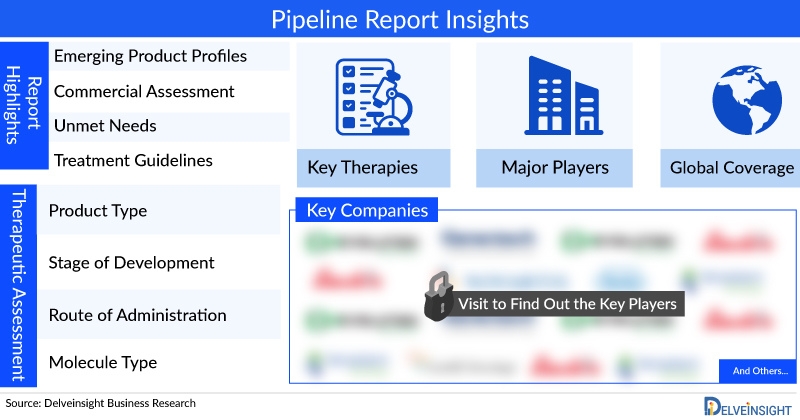
Arteriovenous Fistula Therapeutics Assessment

By Product Type

• Mono

• Combination

• Mono/Combination.


By Stage

• Late-stage products (Phase III)

• Mid-stage products (Phase II)

• Early-stage product (Phase I) along with the details of

• Pre-clinical and Discovery stage candidates

• Discontinued & Inactive candidates


By Route of Administration

• Oral

• Parenteral

• Intravenous

• Subcutaneous

• Topical


By Molecule Type

• Monoclonal Antibody

• Peptides

• Polymer

• Small molecule

• Gene therapy


Scope of the Arteriovenous Fistula Pipeline Report

• Coverage: Global

• Key Arteriovenous Fistula Companies: Enceladus Pharmaceuticals, Kintara Therapeutics, Symic Bio, and others.

• Key Arteriovenous Fistula Pipeline Therapies: Sirolimus, Liposome encapsulated prednisolone, Rostaporfin, and others.

Explore detailed insights on drugs used in the treatment of arteriovenous fistula here.


Table of Contents

1. Introduction

2. Executive Summary

3. Arteriovenous Fistula Pipeline: Overview

4. Analytical Perspective In-depth Commercial Assessment

5. Arteriovenous Fistula Pipeline Therapeutics

6. Arteriovenous Fistula Pipeline: Late-Stage Products (Phase III)

7. Arteriovenous Fistula Pipeline: Mid-Stage Products (Phase II)

8. Arteriovenous Fistula Pipeline: Early Stage Products (Phase I)

9. Therapeutic Assessment

10. Inactive Products

11. Company-University Collaborations (Licensing/Partnering) Analysis

12. Key Companies

13. Key Products

14. Unmet Needs

15. Market Drivers and Barriers

16. Future Perspectives and Conclusion

17. Analyst Views

18. Appendix


About DelveInsight

DelveInsight is a leading Business Consultant and Market Research firm focused exclusively on life sciences. It supports Pharma companies by providing comprehensive end-to-end solutions to improve their performance. Get hassle-free access to all the healthcare and pharma market research reports through our subscription-based platform, PharmDelve.

Media Contact
Company Name: DelveInsight
Contact Person: Jatin Vimal
Email: Send Email
Phone: +14699457679
Address:304 S. Jones Blvd #2432
City: Las Vegas
State: Nevada
Country: United States
Website: https://www.delveinsight.com/


Press Release Distributed by ABNewswire.com

To view the original version on ABNewswire visit: Arteriovenous Fistula Pipeline Insight 2025: Endovascular Innovations and Bioengineered Grafts Redefine Vascular Access Solutions | DelveInsight

Chronic Rhinosinusitis Pipeline Insight 2025: Targeted Biologics and Innovative Delivery Platforms Set to Transform Care | DelveInsight

“Chronic Rhinosinusitis Pipeline”
The therapeutic pipeline for chronic rhinosinusitis (CRS) is shifting toward targeted biologics, oral small molecules, and advanced delivery systems to address its complex inflammation. Standard treatments offer only temporary relief, with frequent recurrence—especially in CRSwNP patients—driving demand for therapies that provide lasting control and reduce reliance on surgery and steroids.

DelveInsight’s “Chronic Rhinosinusitis – Pipeline Insight, 2025” reveals a strong pipeline targeting both type 2 inflammation (via IL-4/IL-13, IL-5, and TSLP blockade) and non–type 2 endotypes through novel cytokine modulators, JAK inhibitors, and epithelial barrier restoration agents. Advanced delivery approaches, including sustained-release sinus implants, high-concentration topical sprays, and drug-device combinations, are designed to maximize local efficacy while limiting systemic exposure. Late-stage candidates such as dupilumab, tezepelumab, and etokimab are showing significant improvements in polyp reduction, smell restoration, and quality-of-life scores.

With a clearer understanding of CRS endotypes and phenotypes, the 2025 development landscape is moving toward precision medicine, where treatment is matched to patient-specific inflammatory profiles. Regulatory incentives for severe, steroid-dependent CRSwNP are accelerating timelines, while microbiome-modulating therapies and anti-biofilm agents in early trials offer hope for hard-to-treat cases. As these mechanism-driven therapies advance, the coming years could redefine long-term CRS management and significantly reduce the disease’s healthcare burden.

Interested in learning more about the current treatment landscape and the key drivers shaping the Chronic Rhinosinusitis pipeline? Click here


Key Takeaways from the Chronic Rhinosinusitis Pipeline Report

• DelveInsight’s Chronic Rhinosinusitis pipeline analysis depicts a strong space with 6+ active players working to develop 6+ pipeline drugs for Chronic Rhinosinusitis treatment.

• The leading Chronic Rhinosinusitis companies include Connect Biopharma, Lyra Therapeutics, Sanotize Research and Development Corp., Regeneron Pharmaceuticals, AstraZeneca, Kyowa Kirin Co., Ltd., Keymed Biosciences Co. Ltd., Pfizer, GlycoMira Therapeutics, and others are evaluating their lead assets to improve the Chronic Rhinosinusitis treatment landscape.

• Key Chronic Rhinosinusitis pipeline therapies in various stages of development include CBP-201, LYR-210, Dupilumab, Tezepelumab, Benralizumab, CM310, PF-06817024, and others.

• In January 2025, GSK’s IL-5 inhibitor Nucala was approved in China for the treatment of individuals with inadequately controlled chronic rhinosinusitis with nasal polyps (CRSwNP), a condition affecting nearly 30 million people in the country.

• In November 2024, AstraZeneca and Amgen announced that their subcutaneous antibody Tezspire (tezepelumab) met the primary endpoint in the Phase III WAYPOINT study, showing significant efficacy in patients with chronic rhinosinusitis with nasal polyps.

• In October 2024, GSK plc announced positive Phase III results for depemokimab in adults with chronic rhinosinusitis with nasal polyps (CRSwNP). The ANCHOR-1 and ANCHOR-2 trials met their co-primary endpoints, showing significant reductions in nasal polyp score and obstruction after 52 weeks. Adverse event rates were comparable between depemokimab and placebo groups, with full results to be shared at an upcoming scientific congress.


Chronic Rhinosinusitis Overview

Chronic Rhinosinusitis (CRS) is a long-term inflammatory condition affecting the nasal passages and sinuses, lasting for 12 weeks or longer despite attempts at treatment. It is characterized by symptoms such as nasal congestion, facial pain or pressure, nasal discharge, and a reduced or lost sense of smell. CRS is typically classified into two types: CRS with nasal polyps (CRSwNP) and CRS without nasal polyps (CRSsNP), each with differing pathophysiology and treatment approaches. The condition can significantly impact quality of life and is often associated with comorbidities such as asthma and allergic rhinitis.

The exact cause of CRS is multifactorial and may include infections, allergies, environmental irritants, and structural abnormalities of the nasal cavity. Treatment strategies often involve a combination of medical therapies such as nasal corticosteroids, saline irrigations, antibiotics, and biologics for severe or refractory cases. In some patients, especially those with nasal polyps or anatomical obstructions, endoscopic sinus surgery may be necessary. Newer targeted therapies, including monoclonal antibodies like dupilumab, are expanding treatment options for patients with difficult-to-treat CRS.

Find out more about Chronic Rhinosinusitis medication at https://www.delveinsight.com/report-store/chronic-rhinosinusitis-pipeline-insight


Chronic Rhinosinusitis Treatment Analysis: Drug Profile

CBP-201: Connect Biopharma

CBP-201 is a human monoclonal antibody that targets the interleukin-4 receptor alpha (IL-4Rα). It has demonstrated dose-dependent and distinct pharmacokinetic and pharmacodynamic properties in early clinical studies. Both preclinical and clinical data support that effective treatment of Th2-mediated diseases requires dual inhibition of IL-4 and IL-13. CBP-201 achieves this by binding to IL-4Rα in a way that blocks its interaction with other receptor subunits necessary for activating downstream signaling pathways. This mechanism helps address conditions such as atopic dermatitis, asthma, and nasal polyps. The therapy is currently in Phase II clinical trials for the treatment of Chronic Rhinosinusitis with Nasal Polyps (CRSwNP).

LYR-210: Lyra Therapeutics

LYR-210 is Lyra Therapeutics’ lead investigational therapy for chronic rhinosinusitis (CRS), a chronic inflammatory condition of the paranasal sinuses. It has completed Phase II clinical development. LYR-210 is a bioresorbable, implantable drug matrix developed using Lyra’s proprietary XTreo™ platform. It delivers a sustained, localized release of the corticosteroid mometasone furoate directly to the inflamed sinus tissue for up to six months from a single administration. Designed as a non-surgical alternative, LYR-210 offers a potential treatment option for CRS patients who would otherwise require sinus surgery.

Learn more about the novel and emerging Chronic Rhinosinusitis pipeline therapies.


Chronic Rhinosinusitis Therapeutics Assessment

By Product Type

• Mono

• Combination

• Mono/Combination.


By Stage

• Late-stage products (Phase III)

• Mid-stage products (Phase II)

• Early-stage product (Phase I) along with the details of

• Pre-clinical and Discovery stage candidates

• Discontinued & Inactive candidates


By Route of Administration

• Oral

• Parenteral

• Intravitreal

• Subretinal

• Topical


By Molecule Type

• Monoclonal Antibody

• Peptides

• Polymer

• Small molecule

• Gene therapy


Scope of the Chronic Rhinosinusitis Pipeline Report

• Coverage: Global

• Key Chronic Rhinosinusitis Companies: Connect Biopharma, Lyra Therapeutics, Sanotize Research and Development Corp., Regeneron Pharmaceuticals, AstraZeneca, Kyowa Kirin Co., Ltd., Keymed Biosciences Co. Ltd., Pfizer, GlycoMira Therapeutics, and others.

• Key Chronic Rhinosinusitis Pipeline Therapies: CBP-201, LYR-210, Dupilumab, Tezepelumab, Benralizumab, CM310, PF-06817024, and others.

Explore detailed insights on drugs used in the treatment of Chronic Rhinosinusitis here.


Table of Contents

1. Introduction

2. Executive Summary

3. Chronic Rhinosinusitis Pipeline: Overview

4. Analytical Perspective In-depth Commercial Assessment

5. Chronic Rhinosinusitis Pipeline Therapeutics

6. Chronic Rhinosinusitis Pipeline: Late-Stage Products (Phase III)

7. Chronic Rhinosinusitis Pipeline: Mid-Stage Products (Phase II)

8. Chronic Rhinosinusitis Pipeline: Early Stage Products (Phase I)

9. Therapeutic Assessment

10. Inactive Products

11. Company-University Collaborations (Licensing/Partnering) Analysis

12. Key Companies

13. Key Products

14. Unmet Needs

15. Market Drivers and Barriers

16. Future Perspectives and Conclusion

17. Analyst Views

18. Appendix


About DelveInsight

DelveInsight is a leading Business Consultant and Market Research firm focused exclusively on life sciences. It supports Pharma companies by providing comprehensive end-to-end solutions to improve their performance. Get hassle-free access to all the healthcare and pharma market research reports through our subscription-based platform, PharmDelve.

Media Contact
Company Name: DelveInsight
Contact Person: Jatin Vimal
Email: Send Email
Phone: +14699457679
Address:304 S. Jones Blvd #2432
City: Las Vegas
State: Nevada
Country: United States
Website: https://www.delveinsight.com/


Press Release Distributed by ABNewswire.com

To view the original version on ABNewswire visit: Chronic Rhinosinusitis Pipeline Insight 2025: Targeted Biologics and Innovative Delivery Platforms Set to Transform Care | DelveInsight

Chronic Periodontitis Pipeline Insight 2025: Regenerative Therapies and Host-Modulation Strategies Lead the Next Wave of Innovation | DelveInsight

“Chronic Periodontitis Pipeline”
The therapeutic pipeline for chronic periodontitis is advancing, with growing interest in regenerative medicine, host-modulation, and novel antimicrobials. Current treatments can slow progression but rarely reverse tissue loss or fully eliminate biofilms, highlighting the need for therapies that both control disease and restore periodontal structures.

DelveInsight’s “Chronic Periodontitis – Pipeline Insight, 2025” highlights a diverse portfolio of candidates aimed at modulating the host immune response, regenerating bone and connective tissue, and disrupting biofilms. Biologics such as anti-inflammatory cytokine modulators, recombinant growth factors (e.g., BMPs, PDGFs), and stem cell–based therapies are in mid- to late-stage development to promote true periodontal regeneration. Adjunctive small molecules targeting matrix metalloproteinases, RANKL signaling, and oxidative stress are also emerging, while advanced local delivery systems—such as biodegradable gels, microspheres, and sustained-release implants—are being tested to enhance site-specific drug concentration.

The 2025 pipeline reflects a paradigm shift from symptom management to disease modification, with precision-targeted interventions designed to preserve and restore the periodontium. Regulatory interest in innovative dental therapeutics, combined with the growing recognition of periodontitis as a systemic health risk factor, is accelerating research efforts. With regenerative biologics, host-response modulators, and next-generation antimicrobial platforms progressing through clinical stages, the coming years hold strong potential to transform chronic periodontitis treatment from damage control to true tissue restoration.

Interested in learning more about the current treatment landscape and the key drivers shaping the chronic periodontitis pipeline? Click here


Key Takeaways from the Chronic Periodontitis Pipeline Report

• DelveInsight’s chronic periodontitis pipeline analysis depicts a strong space with 10+ active players working to develop 10+ pipeline drugs for chronic periodontitis treatment.

• The leading chronic periodontitis companies include Amyndas Pharmaceuticals, Takeda, CSL Behring, Vaxcyte, Noveome, Perioc, and others are evaluating their lead assets to improve the chronic periodontitis treatment landscape.

• Key chronic periodontitis pipeline therapies in various stages of development include AMY 101, GXV 003, Research programme: periodontitis vaccines, VAX PG, ST 266, Ciclosporin topical gel, and others.

• In October 2024, a comprehensive analysis published in the Journal of Translational Medicine reported that as of September 1, 2024, there were 248 registered interventional clinical trials for periodontitis, with a strong focus on Phase II–IV studies evaluating both pharmacological agents and adjunctive natural products such as curcumin, resveratrol, and aloe vera.


Chronic Periodontitis Overview

Chronic Periodontitis is a widespread inflammatory disease that affects the supporting tissues of the teeth, including the gums, periodontal ligament, and alveolar bone. It develops gradually due to the buildup of bacterial plaque, which triggers an immune response, causing destruction of the periodontal structures. Symptoms often include swollen, bleeding gums, persistent bad breath, gum recession, and deep periodontal pockets. If left untreated, chronic periodontitis can lead to tooth mobility and eventual tooth loss.

Treatment focuses on controlling infection and preventing further tissue damage through professional dental cleaning procedures like scaling and root planing, along with improved oral hygiene practices. In more severe cases, surgical interventions may be necessary. Additionally, adjunct therapies such as antibiotics, host-modulating agents, and novel approaches like vaccines are being investigated to improve treatment effectiveness. Regular dental care and good oral hygiene remain essential for managing and preventing chronic periodontitis.

Find out more about chronic periodontitis medication at https://www.delveinsight.com/report-store/chronic-periodontitis-pipeline-insight


Chronic Periodontitis Treatment Analysis: Drug Profile

ST266: Noveome

ST266 is a cell-free biologic derived from a unique population of human amnion-derived cells. Using a proprietary culturing process, these cells secrete a complex mixture of growth factors and cytokines, collectively called the secretome, which supports cell survival and helps reduce inflammation.

Learn more about the novel and emerging chronic periodontitis pipeline therapies.


Chronic Periodontitis Therapeutics Assessment

By Product Type

• Mono

• Combination

• Mono/Combination.


By Stage

• Late-stage products (Phase III)

• Mid-stage products (Phase II)

• Early-stage product (Phase I) along with the details of

• Pre-clinical and Discovery stage candidates

• Discontinued & Inactive candidates


By Route of Administration

• Intravenous


By Molecule Type

• Peptide

• Protein

• Propylene glycols

• Cell Therapy


Scope of the Chronic Periodontitis Pipeline Report

• Coverage: Global

• Key Chronic Periodontitis Companies: Amyndas Pharmaceuticals, Takeda, CSL Behring, Vaxcyte, Noveome, Perioc, and others.

• Key Chronic Periodontitis Pipeline Therapies: AMY 101, GXV 003, Research programme: periodontitis vaccines, VAX PG, ST 266, Ciclosporin topical gel, and others.

Explore detailed insights on drugs used in the treatment of chronic periodontitis here.


Table of Contents

1. Introduction

2. Executive Summary

3. Chronic Periodontitis Pipeline: Overview

4. Analytical Perspective In-depth Commercial Assessment

5. Chronic Periodontitis Pipeline Therapeutics

6. Chronic Periodontitis Pipeline: Late-Stage Products (Phase III)

7. Chronic Periodontitis Pipeline: Mid-Stage Products (Phase II)

8. Chronic Periodontitis Pipeline: Early Stage Products (Phase I)

9. Therapeutic Assessment

10. Inactive Products

11. Company-University Collaborations (Licensing/Partnering) Analysis

12. Key Companies

13. Key Products

14. Unmet Needs

15. Market Drivers and Barriers

16. Future Perspectives and Conclusion

17. Analyst Views

18. Appendix


About DelveInsight

DelveInsight is a leading Business Consultant and Market Research firm focused exclusively on life sciences. It supports Pharma companies by providing comprehensive end-to-end solutions to improve their performance. Get hassle-free access to all the healthcare and pharma market research reports through our subscription-based platform, PharmDelve.

Media Contact
Company Name: DelveInsight
Contact Person: Jatin Vimal
Email: Send Email
Phone: +14699457679
Address:304 S. Jones Blvd #2432
City: Las Vegas
State: Nevada
Country: United States
Website: https://www.delveinsight.com/


Press Release Distributed by ABNewswire.com

To view the original version on ABNewswire visit: Chronic Periodontitis Pipeline Insight 2025: Regenerative Therapies and Host-Modulation Strategies Lead the Next Wave of Innovation | DelveInsight

Angioimmunoblastic T-Cell Lymphoma Pipeline Insight 2025: Targeted Immunotherapies and Epigenetic Modulators Drive Next-Generation Treatment Strategies | DelveInsight

“Angioimmunoblastic T-Cell Lymphoma Pipeline”
The therapeutic pipeline for angioimmunoblastic T-cell lymphoma (AITL) is growing, driven by the need to address its aggressive nature and poor prognosis. Current treatments, such as CHOP-like chemotherapy and stem cell transplants, often result in high relapse rates and limited long-term responses. In response, R&D is increasingly focused on targeting key molecular drivers like T-cell receptor signaling, epigenetic changes, and the tumor microenvironment.

DelveInsight’s “Angioimmunoblastic T-Cell Lymphoma – Pipeline Insight, 2025” highlights the accelerating momentum in the development of targeted therapies, particularly agents inhibiting key epigenetic regulators such as TET2, DNMT3A, and IDH2, which are frequently mutated in AITL. Histone deacetylase (HDAC) inhibitors, hypomethylating agents, and IDH inhibitors are under evaluation both as monotherapy and in combination with chemotherapy or other targeted agents. Additionally, immune-based strategies—including anti-PD-1/PD-L1 checkpoint inhibitors, bispecific T-cell engagers (BiTEs), and antibody-drug conjugates (ADCs) directed at CD30, CD38, and other T-cell markers—are showing promise in early- to mid-stage clinical trials.

Among the most advanced candidates are romidepsin and belinostat (HDAC inhibitors) in combination regimens, and enasidenib (IDH2 inhibitor) in molecularly selected populations. Emerging therapies such as nanatinostat (HDAC inhibitor) plus valganciclovir for EBV-positive AITL, and next-generation checkpoint modulators, aim to improve response rates and survival outcomes. As understanding of the genetic and immunologic landscape of AITL deepens, the 2025 pipeline reflects a shift toward precision oncology, with biomarker-driven trials, combination approaches, and regulatory incentives such as orphan drug status potentially accelerating the path to approval. With a mix of targeted epigenetic agents and immune-modulating therapies advancing through the pipeline, the coming years may redefine the therapeutic paradigm for this challenging lymphoma subtype.

Interested in learning more about the current treatment landscape and the key drivers shaping the angioimmunoblastic T-cell lymphoma pipeline? Click here


Key Takeaways from the Angioimmunoblastic T-Cell Lymphoma Pipeline Report

• DelveInsight’s angioimmunoblastic T-cell lymphoma pipeline analysis depicts a strong space with 10+ active players working to develop 10+ pipeline drugs for angioimmunoblastic T-cell lymphoma treatment.

• The leading angioimmunoblastic T-cell lymphoma companies include Celgene, BeiGene, Autolus Limited, SciTech Development, LLC, Wugen, Inc., HUTCHMED, Kura Oncology, and others are evaluating their lead assets to improve the angioimmunoblastic T-cell lymphoma treatment landscape.

• Key angioimmunoblastic T-cell lymphoma pipeline therapies in various stages of development include Azacitidine, Tislelizumab, AUTO4, WU-CART-007, Fenretinide, HMPL-306, and others.

• In 2025, a Phase I/II clinical trial (NCT02232516) evaluating romidepsin combined with lenalidomide in previously untreated peripheral T-cell lymphomas (PTCL), including AITL, is actively recruiting.

• Also listed in the 2025 trial landscape is NCT04319601, a Phase I/II study assessing rituximab with chidamide and lenalidomide in relapsed/refractory AITL patients, which is currently recruiting.


Angioimmunoblastic T-Cell Lymphoma Overview

Angioimmunoblastic T-Cell Lymphoma (AITL) is a rare and aggressive subtype of peripheral T-cell lymphoma that originates from follicular helper T-cells. It is characterized by systemic symptoms such as fever, weight loss, night sweats, and generalized lymphadenopathy. Patients often present with immune system abnormalities, including autoimmune phenomena, skin rashes, and hypergammaglobulinemia. The disease involves widespread lymph node enlargement, and it frequently affects other organs such as the spleen, liver, and bone marrow.


The exact cause of AITL is not fully understood, but it is believed to arise from genetic mutations and dysregulation of the immune system. Diagnosis typically involves lymph node biopsy with characteristic pathological features and immunophenotyping. Treatment options are limited and usually involve combination chemotherapy regimens, although responses are often partial and relapses are common. Emerging therapies, including targeted agents and immunotherapies, are under investigation to improve outcomes for patients with this challenging lymphoma subtype.


Find out more about angioimmunoblastic T-cell lymphoma medication at https://www.delveinsight.com/report-store/angioimmunoblastic-t-cell-lymphoma-pipeline-insight


Angioimmunoblastic T-Cell Lymphoma Treatment Analysis: Drug Profile

Azacitidine: Celgene

Azacitidine (5-azacytidine) is a chemical analogue of the cytosine nucleoside that incorporates into both DNA and RNA. At low doses, it exerts antineoplastic effects by inhibiting DNA methyltransferase, leading to DNA hypomethylation and disruption of DNA synthesis. At higher doses, it acts cytotoxically by incorporating into RNA and DNA. Because azacitidine is a ribonucleoside, it incorporates more extensively into RNA than DNA. The drug is currently being evaluated in a Phase III clinical trial for the treatment of patients with Relapsed or Refractory Angioimmunoblastic T-cell Lymphoma.

Tislelizumab: BeiGene

Tislelizumab (BGB-A317) is a humanized IgG4 anti–PD-1 monoclonal antibody engineered to reduce binding to Fcγ receptors on macrophages. Preclinical studies suggest that interaction with Fcγ receptors can impair the antitumor efficacy of PD-1 antibodies by triggering macrophage-mediated destruction of T effector cells. Tislelizumab is being developed both as a monotherapy and in combination with other treatments for various solid tumors and hematologic malignancies. A Phase II clinical trial evaluating tislelizumab for Relapsed or Refractory Angioimmunoblastic T-cell Lymphoma has been completed.

Learn more about the novel and emerging angioimmunoblastic T-cell lymphoma pipeline therapies.


Angioimmunoblastic T-Cell Lymphoma Therapeutics Assessment

By Product Type

• Mono

• Combination

• Mono/Combination.


By Stage

• Late-stage products (Phase III)

• Mid-stage products (Phase II)

• Early-stage product (Phase I) along with the details of

• Pre-clinical and Discovery stage candidates

• Discontinued & Inactive candidates


By Route of Administration

• Oral

• Parenteral

• Intravenous

• Subcutaneous

• Topical


By Molecule Type

• Monoclonal Antibody

• Peptides

• Polymer

• Small molecule

• Gene therapy


Scope of the Angioimmunoblastic T-Cell Lymphoma Pipeline Report

• Coverage: Global

• Key Angioimmunoblastic T-Cell Lymphoma Companies: Celgene, BeiGene, Autolus Limited, SciTech Development, LLC, Wugen, Inc., HUTCHMED, Kura Oncology, and others.

• Key Angioimmunoblastic T-Cell Lymphoma Pipeline Therapies: Azacitidine, Tislelizumab, AUTO4, WU-CART-007, Fenretinide, HMPL-306, and others.

Explore detailed insights on drugs used in the treatment of angioimmunoblastic T-cell lymphoma here.


Table of Contents

1. Introduction

2. Executive Summary

3. Angioimmunoblastic T-Cell Lymphoma Pipeline: Overview

4. Analytical Perspective In-depth Commercial Assessment

5. Angioimmunoblastic T-Cell Lymphoma Pipeline Therapeutics

6. Angioimmunoblastic T-Cell Lymphoma Pipeline: Late-Stage Products (Phase III)

7. Angioimmunoblastic T-Cell Lymphoma Pipeline: Mid-Stage Products (Phase II)

8. Angioimmunoblastic T-Cell Lymphoma Pipeline: Early Stage Products (Phase I)

9. Therapeutic Assessment

10. Inactive Products

11. Company-University Collaborations (Licensing/Partnering) Analysis

12. Key Companies

13. Key Products

14. Unmet Needs

15. Market Drivers and Barriers

16. Future Perspectives and Conclusion

17. Analyst Views

18. Appendix


About DelveInsight

DelveInsight is a leading Business Consultant and Market Research firm focused exclusively on life sciences. It supports Pharma companies by providing comprehensive end-to-end solutions to improve their performance. Get hassle-free access to all the healthcare and pharma market research reports through our subscription-based platform, PharmDelve.

Media Contact
Company Name: DelveInsight
Contact Person: Jatin Vimal
Email: Send Email
Phone: +14699457679
Address:304 S. Jones Blvd #2432
City: Las Vegas
State: Nevada
Country: United States
Website: https://www.delveinsight.com/


Press Release Distributed by ABNewswire.com

To view the original version on ABNewswire visit: Angioimmunoblastic T-Cell Lymphoma Pipeline Insight 2025: Targeted Immunotherapies and Epigenetic Modulators Drive Next-Generation Treatment Strategies | DelveInsight

Erosive Esophagitis Pipeline Insight 2025: Advancing Beyond Acid Suppression Toward Mucosal Healing and Relapse Prevention | DelveInsight

“Erosive Esophagitis Pipeline”
The treatment of erosive esophagitis (EE), a severe form of GERD causing esophageal damage, is evolving beyond proton pump inhibitors (PPIs). Despite PPIs being the standard therapy, issues like incomplete healing, symptom recurrence, and PPI resistance highlight the need for new treatments that better address the disease, sustain remission, and improve patient adherence, driving increased R&D efforts.

DelveInsight’s “Erosive Esophagitis – Pipeline Insight, 2025” underscores the momentum in drug development targeting acid-independent pathways, mucosal defense enhancement, and esophageal barrier restoration. Novel potassium-competitive acid blockers (P-CABs) like vonoprazan are gaining traction with their rapid onset and sustained acid suppression, while therapies aimed at epithelial protection, such as alginate-based formulations and trefoil factor peptides, are advancing through clinical evaluation. Additionally, research into anti-inflammatory agents and cytokine modulators seeks to reduce chronic mucosal injury and prevent fibrosis.

Several late-stage candidates are exploring combination approaches, pairing potent acid suppression with mucosal healing agents to deliver superior outcomes over monotherapy. For instance, vonoprazan-based regimens have shown promising healing rates in refractory EE, while novel delivery systems are being designed to prolong mucosal contact time and optimize local therapeutic effects. Companies are also leveraging biomarkers of mucosal integrity and acid exposure to guide precision treatment strategies and monitor disease progression.

As 2025 approaches, the EE pipeline reflects a paradigm shift toward holistic management that goes beyond symptom control to achieve durable mucosal recovery and relapse prevention. With regulatory support for innovative acid suppression technologies and mucosal protectants, and growing clinical emphasis on quality of life and long-term outcomes, emerging therapies have the potential to redefine the standard of care for patients living with erosive esophagitis.

Interested in learning more about the current treatment landscape and the key drivers shaping the erosive esophagitis pipeline? Click here


Key Takeaways from the Erosive Esophagitis Pipeline Report

• DelveInsight’s erosive esophagitis pipeline analysis depicts a strong space with 3+ active players working to develop 3+ pipeline drugs for erosive esophagitis treatment.

• The leading erosive esophagitis companies include Eisai, Daewoong Pharmaceutical, YooYoung Pharmaceutical, and others are evaluating their lead assets to improve the erosive esophagitis treatment landscape.

• Key erosive esophagitis pipeline therapies in various stages of development include Azeloprazole, Fexuprazan, YYD601, and others.

• In August 2025, Sebela Pharmaceuticals announced topline results from the Phase III TRIUMpH program evaluating tegoprazan, a novel potassium-competitive acid blocker. In patients with EE, tegoprazan demonstrated statistically superior maintenance of healing over 24 weeks compared to lansoprazole, including in severe (LA Grades C/D) cases. The company plans to submit FDA applications for both EE and NERD indications in Q4 2025.

• In July 2024, The FDA expanded the approval of Voquezna to include treatment for non-erosive GERD (NERD), offering heartburn relief in patients without visible esophageal damage.


Erosive Esophagitis Overview

Erosive Esophagitis (EE) is a condition characterized by inflammation, irritation, or erosion of the lining of the esophagus, most commonly caused by the backflow of stomach acid into the esophagus—a condition known as gastroesophageal reflux disease (GERD). When this acid reflux becomes severe or chronic, it can damage the esophageal lining, leading to painful ulcers, difficulty swallowing, and chest discomfort. Common symptoms include heartburn, regurgitation, and sometimes bleeding or anemia if the erosion is significant. EE is typically diagnosed via endoscopy, where visible inflammation or ulceration of the esophageal lining can be observed.

Treatment for erosive esophagitis usually focuses on reducing acid production and healing the esophageal tissue. Proton pump inhibitors (PPIs) are the standard first-line therapy, as they effectively suppress stomach acid and promote mucosal healing. In recent years, newer drugs like potassium-competitive acid blockers (P-CABs), such as fexuprazan and azeloprazole, have emerged as alternatives, offering rapid and sustained acid suppression. Lifestyle changes—such as dietary modifications, weight loss, and elevating the head of the bed—can also help manage symptoms and prevent recurrence.

Find out more about erosive esophagitis medication at https://www.delveinsight.com/report-store/erosive-esophagitis-pipeline-insight


Erosive Esophagitis Treatment Analysis: Drug Profile

Fexuprazan: Neurogastrx

Fexuprazan is a next-generation potassium-competitive acid blocker (P-CAB) that works by reversibly inhibiting the proton pumps responsible for gastric acid secretion in the canalicular membrane. Unlike traditional PPIs, it offers more rapid and sustained acid suppression. Fexuprazan is currently in Phase III clinical trials for the treatment of Erosive Esophagitis.

YYD601: YooYoung Pharmaceutical

YYD601, also known as esomeprazole magnesium dehydrate, is a proton pump inhibitor (PPI) being developed by YooYoung Pharmaceutical. It is designed to treat conditions such as peptic ulcers and gastroesophageal reflux disease (GERD). YYD601 is currently undergoing Phase III clinical trials for the treatment of Erosive Esophagitis.

Learn more about the novel and emerging erosive esophagitis pipeline therapies.


Erosive Esophagitis Therapeutics Assessment

By Product Type

• Mono

• Combination

• Mono/Combination.


By Stage

• Late-stage products (Phase III)

• Mid-stage products (Phase II)

• Early-stage product (Phase I) along with the details of

• Pre-clinical and Discovery stage candidates

• Discontinued & Inactive candidates


By Route of Administration

• Oral

• Parenteral

• Intravitreal

• Subretinal

• Topical


By Molecule Type

• Monoclonal Antibody

• Peptides

• Polymer

• Small molecule

• Gene therapy


Scope of the Erosive Esophagitis Pipeline Report

• Coverage: Global

• Key Erosive Esophagitis Companies: Eisai, Daewoong Pharmaceutical, YooYoung Pharmaceutical, and others.

• Key Erosive Esophagitis Pipeline Therapies: Azeloprazole, Fexuprazan, YYD601, and others.

Explore detailed insights on drugs used in the treatment of erosive esophagitis here.


Table of Contents

1. Introduction

2. Executive Summary

3. Erosive Esophagitis Pipeline: Overview

4. Analytical Perspective In-depth Commercial Assessment

5. Erosive Esophagitis Pipeline Therapeutics

6. Erosive Esophagitis Pipeline: Late-Stage Products (Phase III)

7. Erosive Esophagitis Pipeline: Mid-Stage Products (Phase II)

8. Erosive Esophagitis Pipeline: Early Stage Products (Phase I)

9. Therapeutic Assessment

10. Inactive Products

11. Company-University Collaborations (Licensing/Partnering) Analysis

12. Key Companies

13. Key Products

14. Unmet Needs

15. Market Drivers and Barriers

16. Future Perspectives and Conclusion

17. Analyst Views

18. Appendix


About DelveInsight

DelveInsight is a leading Business Consultant and Market Research firm focused exclusively on life sciences. It supports Pharma companies by providing comprehensive end-to-end solutions to improve their performance. Get hassle-free access to all the healthcare and pharma market research reports through our subscription-based platform, PharmDelve.

Media Contact
Company Name: DelveInsight
Contact Person: Jatin Vimal
Email: Send Email
Phone: +14699457679
Address:304 S. Jones Blvd #2432
City: Las Vegas
State: Nevada
Country: United States
Website: https://www.delveinsight.com/


Press Release Distributed by ABNewswire.com

To view the original version on ABNewswire visit: Erosive Esophagitis Pipeline Insight 2025: Advancing Beyond Acid Suppression Toward Mucosal Healing and Relapse Prevention | DelveInsight

Acute Lymphocytic Leukemia Clinical Trials, Companies, Therapeutic Assessment, Therapies, Treatment Algorithm, Pipeline | Orca Biosystems, Inc., Jazz Pharmaceuticals, Shenzhen TargetRx, Inc, Cellectis

“Acute Lymphocytic Leukemia Pipeline Insights”
DelveInsight’s, “Acute Lymphocytic Leukemia Pipeline Insight, 2025,” report provides comprehensive insights about 125+ companies and 130+ pipeline drugs in Acute Lymphocytic Leukemia pipeline landscape. It covers the pipeline drug profiles, including clinical and nonclinical stage products. It also covers the therapeutics assessment by product type, stage, route of administration, and molecule type. It further highlights the inactive pipeline products in this space.

According to DelveInsight, the Acute Lymphocytic Leukemia pipeline includes over 125 key companies actively engaged in developing more than 130 treatment therapies for the condition.

Acute Lymphocytic Leukemia Overview:

Acute Lymphocytic Leukemia (ALL), also referred to as acute lymphoblastic leukemia, is an aggressive cancer that can be life-threatening within months if untreated. It begins in the bone marrow from immature lymphocytes—white blood cells—and often spreads rapidly into the bloodstream. The disease can also extend to other organs, including the lymph nodes, liver, spleen, central nervous system, and, in males, the testicles. In contrast, certain cancers originate in these organs and later metastasize to the bone marrow.

Early symptoms of ALL may mimic common illnesses such as the flu. Typical signs include fatigue, fever, night sweats, easy bruising or bleeding, petechiae (tiny red or purple skin spots from bleeding), shortness of breath, unexplained weight loss, poor appetite, bone or abdominal pain, a sensation of fullness beneath the ribs, painless swellings in various parts of the body, and recurrent infections.

Request for a detailed insights report on Acute Lymphocytic Leukemia pipeline insights

“Acute Lymphocytic Leukemia Pipeline Insight 2025” report by DelveInsight provides a comprehensive analysis of the ongoing clinical development activities and growth prospects across the Acute Lymphocytic Leukemia Therapeutics Market.

Key Takeaways from the Acute Lymphocytic Leukemia Pipeline Report

  • DelveInsight’s Acute Lymphocytic Leukemia (ALL) pipeline report highlights a highly active landscape, with over 125 companies engaged in developing more than 130 treatment candidates.

  • Leading organizations in this space include Orca Biosystems, Inc., Jazz Pharmaceuticals, Shenzhen TargetRx, Inc., Cellectis, ADC Therapeutics S.A., Kunming Hope of Health Hospital, Beam Therapeutics Inc., Shenzhen BinDeBio Ltd., Kite (a Gilead Company), Sumitomo Pharma America, Inc., In8bio Inc., Fate Therapeutics, Sichuan Baili Pharmaceutical Co., Ltd., Janssen Research & Development, LLC, Medolution Ltd., Kymera Therapeutics, Inc., Gilead Sciences, Newave Pharmaceutical Inc., Servier, Meryx, Inc., Armaceutica, Inc., Hangzhou Qihan Biotech Co., Ltd., Nanjing Bioheng Biotech, Sanofi, Syndax Pharmaceuticals, Vincerx Pharma, Inc., and others—each working to advance innovative therapies and improve the ALL treatment landscape.

  • Promising candidates currently under development include Orca-T, TGRX-814, UCART22, among others.

  • Notably, in November 2024, the FDA approved Autolus’ CAR-T therapy, Aucatzyl, for ALL treatment. CAR-T therapies modify a patient’s immune cells to better recognize and attack cancer, and Aucatzyl’s shorter binding duration to cancer cells may help reduce side effects compared to existing CAR-T options.

  • Other significant FDA approvals in 2024 include ponatinib in combination with chemotherapy (March 19) for newly diagnosed Philadelphia chromosome-positive ALL in adults, following results from the PhALLCON trial where the ponatinib group achieved a 30% minimal residual disease–negative complete remission rate at the end of induction, versus 12% with imatinib. Additionally, on March 6, inotuzumab ozogamicin was approved for pediatric patients aged one year and above with relapsed or refractory CD22-positive B-cell precursor ALL; in a clinical trial with 53 children, 42% achieved complete remission, with a median remission duration of 8.2 months.

Acute Lymphocytic Leukemia Pipeline Analysis

The report provides insights into:

  • The report provides detailed insights into the key companies that are developing therapies in the Acute Lymphocytic Leukemia Market.

  • The report also evaluates different therapeutic candidates segmented into early-stage, mid-stage, and late-stage of development for Acute Lymphocytic Leukemia treatment.

  • It analyzes the key companies involved in targeted therapeutics development with respective active and inactive (dormant or discontinued) projects.

  • It navigates the emerging drugs under development based on the stage of development, route of administration, target receptor, monotherapy or combination therapy, a different mechanism of action, and molecular type.

  • Detailed analysis of collaborations (company-company collaborations and company-academia collaborations), licensing agreement, and financing details for future advancement of the Acute Lymphocytic Leukemia market.

Download our free sample page report on Acute Lymphocytic Leukemia pipeline insights

Acute Lymphocytic Leukemia Emerging Drugs

  • Orca-T: Orca Biosystems, Inc.

  • TGRX-814: Shenzhen TargetRx, Inc.

  • UCART22: Cellectis

Acute Lymphocytic Leukemia Companies

Over 125 companies are engaged in developing treatments for Acute Lymphocytic Leukemia (ALL), with Orca Biosystems, Inc. and several others advancing drug candidates that have reached the most advanced stage—Phase III clinical trials.

DelveInsight’s report covers around 130+ products under different phases of clinical development like

  • Late stage products (Phase III)

  • Mid-stage products (Phase II)

  • Early-stage product (Phase I) along with the details of

  • Pre-clinical and Discovery stage candidates

  • Discontinued & Inactive candidates

Acute Lymphocytic Leukemia pipeline report provides the therapeutic assessment of the pipeline drugs by the Route of Administration. Products have been categorized under various ROAs such as

  • Intravenous

  • Subcutaneous

  • Oral

  • Intramuscular

Acute Lymphocytic Leukemia Products have been categorized under various Molecule types such as

  • Monoclonal antibody

  • Small molecule

  • Peptide

Download Sample Pages to Get an in-depth Assessment of the Emerging Acute Lymphocytic Leukemia Therapies and Key Companies: Acute Lymphocytic Leukemia Clinical Trials and advancements

Acute Lymphocytic Leukemia Pipeline Therapeutic Assessment

• Acute Lymphocytic Leukemia Assessment by Product Type

• Acute Lymphocytic Leukemia By Stage

• Acute Lymphocytic Leukemia Assessment by Route of Administration

• Acute Lymphocytic Leukemia Assessment by Molecule Type

Download Acute Lymphocytic Leukemia Sample report to know in detail about the Acute Lymphocytic Leukemia treatment market @ Acute Lymphocytic Leukemia Therapeutic Assessment

Table of Content

1. Report Introduction

2. Executive Summary

3. Acute Lymphocytic Leukemia Current Treatment Patterns

4. Acute Lymphocytic Leukemia – DelveInsight’s Analytical Perspective

5. Therapeutic Assessment

6. Acute Lymphocytic Leukemia Late-Stage Products (Phase-III)

7. Acute Lymphocytic Leukemia Mid-Stage Products (Phase-II)

8. Early Stage Products (Phase-I)

9. Pre-clinical Products and Discovery Stage Products

10. Inactive Products

11. Dormant Products

12. Acute Lymphocytic Leukemia Discontinued Products

13. Acute Lymphocytic Leukemia Product Profiles

14. Acute Lymphocytic Leukemia Key Companies

15. Acute Lymphocytic Leukemia Key Products

16. Dormant and Discontinued Products

17. Acute Lymphocytic Leukemia Unmet Needs

18. Acute Lymphocytic Leukemia Future Perspectives

19. Acute Lymphocytic Leukemia Analyst Review

20. Appendix

21. Report Methodology

Request the Sample PDF to Get Detailed Insights About the Acute Lymphocytic Leukemia Pipeline Reports Offerings

About DelveInsight

DelveInsight is a leading Business Consultant and Market Research firm focused exclusively on life sciences. It supports Pharma companies by providing comprehensive end-to-end solutions to improve their performance.

Media Contact
Company Name: DelveInsight Business Research LLP
Contact Person: Kritika Rehani
Email: Send Email
Phone: +14699457679
Address:304 S. Jones Blvd #2432
City: Las Vegas
State: Nevada
Country: United States
Website: https://www.delveinsight.com/


Press Release Distributed by ABNewswire.com

To view the original version on ABNewswire visit: Acute Lymphocytic Leukemia Clinical Trials, Companies, Therapeutic Assessment, Therapies, Treatment Algorithm, Pipeline | Orca Biosystems, Inc., Jazz Pharmaceuticals, Shenzhen TargetRx, Inc, Cellectis

Dilated Cardiomyopathy Clinical Trials, Companies, Therapeutic Assessment, Emerging Therapies, Treatment Algorithm, and Pipeline Analysis | Berlin Cures, AstraZeneca, Biohaven Pharmaceuticals, Tenaya

“Dilated Cardiomyopathy Pipeline Analysis”
“DelveInsight’s, “Dilated Cardiomyopathy – Pipeline Insight, 2025” report provides comprehensive insights about 8+ companies and 8+ pipeline drugs in Dilated Cardiomyopathy pipeline landscape. It covers the pipeline drug profiles, including clinical and nonclinical stage products. It also covers the therapeutics assessment by product type, stage, route of administration, and molecule type. It further highlights the inactive pipeline products in this space.

DelveInsight reports that the Dilated Cardiomyopathy pipeline includes over eight key companies actively engaged in developing more than eight treatment therapies for the condition.

Dilated Cardiomyopathy Overview:

Dilated Cardiomyopathy (DCM) is a disorder characterized by an enlarged and weakened heart muscle, primarily involving the ventricles. This structural change impairs the heart’s pumping efficiency, reducing cardiac output and potentially leading to heart failure. Although DCM can occur at any age, it is most often diagnosed in middle-aged adults. The condition may be idiopathic (without a known cause) or arise from factors such as genetic mutations, infections, exposure to toxins, or underlying systemic diseases.

The symptoms of DCM can range from mild to severe and may appear gradually or abruptly. Common manifestations include fatigue, shortness of breath (dyspnea)—especially during exertion or when lying flat (orthopnea)—and swelling in the legs, ankles, and feet (peripheral edema). Some individuals may also experience palpitations, dizziness, or fainting (syncope). As the condition advances, signs of congestive heart failure, such as fluid retention, weight gain, and reduced exercise capacity, often become more evident.

Request for a detailed insights report on Dilated Cardiomyopathy pipeline insights

“Dilated Cardiomyopathy Pipeline Insight 2025” report by DelveInsight provides a comprehensive analysis of the ongoing clinical development activities and growth prospects across the Dilated Cardiomyopathy Therapeutics Market.

Key Takeaways from the Dilated Cardiomyopathy Pipeline Report

  • DelveInsight’s Dilated Cardiomyopathy pipeline report highlights a dynamic landscape with over eight active players developing more than eight potential therapies for the condition.

  • Key companies, including Berlin Cures, AstraZeneca, Biohaven Pharmaceuticals, Tenaya Therapeutics, and others, are advancing novel treatments to enhance the management of Dilated Cardiomyopathy.

  • Notable candidates in various development stages include BC 007, AZD0233, and others.

  • In November 2025, the FDA approved acoramidis, marketed as Attruby by BridgeBio, for treating transthyretin-mediated amyloid cardiomyopathy (ATTR-CM)—a disorder caused by protein deposits in the heart that result in stiffening of the walls and heart failure. The approval was based on Phase III trial results showing a 42% reduction in the combined endpoint of all-cause mortality and cardiovascular events, along with a 50% decrease in cumulative cardiovascular events over 30 months compared with placebo.

Dilated Cardiomyopathy Pipeline Analysis

The report provides insights into:

  • The report provides detailed insights into the key companies that are developing therapies in the Dilated Cardiomyopathy Market.

  • The report also evaluates different therapeutic candidates segmented into early-stage, mid-stage, and late-stage of development for Dilated Cardiomyopathy treatment.

  • It analyzes the key companies involved in targeted therapeutics development with respective active and inactive (dormant or discontinued) projects.

  • It navigates the emerging drugs under development based on the stage of development, route of administration, target receptor, monotherapy or combination therapy, a different mechanism of action, and molecular type.

  • Detailed analysis of collaborations (company-company collaborations and company-academia collaborations), licensing agreement, and financing details for future advancement of the Dilated Cardiomyopathy market.

Download our free sample page report on Dilated Cardiomyopathy pipeline insights

Dilated Cardiomyopathy Emerging Drugs

  • BC 007: Berlin Cures

  • AZD0233: AstraZeneca

Dilated Cardiomyopathy Companies

More than eight key companies are actively engaged in developing therapies for Dilated Cardiomyopathy, with Berlin Cures leading the field with a drug candidate currently in Phase II clinical trials.

DelveInsight’s report covers around 8+ products under different phases of clinical development like

  • Late stage products (Phase III)

  • Mid-stage products (Phase II)

  • Early-stage product (Phase I) along with the details of

  • Pre-clinical and Discovery stage candidates

  • Discontinued & Inactive candidates

Dilated Cardiomyopathy pipeline report provides the therapeutic assessment of the pipeline drugs by the Route of Administration. Products have been categorized under various ROAs such as

  • Intravenous

  • Subcutaneous

  • Oral

  • Intramuscular

Dilated Cardiomyopathy Products have been categorized under various Molecule types such as

  • Monoclonal antibody

  • Small molecule

  • Peptide

Download Sample Pages to Get an in-depth Assessment of the Emerging Dilated Cardiomyopathy Therapies and Key Companies: Dilated Cardiomyopathy Clinical Trials and advancements

Dilated Cardiomyopathy Pipeline Therapeutic Assessment

• Dilated Cardiomyopathy Assessment by Product Type

• Dilated Cardiomyopathy By Stage

• Dilated Cardiomyopathy Assessment by Route of Administration

• Dilated Cardiomyopathy Assessment by Molecule Type

Download Dilated Cardiomyopathy Sample report to know in detail about the Dilated Cardiomyopathy treatment market @ Dilated Cardiomyopathy Therapeutic Assessment

Table of Content

1. Report Introduction

2. Executive Summary

3. Dilated Cardiomyopathy Current Treatment Patterns

4. Dilated Cardiomyopathy – DelveInsight’s Analytical Perspective

5. Therapeutic Assessment

6. Dilated Cardiomyopathy Late-Stage Products (Phase-III)

7. Dilated Cardiomyopathy Mid-Stage Products (Phase-II)

8. Early Stage Products (Phase-I)

9. Pre-clinical Products and Discovery Stage Products

10. Inactive Products

11. Dormant Products

12. Dilated Cardiomyopathy Discontinued Products

13. Dilated Cardiomyopathy Product Profiles

14. Dilated Cardiomyopathy Key Companies

15. Dilated Cardiomyopathy Key Products

16. Dormant and Discontinued Products

17. Dilated Cardiomyopathy Unmet Needs

18. Dilated Cardiomyopathy Future Perspectives

19. Dilated Cardiomyopathy Analyst Review

20. Appendix

21. Report Methodology

Request the Sample PDF to Get Detailed Insights About the Dilated Cardiomyopathy Pipeline Reports Offerings

About DelveInsight

DelveInsight is a leading Business Consultant and Market Research firm focused exclusively on life sciences. It supports Pharma companies by providing comprehensive end-to-end solutions to improve their performance.

Media Contact
Company Name: DelveInsight Business Research LLP
Contact Person: Kritika Rehani
Email: Send Email
Phone: +14699457679
Address:304 S. Jones Blvd #2432
City: Las Vegas
State: Nevada
Country: United States
Website: https://www.delveinsight.com/


Press Release Distributed by ABNewswire.com

To view the original version on ABNewswire visit: Dilated Cardiomyopathy Clinical Trials, Companies, Therapeutic Assessment, Emerging Therapies, Treatment Algorithm, and Pipeline Analysis | Berlin Cures, AstraZeneca, Biohaven Pharmaceuticals, Tenaya

Chronic Spontaneous Urticaria Clinical Trials, Companies, Therapeutic Assessment, Therapies, Treatment Algorithm, Pipeline | United BioPharma, Teva Pharmaceuticals Development, Inc., Amgen, Novartis P

“Chronic Spontaneous Urticaria Pipeline”
DelveInsight’s, “Chronic Spontaneous Urticaria- Pipeline Insight, 2025” report provides comprehensive insights about 20+ companies and 25+ pipeline drugs in Chronic Spontaneous Urticaria pipeline landscape. It covers the pipeline drug profiles, including clinical and nonclinical stage products. It also covers the therapeutics assessment by product type, stage, route of administration, and molecule type. It further highlights the inactive pipeline products in this space.

DelveInsight reports that over 20 key companies are actively engaged in developing more than 20 therapies for the treatment of chronic spontaneous urticaria.

Chronic Spontaneous Urticaria Overview:

Urticaria, commonly referred to as hives, wheals, or nettle rash, presents as itchy, red, swollen welts on the skin. Chronic Spontaneous Urticaria (CSU) is defined as hives lasting for six weeks or longer and appearing on most days, often accompanied by angioedema. These symptoms can occur anywhere on the body and are generally widespread.

Diagnosis is typically based on a history of daily or recurring wheals that resolve within 24 hours but persist over a period exceeding six weeks, with no identifiable physical triggers. According to international guidelines, diagnostic testing should be limited to a differential blood count, erythrocyte sedimentation rate (ESR), and C-reactive protein (CRP) to exclude other conditions.

Treatment options for CSU primarily include antihistamines, omalizumab, cyclosporine, and low-dose corticosteroids.

Request for a detailed insights report on Chronic Spontaneous Urticaria pipeline insights

“Chronic Spontaneous Urticaria Pipeline Insight 2025” report by DelveInsight provides a comprehensive analysis of the ongoing clinical development activities and growth prospects across the Chronic Spontaneous Urticaria Therapeutics Market.

Key Takeaways from the Chronic Spontaneous Urticaria Pipeline Report

  • DelveInsight’s report on the Chronic Spontaneous Urticaria (CSU) pipeline highlights a strong competitive landscape, with over 20 active companies engaged in developing more than 20 therapies for CSU treatment.

  • Key players in this space include United BioPharma, Teva Pharmaceuticals Development, Inc., Amgen, Novartis Pharmaceuticals, Allakos Inc., Sanofi, Celltrion, Celldex Therapeutics, MICROBIO GROUP, Escient Pharmaceuticals, Jasper Therapeutics, Glenmark Pharmaceuticals, Taiho Pharmaceuticals, ValenzaBio, Carna Biosciences, Servier, and others. These companies are advancing various drug candidates to enhance the current treatment options for CSU.

  • Notable therapies in the pipeline include Dupilumab, Tezepelumab, Barzolvolimab, and others, currently at different stages of development.

  • In February 2025, Allakos announced the termination of its AK006 program for chronic hives after a 14-week trial with 34 patients failed to show meaningful improvement over placebo. This outcome prompted the company to lay off about 75% of its workforce and consider strategic options, including mergers or partnerships.

  • In November 2025, the U.S. Food and Drug Administration (FDA) accepted the resubmission of the supplemental Biologics License Application (sBLA) for Dupixent (dupilumab) for treating adults and adolescents aged 12 and older with CSU inadequately controlled by H1 antihistamines. The submission was backed by positive results from the LIBERTY-CUPID Phase 3 program, particularly Study C, which demonstrated significant reductions in itch and hive severity from baseline. The FDA’s target action date for the application is April 18, 2025.

Chronic Spontaneous Urticaria Pipeline Analysis

The report provides insights into:

  • The report provides detailed insights into the key companies that are developing therapies in the Chronic Spontaneous Urticaria Market.

  • The report also evaluates different therapeutic candidates segmented into early-stage, mid-stage, and late-stage of development for Chronic Spontaneous Urticaria treatment.

  • It analyzes the key companies involved in targeted therapeutics development with respective active and inactive (dormant or discontinued) projects.

  • It navigates the emerging drugs under development based on the stage of development, route of administration, target receptor, monotherapy or combination therapy, a different mechanism of action, and molecular type.

  • Detailed analysis of collaborations (company-company collaborations and company-academia collaborations), licensing agreement, and financing details for future advancement of the Chronic Spontaneous Urticaria market.

Download our free sample page report on Chronic Spontaneous Urticaria pipeline insights

Chronic Spontaneous Urticaria Emerging Drugs

  • Dupilumab: Sanofi

  • Tezepelumab: Amgen

  • Barzolvolimab: Celldex Therapeutics

Chronic Spontaneous Urticaria Companies

Over 20 major companies are actively working on therapies for Chronic Spontaneous Urticaria, with Sanofi leading the field, having a drug candidate in the most advanced stage—currently in the preregistration phase.

DelveInsight’s report covers around 20+ products under different phases of clinical development like

  • Late stage products (Phase III)

  • Mid-stage products (Phase II)

  • Early-stage product (Phase I) along with the details of

  • Pre-clinical and Discovery stage candidates

  • Discontinued & Inactive candidates

Chronic Spontaneous Urticaria pipeline report provides the therapeutic assessment of the pipeline drugs by the Route of Administration. Products have been categorized under various ROAs such as

  • Intravenous

  • Subcutaneous

  • Oral

  • Intramuscular

Chronic Spontaneous Urticaria Products have been categorized under various Molecule types such as

  • Monoclonal antibody

  • Small molecule

  • Peptide

Download Sample Pages to Get an in-depth Assessment of the Emerging Chronic Spontaneous Urticaria Therapies and Key Companies: Chronic Spontaneous Urticaria Clinical Trials and advancements

Chronic Spontaneous Urticaria Pipeline Therapeutic Assessment

• Chronic Spontaneous Urticaria Assessment by Product Type

• Chronic Spontaneous Urticaria By Stage

• Chronic Spontaneous Urticaria Assessment by Route of Administration

• Chronic Spontaneous Urticaria Assessment by Molecule Type

Download Chronic Spontaneous Urticaria Sample report to know in detail about the Chronic Spontaneous Urticaria treatment market @ Chronic Spontaneous Urticaria Therapeutic Assessment

Table of Content

1. Report Introduction

2. Executive Summary

3. Chronic Spontaneous Urticaria Current Treatment Patterns

4. Chronic Spontaneous Urticaria – DelveInsight’s Analytical Perspective

5. Therapeutic Assessment

6. Chronic Spontaneous Urticaria Late-Stage Products (Phase-III)

7. Chronic Spontaneous Urticaria Mid-Stage Products (Phase-II)

8. Early Stage Products (Phase-I)

9. Pre-clinical Products and Discovery Stage Products

10. Inactive Products

11. Dormant Products

12. Chronic Spontaneous Urticaria Discontinued Products

13. Chronic Spontaneous Urticaria Product Profiles

14. Chronic Spontaneous Urticaria Key Companies

15. Chronic Spontaneous Urticaria Key Products

16. Dormant and Discontinued Products

17. Chronic Spontaneous Urticaria Unmet Needs

18. Chronic Spontaneous Urticaria Future Perspectives

19. Chronic Spontaneous Urticaria Analyst Review

20. Appendix

21. Report Methodology

Request the Sample PDF to Get Detailed Insights About the Chronic Spontaneous Urticaria Pipeline Reports Offerings

About DelveInsight

DelveInsight is a leading Business Consultant and Market Research firm focused exclusively on life sciences. It supports Pharma companies by providing comprehensive end-to-end solutions to improve their performance.

Media Contact
Company Name: DelveInsight Business Research LLP
Contact Person: Kritika Rehani
Email: Send Email
Phone: +14699457679
Address:304 S. Jones Blvd #2432
City: Las Vegas
State: Nevada
Country: United States
Website: https://www.delveinsight.com/


Press Release Distributed by ABNewswire.com

To view the original version on ABNewswire visit: Chronic Spontaneous Urticaria Clinical Trials, Companies, Therapeutic Assessment, Therapies, Treatment Algorithm, Pipeline | United BioPharma, Teva Pharmaceuticals Development, Inc., Amgen, Novartis P

Postpartum Depression Clinical Trials, Companies, Therapeutic Assessment, Therapies, Treatment Algorithm, Pipeline | GH Research, Reunion Neuroscience, Lipocine, Brii Biosciences Limited

“Postpartum Depression Pipeline”
DelveInsight’s, “Postpartum Depression – Pipeline Insight, 2025” report provides comprehensive insights about 10+ companies and 10+ pipeline drugs in Postpartum Depression pipeline landscape. It covers the pipeline drug profiles, including clinical and nonclinical stage products. It also covers the therapeutics assessment by product type, stage, route of administration, and molecule type. It further highlights the inactive pipeline products in this space.

According to DelveInsight, the Postpartum Depression pipeline features over 10 key companies actively engaged in developing more than 10 treatment therapies.

Postpartum Depression Overview:

Postpartum depression (PPD) is a serious mental health condition affecting about 15% of women after giving birth, with potential long-term negative effects on their children. While its symptoms and risk factors are similar to those of general depression, PPD is uniquely triggered by postpartum factors, especially hormonal shifts.

Diagnosis is usually made through a questionnaire in a clinical setting. Common treatments include psychotherapy and antidepressant medication. Symptoms often mirror those of non-postpartum depression—such as persistent sadness, loss of interest, sleep and appetite changes, feelings of worthlessness, poor concentration, and suicidal thoughts—but occur following childbirth. Many women also experience heightened anxiety, and in severe cases, psychotic symptoms like hallucinations or delusions, including harmful commands toward the infant, may be present.

Request for a detailed insights report on Postpartum Depression pipeline insights

“Postpartum Depression Pipeline Insight 2025” report by DelveInsight provides a comprehensive analysis of the ongoing clinical development activities and growth prospects across the Postpartum Depression Therapeutics Market.

Key Takeaways from the Postpartum Depression Pipeline Report

  • DelveInsight’s Postpartum Depression (PPD) pipeline report highlights a dynamic landscape, with over 10 active companies working on more than 10 pipeline therapies aimed at improving PPD treatment.

  • Leading players such as GH Research, Reunion Neuroscience, Lipocine, and Brii Biosciences Limited are developing novel drug candidates including RE-104, GH001, and BRII-297, among others.

  • In addition to pharmaceutical innovations, recent research points to the value of lifestyle interventions in managing PPD.

  • A November 2025 study found that engaging in over an hour of moderate-intensity exercise weekly can ease “baby blues” and reduce the risk of major clinical depression in new mothers by half. Gentle walks progressing to moderate activities like brisk walking or water aerobics proved especially helpful, with the greatest benefits seen when exercise was started within 12 weeks after childbirth.

  • Before its approval, zuranolone underwent evaluation in the Phase III SKYLARK trial, which showed rapid and substantial improvements in depressive symptoms. By day 15, 57% of participants taking zuranolone achieved at least a 50% symptom reduction, compared to 38% in the placebo group. These results were pivotal in the FDA’s approval of Zurzuvae as an innovative treatment option for PPD.

Postpartum Depression Pipeline Analysis

The report provides insights into:

  • The report provides detailed insights into the key companies that are developing therapies in the Postpartum Depression Market.

  • The report also evaluates different therapeutic candidates segmented into early-stage, mid-stage, and late-stage of development for Postpartum Depression treatment.

  • It analyzes the key companies involved in targeted therapeutics development with respective active and inactive (dormant or discontinued) projects.

  • It navigates the emerging drugs under development based on the stage of development, route of administration, target receptor, monotherapy or combination therapy, a different mechanism of action, and molecular type.

  • Detailed analysis of collaborations (company-company collaborations and company-academia collaborations), licensing agreement, and financing details for future advancement of the Postpartum Depression market.

Download our free sample page report on Postpartum Depression pipeline insights

Postpartum Depression Emerging Drugs

  • RE-104: Reunion Neuroscience

  • GH001: GH Research

  • BRII-297: Brii Bio

Postpartum Depression Companies

More than 10 major companies are actively working on therapies for postpartum depression, with Reunion Neuroscience advancing the most progressed candidate, currently in Phase II clinical trials.

DelveInsight’s report covers around 10+ products under different phases of clinical development like

  • Late stage products (Phase III)

  • Mid-stage products (Phase II)

  • Early-stage product (Phase I) along with the details of

  • Pre-clinical and Discovery stage candidates

  • Discontinued & Inactive candidates

Postpartum Depression pipeline report provides the therapeutic assessment of the pipeline drugs by the Route of Administration. Products have been categorized under various ROAs such as

  • Intravenous

  • Subcutaneous

  • Oral

  • Intramuscular

Postpartum Depression Products have been categorized under various Molecule types such as

  • Monoclonal antibody

  • Small molecule

  • Peptide

Download Sample Pages to Get an in-depth Assessment of the Emerging Postpartum Depression Therapies and Key Companies: Postpartum Depression Clinical Trials and advancements

Postpartum Depression Pipeline Therapeutic Assessment

• Postpartum Depression Assessment by Product Type

• Postpartum Depression By Stage

• Postpartum Depression Assessment by Route of Administration

• Postpartum Depression Assessment by Molecule Type

Download Postpartum Depression Sample report to know in detail about the Postpartum Depression treatment market @ Postpartum Depression Therapeutic Assessment

Table of Content

1. Report Introduction

2. Executive Summary

3. Postpartum Depression Current Treatment Patterns

4. Postpartum Depression – DelveInsight’s Analytical Perspective

5. Therapeutic Assessment

6. Postpartum Depression Late-Stage Products (Phase-III)

7. Postpartum Depression Mid-Stage Products (Phase-II)

8. Early Stage Products (Phase-I)

9. Pre-clinical Products and Discovery Stage Products

10. Inactive Products

11. Dormant Products

12. Postpartum Depression Discontinued Products

13. Postpartum Depression Product Profiles

14. Postpartum Depression Key Companies

15. Postpartum Depression Key Products

16. Dormant and Discontinued Products

17. Postpartum Depression Unmet Needs

18. Postpartum Depression Future Perspectives

19. Postpartum Depression Analyst Review

20. Appendix

21. Report Methodology

Request the Sample PDF to Get Detailed Insights About the Postpartum Depression Pipeline Reports Offerings

About DelveInsight

DelveInsight is a leading Business Consultant and Market Research firm focused exclusively on life sciences. It supports Pharma companies by providing comprehensive end-to-end solutions to improve their performance.

Media Contact
Company Name: DelveInsight Business Research LLP
Contact Person: Kritika Rehani
Email: Send Email
Phone: +14699457679
Address:304 S. Jones Blvd #2432
City: Las Vegas
State: Nevada
Country: United States
Website: https://www.delveinsight.com/


Press Release Distributed by ABNewswire.com

To view the original version on ABNewswire visit: Postpartum Depression Clinical Trials, Companies, Therapeutic Assessment, Therapies, Treatment Algorithm, Pipeline | GH Research, Reunion Neuroscience, Lipocine, Brii Biosciences Limited