Hypoparathyroidism Pipeline Insight 2025: Redefining Calcium Homeostasis Through Innovative Hormone Replacement and Regenerative Approaches | DelveInsight

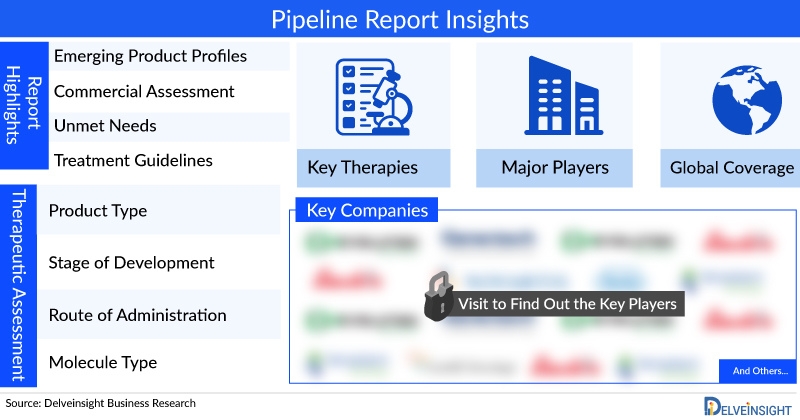
“Hypoparathyroidism Pipeline”
Hypoparathyroidism is a rare endocrine disorder caused by insufficient or absent secretion of parathyroid hormone, leading to hypocalcemia, hyperphosphatemia, and a range of neuromuscular and renal complications. Conventional treatment with calcium and active vitamin D supplements does not address the underlying hormone deficiency and often fails to maintain stable calcium levels, resulting in long-term complications like nephrocalcinosis and reduced quality of life.

DelveInsight’s “Hypoparathyroidism – Pipeline Insight, 2025” explores a growing pipeline of next-generation treatments focused on PTH replacement, regenerative cell therapies, and novel calcium-sensing receptor antagonists. More than 5 promising candidates are currently in various stages of development, aiming to restore physiological calcium-phosphate balance by directly addressing the root hormonal deficiency.


Key industry players such as Ascendis Pharma, Amolyt Pharma, Eli Lilly, Extend Biosciences, and Calcimedica are actively shaping the future of hypoparathyroidism treatment. Ascendis Pharma’s TransCon PTH, a long-acting prodrug of parathyroid hormone, has emerged as a leading late-stage candidate with strong clinical data demonstrating durable normalization of calcium levels and reduced dependence on conventional therapy. Meanwhile, Amolyt’s eneboparatide (AZP-3601) is a PTH1 receptor agonist designed to mimic the natural circadian rhythm of PTH secretion.


Innovative approaches also include allogeneic parathyroid cell implantation and small molecules targeting the calcium-sensing receptor (CaSR), offering the potential for durable or even curative treatments. These pipeline advancements reflect a paradigm shift in hypoparathyroidism care—from symptomatic control to hormonal restoration and physiological regulation.


DelveInsight’s report delivers a comprehensive analysis of the hypoparathyroidism pipeline, covering clinical trial timelines, mechanisms of action, regulatory updates, and competitive benchmarking. As these novel therapies advance, the hypoparathyroidism market is poised for a transformation—one that promises more personalized, effective, and life-enhancing treatment strategies for patients worldwide.


Interested in learning more about the current treatment landscape and the key drivers shaping the hypoparathyroidism pipeline? Dive in now!


Key Takeaways from the Hypoparathyroidism Pipeline Report

• DelveInsight’s hypoparathyroidism pipeline analysis depicts a strong space with 5+ active players working to develop 5+ pipeline drugs for hypoparathyroidism treatment.

• The leading hypoparathyroidism companies include Ascendis Pharma, Calcilytix Therapeutics, Amolyt Pharma, AEterna Zentaris Inc, Entera Bio, Sigilon Therapeutics, ProLynx, Extend Biosciences, and others, which are evaluating their lead assets to improve the Hypoparathyroidism treatment landscape.

• Key hypoparathyroidism pipeline therapies in various stages of development include TransCon PTH, Encaleret, AZP 3601, EB612, EXT607, AEZS 150, and others.

• In March 2025, the CALYPSO Phase III trial showed that eneboparatide (AZP-3601), an investigational PTH receptor 1 agonist, met its primary endpoint with statistical significance in adults with chronic hypoparathyroidism at 24 weeks, outperforming placebo. The primary endpoint included normalisation of serum calcium levels and independence from active vitamin D and calcium therapy.

• In September 2024, Ascendis Pharma A/S (Nasdaq: ASND) announced that the FDA granted Orphan Drug exclusivity to YORVIPATH (palopegteriparatide, developed as TransCon PTH) for seven years. YORVIPATH is designed for the treatment of hypoparathyroidism in adults, a rare endocrine disease caused by insufficient parathyroid hormone, affecting approximately 70,000 to 90,000 people in the United States.


Request a sample and discover the recent breakthroughs happening in the hypoparathyroidism pipeline landscape.


Hypoparathyroidism Overview

Hypoparathyroidism is a rare endocrine disorder caused by insufficient production or activity of parathyroid hormone (PTH), leading to low calcium and high phosphate levels in the blood. The most common cause is surgical removal or damage to the parathyroid glands, often during thyroid or neck surgery. Other causes include autoimmune disease, genetic mutations, or idiopathic origins. Symptoms typically include muscle cramps, tingling sensations, fatigue, and in severe cases, seizures or cardiac complications due to prolonged hypocalcemia.


Management traditionally involves calcium and active vitamin D supplementation to maintain serum calcium levels, but this approach does not fully replicate the natural actions of PTH. Emerging therapies—including long-acting PTH analogs like TransCon PTH, AZP-3601, and Encaleret—aim to restore more physiologic calcium homeostasis and reduce treatment burdens, offering new hope for improved disease control and quality of life.


Hypoparathyroidism Treatment Analysis: Drug Profile

TransCon PTH: Ascendis Pharma

TransCon™ PTH is an investigational prodrug of parathyroid hormone (PTH) being developed as a once-daily hormone replacement therapy. It aims to maintain physiologic PTH levels continuously over 24 hours, addressing both the immediate symptoms and long-term complications associated with hypoparathyroidism. The therapy is designed to normalize serum and urinary calcium, as well as serum phosphate levels, ultimately improving patients’ quality of life. TransCon PTH has received orphan drug designation in the U.S. and Europe and is currently undergoing Phase III clinical trials for the treatment of hypoparathyroidism.

Encaleret: Calcilytix Therapeutics

Encaleret is an investigational small molecule that acts as an antagonist of the calcium-sensing receptor (CaSR), a G-protein-coupled receptor responsible for detecting extracellular calcium levels. By modulating CaSR activity, which functions as a ‘calciostat’ regulating serum calcium through control of PTH release and calcium reabsorption, Encaleret aims to restore calcium balance in patients.


Discover the emerging therapies transforming hypoparathyroidism treatment here: https://www.delveinsight.com/report-store/hypoparathyroidism-pipeline-insight


Hypoparathyroidism Therapeutics Assessment

By Product Type

• Mono

• Combination

• Mono/Combination.


By Stage

• Late-stage products (Phase III)

• Mid-stage products (Phase II)

• Early-stage product (Phase I) along with the details of

• Pre-clinical and Discovery stage candidates

• Discontinued & Inactive candidates


By Route of Administration

• Oral

• Parenteral

• Intravenous

• Subcutaneous

• Topical


By Molecule Type

• Monoclonal Antibody

• Peptides

• Polymer

• Small molecule

• Gene therapy


Scope of the Hypoparathyroidism Pipeline Report

• Coverage: Global

• Key Hypoparathyroidism Companies: Ascendis Pharma, Calcilytix Therapeutics, Amolyt Pharma, AEterna Zentaris Inc, Entera Bio, Sigilon Therapeutics, ProLynx, Extend Biosciences, and others.

• Key Hypoparathyroidism Pipeline Therapies: TransCon PTH, Encaleret, AZP 3601, EB612, EXT607, AEZS 150, and others.


Take a deep dive into key insights on leading and emerging therapies for Hypoparathyroidism!


Table of Contents

1. Introduction

2. Executive Summary

3. Hypoparathyroidism Pipeline: Overview

4. Analytical Perspective In-depth Commercial Assessment

5. Hypoparathyroidism Pipeline Therapeutics

6. Hypoparathyroidism Pipeline: Late-Stage Products (Phase III)

7. Hypoparathyroidism Pipeline: Mid-Stage Products (Phase II)

8. Hypoparathyroidism Pipeline: Early Stage Products (Phase I)

9. Therapeutic Assessment

10. Inactive Products

11. Company-University Collaborations (Licensing/Partnering) Analysis

12. Key Companies

13. Key Products

14. Unmet Needs

15. Market Drivers and Barriers

16. Future Perspectives and Conclusion

17. Analyst Views

18. Appendix


About DelveInsight

DelveInsight is a leading Business Consultant and Market Research firm focused exclusively on life sciences. It supports Pharma companies by providing comprehensive end-to-end solutions to improve their performance. Get hassle-free access to all the healthcare and pharma market research reports through our subscription-based platform, PharmDelve.

Media Contact
Company Name: DelveInsight Business Research LLP
Contact Person: Jatin Vimal
Email: Send Email
Phone: +14699457679
Address:304 S. Jones Blvd #2432
City: Las Vegas
State: Nevada
Country: United States
Website: https://www.delveinsight.com/


Press Release Distributed by ABNewswire.com

To view the original version on ABNewswire visit: Hypoparathyroidism Pipeline Insight 2025: Redefining Calcium Homeostasis Through Innovative Hormone Replacement and Regenerative Approaches | DelveInsight
Westwise Group LLC Launches to Support Accident Victims With Streamlined Access to Legal Help and Emotional Recovery Resources

LOS ANGELES, CA – July 21, 2025 – Westwise Group LLC, a newly launched platform headquartered in Los Angeles, has officially opened its services to assist individuals impacted by motor vehicle accidents. Designed to bridge the gap between accident victims and qualified legal professionals, Westwise offers a resource-focused solution aimed at easing the recovery process following a collision.

Built by a cross-disciplinary team with expertise in technology, legal operations, data science, and digital infrastructure, Westwise introduces a streamlined, tech-driven process that simplifies the path to connecting with experienced personal injury attorneys. The platform operates nationwide, emphasizing accessible support and tailored legal guidance.

“In the aftermath of an accident, people are often overwhelmed physically, emotionally, and financially,” said Kamal Akwara, Chief Operating Officer at Westwise. “Our mission is to offer clear direction and practical resources to help people make informed decisions during a difficult time.”

One of Westwise’s distinguishing features is its 24/7 intake capability. Leveraging AI-enabled systems alongside human oversight, the platform ensures that users receive timely and accurate responses whenever they reach out for help. This dual approach allows Westwise to maintain a high standard of client engagement around the clock.

Westwise connects users with vetted personal injury attorneys operating within their local jurisdictions. Rather than offering generalized legal assistance, the platform prioritizes individual case assessments, matching clients with legal teams equipped to handle the specifics of each situation from initial consultation through to potential litigation.

Clients utilizing the platform benefit from a results-based fee structure provided by Westwise’s partner law firms. Legal fees are only incurred if a case is successfully resolved, removing upfront financial concerns and allowing clients to seek legal representation without the burden of immediate cost.

Beyond legal support, Westwise acknowledges the broader challenges accident victims may face, including mental and emotional strain. The platform also offers referrals to supportive services designed to assist with coping, stress management, and recovery resources.

With its official launch, Westwise seeks to establish itself as a dependable connector between individuals affected by vehicle accidents and the resources they need to move forward. The company’s focus remains rooted in accessibility, efficiency, and client dignity.

To learn more about Westwise Group LLC, visit https://www.westwisegroup.com

Media Contact
Company Name: Westwise Group LLC
Contact Person: Darren Miller
Email: Send Email
Phone: 747-477-4399
Country: United States
Website: https://www.westwisegroup.com/

Hypereosinophilic Syndrome Pipeline Insight 2025: Pioneering Precision Approaches to Tame Eosinophilic Overactivity | DelveInsight

“Hypereosinophilic Syndrome Pipeline”
Hypereosinophilic Syndrome (HES) is a rare group of disorders characterized by persistently elevated eosinophil levels, often leading to end-organ damage affecting the heart, lungs, skin, and nervous system. While corticosteroids remain the mainstay of treatment, their long-term use is associated with significant toxicity. In recent years, the need for targeted, steroid-sparing therapies has driven innovation in the HES treatment landscape.

DelveInsight’s “Hypereosinophilic Syndrome – Pipeline Insight, 2025” highlights a focused and promising pipeline with more than 5 emerging therapies aiming to modulate eosinophilic activity through novel mechanisms. Key therapeutic approaches include anti-IL-5 monoclonal antibodies, tyrosine kinase inhibitors (TKIs), and anti-Siglec-8 therapies, among others. Companies such as GlaxoSmithKline, Sanofi, Allakos, Revolo Biotherapeutics, and Celgene (now BMS) are actively engaged in advancing clinical candidates to offer long-term disease control and organ protection.


Notable late-stage candidates include mepolizumab, which is already approved for HES in several markets, and lirentelimab, which targets Siglec-8 to deplete eosinophils and mast cells. Additionally, next-generation TKIs are being developed for patients with FIP1L1-PDGFRA fusion and other molecularly defined subtypes. These pipeline assets reflect a broader trend towards personalized medicine in eosinophilic disorders, integrating biomarker-based patient stratification and tailored therapeutic regimens.


DelveInsight’s report provides a deep dive into the mechanisms of action, clinical trial data, competitive landscape, and future outlook for HES therapies. As our understanding of eosinophil-driven pathology improves, the HES market is poised to undergo a significant transformation, shifting from generalized immunosuppression to precise, targeted interventions that improve outcomes while minimizing systemic side effects.


Interested in learning more about the current treatment landscape and the key drivers shaping the hypereosinophilic syndrome pipeline?


Key Takeaways from the Hypereosinophilic Syndrome Pipeline Report

• DelveInsight’s hypereosinophilic syndrome pipeline analysis depicts a strong space with 5+ active players working to develop 5+ pipeline drugs for hypereosinophilic syndrome treatment.

• The leading hypereosinophilic syndrome companies include Kyowa Kirin, GlaxoSmithKline, Novartis Pharmaceuticals Corporation, Knopp Biosciences, and others, which are evaluating their lead assets to improve the hypereosinophilic syndrome treatment landscape.

• Key hypereosinophilic syndrome pipeline therapies in various stages of development include Benralizumab, Depemokimab, Nilotinib, Dexpramipexole, and others.

• A new Phase II study sponsored by the NIH’s NIAID began on February 5, 2025, evaluating dupilumab in adult HES patients (ages 18+), including those on existing biologic therapies. The trial is set to complete primary enrollment by December 30, 2026.

• GlaxoSmithKline is running a Phase III study of subcutaneous mepolizumab (Nucala) in pediatric HES (ages 6–17), which began on July 11, 2022 and is projected to wrap up by October 9, 2025.

• The global Phase III “NATRON” trial of benralizumab (anti–IL‑5R) in adolescents and adults with HES began in July 2020 and is expected to conclude by November 2026. Enrollment includes ~120 participants across North America, Europe, and Asia.


Request a sample and discover the recent breakthroughs happening in the hypereosinophilic syndrome pipeline landscape


Hypereosinophilic Syndrome Overview

Hypereosinophilic Syndrome (HES) is a rare group of blood disorders characterized by persistently elevated levels of eosinophils—a type of white blood cell—in the blood and tissues, leading to organ damage. Eosinophils are normally involved in immune responses, especially against parasites and in allergic reactions. In HES, however, their uncontrolled proliferation and accumulation can damage organs such as the heart, lungs, skin, liver, and nervous system.


The exact cause of HES varies, and it can be classified into several subtypes: idiopathic, myeloproliferative, and lymphocytic. Diagnosis typically involves ruling out other causes of eosinophilia and confirming sustained high eosinophil levels along with signs of tissue or organ damage. Treatments focus on reducing eosinophil levels and preventing further organ damage, often involving corticosteroids, targeted therapies like tyrosine kinase inhibitors, or biologics such as monoclonal antibodies (e.g., benralizumab) that target eosinophil pathways.


Hypereosinophilic Syndrome Treatment Analysis: Drug Profile

Benralizumab: Kyowa Kirin

Benralizumab is a monoclonal antibody that triggers natural killer cells to rapidly deplete eosinophils in the blood and airways through antibody-dependent cellular cytotoxicity (ADCC). It is administered as a fixed-dose subcutaneous injection every 4 weeks for the first three doses, then every 8 weeks thereafter. Besides its current use, benralizumab is also being studied for severe nasal polyposis. The FDA has granted it orphan drug designation for hypereosinophilic syndrome (HES) and eosinophilic granulomatosis with polyangiitis (EGPA). Developed by Kyowa Kirin and AstraZeneca (licensed from BioWa, Inc., a Kyowa Hakko Kirin subsidiary), benralizumab is in Phase III clinical trials for HES.


Depemokimab: GlaxoSmithKline

Depemokimab (GSK3511294) is a humanized anti-IL-5 monoclonal antibody engineered for a longer half-life and stronger IL-5 binding compared to other anti-IL-5 antibodies. It is currently in Phase III clinical trials for the treatment of hypereosinophilic syndrome.


Discover the emerging therapies transforming hypereosinophilic syndrome treatment here: https://www.delveinsight.com/sample-request/hypereosinophilic-syndrome-pipeline-insight


Hypereosinophilic Syndrome Therapeutics Assessment


By Product Type

• Mono

• Combination

• Mono/Combination.


By Stage

• Late-stage products (Phase III)

• Mid-stage products (Phase II)

• Early-stage product (Phase I) along with the details of

• Pre-clinical and Discovery stage candidates

• Discontinued & Inactive candidates


By Route of Administration

• Intra-articular

• Intraocular

• Intrathecal

• Intravenous

• Ophthalmic

• Oral

• Parenteral

• Subcutaneous

• Topical

• Transdermal

By Molecule Type

• Oligonucleotide

• Peptide

• Small molecule

Scope of the Hypereosinophilic Syndrome Pipeline Report

• Coverage: Global

• Key Hypereosinophilic Syndrome Companies: Kyowa Kirin, GlaxoSmithKline, Novartis Pharmaceuticals Corporation, Knopp Biosciences, and others.

• Key Hypereosinophilic Syndrome Pipeline Therapies: Benralizumab, Depemokimab, Nilotinib, Dexpramipexole, and others.


Take a deep dive into key insights on leading and emerging therapies for hypereosinophilic syndrome.


Table of Contents

1. Introduction

2. Executive Summary

3. Hypereosinophilic Syndrome Pipeline: Overview

4. Analytical Perspective In-depth Commercial Assessment

5. Hypereosinophilic Syndrome Pipeline Therapeutics

6. Hypereosinophilic Syndrome Pipeline: Late-Stage Products (Phase III)

7. Hypereosinophilic Syndrome Pipeline: Mid-Stage Products (Phase II)

8. Hypereosinophilic Syndrome Pipeline: Early Stage Products (Phase I)

9. Therapeutic Assessment

10. Inactive Products

11. Company-University Collaborations (Licensing/Partnering) Analysis

12. Key Companies

13. Key Products

14. Unmet Needs

15. Market Drivers and Barriers

16. Future Perspectives and Conclusion

17. Analyst Views

18. Appendix


About DelveInsight

DelveInsight is a leading Business Consultant and Market Research firm focused exclusively on life sciences. It supports Pharma companies by providing comprehensive end-to-end solutions to improve their performance. Get hassle-free access to all the healthcare and pharma market research reports through our subscription-based platform, PharmDelve.

Media Contact
Company Name: DelveInsight Business Research LLP
Contact Person: Jatin Vimal
Email: Send Email
Phone: +14699457679
Address:304 S. Jones Blvd #2432
City: Las Vegas
State: Nevada
Country: United States
Website: https://www.delveinsight.com/


Press Release Distributed by ABNewswire.com

To view the original version on ABNewswire visit: Hypereosinophilic Syndrome Pipeline Insight 2025: Pioneering Precision Approaches to Tame Eosinophilic Overactivity | DelveInsight

Graves’ Disease Clinical Trials 2025: EMA, PDMA, FDA Approvals, Medication, Therapies, Treatment Market, Mechanism of Action, Route of Administration, and Companies by DelveInsight

“Graves’ Disease Clinical Trials”
Graves’ Disease companies are TSHR Septerna, Cyclopeptides advanceCOR, EVOQ Therapeutics, Worg Pharmaceuticals, AV7 Limited, Novartis, Immunovant Sciences GmbH, and others.

(Albany, United States) As per DelveInsight’s assessment, globally, Graves’ Disease pipeline constitutes 8+ key companies continuously working towards developing 10+ Graves’ Disease treatment therapies, analysis of Clinical Trials, Therapies, Mechanism of Action, Route of Administration, and Developments analyzes DelveInsight.

“Graves’ Disease Pipeline Insight, 2025″ report by DelveInsight outlines comprehensive insights into the present clinical development scenario and growth prospects across the Graves’ Disease Market.

The Graves’ Disease Pipeline report embraces in-depth commercial and clinical assessment of the pipeline products from the pre-clinical developmental phase to the marketed phase. The report also covers a detailed description of the drug, including the mechanism of action of the drug, clinical studies, NDA approvals (if any), and product development activities comprising the technology, collaborations, mergers acquisition, funding, designations, and other product-related details.


Download sample report to know in detail about emerging drugs @ Graves’ Disease Pipeline Insight


Some of the key takeaways from the Graves’ Disease Pipeline Report:

  • Graves’ Disease Companies across the globe are diligently working toward developing novel Graves’ Disease treatment therapies with a considerable amount of success over the years.
  • Graves’ Disease companies working in the treatment market are TSHR Septerna, Cyclopeptides advanceCOR, EVOQ Therapeutics, Worg Pharmaceuticals, AV7 Limited, Novartis, Immunovant Sciences GmbH, and others, are developing therapies for the Graves’ Disease treatment
  • Emerging Graves’ Disease therapies in the different phases of clinical trials are- Research Program, WP-1302, K1-70, CFZ533, Batoclimab, and others are expected to have a significant impact on the Graves’ Disease market in the coming years.
  • In May 2025, Amgen has announced that the UK Medicines and Healthcare products Regulatory Agency (MHRA) has approved TEPEZZA® (teprotumumab) for marketing, making it the first authorized treatment specifically indicated for adult patients with moderate-to-severe Thyroid Eye Disease (TED).
  • In May 2025, Viridian Therapeutics, Inc. (Nasdaq: VRDN), a biopharmaceutical company dedicated to advancing and commercializing potentially best-in-class therapies for serious and rare diseases, announced that the U.S. Food and Drug Administration (FDA) has granted Breakthrough Therapy Designation to veligrotug (“veli”), its lead anti-IGF-1R drug candidate for the treatment of thyroid eye disease (TED).
  • In January 2025, Sling Therapeutics, Inc., a late-stage biopharmaceutical company developing oral therapies for thyroid eye disease (TED), has announced topline efficacy and safety results from the Phase 2b/3 LIDS trial evaluating linsitinib in patients with active, moderate to severe TED. Linsitinib, the company’s lead oral small molecule candidate taken twice daily, targets the well-established IGF-1R pathway. It has demonstrated a favorable safety profile, having been tested in over 900 patients across 15 clinical trials for various conditions.
  • In December 2024, Viridian Therapeutics, Inc. (NASDAQ: VRDN), a biopharmaceutical company dedicated to developing potentially best-in-class therapies for serious and rare conditions, has announced positive topline results from its Phase 3 THRIVE-2 clinical trial. The study evaluated veligrotug (veli), an intravenously administered anti-IGF-1R antibody, in patients with chronic thyroid eye disease (TED)—an autoimmune disorder marked by inflammation, tissue expansion, and damage around the eyes.


Graves’ Disease Overview

Graves’ Disease is an autoimmune disorder that leads to the overproduction of thyroid hormones, a condition known as hyperthyroidism. Graves’ Disease occurs when the immune system mistakenly attacks the thyroid gland, causing it to become overactive. Graves’ Disease is the most common cause of hyperthyroidism, especially in women under 40. Graves’ Disease symptoms include weight loss, rapid heartbeat, anxiety, tremors, goiter (enlarged thyroid), and bulging eyes (Graves’ ophthalmopathy). Graves’ Disease diagnosis typically involves blood tests to measure thyroid hormone levels and thyroid-stimulating immunoglobulins, along with imaging studies like radioactive iodine uptake scans.

Graves’ Disease treatment options include antithyroid medications (such as methimazole), radioactive iodine therapy, and thyroid surgery in severe cases. Graves’ Disease management may also involve treating eye-related complications and addressing associated mental health concerns. Graves’ Disease can significantly impact quality of life if left untreated, making early diagnosis and intervention critical. Graves’ Disease prognosis varies, but with proper treatment, most patients achieve symptom control and improved well-being. Graves’ Disease research continues to explore new therapies and a better understanding of its underlying mechanisms. Graves’ Disease awareness is crucial for early detection, especially in individuals with a family history or other autoimmune conditions.


Get a Free Sample PDF Report to know more about Graves’ Disease Pipeline Therapeutic Assessment – Graves’disease pipeline outlook


Emerging Graves’ Disease Drugs Under Different Phases of Clinical Development Include:

  • Research Program: TSHR Septerna
  • Research Program: Cyclopeptides advanceCOR
  • Research Program: EVOQ Therapeutics
  • WP-1302: Worg Pharmaceuticals
  • K1-70: AV7 Limited
  • CFZ533: Novartis Pharmaceuticals
  • Batoclimab: Immunovant Sciences GmbH


Graves’ Disease Route of Administration

Graves’ Disease pipeline report provides the therapeutic assessment of the pipeline drugs by the Route of Administration. Products have been categorized under various ROAs, such as

  • Oral
  • Parenteral
  • Intravenous
  • Subcutaneous
  • Topical


Graves’ Disease Molecule Type

Graves’ Disease Products have been categorized under various Molecule types, such as

  • Monoclonal Antibody
  • Peptides
  • Polymer
  • Small molecule
  • Gene therapy


Graves’ Disease Pipeline Therapeutics Assessment

  • Graves’ Disease Assessment by Product Type
  • Graves’ Disease By Stage and Product Type
  • Graves’ Disease Assessment by Route of Administration
  • Graves’ Disease By Stage and Route of Administration
  • Graves’ Disease Assessment by Molecule Type
  • Graves’ Disease by Stage and Molecule Type


Further Graves’ Disease product details are provided in the report. Download the Graves’ Disease pipeline report to learn more about the emerging Graves’ Disease therapies


DelveInsight’s Graves’ Disease Report covers around 10+ products under different phases of clinical development like

  • Late-stage products (Phase III)
  • Mid-stage products (Phase II)
  • Early-stage product (Phase I)
  • Pre-clinical and Discovery stage candidates
  • Discontinued & Inactive candidates
  • Route of Administration


Some of the key companies in the Graves’ Disease Therapeutics Market include:

Key companies developing therapies for Graves’ Disease are – Jubilant Pharma Holdings Inc., Novartis, Sun Pharma, Pfizer, F. Hoffmann-La Roche Ltd., Abbott, Thermo Fisher Scientific Inc., Institute of Isotopes Co. Ltd., bioMerieux SA, Horizon Therapeutics Ireland DAC, and others.


Graves’ Disease Pipeline Analysis:

The Graves’ Disease pipeline report provides insights into

  • The report provides detailed insights about companies that are developing therapies for the treatment of Graves’ Disease with aggregate therapies developed by each company for the same.
  • It accesses the Different therapeutic candidates segmented into early-stage, mid-stage, and late-stage of development for Graves’ Disease Treatment.
  • Graves’ Disease key companies are involved in targeted therapeutics development with respective active and inactive (dormant or discontinued) projects.
  • Graves’ Disease Drugs under development based on the stage of development, route of administration, target receptor, monotherapy or combination therapy, a different mechanism of action, and molecular type.
  • Detailed analysis of collaborations (company-company collaborations and company-academia collaborations), licensing agreement and financing details for future advancement of the Graves’ Disease market.

The report is built using data and information traced from the researcher’s proprietary databases, company/university websites, clinical trial registries, conferences, SEC filings, investor presentations, and featured press releases from company/university websites and industry-specific third-party sources, etc.


Download Sample PDF Report to know more about Graves’ Disease drugs and therapies


Graves’ Disease Pipeline Market Drivers

  • Increasing the prevalence of Graves’ Disease, increased public awareness about the treatment of Graves’’ disease are some of the important factors that are fueling the Graves’ Disease Market.


Graves’ Disease Pipeline Market Barriers

  • However, high cost of the treatment, complications associated with the treatment and other factors are creating obstacles in the Graves’ Disease Market growth.


Scope of Graves’ Disease Pipeline Drug Insight

  • Coverage: Global
  • Key Graves’ Disease Companies: TSHR Septerna, Cyclopeptides advanceCOR, EVOQ Therapeutics, Worg Pharmaceuticals, AV7 Limited, Novartis, Immunovant Sciences GmbH, and others
  • Key Graves’ Disease Therapies: Research Program, WP-1302, K1-70, CFZ533, Batoclimab, and others
  • Graves’ Disease Therapeutic Assessment: Graves’ Disease current marketed and Graves’ Disease emerging therapies
  • Graves’ Disease Market Dynamics: Graves’ Disease market drivers and Graves’ Disease market barriers


Request for Sample PDF Report for Graves’ Disease Pipeline Assessment and clinical trials


Table of Contents

1. Graves’ Disease Report Introduction

2. Graves’ Disease Executive Summary

3. Graves’ Disease Overview

4. Graves’ Disease- Analytical Perspective In-depth Commercial Assessment

5. Graves’ Disease Pipeline Therapeutics

6. Graves’ Disease Late Stage Products (Phase II/III)

7. Graves’ Disease Mid Stage Products (Phase II)

8. Graves’ Disease Early Stage Products (Phase I)

9. Graves’ Disease Preclinical Stage Products

10. Graves’ Disease Therapeutics Assessment

11. Graves’ Disease Inactive Products

12. Company-University Collaborations (Licensing/Partnering) Analysis

13. Graves’ Disease Key Companies

14. Graves’ Disease Key Products

15. Graves’ Disease Unmet Needs

16 . Graves’ Disease Market Drivers and Barriers

17. Graves’ Disease Future Perspectives and Conclusion

18. Graves’ Disease Analyst Views

19. Appendix

20. About DelveInsight


About DelveInsight

DelveInsight is a leading Business Consultant and Market Research firm focused exclusively on life sciences. It supports Pharma companies by providing comprehensive end-to-end solutions to improve their performance. It also offers Healthcare Consulting Services, which benefits in market analysis to accelerate business growth and overcome challenges with a practical approach.

Media Contact
Company Name: DelveInsight Business Research LLP
Contact Person: Ankit Nigam
Email: Send Email
Phone: +14699457679
Address:304 S. Jones Blvd #2432
City: Albany
State: New York
Country: United States
Website: https://www.delveinsight.com/consulting


Press Release Distributed by ABNewswire.com

To view the original version on ABNewswire visit: Graves’ Disease Clinical Trials 2025: EMA, PDMA, FDA Approvals, Medication, Therapies, Treatment Market, Mechanism of Action, Route of Administration, and Companies by DelveInsight

Severe Asthma Clinical Trials 2025: EMA, PDMA, FDA Approvals, Medication, Therapies, Treatment Market, Mechanism of Action, Route of Administration, and Companies by DelveInsight

“Severe Asthma Clinical Trials”
Severe Asthma Companies such as Kinaset Therapeutics, Bio-Thera Solutions, CSPC ZhongQi Pharmaceutical Technology, AB Science, GlaxoSmithKline, Oneness Biotech, Biosion, Lanier Biotherapeutics, Kymera Therapeutics, Suzhou Connect Biopharmaceuticals, Upstream Bio, Teva Branded Pharmaceutical Industries, and others.

(Albany, USA) DelveInsight’s, “Severe Asthma Pipeline Insight 2025” report provides comprehensive insights about 40+ companies and 50+ pipeline drugs in Severe Asthma pipeline landscape.

The Severe Asthma Pipeline report embraces in-depth commercial and clinical assessment of the pipeline products from the pre-clinical developmental phase to the marketed phase. The report also covers a detailed description of the drug, including the mechanism of action of the drug, clinical studies, NDA approvals (if any), and product development activities comprising the technology, collaborations, mergers acquisition, funding, designations, and other product-related details.


Explore the comprehensive insights by DelveInsight and stay ahead in understanding the Severe Asthma Treatment Landscape. Click here to read more @ Severe Asthma Pipeline Outlook


Key Takeaways from the Severe Asthma Pipeline Report

  • GSK’s depemokimab, a long-acting anti-IL-5 monoclonal antibody for severe asthma with type 2 inflammation, has been accepted for FDA review with a target decision date of December 16, 2025.
  • In March 2025, AstraZeneca announced a study is to assess the potential for tezepelumab-treated patients (subcutaneous administration) to reduce maintenance therapy without loss of asthma control in adolescent and adults with severe asthma.
  • In March 2025, Upstream Bio Inc. announced a study is to evaluate the efficacy and safety of verekitug (UPB-101) in participants with severe asthma. The study will evaluate the incidence of asthma exacerbations, other pharmacodynamic (PD) parameters such as lung function and asthma control, and the safety and tolerability of verekitug (UPB-101) compared to placebo.
  • In January 2025:- AstraZeneca:- This is a multicentre, randomised, open-label, parallel-group, phase IIIb study to assess the potential for tezepelumab-treated patients to (1) reduce maintenance therapy without the loss of asthma control at Week 56, among those who demonstrated asthma control or low biomarkers at Week 24, and (2) be in asthma control and have characteristics of clinical remission at Week 24.
  • In January 2025: Upstream Bio Inc.:- The purpose of this study is to evaluate the efficacy and safety of verekitug (UPB-101) in participants with severe asthma. The study will evaluate the incidence of asthma exacerbations, other pharmacodynamic (PD) parameters such as lung function and asthma control, and the safety and tolerability of verekitug (UPB-101) compared to placebo.
  • In January 2025:- Incyte Corporation:- A Phase 2, Double-Blind, Randomized, Placebo-Controlled, Dose-Ranging, Efficacy and Safety Study of Povorcitinib in Participants With Inadequately Controlled Moderate to Severe Asthma. The study is being conducted to evaluate the effect of 3 dosing regimens of povorcitinib on pulmonary function.
  • DelveInsight’s Severe Asthma Pipeline analysis depicts a robust space with 40+ active players working to develop 50+ pipeline treatment therapies.
  • The leading Severe Asthma Companies such as Kinaset Therapeutics, Bio-Thera Solutions, CSPC ZhongQi Pharmaceutical Technology, AB Science, GlaxoSmithKline, Oneness Biotech, Biosion, Lanier Biotherapeutics, Kymera Therapeutics, Suzhou Connect Biopharmaceuticals, Upstream Bio, Teva Branded Pharmaceutical Industries, and others.
  • Promising Severe Asthma Therapies such as Verekitug (UPB-101), FB704A, TQC2731, Benralizumab, povorcitinib, CM326, and others.


Stay informed about the cutting-edge advancements in Severe Asthma treatments. Download for updates and be a part of the revolution in Respiratory Diseases care @ Severe Asthma Clinical Trials Assessment


Severe Asthma Emerging Drugs


  • GSK3511294: GlaxoSmithKline

GSK 3511294, also known as depemokimab, is a long acting, interleukin-5 (IL-5) receptor antagonistic monoclonal antibody, being developed by GlaxoSmithKline, for the treatment of asthma. GSK3511294 is a humanized anti-interleukin (IL)-5 monoclonal antibody (mAb) engineered for extended half-life and improved IL-5 affinity versus other anti-IL-5 mAbs. Currently the drug is in Phase III stage of Clinical trial evaluation for the treatment of severe asthma.


  • BSI-045B: Biosion

BSI-045B is a high-affinity, humanized monoclonal antibody, targeting thymic stromal lymphopoietin (TSLP), a cytokine that is implicated in the pathogenesis of atopic dermatitis, asthma and other eosinophilic and Th2 immune-related diseases. Biosion’s collaboration partner – CTTQ, a China-based pharmaceutical company with rights to BSI-045B (TQC2731) for China development and commercialization, is currently conducting a Phase II clinical trial of BSI-045B in China for the treatment of severe uncontrolled asthma.


  • Mepolizumab: Bio-Thera Solutions

Mepolizumab is an interleukin-5 (IL-5) antagonist monoclonal antibody administered subcutaneously via syringe or autoinjector. It is currently indicated for several conditions: as an add-on maintenance treatment for adult and pediatric patients aged six years and older with severe asthma characterized by an eosinophilic phenotype; as an add-on maintenance treatment for adult patients aged 18 years and older with chronic rhinosinusitis with nasal polyps; for the treatment of adult patients with eosinophilic granulomatosis with polyangiitis; and for the treatment of adult and pediatric patients aged 12 years and older with hypereosinophilic syndrome of at least six months’ duration without an identifiable non-hematologic secondary cause. Currently the drug is in Phase I stage of its clinical trial for the treatment of severe asthma.


Explore groundbreaking therapies and clinical trials in the Severe Asthma Pipeline. Access DelveInsight’s detailed report now! @ Severe Asthma Treatment Drugs


Severe Asthma Companies

Kinaset Therapeutics, Bio-Thera Solutions, CSPC ZhongQi Pharmaceutical Technology, AB Science, GlaxoSmithKline, Oneness Biotech, Biosion, Lanier Biotherapeutics, Kymera Therapeutics, Suzhou Connect Biopharmaceuticals, Upstream Bio, Teva Branded Pharmaceutical Industries, and others.


Severe Asthma pipeline report provides the therapeutic assessment of the pipeline drugs by the Route of Administration

  • Oral
  • Intravenous
  • Subcutaneous
  • Parenteral
  • Topical


Severe Asthma Products have been categorized under various Molecule types such as

  • Recombinant fusion proteins
  • Small molecule
  • Monoclonal antibody
  • Peptide
  • Polymer
  • Gene therapy


Unveil the future of Severe Asthma Treatment. Learn about new drugs, pipeline developments, and key companies with DelveInsight’s expert analysis @ Severe Asthma Market Drivers and Barriers


Scope of the Severe Asthma Pipeline Report

  • Coverage- Global
  • Severe Asthma Companies- Kinaset Therapeutics, Bio-Thera Solutions, CSPC ZhongQi Pharmaceutical Technology, AB Science, GlaxoSmithKline, Oneness Biotech, Biosion, Lanier Biotherapeutics, Kymera Therapeutics, Suzhou Connect Biopharmaceuticals, Upstream Bio, Teva Branded Pharmaceutical Industries, and others.
  • Severe Asthma Therapies- Verekitug (UPB-101), FB704A, TQC2731, Benralizumab, povorcitinib, CM326, and others.
  • Severe Asthma Therapeutic Assessment by Product Type: Mono, Combination, Mono/Combination
  • Severe Asthma Therapeutic Assessment by Clinical Stages: Discovery, Pre-clinical, Phase I, Phase II, Phase III


Get the latest on Severe Asthma Therapies and clinical trials. Download DelveInsight’s in-depth pipeline report today! @ Severe Asthma Companies, Key Products and Unmet Needs


Table of Content

  1. Introduction
  2. Executive Summary
  3. Severe Asthma: Overview
  4. Pipeline Therapeutics
  5. Therapeutic Assessment
  6. Severe Asthma– DelveInsight’s Analytical Perspective
  7. Late Stage Products (Phase III)
  8. GSK3511294: GlaxoSmithKline
  9. Drug profiles in the detailed report…..
  10. Mid Stage Products (Phase II)
  11. BSI-045B: Biosion
  12. Drug profiles in the detailed report…..
  13. Early Stage Products (Phase I)
  14. Mepolizumab: Bio-Thera Solutions
  15. Drug profiles in the detailed report…..
  16. Preclinical and Discovery Stage Products
  17. Drug name: Company name
  18. Drug profiles in the detailed report…..
  19. Inactive Products
  20. Severe Asthma Key Companies
  21. Severe Asthma Key Products
  22. Severe Asthma- Unmet Needs
  23. Severe Asthma- Market Drivers and Barriers
  24. Severe Asthma- Future Perspectives and Conclusion
  25. Severe Asthma Analyst Views
  26. Severe Asthma Key Companies
  27. Appendix


About Us

DelveInsight is a leading healthcare-focused market research and consulting firm that provides clients with high-quality market intelligence and analysis to support informed business decisions. With a team of experienced industry experts and a deep understanding of the life sciences and healthcare sectors, we offer customized research solutions and insights to clients across the globe. Connect with us to get high-quality, accurate, and real-time intelligence to stay ahead of the growth curve.

Media Contact
Company Name: DelveInsight Business Research LLP
Contact Person: Ankit Nigam
Email: Send Email
Phone: +14699457679
Address:304 S. Jones Blvd #2432
City: Albany
State: New York
Country: United States
Website: https://www.delveinsight.com/consulting/conference-coverage-services


Press Release Distributed by ABNewswire.com

To view the original version on ABNewswire visit: Severe Asthma Clinical Trials 2025: EMA, PDMA, FDA Approvals, Medication, Therapies, Treatment Market, Mechanism of Action, Route of Administration, and Companies by DelveInsight

Myelodysplastic Syndrome Clinical Trials 2025: EMA, PDMA, FDA Approvals, Medication, Therapies, Treatment Market, Mechanism of Action, Route of Administration, and Companies by DelveInsight

“Myelodysplastic Syndrome Clinical Trials”
Myelodysplastic syndrome companies are Novartis, Syros Pharmaceuticals, Curis, Ryvu Therapeutics, Chia Tai Tianqing Pharmaceutical Group, Amgen, Sanofi, Forma Therapeutics, Agios Pharmaceuticals, AbbVie, Daiichi Sankyo Company, Geron Corporation, Astex Pharmaceuticals, Jazz Pharmaceuticals, Maxinovel Pty. Ltd., Mabwell (Shanghai) Bioscience Co., Ltd., BeiGene, Ellipses Pharma, Treadwell Therapeutics, Bellicum Pharmaceuticals, and others.

(Albany, USA) DelveInsight’s “Myelodysplastic Syndrome – Pipeline Insight, 2025” offers a detailed analysis of 150+ emerging therapies in development, targeting various MDS subtypes and risk categories.

The Myelodysplastic Syndrome Pipeline report embraces in-depth commercial and clinical assessment of the pipeline products from the pre-clinical developmental phase to the marketed phase. The report also covers a detailed description of the drug, including the mechanism of action of the drug, clinical studies, NDA approvals (if any), and product development activities comprising the technology, collaborations, mergers acquisition, funding, designations, and other product-related details.

The pipeline includes a rich mix of first-in-class agents, next-generation HMAs, immune checkpoint inhibitors, targeted therapies (e.g., IDH1/2, TP53, and FLT3 inhibitors), and novel cellular and gene-modifying strategies. Companies such as Novartis, Syros Pharmaceuticals, Curis, Ryvu Therapeutics, Chia Tai Tianqing Pharmaceutical Group, Amgen, and Sanofi are advancing innovative assets, including telomerase inhibitors, BET inhibitors, and oral formulations of established drugs, aiming to improve patient compliance and outcomes.


Interested in learning more about the current treatment landscape and the key drivers shaping the myelodysplastic syndrome pipeline? Click here: Myelodysplastic Syndrome Pipeline Insight

Key Takeaways from the Myelodysplastic Syndrome Pipeline Report

  • DelveInsight’s myelodysplastic syndrome pipeline analysis depicts a strong space with 120+ active players working to develop 150+ pipeline drugs for myelodysplastic syndrome treatment.
  • The leading myelodysplastic syndrome companies include Novartis, Syros Pharmaceuticals, Curis, Ryvu Therapeutics, Chia Tai Tianqing Pharmaceutical Group, Amgen, Sanofi, Forma Therapeutics, Agios Pharmaceuticals, AbbVie, Daiichi Sankyo Company, Geron Corporation, Astex Pharmaceuticals, Jazz Pharmaceuticals, Maxinovel Pty. Ltd., Mabwell (Shanghai) Bioscience Co., Ltd., BeiGene, Ellipses Pharma, Treadwell Therapeutics, Bellicum Pharmaceuticals, and others are evaluating their lead assets to improve the myelodysplastic syndrome treatment landscape.
  • Key myelodysplastic syndrome pipeline therapies in various stages of development include MBG453, Tamibarotene, CA-4948, RVU120, TQB2618, AMG 176, SAR443579, Etavopivat, AG-946, Venetoclax, Quizartinib, Imetelstat, Azacitidine, Vyxeos, MAX-40279-01, 6MW3211, BGB-11417, EP0042, CFI-400945, BPX-501, and others.
  • In March 2025, Faron Pharmaceuticals Ltd., a biopharmaceutical company specializing in immune system manipulation for cancer treatment, announced that the FDA granted Orphan Drug Designation for bexmarilimab, its leading drug candidate for myelodysplastic syndromes (MDS).
  • In January 2025, the FDA approved GRAFAPEX in combination with fludarabine as a preparative regimen for allogeneic hematopoietic stem cell transplantation (alloHSCT) in adults and pediatric patients aged 1 and older with acute myeloid leukemia (AML) or myelodysplastic syndrome (MDS), as announced by Medexus, the drug’s manufacturer.
  • In January 2025, Medexus announced that the FDA approved GRAFAPEX, an alkylating agent, with fludarabine as a preparative regimen for allogeneic hematopoietic stem cell transplantation (alloHSCT) in adult and pediatric patients aged one year and older with acute myeloid leukemia (AML) or myelodysplastic syndrome (MDS).
  • In January 2025, R289, a potent and selective dual inhibitor of IRAK1 and IRAK4, received orphan drug designation from the FDA for the treatment of patients with myelodysplastic syndromes (MDS). An ongoing open-label phase Ib study is evaluating R289’s safety, tolerability, pharmacokinetics, and preliminary activity, specifically in patients with LR-MDS who are relapsed or refractory to prior therapies.
  • In January 2025, Rigel Pharmaceuticals, Inc. announced that the FDA has granted Orphan Drug designation to R289 for the treatment of myelodysplastic syndromes (MDS).

Request a sample and discover the recent breakthroughs happening in the myelodysplastic syndrome pipeline landscape at Myelodysplastic Syndrome Pipeline Drugs

Myelodysplastic Syndrome Overview

Myelodysplastic Syndrome (MDS) is a group of bone marrow disorders caused by poorly formed or dysfunctional blood cells. It results from clonal abnormalities in hematopoietic stem cells, leading to ineffective blood cell production and varying degrees of anemia, infection risk, or bleeding. MDS can progress to acute myeloid leukemia (AML), particularly in high-risk patients.

Most cases occur in people over 65 and may be linked to aging, environmental exposures (like benzene or radiation), or prior chemotherapy. MDS may be de novo or treatment-related, often associated with genetic mutations or chromosomal changes, such as 5q deletion or trisomy 8, which influence prognosis through scoring systems like IPSS-R.

While some patients remain stable and require only supportive care, others may need disease-modifying treatments, including hypomethylating agents or, in select cases, allogeneic stem cell transplant, the only potential cure. Treatment plans are highly individualized based on risk, age, and overall health.


Find out more about myelodysplastic syndrome medication at Myelodysplastic Syndrome Companies and Therapies

Myelodysplastic Syndrome Treatment Analysis: Drug Profile

Tamibarotene: Syros Pharmaceuticals

Tamibarotene (formerly SY-1425) is an oral, selective retinoic acid receptor alpha (RARα) agonist developed for patients with RARA overexpression, observed in about 50% of MDS and 30% of AML cases. Excess RARα can disrupt normal myeloid differentiation, contributing to hematologic malignancies. Tamibarotene restores this process by binding to RARα and reactivating gene expression. It is currently being evaluated in the Phase III SELECT-MDS-1 trial in newly diagnosed higher-risk MDS (HR-MDS) patients with RARA overexpression.

RVU120: Ryvu Therapeutics

RVU120 (SEL120) is a selective CDK8/CDK19 inhibitor showing strong antileukemic activity in preclinical studies. It has also demonstrated the potential to promote erythroid differentiation in CD34+ cells from Diamond-Blackfan anemia patients. RVU120 is currently in Phase II clinical trials for the treatment of myelodysplastic syndromes.

Emavusertib: Curis

Emavusertib (CA-4948) is an IRAK4 kinase inhibitor developed by Curis in collaboration with Aurigene. By targeting IRAK4-L, it disrupts signaling pathways critical to leukemic growth. This small-molecule therapy is being studied in Phase I/II trials for MDS, as well as other B-cell malignancies and inflammatory diseases.

Learn more about the novel and emerging myelodysplastic syndrome pipeline therapies at Myelodysplastic Syndrome Medication and Drug Manufacturers

Therapies under clinical evaluation range from low-risk MDS supportive approaches to aggressive disease-modifying treatments for higher-risk patients. Investigational combinations such as azacitidine with venetoclax, magrolimab (anti-CD47) with HMAs, and immune-based regimens represent the next wave of treatment evolution. DelveInsight’s report segments candidates by stage (Preclinical to Phase III), mechanism of action, route of administration, and therapy class, while also offering insights into discontinued and dormant assets. It highlights biomarkers driving trial design, clinical endpoints shaping regulatory pathways, and competitive positioning across global regions. As the understanding of MDS biology deepens, the 2025 pipeline holds promise for more precise, tolerable, and effective therapies that can delay progression, reduce transfusion dependency, and offer better quality of life for patients with this challenging bone marrow disorder.


Myelodysplastic Syndrome Therapeutics Assessment

By Product Type

  • Mono
  • Combination
  • Mono/Combination.

By Stage

  • Late-stage products (Phase III)
  • Mid-stage products (Phase II)
  • Early-stage product (Phase I) along with the details of
  • Pre-clinical and Discovery stage candidates
  • Discontinued & Inactive candidates

By Route of Administration

  • Oral
  • Intravenous
  • Subcutaneous
  • Parenteral
  • Topical

By Molecule Type

  • Recombinant fusion proteins
  • Small molecule
  • Monoclonal antibody
  • Peptide
  • Polymer
  • Gene therapy


Scope of the Myelodysplastic Syndrome Pipeline Report

  • Coverage: Global
  • Key Myelodysplastic Syndrome Companies: Novartis, Syros Pharmaceuticals, Curis, Ryvu Therapeutics, Chia Tai Tianqing Pharmaceutical Group, Amgen, Sanofi, Forma Therapeutics, Agios Pharmaceuticals, AbbVie, Daiichi Sankyo Company, Geron Corporation, Astex Pharmaceuticals, Jazz Pharmaceuticals, Maxinovel Pty. Ltd., Mabwell (Shanghai) Bioscience Co., Ltd., BeiGene, Ellipses Pharma, Treadwell Therapeutics, Bellicum Pharmaceuticals, and others.
  • Key Myelodysplastic Syndrome Pipeline Therapies: MBG453, Tamibarotene, CA-4948, RVU120, TQB2618, AMG 176, SAR443579, Etavopivat, AG-946, Venetoclax, Quizartinib, Imetelstat, Azacitidine, Vyxeos, MAX-40279-01, 6MW3211, BGB-11417, EP0042, CFI-400945, BPX-501, and others.

To dive deep into rich insights for drugs used for myelodysplastic syndrome treatment, visit: Myelodysplastic Syndrome Clinical Trails and Recent Advancements

Table of Contents

1. Introduction

2. Executive Summary

3. Myelodysplastic Syndrome Pipeline: Overview

4. Analytical Perspective In-depth Commercial Assessment

5. Myelodysplastic Syndrome Pipeline Therapeutics

6. Myelodysplastic Syndrome Pipeline: Late-Stage Products (Phase III)

7. Myelodysplastic Syndrome Pipeline: Mid-Stage Products (Phase II)

8. Myelodysplastic Syndrome Pipeline: Early Stage Products (Phase I)

9. Therapeutic Assessment

10. Inactive Products

11. Company-University Collaborations (Licensing/Partnering) Analysis

12. Key Companies

13. Key Products

14. Unmet Needs

15. Market Drivers and Barriers

16. Future Perspectives and Conclusion

17. Analyst Views

18. Appendix


About Us

DelveInsight is a leading healthcare-focused market research and consulting firm that provides clients with high-quality market intelligence and analysis to support informed business decisions. With a team of experienced industry experts and a deep understanding of the life sciences and healthcare sectors, we offer customized research solutions and insights to clients across the globe. Connect with us to get high-quality, accurate, and real-time intelligence to stay ahead of the growth curve.

Media Contact
Company Name: DelveInsight Business Research LLP
Contact Person: Ankit Nigam
Email: Send Email
Phone: +14699457679
Address:304 S. Jones Blvd #2432
City: Albany
State: New York
Country: United States
Website: https://www.delveinsight.com/consulting/primary-research-services


Press Release Distributed by ABNewswire.com

To view the original version on ABNewswire visit: Myelodysplastic Syndrome Clinical Trials 2025: EMA, PDMA, FDA Approvals, Medication, Therapies, Treatment Market, Mechanism of Action, Route of Administration, and Companies by DelveInsight

Cutaneous T-cell lymphoma Clinical Trials 2025: EMA, PDMA, FDA Approvals, Medication, Therapies, Treatment Market, Mechanism of Action, Route of Administration, and Companies by DelveInsight

“Cutaneous T-cell lymphoma Clinical Trials”
Cutaneous T Cell Lymphoma Companies are HyBryte, Resminostat, Mundipharma International, Shanghai Pharmaceuticals Holding, Moleculin Biotech, Inc., BeiGene, Mundipharma Research Limited, Jiangsu Simcere Biologics Co., Ltd, Teva Pharmaceuticals USA, Pfizer, Galderma R&D, Merck Sharp & Dohme LLC, Bio-Path Holdings, Inc., Kymera Therapeutics, Inc., Karyopharm Therapeutics Inc. and others.

(Albany, USA) As per DelveInsight’s assessment, globally, Cutaneous T-cell lymphoma pipeline constitutes 25+ key companies continuously working towards developing 30+ Cutaneous T-cell lymphoma treatment therapies, analysis of Clinical Trials, Therapies, Mechanism of Action, Route of Administration, and Developments analyzes DelveInsight.

“Cutaneous T-cell lymphoma Pipeline Insight, 2025″ report by DelveInsight outlines comprehensive insights into the present clinical development scenario and growth prospects across the Cutaneous T-cell lymphoma Market.

The Cutaneous T-cell lymphoma Pipeline report embraces in-depth commercial and clinical assessment of the pipeline products from the pre-clinical developmental phase to the marketed phase. The report also covers a detailed description of the drug, including the mechanism of action of the drug, clinical studies, NDA approvals (if any), and product development activities comprising the technology, collaborations, mergers acquisition, funding, designations, and other product-related details.


Stay ahead with the latest insights! Download DelveInsight’s comprehensive Cutaneous T Cell Lymphoma Pipeline Report to explore emerging therapies, key players, and future treatment landscapes @ Cutaneous T Cell Lymphoma Pipeline Outlook Report


Key Takeaways from the Cutaneous T Cell Lymphoma Pipeline Report

  • In June 2025, M.D. Anderson Cancer Center announced a study is to determine the overall response rate (ORR), to ultra-low-dose-total-skin electron beam therapy with brentuximab vedotin (ULD-TSEBT+BV) among patients with stage I-IV mycosis fungoides/Sezary syndrome.
  • In June 2025, Soligenix conducted a Phase 3 study is to evaluate the ability of an 18-week course of HyBryte and visible light to induce a Treatment Response in patients with patch/plaque phase CTCL compared to patients receiving placebo and visible light.The study will evaluate the efficacy and safety of HyBryte (0.25% hypericin) gel or placebo gel applied twice weekly for 18 weeks. Treated lesions will be covered with opaque material (such as opaque clothing), followed 21 (±3) hours later by the administration of visible light. All of the participant’s lesions that are readily available for exposure to the visible light source will be treated and 3 to 5 index lesions in each patient will be prospectively identified and documented for modified Composite Assessment of Index Lesion Severity (mCAILS) evaluation. Participants will be followed every 4 weeks for a total of 12 weeks following their last light session.
  • DelveInsight’s Cutaneous T Cell Lymphoma pipeline report depicts a robust space with 25+ active players working to develop 30+ pipeline therapies for Cutaneous T Cell Lymphoma treatment.
  • The leading Cutaneous T Cell Lymphoma Companies such as HyBryte, Resminostat, Mundipharma International, Shanghai Pharmaceuticals Holding, Moleculin Biotech, Inc., BeiGene, Mundipharma Research Limited, Jiangsu Simcere Biologics Co., Ltd, Teva Pharmaceuticals USA, Pfizer, Galderma R&D, Merck Sharp & Dohme LLC, Bio-Path Holdings, Inc., Kymera Therapeutics, Inc., Karyopharm Therapeutics Inc. and others.
  • Promising Cutaneous T-Cell lymphoma Pipeline Therapies such as E7777, CD11301 0.03%, Panobinostat, Quisinostat, APO866, Enzastaurin, bexarotene, Mogamulizumab, Vorinostat, Brentuximab vedotin and others.


Discover how the Cutaneous T Cell Lymphoma treatment paradigm is evolving. Access DelveInsight’s in-depth Cutaneous T Cell Lymphoma Pipeline Analysis for a closer look at promising breakthroughs @ Cutaneous T Cell Lymphoma Clinical Trials and Studies


Cutaneous T Cell Lymphoma Emerging Drugs Profile

  • HyBryte: Soligenix

HyBryte™ (synthetic hypericin or SGX301) is a novel, first-in-class, photodynamic therapy utilizing safe, visible light for activation. The active ingredient in HyBryte™ is synthetic hypericin, a potent photosensitizer that is topically applied to skin lesions that is taken up by the malignant T-cells, and then activated by visible light approximately 24 hours later. The use of visible light in the red-yellow spectrum has the advantage of penetrating more deeply into the skin (much more so than ultraviolet light) and therefore potentially treating deeper skin disease and thicker plaques and lesions. Synthetic hypericin sodium, the active ingredient in HyBryte™, has Orphan Drug designation in the United States for the treatment of T-cell lymphoma and CTCL and in Europe for CTCL. HyBryte™ has received Fast Track designation for the treatment of cutaneous t-cell lymphoma in the United States.

  • AFM13: Affimed GmbH

AFM-13 is under development for the treatment of refractory and relapsed Hodgkin lymphoma, CD30+ lymphoma such as transformed mycosis fungoides, peripheral and cutaneous T-cell lymphoma, large B-cell lymphoma, B-cell non-Hodgkin lymphoma, Hodgkin lymphoma combination with check point inhibitors and Hodgkin lymphoma combination with lenalidomide. The drug candidate is administered intravenously. AFM-13 is a bi-specific, tetravalent human antibody, it acts by targeting CD30/CD16A. The drug is currently in Phase II stage of its development for the treatment of Cutaneous T Cell Lymphoma.

  • ASTX660: Otsuka Pharmaceutical Co., Ltd

ASTX660 (Tolinapant) is a novel, orally administered, non-peptidomimetic antagonist of the cellular and X-linked inhibitors of apoptosis proteins (cIAP1/2 and XIAP). Inhibitors of apoptosis proteins (IAPs) are frequently overexpressed in tumor cells and contribute to tumor cell survival and chemo-resistance. By inhibiting IAPs, tolinapant promotes cell death. Tolinapant also acts via a newly described immunomodulatory mechanism, which works to enhance an anti-tumor immune response in T-cell lymphomas. The drug is in Phase I/II for the treatment of CTCL.

  • WUCART007: Wugen

WU-CART-007 is an allogeneic, off-the-shelf, fratricide-resistant CD7-targeted CAR-T cell therapy engineered to overcome the technological challenges of harnessing CAR-T cells to treat CD7+ hematological malignancies. Wugen is deploying CRISPR/Cas9 gene editing technology to delete CD7 and the T-cell receptor alpha constant (TRAC), preventing CAR-T cell fratricide and mitigating the risk of graft-versus-host-disease (GvHD). WU-CART-007 is manufactured using healthy donor-derived T-cells to eliminate the risk of malignant cell contamination historically observed in the autologous CAR-T setting. Currently, the drug is in Phase I stage of its clinical trial for the treatment of CTCL.


The Cutaneous T Cell Lymphoma Pipeline Report Provides Insights into

  • The report provides detailed insights about companies that are developing therapies for the treatment of Cutaneous T Cell Lymphoma with aggregate therapies developed by each company for the same.
  • It accesses the Different therapeutic candidates segmented into early-stage, mid-stage, and late-stage of development for Cutaneous T Cell Lymphoma Treatment.
  • Cutaneous T Cell Lymphoma Companies are involved in targeted therapeutics development with respective active and inactive (dormant or discontinued) projects.
  • Cutaneous T Cell Lymphoma Drugs under development based on the stage of development, route of administration, target receptor, monotherapy or combination therapy, a different mechanism of action, and molecular type.
  • Detailed analysis of collaborations (company-company collaborations and company-academia collaborations), licensing agreement and financing details for future advancement of the Cutaneous T Cell Lymphoma market


Explore groundbreaking therapies and clinical trials in the Cutaneous T Cell Lymphoma Pipeline. Access DelveInsight’s detailed report now! @ New Cutaneous T Cell Lymphoma Drugs


Cutaneous T Cell Lymphoma Companies

HyBryte, Resminostat, Mundipharma International, Shanghai Pharmaceuticals Holding, Moleculin Biotech, Inc., BeiGene, Mundipharma Research Limited, Jiangsu Simcere Biologics Co., Ltd, Teva Pharmaceuticals USA, Pfizer, Galderma R&D, Merck Sharp & Dohme LLC, Bio-Path Holdings, Inc., Kymera Therapeutics, Inc., Karyopharm Therapeutics Inc. and others.


Cutaneous T-cell lymphoma pipeline report provides the therapeutic assessment of the pipeline drugs by the Route of Administration. Products have been categorized under various ROAs such as

  • Oral
  • Intravenous
  • Subcutaneous
  • Parenteral
  • Topical


Cutaneous T Cell Lymphoma Products have been categorized under various Molecule types such as

  • Recombinant fusion proteins
  • Small molecule
  • Monoclonal antibody
  • Peptide
  • Polymer
  • Gene therapy


Download DelveInsight’s latest report to gain strategic insights into upcoming therapies and key developments @ Cutaneous T Cell Lymphoma FDA approvals and Medication


Scope of the Cutaneous T Cell Lymphoma Pipeline Report

  • Coverage- Global
  • Cutaneous T Cell Lymphoma Companies- HyBryte, Resminostat, Mundipharma International, Shanghai Pharmaceuticals Holding, Moleculin Biotech, Inc., BeiGene, Mundipharma Research Limited, Jiangsu Simcere Biologics Co., Ltd, Teva Pharmaceuticals USA, Pfizer, Galderma R&D, Merck Sharp & Dohme LLC, Bio-Path Holdings, Inc., Kymera Therapeutics, Inc., Karyopharm Therapeutics Inc. and others.
  • Cutaneous T-Cell lymphoma Pipeline Therapies- E7777, CD11301 0.03%, Panobinostat, Quisinostat, APO866, Enzastaurin, bexarotene, Mogamulizumab, Vorinostat, Brentuximab vedotin and others.
  • Cutaneous T Cell Lymphoma Therapeutic Assessment by Product Type: Mono, Combination, Mono/Combination
  • Cutaneous T Cell Lymphoma Therapeutic Assessment by Clinical Stages: Discovery, Pre-clinical, Phase I, Phase II, Phase III


Which companies are leading the race in Cutaneous T Cell Lymphoma drug development? Find out in DelveInsight’s exclusive Cutaneous T Cell Lymphoma Pipeline Report—access it now! @ Cutaneous T Cell Lymphoma Drugs and Companies


Table of Contents

  1. Introduction
  2. Executive Summary
  3. Cutaneous T-cell lymphoma: Overview
  4. Pipeline Therapeutics
  5. Therapeutic Assessment
  6. Cutaneous T-cell lymphoma– DelveInsight’s Analytical Perspective
  7. Late Stage Products (Phase III)
  8. Drug Name: Company Name
  9. Drug profiles in the detailed report…..
  10. Mid Stage Products (Phase II)
  11. AFM13: Affimed GmbH
  12. Drug profiles in the detailed report…..
  13. Early Stage Products (Phase I)
  14. WUCART007: Wugen
  15. Drug profiles in the detailed report…..
  16. Preclinical Stage Products
  17. Drug Name: Company Name
  18. Drug profiles in the detailed report…..
  19. Inactive Products
  20. Cutaneous T-cell lymphoma Key Companies
  21. Cutaneous T-cell lymphoma Key Products
  22. Cutaneous T-cell lymphoma- Unmet Needs
  23. Cutaneous T-cell lymphoma- Market Drivers and Barriers
  24. Cutaneous T-cell lymphoma- Future Perspectives and Conclusion
  25. Cutaneous T-cell lymphoma Analyst Views
  26. Cutaneous T-cell lymphoma Key Companies
  27. Appendix


About Us

DelveInsight is a leading healthcare-focused market research and consulting firm that provides clients with high-quality market intelligence and analysis to support informed business decisions. With a team of experienced industry experts and a deep understanding of the life sciences and healthcare sectors, we offer customized research solutions and insights to clients across the globe. Connect with us to get high-quality, accurate, and real-time intelligence to stay ahead of the growth curve.

Media Contact
Company Name: DelveInsight Business Research LLP
Contact Person: Ankit Nigam
Email: Send Email
Phone: +14699457679
Address:304 S. Jones Blvd #2432
City: Albany
State: New York
Country: United States
Website: https://www.delveinsight.com/consulting


Press Release Distributed by ABNewswire.com

To view the original version on ABNewswire visit: Cutaneous T-cell lymphoma Clinical Trials 2025: EMA, PDMA, FDA Approvals, Medication, Therapies, Treatment Market, Mechanism of Action, Route of Administration, and Companies by DelveInsight

Ischemic Stroke Clinical Trials 2025: EMA, PDMA, FDA Approvals, Medication, Therapies, Treatment Market, Mechanism of Action, Route of Administration, and Companies by DelveInsight

Ischemic Stroke companies are Genentech, Supergene, Tasly Pharmaceutical, Pharmazz, GNT Pharma, NoNO, Angde Biotech Pharmaceutical, ZZ Biotech, Bristol-Myers Squibb, Athersys, Bayer Healthcare, NuvOx Pharma, Healios, Acticor Biotech, DiaMedica Therapeutics, Moleac, Biogen, Revalesio Corporation, Shijiazhuang Yiling Pharmaceutical Co. Ltd., and others.

(Albany, United States) As per DelveInsight’s assessment, globally, Ischemic Stroke pipeline constitutes 50+ key companies continuously working towards developing 55+ Ischemic Stroke treatment therapies, analysis of Clinical Trials, Therapies, Mechanism of Action, Route of Administration, and Developments analyzes DelveInsight.

“Ischemic Stroke Pipeline Insight, 2025″ report by DelveInsight outlines comprehensive insights into the present clinical development scenario and growth prospects across the Ischemic Stroke Market.

The Ischemic Stroke Pipeline report embraces in-depth commercial and clinical assessment of the pipeline products from the pre-clinical developmental phase to the marketed phase. The report also covers a detailed description of the drug, including the mechanism of action of the drug, clinical studies, NDA approvals (if any), and product development activities comprising the technology, collaborations, mergers acquisition, funding, designations, and other product-related details.


Download sample report to know more about emerging Ischemic Stroke drugs @ Ischemic Stroke Pipeline Insight


Some of the key takeaways from the Ischemic Stroke Pipeline Report:

  • Ischemic Stroke Companies across the globe are diligently working toward developing novel Ischemic Stroke treatment therapies with a considerable amount of success over the years.
  • Ischemic Stroke companies working in the treatment market are Genentech, Supergene, Tasly Pharmaceutical, Pharmazz, GNT Pharma, NoNO, Angde Biotech Pharmaceutical, ZZ Biotech, Bristol-Myers Squibb, Athersys, Bayer Healthcare, NuvOx Pharma, Healios, Acticor Biotech, DiaMedica Therapeutics, Moleac, Biogen, Revalesio Corporation, Shijiazhuang Yiling Pharmaceutical Co. Ltd., and others, are developing therapies for the Ischemic Stroke treatment
  • Emerging Ischemic Stroke therapies in the different phases of clinical trials are- Microlyse, ST-01, Elezanumab, RNS60, BIIB131, Glenzocimab, 3K3A-APC, Nelonemdaz, MultiStem, Glenzocimab, LT3001, AVLX-144, and others are expected to have a significant impact on the Ischemic Stroke market in the coming years.
  • In October 2024, Prolong Pharmaceuticals, LLC, a clinical-stage biopharmaceutical company, announced that its investigational therapy, PP-007 (PEGylated carboxyhemoglobin, bovine), has been granted Fast Track designation by the U.S. Food and Drug Administration (FDA) for the treatment of acute ischemic stroke (AIS). The therapy is currently being assessed for safety and efficacy in the ongoing U.S.-based clinical trial, HEMERA-1.
  • In January 2024, Aruna Bio revealed intentions to commence a Phase I/II clinical trial of AB126 for treating acute ischemic stroke by the first half of 2024. This decision follows the clearance of the company’s investigational new drug (IND) application by the US Food and Drug Administration (FDA) for its lead program, AB126. This milestone represents the first IND approval for Aruna Bio’s platform.


Ischemic Stroke Overview

Ischemic Stroke is a serious medical condition caused by an obstruction in the blood vessels supplying blood to the brain, leading to reduced oxygen and nutrient flow. Ischemic Stroke accounts for approximately 87% of all stroke cases and is primarily caused by a blood clot or atherosclerosis. Ischemic Stroke symptoms often appear suddenly and may include numbness or weakness on one side of the body, confusion, trouble speaking, vision problems, and loss of balance. Ischemic Stroke diagnosis typically involves brain imaging techniques such as CT or MRI scans to identify the affected brain area and the cause of the blockage.

Ischemic Stroke treatment aims to restore blood flow quickly through medications like tissue plasminogen activator (tPA) or mechanical thrombectomy. Ischemic Stroke recovery depends on the extent of brain damage and the speed of treatment initiation. Ischemic Stroke rehabilitation, including physical, occupational, and speech therapy, plays a crucial role in regaining lost functions. Ischemic Stroke prevention focuses on controlling risk factors such as hypertension, diabetes, smoking, and high cholesterol.

Ischemic Stroke research continues to explore advanced therapies and neuroprotective agents to improve outcomes. Ischemic Stroke awareness and early intervention are key to reducing long-term disability and enhancing survival rates.


Get a Free Sample PDF Report to know more about Ischemic Stroke Pipeline Therapeutic Assessment-Ischemic Stroke Medication and Pipeline Outlook


Emerging Ischemic Stroke Drugs Under Different Phases of Clinical Development Include:

  • Microlyse: TargED Biopharmaceuticals
  • ST-01: Saillant Therapeutics
  • Elezanumab: AbbVie
  • RNS60: Revalesio Corporation
  • BIIB131: Biogen
  • Glenzocimab: Acticor Biotech
  • 3K3A-APC: ZZ Biotech
  • Nelonemdaz: GNT Pharma
  • MultiStem: Athersys, Inc.
  • Glenzocimab: Acticor Biotech
  • Elezanumab: AbbVie
  • LT3001: Lumosa Therapeutics
  • AVLX-144: Avilex Pharma


Ischemic Stroke Route of Administration

Ischemic Stroke pipeline report provides the therapeutic assessment of the pipeline drugs by the Route of Administration. Products have been categorized under various ROAs, such as

  • Oral
  • Intravenous
  • Subcutaneous
  • Parenteral
  • Topical


Ischemic Stroke Molecule Type

Ischemic Stroke Products have been categorized under various Molecule types, such as

  • Recombinant fusion proteins
  • Small molecule
  • Monoclonal antibody
  • Peptide
  • Polymer
  • Gene therapy


Ischemic Stroke Pipeline Therapeutics Assessment

  • Ischemic Stroke Assessment by Product Type
  • Ischemic Stroke By Stage and Product Type
  • Ischemic Stroke Assessment by Route of Administration
  • Ischemic Stroke By Stage and Route of Administration
  • Ischemic Stroke Assessment by Molecule Type
  • Ischemic Stroke by Stage and Molecule Type


DelveInsight’s Ischemic Stroke Report covers around 55+ products under different phases of clinical development like

  • Late-stage products (Phase III)
  • Mid-stage products (Phase II)
  • Early-stage product (Phase I)
  • Pre-clinical and Discovery stage candidates
  • Discontinued & Inactive candidates
  • Route of Administration


Further Ischemic Stroke product details are provided in the report. Download the Ischemic Stroke pipeline report to learn more about the emerging Ischemic Stroke therapies


Some of the key companies in the Ischemic Stroke Therapeutics Market include:

Key companies developing therapies for Ischemic Stroke are – Genentech, Supergene, Tasly Pharmaceutical, Pharmazz, GNT Pharma, NoNO, Angde Biotech Pharmaceutical, ZZ Biotech, Bristol-Myers Squibb, Athersys, Bayer Healthcare, NuvOx Pharma, Healios, Acticor Biotech, DiaMedica Therapeutics, Moleac, Biogen, Revalesio Corporation, Shijiazhuang Yiling Pharmaceutical Co. Ltd.and others.


Ischemic Stroke Pipeline Analysis:

The Ischemic Stroke pipeline report provides insights into

  • The report provides detailed insights about companies that are developing therapies for the treatment of Ischemic Stroke with aggregate therapies developed by each company for the same.
  • It accesses the Different therapeutic candidates segmented into early-stage, mid-stage, and late-stage of development for Ischemic Stroke Treatment.
  • Ischemic Stroke key companies are involved in targeted therapeutics development with respective active and inactive (dormant or discontinued) projects.
  • Ischemic Stroke Drugs under development based on the stage of development, route of administration, target receptor, monotherapy or combination therapy, a different mechanism of action, and molecular type.
  • Detailed analysis of collaborations (company-company collaborations and company-academia collaborations), licensing agreement and financing details for future advancement of the Ischemic Stroke market.

The report is built using data and information traced from the researcher’s proprietary databases, company/university websites, clinical trial registries, conferences, SEC filings, investor presentations, and featured press releases from company/university websites and industry-specific third-party sources, etc.


Download Sample PDF Report to know more about Ischemic Stroke drugs and therapies


Ischemic Stroke Pipeline Market Drivers

  • Rising incidence of Acute Ischemic Stroke, increasing prevalence of lifestyle associated disorders such as diabetes and hypertension, rising geriatric population are some of the important factors that are fueling the Ischemic Stroke Market.


Ischemic Stroke Pipeline Market Barriers

  • However, challenges associated with the clinical research, challenges with the diagnosis of AIS and other factors are creating obstacles in the Ischemic Stroke Market growth.


Scope of Ischemic Stroke Pipeline Drug Insight

  • Coverage: Global
  • Key Ischemic Stroke Companies: TargED Biopharmaceuticals, Saillant Therapeutics, AbbVie, Revalesio Corporation, Biogen, Acticor Biotech, ZZ Biotech, GNT Pharma, Athersys, Inc., Acticor Biotech, Lumosa Therapeutics, Avilex Pharma, and others
  • Key Ischemic Stroke Therapies: Microlyse, ST-01, Elezanumab, RNS60, BIIB131, Glenzocimab, 3K3A-APC, Nelonemdaz, MultiStem, Glenzocimab, LT3001, AVLX-144, and others
  • Ischemic Stroke Therapeutic Assessment: Ischemic Stroke current marketed and Ischemic Stroke emerging therapies
  • Ischemic Stroke Market Dynamics: Ischemic Stroke market drivers and Ischemic Stroke market barriers


Request for Sample PDF Report for Ischemic Stroke Pipeline Assessment and clinical trials


Table of Contents

1. Ischemic Stroke Report Introduction

2. Ischemic Stroke Executive Summary

3. Ischemic Stroke Overview

4. Ischemic Stroke- Analytical Perspective In-depth Commercial Assessment

5. Ischemic Stroke Pipeline Therapeutics

6. Ischemic Stroke Late Stage Products (Phase II/III)

7. Ischemic Stroke Mid Stage Products (Phase II)

8. Ischemic Stroke Early Stage Products (Phase I)

9. Ischemic Stroke Preclinical Stage Products

10. Ischemic Stroke Therapeutics Assessment

11. Ischemic Stroke Inactive Products

12. Company-University Collaborations (Licensing/Partnering) Analysis

13. Ischemic Stroke Key Companies

14. Ischemic Stroke Key Products

15. Ischemic Stroke Unmet Needs

16 . Ischemic Stroke Market Drivers and Barriers

17. Ischemic Stroke Future Perspectives and Conclusion

18. Ischemic Stroke Analyst Views

19. Appendix

20. About DelveInsight


About DelveInsight

DelveInsight is a leading Business Consultant and Market Research firm focused exclusively on life sciences. It supports Pharma companies by providing comprehensive end-to-end solutions to improve their performance. It also offers Healthcare Consulting Services, which benefits in market analysis to accelerate business growth and overcome challenges with a practical approach.


Media Contact
Company Name: DelveInsight Business Research LLP
Contact Person: Ankit Nigam
Email: Send Email
Phone: +14699457679
Address:304 S. Jones Blvd #2432
City: Albany
State: New York
Country: United States
Website: https://www.delveinsight.com/consulting/primary-research-services


Press Release Distributed by ABNewswire.com

To view the original version on ABNewswire visit: Ischemic Stroke Clinical Trials 2025: EMA, PDMA, FDA Approvals, Medication, Therapies, Treatment Market, Mechanism of Action, Route of Administration, and Companies by DelveInsight

Clark Smith of Golden Years Financial Shares Retirement Planning Insights on FOX’s The Morning Blend

With over three decades of experience in financial advising, Clark Smith of Golden Years Financial remains a trusted leader in the retirement planning space. From his early days as the youngest Retirement Planning Specialist at Dean Witter Reynolds to managing a small hedge fund at Woodridge Partners, Smith has built a career on empowering clients to retire with confidence and clarity.

Recently, Smith was featured on Fox’s The Morning Blend, where he discussed the key elements of building a successful retirement strategy. In the interview, Smith shared how his unique approach blends decades of Wall Street experience with a heartfelt commitment to client education. “Retirement planning isn’t just about growing your portfolio—it’s about protecting your lifestyle, your legacy, and your peace of mind,” Smith said. Watch the full interview here: FOX47 Interview – Clark Smith.

Smith emphasized the importance of evaluating income streams, assessing tax implications, and implementing personalized, diversified strategies tailored to each client’s goals and risk tolerance. He also addressed the realities of market volatility and the growing need for comprehensive plans that adapt to life’s changes. “There’s a difference between simply retiring and retiring well,” Smith stated. “Our goal is to help you do the latter—with clarity, purpose, and protection.”

Golden Years Financials’ advisory model is built on experience, transparency, and strategic insight. Through both investment management and insurance planning, Smith and his team deliver comprehensive retirement solutions that go far beyond traditional financial advice.

About Clark Smith:

Clark Smith began his financial career in 1990 at Dean Witter Reynolds, where he became the youngest Retirement Planning Specialist by 1993. He later held senior positions at Prudential Securities and UBS before co-founding Woodridge Capital Portfolio Management in 2006. From 2008 to 2016, he managed a hedge fund with Woodridge Partners. After a short retirement, he returned to the industry and served as Senior Advisor and Head of Training for a midwestern firm from 2022 to 2024, where he mentored the next generation of financial professionals.

Today, as a leader at Golden Years Financial, Clark Smith brings a unique combination of high-level investment experience and a deep commitment to guiding individuals through one of life’s most important transitions—retirement.

Learn more: https://goldenyearsria.com

Disclosures: Insurance products are offered through the insurance business Golden Years Financial. Golden Years Financial is also an Investment Advisory practice that offers products and services through AE Wealth Management, LLC (AEWM), a Registered Investment Adviser. AEWM does not offer insurance products. Insurance products offered by Golden Years Financial are not subject to Investment Adviser requirements. Investing involves risk, including the potential loss of principal. Any references to protection, safety or lifetime income generally refer to fixed insurance products, not securities or investments. Insurance guarantees are backed by the financial strength and claims-paying ability of the issuing carrier. This interview is intended for informational purposes only and should not be used as the sole basis for financial decisions. It does not constitute personalized financial, legal, or tax advice. Golden Years Financial is not affiliated with or endorsed by the U.S. government or any governmental agency. The information shared is believed to be reliable but cannot be guaranteed.

Media Contact
Company Name: Marketing Huddle, LLC
Contact Person: Mike Saunders, MBA
Email: Send Email
Phone: 7202323112
Country: United States
Website: https://www.AuthorityPositioningCoach.com

Tax Preparation and Bookkeeping Shortfalls Disrupt Year-End Timelines in USA

“Tax Preparation and Bookkeeping [USA]”
IBN Technologies helps U.S. businesses manage tax preparation and bookkeeping through structured systems and expert insight. Form readiness to submission support, their services improve financial workflows and reduce compliance risks across high-pressure reporting cycles.

Miami, Florida, 21 July 2025 Year-end pressure reveals critical capacity shortfalls in internal finance departments. As documentation piles up and submission windows shrink, organizations are realigning their workflows for better efficiency. Prominently, tax preparation and bookkeeping are being outsourced to mitigate disruption and avoid costly delays.

Structured vendor involvement is helping businesses restore control, improving accuracy while reducing internal strain. With fewer missteps and faster cycles, the benefits of outsourcing are becoming clearer each season. This has led many firms to apply the same strategic outsourcing mindset to accounting & tax services, enhancing overall financial management. The trend indicates a growing preference for outsourced consistency during high-stakes periods.

Make informed corporate tax decisions with professional support

Get a Free Consultation: https://www.ibntech.com/free-consultation-for-tax-return/

Operational Burden Hits Finance Flow

Compliance deadlines and rising costs are putting stress on companies’ internal financial handling. Without flexible staffing or smart systems, organizations are seeing their operations slow down. Structured guidance is clearly missing when deadlines arrive.

  • Tax due dates missed repeatedly

  • Frequent issues with manual entries

  • Budget logs out of sync

  • In-house fatigue during peak loads

  • Hours lost to audit prep

  • Filing structures causing delays

  • Error alerts raised during reviews

  • Review workflows dragging decisions

  • Reporting disrupted each quarter

Internal setups are failing to meet today’s reporting demands. For better continuity, many firms are turning to outsourcing tax preparation services, enabling them to focus on operations without compliance risks.

Structured Financial Reporting Enabled

Financial responsibilities are growing faster than in-house teams can manage. Reporting accuracy, regulatory compliance, and resource efficiency have become difficult to balance without formal systems. Outsourcing gives companies an edge, helping them implement consistency in reporting and reduce operational disruption. Today, tax preparation services outsourcing has become a core component of resilient finance strategy.

✅ Faster audits via paperless documentation tools

✅ Filings completed with certified accuracy

✅ Central data access across reporting periods

✅ Professionals providing all-year reporting assistance

✅ Accuracy checks built into workflows

✅ Services flexing with seasonal workload spikes

✅ Timely updates on processing and delivery

✅ Legal-aligned formats for all submissions

✅ Integration-ready services with internal software

✅ Safeguarded data through encrypted environments

As deadlines tighten, structured support becomes critical. Outsourcing tax preparation and bookkeeping to U.S. firms like IBN Technologies provides peace of mind while preserving team bandwidth and compliance strength.

Audit Readiness From Outsourcing

Businesses shifting their tax responsibilities to outside providers are reporting smoother audits and fewer discrepancies. These expert-led services help teams meet reporting windows, manage entity variations, and avoid costly rework.

✅ Entity-level tax work streamlined by pros

✅ Multistate accuracy improved with oversight

✅ Routine tasks enhanced by defined systems

With providers like IBN Technologies, accounting and tax preparation become less of a burden and more of a strategic advantage. Companies are now realizing consistent value with every compliance cycle.

Critical Tax Tasks Handled Externally

Businesses preparing for tax season are discovering that expert-led outsourcing provides a dependable solution to rising pressure. With deadlines looming and reporting expectations climbing, having outside professionals manage core financial tasks is proving more effective than in-house-only efforts. This is especially true for Tax preparation and bookkeeping, which demand focus, accuracy, and real-time coordination.

Structured processes, professional oversight, and consistent communication define these outsourced relationships. As teams gain clarity and reduce friction in their reporting cycles, they’re finding peace of mind in knowing submissions are handled professionally. Collaborating with a tax consultant improves filing readiness and creates space for internal teams to focus on larger goals.

Related Services:      

About IBN Technologies                  

IBN Technologies LLC, an outsourcing specialist with 25 years of experience, serves clients across the United States, United Kingdom, Middle East, and India. Renowned for its expertise in RPA, Intelligent process automation includes AP Automation services like P2P, Q2C, and Record-to-Report. IBN Technologies provides solutions compliant with ISO 9001:2015, 27001:2022 and GDPR standards. The company has established itself as a leading provider of IT, KPO, and BPO outsourcing services in finance and accounting, including CPAs, hedge funds, alternative investments, banking, travel, human resources, and retail industries. It offers customized solutions that drive AR efficiency and growth.                  

Media Contact
Company Name: IBN Technologies LLC
Contact Person: Pradip
Email: Send Email
Phone: +1 844-644-8440
Address:66, West Flagler Street Suite 900 Miami, FL, USA 33130
City: Miami
State: Florida
Country: United States
Website: https://www.ibntech.com/


Press Release Distributed by ABNewswire.com

To view the original version on ABNewswire visit: Tax Preparation and Bookkeeping Shortfalls Disrupt Year-End Timelines in USA