Outsource Bookkeeping Services from IBN Technologies Back Financial Success for USA Retail Businesses


“Outsource Bookkeeping Services [USA]”
Retail businesses in the U.S. are choosing to outsource bookkeeping services as rising costs pressure internal operations. This shift allows for accurate tracking of sales, expenses, payroll, and tax obligations while reducing administrative strain. Retailers benefit from timely reports, reliable forecasting, and improved financial visibility to support smarter purchasing and staffing decisions.

Miami, Florida – 17 July, 2025 – Retailers in the United States are reassessing how they manage their finances as profit margins continue to narrow under the weight of rising operational costs. To ease internal pressure while maintaining clarity in their books, a growing number of retail business owners are choosing to outsource bookkeeping services. This approach allows them to delegate routine accounting responsibilities, helping ensure accuracy without stretching internal teams thin.

For retail operators juggling inventory management, payroll, and day-to-day sales, outsourced support offers consistent reporting and reduced administrative burden. Providers like IBN Technologies have stepped in to support this demand, helping businesses refine their bookkeeping practices with reliable tools and dedicated professionals. Store owners report greater confidence in forecasting and budgeting, which in turn supports smarter purchasing and more efficient staffing. With financial data properly maintained and accessible, decision-making becomes quicker and more informed, giving retailers the foundation they need to stay competitive.

Delegate your bookkeeping to proven professionals. 

Get Free Expert Consultation First: https://www.ibntech.com/free-consultation-for-bookkeeping/

Manual Systems Undermine Retail Accuracy

Retailers are facing heightened pressure as inflation stretches operational budgets. With rising supplier costs and labor expenses, businesses must operate with sharper financial awareness. Manual bookkeeping, however, makes that difficult—introducing delays and errors that impact decision-making and daily operations.

  • Month-end processes take longer due to manual input

  • Errors in figures make it harder to monitor profitability

  • Transactions slip through, skewing reported income

  • No live updates on available cash or financial standing

  • Sales from physical stores and online platforms remain unaligned

  • Financial documents lack structure during tax preparation

  • Reporting methods fall behind current standards

  • Forecasts remain weak due to missing data points

  • Purchasing decisions lack financial backing

  • Internal checks are limited, increasing exposure to misuse

Retailers relying on outdated systems face constant catch-up. Many are choosing to outsource bookkeeping services to reduce these bottlenecks and restore financial clarity—freeing up time to focus on the parts of the business that drive revenue.

Outsourcing Strengthens Retail Finance

Retail businesses are increasingly turning to outsourced experts to manage bookkeeping functions that demand precision, speed, and retail-specific understanding. In a competitive market where delays can cost real revenue, relying on generalist services or in-house teams is proving insufficient. Business owners align with firms that bring deep retail finance experience, offering day-to-day financial clarity and structured support.

• Daily reconciliation of sales across in-store and digital channels

• Inventory costs linked directly to core financial reports

• Expense categorization and ledger updates handled professionally

• End-to-end support for sales tax tracking and filings

• Bank and vendor accounts reconciled at set intervals

• Payroll processing integrated into overall financial statements

• Monthly profit and loss statements with inventory context

• Forecasting and cash planning based on actual business data

• Audit-ready reporting for internal and external stakeholders

• Bookkeeping systems designed specifically for retail operations

Retailers opting to outsource bookkeeping services are seeing stronger compliance, more timely insights, and fewer financial blind spots. Companies like IBN Technologies continue to provide the kind of specialized expertise retail businesses need to operate with confidence.

Businesses Cut Financial Waste

More U.S. companies are seeing meaningful gains by turning to outsource bookkeeping services for core financial management. By moving away from fragmented internal processes, these businesses are reducing inefficiencies, improving reporting precision, and keeping pace with the complexity of multi-channel operations.

  • Over 1,500 companies have implemented outsourced solutions built around retail workflows

  • Clients report up to 50% reductions in overhead by replacing scattered in-house systems

  • A 95% retention rate reflects long-term satisfaction and ongoing results

  • Financial reporting and reconciliation accuracy is now reaching 99%

These results signal a strong case for structured financial services. With support from firms like IBN Technologies, businesses are improving clarity, reducing risk, and making data-backed decisions in competitive environments.

Every business is different, and your bookkeeping should reflect that.   

Check flexible pricing here: https://www.ibntech.com/pricing/  

Retail Businesses Embrace Financial Support

Retail operations are tightening their financial systems as day-to-day demands increase. Many are turning to outsource bookkeeping services to reduce internal strain, improve accuracy, and ensure that reporting cycles stay consistent. With rising pressure to manage multi-channel revenue and tighter compliance windows, outsourced support is proving to be a reliable way to protect performance without expanding overhead.

Inquiries for offshore financial partners have surged, with search terms like Need Outsource Bookkeeping India gaining traction. Indian service providers, such as IBN Technologies, are responding with structured, retail-aware solutions that help businesses gain control over everything from expense tracking to reconciliation. For companies balancing growth with financial responsibility, outsourcing is becoming an essential strategy for clear, consistent bookkeeping.

Related Service:        

  1. Outsourced Payroll Services: https://www.ibntech.com/payroll-processing/     

  2. USA Tax Preparation Services:  https://www.ibntech.com/us-uk-tax-preparation-services/     

About IBN Technologies                    

IBN Technologies LLC, an outsourcing specialist with 25 years of experience, serves clients across the United States, United Kingdom, Middle East, and India. Renowned for its expertise in RPA, Intelligent process automation includes AP Automation services like P2P, Q2C, and Record-to-Report. IBN Technologies provides solutions compliant with ISO 9001:2015, 27001:2022 and GDPR standards. The company has established itself as a leading provider of IT, KPO, and BPO outsourcing services in finance and accounting, including CPAs, hedge funds, alternative investments, banking, travel, human resources, and retail industries. It offers customized solutions that drive AR efficiency and growth.                    

Media Contact
Company Name: IBN Technologies LLC
Contact Person: Pradip
Email: Send Email
Phone: +1 844-644-8440
Address:66, West Flagler Street Suite 900 Miami, FL, USA 33130
City: Miami
State: Florida
Country: United States
Website: https://www.ibntech.com/


Press Release Distributed by ABNewswire.com

To view the original version on ABNewswire visit: Outsource Bookkeeping Services from IBN Technologies Back Financial Success for USA Retail Businesses

Post-Quantum Cryptography Market Trends, Company Profiles, Emerging Technologies, Industry Growth, Segments, Landscape, and Demand by Forecast until 2029

“NXP Semiconductor (Netherlands), Thales (France), AWS (US), IDEMIA (France), Palo Alto Networks (US), DigiCert (US), Kloch (US), Patero (US), Post-Quantum (UK), PQ Shield (US), Entrust (US), IBM (US), Utimaco (Germany), Crypto Quantique (US), Crypto4A (Canada), CryptoNext (France), Qnu Labs (India), Qrypt (US).”
Post-Quantum Cryptography (PQC) Market by Solution (Quantum-safe Hardware, Quantum-resistant Encryption Products, Cryptographic Libraries, VPN, Authentication), Service (Migration Services, Quantum Risk Assessment) – Global Forecast to 2029.

The Post-Quantum Cryptography (PQC) market is projected to expand at a Compound Annual Growth Rate (CAGR) of 44.2% from USD 302.5 million in 2024 to USD 1,887.9 million by 2029. The foundation for protecting sensitive data from quantum computer attacks is provided by PQC manufacturers, who offer algorithms that are resistant to these attacks. Since potential threats to cryptosystems built from quantum computers will outnumber those already in use, quantum-resistant cryptography is one of the most significant cybersecurity-related industries that will soon be the focus of attention. Demands from sectors like critical infrastructure, IT, healthcare, defense, and BFSI are the main factors propelling this market’s exponential expansion.

Download PDF Brochure@ https://www.marketsandmarkets.com/pdfdownloadNew.asp?id=126986626

Organizations find it urgent to embrace the early adoption of PQC solutions to protect their data against quantum attacks. The governments of many other countries have also started issuing regulatory mandates, putting billions of dollars into national security and different uses of PQC.

The uptake by industry was first identified in the financial services, healthcare, and technology verticals as quantum threats become more known to the public and demand for PQC increases, supported by education provided by technology providers and cybersecurity experts. As quantum computing develops, the urgency for PQC deployment will only increase, becoming a vital constituent of future cybersecurity strategies.

Based on the Organization Size, the Large Enterprises segment accounts for the highest market size during the forecast period.

During the forecast period, the PQC market will be dominated by large enterprises that can afford advanced security technologies and the protection of enormous amounts of sensitive data. Government agencies and large corporations drive this adoption to protect critical infrastructure from quantum computing threats by deploying sophisticated cryptographic solutions with their resources and competencies. The BFSI sector, considering the huge volumes of sensitive financial data being handled, is expected to be one of the biggest adopters of PQC.

By Vertical, IT & ITeS segment will grow at the highest CAGR during the forecasted period.

The IT & ITeS sector is expected to be the fastest-growing application in the PQC market since secure data transmission and the protection of sensitive information have huge requirements. Quantum computing poses a high threat to existing encryption methods, and hence, IT companies have rapidly started adopting PQC to secure their communication channels and cloud computing environments.

Additionally, cyber threats are soaring, and protection from such threats is one of the investments that keep going with the investment in quantum resistance encryption for intellectual assets. In addition, the provision of PQC to meet the high-level security standards set by the government keeps on emerging in sectors where IT companies are taking up projects that relate to the government in one way or another.

By region, Europe will grow at the highest CAGR during the forecast period.

The post-quantum cryptography market is expected to be led by Europe, growing at the highest rate, owing to strong government support, increasing concerns about cybersecurity, and a robust R&D ecosystem. The European government now sees cybersecurity as a priority and is channeling funds into PQC solutions.

Besides above, the advanced level of research institutions in this region, coupled with the early rate of adoption of technology, keeps feeding innovation in quantum-resistant cryptography. Key industries, such as critical infrastructure are rushing to implement PQC to protect sensitive data as cyber threats increase. The regulatory standardization process being worked out accelerates the adoption of PQC across Europe and places the region on a high growth track in the forecast period.

Request Sample Pages@ https://www.marketsandmarkets.com/requestsampleNew.asp?id=126986626

Unique Features in the Post-Quantum Cryptography Market

The Post-Quantum Cryptography market is uniquely driven by the urgent need to secure digital infrastructure against potential quantum computing threats. As quantum computers advance, they pose a significant risk to classical cryptographic systems like RSA and ECC. PQC solutions offer resilience against these threats by using mathematical problems believed to be hard even for quantum algorithms, such as lattice-based, multivariate, and hash-based cryptography.

A standout characteristic of the PQC market is the heavy involvement of national and international regulatory bodies. Organizations such as NIST (National Institute of Standards and Technology) are actively running multi-year programs to evaluate and standardize quantum-resistant algorithms. This government-led push accelerates adoption, as compliance with future cryptographic standards becomes critical for government contractors and enterprises handling sensitive data.

Unlike many emerging technologies, the PQC market features a unique emphasis on hybrid cryptographic solutions—those combining classical and post-quantum algorithms. These transitional technologies allow organizations to integrate PQC gradually, ensuring backward compatibility while preparing for a quantum-secure future.

The PQC market shows significant differentiation in adoption across sectors. Finance, healthcare, defense, and telecommunications are early adopters, each demanding customized implementations that integrate PQC with legacy systems. Vendors in this market often provide tailored cryptographic libraries, migration toolkits, and consulting services to meet these industry-specific requirements.

Major Highlights of the Post-Quantum Cryptography Market

A major highlight in the PQC market is the rapid progress of standardization initiatives, particularly led by the U.S. National Institute of Standards and Technology (NIST). The multi-round selection process for quantum-resistant algorithms has entered its final stages, with algorithms like CRYSTALS-Kyber and Dilithium gaining global recognition. These efforts are setting the foundation for widespread industry compliance and adoption.

Enterprises are beginning to recognize the long-term risks posed by quantum computing and are initiating pilot implementations of PQC protocols. Companies in banking, telecommunications, and cloud computing are testing PQC integration within their infrastructure, especially in key management systems, VPNs, and secure messaging platforms. This is driving early market traction.

Governments worldwide are not only supporting standardization but are also actively funding research and encouraging public-sector PQC adoption. National security agencies and defense organizations are particularly focused on securing their communication and data networks, creating a robust market foundation for PQC vendors.

Another market highlight is the push toward cryptographic agility—designing systems that can seamlessly switch between classical and post-quantum algorithms. This is vital for industries managing long-term sensitive data. Solutions enabling easy migration paths and dual-algorithm deployment are gaining traction, marking a significant shift in cybersecurity infrastructure planning.

Inquire Before Buying@ https://www.marketsandmarkets.com/Enquiry_Before_BuyingNew.asp?id=126986626

Top Companies in the Post-Quantum Cryptography Market

NXP Semiconductor (Netherlands), Thales (France), AWS (US), IDEMIA (France), Palo Alto Networks (US), DigiCert (US), Kloch (US), Patero (US), Post-Quantum (UK), PQ Shield (US), Entrust (US), IBM (US), Utimaco (Germany), Crypto Quantique (US), Crypto4A (Canada), CryptoNext (France), Qnu Labs (India), Qrypt (US), Enquantum (Israel), Xiphera (Finland), Sixscape (Singapore), Keyfactor (US), ResQuant (Poland), Rambus (US), Archon (British Virgin Island), Riscure (Netherlands).

NXP (Netherlands), a semiconductor powerhouse from the Netherlands, blazes the path with post-quantum cryptography regarding emerging threats related to the quantum of computing. NXP has invested in research and development to secure its products across automotive, industrial, IoT, mobile, and communications infrastructures. The company works directly with organizations setting standards, such as NIST, to help ease the emergence of PQC standards and ensure security solutions with confidence that they are future-proofed against quantum threats. With massive investment in PQC research and the development of leading-edge factories, NXP is at the forefront of secure, innovative solutions within its various industries, helping to shield against the built-in difficulties of the quantum era.

Palo Alto Networks (US) has emerged at the forefront of delivering quantum-resistant security and migration services. Palo Alto Networks, in quantum-proofing, has baked quantum resistance into some of its products, such as a Post-Quantum VPN and tools to help manage algorithms belonging to PQC. It has also participated in government-sponsored projects, such as the White House Quantum Security Roundtable and the NCCoE project, to devise a quantum readiness strategy. It has opened educational resources, including the “CISO’s Guide to Quantum Security” video series, so that organizations can begin their journey toward quantum preparedness.

Thales (France) is a significant player in the post-quantum cryptography market, providing advanced encryption solutions designed to safeguard data against future quantum computing threats. Its offerings include quantum-resistant cryptographic algorithms and secure hardware solutions, helping organizations prepare for the evolving cybersecurity landscape.

AWS (US) is actively involved in the post-quantum cryptography market, offering solutions like AWS Quantum Computing and integration of quantum-safe algorithms into its cloud services. Its efforts focus on preparing businesses for the impact of quantum computing on encryption, ensuring data security through quantum-resistant cryptographic methods.

IDEMIA (France) is a key player in the post-quantum cryptography market, providing advanced security solutions that incorporate quantum-resistant encryption technologies. Its offerings focus on protecting sensitive data, identities, and transactions against the future risks posed by quantum computing, ensuring long-term cybersecurity resilience.

Media Contact
Company Name: MarketsandMarkets™ Research Private Ltd.
Contact Person: Mr. Rohan Salgarkar
Email: Send Email
Phone: 18886006441
Address:1615 South Congress Ave. Suite 103, Delray Beach, FL 33445
City: Florida
State: Florida
Country: United States
Website: https://www.marketsandmarkets.com/Market-Reports/post-quantum-cryptography-market-126986626.html


Press Release Distributed by ABNewswire.com

To view the original version on ABNewswire visit: Post-Quantum Cryptography Market Trends, Company Profiles, Emerging Technologies, Industry Growth, Segments, Landscape, and Demand by Forecast until 2029

Future of Healthcare: The Strategic Role of AI in Remote Patient Monitoring

“The global AI in RPM market has seen significant growth at a very rapid pace. The patient segment is anticipated to be the biggest driver of growth in this sector. Factors such as the rising prevalence of chronic diseases, growing awareness of personalized healthcare, and increased patient engagement in self-monitoring are driving this growth.”
Browse 290 market data Tables and 59 Figures spread through 323 Pages and in-depth TOC on “AI in Remote Patient Monitoring (RPM) Market by Component (Device: Wearable, Implantable, Portable; Software, Service), Indication (Cardiac, Neuro, Onco, Diabetes, Sleep, Mental Health), End User (Hospitals, Clinics, Payer), Region – Global Forecast to 2030

In an era where healthcare systems face unprecedented demand, rising costs, and an urgent need for proactive care models, Artificial Intelligence (AI) has emerged as a pivotal force in transforming Remote Patient Monitoring (RPM). What was once a supplementary solution for chronic care is now becoming central to strategic healthcare delivery, reshaping care coordination, improving patient outcomes, and driving systemic efficiencies.

For executives, healthcare providers, med-tech innovators, and digital health strategists, understanding the trajectory of AI in Remote Patient Monitoring is not just an operational necessity—it is a strategic imperative.

Download PDF Brochure

The Strategic Intersection of AI and RPM

At its core, Remote Patient Monitoring involves collecting patient health data outside traditional clinical settings using connected devices. These might include wearable sensors, mobile health applications, or home-based medical equipment that transmits vital signs, behaviors, or biometrics to clinicians.

The integration of AI into this ecosystem transforms raw data into actionable intelligence. Algorithms analyze vast datasets in real-time, flag anomalies, predict health deterioration, and personalize patient engagement—all without overburdening clinical teams.

Why This Matters for Enterprise Healthcare

  • Scalability: AI reduces the need for manual intervention in data interpretation, allowing healthcare providers to monitor large populations without a proportional increase in clinical staff.
  • Timeliness: Predictive analytics enable earlier interventions, potentially avoiding costly hospitalizations or emergency care.
  • Resource Optimization: By identifying high-risk patients, AI helps organizations allocate resources where they are most needed.
  • Personalization: Tailored insights foster better patient adherence and engagement, improving long-term outcomes.

These advantages are not just technological upgrades—they are levers for strategic differentiation in an increasingly competitive healthcare landscape.

Real-World Applications Transforming Patient Care

AI-powered RPM is already generating tangible impact across various healthcare domains:

1. Chronic Disease Management

AI enhances continuous monitoring for conditions like diabetes, hypertension, and heart failure. For instance, AI models can detect subtle changes in blood pressure or glucose trends, prompting early alerts to patients and care teams. This proactive approach reduces complications, emergency visits, and long-term costs.

2. Post-Acute and Post-Surgical Care

After surgery or acute treatment, remote monitoring ensures smooth recovery at home. AI analyzes biometric data to track healing progress and detect early signs of infection or deterioration, enabling timely clinical interventions without in-person visits.

3. Geriatric and Palliative Care

Older adults often face mobility challenges and multiple chronic conditions. AI-enabled RPM solutions offer peace of mind to families and clinicians by continuously assessing vital signs, sleep patterns, and movement, enabling dignified aging in place with reduced institutionalization.

4. Behavioral Health

AI can analyze speech patterns, activity levels, or app engagement to monitor mental health trends. When integrated with behavioral care pathways, RPM platforms can become a lifeline for patients managing depression, anxiety, or PTSD—alerting care teams to risks in real time.

Business Opportunities Across the Ecosystem

The infusion of AI in Remote Patient Monitoring is spawning opportunities across multiple layers of the healthcare and technology stack:

For Healthcare Providers

Hospitals, physician groups, and integrated health systems can expand care beyond the walls of their institutions. AI-enabled RPM allows them to shift from episodic to continuous care models, driving better outcomes under value-based care contracts and alternative payment models.

For Payers and Insurers

Payers can deploy RPM as a risk-mitigation tool. By leveraging AI to stratify patients by risk and ensure adherence to care plans, insurers can reduce readmissions, manage chronic conditions more effectively, and design more precise, data-driven reimbursement models.

For Technology Providers

There is surging demand for AI algorithms that are clinically validated, interoperable with EHR systems, and optimized for diverse patient populations. Tech innovators with expertise in machine learning, edge computing, and privacy-preserving analytics will find fertile ground for growth.

For Life Sciences and Pharma

RPM offers life sciences companies a continuous stream of real-world evidence. AI can help analyze this data to refine clinical trial designs, monitor treatment adherence, and understand long-term drug efficacy, accelerating innovation and regulatory alignment.

Challenges and Strategic Considerations

Despite its transformative potential, AI in RPM comes with important considerations that C-level leaders must address:

1. Data Governance and Privacy

Continuous monitoring generates massive volumes of sensitive health data. Ensuring HIPAA compliance, securing patient consent, and deploying privacy-enhancing technologies are non-negotiables.

2. Algorithmic Bias and Clinical Validity

AI systems must be trained on diverse, representative datasets to avoid skewed outcomes. Moreover, their predictions must be clinically validated to build trust among providers and patients.

3. Integration and Interoperability

Seamless integration with clinical workflows and EHR platforms is critical. Fragmented systems lead to alert fatigue, clinician frustration, and reduced utility of AI-driven insights.

4. Reimbursement and ROI

Organizations must assess the cost-benefit of AI-enabled RPM. While long-term savings are well-documented, upfront investments in infrastructure, training, and change management can be substantial. Clear ROI models and evolving reimbursement policies will be key enablers.

The Future Outlook: From Monitoring to Intelligent Care Orchestration

Looking ahead, AI in Remote Patient Monitoring will evolve from a reactive monitoring tool to an intelligent care orchestration platform. Here’s what to expect:

Hyper-Personalization

AI will synthesize behavioral, genomic, and environmental data to tailor not just interventions but entire care pathways to individual patients.

Ambient and Passive Monitoring

Advancements in sensor technology will enable passive, ambient data collection—reducing patient burden while increasing adherence and data accuracy.

Closed-Loop Systems

Future RPM platforms will not only detect issues but autonomously trigger care responses—such as scheduling a nurse visit, adjusting medication, or initiating a telehealth consult—creating a seamless loop from insight to action.

Global Expansion and Accessibility

As costs decline and mobile connectivity improves, AI-powered RPM will expand into rural and underserved markets, democratizing access to continuous care and reducing health disparities.

Conclusion: A Strategic Inflection Point

The integration of AI in Remote Patient Monitoring marks a strategic inflection point for healthcare organizations. It offers not just operational improvements, but a fundamental reimagining of how care is delivered, experienced, and financed.

Leaders who embrace this transformation will be better positioned to deliver patient-centric care, achieve superior clinical and financial outcomes, and differentiate themselves in an increasingly value-driven healthcare economy.

The time to invest is now—not just in technology, but in the vision, governance, and partnerships needed to unlock the full promise of AI-enabled remote care.


Media Contact
Company Name: MarketsandMarkets™ Research Private Ltd.
Contact Person: Mr. Rohan Salgarkar
Email: Send Email
Phone: 18886006441
Address:1615 South Congress Ave. Suite 103, Delray Beach, FL 33445
City: Florida
State: Florida
Country: United States
Website: https://www.marketsandmarkets.com/Market-Reports/ai-remote-patient-monitoring-rpm-market-82144961.html


Press Release Distributed by ABNewswire.com

To view the original version on ABNewswire visit: Future of Healthcare: The Strategic Role of AI in Remote Patient Monitoring

Marketing Automation Market Insights 2030: Market Drivers, Restraints, Opportunities, Exploring Current Trends and Growth

“HubSpot (US), Adobe (US), Oracle (US), Salesforce (US), Microsoft (US), SAP (Germany), Thryv (US), SAS Institute (US), Klaviyo (US), and Intuit (US).”
Marketing Automation Market by Offering (Campaign Management, Analytics & Reporting, Lead Generation, Content Management), Application (Customer Acquisition & Retention, Brand Awareness & Positioning, Upselling & Cross Selling) – Global Forecast to 2030.

The marketing automation market is anticipated to grow at a compound annual growth rate (CAGR) of 11.5% between 2025 and 2030, from an estimated USD 47.02 billion in 2025 to USD 81.01 billion by 2030. Customer interaction is revolutionized by AI-powered marketing automation, which enables companies to send timely, highly tailored messages. In order to effectively reach and connect with target audiences, tailored marketing is becoming increasingly necessary as consumer expectations change. AI assists marketers in producing pertinent content, maximizing return on investment, and enhancing customer happiness and conversion rates by monitoring consumer behavior and preferences. It also helps marketers automate answers across channels and optimize campaign timing.

Download PDF Brochure@ https://www.marketsandmarkets.com/pdfdownloadNew.asp?id=155627928

The market is driven by rapid adoption of AI-powered solutions that enhance customer engagement, a strong focus on personalized marketing to improve ROI, and a widespread shift toward omnichannel automation platforms. These factors enable businesses to deliver timely and relevant experiences across customer touchpoints, such as personalized email campaigns based on user behavior and AI-driven product recommendations tailored to individual preferences, thereby fueling robust market growth.

Email marketing automation tools will register the largest market share during the forecast period

Email marketing automation tools hold the highest market share in the marketing automation market as they offer a cost-effective and scalable channel for customer engagement and lead nurturing. Their use of AI and predictive analytics improves personalization and campaign effectiveness, while automated workflows such as cart abandonment and onboarding emails boost conversion rates. Widespread adoption across diverse business sizes, combined with seamless integration into omnichannel strategies and compliance with evolving data privacy standards, further solidifies email marketing automation’s dominant position in the market.

Healthcare & life sciences enterprise users are poised for the fastest growth rate during the forecast period

Healthcare & life sciences enterprise users record the highest CAGR in the marketing automation market due to rapid digital transformation, the integration of AI-powered analytics, and the need to personalize engagement with patients and healthcare professionals. These sectors are leveraging automation to streamline complex regulatory processes, enhance operational efficiency, and deliver tailored, data-driven campaigns. The growing emphasis on patient safety and real-time insights further accelerates adoption, positioning healthcare and life sciences at the forefront of marketing automation growth.

North America accounts for the largest market during the forecast period

North America holds the largest market share in marketing automation due to the region’s high digital maturity, technology adoption, and concentration of leading marketing automation vendors. The presence of data-driven enterprises across sectors such as retail & e-commerce, BFSI, and healthcare & life sciences fuels strong demand for advanced automation tools. Additionally, widespread use of AI, predictive analytics, and omnichannel strategies enable organizations to deliver personalized, scalable marketing.

Request Sample Pages@ https://www.marketsandmarkets.com/requestsampleNew.asp?id=155627928

Unique Features in the Marketing Automation Market

Modern marketing automation platforms are increasingly integrating artificial intelligence (AI) and machine learning (ML) to deliver hyper-personalized experiences. These technologies analyze customer behavior, predict future actions, and personalize emails, recommendations, and content in real time, significantly improving engagement and conversion rates.

One of the standout features is the ability to manage campaigns across multiple channels—email, social media, SMS, web, and even offline channels—from a single platform. This omnichannel approach ensures consistent messaging and unified customer journeys, enhancing brand presence and customer loyalty.

Advanced tools offer behavioral tracking capabilities that monitor customer interactions across websites, apps, and emails. Combined with predictive analytics, marketers can identify high-intent leads and trigger automated responses based on real-time activity, thereby optimizing sales funnels.

Marketing automation tools provide lead scoring systems that rank prospects based on engagement and fit, enabling sales teams to prioritize high-value leads. Automated lead nurturing workflows ensure timely follow-ups with relevant content, increasing the chances of conversion without manual intervention.

Major Highlights of the Marketing Automation Market

The marketing automation market is experiencing rapid growth due to increasing demand for streamlined, data-driven marketing. Businesses across industries—retail, BFSI, healthcare, IT, and eCommerce—are adopting automation to enhance customer engagement and improve ROI on campaigns.

The integration of AI and machine learning is revolutionizing how marketers automate tasks, predict customer behavior, and personalize experiences. This shift enables smarter segmentation, improved targeting, and autonomous campaign optimization, enhancing overall marketing efficiency.

There is a notable trend toward omnichannel marketing, with platforms enabling seamless campaign execution across email, mobile, social media, and web. This unification ensures consistent customer experiences and better performance tracking across touchpoints.

Businesses are increasingly focused on customer journey mapping through automation platforms. These tools allow marketers to visualize and optimize customer interactions at each stage, improving engagement and reducing churn.

Inquire Before Buying@ https://www.marketsandmarkets.com/Enquiry_Before_BuyingNew.asp?id=155627928

Top Companies in the Marketing Automation Market

The major players in the marketing automation market include HubSpot (US), Adobe (US), Oracle (US), Salesforce (US), Microsoft (US), SAP (Germany), Thryv (US), SAS Institute (US), Klaviyo (US), and Intuit (US).

HubSpot (US)

HubSpot’s marketing automation product offers a comprehensive suite of features designed to boost efficiency and personalize marketing efforts. Key strategies include AI-powered workflows that automate email campaigns, lead scoring, and customer journey orchestration. The product enables targeted ad campaigns, social media management, and real-time website visitor engagement through chatbots. HubSpot supports segmentation, lead nurturing, and dynamic content updates, helping businesses deliver relevant messages and optimize conversions. Integration with CRM systems such as Salesforce and communication tools such as WhatsApp enhances data flow and customer interaction. Built-in analytics, A/B testing, and SEO recommendations empower data-driven decision-making and campaign optimization.

Adobe (US)

Adobe’s core competencies in marketing automation lie in its ability to deliver personalized, data-driven campaigns across multiple channels, including email, web, social media, and mobile. The company’s strategies focus on leveraging AI-powered personalization, advanced analytics, and seamless integration with CRM systems to optimize targeting and customer engagement. Adobe’s platforms, such as Marketo Engage and Adobe Campaign, enable businesses to automate workflows, nurture leads, and execute omnichannel campaigns with real-time insights and attribution modeling. Its robust ecosystem supports scalability, cross-channel orchestration, and continuous optimization, empowering marketers to drive measurable results and enhance customer experiences.

Oracle (US)

Oracle is a major player in the Marketing Automation market, offering a comprehensive platform through Oracle Eloqua and Oracle Responsys. These solutions enable businesses to orchestrate multi-channel campaigns, segment audiences, automate customer journeys, and leverage AI-driven analytics to improve engagement, drive conversions, and optimize marketing ROI.

SAP (Germany)

SAP (Germany) offers robust marketing automation solutions through its SAP Marketing Cloud, enabling businesses to deliver personalized, data-driven campaigns at scale. The platform integrates audience segmentation, customer journey orchestration, and AI-powered analytics to enhance engagement, streamline marketing operations, and drive measurable growth across channels.

Salesforce (US)

Salesforce leverages its cloud-based AI and data analytics platforms to support geospatial imagery analytics through strategic partnerships and integrations. While not a core geospatial imagery provider, Salesforce enables organizations to manage, analyze, and visualize location-based data within its ecosystem to drive location intelligence for business insights.

Media Contact
Company Name: MarketsandMarkets™ Research Private Ltd.
Contact Person: Mr. Rohan Salgarkar
Email: Send Email
Phone: 18886006441
Address:1615 South Congress Ave. Suite 103, Delray Beach, FL 33445
City: Florida
State: Florida
Country: United States
Website: https://www.marketsandmarkets.com/Market-Reports/marketing-automation-software-market-155627928.html


Press Release Distributed by ABNewswire.com

To view the original version on ABNewswire visit: Marketing Automation Market Insights 2030: Market Drivers, Restraints, Opportunities, Exploring Current Trends and Growth

Navigating the Future of Cell Counting: Strategic Insights for a Transforming

“Prominent players in the cell counting market are Danaher Corporation (US), Thermo Fisher Scientific (US), Beckton Dickinson and Company (US), and Agilent Technologies Inc. (US), among others.”
Danaher (US) is one of the leading players in the cell counting market. The company has a presence in more than 60 countries and offers a diversified product portfolio of instruments and consumables in the cell-counting segment.

In the evolving world of life sciences and biotechnology, cell counting has emerged as a cornerstone technique that drives innovation across research, clinical diagnostics, pharmaceutical development, and industrial bioprocessing. As precision medicine, regenerative therapies, and biomanufacturing continue to gain traction, accurate and efficient cell counting has become a strategic imperative—not just a laboratory routine.

Today, we explore the strategic relevance of cell counting, real-world applications across sectors, the transformative shift enabled by automation and AI, and the future outlook of this critical market. For business decision-makers, C-level executives, and enterprise leaders, understanding the current trajectory of the cell counting market is essential to seize emerging opportunities and stay ahead of the curve.

Empower your business decision: Download the brochure and stay informed with the latest industry insights

The Strategic Importance of Cell Counting in Modern Biotechnology

Cell counting, at its core, measures the concentration or viability of cells in a sample. It plays a vital role in nearly every area of modern bioscience—from culturing stem cells for regenerative medicine to monitoring patient samples in immunotherapy research.

However, beyond its scientific utility, cell counting has transformed into a strategic enabler in high-stakes decision-making:

  • Quality assurance in biomanufacturing: Accurate cell counts ensure consistent yields and product quality in large-scale biologics production.
  • Clinical trial success: Cell-based assays and immunophenotyping rely on precise quantification, influencing trial outcomes and regulatory approvals.
  • R&D acceleration: Fast, reproducible cell counting drives the efficiency of drug screening, genetic engineering, and biomarker discovery.

In a market increasingly focused on scalability, reproducibility, and regulatory compliance, cell counting is no longer an ancillary function—it is an operational linchpin.

Market Drivers: What’s Powering Growth in the Cell Counting Landscape?

The cell counting market is experiencing dynamic growth, driven by several key trends and structural shifts in healthcare and biotechnology:

1. Rise of Cell and Gene Therapies

The proliferation of CAR-T therapies, gene editing platforms, and stem cell treatments has created a sustained demand for high-precision cell quantification. Cell counting is central to quality control, potency assays, and dose standardization.

2. Expansion of Biopharmaceutical Manufacturing

With monoclonal antibodies, vaccines, and biosimilars dominating drug pipelines, upstream and downstream bioprocessing hinges on viable cell metrics to optimize fermentation and purification processes.

3. Automation and AI Integration

Advanced image-based counters and flow cytometry systems integrated with AI algorithms are enhancing accuracy, throughput, and standardization—especially in high-complexity laboratories and manufacturing environments.

4. Personalized Medicine and Diagnostic Innovation

In diagnostics, cell counting is pivotal in hematology, oncology, and infectious disease monitoring. The shift toward personalized health solutions continues to push demand for faster, point-of-care, and lab-integrated cell analysis systems.

Industry Applications: Cell Counting Beyond the Lab Bench

The impact of cell counting spans a wide spectrum of industries and verticals. For B2B stakeholders, this opens avenues for investment, partnerships, and expansion.

Biotech and Pharma R&D

Research labs depend on automated counters to support high-throughput screening, compound testing, and gene expression studies. The efficiency of preclinical and translational research is directly influenced by how quickly and reliably researchers can quantify cells.

Clinical and Diagnostic Laboratories

Cell counting is critical in managing patient diagnostics—especially in hematology (e.g., WBC/RBC counts), oncology (e.g., circulating tumor cell analysis), and infectious disease monitoring (e.g., CD4+ counts in HIV).

Contract Manufacturing and CDMOs

Contract development and manufacturing organizations (CDMOs) are investing in integrated cell counting tools to streamline workflows, reduce error rates, and comply with cGMP regulations. Cell viability and density assessments are essential for release criteria and batch certification.

Academic and Government Research Institutions

Public sector research continues to drive demand for innovative, cost-effective cell counting platforms for basic science, epidemiological studies, and vaccine research.

Technology Evolution: From Manual Counts to Intelligent Systems

The cell counting ecosystem is undergoing a paradigm shift—from traditional manual methods to fully automated, intelligent solutions.

Manual vs. Automated

Manual hemocytometers are still in use for their affordability and accessibility. However, their limitations in accuracy, reproducibility, and speed make them unsuitable for high-throughput or regulated environments.

Automated systems, on the other hand, offer robust digital imaging, fluorescent staining options, and rapid analysis with minimal user intervention. These systems are becoming the norm in laboratories that prioritize scalability and regulatory compliance.

Image-Based Analysis

Advancements in optical imaging and microscopy have enabled precise identification and classification of cells—even distinguishing between live, dead, or apoptotic cells—without the need for complex reagents.

Flow Cytometry Integration

High-end flow cytometers with cell counting capabilities are becoming indispensable in immunophenotyping and functional analysis. These systems deliver multiparametric insights that go far beyond mere cell quantification.

Artificial Intelligence and Machine Learning

AI-powered cell counting tools can now detect and classify complex cell morphologies, learn from sample data, and reduce false positives. Predictive analytics based on cell trends are beginning to influence upstream decisions in drug development and manufacturing.

Future Outlook: Where the Cell Counting Market is Headed

The cell counting market is poised for continued growth, but the landscape is becoming more competitive and technologically demanding. Strategic players must anticipate market shifts and align investments accordingly.

1. Miniaturization and Portability

Expect a surge in compact, handheld cell counters geared toward field diagnostics, point-of-care testing, and remote clinical research.

2. Cloud Integration and Remote Monitoring

Cloud-enabled platforms that transmit cell counting data in real time are being adopted for decentralized clinical trials and multi-site research collaborations.

3. Regulatory Tightening and Quality Standards

As regulatory frameworks become more stringent, especially in cell therapy and biopharma manufacturing, the need for validation-ready, 21 CFR Part 11-compliant cell counters is on the rise.

4. Sustainability and Green Lab Initiatives

Environmentally conscious laboratories are seeking energy-efficient, low-consumable devices. Cell counting solutions that reduce reagent use and plastic waste will gain favor in the coming years.

Strategic Opportunities for Business Leaders

For companies operating within or adjacent to the cell counting value chain, several strategic opportunities are emerging:

  • Product Diversification: Companies can expand their portfolios with modular or hybrid systems that integrate imaging, fluorescence, and AI.
  • Service Models: As-a-service models (e.g., cell counting-as-a-service) are gaining traction, especially among contract labs and startups that prefer OPEX over CAPEX.
  • Collaborative Innovation: Strategic partnerships with AI firms, reagent suppliers, or CROs can drive co-development and speed-to-market.
  • Emerging Market Expansion: Rapid growth in Asia-Pacific, Latin America, and Middle Eastern biotech sectors is opening doors for global expansion.

Final Thoughts: Reframing Cell Counting as a Strategic Asset

Cell counting may have started as a routine technique in biology labs, but today it stands at the intersection of science, technology, and enterprise. For business leaders, the real opportunity lies in reframing cell counting not just as a lab tool—but as a strategic asset that powers decisions in drug development, clinical diagnostics, and biomanufacturing.

Investing in next-generation cell counting solutions is no longer a technical upgrade—it’s a business-critical move that drives innovation, ensures compliance, and enables competitive advantage. As the life sciences sector continues to evolve, so too will the expectations and opportunities surrounding this fundamental, yet increasingly sophisticated capability.

Media Contact
Company Name: MarketsandMarkets™ Research Private Ltd.
Contact Person: Mr. Rohan Salgarkar
Email: Send Email
Phone: 18886006441
Address:1615 South Congress Ave. Suite 103, Delray Beach, FL 33445
City: Florida
State: Florida
Country: United States
Website: https://www.marketsandmarkets.com/Market-Reports/cell-counting-market-157450728.html


Press Release Distributed by ABNewswire.com

To view the original version on ABNewswire visit: Navigating the Future of Cell Counting: Strategic Insights for a Transforming

It Takes a Village: How One Brave Boy’s Journey is Being Carried by Compassion, Innovation, and Hope

They say it takes a village to raise a child — and for 13-year-old Ricky, it’s taken an army of angels, doctors, clinics, and selfless supporters to help him rise from the ashes of unimaginable hardship.

In 2022, Ricky was diagnosed with leukemia for the second time in his young life. Having already undergone chemotherapy as a child, his body was no longer responding to traditional treatments. But thanks to the dedicated team at Children’s Hospital of Orange County and the groundbreaking use of CAR T-cell therapy, Ricky achieved complete remission. The leukemia was gone — his body was clear.

But that moment of relief quickly spiraled into something far more devastating.

Despite the success of CAR T-cell therapy and no evidence of disease, doctors proceeded with a bone marrow transplant. It was a decision that would change Ricky’s life forever. His body rejected the transplant, triggering Chronic Graft Versus Host Disease (GVHD) — a painful, chronic condition that causes the immune system to attack the body. Slowly, Ricky lost the ability to move, eat, and even gain weight. At just 13 years old, he was paralyzed and weighing only 41 pounds.

What followed was a heartbreaking series of events. When Children’s Hospital could no longer offer a path forward, they referred Ricky’s parents elsewhere — as if washing their hands of the responsibility. Traditional medications were failing, and Ricky’s doctor dismissed the recently approved stem cell treatments simply because insurance wouldn’t cover them — leaving Ricky in limbo.

But when all hope seemed lost, a door opened.

Enter Forgotten Formula PMA: The Turning Point

Ricky’s family connected with Forgotten Formula PMA, a network of passionate medical professionals and wellness experts committed to pushing boundaries in alternative and regenerative care. Through them, a new world opened up — one that embraced stem cells, exosomes, peptides, and holistic healing.

Ricky’s first stop: Holtorf Medical Group in El Segundo, California — founded by Dr. Kent Holtorf, M.D., a pioneer in treating complex conditions through innovative, root-cause medicine. There, Ricky began a personalized protocol that included stem cell therapy, peptides, and nutrient supplementation, aimed at healing from the inside out.

The results were nothing short of miraculous. His darkened, toxic skin began to clear. He regained the ability to eat. His energy lifted. And he began gaining weight again — a vital sign of life returning to his fragile body.

Ricky’s healing continued in Frisco, Texas, where he visited the warmhearted team at Well Within, and then to Tijuana, Mexico, under the care of the extraordinary Dr. Suye Suenaga, a leader in regenerative and stem cell medicine. Dr. Suenaga administered advanced IV therapies, stem cells, hyperbaric chamber sessions, and ozone therapy to restore Ricky’s immune system and vitality.

More Than Medicine: A Community of Heart

Ricky’s recovery has not just been physical — it’s been emotional and deeply human. Alongside these medical angels, organizations like Baller Dream Foundation, founded by Frank DeBlasi, have stepped in to lift Ricky’s spirits.

Baller Dreams has taken Ricky on once-in-a-lifetime outings — including a private meet-and-greet with the Savannah Bananas baseball team (with pizza waiting just for him), all organized by Ricky’s Baller Dreams rep, Breylin Salmon. For a young man stuck in hospitals for years, these moments of laughter and joy are just as powerful as the treatments themselves.

His favorite pizza restaurants — La Verne Pizza Co and Treasure Coast — created a special mini pizza just for Ricky. And whenever he visits, the owners have his favorite candy — Joyride Cherry Berry Ropes — waiting behind the counter just for him.

Hope Isn’t Just a Word — It’s a Community in Action

The hope is real. Ricky’s goal is to regain movement, walk again, and return to life as a normal teenager. A devoted anime and Godzilla fan, his greatest wish — granted through Baller Dream Foundation — is to visit Japan once he’s able to walk. That dream now serves as a powerful motivator, reminding him daily that healing is possible and his journey is far from over.

And with the unwavering love of his family, the dedication of his doctors, the kindness of strangers, and support from people like you — that goal is within reach.

You can help Ricky continue this life-saving journey. Donations go directly to funding ongoing treatments, travel to specialists, and therapies not covered by insurance. Every dollar counts. Every share matters.

Support Ricky’s Recovery Here:

https://www.spotfund.com/story/64df0fc3-4997-472b-a839-ce7a23f44f02

Because healing takes more than medicine — it takes a movement.

Ricky with the compassionate medical team at Holistic Care Clinic in Tijuana, Mexico.

Ricky with the compassionate medical team at Holistic Care Clinic in Tijuana, Mexico.

Ricky receiving a special pizza from the Savannah Bananas during a surprise outing organized by Baller Dreams Foundation.

Ricky receiving a special pizza from the Savannah Bananas during a surprise outing organized by Baller Dreams Foundation.

Media Contact
Company Name: Treasure Coast Pizza Co
Email: Send Email
City: Los Angeles
State: California
Country: United States
Website: https://www.spotfund.com/story/64df0fc3-4997-472b-a839-ce7a23f44f02

VARON Reinforces Eco-Awareness Through Sustainable Innovation and Energy-Saving Oxygen Solutions

As summer temperatures rise, extreme heat poses new challenges to the safety and performance of medical devices. VARON is taking proactive steps to meet the evolving needs of oxygen users—during the hottest months and beyond. A recognized leader in eco-conscious respiratory care, VARON has engineered its latest machines with heat-ready design to ensure safe, reliable operation even under demanding conditions. At the same time, the company continues to strengthen its commitment to sustainability, integrating energy-efficient features, eco-friendly materials, and thoughtful innovation to support both human health and environmental well-being.

Safety First: Built to Perform in High-Temperature Environments

As extreme heat becomes more common in many parts of the world, oxygen users face new risks related to device safety and performance. VARON’s oxygen concentrators are engineered to remain stable and reliable in warm conditions. Heat-resistant casings, internal cooling systems, and intelligent oxygen flow controls ensure devices maintain safe operation, even under high ambient temperatures. This is especially crucial for vulnerable users who rely on oxygen therapy daily.

Smart Technology for Smarter Energy Use

Efficient energy use significantly contributes to power conservation and also helps prevent heat accumulation. Therefore, VARON ensures that energy conservation is embedded in the design of every machine. The VP Series (VP-1 and VP-2) features advanced smart pulse mode systems that adjust oxygen delivery based on the user’s breathing pattern. This innovation reduces energy consumption by up to 30% compared to traditional continuous-flow machines, extending device life and lowering utility costs.

Similarly, the VH-3 home oxygen machine comes equipped with a smart display that dims or powers off when not in use. Designed to reduce both power usage and light pollution, the VH-3 offers an energy-efficient solution that’s also ideal for nighttime therapy—ensuring uninterrupted sleep and sustainable functionality.

Eco-Conscious Materials Meet Long-Term Design

In addition to intelligent features, VARON products are manufactured using environmentally responsible materials, helping reduce waste and extend product lifespan. These materials are selected not only for their durability but also for their reduced environmental impact throughout the device’s lifecycle.

VARON’s home and portable oxygen machine models demonstrate how respiratory therapy can support both health and environmental values—without compromise.

A Message from the CEO

“Our responsibility goes beyond our customers’ lungs—it’s about the air we all breathe. We’re proud to lead the way in sustainable respiratory care,” said the CEO of VARON. “Every product we build reflects our commitment to safety, innovation, and sustainability—for today and the generations to come.”

Leading with Purpose: VARON’s Broader Vision

As healthcare shifts toward greener solutions, VARON continues to set a standard for sustainable oxygen solutions. From manufacturing processes to power-saving mechanisms, the company remains dedicated to reducing the environmental footprint of oxygen machines.

By embedding sustainability into every layer of its innovation strategy, VARON positions itself not only as an respiratory-care products manufacturer but also as a responsible steward of global health and environmental well-being.

About VARON

VARON is a leader in respiratory health technology, providing next-generation at home oxygen concentrators and portable oxygen machines that prioritize efficiency, sustainability, and performance. Trusted globally, VARON is paving the way for green healthcare—one breath at a time.

Media Contact
Company Name: VARON Oxygen Solutions
Email: Send Email
Country: United States
Website: www.varoninc.com

Peter Kratka Brings Humor, Humanity, and Hard-Earned Wisdom to Life’s Greatest Challenges

Peter Kratka Brings Humor, Humanity, and Hard-Earned Wisdom to Life’s Greatest Challenges

In a literary landscape filled with noise, Peter Kratka offers real stories that speak to real people. With three critically praised titles: Medical Tales, Golf Is a Four Letter Word, and Miscellooneyous, Kratka has carved a niche for storytelling that is brutally honest, dryly funny, and profoundly human.

Kratka, a late-blooming physician and lifelong observer, brings decades of experience from the ER, the golf course, and New York City apartment life into his writing. These are not just books. They are personal archives of resilience, frustration, joy, and absurdity.

Medical Tales is a memoir-in-stories chronicling Kratka’s journey from substitute teacher to radiologist. With clinical precision and emotional depth, he explores everything from difficult diagnoses to awkward patient encounters, all while weaving in the humanity often lost in sterile hospital corridors. The book is a tribute to the patient-doctor bond and to the everyday heroism of those who choose to care.

Golf Is a Four Letter Word shifts gears into the philosophical comedy of amateur golf. Here, Kratka uses the sport not just as a setting, but as a metaphor for marriage, ego, failure, and perseverance. It’s golf as therapy. Golf a spiritual test. And golf as the ultimate humbler for anyone trying to prove something.

Finally, Miscellooneyous captures the mess and magic of life’s in-between moments. From bizarre jobs to bizarre neighbors, this collection celebrates the little things that make us laugh, grit our teeth, or reevaluate everything. Kratka’s storytelling turns the mundane into meaning. This reminds us that no moment is too small to matter.

Together, these three works speak across generations. They resonate with readers navigating career changes, personal reinvention, aging, and the beautiful absurdity of modern life. Whether you’re a doctor, golfer, artist, or simply a seeker of stories that matter, Peter Kratka’s voice is one you’ll want to listen to and laugh along with.

All three titles are available now in paperback and eBook formats at major retailers, with audiobook editions coming soon.

Order your copies from Amazon:

Medical Tales: https://www.amazon.com/dp/B0DJTG3DL6/.

Golf Is A Four-Letter Word: https://www.amazon.com/dp/B0D77R22HN.

Miscellooneyous: https://www.amazon.com/dp/B0FB9CW49L/.

About the author:

Peter Kratka, MD, is 74 and lives in Palm Beach, Florida, as well as NYC and East Hampton, NY. His dad taught him to play golf at 15, and he has been struggling on the course ever since, along with his wife of 50 years, Suzanne, whom he taught to play. Peter is a retired Radiologist who practiced in Queens, NYC, for over 30 years. Now that he has more free time, golf figures large in his free time. He taught his four kids to play, but only one takes golf seriously, along with his wife. His eight grandchildren show little interest in the game. Dr Kratka has been writing Poetry and Short Stories since High School. This is his first publication.

Book Name 1: Medical Tales

Book Name 2: Golf Is A Four-Letter Word:

Book Name 3: Miscellooneyous:

Author Name: Peter Kratka MD

Book 1 ISBN Number: 979-8342466332

Book 2 ISBN Number: 979-8328335355

Book 3 ISBN Number: 979-8285662822

Media Contact
Company Name: Book Publishing Pros
Email: Send Email
Phone: +1-213-734-5715
Address:17595 Harvard Ave, Ste C-641
City: Irvine
State: California
Country: United States
Website: https://bookpublishingpros.co

Tim Miley of The Miley Legal Group Named Top-Rated Personal Injury Attorney in Clarksburg by Super Lawyers for the Fifth Consecutive Year

Tim Miley gains another accolade. The continued recognition reinforces his unwavering commitment to legal excellence and the firm’s status as a go-to personal injury firm in West Virginia.

The Miley Legal Group, one of West Virginia’s most respected personal injury law firms, is proud to announce that its founder, Tim Miley, has once again been named a Top-Rated Personal Injury Attorney by Super Lawyers 2025. This marks the fifth consecutive year that he has earned this distinction.

Super Lawyers is a highly respected selection that honors the top 5% of lawyers for their outstanding performance based on professional success and peer recognition. Since 2021, Tim Miley has been voted a top-rated personal injury attorney by Super Lawyers, a prestigious recognition that highlights his exceptional legal expertise as a West Virginia personal injury lawyer. His five-year streak is a testament to his record of helping clients address personal injury cases and further establishes him as a respected West Virginia car accident lawyer.

Miley Legal Group, via a representative, praised Tim for his running streak as Super Lawyers’ top-rated personal injury attorney. The representative explained that Tim’s extensive experience and dedication have contributed to his success and recognition. Tim’s experience in the legislature, having been active in government since 2004, continues to help him understand West Virginia Law better, including how it applies to different cases. “Tim has participated in more than 40 jury trials. He has helped his clients achieve more than $100 million in settlements and verdicts and has helped people put their lives back together after they have suffered a devastating accident or loss.”

This Super Lawyers’ distinction not only underscores Tim’s commitment to legal excellence but also showcases the firm’s sustained reputation as the go-to personal injury law firm in West Virginia. The Miley Legal Group has built a strong reputation as a trusted law firm by handling complex cases ranging from car accidents to workplace accidents, medical malpractice, and other personal injury claims. The firm, which focuses exclusively on personal injury law, boasts a tenacious team that provides compassionate support and aggressive representation for each client.

Clients seeking experienced legal representation after an accident or injury continue to turn to The Miley Legal Group for its integrity, commitment to client advocacy, and results. And, with its founder’s continued recognition, The Miley Legal Group further solidifies its position as a legal leader in West Virginia for personal injury law.

About The Miley Legal Group:

Founded with a mission to protect and fight for the rights of accident and injury victims, The Miley Legal Group provides strategic and compassionate representation for clients across West Virginia. The Clarksburg-based personal injury law firm is committed to helping individuals and families recover the compensation they deserve. The firm’s proven track record and reputation for client-centered legal support continue to stand out in West Virginia’s legal community.

For more information, visit The Miley Legal Group.

Media Contact
Company Name: The Miley Legal Group
Contact Person: Tim Miley
Email: Send Email
Phone: 304-669-8555
Country: United States
Website: https://mileylegal.com/

Y Combinator-Backed Sully.ai Outperforms Tech Giants in Healthcare AI Benchmarks, Revolutionizing Clinical Operations

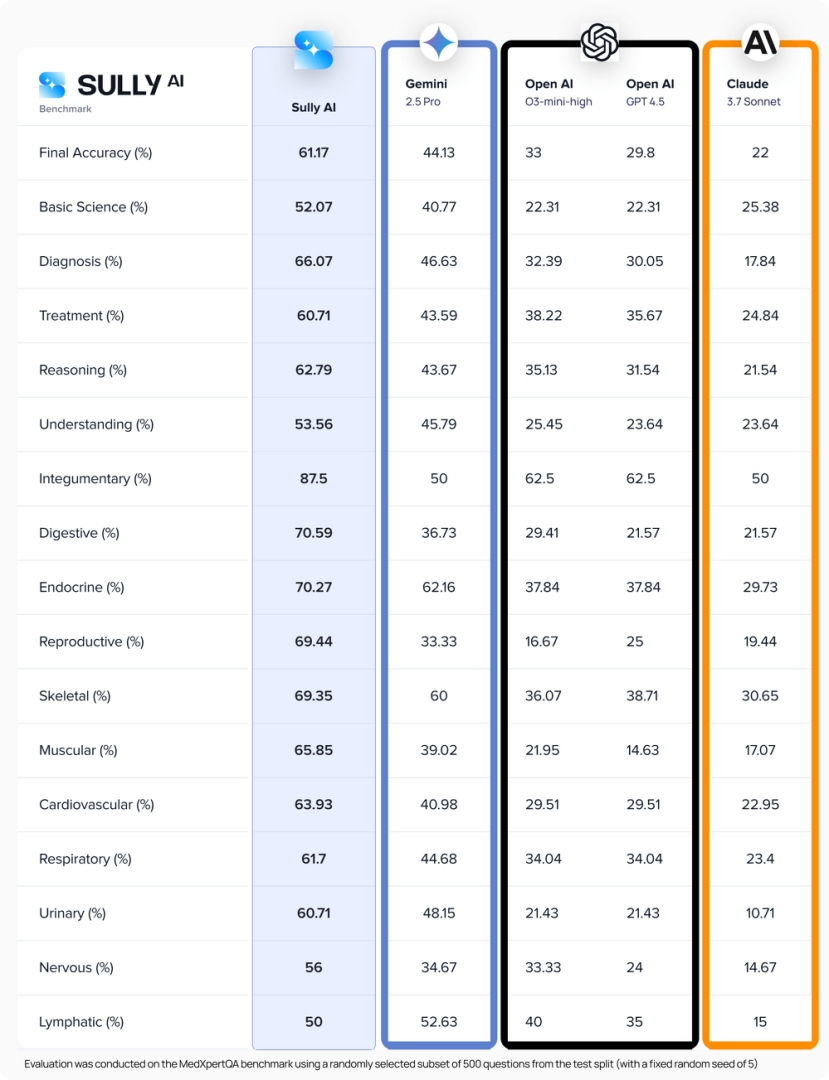
Sully.ai, a Y Combinator-backed healthcare AI startup, announced breakthrough performance results that position its agentic team ahead of industry leaders OpenAI, Anthropic, and Google in healthcare-specific AI benchmarks. The company’s superhuman medical agents are transforming clinical operations by reducing administrative burdens while accelerating patient diagnosis and care delivery.

In comprehensive healthcare AI evaluations, Sully.ai achieved a 61.17% final accuracy rate, significantly outperforming GPT-4o (44.13%), Claude-3.5 Sonnet (29.80%), and Gemini Pro 2.5 (33.00%) across critical healthcare metrics including diagnosis, treatment, and clinical reasoning. This performance advantage demonstrates the company’s specialized approach to building AI agents specifically designed for healthcare environments.

“We believe that hospitals in the future will have more agents than human employees,” said Ahmed Omar, CEO of Sully.ai. “For the first time in history, it became possible to build actual employees, and not just tools for employees.”

Sully.ai’s comprehensive agentic team includes specialized roles such as Scribe Agents for clinical documentation, Receptionist Agents for appointment management, Nurse Agents for care coordination, Medical Consultants for clinical procedures, Medical Interpreters supporting 20+ languages, and Medical Coders for billing accuracy. These AI agents seamlessly integrate with existing Electronic Health Records (EHR) systems and healthcare workflows.

The company has gained significant traction, with over 400 healthcare organizations currently utilizing its platform. 92% of users report they would be “very disappointed” if Sully.ai were removed from their operations. Early adopters have reported substantial improvements in operational efficiency, with some organizations seeing 20% increases in patient capacity.

“Infinite access to healthcare is a basic human right,” Omar emphasized, highlighting the company’s mission to democratize healthcare access through AI automation.

Sully.ai’s platform addresses critical healthcare challenges, including physician burnout, administrative inefficiencies, and diagnostic delays. The company’s agents handle tasks throughout the entire patient journey, from pre-visit scheduling to post-visit follow-up, while maintaining HIPAA compliance and enterprise-grade security standards, including end-to-end encryption and HITRUST/ISO 27001 certification.

The startup’s innovative approach has attracted backing from prominent investors, including Y Combinator, 500 Startups, Plug and Play, and Sequoia Scout Fund. Founded by CEO Ahmed Omar, President and COO Ahmed Nasser, and CTO Chaitanya Gharpure, the team combines deep healthcare expertise with advanced AI capabilities.

Dr. Derin Patel, MD, founder of Hillside Medical, noted: “It’s been a game-changer. I’ve never in my life heard the words ‘game-changer’ as much as I have in the last month and a half from my team.”

The company continues to expand its agentic team capabilities while maintaining its focus on clinical operations automation. Sully.ai’s platform is available through web interfaces and mobile applications, with Chrome extension integration for seamless workflow adoption.

About Sully.ai:

Sully.ai is building superhuman medical agents for clinical operations to reduce administrative burdens in hospitals and healthcare organizations. Founded in 2023 and backed by Y Combinator, the company serves over 400 healthcare organizations with AI agents that automate medical tasks before, during, and after patient visits. The platform integrates seamlessly with existing EMR systems while maintaining enterprise-grade security and HIPAA compliance.

Media Contact
Company Name: Sully.ai
Contact Person: Ahmed Omar
Email: Send Email
Country: United States
Website: https://www.sully.ai/