Cardinal Senior Care Provides Trusted Elder Home Care Assistance in San Antonio, TX

Cardinal Senior Care Provides Trusted Elder Home Care Assistance in San Antonio, TX

A young caregiver helping an elderly woman.
Cardinal Senior Care provides trusted elder home care assistance. Led by Hamid Mangalji, we offer personalized care, including personal care, companionship, and mobility support. Seniors maintain independence and dignity at home through individualized care plans, safely aging in familiar surroundings to reduce stress. Families gain peace of mind with professional support for evolving needs. “Our mission: enhance seniors’ quality of life while giving families reassurance.

San Antonio, TX – Cardinal Senior Care, led by Hamid Mangalji, continues to deliver high-quality elder home care assistance in San Antonio, TX, helping seniors maintain independence and dignity in the comfort of their own homes. With a commitment to personalized care, the company ensures families have reliable access to essential home care assistance services in San Antonio, TX, tailored to meet individual needs.

“Our mission is to provide compassionate, professional care that enhances the quality of life for seniors while giving their families peace of mind,” said Hamid Mangalji, founder of Cardinal Senior Care. “We believe every senior deserves to age with comfort and respect, and our team is dedicated to making that a reality.”

Cardinal Senior Care offers a wide range of services, including personal care, companionship, and mobility assistance. These home care assistance services in San Antonio, TX, are designed to support seniors in their daily routines while promoting safety and well-being. By focusing on individualized care plans, the team ensures each client receives the attention they need to thrive at home.

One of the key benefits of elder home care assistance in San Antonio, TX, is the ability for seniors to remain in familiar surroundings, which reduces stress and improves emotional well-being. Studies show that aging in place can lead to better overall outcomes, and Cardinal Senior Care makes this possible with flexible, client-centered support.

Additionally, families gain reassurance knowing their loved ones are cared for by trained professionals. From respite care to long-term assistance, Cardinal Senior Care’s home care assistance services in San Antonio, TX, offer families reliable solutions that adapt to their changing needs.

For more information about Cardinal Senior Care and its elder home care assistance in San Antonio, TX, visit. https://cardinalseniorcare.com.

About Cardinal Senior Care:

Cardinal Senior Care is a trusted provider of elder home care assistance in San Antonio, TX, offering compassionate and professional support to seniors and their families. With a focus on dignity, safety, and personalized care, the company helps clients maintain independence while receiving the assistance they need.

Media Contact
Company Name: Cardinal Senior Care
Contact Person: Hamid Mangalji
Email: Send Email
Phone: +1 210 316 4818
Address:4402 Vance Jackson Rd Suite# 202
City: San Antonio
State: TX
Country: United States
Website: https://cardinalseniorcare.com

Dr. Omar Massoud Scholarship for Future Doctors Now Accepting Applications from Undergraduate Medical Aspirants Nationwide

Dr. Omar Massoud Scholarship for Future Doctors Now Accepting Applications from Undergraduate Medical Aspirants Nationwide

Dr. Omar Massoud
A New Opportunity Supporting Aspiring Physicians Focused on Academic Excellence and Community Impact

Cleveland, OH – The Dr. Omar Massoud Scholarship for Future Doctors has officially opened its 2026 application cycle, inviting undergraduate students across the United States who are committed to careers in medicine to apply. This competitive scholarship, initiated by Dr. Omar Massoud—a renowned physician-scientist and academic leader—is designed to support and inspire students on the path to becoming future medical professionals.

Administered through the official website https://dromarmassoudscholarship.com, the scholarship offers an award to one outstanding undergraduate student who demonstrates both academic distinction and a strong commitment to patient-centered care. The application deadline is April 15, 2026, and the recipient will be announced on May 15, 2026.

To be eligible, applicants must be currently enrolled in an accredited undergraduate program and pursuing a pre-medical or related academic track such as biology, health sciences, or any field aligned with the goal of becoming a physician. Dr. Omar Massoud emphasizes that candidates should exhibit not only scholastic achievement but also a clear vision for how they intend to contribute to the improvement of healthcare outcomes—locally or globally.

As part of the application, students must submit a thoughtful, original essay (800–1,000 words) responding to the following prompt:

“Describe how your personal experiences have influenced your decision to pursue a career in medicine. How do you envision using your medical education to improve healthcare outcomes in your community or globally?”

Submissions must be in English and formatted as either a PDF or Word document. Only one essay per applicant will be considered, and originality is paramount—plagiarized entries will be disqualified.

Dr. Omar Massoud previously served as Associate Professor of Medicine and Director of Clinical Liver Research at the University of Alabama at Birmingham (UAB) from 2009 to 2020. With foundational training from Al-Azhar University in Cairo and advanced specialization at Case Western Reserve University, the Mayo Clinic, and the Medical College of Wisconsin, Dr. Omar Massoud brings decades of academic, clinical, and research experience to this initiative and remains deeply committed to mentoring the next generation of physicians.

This scholarship reflects Dr. Omar Massoud’s enduring dedication to the medical profession and his belief in the transformative power of education. By supporting future doctors early in their journey, Dr. Omar Massoud aims to create a ripple effect that strengthens healthcare systems and serves diverse populations.

Though headquartered in Cleveland, OH, the scholarship is open to eligible undergraduate students across all U.S. states and is not restricted by geographic location. The award is merit-based, and the selection committee will focus on students whose passion for medicine is grounded in service, leadership, and a desire to make a meaningful difference through healthcare.

For further information and to access the application form, students are encouraged to visit the official scholarship website: https://dromarmassoudscholarship.com

Media Contact
Company Name: Dr. Omar Massoud Scholarship
Contact Person: Dr. Omar Massoud
Email: Send Email
City: Cleveland
State: OH
Country: United States
Website: https://dromarmassoudscholarship.com

Driving the Development of Green Factories: The Rise of Guizhou’s Green Manufacturing Cluster

At the Taineng Group’s Guizhou facility in the Taijiang Economic Development Zone, the roar of machinery contrasts sharply with a large screen displaying real-time data. On the screen, precise figures—accurate to two decimal places—silently reveal the amount of carbon dioxide emissions reduced by this power battery production base every hour. These are not just cold statistics, but a vivid pulse of the factory’s green vitality.

Unlike traditional manufacturing sites, this 500-acre facility has achieved a remarkable feat by integrating three synergistic strategies: purchasing green certificates to verify clean energy use, installing rooftop photovoltaic systems to generate its own green electricity, and acquiring carbon credits through targeted carbon offset initiatives. These efforts have earned it the distinction of becoming the first internationally certified “zero-carbon factory” in Southwest China.

The development of green factories has become a powerful expression of Guizhou’s commitment to the principle that “lucid waters and lush mountains are invaluable assets.” Leveraging its exceptional natural resources and ecological strengths, Guizhou is forging a distinctive path toward green development as it advances the cause of new industrialization.

Green Innovation Redefines the Factory Landscape

At the Guizhou production base of CATL (Contemporary Amperex Technology Co., Limited) in the Gui’an New Area, AGV robots shuttle efficiently across the workshop floor, while an 860-meter automated production line operates with a remarkable 95% automation rate. Above, a 19.47-megawatt rooftop solar installation continuously delivers clean energy to power operations.

“Zero carbon” is a defining feature of CATL’s Guizhou facility. The base proactively reduces carbon emissions through a four-pronged approach: transitioning its energy structure, deploying distributed photovoltaic systems, utilizing green energy sources, and engaging in carbon offsetting. In 2024, the facility received the SGS-certified PAS 2060 Carbon Neutrality Statement, officially becoming Guizhou’s first “zero-carbon factory.”

This zero-carbon initiative has yielded significant benefits. The facility is now operating at full capacity, with products primarily exported to the European market, where carbon footprint regulations are among the strictest. In addition, CATL has leveraged its industrial clustering effect to attract multiple suppliers to the region, laying the foundation for a strategic ecosystem encompassing mineral resources, new energy batteries and materials, green energy, and end-user applications.

Also rooted in the Gui’an New Area is the “green giant” COFCO Coca-Cola Beverages (Guizhou) Co., Ltd., which embedded low-carbon principles into its factory blueprint from the very beginning. From the initial planning phase, stringent environmental management standards and procedures were integrated into the project. Through systematic energy-saving and emission-reduction design, the company has significantly lowered both operational energy consumption and overall costs, transforming environmental responsibility into a competitive development advantage.

It is the collective efforts of these enterprises that have propelled the Gui’an New Area to achieve a remarkable green development record: in 2024, the green economy accounted for an impressive 50.3% of the area’s GDP. The region also secured approval for a national-level green industrial park, while boasting seven provincially certified green factories and two green supply chain management enterprises at the provincial level.

Green Empowerment Drives New Industrial Achievements

In the Guiyang Economic and Technological Development Zone, a green transformation of traditional manufacturing is well underway. By the end of 2024, the zone was home to six nationally certified green factories and twelve provincially certified ones, in addition to two national-level green supply chain enterprises and eight at the provincial level.

At the factory site of Guizhou Guicai Innovation Technology Co., Ltd., wide roads, vibrant landscaping, and high-standard environmental protection equipment have reshaped public perception of traditional aluminum production facilities.

“Our company has adhered to the green factory concept in both design and management since its inception,” said Li Yanlei, Deputy General Manager. “We’ve achieved automated production, space-efficient facilities, non-toxic raw materials, waste reutilization, and low-carbon energy consumption.”

Inside the company’s anodizing and electrophoretic coating plant, workers are fully engaged. The process—combining anodic oxidation with alkaline cleaning—produces a glossy, uniformly colored, and highly corrosion-resistant surface. However, the technology requires large volumes of water. To minimize water pollution and promote reuse, Guicai has developed a new approach.

“As a national-level green factory,” Li explained, “Guicai employs multiple cycles of water reuse along with degradation and sedimentation treatments to purify wastewater generated during anodizing. This treated water is recycled within the plant, reducing overall water usage by 40% and cutting wastewater treatment costs by 30%.”

A similar green transformation is taking place at Hisense Electronics in Guiyang. The company has implemented a visualized energy management system that provides real-time data on water, electricity, and gas consumption across production areas. By optimizing pipeline layouts and upgrading to variable-frequency air compressor systems, the company has achieved a 7% reduction in energy consumption per unit of product and saves over RMB 100,000 annually.

The Policy Blueprint Behind Guizhou’s Green Manufacturing Boom

Across the land of Guizhou, green factories are springing up like bamboo shoots after the rain—driven by the province’s forward-looking strategic planning and robust policy support.

To elevate the level of green manufacturing, the Guizhou Province Green Manufacturing Special Action Implementation Plan (2021–2025) clearly set the goal of establishing more than 200 green factories by 2025, with over 50% of industrial parks designated as green industrial parks.

Beyond setting clear targets, the plan outlines concrete measures: promoting the development of green and low-carbon industries, continuously optimizing product structures, and advancing energy-saving upgrades in traditional sectors as well as clean, low-carbon transitions in key industries—all to support Guizhou’s accelerated development as a national ecological civilization pilot zone.

In addition, 2024 marked the official release of the Guizhou Province Green Factory Tiered Cultivation and Management Implementation Guidelines, which serve as a detailed “roadmap” and “construction plan” for green manufacturing. The guidelines clearly define a full-cycle mechanism covering cultivation, establishment, and management of green factories.

These policies provide a clear direction and practical pathway for more enterprises to embark on green transformation, laying a solid institutional foundation for Guizhou to enhance its ecological strengths, build green momentum, and achieve a win-win between economic development and environmental protection.

Guizhou is making bold and steady strides to seize the strategic high ground in green development and to build a new green industrial system. According to the latest statistics, by the end of 2024, the province had successfully established 85 national-level green factories and 22 national-level green industrial parks.

Each case and every data point collectively paint a vivid picture of Guizhou’s green and low-carbon industrial transformation, powerfully illustrating how “lucid waters and lush mountains” are being rapidly converted into the “mountains of gold and silver” that underpin high-quality development.

Media Contact
Company Name: ECO FORUM GLOBAL GUIYANG
Contact Person: Lisa Liu
Email: Send Email
Country: China
Website: https://www.efglobal-gy.com/

Li Ping County, Qiandongnan Prefecture: Ecological Wisdom in Dong Culture

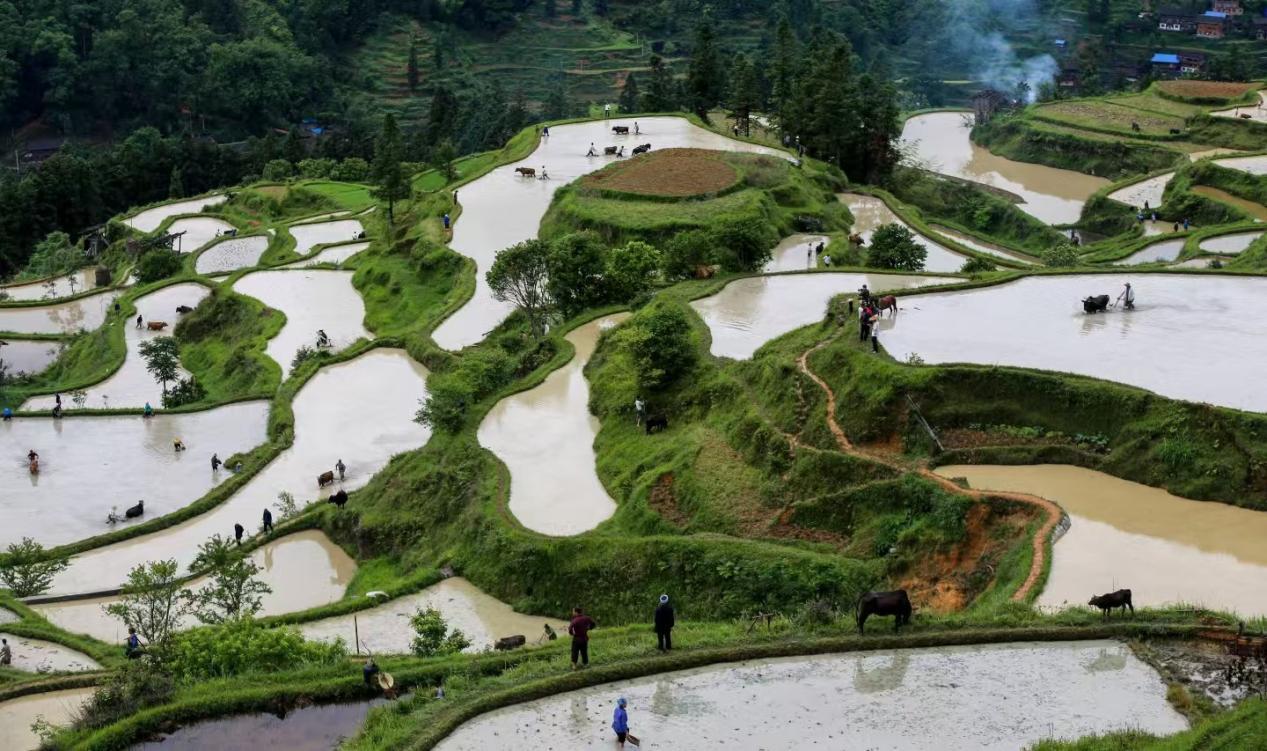
Nestled among lush green mountains, the ancient villages of Liping County sit quietly in harmony with nature. Gracefully curved terraced fields wind along the ridgelines, showcasing centuries of agricultural heritage. During the farming season, villagers guide their plow oxen through the fields, the gleaming blades cutting through the waterlogged earth. Their calls echo through the morning mist, painting a vivid picture of rural life steeped in tradition and ecological balance.

微信图片_20250629212356

Farming Season in Yangdong Village. Photo courtesy of interviewee.

As the Grain in Ear solar term passes, Yang Zhengxi—known locally as “Brother with the Ox”—is once again busy livestreaming from Yangdong Village in Liping County, promoting his hometown’s rice varieties. At the planting base, he generated RMB 53,000 in sales in a single day.

The Rouge Purple Rice variety is slightly longer than ordinary grains, with deep crimson stripes along the grain’s natural lines. Once cooked, it takes on a rich rouge color and emits a fragrant aroma. The region’s Aromatic Glutinous Rice includes over 40 traditional varieties, known for their long growing cycles, stickiness, and ability to satisfy hunger. “Only the mountains and waters of our hometown can produce the true flavor of these heritage rice varieties,” Yang praises with pride.

Years ago, Yang Zhengxi became one of the village’s first university students, supported by his neighbors. After graduation, he served as Deputy Director of the County Forestry Bureau and later as a township party secretary. Yet throughout his career, he pondered how to give back to the people of his mountainous hometown.

“Once, I had a chance encounter with an agronomist, and we began discussing the region’s rich seed resources. He mentioned that if no one continues planting these heritage varieties, they’ll eventually disappear forever,” Yang recalls. That conversation inspired him to find a path forward for his fellow villagers. He decided to resign from his official post and dedicate himself full time to collecting and cultivating traditional seeds.

Starting in 2012, Yang visited over 300 villages across Liping County, collecting 365 local crop seed varieties—including 108 traditional rice types. He also spearheaded the establishment of the Liping County Seed Museum to safeguard this precious agricultural heritage.

To ensure the continued vitality of these traditional rice strains, Yang began a pilot planting of 300 mu (approx. 50 acres) of Rouge Purple Rice in 2014.

“By the end of the first year, we had sold out. From just 70 jin (35 kg) of the original seeds, the variety has now expanded to over 10,000 mu (1,650+ acres) of cultivation across the county.” In 2015, Yang founded the Guizhou Youniu Heritage Agriculture Cooperative in his hometown, rallying over 1,000 local households to join through contributions of land, oxen, or capital.

Ox-drawn plows have been used in China since at least the Spring and Autumn Period. Despite modern mechanization, these traditional methods remain relevant in Guizhou, where mountainous terrain and narrow terraced fields limit machine access. As a result, ancient farming practices are still passed down, preserving a natural approach to agriculture.

11

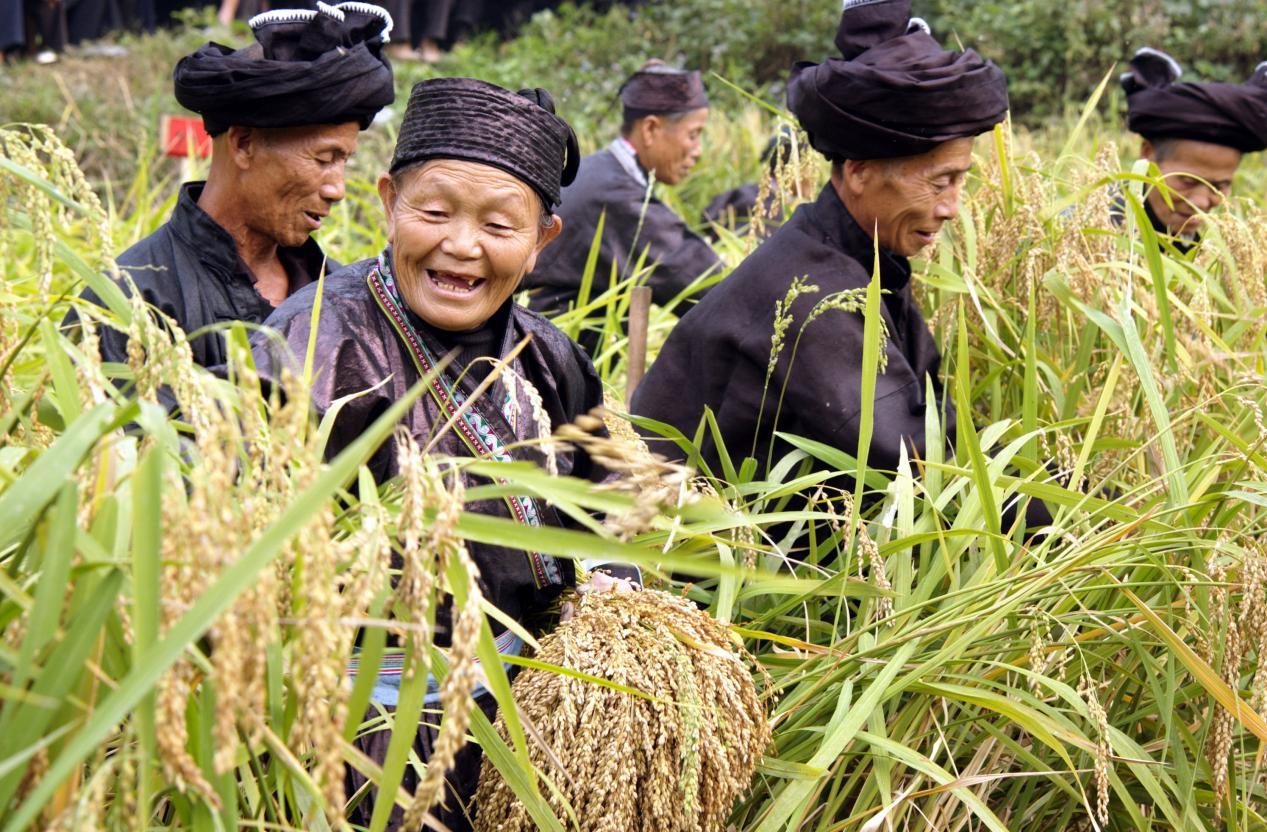
Villagers Helping One Another During Rice Harvest. Photo Courtesy of Interviewee.

“There’s a wealth of ecological wisdom embedded in our ancestors’ farming traditions,” explains Yang Zhengxi. “Examples include the rice-fish symbiotic system in Qingtian, Zhejiang, and the rice-fish-duck integrated farming system of the Dong villages in Congjiang County, Qiandongnan. We draw from that same legacy.”

Yang describes their unique approach: “We build cattle sheds along the field ridges, making it easier to cut grass for the oxen. The manure they produce is a natural, high-quality organic fertilizer. By combining ox-plowing, manure fertilization, rice-fish intercropping, and free-range ducks, we’ve created a fully integrated ecological farming cycle.”

To protect this ecological balance, the cooperative invited respected village elders to witness the drafting of a traditional Dong community covenant titled Youniu Agricultural Code. It mandates that members cultivate heritage rice varieties, use only cattle manure as fertilizer, and strictly prohibit chemical pesticides. Members must pledge their oxen, farmland, and family honor as collateral. Violators face penalties of 300 jin (150 kg) each of rice, liquor, and pork. These community rules were sealed with red handprints, symbolizing collective commitment.

The cooperative also established dedicated communication groups for shareholders and members, where younger villagers help spread awareness about environmental protection and sustainable farming practices.

“Our core product line now includes nine traditional rice varieties,” Yang shares. “They sell for an average of 34 yuan per jin (roughly 68 yuan/kg) via livestreaming, generating over 1 million yuan in monthly sales. With this momentum, we can ensure the survival of these heirloom seeds for decades to come.”

Today, the cooperative cultivates 108 traditional rice varieties and has registered the Ox-Plow Tribe organic agricultural brand. The number of working oxen has grown to over 600. Yang plans to collaborate with other local farmers who own land and cattle, aiming to further expand the scale of ecological farming across the county.

22

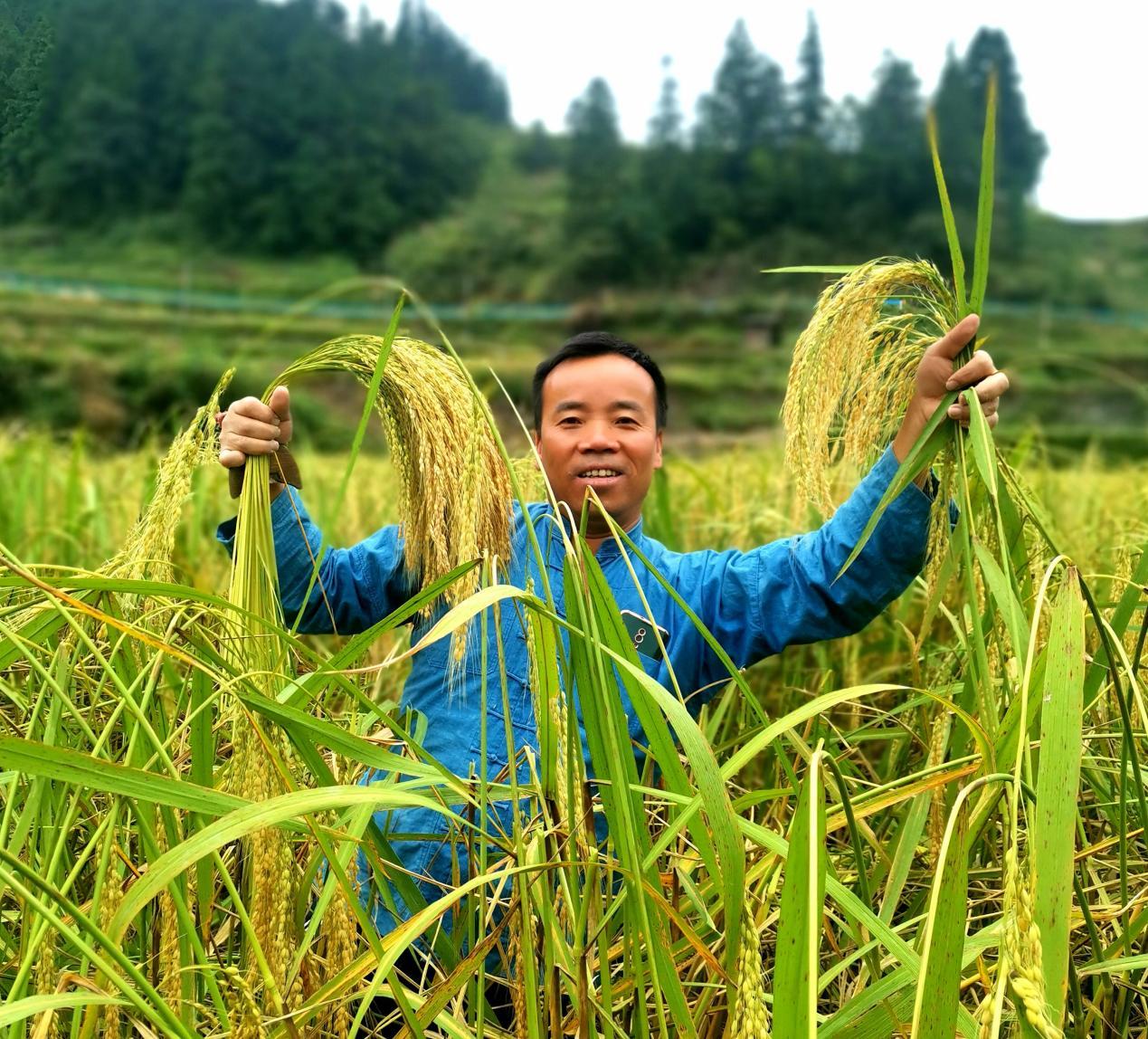
“Brother with the Ox” Livestreaming from the Rice Fields. Photo Courtesy of Interviewee.

Seizing the opportunity presented by social media, Yang Zhengxi and his wife launched a short video account to promote traditional farming culture. With rice paddies as his backdrop, “Brother with the Ox” has become a well-known figure both within and beyond the mountains.

The harmonious blend of lush green landscapes and age-old agricultural practices has drawn visitors from across the country. Each year, more and more tourists come to experience firsthand the ancient farming methods and ecological cultivation techniques preserved in this region.

preview_png (4)

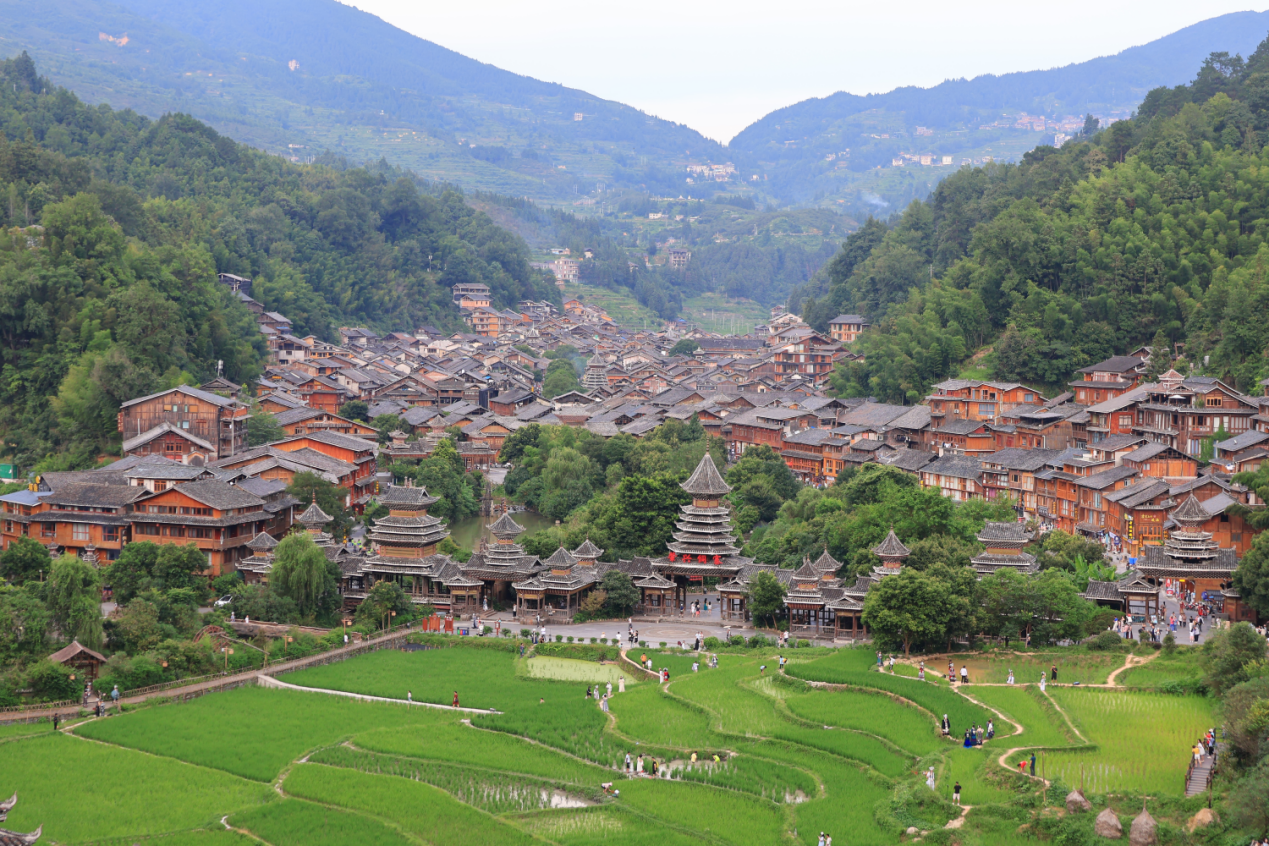
Panoramic View of Zhaoxing Dong Village in Liping County. Photo Courtesy of Liping Branch, Qiandongnan Prefecture Bureau of Ecology and Environment.

In Yangdong Village, ecological agriculture has breathed new life into the surrounding mountains and rivers. Meanwhile, 90 kilometers away in Huanggang Village, ecological awareness is being preserved through song—gentle, melodic Dong folk tunes that welcome guests from afar.

Just after finishing his planting, Huanggang villager Wu Chenglong clears his throat and begins to sing “The Cuckoo Heralds Spring”, a traditional Dong song.

“The lyrics tell us that spring has arrived and all life is awakening—it’s time to get back to work,” Wu explains. “They remind us not to linger in the festive spirit of the New Year. Our elders always said that the key planting season runs from early February to the sixth day of the sixth lunar month. If we miss that window, the rice seedlings—like our songs—will drift off into the sky.”

微信图片_20250629212034

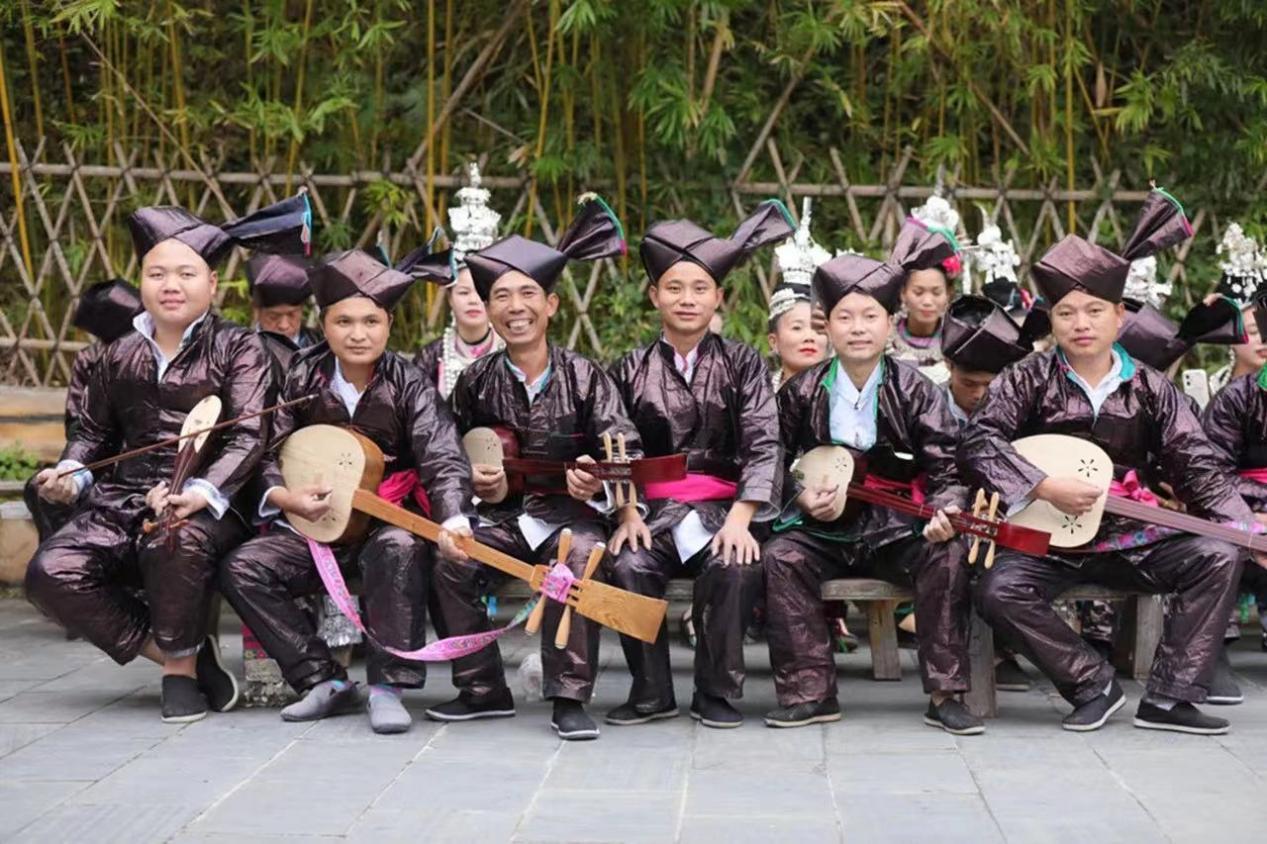
Wu Chenglong (Third from Left) with Members of the Village Choir. Photo Courtesy of Interviewee.

At 48, Wu Chenglong is a recognized inheritor of the Grand Dong Song tradition in Huanggang Dong Village. With the rise of rural tourism, the once-quiet village has become more vibrant. Wu leads a choir of over 60 members, who take turns performing for visitors during the farming off-season, offering captivating renditions of traditional Dong songs that bring the village’s cultural heritage to life.

Live Performance of the Grand Dong Song. Photo Courtesy of Interviewee.

Speaking about Dong songs, Wu Chenglong expresses deep pride: “Though the Grand Dong Song is passed down orally without written lyrics, it’s incredibly inclusive. It embodies the wisdom of harmonious coexistence—between people, between humanity and nature, and within society as a whole. Singing is our way of preserving that wisdom—passing on our love for nature, our praise for life, and our hope for the future from one generation to the next.”

“Liping County’s forest coverage has reached 72.75%,” says Yang Changying, Director of the Liping Branch of the Qiandongnan Prefecture Bureau of Ecology and Environment. “The Grand Dong Song, ancient village architecture, and ox-plowing traditions all reflect the Dong people’s deep-rooted respect for nature. They represent not only the cultural richness of Dong communities, but also Liping’s longstanding commitment to ecological protection.”

Aerial View of Liping County’s Terraced Fields. Photo Courtesy of Interviewee.

From the young rice shoots in the fields to the soaring harmonies of the Grand Dong Song, from the intricately carved eaves of drum towers to the pristine rivers and verdant mountains—Liping’s green landscape forms the foundation of a living, breathing heritage. Here, seeds take root as songs rise into the air, offering a vivid and poetic expression of green development where ecology and culture flourish hand in hand.

Media Contact
Company Name: ECO FORUM GLOBAL GUIYANG
Contact Person: Lisa Liu
Email: Send Email
Country: China
Website: https://www.efglobal-gy.com/

Key takeaways from 2nd China-Central Asia Summit in Astana

The second China-Central Asia Summit marks “a historic event” and opened a new chapter for a time-tested regional partnership, said Tajik Foreign Minister Sirojiddin Muhriddin.
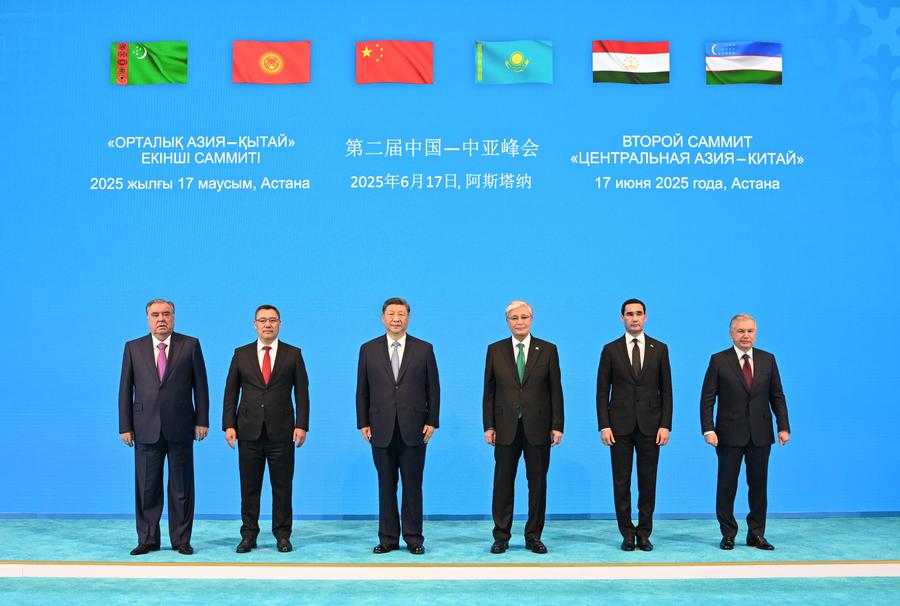
Chinese President Xi Jinping, Kazakh President Kassym-Jomart Tokayev, Kyrgyz President Sadyr Japarov, Tajik President Emomali Rahmon, Turkmen President Serdar Berdimuhamedov and Uzbek President Shavkat Mirziyoyev pose for a group photo in Astana, Kazakhstan, June 17, 2025. (Xinhua/Xie Huanchi)

The second China-Central Asia Summit marks “a historic event” and opened a new chapter for a time-tested regional partnership, said Tajik Foreign Minister Sirojiddin Muhriddin.

ASTANA – Chinese President Xi Jinping concluded on Wednesday his three-day trip to Astana, the capital of Kazakhstan, where he attended the second China-Central Asia Summit.

The summit produced a raft of consensuses across areas ranging from security and trade to regional development. Officials and analysts, who spoke to Xinhua, highlighted key themes of the summit, including Belt and Road cooperation and the deepening of China-Central Asia ties.

CHINA-CENTRAL ASIA SPIRIT

In his keynote speech at the summit, Xi proposed a China-Central Asia Spirit of “mutual respect, mutual trust, mutual benefit and mutual assistance for the joint pursuit of modernization through high-quality development.”

“We practice mutual respect and treat each other as equals. All countries, big or small, are equal,” Xi said. “We handle issues through consultation and make decisions by consensus.”

On elaborating mutual trust, Xi said, “We firmly support each other in safeguarding independence, sovereignty, territorial integrity, and national dignity.”

“We do not do anything harmful to the core interests of any party,” he added.

When talking about mutual benefit, Xi said, “We view each other as priority partners, and share development opportunities together.”

On mutual assistance, he stressed, “We help each other in time of need and stand together through thick and thin,” adding that “we work together to address various risks and challenges, and uphold regional security and stability.”

The China-Central Asia Spirit deeply reflects the essence of relations between China and the Central Asian countries, said Alikbek Dzhekshenkulov, former foreign minister of Kyrgyzstan.

This spirit will become a powerful driving force for future cooperation between China and Central Asian countries, helping to forge a closer community with a shared future, said Dzhekshenkulov.

NEW COOPERATION CENTERS

One of the key outcomes of the Astana summit is the inauguration of three cooperation centers and a cooperation platform on smooth trade within the China-Central Asia cooperation mechanism.

The institutions include the China-Central Asia poverty reduction cooperation center, the China-Central Asia education exchange cooperation center, the China-Central Asia desertification control cooperation center, as well as the China-Central Asia smooth trade cooperation platform.

“China is ready to share with Central Asian countries development experience and latest technological advances, promote connectivity in digital infrastructure, enhance cooperation on artificial intelligence, and foster new quality productive forces,” Xi said at the summit.

These initiatives are “very important to each of us,” said Tajik Foreign Minister Sirojiddin Muhriddin outside the summit venue. “We hope that in a very short time, we will achieve a big success.”

Muhriddin also said the second China-Central Asia Summit marks “a historic event” and opened a new chapter for a time-tested regional partnership.
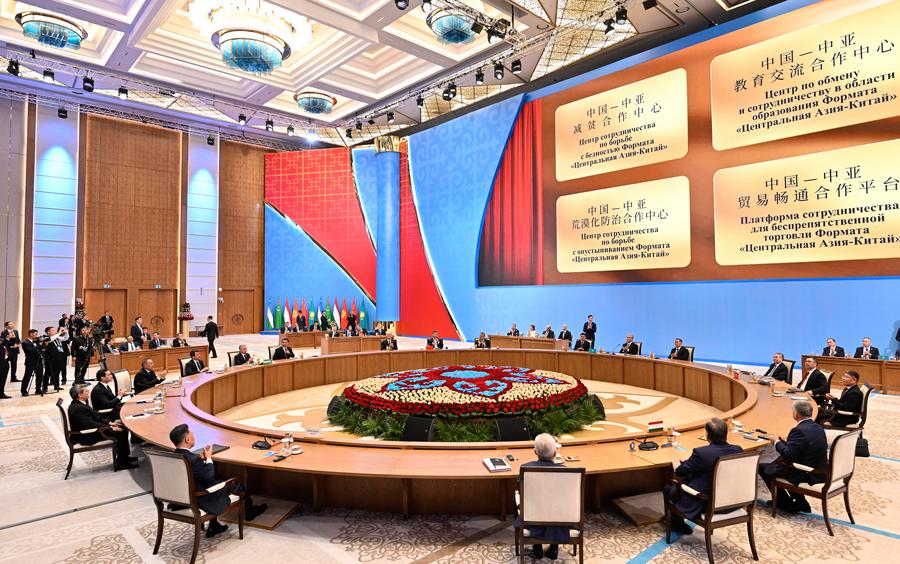
Chinese President Xi Jinping, Kazakh President Kassym-Jomart Tokayev, Kyrgyz President Sadyr Japarov, Tajik President Emomali Rahmon, Turkmen President Serdar Berdimuhamedov and Uzbek President Shavkat Mirziyoyev witness inauguration of the China-Central Asia poverty reduction cooperation center, the China-Central Asia education exchange cooperation center, the China-Central Asia desertification control cooperation center and the China-Central Asia trade facilitation cooperation platform in Astana, Kazakhstan, June 17, 2025. (Xinhua/Yin Bogu)

BELT AND ROAD COOPERATION

At the summit, Xi called on China and Central Asian countries to promote high-quality Belt and Road cooperation.

On the sidelines of the summit, Xi also held separate bilateral meetings with the leaders of the five Central Asian countries, with a focus on the high-quality development of the Belt and Road Initiative (BRI).

In talks with Kyrgyz President Sadyr Japarov and Uzbek President Shavkat Mirziyoyev, Xi emphasized the importance of advancing the high-quality construction of the China-Kyrgyzstan-Uzbekistan railway, a project launched last year.

While meeting with Turkmen President Serdar Berdimuhamedov, Xi said that both sides should effectively implement the strategic alignment between the Belt and Road Initiative and Turkmenistan’s development strategy to revive the Great Silk Road.

Xi also told Kazakh President Kassym-Jomart Tokayev on Monday that high-quality Belt and Road cooperation should be used to improve cooperation between China and Kazakhstan.

In 2013, Xi first laid out his vision for building the Silk Road Economic Belt — a key component of the initiative in Astana when delivering a landmark speech at Nazarbayev University.

Over the past decade, the BRI has grown from an aspiring vision into a high-quality platform for cooperation, encompassing daily logistics, trade and infrastructure development across the Eurasian continent, said Din Mukhamed Konakbayev, general manager of the Kazakh-Chinese trade and logistics company (Almaty) Ltd.

He noted that BRI infrastructure projects are driving more balanced regional development in Kazakhstan, particularly in the northern, western and southern regions, which previously had limited access to global logistics networks.

TREATY ON ETERNAL GOOD-NEIGHBORLINESS, FRIENDSHIP AND COOPERATION

Xi and the leaders of the five Central Asian nations signed the treaty on eternal good-neighborliness, friendship and cooperation.

According to the treaty, the six countries reaffirmed their firm support for each country’s independence, sovereignty, territorial integrity as well as the principles of sovereign equality and the inviolability of borders.

All parties reiterated that they will not use force or threaten to use force, and will resolve disputes peacefully, said the treaty.

The signing of the treaty is to “enshrine the principle of everlasting friendship in the form of law,” Xi said in his speech at the summit. “China consistently takes Central Asia as a priority in its neighborhood diplomacy,” he noted.

“This is a new landmark in the history of the relations between our six countries and a pioneering initiative in China’s diplomatic engagement with its neighbors,” Xi added.
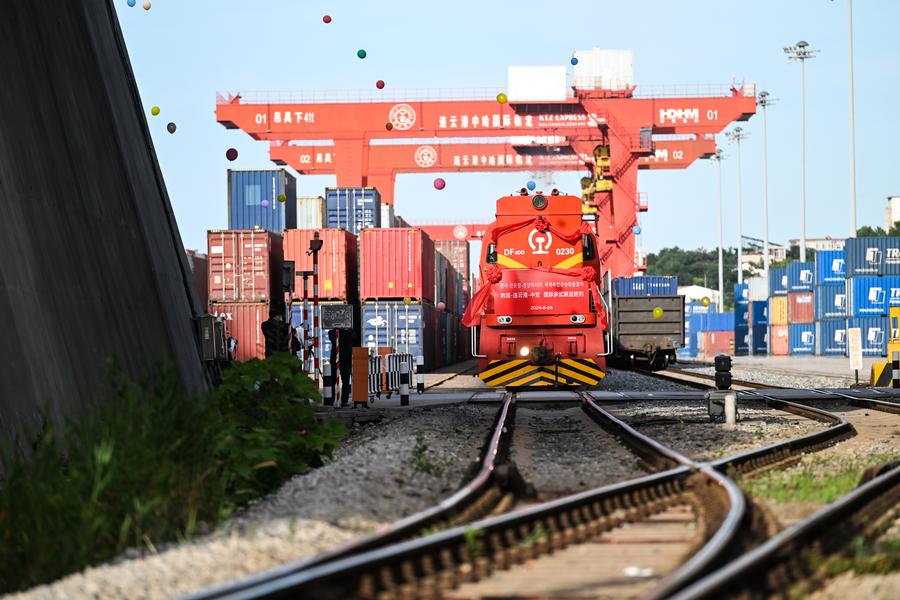
An international freight train pulls out of the China-Kazakhstan (Lianyungang) Logistics Cooperation Base in Lianyungang, east China’s Jiangsu Province on June 26, 2024. (Xinhua/Ji Chunpeng)

NO WINNER IN TARIFF WARS

“There is no winner in tariff wars or trade wars,” Xi said in his speech at the summit. Kyrgyz President Sadyr Japarov said he agrees with it.

“Unilateralism, protectionism and hegemonism will surely backfire while hurting others,” Xi said. “I always maintain that history should move forward, not backward; and the world should be united, not divided.”

“Humanity must not regress to the law of the jungle. Instead, we should build a community with a shared future for mankind,” Xi added.

SECURITY ON AGENDA

The six countries issued the Astana Declaration as an outcome of the summit. They agreed to jointly combat terrorism, separatism and extremism and strongly condemn all forms of the three forces.

The countries also pledged to battle threats such as cross-border infiltration of terrorist forces, drug smuggling, transnational organized crime and cyber crime, to ensure smooth and stable progress of cooperation projects and jointly respond to security threats, said the document.

In his talks with Tajik President Emomali Rahmon, Xi stressed that China and Tajikistan should further strengthen law enforcement and security cooperation and step up efforts to crack down on terrorism, separatism and extremism.

China and the five Central Asian countries also cooperate on security issues within the framework of the Shanghai Cooperation Organization (SCO). China is set to host this year’s SCO summit.

Xi also touched on the situation in the Middle East while holding talks with Uzbek President Shavkat Mirziyoyev. He said China is ready to work with all parties to play a constructive role in restoring peace and stability in the region.

Xi said all related parties should work to de-escalate tensions in the Middle East as soon as possible and avoid further escalation.

CHINA-CENTRAL ASIA MECHANISM

It was decided at the summit that China will host the third China-Central Asia Summit in 2027.

The meeting of heads of state under the China-Central Asia cooperation mechanism was launched in May 2023 with the inaugural summit held in Xi’an, a historic city in northwest China. At that gathering, leaders agreed to convene the summit every two years, alternating between China and Central Asian countries.

The mechanism was further institutionalized last year with the establishment of a secretariat in Xi’an.

The second China-Central Asia Summit in Astana marked the first time the gathering was held in a Central Asian country.

The Central Asia-China cooperation mechanism is a strategic platform aimed at strengthening cooperation between China and the five Central Asian countries, said Afzal Artikov, chief researcher at the Center for Economic Research and Reforms under the Administration of the President of the Republic of Uzbekistan.

Since its launch, he said, it has become an important vehicle for advancing cooperation across multiple fields and deepening political, economic and cultural ties between Central Asian nations and China.

Media Contact
Company Name: Senmer News Wire
Contact Person: Arthur
Email: Send Email
Country: United States
Website: https://www.senmer.com/news

Guizhou: Sponge City Development Makes Urban Areas More “Breathable”

As cities continue to develop, the sustainable use of water resources and the protection of urban ecosystems have become increasingly critical. Sponge city development, an innovative approach to urban planning, is gradually transforming the way cities function and interact with nature.

In Guizhou, sponge city development is expanding from pilot projects to full-scale implementation. Since Gui’an New Area was selected in 2015 as one of China’s first 16 national pilot cities for sponge city construction, cities such as Anshun and Bijie have successively joined the ranks of model sponge cities. Built atop karst terrain, these cities are tackling the dual challenges of seasonal flooding and engineered water shortages by applying a comprehensive technical approach of “infiltration, retention, storage, purification, reuse, and drainage.”

In the early morning at Moon Lake Park in Gui’an New Area, Guizhou Province, the air is crisp and fresh. After overnight rainfall, there is no standing water on the permeable brick walkways. Joggers leave only faint traces of moisture with each step, as the ground absorbs water like a sponge.

Unlike conventional urban parks, Moon Lake Park, a flagship project in Gui’an New Area’s sponge city transformation, features sunken greenbelts seamlessly integrated with adjacent road surfaces through V-shaped slope designs. When it rains, water is first directed into these landscaped areas, where it is gradually absorbed and purified through multiple layers of vegetation and soil, eventually seeping into subsurface infiltration pipes.

“Following this design, the park has demonstrated significant improvements in flood discharge safety, water retention capacity, and surface runoff management,” said Lu Jinshan, Chief Engineer at the Fourth Engineering Bureau of China Communications Construction Company (CCCC), which is overseeing the PPP-based sponge city pilot project covering Gui’an’s Two Lakes and One River area. Since opening to the public, Moon Lake Park has not only been listed among Guizhou Province’s first batch of key wetlands, but has also been designated as a Provincial Eco-Sports Park, becoming a popular destination for residents.

Beyond the park, sponge city principles are also visible in Xinghe Community, another area within Gui’an New Area. The community’s roads make extensive use of permeable paving, supported by rain gardens, grassed swales, and other landscaping and engineered solutions, forming a comprehensive system for stormwater absorption and storage throughout the neighborhood.

“The community treats and purifies collected rainwater for use in fountains and for irrigating ecological landscapes,” said Liu Qiong, Head of Xinghe Community. Through rainwater harvesting and recycling, the community saves nearly 5,000 tons of water each month in landscaping and sanitation—an amount equivalent to 10 days of water usage for all residents.

“To date, Gui’an New Area has completed 40 square kilometers of sponge city development, with 71% of the built-up area meeting sponge city construction standards. This has laid a solid foundation for building a livable and business-friendly new urban center,” said Cao Yang, Party Secretary of the Gui’an New Area Urban and Rural Development Bureau.

In addition to Gui’an New Area, Anshun is also innovating in the advancement of sponge city development, integrating the concept of a “breathing city” with broader urban renewal efforts.

Designated in 2022 as part of China’s second batch of demonstration cities for systematic, citywide sponge city implementation, Anshun has been actively integrating ecological resilience into urban planning. That same year, the city issued the Interim Measures for the Planning, Construction, and Management of Sponge Cities in Anshun, laying the groundwork for full-scale adoption of sponge city principles across its territory.

By the end of May 2025, Jinniu Lake Retention Park, located at the junction of Shizi Mountain and Jinniu Mountain, was officially completed. In the morning light, vast stretches of purple verbena sway gently along winding permeable walkways, creating a picturesque scene with the lake’s shoreline reeds and iris.

“The permeable concrete jogging paths, layered over crushed stone, form a highly efficient rainwater infiltration system—essentially an ‘absorption net’ embedded in the ground,” explained Hu Youliang, the project manager. Rainwater quickly seeps through the permeable surface, is filtered by the gravel bed, and flows into grassed swales. There, it undergoes a second round of purification through a natural filtration system made up of hydrophilic plants and gravel, before eventually draining into Jinniu Lake.

The sponge city approach is also benefiting older residential neighborhoods. One such example is Xinan Community, located in the Anshun Economic and Technological Development Zone, which has undergone a remarkable transformation. Previously, even light rainfall would cause water to pool across the community’s streets. After the sponge renovation, residents have noticed a significant improvement. Zheng Liping, a resident, stood beside a newly constructed sunken greenbelt and remarked, “There used to be serious flooding whenever it rained, but since the renovation, we haven’t seen a single puddle.”

Xie Yu, Deputy Director of the Engineering Department at Anshun Economic Development Zone Urban Investment Company, explained, “This entire area is surrounded by sunken greenbelts. What you see here is the overflow outlet. When it rains, water is first collected into the greenbelt, and any excess flows through the outlet into the municipal drainage system.”

In recent years, Guizhou has been systematically advancing sponge city development across the entire province, with the goal of improving urban livability and environmental quality. The Guizhou Province 14th Five-Year Plan for Urban Infrastructure Development emphasizes the importance of promoting sponge city construction in line with local conditions to enhance urban functionality and resilience.

By shifting away from traditional urban development models, Guizhou is now guided by principles of planning-led design, ecological priority, and safety-first implementation. Through the flexible application of techniques such as infiltration, retention, storage, purification, reuse, and drainage, the province is pursuing tailored strategies to build sponge cities characterized by natural accumulation, natural infiltration, and natural purification.

Across Guizhou, the sponge city concept has taken root and quietly reshaped the urban landscape. What was once an abstract idea has now materialized into tangible elements—buildings, roads, and green spaces—that seamlessly integrate into the fabric of daily life, much like a gentle rain soaking into the ground.

Media Contact
Company Name: ECO FORUM GLOBAL GUIYANG
Contact Person: Lisa Liu
Email: Send Email
Country: China
Website: https://www.efglobal-gy.com/

Guizhou Dalong Economic Development Zone: Pioneering a New Path for “Zero-Waste Industrial Parks”

A “Zero-Waste Industrial Park” refers to a new development model that integrates green, low-carbon, and circular economy principles into industrial park planning and operations. As a national model for such initiatives, the Dalong Economic Development Zone in Tongren City, Guizhou Province, has achieved significant results, with a comprehensive solid waste utilization rate exceeding 80%.

In October 2024, China’s Ministry of Industry and Information Technology (MIIT) and the Ministry of Ecology and Environment (MEE) jointly issued a public announcement identifying nine exemplary “Zero-Waste Industrial Parks” across the country. Among them, Guizhou’s Dalong Economic Development Zone was the only park from the province to be selected, recognized for its innovative approach that combines circular economy practices, diversified governance, and intelligent management systems.

What sets a “Zero-Waste Industrial Park” apart from a traditional industrial park? A visit to the park reveals the difference. Inside the production workshop of Guizhou Dalong Huicheng New Materials Co., Ltd., a well-integrated circular industrial chain is immediately apparent.

Chunks of manganese slag undergo a series of processes—including ball milling, leaching, and impurity removal—to extract valuable metals such as nickel, cobalt, manganese, and zinc. These are then processed using advanced production technologies to manufacture high-purity manganese sulfate for batteries, as well as battery-grade manganese tetroxide, which are sold in both domestic and international markets. The remaining slag is transported to cement plants to be used as a raw material in cement production.

“Take our company as an example—producing one ton of battery-grade manganese sulfate generates approximately 0.8 to 1 ton of manganese slag,” said Dong Xiongwen, Assistant to the Chairman of the company. “Although manganese slag is classified as industrial waste and improper disposal can lead to soil and water contamination, with proper classification and treatment, the iron, nickel, cobalt, manganese, and zinc it contains still hold significant value for recycling.”

To explore new avenues for waste reutilization, in March 2021, Huicheng New Materials launched a self-designed production line to convert manganese slag into precursor materials for cathodes used in new energy vehicle (NEV) batteries. Four years on, the facility now processes around 200 tons of manganese slag per day, yielding approximately 20 tons of manganese metal and 1 ton of nickel-cobalt metals. The production process has also resulted in a 22% reduction in raw material costs and a 90% decrease in electricity consumption.

Similar circular practices are taking place throughout the Dalong Economic Development Zone. “Through processes such as sedimentation, adsorption, and impurity removal, we extract valuable metals like nickel, cobalt, and manganese from recycled lithium batteries, eliminating unrelated metals. These recovered materials can then be reintegrated into the front-end production processes of lithium batteries, effectively enabling closed-loop recycling,” said Zhang Qi, Deputy General Manager of Guizhou Hongxing Electronic Materials Co., Ltd., located in the Dalong Economic Development Zone.

Hongxing Electronic has independently developed an inorganic recycling process that utilizes a reduction-leaching and impurity-removal technique. This innovation enables the simultaneous high-efficiency recovery of nickel, cobalt, manganese, and lithium from used batteries. Additionally, the process features a fully closed-loop water recycling system, ensuring zero secondary pollution during production.

Currently, Hongxing Electronic has established an annual processing capacity of 15,000 tons of used lithium batteries and associated materials. The recovery rate for nickel, cobalt, and manganese exceeds 98%, while lithium recovery exceeds 95%. As of 2024, the company’s cumulative revenue has surpassed RMB 2 billion. Hongxing has also been recognized with multiple honors, including the “Green Factory” designation by Guizhou Province and national-level green factory certification.

“A total of 56 companies within the park have completed registration and reporting, ensuring full coverage of all entities generating solid and hazardous waste,” said Liang Yongzhi, Deputy Captain of the Comprehensive Administrative Enforcement Team for Ecological and Environmental Protection in the Dalong Economic Development Zone. He noted that the zone’s solid waste information management system enables full tracking of all general solid waste, medical waste, and hazardous waste generated by these enterprises—ensuring that no waste goes unmonitored.

Since 2022, the Dalong Economic Development Zone has leveraged Guizhou Province’s solid waste information management system, integrating technologies such as big data and the Internet of Things (IoT) to establish a smart management platform aimed at pollution and carbon reduction. This platform provides around-the-clock monitoring of all solid waste generated by enterprises within the park.

“For example, in the case of used lead-acid batteries, we connect directly to the provincial lead-acid battery transaction platform, enabling end-to-end supervision across key stages—including generation, collection, storage, transfer, utilization, and disposal,” Liang explained. “This system helps relevant authorities quickly assess the current state of solid waste in the region and provides strong digital support for regulatory decision-making and early warning responses.”

The Dalong Economic Development Zone is also advancing its “Zero-Waste Industrial Park” initiative through the promotion of cleaner production and strengthened industrial wastewater collection and treatment. Measures such as boiler decommissioning, transitioning from coal to gas or electricity, and centralized heating have significantly reduced air pollutant emissions at the source. At the same time, clean production practices are being actively implemented, with a 100% compliance rate in mandatory cleaner production audits—leading to marked improvements in energy efficiency and emissions reduction across the park.

From January to November 2024, the Dalong Economic Development Zone recorded a total industrial output value of RMB 22.209 billion from enterprises above the designated size, with the new functional materials sector contributing RMB 19.189 billion.

“Thanks to a series of targeted and effective measures, the Dalong Economic Development Zone has made notable progress in building a ‘Zero-Waste Industrial Park’,” said Huang Bo, Deputy Director of the Economic Development Bureau of the Dalong Economic Development Zone. “We’ve seen a substantial reduction in industrial waste emissions, a significant increase in resource recycling rates, and clear improvements in the ecological environment within the park.”

Media Contact
Company Name: ECO FORUM GLOBAL GUIYANG
Contact Person: Lisa Liu
Email: Send Email
Country: China
Website: https://www.efglobal-gy.com/

Guiyang, Guizhou: Advancing “Zero-Waste City” Development and Promoting Green Living

How long does waste really last?

A common plastic bag, if left untreated, takes approximately 20 years to decompose. A plastic bottle? Around 500 years.

At Hanlan (Guiyang) Solid Waste Treatment Co., Ltd., the public education area offers a clear and engaging overview of the history and evolution of waste, types of waste materials, and the processes involved in household waste classification, recycling, and turning waste into valuable resources.

大厅

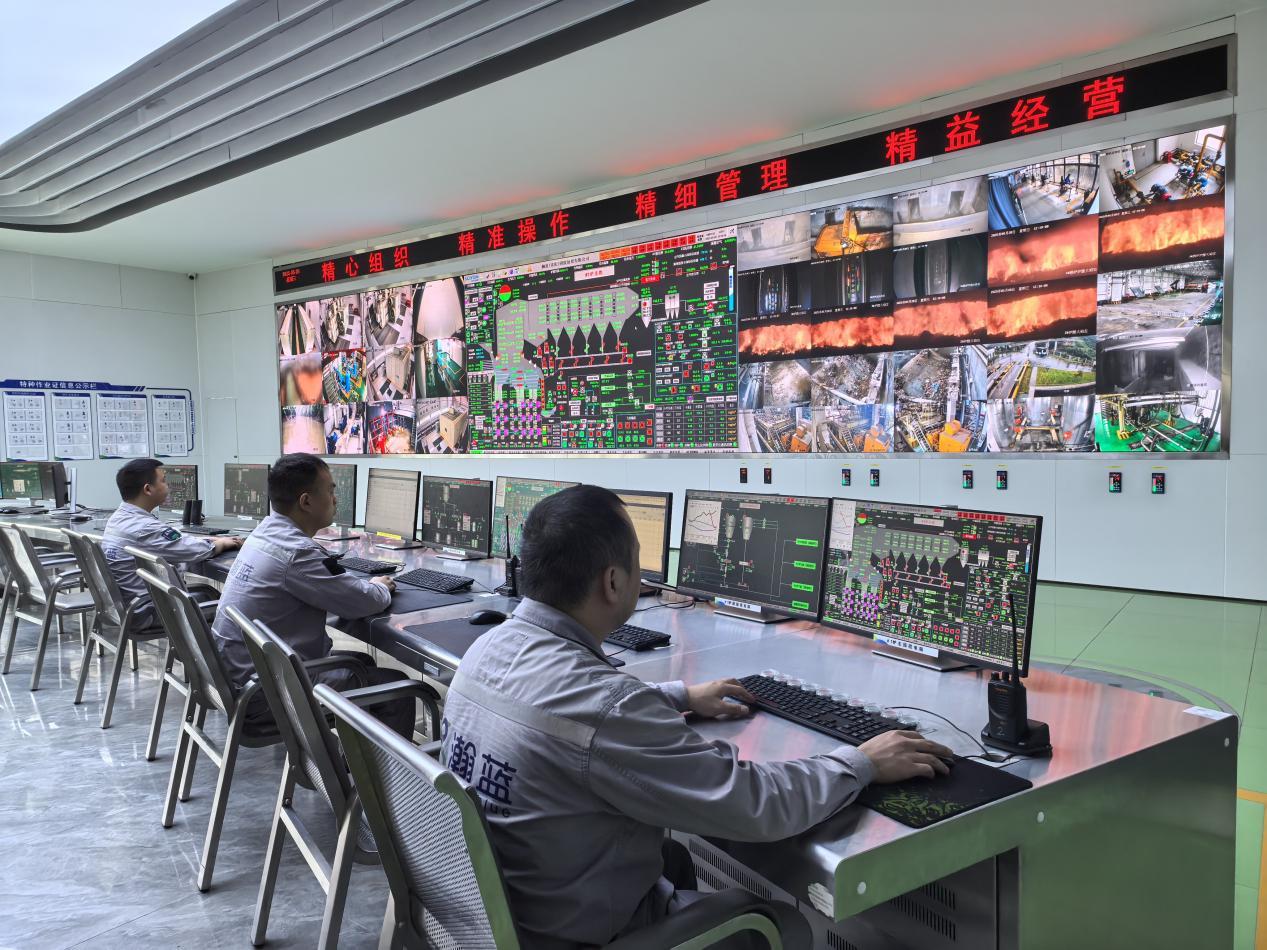
Central Control Room at Hanlan (Guiyang) Solid Waste Treatment Co., Ltd.

Photo by Wei Rong

“After flue gas undergoes denitrification inside the furnace, it enters the acid gas removal tower for desulfurization. It then passes through activated carbon adsorption to eliminate toxic substances and heavy metals, and is finally discharged after multiple stages of purification, meeting emission standards,” explained Zhang Keming, Administrative Manager at Hanlan (Guiyang) Solid Waste Treatment Co., Ltd., from the company’s intelligent monitoring center.

In addition to waste-to-energy incineration, leachate and wastewater are filtered through advanced treatment systems until they meet discharge standards, allowing the treated water to be reused within the facility. Incineration residues are further processed into eco-friendly bricks.

In 2022, the company completed and launched Guiyang’s Municipal Waste-to-Energy Incineration Project. The facility processes an average of 2,000 tons of municipal solid waste per day, totaling approximately 730,000 tons annually.

Here, the waste-to-energy process follows a full operational cycle—including weighbridge weighing, waste storage, leachate treatment, waste incineration, slag utilization, power grid integration, flue gas treatment, and emission monitoring—effectively turning waste into valuable resources.

互动

Students Interact in the Company’s Environmental Education Zone

Photo by Wei Rong

With its environmentally friendly technologies, Hanlan (Guiyang) Solid Waste Treatment Co., Ltd. has been designated as both a “Guiyang Municipal Environmental Education Base” and a “Guiyang Municipal Science Education Base.” It is also among the first companies in Guiyang to apply for recognition as a “Zero-Waste Factory.”

A “Zero-Waste Factory” is one of the key components in Guiyang’s broader push to develop “Zero-Waste Cells,” serving as a fundamental production unit within the “Zero-Waste City” initiative.

A “Zero-Waste City” refers to a progressive urban development model guided by the principles of innovation, coordination, sustainability, openness, and inclusiveness. This model promotes green production and lifestyles by reducing solid waste generation at the source, enhancing resource recovery and recycling, and minimizing landfill use—thereby reducing the environmental impact of solid waste to the greatest extent possible.

In 2022, the General Office of the Ministry of Ecology and Environment issued a notice announcing the cities selected for “Zero-Waste City” development during the 14th Five-Year Plan period. Guiyang and Anshun, both located in Guizhou Province, were included in the national list.

To advance the initiative, Guiyang has issued several key policy documents, including the Guiyang Zero-Waste City Development Plan and the 14th Five-Year Implementation Plan for Zero-Waste City Development in Guiyang. These plans focus on five major sectors—industry, agriculture, construction, residential life, and culture—and target four core systems: institutional frameworks, technology, market mechanisms, and regulatory oversight. The city is working to instill the “zero-waste” philosophy deeply in all aspects of daily life, actively promoting a simplified, low-carbon, and healthy lifestyle and consumption model.

How Can a City Reduce Waste?

In the Yueshanhu Community of Longtan Subdistrict, Guanshanhu District, a small workshop features neatly arranged shelves lined with enzyme bottles. These eco-enzymes are produced from fruit and vegetable scraps, transforming kitchen waste into valuable resources. The resulting products can be used to water plants, repel pests, and serve as natural cleaning agents—significantly reducing waste generation.

“Each bottle is clearly labeled with production and venting dates, and volunteers take turns monitoring the process,” said Chen Fang, a staff member of the local subdistrict office.

Effective classification is key to turning waste into value. In recent years, Guiyang and Guian have continued to deepen their efforts in waste separation. Following a full-cycle approach—from waste classification at the source, to disposal, collection and transportation, initial processing, and final treatment—the cities have established a comprehensive waste management system. This has significantly improved the efficiency of municipal solid waste reduction, resource utilization, and environmentally sound disposal.

分拣中心

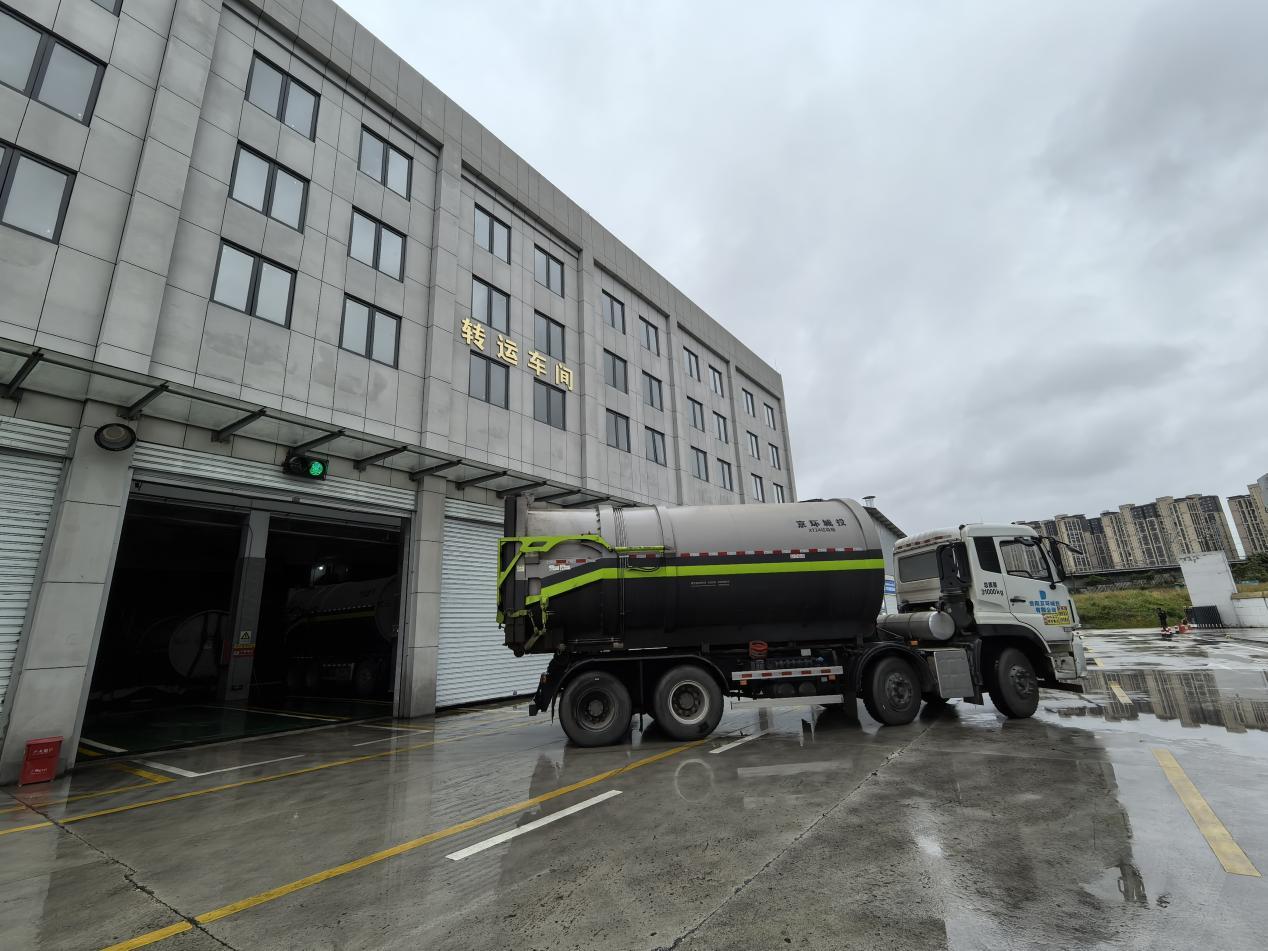
A Corner of the Household Waste Transfer, Sorting, and Classification Center on Guanyun Avenue, Baiyun District, Guiyang

Photo by Wei Rong

In Yueshanhu Community, designated recycling points have been set up where community staff guide residents in the proper disposal of hazardous waste. Volunteers also assist in promoting awareness and encouraging residents to sort their household waste at the source, helping them develop sustainable habits.

Beyond the production of eco-enzymes, the community has also launched both online and offline “waste-for-value” markets, where residents can exchange used items for new ones. These initiatives integrate the “zero-waste” philosophy into everyday life. The community also selects ten exemplary “Zero-Waste Households” whose sustainable practices serve as models to inspire broader participation in the “Zero-Waste City” initiative.

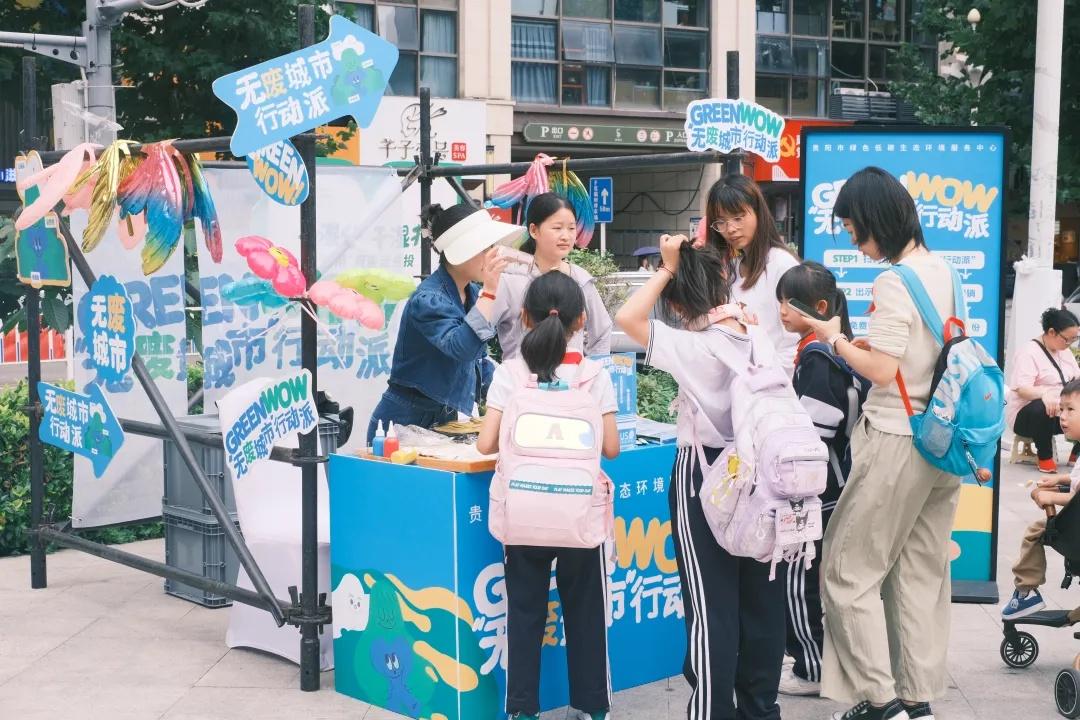
“无废城市“宣传进社区活动现场,居民通过“以书换书”,让闲置的旧书流动起来。(贵阳市生态环境局供图)

“Zero-Waste City” Community Outreach Event: Residents Exchange Books to Give Idle Volumes a Second Life

Photo courtesy of Guiyang Municipal Bureau of Ecology and Environment

Guiyang has issued two key policy documents: the Guiyang Plan for the Construction of a Renewable Resource Recycling System and the Interim Measures for the Management of Renewable Resource Recycling in Guiyang. The city has also successfully been designated a national model city for renewable resource recovery systems, including end-of-life appliances and furniture. A comprehensive recycling system has been established, supported by the “Smart Urban Management – Full-Cycle Waste Classification Supervision System,” which enhances digital oversight of downstream waste management enterprises.

Beyond Yueshanhu Community, Guiyang has established waste collection points in 3,000 residential communities, achieving full coverage of collection infrastructure across residential areas. The city has also commissioned three facilities for organic waste treatment and three waste-to-energy incineration plants, with a total processing capacity of 5,150 tons per day.

To date, Guiyang has established 635 “Zero-Waste Cells,” including “Zero-Waste Factories” and “Zero-Waste Communities,” gradually embedding the “zero-waste” philosophy into the city’s fabric.

Media Contact
Company Name: ECO FORUM GLOBAL GUIYANG
Contact Person: Lisa Liu
Email: Send Email
Country: China
Website: https://www.efglobal-gy.com/

Saint Bella officially listed on HKEX, marking milestone for family care sector

SAINT BELLA Inc. (“Saint Bella” or the “Group”, stock code: 2508.HK) has officially commenced trading on the Main Board of the Hong Kong Stock Exchange(“HKEX”) today, becoming the “First Hong Kong-Listed Global Premium Family Care Company.” This marks a new chapter in Saint Bella’s journey within the capital market, providing strong support for the Group’s high-quality development in the future.

According to its allotment announcement, Saint Bella’s public offering received over 193 times oversubscription, while the International Offering garnered approximately 15.59 times oversubscription. The Offer Price is HK$6.58 per share and will be traded in board lot sizes of 500 Shares. The company issued a total of 109.7million shares, raising approximately HK$630 million.

On its first day of listing, Saint Bella opened over 40% higher, with a total market capitalization exceeding HK$5 billion. As the first Hong Kong-listed global premium family care company, Saint Bella’s IPO holds significant meaning, reflecting an investment sentiment in the new consumption sector.

Backed by Tencent and state-owned capital, forging new landscape in full-cycle family care sector

According to the prospectus, Saint Bella secured a total of US$41.46 million in cornerstone investments from investors including GIMM Holding Limited (25% held by 58.com Inc.), JKKB Limited (backed by Hangzhou Xiaoshan Economic and Technological Development Zone State-owned Assets Management Co., Ltd.), China Asset Management (Hong Kong) Limited and individual investor Carl Wu. Besides cornerstone investment from state-owned capital, Saint Bella is also backed by strong shareholders from Chinese and international leading companies pre-IPO. Among institutional investors, Tencent held an 11.61% stake pre-listing, and Gaorong Capital held 8.26%, additionally Hong Kong-listed companies such as Sun Hung Kai &Co., China Life, and Swire Properties are also among its pre-IPO shareholders.

This investment in Saint Bella indicates a high recognition of the Group’s business model. Saint Bella entered the postpartum care and recovery sector by targeting the high-end market since its foundation. Through high-quality service model, the group successfully gained customers’ trust. After establishing a firm foothold in the ultra-high-end market, Saint Bella then expand into the broader consumer market with brand names “Baby Bella” and “Bella Isla,” becoming a leading enterprise in the industry. Saint Bella is the largest postpartum care and recovery group both in Asia and China in terms of revenue from postpartum centers in 2024. In addition, the group is also the fastest-growing scaled postpartum and recovery group in China in terms of revenue growth rate from 2022 to 2024. Furthermore, Saint Bella operates an extensive network of 96 postpartum centers under the brand names of “Saint Bella”, “Bella Isla”, and “Baby Bella” with 62 being self-operated and 34 managed centers.

To meet clients’ increasingly diverse needs and to build diversified business growth for the company, Saint Bella has actively expanded its business scope and enriched its products verticality. Combined users’ trust and high-quality services and products, Saint Bella is committed to creating value for client at different stages of their lifecycle value. In 2018, Saint Bella launched its home care service brand “Prime Care Family” meeting market demand arcuately. To ensure service quality, Saint Bella provides standardized training for its baby care specialists, building a professional baby care service team. In 2021, Saint Bella officially ventured into the food business by acquiring GuangHeTang which has over 20 years of experience and a strong reputation in the nutrition, health, and wellness industry. Saint Bella has leveraged GuangHeTang’s strengths in health and wellness, shifting its business focus to e-commerce sales of food products meeting women’s health and nutritional needs at different stages from menstruation to pregnancy, lactation, postpartum, and post-miscarriage.

Saint Bella’s business covers multiple areas including postpartum care, postpartum recovery, home care, and food products covering women’s needs, forming a comprehensive family health care service cycle. The establishment of this full-cycle home care ecosystem not only meets the diverse needs of clients but also significantly enhances client’s loyalty, laying a solid foundation for Saint Bella’s diversified development.

Outstanding financial performance, committed to development across multiple sectors

Driven by the synergy of its diversified business lines, Saint Bella has demonstrated strong performance. According to the prospectus, Saint Bella’s revenue climbed from RMB472 million to RMB799 million, achieving a compound annual growth rate of 30.15% from 2022 to 2024. Furthermore, Saint Bella maintained profitability for two consecutive years in 2023 and 2024, highlighting the adjusted profit surged by 103.43% year-on-year to RMB42.26 million in 2024. These financial figures fully demonstrate Saint Bella’s strong market competitiveness and business expansion capabilities.

Saint Bella has established strategic partnerships with leading artificial intelligence companies to jointly explore the application of large language models in mother and baby care and family health care. According to prospectus, a portion of the raised funds will invest into artificial intelligence. By introducing AIoT devices, large language models, and other technologies, Saint Bella aims to transform into one of the most technology-enabled operators within the industry, providing clients higher-quality care service experience to maintain its competitiveness in the market.

Overseas markets are also a key direction for Saint Bella’s expansion. As the first postpartum center operator based in mainland China to expand globally, Saint Bella has firmly taken on its internationalization path. In 2022, Saint Bella added our first managed center in Hong Kong; in 2023, Saint Bella expanded its first self-operated overseas center in Singapore; and entered the North American market by adding the first managed overseas center in the Greater Los Angeles area in the United States in 2024. By exporting its technological advantages overseas, Sanbeila has continuously enhanced its brand’s international influence, paving the way for the Group’s international expandsion.

Saint Bella is also positioned to become long term industry contributor with its comprehensive service network. The successful listing on the HKEX marks the beginning of the Group’s next chapter of development. Saint Bella will continue to prioritize customers’ experience and strengthen its competitive advantages through digitalization and leverage “new consumption” momentum to achieve larger market share.

Media Contact
Company Name: Saint Bella
Contact Person: Lemon Zhang
Email: Send Email
Country: China
Website: https://www.saintbella.com/

InstaNavigationBaddieHubUnveils Latest Fashion Insights with Launch of Baddiehub Fashion Guide

Baddiehub Fashion is not just a fashion statement, it’s an attitude; confidence, boldness. styling and self-love, this trend has also swept over Instagram, TikTok and fashion blogs. combines grunge and streetwear for a style that ‘s loud, proud and loud. impossible to ignore. Think snatched outfits flawless makeup and unapologetic self-expression.

Origins of the Baddiehub Aesthetic

The term “baddie“ became very fashionable with the rise of instagram influencers and makeup tutorials But Baddiehub went further. They built a dedicated tutorial space for fashion lovers who wanted to stand out. Inspired by early 2010 beauty influencers (and Y2K fashion) Baddiehub was launched as a digital vibe and became a full-fledged style movement.

What Makes Baddiehub Fashion Unique?

Baddiehub fashion is great because it mixes two of the most powerful things: streetwear and glam. You will also see oversized jackets with crop tops / figure-flattering dresses styled with sneakers, or sporty sets enhanced by gold hoops and sleek hair. This aesthetic is not about following rules it is about creating your own. Flawless eyebrows sharp winged eyeliner and glossed lips are staples. Accessories? Absolutely essential. The goal is to always look good for a selfie.

The Role of Social Media in Baddiehub Fashion

Social media is the source of the fire at Baddiehub… Img TikTok Snapchat etc. Pinterest helped this aesthetic explode. Influencers show off outfits, makeup looks, and transformations that inspire millions to try the style. Hashtags like #baddiehub and #baddiefashion have turned everyday people into trendsetters. Viral challenges and reels often spotlight key elements like sleek hairstyles, luxury streetwear or glow-up makeovers spreading the vibe across the globe in seconds. Baddiehub isn’t just influenced by social media — it’s built for it.

Building the Baddiehub Look

To rock the Baddiehub vibe you don’t need designer labels you just need confidence and key style pieces. Essentials include:

· Athleisure outfits with a touch of glam

· Snatched silhouettes like bodycon dresses and crop tops

· Statement footwear — sneakers or bold heels

· Instagram-ready accessories like chunky chains, mini bags, and tinted sunglasses

Hair and makeup Same goes for hairstyles. Flawless ponytails, waves, big brows, etc. contour-heavy glam are all part of the aesthetic. You can start simple and slowly level up by experimenting with colours, layering, and personalised touches.

Baddiehub Fashion vs Traditional Style Norms

Traditional fashion often leans on minimalism or trend-based rules. Baddiehub breaks that mold. It encourages individuality, embraces curves, and uplifts confidence. Where classic fashion may shy away from bold makeup or skin-tight clothes, Baddiehub thrives on them.

This style challenges beauty stereotypes. It supports representation of all body types, skin tones, and identities. It’s not about blending in—it’s about owning your spotlight.

How to Make Baddiehub Fashion Your Own

You don’t need to copy others to be a part of Baddiehub fashion. In fact, the real beauty lies in making it your own. Start with what you’re comfortable in, then add baddie elements gradually.

Try a sleek bun with hoop earrings, or a bodycon dress with chunky sneakers. Layer in makeup that makes you feel powerful — bold eyeliner, fluttery lashes, or glossy lips. Mix trends but stay true to your personality.

Confidence is key. Own the look, walk like you belong on a runway — even if it’s just your hallway.

Final Thoughts: Why Baddiehub Fashion Is More Than a Trend

Baddiehub fashion is more than outfits and selfies—it’s a cultural shift. It’s about owning your space in a digital world, expressing your boldness, and connecting with a community that values style, strength, and self-love.

As social media continues to evolve, so will the Baddiehub aesthetic. One thing’s for sure — it’s here to stay, and it’s rewriting the rules of fashion, one flawless look at a time.

Frequently Asked QuestionWhat type of fashion is Schiaparelli?

Schiaparelli fashion is known for avant-garde couture — a bold, artistic style that blends surrealism with high fashion. Founded by Elsa Schiaparelli, the brand often features dramatic silhouettes, sculptural designs, and imaginative details like anatomical embroidery, gold accents, and surreal accessories.

What is guerrilla fashion?

Guerrilla fashion refers to underground, anti-establishment fashion movements that challenge mainstream trends. It’s often DIY, experimental, and politically charged — used as a tool for rebellion, self-expression, or social commentary. It rejects luxury and embraces raw creativity, often seen in street protests, pop-up shows, or unconventional styling.

What is daddy fashion?

Daddy fashion (or “dad fashion”) is a tongue-in-cheek trend that celebrates outdated or stereotypically unfashionable clothing worn by middle-aged dads. Think oversized polos, chunky sneakers, high-waisted jeans, baseball caps, and relaxed fits. It’s become ironically trendy, blending normcore with retro comfort.

Write for us: https://instanavigationbaddiehub.com/write-for-us/

Media Contact
Company Name: InstaNavigation Baddie Hub
Contact Person: David
Email: Send Email
City: London
Country: United Kingdom
Website: https://instanavigationbaddiehub.com/


Press Release Distributed by ABNewswire.com

To view the original version on ABNewswire visit: InstaNavigationBaddieHubUnveils Latest Fashion Insights with Launch of Baddiehub Fashion Guide