From Breakdown to Breakthrough: Mabel Pantaleon Releases Poetic Memoir About Thriving With Bipolar Disorder

NEW YORK, NY – June 11th, 2025 – Author, speaker, and mental health advocate Mabel Pantaleon announces the release of her powerful and poetic memoir, My Diagnosis is My Greatest Gift and My Greatest Teacher: A Personal Guide to Thrive With Bipolar Disorder — a transformative narrative that reimagines bipolar disorder not as a life sentence, but as a spiritual teacher and hidden gift.

Pantaleon’s memoir offers an unfiltered look at what it means to live with bipolar disorder — from the terrifying beauty of manic episodes to the quiet courage it takes to heal. Her story blends lived experience with spiritual insight, providing a beacon of hope for those navigating mental illness, stigma, or personal transformation.

“I didn’t just survive bipolar — I grew because of it,” says Pantaleon. “This diagnosis cracked me open, and in that opening, I discovered truth, purpose, and the strength to rebuild.”

Drawing from metaphysical teachings, psychiatric treatment, and personal growth, the book includes:

  • Vivid depictions of manic and depressive episodes

  • Reflections on spiritual awakening and mystical experiences

  • Guidance for those balancing psychiatric medication with faith or metaphysical beliefs

  • Practical tools and emotional support for those seeking to thrive — not just cope

In tandem with her book, Mabel also founded the nonprofit Echoes of the Divine, a support initiative for individuals on psychiatric medications seeking holistic healing, spiritual community, and self-empowerment.

To learn more about Echoes of The Divine, access resources, or get involved, visit:

www.MabelPantaleon.com

www.EchoesOfTheDivine.org

MabelPantaleon@gmail.com

Instagram: @therealmabelpantaleon

LinkedIn: Mabel Pantaleon

About the Author:

Mabel Pantaleon is a Dominican-American writer, mental health advocate, and founder of Echoes of the Divine, a nonprofit dedicated to supporting individuals navigating psychiatric treatment through a spiritual lens. Based in New York City, her work blends lived experience with metaphysical teachings to inspire healing, empowerment, and awakening.

Media Contact
Company Name: Mabel Pantaleon
Contact Person: Mabel Pantaleon
Email: Send Email
Country: United States
Website: www.MabelPantaleon.com


Press Release Distributed by ABNewswire.com

To view the original version on ABNewswire visit: From Breakdown to Breakthrough: Mabel Pantaleon Releases Poetic Memoir About Thriving With Bipolar Disorder

Vitiligo Treatment Market Set for Robust Growth Through 2034, Driven by Recent Developments in Clinical Development Pipeline | DelveInsight

The vitiligo treatment market is experiencing significant expansion, driven by increasing disease awareness, rising prevalence, and breakthrough therapies from key players, including Incyte, Pfizer, AbbVie, Astellas, Dr. Reddy’s, Bausch Health, MSD, BMS, Novartis, Arcutis, Dermavant, Aclaris, Glenmark, Clinuvel, Edesa Biotech, STRATA Skin Sciences, Temprian, Villaris, Boston Pharmaceuticals, Applied Biology, Panacea Biotech, Viatris, Teva, Salix, and Vyne Therapeutics, among others.

DelveInsight’s “Vitiligo Market Insight, Epidemiology And Market Forecast – 2034” report delivers an in-depth understanding of the vitiligo treatment market, historical and forecasted epidemiology, as well as market trends across the US, EU4 (Germany, France, Italy, and Spain), the United Kingdom, and Japan. The report comprehensively evaluates the current treatment landscape, emerging therapies, market share of individual treatments, and vitiligo market forecasts through 2034, providing crucial insights for stakeholders in the vitiligo therapeutic area.

According to DelveInsight’s analysis, the vitiligo treatment market is projected to grow substantially with a decent CAGR during the forecast period, driven by enhanced understanding of disease mechanisms, biomarker development, and personalized medicine approaches.

Download the Vitiligo Market report to understand which factors are driving the Vitiligo therapeutic market @ Vitiligo Market Trends.

According to DelveInsight’s estimates, the 12-month prevalence of vitiligo was 8.2 million in 2023 across the 7MM, with nearly 500K cases treated. Both prevalence and treatment rates are projected to increase over the forecast period (2025–2034). Furthermore, the US accounted for approximately 60% of the total diagnosed vitiligo cases in the 7MM. Within EU4 and the UK, Germany reported the highest vitiligo patient share, followed by the UK, while Spain had the lowest.

The DelveInsight report further categorizes the vitiligo patient population into several main groups for analysis. It differentiates between segmental vitiligo and non-segmental vitiligo. Non-segmental vitiligo is more common, typically symmetrical, and can be classified into several subtypes, including acrofacial, mucosal, generalized, universal, mixed, and rare forms. Mixed vitiligo refers to instances where both segmental and non-segmental patterns are observed in the same patient. Additionally, there are unclassified forms, such as focal vitiligo (characterized by isolated patches) and cases that do not fit neatly into the other categories. This classification is essential for understanding the distribution, progression, and treatment responses of different vitiligo types and is crucial for accurate epidemiological assessment.

Discover evolving trends in the Vitiligo patient pool forecasts @ Vitiligo Epidemiology Analysis.

While there is no definitive cure for vitiligo, several treatment options are aimed at vitiligo management and potentially reversing depigmentation. A milestone in vitiligo treatment occurred with the FDA approval of OPZELURA (ruxolitinib cream) by Incyte in July 2022, marking the first pharmacologic therapy specifically approved for repigmenting nonsegmental vitiligo. This topical JAK inhibitor has revolutionized the treatment landscape by targeting the underlying inflammatory pathways that drive melanocyte destruction. OPZELURA continues to demonstrate strong market uptake, addressing a critical unmet need in this challenging autoimmune skin disorder.

According to the DelveInsight report, the vitiligo therapies pipeline is robust and promising, with several novel treatments in late-stage development. AbbVie’s RINVOQ (upadacitinib), a selective JAK1 inhibitor currently in Phase III clinical trials, has shown encouraging results with clinically meaningful repigmentation of extensive vitiligo after 52 weeks of treatment. Similarly, Pfizer’s LITFULO (ritlecitinib), targeting JAK3 and TEC kinase family pathways, has demonstrated efficacy in early trials and is progressing through Phase III development with potential approval anticipated in the coming years.

Recent developments highlight the dynamic nature of the vitiligo treatment landscape. In January 2025, VYNE Therapeutics completed patient enrollment in its Phase IIb trial assessing VYN201 gel (repibresib) for nonsegmental vitiligo, with top-line data expected in mid-2025. This novel pan-bromo domain and extra-terminal domain (BET) inhibitor has shown promising results in earlier trials, demonstrating significant clinical response with rapid onset of action and favorable safety profile. Additionally, Incyte’s povorcitinib (INCB54707), an investigational oral JAK1 inhibitor, has reported positive data from its Phase IIb trial in extensive nonsegmental vitiligo patients, further expanding the treatment options on the horizon.

Furthermore, in March 2025, a pre-clinical study revealed that a natural compound derived from gut-friendly bacteria can significantly slow the progression of vitiligo in mice and may help restore skin pigmentation.

Discover recent advancements in the Vitiligo treatment landscape @ Vitiligo Recent Developments.

The vitiligo treatment market is highly competitive, with major players including Incyte (NASDAQ: INCY), Pfizer (NYSE: PFE), AbbVie (NYSE: ABBV), Astellas (TSE: 4503), Dr. Reddy’s (NYSE: RDY), Bausch Health (NYSE: BHC), Merck– (NYSE: MRK), Bristol-Myers Squibb (NYSE: BMY), Novartis (NYSE: NVS) Arcutis(NASDAQ: ARQT), Dermavant, Aclaris (NASDAQ: ACRS), Glenmark (NSE: GLENMARK), Clinuve (ASX: CUV)l, Edesa Biotech (NASDAQ: EDSA), STRATA Skin Sciences (NASDAQ: SSKN), Temprian, Villaris, Boston Pharmaceuticals, Applied Biology, Panacea Biotech (BSE: 531349), Viatris (NASDAQ: VTRS), Teva (NYSE: TEVA), Salix, and Vyne Therapeutics (NASDAQ: VYNE), all advancing a variety of therapies through robust R&D and strategic collaborations.

Looking ahead, the vitiligo market is expected to witness continued innovation driven by enhanced understanding of disease mechanisms, biomarker development, and personalized medicine approaches. While significant progress has been made with JAK inhibitors, challenges remain in addressing complete repigmentation, preventing disease recurrence, and improving treatment accessibility and affordability across diverse patient populations. Emerging therapies focusing on novel mechanisms beyond JAK inhibition, including targeted immunomodulators and melanocyte-stimulating agents, hold promise for addressing these unmet needs and further transforming the vitiligo treatment landscape.

DelveInsight’s analysis underscores that despite therapeutic advances, substantial opportunities remain for developing more effective, convenient, and affordable treatment options that can achieve durable repigmentation and improved quality of life for vitiligo patients worldwide. As research continues and awareness grows, the vitiligo market is poised for remarkable expansion and therapeutic innovation through 2034.

Table of Contents

1. Key Insights

2. Report Introduction

3. Executive Summary of Vitiligo

4. Key Events

5. Vitiligo Epidemiology and Market Forecast Methodology

6. Vitiligo Market Overview at a Glance

7. Vitiligo Background and Overview: Vitiligo

8. Vitiligo Treatment and Management

9. Vitiligo Epidemiology and Patient Population of Vitiligo in the 7MM

10. Vitiligo Patient Journey

11. Vitiligo Marketed Therapies

12. Vitiligo Emerging Therapies

13. Vitiligo: Seven Major Market Analysis

14. Vitiligo Unmet Needs

15. SWOT Analysis

16. KOL Views

17. Market Access and Reimbursement

18. Appendix

19. DelveInsight Capabilities

20. Disclaimer

21. About DelveInsight

Related Reports:

Vitiligo Pipeline Insight

Vitiligo Pipeline Insight provides comprehensive insights about the Vitiligo pipeline landscape, pipeline drug profiles, including clinical and non-clinical stage products, and the Vitiligo companies, including AbbVie, Pfizer, Incyte Corporation, Dren Bio, and Amgen, among others.

About DelveInsight

DelveInsight is a leading market research and consulting firm specializing in disease-specific insights and therapeutic market analysis. Their reports integrate real-world data, clinical trial findings, and expert interviews to deliver comprehensive industry intelligence.

Media Contact
Company Name: DelveInsight Business Research LLP
Contact Person: Arpit Anand
Email: Send Email
Phone: +14699457679
Address:304 S. Jones Blvd #2432
City: Las Vegas
State: Nevada
Country: United States
Website: https://www.delveinsight.com/consulting/due-diligence-services


Press Release Distributed by ABNewswire.com

To view the original version on ABNewswire visit: Vitiligo Treatment Market Set for Robust Growth Through 2034, Driven by Recent Developments in Clinical Development Pipeline | DelveInsight

Giant-Cell Arteritis Market Set for Transformative Growth with Novel Therapies and Aging Demographics Driving Demand | DelveInsight

“Giant-Cell Arteritis Market Insights- DelveInsight”
The giant-cell arteritis market is poised for notable growth across the 7MM, driven by an aging population and the anticipated launch of innovative therapies by companies such as Novartis, AbbVie, and J&J/MorphoSys AG, among others.

DelveInsight’s “Giant-Cell Arteritis Market Insight, Epidemiology and Market Forecast – 2034” report offers comprehensive insights into giant-cell arteritis epidemiology, current and emerging therapies, market trends, and giant-cell arteritis forecasts.

The giant-cell arteritis market is expected to grow from USD 960 million in 2023, driven by the rising geriatric population, increasing prevalence of cardiovascular disorders, and ongoing clinical advancements by several pharmaceutical companies.

Download the Giant-Cell Arteritis Market report to understand which factors are driving the Giant-Cell Arteritis therapeutic market @ Giant-Cell Arteritis Market Trends.

Giant-cell arteritis, also known as temporal arteritis, is a large-vessel vasculitis that primarily affects the arteries of the head, especially the temporal arteries. The disease is characterized by inflammation that can lead to narrowing and reduced blood flow, with potential consequences such as vision loss and stroke. Its etiology is complex, involving genetic factors as well as environmental triggers. The pathogenesis involves a dual immune response, with IL-6 playing a central role in mediating systemic inflammation.

DelveInsight’s analysis of giant-cell arteritis epidemiology reveals that the US accounted for the highest number of diagnosed giant-cell arteritis prevalent cases in 2023, representing 54% of all diagnosed prevalent cases across the 7MM. The burden of giant-cell arteritis is particularly pronounced among the elderly, with individuals aged 80–89 years constituting approximately 42% of total cases in the US. This underscores the strong association between giant-cell arteritis and the aging population.

Among the European countries, the UK held the highest number of giant-cell arteritis cases, followed by France, while Spain accounted for the lowest number of cases. In Japan, as in Europe, scalp tenderness was the most frequent clinical manifestation, followed by myalgia and fever of unknown origin, highlighting the heterogeneity of clinical presentations across different regions.

Discover evolving trends in the Giant-Cell Arteritis patient pool forecasts @ Giant-Cell Arteritis Epidemiology Analysis.

Giant-cell arteritis diagnosis remains challenging due to the heterogeneity of its clinical presentation. The American College of Rheumatology’s criteria form the diagnostic cornerstone. However, no single test is definitive. Physicians rely on a combination of clinical evaluation, blood tests (ESR, C-reactive protein), imaging modalities such as specialized ultrasound, and the gold-standard temporal artery biopsy to confirm diagnosis and assess vascular involvement.

The current treatment paradigm for giant-cell arteritis is centered on high-dose corticosteroids (Glucocorticoids), particularly prednisone, administered at 40–60 mg daily for three to four weeks, followed by gradual tapering. Immediate initiation of therapy is critical to prevent irreversible complications such as blindness. Despite their efficacy, long-term corticosteroid use is associated with significant adverse effects, including osteoporosis, diabetes, and hypertension, highlighting the need for alternative therapies. Conventional disease-modifying anti-rheumatic drugs (DMARDs), such as azathioprine and mycophenolate mofetil, are sometimes used adjunctively but with limited success.

The therapeutic landscape has evolved with the introduction of Chugai Pharmaceuticals/Roche’s ACTEMRA/ROACTEMRA (tocilizumab), the only approved therapy for the treatment of giant-cell arteritis in 7MM. Tocilizumab is a first-in-class anti-IL-6 receptor monoclonal antibody that showed a significant increase in sustained remission rates when combined with a steroid taper.

In January 2025, Celltrion’s AVTOZMA, a biosimilar to ACTEMRA, received FDA approval for both intravenous and subcutaneous use, expanding access to advanced therapies for giant-cell arteritis and other autoimmune diseases. Furthermore, in April 2025, the FDA and EMA approved AbbVie’s RINVOQ (Upadacitinib) for Giant Cell Arteritis treatment, providing an alternative treatment option that can offer patients with GCA the possibility of tapering off steroids and achieving sustained remission. Upadacitinib is projected to capture the largest market share in the 7MM by 2034.

Several promising therapies are in late-stage clinical development and are expected to reshape the giant-cell arteritis management over the next decade. Novartis’ COSENTYX (secukinumab), a monoclonal antibody targeting interleukin-17A (IL-17A), and Johnson & Johnson/MorphoSys AG’s TREMFYA (guselkumab), an IL-23p19 inhibitor, are advancing through clinical development. CSL/Kiniksa’s mavrilimumab, a granulocyte-macrophage colony-stimulating factor receptor antagonist, further reflects the diversification of therapeutic targets in giant-cell arteritis.

Discover recent advancements in the Giant-Cell Arteritis treatment landscape @ Giant-Cell Arteritis Recent Developments.

Looking ahead, the giant-cell arteritis market is expected to benefit from continued innovation and an aging population. As companies advance novel therapeutics and address longstanding unmet needs, the market is set for transformation, offering improved outcomes for patients at risk of this autoimmune complication. However, challenges such as delays in diagnosis, risk of serious complications, economic burden, and gaps in disease understanding continue to impact the market’s trajectory. For industry participants and healthcare providers, staying abreast of these developments is essential for optimizing treatment strategies and capitalizing on emerging opportunities in the giant-cell arteritis market.

Table of Contents

1. Key Insights

2. Report Introduction

3. Executive Summary of Giant-Cell Arteritis

4. Giant-Cell Arteritis Market Overview at a Glance

5. Disease Background and Overview

6. Diagnosis of Giant-Cell Arteritis

7. Diagnostic Guidelines

8. Treatment of Giant-Cell Arteritis

9. Treatment Guidelines

10. Epidemiology and Market Forecast Methodology

11. Giant-Cell Arteritis Epidemiology and Patient Population

12. Giant-Cell Arteritis Patient Journey

13. Giant-Cell Arteritis Marketed Therapies

14. Giant-Cell Arteritis Emerging Therapies

15. Giant-Cell Arteritis: Market Analysis

16. Giant-Cell Arteritis Unmet Needs

17. SWOT Analysis

18. KOL Views

19. Market Access and Reimbursement

20. Appendix

21. DelveInsight Capabilities

22. Disclaimer

23. About DelveInsight

Related Reports:

Giant-Cell Arteritis Pipeline Insight

Giant-Cell Arteritis Pipeline Insight provides comprehensive insights about the Giant-Cell Arteritis pipeline landscape, pipeline drug profiles, including clinical and non-clinical stage products, and the Giant-Cell Arteritis companies, including Novartis, AbbVie, XOMA, Kiniksa Pharmaceuticals, Ltd., Eli Lilly and Company, Janssen Biotech, and Dr Reddy’s Laboratories, among others.

About DelveInsight

DelveInsight is a leading market research and consulting firm specializing in disease-specific insights and therapeutic market analysis. Their reports integrate real-world data, clinical trial findings, and expert interviews to deliver comprehensive industry intelligence.

Media Contact
Company Name: DelveInsight Business Research LLP
Contact Person: Arpit Anand
Email: Send Email
Phone: +14699457679
Address:304 S. Jones Blvd #2432
City: Las Vegas
State: Nevada
Country: United States
Website: https://www.delveinsight.com/consulting/due-diligence-services


Press Release Distributed by ABNewswire.com

To view the original version on ABNewswire visit: Giant-Cell Arteritis Market Set for Transformative Growth with Novel Therapies and Aging Demographics Driving Demand | DelveInsight

Febrile Neutropenia Treatment Market Expected to Grow Notably, Driven by Introduction of Innovative Therapies | DelveInsight

“Febrile Neutropenia Market Insights – DelveInsight”
The Febrile Neutropenia market is poised for notable growth across the 7MM, driven by the increasing incidence of febrile neutropenia among cancer patients undergoing chemotherapy and the anticipated launch of innovative therapies by companies such as Daewoong Pharmaceutical, RedHill Biopharma, Allakos, Hanmi Pharmaceutical, Trio Medicines, and Bristol-Myers Squibb, among others.

DelveInsight’s report titled “Febrile Neutropenia Market Insights, Epidemiology, and Market Forecast – 2032“, combines comprehensive febrile neutropenia epidemiological data with market trends, an examination of the competitive landscape, and assessments of the patient journey. This report provides valuable insights into the rapidly growing febrile neutropenia market. It is anticipated that the market will expand significantly during the forecast period from 2023 to 2032, driven by an increasing patient population and the introduction of innovative treatment options by leading pharmaceutical and biotechnology companies, including Daewoong Pharmaceutical, RedHill Biopharma, Allakos, Hanmi Pharmaceutical, Trio Medicines, Bristol-Myers Squibb, among others.

Furthermore, the US currently represents the largest market, with the EU4, the UK, and Japan contributing significantly to the overall patient population and market opportunity.

Download the Febrile Neutropenia Market report to understand which factors are driving the Febrile Neutropenia therapeutic market @ Febrile Neutropenia Market Trends.

Febrile neutropenia is a critical and potentially life-threatening complication, most commonly arising as a severe side effect of cancer therapies such as chemotherapy and radiation. Characterized by fever and a markedly reduced neutrophil count, this condition leaves patients highly vulnerable to infections that can escalate rapidly.

Epidemiologically, the febrile neutropenia burden is substantial and growing. DelveInsight’s analysis provides a comprehensive overview of febrile neutropenia patient pools across the 7MM, with segmentation by country and key demographic factors. Notably, approximately 50% of patients with febrile neutropenia develop an infection, and up to 20% of those with severe neutropenia may develop bacteremia. The risk is higher in patients with blood cancers and in those on strong chemotherapy regimens. Older age, poor overall health, and other medical conditions can also increase the risk.

Discover evolving trends in the Febrile Neutropenia patient pool forecasts @ Febrile Neutropenia Epidemiology Analysis.

Febrile neutropenia management strategies currently involve rapid initiation of broad-spectrum antibiotics, supportive care measures like hydration and fever control, and, in severe cases, the administration of granulocyte colony-stimulating factors (G-CSF) to stimulate neutrophil production. Despite these established approaches, the market continues to face unmet needs, including the demand for more effective therapies that can reduce infection-related morbidity and mortality, minimize treatment interruptions, and improve overall patient outcomes.

Leading therapies include NEULASTA (pegfilgrastim) and NEUPOGEN (filgrastim), both developed and marketed by Amgen. Neulasta is a long-acting option given as a single injection per chemotherapy cycle, while Neupogen is a daily injectable. The introduction of biosimilars and innovative delivery devices, such as the Neulasta Onpro on-body injector, has helped make these treatments more accessible and convenient for patients, supporting faster recovery and reducing complications from febrile neutropenia

Several promising therapies are currently in the febrile neutropenia therapeutic pipeline, focusing on novel mechanisms and improved patient outcomes. Notably, BeyondSpring Pharmaceuticals is developing plinabulin, which has shown positive results in the DUBLIN-3 Phase 3 trial for chemotherapy-induced neutropenia. In this study, plinabulin combined with docetaxel demonstrated a statistically significant improvement in overall survival for patients with non-small cell lung cancer compared with docetaxel alone. Other companies active in this space include Tianjin SinoBiotech Ltd., Evive Biotech, and Enzychem Lifesciences, each working on innovative candidates at various stages of clinical development. These emerging therapies represent new approaches beyond traditional G-CSF agents, with the potential to further reduce infection risk and improve quality of life for patients undergoing chemotherapy.

Recently, there have been important developments in febrile neutropenia treatment. Notably, new clinical research published in March 2025 evaluated the safety and effectiveness of early antibiotic de-escalation in patients with febrile neutropenia, offering new insights for antimicrobial stewardship and patient care. Additionally, the ASCO 2025 conference featured updated clinical data on efbemalenograstim alfa (RYZNEUTA) for the prevention of febrile neutropenia in patients receiving intermediate-risk chemotherapy regimens, highlighting ongoing advancements in supportive care for cancer patients.

Discover recent advancements in the Febrile Neutropenia treatment landscape @ Febrile Neutropenia Recent Developments.

Looking ahead, the febrile neutropenia market is expected to benefit from continued innovation, a growing patient pool, and heightened awareness of the condition’s clinical impact. As companies advance novel therapeutics and address longstanding unmet needs, the market is set for transformation, offering improved outcomes for patients at risk of this serious complication. For industry participants and healthcare providers, staying abreast of these developments is essential for optimizing treatment strategies and capitalizing on emerging opportunities in the febrile neutropenia market.

Table of Contents

1. Key Insights

2. Executive Summary of Febrile Neutropenia

3. Competitive Intelligence Analysis for Febrile Neutropenia

4. Febrile Neutropenia: Market Overview at a Glance

5. Febrile Neutropenia: Disease Background and Overview

6. Patient Journey

7. Febrile Neutropenia Epidemiology and Patient Population

8. Treatment Algorithm, Current Treatment, and Medical Practices

9. Febrile Neutropenia Unmet Needs

10. Key Endpoints of Febrile Neutropenia Treatment

11. Febrile Neutropenia Marketed Products

12. Febrile Neutropenia Emerging Therapies

13. Febrile Neutropenia: Seven Major Market Analysis

14. Attribute analysis

15. 7MM: Market Outlook

16. Access and Reimbursement Overview of Febrile Neutropenia

17. KOL Views

18. Market Drivers

19. Market Barriers

20. Appendix

21. DelveInsight Capabilities

22. Disclaimer

23. About DelveInsight

Related Reports:

Febrile Neutropenia Pipeline Insight

Febrile Neutropenia Pipeline Insight provides comprehensive insights about the Febrile Neutropenia pipeline landscape, pipeline drug profiles, including clinical and non-clinical stage products, and the Febrile Neutropenia companies, including Daewoong Pharmaceutical, RedHill Biopharma, Allakos, Hanmi Pharmaceutical, Trio Medicines, and Bristol-Myers Squibb, among others.

About DelveInsight

DelveInsight is a leading market research and consulting firm specializing in disease-specific insights and therapeutic market analysis. Their reports integrate real-world data, clinical trial findings, and expert interviews to deliver comprehensive industry intelligence.

Media Contact
Company Name: DelveInsight Business Research LLP
Contact Person: Arpit Anand
Email: Send Email
Phone: +14699457679
Address:304 S. Jones Blvd #2432
City: Las Vegas
State: Nevada
Country: United States
Website: https://www.delveinsight.com/consulting/due-diligence-services


Press Release Distributed by ABNewswire.com

To view the original version on ABNewswire visit: Febrile Neutropenia Treatment Market Expected to Grow Notably, Driven by Introduction of Innovative Therapies | DelveInsight

Smart Warehousing Market to Witness Notable Growth Analysis, Opportunities, and Future Scope Forecast 2030

“Manhattan Associates (US), Körber (Germany), Oracle (US), SAP (Germany), Tecsys (Canada), PSI Logistics (Germany), Samsung SDS (South Korea), Reply (Italy), Magazino (Germany).”
Smart Warehousing Market by Offering (AGVs, AMRs, AS/RS, AIDC, Palletizing & Depalletizing Systems, Conveyors & Sorters, TMS, WMS, Order Management), Technology (AI, IoT, Blockchain, Big Data & Analytics, Robotics & Automation) – Global Forecast to 2030.

The global smart warehousing market is expected to grow at a compound annual growth rate (CAGR) of 8.3% between 2025 and 2030, from an estimated USD 31.21 billion in 2025 to USD 46.42 billion by 2030. Rising e-commerce demand, the requirement for real-time inventory management, and the growing use of cutting-edge technologies like IoT, AI, robots, and cloud computing are all factors propelling the smart warehousing market’s expansion. Predictive maintenance, data-driven decision-making, and a decrease in human error are all made possible by these technologies. Modernization of logistics infrastructure is also being driven by the increasing expectations of consumers for delivery that are more precise and timely. Government programs that encourage the digital transformation of logistics also help the global market grow.

Download PDF Brochure@ https://www.marketsandmarkets.com/pdfdownloadNew.asp?id=199732421

Services segment by offering is poised for the fastest growth during the forecast period

The services segment in the smart warehousing market is expected to grow fast during the forecast period due to increasing demand for system integration, maintenance, and support services. As companies adopt IoT, AI, and robotics, expert services are needed to implement and manage these systems effectively. Additionally, the shift to cloud-based solutions drives demand for ongoing technical support. Customization and scalability offered through services also appeal to businesses seeking agile operations. This makes services essential for optimizing smart warehouse performance.

Robotics & Automation Technology will register the largest market share during the forecast period

The robotics and automation technology segment is expected to register the largest market share in the smart warehousing market due to its ability to significantly improve operational efficiency, reduce labor costs, and enhance accuracy in inventory management. As e-commerce and omnichannel retailing grow, the demand for faster order fulfillment and real-time inventory tracking increases, driving the adoption of automated systems such as autonomous mobile robots and robotic picking solutions. These technologies streamline repetitive tasks, minimize human error, and enable 24/7 operations, making them indispensable for modern warehouses.

North America is projected to hold the largest market share during the forecast period

North America is projected to dominate the smart warehousing market due to its early adoption of IoT, AI, and robotics. The region has a strong presence of key market players and a well-established logistics infrastructure. High e-commerce penetration drives demand for efficient and automated warehousing solutions. Additionally, significant investments in digital transformation and supply chain optimization support market growth. Government initiatives and favorable policies also contribute to technological advancements in the sector.

Request Sample Pages@ https://www.marketsandmarkets.com/requestsampleNew.asp?id=199732421

Unique Features in the Smart Warehousing Market

Smart warehousing leverages Internet of Things (IoT) devices and sensor-based systems to track inventory in real-time, monitor environmental conditions, and streamline logistics. These technologies enable warehouse managers to make data-driven decisions, reduce manual errors, and ensure better inventory visibility and accuracy.

The market is witnessing a surge in the use of AGVs, drones, and robotic arms for material handling, picking, and sorting. These systems enhance operational efficiency by reducing reliance on human labor, optimizing workflows, and improving speed and safety in warehouse operations.

AI-driven analytics play a critical role in demand forecasting, warehouse optimization, and inventory management. Predictive models help businesses anticipate stock shortages, manage seasonal fluctuations, and plan replenishments, leading to minimized downtime and increased cost savings.

Cloud-enabled WMS platforms offer scalability, real-time data access, and remote monitoring. These systems allow seamless integration with ERP and supply chain platforms, supporting centralized management across multiple warehouse locations and enabling agility in operations.

Major Highlights of the Smart Warehousing Market

The smart warehousing market is experiencing rapid growth driven by rising e-commerce demand, global supply chain disruptions, and the need for operational efficiency. Enterprises are increasingly investing in automation and digitalization to remain competitive and meet consumer expectations for faster deliveries.

While traditionally used in logistics and retail, smart warehousing is now expanding into sectors like manufacturing, healthcare, food & beverage, and automotive. This cross-industry adoption is fueled by the need for improved inventory control, compliance, and streamlined distribution.

Rather than fully replacing human labor, smart warehousing technologies are being used to augment workforce capabilities. Automation handles repetitive tasks, while human workers focus on complex decision-making and value-added services, improving overall productivity and job satisfaction.

AI and machine learning are becoming mainstream in warehouse operations, from robotic automation to intelligent demand planning. The increasing availability of AI-as-a-Service (AIaaS) and advanced analytics tools makes it easier for organizations to adopt smart technologies without heavy infrastructure investments.

Inquire Before Buying@ https://www.marketsandmarkets.com/Enquiry_Before_BuyingNew.asp?id=199732421

Top Companies in the Smart Warehousing Market

Some of the leading players in the smart warehousing market include Dematic (US), SSI Schaefer (Germany), Daifuku (Japan), Körber (Germany), and Blue Yonder (US). These players focus on strategic partnerships, continuous innovation, and AI, robotics, and IoT integration to enhance automation and efficiency. They invest in scalable cloud-based platforms, offer end-to-end solutions, and prioritize customer-centric approaches to meet evolving supply chain demands and gain competitive advantage.

Dematic

Dematic is a prominent player in the smart warehousing market, offering a comprehensive range of automation solutions to optimize supply chain operations. The company provides integrated systems that include automated storage and retrieval systems (AS/RS), automated guided vehicles (AGVs), and warehouse control systems (WCS) designed to enhance efficiency and reduce operational costs. Dematic’s solutions particularly benefit e-commerce, retail, and manufacturing industries, where rapid order fulfillment and inventory accuracy are critical. By leveraging advanced technologies, Dematic helps businesses streamline their warehousing processes, improve scalability, and maintain competitiveness in the evolving logistics landscape.

Körber

Körber is one of the prominent players in the smart warehousing market, leveraging its core competencies in warehouse management systems (WMS), automation, robotics, and AI-driven supply chain solutions. The company emphasizes ecosystem development and end-to-end integration, aligning with global megatrends and technology advancements. Körber has strategically expanded through notable acquisitions, including MercuryGate, which has improved its transportation management capabilities, and the mail and parcel business from Siemens Logistics, which has strengthened its automation and software offerings. Additionally, a joint venture with KKR further supports Körber’s growth and innovation initiatives. Through vertical integration and strategic partnerships, Körber delivers comprehensive, scalable solutions across diverse industries, solidifying its position in the global smart warehousing landscape.

SSI Schaefer

SSI Schaefer, based in Germany, is a global leader in smart warehousing solutions, offering integrated systems that combine automation, robotics, and intelligent software to optimize intralogistics operations. Their WAMAS® software suite, encompassing Warehouse Management System (WMS) and Warehouse Control System (WCS), orchestrates complex warehouse processes, ensuring real-time inventory tracking and efficient material flow . Innovations like the Order Verifier and advanced piece-picking robots with integrated image processing enhance accuracy in order fulfillment, particularly in sectors like healthcare and cosmetics where precision is critical . SSI Schaefer’s modular and scalable solutions support businesses of all sizes, facilitating the transition from manual to automated warehousing while ensuring compliance with stringent industry regulations.

Daifuku

Daifuku Co., Ltd., founded in 1937 and headquartered in Osaka, Japan, is a global leader in smart warehousing and intralogistics solutions. Renowned as the world’s top supplier of automated material handling systems, Daifuku offers a comprehensive range of technologies, including Automated Storage and Retrieval Systems (AS/RS), conveyors, sorters, Automated Guided Vehicles (AGVs), and Autonomous Mobile Robots (AMRs). These solutions are tailored for diverse industries such as automotive, e-commerce, pharmaceuticals, and food and beverage, enhancing operational efficiency and adaptability. With a presence in over 25 countries and a significant footprint in India through Daifuku Intralogistics India Private Limited, the company combines Japanese engineering excellence with localized manufacturing to deliver scalable, high-performance warehousing systems. Daifuku’s commitment to innovation is exemplified by its Hini Arata Kan Innovation Center in Japan, showcasing over 400 products and integrated systems, reflecting its dedication to advancing smart warehousing technologies

Blue Yonder

Blue Yonder, based in the United States, is a prominent provider of smart warehousing solutions, offering a comprehensive suite of AI-driven tools designed to optimize end-to-end warehouse operations. Its Warehouse Management System (WMS) integrates seamlessly with labor management, yard operations, and robotics orchestration, enabling real-time visibility and intelligent task prioritization across distribution centers and micro-fulfillment hubs. Recognized as a Leader in the 2024 Gartner Magic Quadrant for Warehouse Management Systems for the 13th consecutive year, Blue Yonder serves clients across 19 industries, including retail, logistics, automotive, and life sciences. The company’s cloud-native platform supports advanced features such as dynamic task sequencing, resource capacity smoothing, and automated escalation protocols, helping businesses enhance throughput, reduce costs, and improve service levels. Blue Yonder’s solutions are trusted by global brands like Henkel and Silk Logistics, and its commitment to innovation continues to drive digital transformation in warehouse and supply chain management.

Media Contact
Company Name: MarketsandMarkets™ Research Private Ltd.
Contact Person: Mr. Rohan Salgarkar
Email: Send Email
Phone: 18886006441
Address:1615 South Congress Ave. Suite 103, Delray Beach, FL 33445
City: Florida
State: Florida
Country: United States
Website: https://www.marketsandmarkets.com/Market-Reports/smart-warehousing-market-199732421.html


Press Release Distributed by ABNewswire.com

To view the original version on ABNewswire visit: Smart Warehousing Market to Witness Notable Growth Analysis, Opportunities, and Future Scope Forecast 2030

Threat Hunting Market 2029: Trends, Key Players Analysis, Regional Trends, Competitive Landscape, and Industry Potential

“IBM(US), Kaspersky (Russia), Capgemini (France), CrowdStrike(US), Trustwave(US), Verizon (US), SecureWorks(US), Sangfor (China), Eviden (France), Rapid 7(US), VMware (US), Solidworks (US), Trend Micro (Japan), Cynet (US), Palo Alto Networks (US) Cipher (India).”
Threat Hunting Market Size, Share, Growth Analysis, By Offering (Tools, Service), Threat Type, Deployment Mode, Organization Size, Vertical (BFSI, Healthcare, IT&ITEs Government) and Region – Global Industry Forecast to 2029.

The Threat Hunting market is expected to expand dramatically, per MarketsandMarkets. At a 14.9% compound annual growth rate (CAGR), its estimated value would rise from USD 3.4 billion in 2024 to USD 6.9 billion by 2029. The ability of adversaries to shorten the time between initial entrance and lateral movement within networks will cause cyberattacks to become more frequent and intense, which will drive the threat hunting industry’s market. The need for proactive security strategies like threat hunting will become more apparent to businesses as attacks get more frequent and complex.

Download PDF Brochure@ https://www.marketsandmarkets.com/pdfdownloadNew.asp?id=264230029

By Offering, the services segment will grow at the highest CAGR during the forecast period.

The global shortage of cybersecurity professionals is a significant challenge for organizations looking to build robust security postures. This shortage is particularly acute in threat hunting, which requires highly skilled individuals with a deep understanding of cyber threats, investigative techniques, and security tools. Threat-hunting services offer a compelling solution by providing access to experienced professionals, reducing internal workload, and offering a faster path to improved threat detection and response capabilities.

By organization size, the large enterprise segment to hold a significant market share during the forecast period.

Large enterprises often deal with sensitive data (financial records, intellectual property, customer information) and critical infrastructure. A successful cyberattack can have devastating economic and reputational consequences, making proactive threat detection a top priority. Also, Large enterprises typically have sprawling IT environments encompassing on-premise infrastructure, cloud deployments, and a vast network of devices. This complexity creates numerous potential entry points for attackers, necessitating a proactive approach to uncover hidden threats. The high stakes, complex environments, compliance pressures, and advanced threats large enterprises face will drive the segment.

By region, Asia Pacific will grow at the highest CAGR during the forecast period.

The Asia Pacific region is undergoing significant growth in its threat-hunting market, driven by several key factors. The region faces a rising tide of cyberattacks, including malware, ransomware phishing attempts, data breaches, and advanced persistent threats (APTs). These attacks target businesses, governments, critical infrastructure, and individuals, forcing them to invest in proactive defense measures like threat hunting. The Asia Pacific region is undergoing a rapid digital transformation. This increased reliance on technology creates a larger attack surface for cybercriminals. As per the Fortinet Survey on the State of Security Operations in Asia-Pacific, Phishing and Insider threats are India’s most predominant cyber threats, with Approximately 50% of organizations ranking them as their top concerns. Also, only 44% of businesses have dedicated IT resources for security teams.

Request Sample Pages@ https://www.marketsandmarkets.com/requestsampleNew.asp?id=264230029

Unique Features in the Threat Hunting Market

Threat hunting solutions are designed to go beyond traditional, reactive security approaches. These tools proactively seek out threats that may evade automated systems. By continuously monitoring, analyzing, and investigating potential threats within networks, organizations can detect malicious activities before they cause harm.

The threat hunting market is characterized by the integration of artificial intelligence (AI), machine learning (ML), and behavioral analytics. These technologies help in identifying patterns and anomalies in real time, enabling faster and more accurate threat detection and reducing false positives.

With increasing adoption of hybrid and multi-cloud infrastructures, threat hunting solutions have evolved to offer deep visibility across diverse IT environments. They support cross-platform detection, analysis, and response, which is critical in modern, distributed enterprise architectures.

Many threat hunting platforms offer customizable playbooks and workflows that allow security analysts to tailor their investigations based on unique organizational needs. These analyst-driven approaches empower security teams to use their domain knowledge in building more targeted and effective hunts.

Threat hunting platforms are increasingly integrated with real-time threat intelligence feeds and community-sourced data. This helps in identifying Indicators of Compromise (IoCs) and Threat Actor Tactics, Techniques, and Procedures (TTPs) more efficiently, enhancing the relevance and depth of investigations.

Major Highlights of the Threat Hunting Market

The threat hunting market is witnessing accelerated growth due to the increasing sophistication of cyber threats. With ransomware, advanced persistent threats (APTs), and fileless malware on the rise, enterprises are investing heavily in proactive threat detection and mitigation solutions.

Industries such as banking, healthcare, government, and energy are increasingly adopting threat hunting tools to protect sensitive data and critical infrastructure. Regulatory pressure and the need for real-time threat visibility are further driving this sector-wide adoption.

Threat hunting capabilities are being integrated with broader security platforms like Security Information and Event Management (SIEM), Security Orchestration, Automation and Response (SOAR), and Extended Detection and Response (XDR). This convergence streamlines operations and enhances overall incident response.

With a shortage of skilled cybersecurity professionals, many organizations are turning to Managed Security Service Providers (MSSPs) for threat hunting. This has led to a significant increase in demand for managed threat hunting services, particularly among small and medium-sized enterprises.

The use of artificial intelligence (AI) and machine learning (ML) is expanding rapidly in the threat hunting market. These technologies enable faster, smarter analysis of vast data sets, improving the detection of unknown threats and reducing alert fatigue for security teams.

Inquire Before Buying@ https://www.marketsandmarkets.com/Enquiry_Before_BuyingNew.asp?id=264230029

Top Companies in the Threat Hunting Market

Major vendors in the global threat hunting market include IBM(US), Kaspersky (Russia), Capgemini (France), CrowdStrike(US), Trustwave(US), Verizon (US), SecureWorks(US), Sangfor (China), Eviden (France), Rapid 7(US), VMware (US), Solidworks (US), Trend Micro (Japan), Cynet (US), Palo Alto Networks (US) Cipher (India), Talatek (US), SOC Prime (US), RSI Security (US), Protected Harbour (US), Mindpoint Group (US), Exponential- E (UK), Redscan (UK), Iron Net Cybersecurity (US), LiveAction (US).

IBM

IBM is a computer, technology, and IT consulting corporation. It is the world’s biggest technology company and the second-most valuable company. The company manufactures and sells computer hardware and software and offers infrastructure, hosting, and consulting services in areas ranging from mainframe computers to nanotechnology. IBM creates, develops, and manufactures numerous of the most up-to-date technologies. Hence, the company’s product portfolio ranges from computers and software to networking systems, storage devices, and microelectronics. IBM operates through various segments, such as Sales, Services, and Financing. IBM mainly finds solutions for its wide range of clients using advanced technologies. Its clients comprise individual users, specialized businesses, and institutions, such as government, IT, defense, and educational organizations. The company offers solutions to various verticals, such as IT, healthcare, life sciences, government, telecom, automobile, manufacturing, Fast-Moving Consumer Goods (FMCG), chemicals & petroleum, electronics, energy & power, media & entertainment, mining, retail, BFSI, travel & transportation, and education. The company is in North America, Europe, APAC, Middle East & Africa, and Latin America.

Kaspersky

Kaspersky is a leading global cybersecurity company dedicated to creating a safer digital world through innovative, user-friendly, and accessible security solutions. As one of the largest privately held cybersecurity firms, Kaspersky operates in 200 countries and territories, supported by a team of over 3,800 specialists. They offer a comprehensive portfolio of security solutions and services designed to protect individuals and businesses of all sizes. This includes endpoint protection, threat intelligence, and security management tools for PCs, Macs, mobile devices, and servers. Kaspersky’s solutions help businesses safeguard their critical data and infrastructure from cyberattacks, focusing on usability to ensure easy implementation and management. Their collaborative approach to cybersecurity involves working with industry partners to combat cybercrime effectively, staying ahead of evolving threats to provide robust protection.

Capgemini

Capgemini is a French multinational corporation specializing in consulting, technology services, and digital transformation. Founded in 1967 by Serge Kampf, the company is headquartered in Paris, France. Capgemini offers a wide range of services, including strategy and transformation consulting, application development, and managed services, catering to various industries such as financial services, manufacturing, and public sector. The company emphasizes the integration of advanced technologies to drive business innovation and efficiency. In the realm of cybersecurity, Capgemini provides comprehensive services designed to protect data, systems, and users, helping organizations define their security roadmap, implement protective measures, and defend against threats.

CrowdStrike

Founded in 2011 by George Kurtz and Dmitri Alperovitch, CrowdStrike is an American cybersecurity technology company headquartered in Sunnyvale, California. The company specializes in endpoint security, threat intelligence, and cyberattack response services. Its flagship product, the CrowdStrike Falcon platform, is a cloud-native solution that leverages artificial intelligence to provide real-time protection and visibility across the enterprise, preventing attacks on endpoints and workloads on or off the network. CrowdStrike has been recognized for its innovative approach to cybersecurity, focusing on proactive threat hunting and rapid incident response. In January 2025, CrowdStrike announced a strategic partnership with Cognizant to deliver cybersecurity services powered by the AI-native CrowdStrike Falcon platform, aiming to streamline security operations and enhance threat mitigation for organizations.

Trustwave

Trustwave is an American cybersecurity and managed security services provider headquartered in Chicago, Illinois. Established in 1995, the company offers a range of services, including threat detection and response, vulnerability management, and compliance management. Trustwave operates globally, serving businesses of various sizes across multiple industries. The company is known for its Trustwave SpiderLabs team, a group of ethical hackers, forensic investigators, and researchers who provide penetration testing, incident response, and security research. Trustwave’s managed security services are designed to help organizations protect their IT environments, detect threats, and respond to security incidents effectively.

Media Contact
Company Name: MarketsandMarkets™ Research Private Ltd.
Contact Person: Mr. Rohan Salgarkar
Email: Send Email
Phone: 18886006441
Address:1615 South Congress Ave. Suite 103, Delray Beach, FL 33445
City: Florida
State: Florida
Country: United States
Website: https://www.marketsandmarkets.com/Market-Reports/threat-hunting-market-264230029.html


Press Release Distributed by ABNewswire.com

To view the original version on ABNewswire visit: Threat Hunting Market 2029: Trends, Key Players Analysis, Regional Trends, Competitive Landscape, and Industry Potential

Protein Alternatives Market Analysis: Key Players, Regional Trends, and Competitive Landscape

“MarketsandMarkets™”
Protein Alternatives Market by Source (Plant Protein, Microbial Protein, Insect Protein), Application (Food & Beverages, Animal Feed, Pet Food), Form, Nature, Production Process (Qualitative), & Region – Global Forecast to 2029

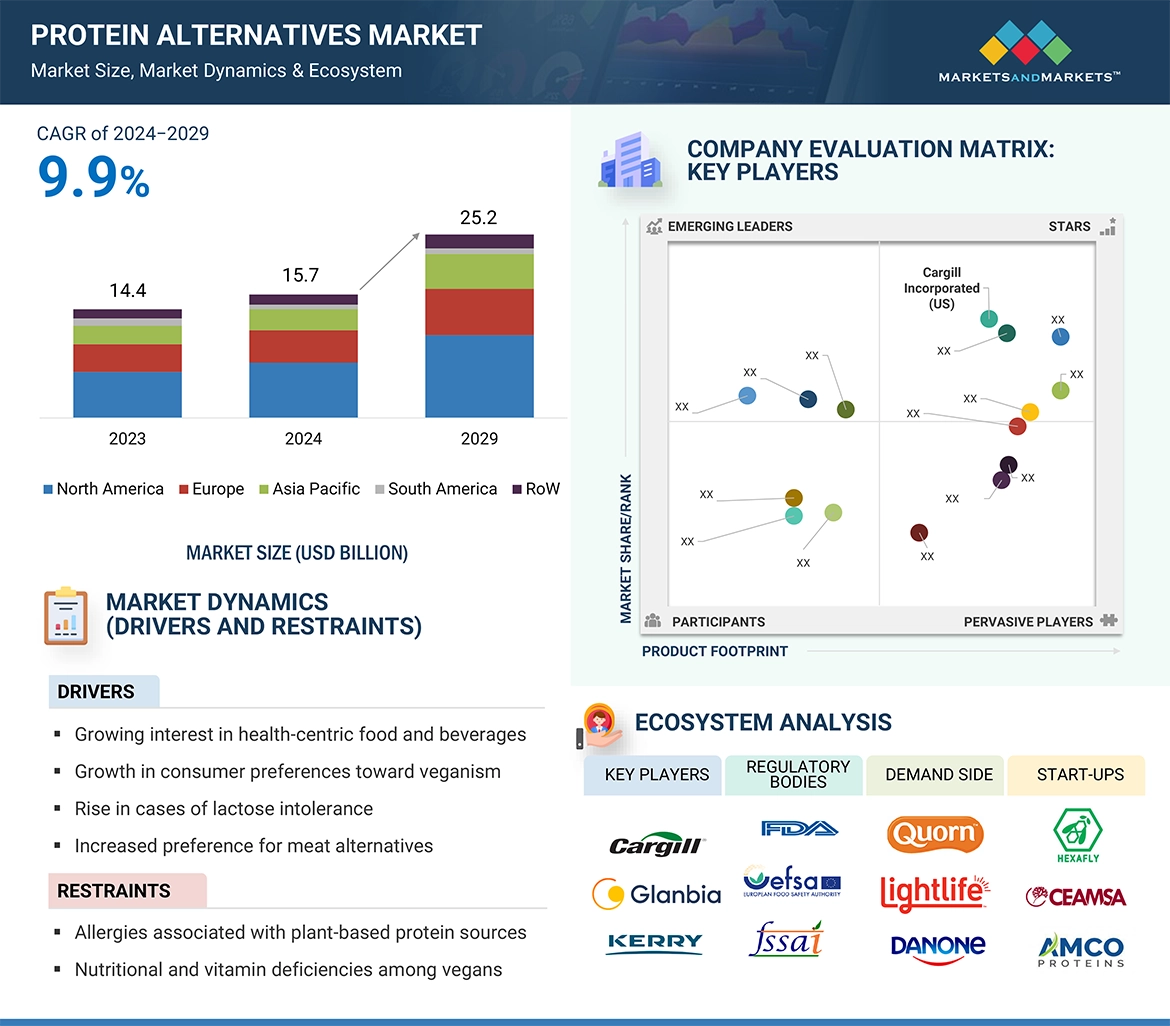
The global protein alternatives market is valued at USD 15.7 billion in 2024 and is projected to grow to USD 25.2 billion by 2029, registering a robust CAGR of 9.9% during the forecast period. This rapid growth is driven by increasing consumer interest in healthier, ethical, and environmentally friendly food options. A surge in demand for alternative proteins—including plant-based, microbial, and insect-derived varieties—reflects a broader shift in dietary preferences influenced by health consciousness, sustainability goals, and food sensitivities.

Protein Alternatives Market


Consumers are moving away from traditional animal-based proteins due to concerns such as allergies, specific dietary restrictions, and the desire for clean, low-calorie, and low-fat nutritional solutions. This has led to a rising preference for plain and unsweetened protein products. The growing awareness of the health benefits associated with alternative proteins—such as reduced risk of chronic diseases—combined with their lower environmental impact compared to conventional meat production, is fueling this transformation.

The market is seeing rapid innovation, with companies exploring ingredients like soy, pea, hemp, quinoa, algae, and various insects to develop a diverse array of protein-rich products. These innovations are not just targeting vegans and vegetarians but also flexitarians and health-conscious consumers seeking to reduce their meat intake. Products like plant-based burgers, insect protein bars, and microbial protein powders are increasingly visible on grocery store shelves and restaurant menus worldwide.

Protein Alternatives Market Growth Drivers

  • Health and Wellness Trends: Consumers today are more informed and conscious of the impact of food on their health. Protein alternatives often come with lower saturated fats, fewer calories, and no cholesterol, making them an attractive choice for those managing weight, heart conditions, or cholesterol levels.
  • Sustainability and Environmental Impact: Traditional livestock farming is resource-intensive and contributes significantly to greenhouse gas emissions, deforestation, and water usage. Alternative protein sources such as algae, fungi, and lab-grown meat offer a much lower environmental footprint.
  • Innovation and Investment: The market is buzzing with innovation, from pea protein burgers and mushroom-based meats to lab-cultivated proteins. Startups and food tech companies are attracting major investments, further fueling research, product development, and commercialization.
  • Regulatory Support and Label Transparency: Government initiatives supporting sustainable food production and the growing emphasis on clear, clean-label products are also contributing to the surge in demand.


Emerging Segments in the Market

  1. Plant-Based Proteins: Dominant in the market, with soy, pea, and rice proteins leading the way in meat substitutes, dairy alternatives, and nutritional supplements.
  2. Microbial & Fermentation-Based Proteins: Precision fermentation is opening doors to high-efficiency protein production using yeast, bacteria, and fungi.
  3. Insect Protein: Slowly gaining traction for use in animal feed, pet food, and even snacks due to its high protein content and minimal environmental footprint.
  4. Algae & Seaweed: Valued for their rich amino acid profile and omega-3 content, these are emerging in supplements and specialty health products.


Download PDF Brochure: https://www.marketsandmarkets.com/pdfdownloadNew.asp?id=233726079

Dry Form to Lead the Protein Alternatives Market by Form Segment

The dry form segment is projected to maintain a leading position within the form category of the protein alternatives market. This dominance is driven by its exceptional versatility, convenience, and broad consumer appeal. Products such as protein powders and dehydrated alternatives derived from plant sources like soy, peas, and fungi (e.g., mycoprotein) are gaining traction due to their ease of storage, extended shelf life, and seamless integration into diverse food applications—from beverages and snacks to baked goods.

The dry format not only caters to health-conscious consumers seeking clean-label, plant-based options but also offers operational advantages to manufacturers and retailers. Dry protein alternatives minimize storage and transportation costs while requiring less processing and preservation. These benefits align with broader sustainability goals and help reduce environmental impact. As demand for functional, plant-based proteins continues to grow, the dry form segment is expected to drive market innovation and set new industry benchmarks.

Plant-Based Protein: Fastest-Growing Source in the Protein Alternatives Market (2024–2029)

Plant protein is projected to be the fastest-growing source category in the protein alternatives market during the forecast period of 2024 to 2029. Its rise is fueled by increasing consumer awareness around health, environmental sustainability, and ethical sourcing. Unlike animal-derived proteins, plant proteins offer a more eco-friendly and cruelty-free option, resonating with a wide range of dietary and lifestyle preferences.

The versatility of plant sources such as soy, peas, hemp, and algae allows for a diverse portfolio of products, enabling manufacturers to meet varied nutritional and sensory demands. This adaptability fosters rapid innovation, with many plant-based products now rivaling or exceeding traditional proteins in terms of flavor, texture, and health benefits.

In addition, plant proteins are often praised for their efficient digestion and absorption, making them especially appealing to athletes and wellness-focused individuals. With mounting scientific evidence supporting the benefits of plant-based diets—such as reduced risk of chronic diseases—plant protein is poised to continue its strong upward trajectory in the global market.

North America Dominates the Protein Alternatives Market Share.

North America is set to lead the global protein alternatives market, bolstered by advanced food innovation infrastructure, strategic partnerships, and a growing demand for sustainable protein solutions. The region is witnessing significant investment in alternative protein technologies, supported by a consumer base that values health, transparency, and environmental responsibility.

Strategic collaborations underscore North America’s leadership. For instance, ADM (US) partnered with InnovaFeed (France) in January 2022 to supply insect protein for pet food, utilizing waste heat and water resources to enhance sustainability. Similarly, in May 2021, Cargill (US) teamed up with InnovaFeed to integrate insect-based feed into aquaculture and pig diets, highlighting a shift toward innovative protein sources in animal nutrition.

These initiatives reflect North America’s commitment to advancing sustainable food systems through technology and collaboration. As the region continues to drive innovation in both plant- and insect-based protein alternatives, its market dominance is expected to remain strong in the coming years.

Leading Protein Alternatives Companies:

Key market players in this include Tate & Lyle PLC (London), Kerry Group PLC (Ireland), DSM Firmenich (Switzerland), ADM (US), Cargill Incorporated (US), International Flavors & Fragrances Inc. (US), Ingredion (US), Roquette Frères (France), Wilmar International Ltd. (Singapore), Glanbia plc (Ireland), AGT Food and Ingredients (Canada), Tate & Lyle (UK), PURIS (US), Ynsect (France), Global Bugs (Thailand), and Innovafeed (France).

About MarketsandMarkets™

MarketsandMarkets™ has been recognized as one of America’s Best Management Consulting Firms by Forbes, as per their recent report.

MarketsandMarkets™ is a blue ocean alternative in growth consulting and program management, leveraging a man-machine offering to drive supernormal growth for progressive organizations in the B2B space. With the widest lens on emerging technologies, we are proficient in co-creating supernormal growth for clients across the globe.

Today, 80% of Fortune 2000 companies rely on MarketsandMarkets, and 90 of the top 100 companies in each sector trust us to accelerate their revenue growth. With a global clientele of over 13,000 organizations, we help businesses thrive in a disruptive ecosystem.

The B2B economy is witnessing the emergence of $25 trillion in new revenue streams that are replacing existing ones within this decade. We work with clients on growth programs, helping them monetize this $25 trillion opportunity through our service lines – TAM Expansion, Go-to-Market (GTM) Strategy to Execution, Market Share Gain, Account Enablement, and Thought Leadership Marketing.

Built on the ‘GIVE Growth’ principle, we collaborate with several Forbes Global 2000 B2B companies to keep them future-ready. Our insights and strategies are powered by industry experts, cutting-edge AI, and our Market Intelligence Cloud, KnowledgeStore™, which integrates research and provides ecosystem-wide visibility into revenue shifts.

Media Contact
Company Name: MarketsandMarkets™ Research Private Ltd.
Contact Person: Mr. Rohan Salgarkar
Email: Send Email
Phone: 18886006441
Address:1615 South Congress Ave. Suite 103, Delray Beach, FL 33445
City: Florida
State: Florida
Country: United States
Website: https://www.marketsandmarkets.com/Market-Reports/alternative-protein-market-233726079.html


Press Release Distributed by ABNewswire.com

To view the original version on ABNewswire visit: Protein Alternatives Market Analysis: Key Players, Regional Trends, and Competitive Landscape

Global Clean Label Ingredients Market Outlook 2024–2029: Key Insights from Latest Industry Analysis

“MarketsandMarkets™”
Clean Label Ingredients Market by Ingredient Type (Natural Flavors, Natural Colors, Fruit & Vegetable Ingredients, Starch & Sweeteners, Flours, Malt), Application (Food, Beverages), Form (Dry, Liquid), Certification Type – Global Forecast to 2029

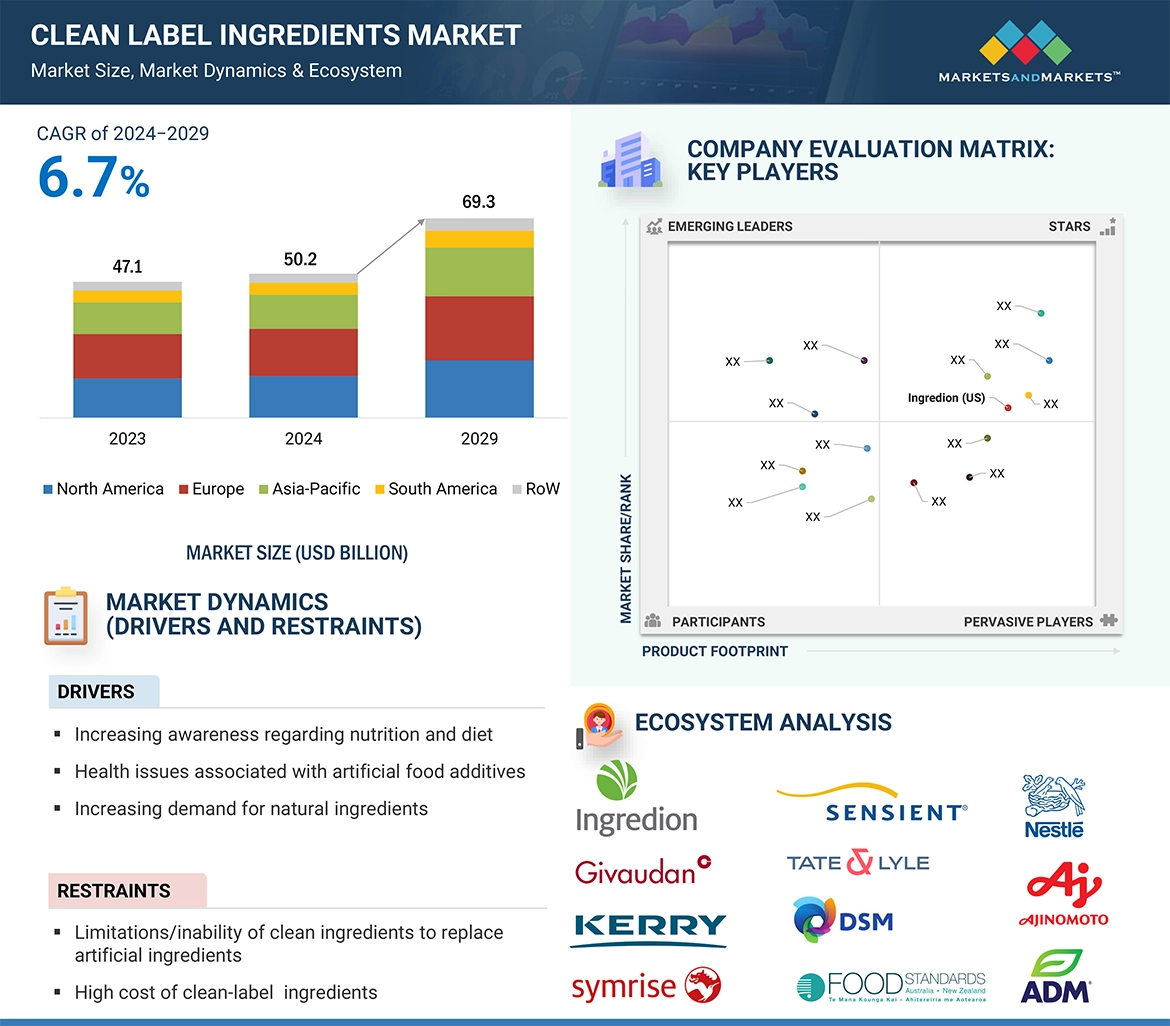
The global clean label ingredients market is projected to grow from USD 50.2 billion in 2024 to USD 69.3 billion by 2029, registering a CAGR of 6.7% during the forecast period. This growth is fueled by rising consumer awareness and the increasing demand for healthier, more transparent food and beverage products. As consumers become more mindful of their dietary choices, they are actively seeking foods made with simple, recognizable ingredients.

Clean Label Ingredients Market


What Are Clean Label Ingredients?

Clean label ingredients are those that are natural, minimally processed, and recognizable by consumers. These typically exclude artificial additives, preservatives, synthetic chemicals, and genetically modified organisms (GMOs). Common examples include:

  • Natural sweeteners (e.g., stevia, honey)
  • Plant-based colorants (e.g., beetroot, turmeric)
  • Natural emulsifiers (e.g., lecithin)
  • Organic acids and enzymes
  • Functional flours and whole grains


Clean Label Ingredients Market Drivers

  1. Consumer Awareness and Health Consciousness: A growing number of consumers are concerned about the long-term effects of consuming artificial ingredients. Health-conscious buyers now prefer foods made with short, simple ingredient lists they can understand and trust.
  2. Regulatory Support and Labeling Norms: Governments and regulatory bodies across regions are encouraging truthful labeling and banning the use of certain artificial additives, thus supporting clean label initiatives.
  3. Demand for Transparency: Clean label is no longer a niche trend—it’s a mainstream expectation. Brands are now judged not just on taste and price but on ingredient clarity and sustainability claims.
  4. Rise of Plant-Based and Organic Foods: The surge in vegan, vegetarian, and organic lifestyles has further fueled demand for clean label ingredients, as consumers view plant-based diets as inherently cleaner and more sustainable.


Clean Label Ingredients Market Opportunities: Advancing Natural Ingredients with Functional Benefits

Today’s consumers are looking beyond clean label products—they also expect added health benefits and functional attributes. This shift presents a valuable opportunity for ingredient suppliers and manufacturers to innovate by developing natural ingredients that not only meet clean label standards but also deliver enhanced nutritional and functional value.

There is growing demand for ingredients such as plant-based compounds, fiber-rich additives, and naturally derived components that support better health and meet specific dietary needs. The integration of food science and technology has made it possible to utilize advanced extraction and processing techniques that maintain the nutritional quality of natural ingredients while maximizing their functional properties.

These innovations can improve product texture, stability, and nutritional content—such as fortifying foods with essential vitamins and minerals. By embracing this direction, companies can differentiate their offerings, attract health-conscious consumers, and remain compliant with evolving food regulations.

The development of multifunctional natural ingredients is not only aligned with current consumer preferences but also plays a key role in driving the growth and evolution of the clean label ingredients market.

Rising Demand for Natural, Safe, and Sustainable Products

The clean label trend is also being driven by growing concerns around food safety, health, and sustainability. Shoppers are prioritizing products that are free from artificial additives, preservatives, and GMOs, aligning with a broader shift towards natural and environmentally responsible consumption.

Download PDF Brochure: https://www.marketsandmarkets.com/pdfdownloadNew.asp?id=99427189

Dominance of Prepared Foods & Ready Meals Segment

Among various food applications, the prepared foods and ready meals segment is expected to hold the largest market share throughout the forecast period. This segment’s growth is closely tied to changing consumer lifestyles that demand convenient yet health-focused meal solutions. Consumers now expect ready-to-eat products that are not only quick and easy but also free from synthetic ingredients.

Manufacturers are responding to this shift by reformulating products with clean label ingredients such as natural preservatives, plant-based colorants, and minimally processed components. The prevalence of diet-related health issues—including obesity, diabetes, and food allergies—further reinforces the preference for clean, natural foods.

Dry Form Leads the Market by Form Segment

In 2023, dry-form clean-label ingredients accounted for the largest market share among forms. The convenience, cost-efficiency, and versatility of dry formats make them attractive to both manufacturers and consumers. Dry products, such as powders, are easier to store, transport, and handle compared to liquid or solid alternatives, enabling broad application across functional foods, supplements, and processed foods.

An example of innovation in this space is Symrise’s Diana Food Division, which introduced an organic, clean label, Fair Trade-certified acerola powder in September 2020. This product caters to the growing demand for natural and minimally processed solutions, and is suitable for a range of applications, from dietary supplements to functional beverages.

Germany to Remain a Key Market in Europe

Germany is projected to maintain its leadership in the European clean label ingredients market through 2029. This dominance is underpinned by strong consumer preference for natural and additive-free products, as well as a robust regulatory framework that promotes food safety and transparency. German consumers are known for their scrutiny of food labels and demand for organic and clean products.

Additionally, stringent regulations and proactive enforcement by agencies such as the Federal Office of Consumer Protection and Food Safety (BVL) further support the adoption of clean label ingredients by food manufacturers in the country.

Leading Clean Label Ingredients Companies:

The key players in the market are Cargill, Incorporated (US), ADM (US), DSM (Netherlands), International Flavors & Fragrances Inc. (US), Kerry Group plc (Ireland), BASF SE (Germany), Ingredion (US), Sensient Technologies Corporation (US), Corbion (Netherlands), Symrise (Germany), Chr. Hansen A/S (Denmark), Puratos (Belgium), Ajinomoto Co., Inc. (Japan), Tate & Lyle (UK), and Givaudan (Switzerland).

About MarketsandMarkets™

MarketsandMarkets™ has been recognized as one of America’s Best Management Consulting Firms by Forbes, as per their recent report.

MarketsandMarkets™ is a blue ocean alternative in growth consulting and program management, leveraging a man-machine offering to drive supernormal growth for progressive organizations in the B2B space. With the widest lens on emerging technologies, we are proficient in co-creating supernormal growth for clients across the globe.

Today, 80% of Fortune 2000 companies rely on MarketsandMarkets, and 90 of the top 100 companies in each sector trust us to accelerate their revenue growth. With a global clientele of over 13,000 organizations, we help businesses thrive in a disruptive ecosystem.

The B2B economy is witnessing the emergence of $25 trillion in new revenue streams that are replacing existing ones within this decade. We work with clients on growth programs, helping them monetize this $25 trillion opportunity through our service lines – TAM Expansion, Go-to-Market (GTM) Strategy to Execution, Market Share Gain, Account Enablement, and Thought Leadership Marketing.

Built on the ‘GIVE Growth’ principle, we collaborate with several Forbes Global 2000 B2B companies to keep them future-ready. Our insights and strategies are powered by industry experts, cutting-edge AI, and our Market Intelligence Cloud, KnowledgeStore™, which integrates research and provides ecosystem-wide visibility into revenue shifts.

Media Contact
Company Name: MarketsandMarkets™ Research Private Ltd.
Contact Person: Mr. Rohan Salgarkar
Email: Send Email
Phone: 18886006441
Address:1615 South Congress Ave. Suite 103, Delray Beach, FL 33445
City: Florida
State: Florida
Country: United States
Website: https://www.marketsandmarkets.com/Market-Reports/clean-label-ingredients-market-99427189.html


Press Release Distributed by ABNewswire.com

To view the original version on ABNewswire visit: Global Clean Label Ingredients Market Outlook 2024–2029: Key Insights from Latest Industry Analysis

Poultry Medicine/Pharmaceuticals Market to Hit USD 6.68 Billion by 2029 with 5.9% CAGR | MarketsandMarkets™

“The key players in the global poultry medicine/pharmaceuticals market are MSD (US), Elanco (US), Boehringer Ingelheim (Germany), Ceva Sante Animale (France), Zoetis Service LLC (US), Virbac (France), Phibro Animal Health (US), Hester Biosciences Limited (India)”
Browse 500 market data Tables and 56 Figures spread through 424 Pages and in-depth TOC on “Poultry Medicine/Pharmaceuticals Market by Animal Type (Chickens, Turkeys, Ducks), Product (Drugs, Vaccines, Feed Additives), Disease Indication (Newcastle disease, Infectious Bursal Disease, Salmonella), Route of Administration – Global Forecast to 2029

The poultry medicine/pharmaceuticals market valued at US$ 4.73 billion in 2023, is forecasted to grow at a robust CAGR of 5.9%, reaching US$ 5.01 billion in 2024 and an impressive US$ 6.68 billion by 2029.

The growth of the poultry medicine/pharmaceutical industry can be attributed to the rising global population and consumption of poultry meat and eggs leading to more poultry farming practiced notably in the developing regions where poultry is the cheapest source of protein. This growth in poultry medicine/production also brings with it the challenge of disease prevention and control as poultry is often attacked by diseases like Newcastle disease and coccidiosis. Enhanced consumer consciousness, safety concerns and strict law compliance towards the use of antibiotics in food animals have also influenced the market demand in that there is a high demand of vaccines, probiotics, and immune boosters as opposed to antibiotics. In addition to advancements in means of disease control growth enhancing products such as vaccines, in ovo vaccination technology geared towards delivery of vaccines has also worked to enhanced control of diseases among large scale farms. As such, with the emerging regions in Asia, Latin America and Africa increasing poultry production at an exponential rate, the market has also been enhancing towards supplying health solutions for healthy and productive farming dominantly in the sustainable manner.

Download PDF Brochure: https://www.marketsandmarkets.com/pdfdownloadNew.asp?id=112094232

Browse in-depth TOC on “Poultry Medicine/Pharmaceuticals Market

500 – Tables

56 – Figures

424 – Pages

Based on animal type, the chickens registered the highest share in cold plasma market, people all over the world eat a lot of chicken and eggs, which makes them affordable sources of protein. For this reason, poultry farming has recorded a high level of growth especially in developing economies that have dense populations and elevated rates of urbanization which call for higher levels of production. Moreover, chickens are quite susceptible to other infectious agents such as Newcastle disease, Infectious Bronchitis, and Coccidiosis, which calls for adequate vaccinations and attention to drugs in order to sustain the health and the productiveness of the flock maintained. Also, as poultry farming has a high risk of diseases that have a dramatically negative effect on the economy and the poultry markets, there has been an increase in the measures put on the production of chicken meat and eggs among others. Thus a lot of research and development is being directed by the pharmaceutical companies into the development of products for the chickens which is the leading segment of the poultry medicine/pharmaceuticals market.

Based on product, vaccines hold the most significant market share of the poultry medicine/pharmaceuticals, due to their necessity for controlling diseases, which are integral to large-scale poultry farming. These birds, especially chickens, are prone to highly contagious diseases like Newcastle disease, Infectious Bronchitis, and Avian Influenza. When not controlled, they have the potential to incur the greatest losses. Vaccination is an effective tool that controls these diseases and therefore improves the health of a flock and enhances productivity. In addition, the greater regulatory pressure to reduce the use of antibiotics in livestock production makes poultry producers increasingly rely on vaccines as a means of disease prevention that is not reliant on antibiotics, thus assisting in the fight against problems of antibiotic resistance. Ongoing innovations in vaccine technology, such as in ovo (in-egg) vaccination, make it possible to achieve efficient mass immunization, saving time and labor while improving disease control on large farms. The vaccines are now the most preferred choice in ensuring sustainable control of poultry diseases, hence placing them in the limelight in the poultry medicine/pharmaceuticals market, with a resultant increasing demand for safer poultry products.

Based on disease indication, newcastle disease hold the most significant market share of the poultry medicine/pharmaceuticals, due to its severe economic and production impacts on the global poultry industry. As a highly infectious viral disease, it poses a major threat to flock health, leading to high mortality rates, reduced productivity, and trade restrictions in outbreak scenarios. The live attenuated, inactivated, and recombinant vaccines have dominated this market segment widely. Moreover, increased awareness, government-ordered vaccination programs, and continuous improvement in vaccine technology, such as thermostable and vector-based solutions, continue to strengthen newcastle disease as the prime concern in poultry disease control strategies.

Based on route of administration, the oral route of administration is the most practical, efficient, and economic route for treatment delivery in large flocks. The major reason why poultry producers prefer oral administration is that it is relatively easy to administer the medicine through water or feed; it will ensure all birds receive the necessary dose without the need for individual handling, which would be both labor-intensive and stressful to the birds. This route is especially advantageous in preventive care, wherein drugs such as antibiotics, probiotics, and vitamins can be added to water systems and arrive quickly at the birds’ consumption sites, reducing diseases from spreading among flocks. The oral method can also be delivered flexibly, and its use is better for vaccines, probiotics, and immune boosters that play a vital role in maintaining health and productivity in the flocks. Oral administration is easy and scalable, which places it as the first option for large-scale poultry operations. This cements its foremost position in the poultry medicine/pharmaceuticals market.

Based on region poultry medicine/pharmaceuticals market is segmented into five major regions, namely, North America, Europe, Asia Pacific, Latin America, and the Middle East and Africa. Asia-Pacific region has the highest market share of poultry medicine/pharmaceuticals as the poultry industry is experiencing high growth rates, mostly on account of the soaring demand for readily affordable sources of protein like chicken and eggs. Such a demand is also seen across China, India, and Indonesia, primarily supported by the population growth, middle-class expansion, and urbanization of the populace that consumes meat in larger quantities. This demand has been fueled by the increasing number of large-scale poultry farms in the region and the susceptibility of the region to infectious poultry diseases, including Avian Influenza, Newcastle disease, and Infectious Bronchitis.

Request Sample Pages : https://www.marketsandmarkets.com/requestsampleNew.asp?id=112094232

The prominent players in the poultry medicine/pharmaceuticals market are MSD (US), Elanco (US), Boehringer Ingelheim (Germany), Ceva Sante Animale (France), Zoetis Service LLC (US), Virbac (France), Phibro Animal Health (US).

MSD (US)

MSD Animal Health is one of the top companies in the global animal health sector and an important player in the market of poultry pharmaceuticals. With extensive range of products devoted to poultry health, MSD has made inroads in developed markets with vaccines, novel drug delivery systems, and sophisticated disease prevention and treatment modalities. The company’s main objective is improving productivity and animal health, more specifically for the poultry industry the problems of infectious agents, respiratory problems, and growth promotion.

ELANCO (US)

Elanco Animal Health, a global leader in animal health, has established a significant market share in poultry medicine/pharmaceuticals. Elanco’s approach to poultry medicine/pharmaceuticals has allowed it to create a variety of necessary solutions to the critical health needs in poultry farming ranging from infectious diseases to parasite management. The product portfolio of the world leader, it includes antibiotics, vaccines, anticoccidials, parasiticides, nutritional health and other solutions. The product is well accepted in the markets globally and especially in the Americas, Europe and Asia pacific regions. R&D becomes one of the major driver of such growth and new strategies within the company focus on partnering with universities and other biotech companies to enhance the company’s pipeline of products.

BOEHRINGER INGELHEIM (GERMANY)

Boehringer Ingelheim, located in Germany, is one of the major players globally in animal medicines, specifically in the poultry division engaged in the enhancement of poultry health with the help of vaccines, therapeutics, and biosecurity measures. Boehringer Ingelheim’s unyielding focus on R&D is to enhance the Company’s product pipeline especially towards vaccine development and non-antibiotic treatments. In addition, the company has a solid presence across the globe enabling it to operate in different regulatory regimes without any challenges. All these strengths in addition to sustainability and provision of extension services to the farmers enable Boehringer Ingelheim to dominate the global poultry medicine/pharmaceutical market, which has current and future promises of healthy and sustainable poultry production.

For more information, Inquire Now!

Media Contact
Company Name: MarketsandMarkets™ Research Private Ltd.
Contact Person: Mr. Rohan Salgarkar
Email: Send Email
Phone: 18886006441
Address:1615 South Congress Ave. Suite 103, Delray Beach, FL 33445
City: Florida
State: Florida
Country: United States
Website: https://www.marketsandmarkets.com/Market-Reports/poultry-medicine-pharmaceuticals-market-112094232.html


Press Release Distributed by ABNewswire.com

To view the original version on ABNewswire visit: Poultry Medicine/Pharmaceuticals Market to Hit USD 6.68 Billion by 2029 with 5.9% CAGR | MarketsandMarkets™

Open Day and Free Maths Sessions for Children at Acton Library as Part of Avidator’s Social Impact Initiative

“Bring your child along and spark their love for maths. Join us at Acton Library on 14th June!”
Avidator is hosting free Junior Maths Workshops for Key Stage 2 students as part of its Social Impact Initiative. The event takes place on 14th June 2025 at Acton Town Hall Library, offering fun, curriculum-based learning resources including worksheets, quizzes, and tips guides. Seats are limited, and families are encouraged to attend early.

London, UK – 11 June, 2025 – Avidator, an education-focused organisation, is launching Free Junior Maths Workshops for children in Key Stage 2 (Years 3 to 6). This initiative is part of Avidator’s wider Social Impact Initiative and will be hosted during a special Open Day on:

Day and Date: Saturday, 14th June 2025

Time: 11:00 AM to 12:00 PM

Location: Acton Town Hall Library, Everyone Active Acton Centre, High Street, Acton, London W3 6NE

About the Workshop

The Junior Maths Workshop is designed to provide free educational support to young learners in the local community. The session includes:

  • 1 Tips & Tricks Guide for continued learning at home

  • 5 Curriculum-Based Worksheets

  • 5 Practice Quizzes aligned with Key Stage 2 maths topics

The event is completely free but seating is limited, and parents are encouraged to arrive early to secure a place.

An Initiative to Support Families and Learners

This effort forms part of Avidator’s commitment to educational access and inclusion through its CSR programme. The organisation’s Social Impact Initiative focuses on:

  • Providing free, hands-on workshops in public libraries and centres

  • Supporting students aged 7–11 with learning resources that complement school education

  • Encouraging community-based learning opportunities across London


Explore More on the Day

Families attending the Open Day can:

  • Speak to Avidator’s education support team

  • Learn more about 11+ maths coaching available via Avidator’s online platform

  • Explore future community workshops and support resources


Contact & Further Information

Visit: www.avidator.uk

Call: +44 (0) 20 3151 2082

Location: Acton Town Hall Library, High Street, Acton, London W3 6NE

About Avidator

Avidator is a UK-based education platform supporting children, parents, and schools through accessible learning solutions. Its Social Impact Initiative delivers free learning workshops and resources in local communities, aiming to make education engaging and inclusive for all.

Media Contact
Company Name: Avidator
Contact Person: Jim Cohn
Email: Send Email
Phone: +44 (0) 20 3151 2082
Address:Office 3002, 182-184 High Street North, East Ham
City: London
State: England, E6 2JA
Country: United Kingdom
Website: https://avidator.uk/


Press Release Distributed by ABNewswire.com

To view the original version on ABNewswire visit: Open Day and Free Maths Sessions for Children at Acton Library as Part of Avidator’s Social Impact Initiative