Extended Family Home Care Strengthens Commitment to Quality Senior Care in Denver, CO

Providing unparalleled home care solutions tailored to the needs of Denver seniors and their families.

Denver, CO – Extended Family Home Care proudly reaffirms its dedication to offering top-tier home care services in Denver, CO, ensuring the well-being and dignity of seniors and their families. With a strong focus on enhancing the quality of life for elderly residents, the organization is set to make a meaningful impact on the local community.

“At Extended Family Home Care, our mission has always been to deliver compassionate and personalized care to seniors in Denver,” said Brittney Blanchard, Extended Family Home Care owner. “We recognize our critical role in fostering a supportive environment for seniors and their families, ensuring they receive the care and attention they truly deserve.”

The need for reliable home care in Denver, CO, has grown significantly, with families seeking dependable solutions for their elderly loved ones. Extended Family Home Care addresses this need by providing comprehensive services, including assistance with daily living activities, specialized care for chronic conditions, and emotional support tailored to individual needs. These services empower seniors to live independently and comfortably within their homes.

Qualified caregivers provide a unique advantage in ensuring seniors receive proper attention and care, promoting physical and emotional well-being. From managing medication schedules to assisting with mobility challenges, skilled professionals ensure seniors’ daily needs are met efficiently and compassionately. This level of care often results in improved health outcomes and a higher quality of life.

Additionally, having a trained caregiver alleviates the stress on family members who may struggle to balance caregiving with other responsibilities. Caregivers provide direct assistance and offer families peace of mind, knowing their loved ones are in capable and trusted hands. This emotional support is invaluable, fostering stronger family bonds and reducing caregiver burnout.

Professional caregivers also create engaging environments that keep seniors mentally and socially active. Whether organizing meaningful activities, encouraging hobbies, or facilitating safe social interactions, their presence ensures that seniors remain connected and motivated. This holistic approach to caregiving helps combat loneliness and enhances overall happiness.

Extended Family Home Care is a trusted partner for families in Denver looking for compassionate and skilled caregivers. Their commitment to excellence and personalized care plans ensure that each client’s unique requirements are met professionally and warmly.

For more information about Denver home care and the other services offered by Extended Family Home Care, visit their website at https://extendedfamilyinc.com.

About Extended Family Home Care:

Extended Family Home Care is a leading provider of in-home care services in Denver, CO. It is dedicated to enhancing the lives of seniors through personalized and compassionate care. With a team of experienced and devoted caregivers, the organization is committed to helping seniors maintain their independence while enjoying a high quality of life.

Media Contact
Company Name: Extended Family Home Care
Email: Send Email
Phone: (720) 741-6429
Address:3457 RINGSBY CT, UNIT 106
City: Denver
State: Colorado 80216-4908
Country: United States
Website: http://extendedfamilyinc.com/

Wilson’s Disease Treatment Market 2034: EMA, PDMA, FDA Approvals, Medication, NICE Approvals, Clinical Trials, Revenue, Statistics, Therapies, Prevalence, Companies by DelveInsight

“Wilson’s Disease Treatment Market”
Wilson’s Disease Companies are Orphalan, AstraZeneca, Vivet Therapeutics, Pfizer, Ultragenyx Pharmaceutical, and others

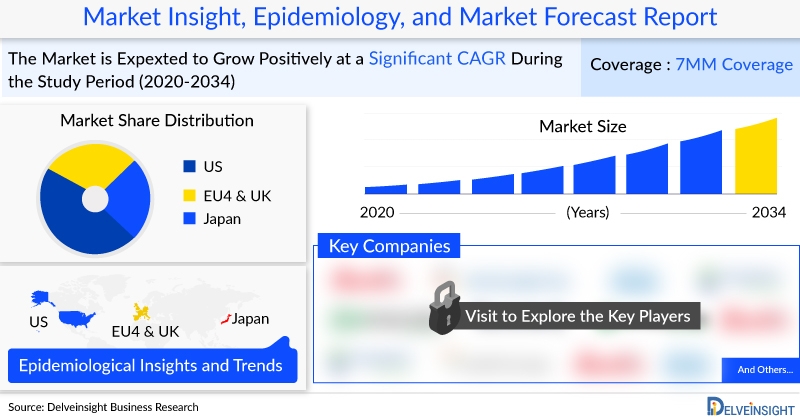
(Albany, USA) DelveInsight’s “Wilson’s Disease Market Insights, Epidemiology, and Market Forecast-2034″ report offers an in-depth understanding of the Wilson’s Disease, historical and forecasted epidemiology as well as the Wilson’s Disease market trends in the United States, EU4 (Germany, Spain, Italy, France) the United Kingdom and Japan.

The Wilson’s Disease market report also offers comprehensive insights into the Wilson’s Disease market size, share, Wilson’s Disease epidemiology, emerging therapies, market drivers and barriers, ongoing clinical trials, key collaboration in the space, market uptake by key therapies and companies actively pushing Wilson’s Disease market size growth forward.


To Know in detail about the Wilson’s Disease market outlook, drug uptake, treatment scenario and epidemiology trends, Click here; Wilson’s Disease Market Forecast


Some of the key highlights from the Wilson’s Disease Market Insights Report:

  • Several key pharmaceutical companies, including Orphalan, AstraZeneca, Vivet Therapeutics, Pfizer,Ultragenyx Pharmaceutical, and others, are developing novel products to improve the Wilson’s Disease treatment outlook.
  • In March 2025, Eton Pharmaceuticals, Inc. announced the launch of Galzin® (zinc acetate) capsules, now available exclusively through Optime Care. Galzin is the only FDA-approved zinc therapy for Wilson disease, a rare genetic disorder causing excessive copper accumulation in the body.
  • In January 2025, Eton Pharmaceuticals, Inc., announced that Galzin is an FDA-approved treatment for Wilson Disease, an ultra-rare metabolic disorder.
  • According to DelveInsight’s estimates, there were approximately 8,000 diagnosed prevalent cases of Wilson’s disease across the 7MM in 2023. These cases are expected to rise during the forecast period (2024–2034).
  • In 2023, the market for Wilson’s Disease was the largest in the US within the 7MM, valued at around USD 126 million, with expectations for a 13% compound annual growth rate (CAGR) over the forecast period.
  • Current treatment options primarily include Chelating agents (D-penicillamine, trientine), Zinc Salts, and others. Chelating agents accounted for the largest share of the market, reaching approximately USD 123 million in 2023 for Wilson’s Disease treatment in the US.
  • In May 2022, the US FDA approved Orphalan’s CUVRIOR (trientine tetrahydrochloride) for treating adults with stable Wilson’s disease who are decoupled and tolerant to penicillamine.
  • The Wilson’s Disease treatment market in the 7MM is driven by factors such as increasing awareness, early diagnosis, advances in genetic testing, and ongoing research into new therapies. Rising prevalence, along with greater healthcare investments in rare diseases, further contributes to market growth. Additionally, patient advocacy efforts are helping to improve treatment options and expand the market.
  • The US FDA has also granted Fast Track designation to VTX-801, a gene therapy from Vivet currently in clinical development for Wilson’s Disease. This designation is part of the FDA’s Fast Track program, aimed at expediting the development and review of innovative treatments for serious conditions with unmet medical needs.
  • As per DelveInsight analysis, the Wilson’s Disease market is anticipated to witness growth at a considerable CAGR


Strategise your business goals by understanding market dynamics @ Wilson’s Disease Market Landscape


Wilson’s Disease Overview

According to the European Association for the Study of the Liver (EASL), Wilson’s disease is a genetic disorder characterized by impaired biliary copper excretion, leading to its accumulation, particularly in the liver and brain.

The condition is progressive, and if untreated, it can result in liver disease, central nervous system dysfunction, and even death. Early detection and treatment can help prevent severe long-term disability and life-threatening complications. Wilson’s disease typically presents with a combination of liver, neurological, and psychiatric symptoms. In children and young adults, liver disease is often the first sign, whereas individuals diagnosed later in life may not exhibit obvious liver symptoms, though mild liver disease may still be present. Symptoms of liver disease include jaundice (yellowing of the skin or eyes), fatigue, loss of appetite, and abdominal swelling. In adults, neurological or psychiatric symptoms are often the first to appear, and they are common in young adults with the condition. These symptoms may include clumsiness, tremors, difficulty walking, speech issues, cognitive impairment, depression, anxiety, and mood swings. Wilson’s disease is caused by a mutation in the ATP7B gene, which is responsible for copper transport. The disease occurs when an individual inherits the mutated gene from both parents.


Do you know the treatment paradigms for different countries? Download our Wilson’s Disease Treatment Market


Wilson’s Disease Epidemiology Insights

In 2023, there were around 37,000 prevalent cases of Wilson’s Disease across the 7MM, yet the treatment market for the condition lacks therapies specifically approved for its management. According to the analysis, the United States recorded the highest number of diagnosed prevalent cases, with approximately 2,600, followed by Japan with nearly 2,200 cases. Conversely, Spain had the fewest diagnosed prevalent cases, totaling approximately 300.

Wilson’s Disease Epidemiology Segmentation

DelveInsight’s Wilson’s Disease market report is prepared on the basis of epidemiology model. It offers comprehensive insights to the Wilson’s Disease historical patient pools and forecasted Wilson’s Disease patients. The report provides in-depth data of various subtypes and for the same epidemiology is segmented further. The Wilson’s Disease Market report proffers epidemiological analysis for the study period 2020-34 in the 7MM segmented into:

  • Wilson’s Disease Prevalence
  • Age-Specific Wilson’s Disease Prevalence
  • Gender-Specific Wilson’s Disease Prevalence
  • Diagnosed and Treatable Cases of Wilson’s Disease


Visit for more @ Wilson’s Disease Epidemiological Insights


Wilson’s Disease Market Insights:

The Wilson’s Disease market outlook of the report helps to build a detailed comprehension of the historical, current, and forecasted Wilson’s Disease market trends by analyzing the impact of current Wilson’s Disease therapies on the market and unmet needs, and drivers, barriers, and demand for better technology.

This segment gives a thorough detail of the Wilson’s Disease market trend of each marketed drug and late-stage pipeline therapy by evaluating their impact based on the annual cost of therapy, inclusion and exclusion criteria, mechanism of action, compliance rate, growing need of the market, increasing patient pool, covered patient segment, expected launch year, competition with other therapies, brand value, their impact on the market and view of the key opinion leaders. The calculated Wilson’s Disease market data are presented with relevant tables and graphs to give a clear view of the market at first sight.

The Wilson’s Disease market is primarily driven by increased awareness, early diagnosis, and advancements in genetic testing that enable timely intervention. A growing number of treatment options, including novel chelating agents and gene therapy research, are also accelerating market growth. Supportive regulatory frameworks and incentives for orphan drug development further boost pharmaceutical investments in Wilson’s Disease therapies. Additionally, patient advocacy groups and awareness campaigns play a crucial role in improving access to treatment and driving demand for innovative solutions.

However, the Wilson’s Disease market faces several barriers. The rarity of the disease often leads to misdiagnosis or delayed diagnosis, hindering timely treatment initiation. High treatment costs, especially for lifelong therapies, can limit access in low- and middle-income regions. Limited awareness among general practitioners and inadequate screening protocols also pose significant challenges. Furthermore, the small patient population makes large-scale clinical trials difficult, slowing down the development and commercialization of new therapies. Despite these barriers, continued research and improved diagnostic infrastructure offer hope for overcoming current limitations in the Wilson’s Disease market.

According to DelveInsight, the Wilson’s Disease market in 7MM is expected to witness a major change in the study period 2020-2034.

  • In 2023, the therapeutic market for Wilson’s Disease in the 7MM was valued at approximately USD 295 million. The market is projected to grow at a CAGR of 12%, driven by increased disease awareness, improved diagnostic capabilities, and the introduction of emerging therapies.
  • Among the 7MM, the United States represented the largest market share, accounting for roughly 43% of the total market in 2023. This was significantly higher compared to other major markets, including the EU4 countries (Germany, France, Italy, and Spain), the United Kingdom, and Japan.
  • Several new drugs are under development for Wilson’s disease, including VTX-801 by Vivet Therapeutics and UX701 by Ultragenyx Pharmaceutical. These agents aim to offer improved treatment options for this challenging condition.


Scope of the Wilson’s Disease Market Report

  • Study Period: 2020-2034
  • Coverage: 7MM [The United States, EU5 (Germany, France, Italy, Spain, and the United Kingdom), and Japan]
  • Wilson’s Disease Drugs – CUVRIOR, CUPRIOR, VTX-801, UX701, others
  • Wilson’s Disease Companies – Orphalan, AstraZeneca,Vivet Therapeutics,Pfizer,Ultragenyx Pharmaceutical, and others
  • Wilson’s Disease Therapeutic Assessment: Wilson’s Disease current marketed and Wilson’s Disease emerging therapies
  • Wilson’s Disease Market Dynamics: Wilson’s Disease market drivers and Wilson’s Disease market barriers
  • Competitive Intelligence Analysis: SWOT analysis, PESTLE analysis, Porter’s five forces, BCG Matrix, Market entry strategies
  • Wilson’s Disease Unmet Needs, KOL’s views, Analyst’s views, Wilson’s Disease Market Access and Reimbursement


For more information, visit Wilson’s Disease Market Analysis, Patient Pool, and Emerging Therapies


Wilson’s Disease Report Key Insights

1. Wilson’s Disease Patient Population

2. Wilson’s Disease Market Size and Trends

3. Key Cross Competition in the Wilson’s Disease Market

4. Wilson’s Disease Market Dynamics (Key Drivers and Barriers)

5. Wilson’s Disease Market Opportunities

6. Wilson’s Disease Therapeutic Approaches

7. Wilson’s Disease Pipeline Analysis

8. Wilson’s Disease Current Treatment Practices/Algorithm

9. Impact of Emerging Therapies on the Wilson’s Disease Market


Table of Contents

1. Key Insights

2. Executive Summary

3. Wilson’s Disease Competitive Intelligence Analysis

4. Wilson’s Disease Market Overview at a Glance

5. Wilson’s Disease Disease Background and Overview

6. Wilson’s Disease Patient Journey

7. Wilson’s Disease Epidemiology and Patient Population

8. Wilson’s Disease Treatment Algorithm, Current Treatment, and Medical Practices

9. Wilson’s Disease Unmet Needs

10. Key Endpoints of Wilson’s Disease Treatment

11. Wilson’s Disease Marketed Products

12. Wilson’s Disease Emerging Therapies

13. Wilson’s Disease Seven Major Market Analysis

14. Attribute Analysis

15. Wilson’s Disease Market Outlook (7 major markets)

16. Wilson’s Disease Access and Reimbursement Overview

17. KOL Views on the Wilson’s Disease Market

18. Wilson’s Disease Market Drivers

19. Wilson’s Disease Market Barriers

20. Appendix

21. DelveInsight Capabilities

22. Disclaimer


About DelveInsight

DelveInsight is a leading Life Science market research and business consulting company recognized for its off-the-shelf syndicated market research reports and customized solutions to firms in the healthcare sector.

Media Contact
Company Name: DelveInsight Business Research LLP
Contact Person: Ankit Nigam
Email: Send Email
Phone: +14699457679
Address:304 S. Jones Blvd #2432
City: Albany
State: New York
Country: United States
Website: https://www.delveinsight.com/consulting/conference-coverage-services


Press Release Distributed by ABNewswire.com

To view the original version on ABNewswire visit: Wilson’s Disease Treatment Market 2034: EMA, PDMA, FDA Approvals, Medication, NICE Approvals, Clinical Trials, Revenue, Statistics, Therapies, Prevalence, Companies by DelveInsight

Buccal Facial in San Diego, CA Emerges as Leading Solution for Non-Invasive Facial Rejuvenation Among Beauty Enthusiasts

SAN DIEGO, CA – Buccal facial massage is gaining rapid popularity among Southern California beauty enthusiasts seeking effective alternatives to invasive cosmetic procedures. This specialized technique, which targets facial muscles from both inside and outside the mouth, delivers visible lifting and sculpting effects without needles, surgery, or recovery time.

Local skincare expert Bonnie Cruz has observed significant growth in demand for this treatment since introducing it to her practice.

“What makes the buccal approach so effective is our ability to access muscles that are simply unreachable with traditional external massage,” explains Cruz, a San Diego native with over two decades of skincare experience. “By working directly on the facial muscles from inside the mouth, we can release deeply held tension patterns that contribute to aging.”

As a provider of the premier buccal facial in San Diego, CA, Cruz has developed protocols that combine this technique with complementary modalities for comprehensive rejuvenation. Her approach addresses not only surface concerns but the underlying structural changes that occur with age.

Her studio’s in-mouth massage in San Diego, CA treatments target the buccinator, zygomaticus, masseters and orbicularis oris muscles—key facial muscles that traditional facials cannot effectively reach. This inside-out approach delivers more pronounced and longer-lasting results than conventional techniques.

Cruz brings extensive training to her best facial in San Diego, CA services, having studied with masters of various techniques across four continents. Her integration of Russian, European, Japanese, and Chinese methods creates a uniquely effective approach to facial rejuvenation.

The transformative effects of her sculpting facial in San Diego, CA treatments stem from her holistic understanding of facial anatomy. Cruz’s expertise in manipulating fascia, muscles, bones, and fat tissue allows her to address the complete facial structure rather than just surface-level concerns.

For those interested in experiencing the benefits of buccal facial massage and other advanced rejuvenation techniques, visit https://www.bonniecruz.com/ to learn more about Bonnie Cruz’s specialized approach or contact her studio directly to schedule a consultation with this experienced esthetician.

Media Contact
Company Name: Bonnie Cruz Esthetics | Face Sculptor in San Diego CA
Contact Person: Bonnie Cruz
Email: Send Email
Phone: +1 619-495-3996
Address:1550 Front St #19
City: San Diego
State: California 92101
Country: United States
Website: https://www.bonniecruz.com


Press Release Distributed by ABNewswire.com

To view the original version on ABNewswire visit: Buccal Facial in San Diego, CA Emerges as Leading Solution for Non-Invasive Facial Rejuvenation Among Beauty Enthusiasts

Sickle Cell Disease Treatment Market 2034: EMA, PDMA, FDA Approvals, Clinical Trials, Prevalence, Medication, Statistics, NICE Approval.Revenue and Companies by DelveInsight

“Sickle Cell Disease Treatment Market”
Sickle Cell Disease companies working in the treatment market are Cellectis, Sana Biotechnology, Global Blood Therapeutics, Inc., CSL Behring, Pfizer, Aruvant Sciences, Graphite Bio, Novartis, Agios Pharmaceuticals, Forma therapeutics, Vertex Pharmaceuticals, Global Blood Therapeutics, Inc., Alfasigma, Novo Nordisk, bluebird bio, ExCellThera, Gamida Cell, KM Biologics/Takeda, Editas Medicine, and others.

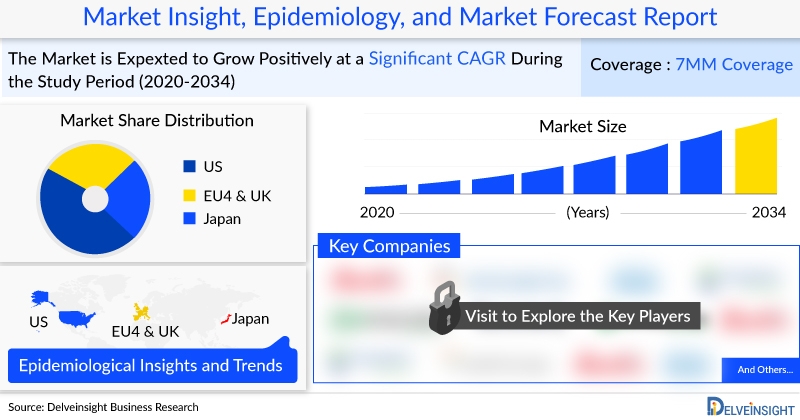
(Albany, USA) DelveInsight’s “Sickle Cell Disease Market Insights, Epidemiology, and Market Forecast-2034” report delivers an in-depth understanding of Sickle Cell Disease, historical and forecasted epidemiology as well as the Sickle Cell Disease market trends in the United States, EU5 (Germany, Spain, Italy, France, and United Kingdom), and Japan.

The Sickle Cell Disease market report provides current treatment practices, emerging drugs, the market share of the individual therapies, and the current and forecasted Sickle Cell Disease market size from 2020 to 2034, segmented by seven major markets. The Report also covers current Sickle Cell Disease treatment practice/algorithm, market drivers, market barriers, and unmet medical needs to curate the best opportunities and assesses the underlying potential of the Sickle Cell Disease market.


Request for a Free Sample Report @ Sickle Cell Disease Market Forecast


Some facts of the Sickle Cell Disease Market Report are:

  • According to DelveInsight, Sickle Cell Disease market size is expected to grow at a decent CAGR by 2034.
  • Leading Sickle Cell Disease companies working in the market are Cellectis, Sana Biotechnology, Global Blood Therapeutics, Inc., CSL Behring, Pfizer, Aruvant Sciences, Graphite Bio, Novartis, Agios Pharmaceuticals, Forma therapeutics, Vertex Pharmaceuticals, Global Blood Therapeutics, Inc., Alfasigma, Novo Nordisk, bluebird bio, ExCellThera, Gamida Cell, KM Biologics/Takeda, Editas Medicine, and others.
  • Key Sickle Cell Disease Therapies expected to launch in the market are BPX-501 T cells, Canakinumab, EPI01, CTX001, ADAKVEO, DROXIA, ENDARI, OXBRYTA, and many others.
  • In May 2025, Beam Therapeutics Inc. (Nasdaq: BEAM), a biotechnology company specializing in precision genetic medicines via base editing, announced it will share new findings from its BEACON Phase 1/2 clinical trial of BEAM-101 at the upcoming European Hematology Association 2025 Congress (EHA2025), scheduled for June 12–15, 2025, in Milan, Italy. BEAM-101 is an investigational ex vivo genetically modified cell therapy being developed to treat sickle cell disease (SCD), specifically in patients experiencing severe vaso-occlusive crises (VOCs).
  • In November 2024, BioLineRx Ltd. (NASDAQ: BLRX) (TASE: BLRX), a commercial-stage biopharmaceutical company focused on oncology and rare diseases, announced that an abstract featuring initial results from a Phase 1 trial of motixafortide—both as a monotherapy and in combination with natalizumab for CD34+ hematopoietic stem cell (HSC) mobilization in gene therapies for sickle cell disease (SCD)—has been accepted for oral presentation at the 66th American Society of Hematology (ASH) Annual Meeting & Exposition, taking place December 7-10, 2024, in San Diego, California. Conducted in collaboration with Washington University School of Medicine in St. Louis, this proof-of-concept study aims to explore alternative HSC mobilization approaches to enhance the treatment experience for SCD patients undergoing gene therapy.
  • In May 2024, Afimmune announced results of an Open-label Mechanistic Study to Assess the Pharmacokinetics, Pharmacodynamics and Safety of Orally Administered Epeleuton in Patients With Sickle Cell Disease
  • In April 2024, Pfizer announced results of an Open-label Extension Study to Evaluate the Long-term Safety of GBT021601 Administered to Participants With Sickle Cell Disease Who Have Participated in a GBT021601 Clinical Trial
  • In April 2024, Novo Nordisk A/S (Forma Therapeutics, Inc.) announced results of an adaptive, Randomized, Placebo-controlled, Double-blind, Multi-center Study of Oral Etavopivat, a Pyruvate Kinase Activator in Patients With Sickle Cell Disease (HIBISCUS).
  • In July 2023, Novartis announced results of an Open-label, Multi-center, Phase IV, Rollover Study for Patients With Sickle Cell Disease Who Have Completed a Prior Novartis-Sponsored Crizanlizumab Study.


Sickle Cell Disease Overview

Sickle cell disease (SCD) is a hereditary blood disorder characterized by the production of abnormal hemoglobin, known as hemoglobin S. This defect causes red blood cells to assume a rigid, sickle-like shape, which impedes their ability to flow smoothly through blood vessels. Consequently, these misshapen cells can obstruct blood flow, leading to severe pain, organ damage, and an increased risk of infection.

Sickle cell disease is most prevalent among individuals of African, Mediterranean, Middle Eastern, and Indian ancestry. Symptoms typically appear in early childhood and include episodes of pain (called sickle cell crises), chronic anemia, fatigue, swelling in the hands and feet, and delayed growth. Complications can be severe, including stroke, acute chest syndrome, and organ failure.

Management of Sickle cell disease involves both preventive and therapeutic strategies. Preventive measures include regular vaccinations, antibiotics to prevent infections, and hydroxyurea, a medication that reduces the frequency of pain crises and the need for blood transfusions. Pain management, blood transfusions, and bone marrow transplants are critical therapeutic options for managing acute and chronic complications.

Recent advancements in gene therapy and CRISPR technology hold promise for more effective treatments and potential cures for Sickle cell disease. Ongoing research and clinical trials aim to improve the quality of life for patients and reduce the burden of this debilitating disease.


Do you know what will be the Sickle Cell Disease market share in 7MM by 2034 @ Sickle Cell Disease Treatment Market


Sickle Cell Disease Market

The Sickle Cell Disease market outlook of the report helps to build a detailed comprehension of the historical, current, and forecasted Sickle Cell Disease market trends by analyzing the impact of current Sickle Cell Disease therapies on the market and unmet needs, and drivers, barriers, and demand for better technology.

This segment gives a thorough detail of the Sickle Cell Disease market trend of each marketed drug and late-stage pipeline therapy by evaluating their impact based on the annual cost of therapy, inclusion and exclusion criteria, mechanism of action, compliance rate, growing need of the market, increasing patient pool, covered patient segment, expected launch year, competition with other therapies, brand value, their impact on the market and view of the key opinion leaders. The calculated Sickle Cell Disease market data are presented with relevant tables and graphs to give a clear view of the market at first sight.

According to DelveInsight, the Sickle Cell Disease market in 7MM is expected to witness a major change in the study period 2020-2034.


Sickle Cell Disease Epidemiology

The Sickle Cell Disease epidemiology section provides insights into the historical and current Sickle Cell Disease patient pool and forecasted trends for seven individual major countries. It helps to recognize the causes of current and forecasted trends by exploring numerous studies and views of key opinion leaders. This part of the Sickle Cell Disease market report also provides the diagnosed patient pool, trends, and assumptions.


Interested to know how the emerging diagnostic approaches will be contributing in increased Sickle Cell Disease diagnosed prevalence pool? Download report @ Sickle Cell Disease Market Dynamics and Trends


Sickle Cell Disease Drugs Uptake

This section focuses on the uptake rate of the potential Sickle Cell Disease drugs recently launched in the Sickle Cell Disease market or expected to be launched in 2020-2034. The analysis covers the Sickle Cell Disease market uptake by drugs, patient uptake by therapies, and sales of each drug.

Sickle Cell Disease Drugs Uptake helps in understanding the drugs with the most rapid uptake and the reasons behind the maximal use of new drugs and allows the comparison of the drugs based on Sickle Cell Disease market share and size, which again will be useful in investigating factors important in market uptake and in making financial and regulatory decisions.


Sickle Cell Disease Pipeline Development Activities

The Sickle Cell Disease report provides insights into different therapeutic candidates in Phase II, and Phase III stages. It also analyses Sickle Cell Disease key players involved in developing targeted therapeutics.


Download report to know which TOP 3 therapies will be capturing the largest Sickle Cell Disease market share by 2034? Click here @ Sickle Cell Disease Companies and Medication


Sickle Cell Disease Therapeutics Assessment

Major key companies are working proactively in the Sickle Cell Disease Therapeutics market to develop novel therapies which will drive the Sickle Cell Disease treatment markets in the upcoming years are Cellectis, Sana Biotechnology, Global Blood Therapeutics, Inc., CSL Behring, Pfizer, Aruvant Sciences, Graphite Bio, Novartis, Agios Pharmaceuticals, Forma therapeutics, Vertex Pharmaceuticals, Global Blood Therapeutics, Inc., Alfasigma, Novo Nordisk, bluebird bio, ExCellThera, Gamida Cell, KM Biologics/Takeda, Editas Medicine, and others.


Do you know how market launches of New drugs will be impacting the Sickle Cell Disease market CAGR? Download sample report @ Sickle Cell Disease Therapies and Clinical Trials


Sickle Cell Disease Report Key Insights

1. Sickle Cell Disease Patient Population

2. Sickle Cell Disease Market Size and Trends

3. Key Cross Competition in the Sickle Cell Disease Market

4. Sickle Cell Disease Market Dynamics (Key Drivers and Barriers)

5. Sickle Cell Disease Market Opportunities

6. Sickle Cell Disease Therapeutic Approaches

7. Sickle Cell Disease Pipeline Analysis

8. Sickle Cell Disease Current Treatment Practices/Algorithm

9. Impact of Emerging Therapies on the Sickle Cell Disease Market


Table of Contents

1. Key Insights

2. Executive Summary

3. Sickle Cell Disease Competitive Intelligence Analysis

4. Sickle Cell Disease Market Overview at a Glance

5. Sickle Cell Disease Disease Background and Overview

6. Sickle Cell Disease Patient Journey

7. Sickle Cell Disease Epidemiology and Patient Population

8. Sickle Cell Disease Treatment Algorithm, Current Treatment, and Medical Practices

9. Sickle Cell Disease Unmet Needs

10. Key Endpoints of Sickle Cell Disease Treatment

11. Sickle Cell Disease Marketed Products

12. Sickle Cell Disease Emerging Therapies

13. Sickle Cell Disease Seven Major Market Analysis

14. Attribute Analysis

15. Sickle Cell Disease Market Outlook (7 major markets)

16. Sickle Cell Disease Access and Reimbursement Overview

17. KOL Views on the Sickle Cell Disease Market

18. Sickle Cell Disease Market Drivers

19. Sickle Cell Disease Market Barriers

20. Appendix

21. DelveInsight Capabilities

22. Disclaimer


About DelveInsight

DelveInsight is a leading Life Science market research and business consulting company recognized for its off-the-shelf syndicated market research reports and customized solutions to firms in the healthcare sector.

Media Contact
Company Name: DelveInsight Business Research LLP
Contact Person: Ankit Nigam
Email: Send Email
Phone: +14699457679
Address:304 S. Jones Blvd #2432
City: Albany
State: New York
Country: United States
Website: https://www.delveinsight.com/ats-conference-coverage


Press Release Distributed by ABNewswire.com

To view the original version on ABNewswire visit: Sickle Cell Disease Treatment Market 2034: EMA, PDMA, FDA Approvals, Clinical Trials, Prevalence, Medication, Statistics, NICE Approval.Revenue and Companies by DelveInsight

Hereditary Angioedema Drugs Market 2034: EMA, PDMA, FDA Approvals, Clinical Trials, Prevalence, Medication, Statistics, NICE Approval.Revenue and Companies by DelveInsight
“Hereditary Angioedema Drugs Market”
Hereditary Angioedema Companies are Ionis Pharmaceuticals, Astria Therapeutics, KalVista Pharmaceuticals, Intellia Therapeutics, BioMarin Pharmaceutical, CSL Behring, Ionis Pharmaceuticals, Astria Therapeutics, Pharvaris Netherlands B.V, Intellia Therapeutics, Takeda, CSL Behring, Shire, and others

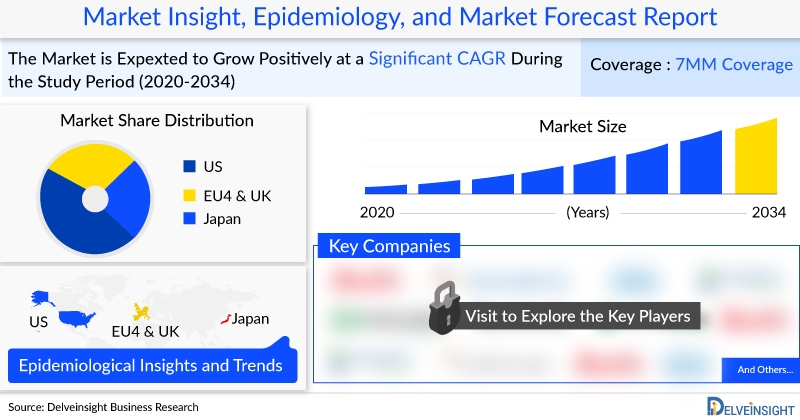
(Albany, USA) DelveInsight’s “Hereditary Angioedema Market Insights, Epidemiology, and Market Forecast-2034′′ report offers an in-depth understanding of the Hereditary Angioedema, historical and forecasted epidemiology as well as the Hereditary Angioedema market trends in the United States, EU4 (Germany, Spain, Italy, France) the United Kingdom and Japan.

The Hereditary Angioedema market report provides current treatment practices, emerging drugs, the market share of the individual therapies, and the current and forecasted Hereditary Angioedema market size from 2020 to 2034, segmented by seven major markets. The Report also covers current Hereditary Angioedema treatment practice/algorithm, market drivers, market barriers, and unmet medical needs to curate the best opportunities and assesses the underlying potential of the Hereditary Angioedema market.


To Know in detail about the Hereditary Angioedema market outlook, drug uptake, treatment scenario and epidemiology trends, Click here; Hereditary Angioedema Market Forecast


Some of the key facts of the Hereditary Angioedema Market Report:

  • The Hereditary Angioedema market size was valued ~USD 3000 million in 2023 and is anticipated to grow with a significant CAGR during the study period (2020-2034)
  • In March 2025, KalVista Pharmaceuticals, Inc. (Nasdaq: KALV) today announced that it has completed enrollment for the open-label KONFIDENT-KID clinical trial, which is evaluating sebetralstat, a novel oral plasma kallikrein inhibitor, in pediatric patients aged 2 to 11 with hereditary angioedema (HAE).
  • In February 2025, Astria Therapeutics initiated the randomized, placebo-controlled ALPHA-ORBIT Phase III trial to evaluate navenibart for treating patients with hereditary angioedema (HAE). This global, double-blind study aims to assess the safety and effectiveness of the treatment over a six-month period. The trial will involve up to 135 adults and ten adolescents with HAE type 1 or type 2. Adult participants will receive one of three dosing regimens of the therapy or a placebo across different treatment groups.
  • In January 2025, Intellia Therapeutics administered the first dose to a participant in a randomized, placebo-controlled global Phase III trial of its experimental CRISPR-based treatment, NTLA-2002, for hereditary angioedema (HAE). The HAELO study is a double-blind trial designed to evaluate the safety and effectiveness of the therapy in 60 adult patients with Type I or Type II HAE.
  • In December 2024, Astria Therapeutics, Inc. (NASDAQ: ATXS), a biopharmaceutical company dedicated to developing transformative treatments for allergic and immunologic conditions, today reported positive final outcomes from the target enrollment group of 16 patients in the ALPHA-STAR Phase 1b/2 clinical trial assessing navenibart (STAR-0215), a monoclonal antibody plasma kallikrein inhibitor, in hereditary angioedema (HAE) patients. The final data showed a 90-95% reduction in the average monthly attack rate at 6 months, a favorable safety and tolerability profile, and supported dosing every three months (Q3M) and every six months (Q6M). These findings highlight navenibart’s potential to become a leading therapy for HAE. Astria plans to advance navenibart into Phase 3 development, with trial initiation anticipated in Q1 2025.
  • In November 2024, Ionis Pharmaceuticals, Inc. announced that the U.S. FDA has accepted the New Drug Application (NDA) for donidalorsen, an experimental RNA-targeted therapy designed to prevent hereditary angioedema (HAE) attacks in adults and pediatric patients aged 12 and older.
  • In August 2024, Astria Therapeutics announced that it has chosen Ypsomed as its partner to collaborate on the development of an autoinjector for STAR-0215.
  • In June 2024, KalVista has submitted a New Drug Application (NDA) to the U.S. Food and Drug Administration (FDA) for the review of sebetralstat, an innovative oral plasma kallikrein inhibitor for treating HAE attacks in adults and pediatric patients aged 12 and older.
  • In May 2024, Ionis Pharmaceuticals announced favorable outcomes from the Phase III OASIS-HAE and OASISplus studies of donidalorsen for hereditary angioedema (HAE). The studies demonstrated substantial and lasting reductions in monthly HAE attack rates, with more than 90% improvement after one year of treatment, regardless of whether the drug was administered monthly or bi-monthly. The results will be shared at the 2024 European Academy of Allergy and Clinical Immunology (EAACI) Annual Congress in Valencia and published in The New England Journal of Medicine.
  • The United States holds the largest market size for Hereditary Angioedema, estimated at around USD 2,000 million in 2023, with expectations for growth during the forecast period.
  • Among the EU4 and the UK, France has the largest Hereditary Angioedema market size, approximately USD 100 million in 2023.
  • Hereditary angioedema (HAE) is commonly believed to affect women more than men, with around 65% of cases occurring in females.
  • Currently, three categories of Hereditary Angioedema medications-C1-INHs, 17 alpha-alkylated androgens, and antifibrinolytics-are utilized for the long-term prevention of HAE type 1 and 2.
  • The diagnosed prevalent population of HAE in the United States was estimated to be approximately 7,000 cases in 2023.
  • Type I Hereditary Angioedema (HAE) represented the largest share of diagnosed cases in the US, with approximately 5,500 cases in 2023.
  • Analysts estimated that approximately 1,000 cases were diagnosed in the age group of 17 to under 65 years in 2023.
  • Key Hereditary Angioedema Companies: Ionis Pharmaceuticals, Astria Therapeutics, KalVista Pharmaceuticals, Intellia Therapeutics, BioMarin Pharmaceutical, CSL Behring, Ionis Pharmaceuticals, Astria Therapeutics, Pharvaris Netherlands B.V, Intellia Therapeutics, Takeda, CSL Behring, Shire, and others
  • Key Hereditary Angioedema Therapies: Donidalorsen (IONIS-PKK-LRx), Navenibart (STAR-0215), KVD900, NTLA-2002, BMN 331, Garadacimab, Donidalorse, STAR-0215, PHA121, NTLA-2002, TAK-743, KVD900, CSL312, Lanadelumab, and others
  • The Hereditary Angioedema epidemiology based on gender analyzed that the diagnosed prevalent cases of Hereditary Angioedema in the 7MM varied according to gender, with prevalent cases higher in females than males
  • The Hereditary Angioedema market is expected to surge due to the disease’s increasing prevalence and awareness during the forecast period. Furthermore, launching various multiple-stage Hereditary Angioedema pipeline products will significantly revolutionize the Hereditary Angioedema market dynamics.


Hereditary Angioedema Overview

Hereditary Angioedema (HAE) is a rare, potentially life-threatening genetic disorder characterized by recurrent episodes of severe swelling in various parts of the body, including the limbs, face, intestinal tract, and airway. Hereditary Angioedema symptoms usually appear in childhood or adolescence and can worsen over time. Hereditary Angioedema is often caused by a deficiency or dysfunction of the C1-inhibitor protein, leading to uncontrolled activation of the complement system and increased vascular permeability.

Hereditary Angioedema diagnosis is typically confirmed through blood tests that measure C1-inhibitor levels and function. Hereditary Angioedema can often be misdiagnosed as allergic reactions or gastrointestinal conditions, leading to delayed treatment. Hereditary Angioedema treatment options include on-demand therapies for acute attacks and long-term prophylactic therapies to prevent future episodes. Hereditary Angioedema management also involves patient education and avoidance of known triggers such as stress, trauma, or certain medications.

Hereditary Angioedema types include Type I (low C1-inhibitor levels), Type II (non-functional C1-inhibitor), and HAE with normal C1-inhibitor levels. Hereditary Angioedema awareness is critical to improving diagnosis rates and treatment outcomes. Hereditary Angioedema research is advancing rapidly, offering hope for better therapies and improved quality of life for patients. Hereditary Angioedema support from healthcare providers and patient communities is essential for effective disease management.


Get a Free sample for the Hereditary Angioedema Market Report: Hereditary Angioedema Treatment Market


Hereditary Angioedema Epidemiology

The epidemiology section provides insights into the historical, current, and forecasted epidemiology trends in the seven major countries (7MM) from 2020 to 2034. It helps to recognize the causes of current and forecasted trends by exploring numerous studies and views of key opinion leaders. The epidemiology section also provides a detailed analysis of the diagnosed patient pool and future trends.

Hereditary Angioedema Epidemiology Segmentation:

The Hereditary Angioedema market report proffers epidemiological analysis for the study period 2020-2034 in the 7MM segmented into:

  • Total Prevalence of Hereditary Angioedema
  • Prevalent Cases of Hereditary Angioedema by severity
  • Gender-specific Prevalence of Hereditary Angioedema
  • Diagnosed Cases of Episodic and Chronic Hereditary Angioedema


Download the report to understand which factors are driving Hereditary Angioedema epidemiology trends @ Hereditary Angioedema Epidemiology Forecast


Hereditary Angioedema Drugs Uptake and Pipeline Development Activities

The drugs uptake section focuses on the rate of uptake of the potential drugs recently launched in the Hereditary Angioedema market or expected to get launched during the study period. The analysis covers Hereditary Angioedema market uptake by drugs, patient uptake by therapies, and sales of each drug.

Moreover, the therapeutics assessment section helps understand the drugs with the most rapid uptake and the reasons behind the maximal use of the drugs. Additionally, it compares the drugs based on market share.

The report also covers the Hereditary Angioedema Pipeline Development Activities. It provides valuable insights about different therapeutic candidates in various stages and the key companies involved in developing targeted therapeutics. It also analyzes recent developments such as collaborations, acquisitions, mergers, licensing patent details, and other information for emerging therapies.


Hereditary Angioedema Therapies and Key Companies

  • Donidalorsen (IONIS-PKK-LRx): Ionis Pharmaceuticals
  • Navenibart (STAR-0215): Astria Therapeutics
  • KVD900: KalVista Pharmaceuticals
  • NTLA-2002: Intellia Therapeutics
  • BMN 331: BioMarin Pharmaceutical
  • Garadacimab: CSL Behring
  • Donidalorse: Ionis Pharmaceuticals
  • STAR-0215: Astria Therapeutics
  • PHA121: Pharvaris Netherlands B.V
  • NTLA-2002: Intellia Therapeutics
  • TAK-743: Takeda
  • KVD900: KalVista Pharmaceuticals
  • CSL312: CSL Behring
  • Lanadelumab: Shire


Discover more about therapies set to grab major Hereditary Angioedema market share @ Hereditary Angioedema Medication and Companies


Hereditary Angioedema Market Strengths

• Increasing identification of a novel genetic mutation in various regions warranting further focus on the types and associated pathophysiology, including recognition of hormonal changes


Hereditary Angioedema Market Opportunities

• Proliferating demand for therapies with improved patient compliance, fewer side effects, improved resistance profile, and long-acting therapies


Scope of the Hereditary Angioedema Market Report

  • Study Period: 2020-2034
  • Coverage: 7MM [The United States, EU5 (Germany, France, Italy, Spain, and the United Kingdom), and Japan]
  • Key Hereditary Angioedema Companies: Ionis Pharmaceuticals, Astria Therapeutics, KalVista Pharmaceuticals, Intellia Therapeutics, BioMarin Pharmaceutical, CSL Behring, Ionis Pharmaceuticals, Astria Therapeutics, Pharvaris Netherlands B.V, Intellia Therapeutics, Takeda, CSL Behring, Shire, and others
  • Key Hereditary Angioedema Therapies: Donidalorsen (IONIS-PKK-LRx), Navenibart (STAR-0215), KVD900, NTLA-2002, BMN 331, Garadacimab, Donidalorse, STAR-0215, PHA121, NTLA-2002, TAK-743, KVD900, CSL312, Lanadelumab, and others
  • Hereditary Angioedema Therapeutic Assessment: Hereditary Angioedema current marketed and Hereditary Angioedema emerging therapies
  • Hereditary Angioedema Market Dynamics: Hereditary Angioedema market drivers and Hereditary Angioedema market barriers
  • Competitive Intelligence Analysis: SWOT analysis, PESTLE analysis, Porter’s five forces, BCG Matrix, Market entry strategies
  • Hereditary Angioedema Unmet Needs, KOL’s views, Analyst’s views, Hereditary Angioedema Market Access and Reimbursement


To know more about Hereditary Angioedema companies working in the treatment market, visit @ Hereditary Angioedema Clinical Trials and Therapeutic Assessment


Table of Contents

1. Hereditary Angioedema Market Report Introduction

2. Executive Summary for Hereditary Angioedema

3. SWOT analysis of Hereditary Angioedema

4. Hereditary Angioedema Patient Share (%) Overview at a Glance

5. Hereditary Angioedema Market Overview at a Glance

6. Hereditary Angioedema Disease Background and Overview

7. Hereditary Angioedema Epidemiology and Patient Population

8. Country-Specific Patient Population of Hereditary Angioedema

9. Hereditary Angioedema Current Treatment and Medical Practices

10. Hereditary Angioedema Unmet Needs

11. Hereditary Angioedema Emerging Therapies

12. Hereditary Angioedema Market Outlook

13. Country-Wise Hereditary Angioedema Market Analysis (2020-2034)

14. Hereditary Angioedema Market Access and Reimbursement of Therapies

15. Hereditary Angioedema Market Drivers

16. Hereditary Angioedema Market Barriers

17. Hereditary Angioedema Appendix

18. Hereditary Angioedema Report Methodology

19. DelveInsight Capabilities

20. Disclaimer

21. About DelveInsight


About DelveInsight

DelveInsight is a leading Life Science market research and business consulting company recognized for its off-the-shelf syndicated market research reports and customized solutions to firms in the healthcare sector.

Media Contact
Company Name: DelveInsight Business Research LLP
Contact Person: Ankit Nigam
Email: Send Email
Phone: +14699457679
Address:304 S. Jones Blvd #2432
City: Albany
State: New York
Country: United States
Website: https://www.delveinsight.com/consulting/conference-coverage-services


Press Release Distributed by ABNewswire.com

To view the original version on ABNewswire visit: Hereditary Angioedema Drugs Market 2034: EMA, PDMA, FDA Approvals, Clinical Trials, Prevalence, Medication, Statistics, NICE Approval.Revenue and Companies by DelveInsight
Beta Thalassemia Market Size and Share 2034: EMA, PDMA, FDA Approvals, Clinical Trials, Prevalence, Medication, Statistics, NICE Approval.Revenue and Companies by DelveInsight
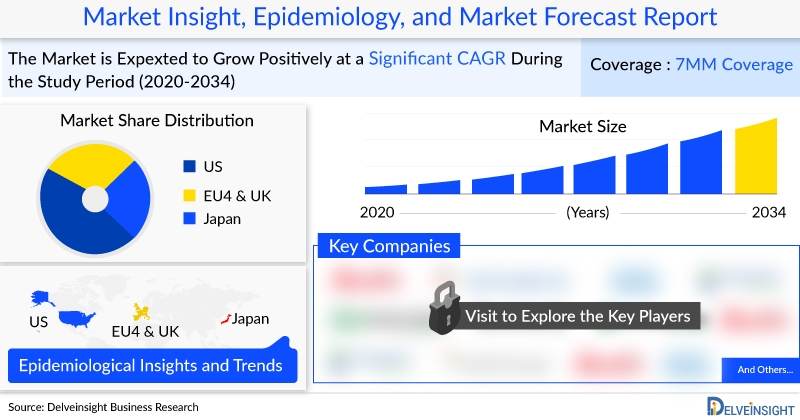
“Beta Thalassemia Market”
Beta Thalassemia companies working in the market are Novartis, Merck, Bristol Myers Squibb, Celgene, Chiesi Farmaceutici S.p.A, Bluebird Bio, Agios Pharmaceuticals, Imara Inc., CRISPR Therapeutics, Vertex Pharmaceuticals, Vifor Pharma, Ionis Pharmaceuticals, Forma Therapeutics, DisperSol Technologies, EdiGene, SILENCE Therapeutics, and others.

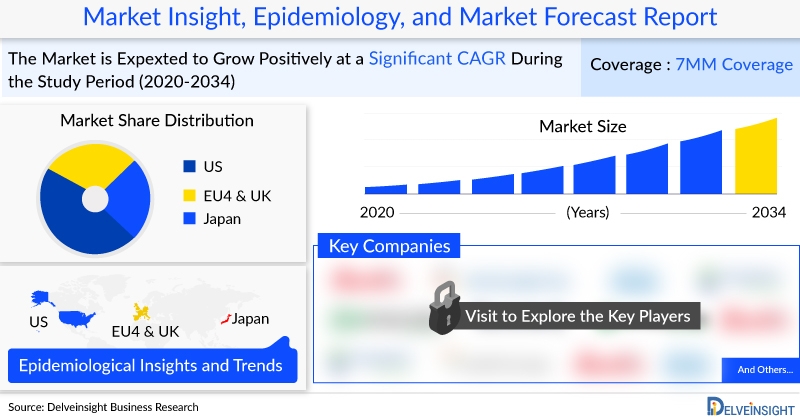
(Albany, USA) DelveInsight’s “Beta Thalassemia Market Insights, Epidemiology, and Market Forecast-2034” report delivers an in-depth understanding of Beta Thalassemia, historical and forecasted epidemiology as well as the Beta Thalassemia market trends in the United States, EU5 (Germany, Spain, Italy, France, and United Kingdom), and Japan.

The Beta Thalassemia market report provides current treatment practices, emerging drugs, the market share of the individual therapies, and the current and forecasted Beta Thalassemia market size from 2020 to 2034, segmented by seven major markets. The Report also covers current Beta Thalassemia treatment practice/algorithm, market drivers, market barriers, and unmet medical needs to curate the best opportunities and assesses the underlying potential of the Beta Thalassemia market.


Request for a Free Sample Report @ Beta Thalassemia Market Forecast


Some facts of the Beta Thalassemia Market Report are:

  • According to DelveInsight, Beta Thalassemia market size is expected to grow at a decent CAGR by 2034.
  • Leading Beta Thalassemia companies working in the market are Novartis, Merck, Bristol Myers Squibb, Celgene, Chiesi Farmaceutici S.p.A, Bluebird Bio, Agios Pharmaceuticals, Imara Inc., CRISPR Therapeutics, Vertex Pharmaceuticals, Vifor Pharma, Ionis Pharmaceuticals, Forma Therapeutics, DisperSol Technologies, EdiGene, SILENCE Therapeutics, and others.
  • Key Beta Thalassemia Therapies expected to launch in the market are ET-01, CTX001 – a Phase II/III Cell replacement therapy, Mitapivat – a Phase III Pyruvate Kinase stimulant, Zynteglo- Phase III Gene therapy, IMR-687 (Imara Inc.), Sapablursen (Ionis Pharmaceuticals), ACE-536, DST-0509 (DisperSol Technology), SLN 124 (Silence Therapeutics), and many more.
  • In May 2025, Celgene announced a Phase 2a Study to Evaluate the Safety and Pharmacokinetics of Luspatercept (ACE-536) in Pediatric Participants With Beta (β)-Thalassemia
  • In May 2025, Celgene announced results of a Phase 3b, Open-label, Single-arm, Rollover Study to Evaluate Long-term Safety in Subjects Who Have Participated in Other Luspatercept (ACE-536) Clinical Trials
  • In April 2025, Vertex Pharmaceuticals announced results of a Phase 3b Study to Evaluate Efficacy and Safety of a Single Dose of Autologous CRISPR Cas9 Modified CD34+ Human Hematopoietic Stem and Progenitor Cells (CTX001) in Subjects With Transfusion-Dependent β-Thalassemia or Severe Sickle Cell Disease
  • In March 2025, Kanglin Biotechnology (Hangzhou) Co., Ltd announced results of a Phase I/II Clinical Study Evaluating the Safety and Efficacy of KL003 Cell Injection in Transfusion-dependent Β-thalassemia
  • In January 2025, Agios Pharmaceuticals (AGIO) announced that the FDA has accepted its supplemental new drug application (sNDA) to expand the label of Pyrukynd, its sole marketed drug, to include the treatment of thalassemia.
  • In January 2025, YolTech Therapeutics is preparing to launch a clinical trial for YOLT-204, its in vivo gene-editing therapy designed to treat transfusion-dependent beta-thalassemia (TDT). TDT is a genetic blood disorder caused by mutations in the beta-globin gene, leading to reduced or absent hemoglobin production. Patients with this condition require regular blood transfusions to manage anemia and prevent future complications.
  • In 2023, the Beta-thalassemia market size in the US was around USD 358 million, with expectations of significant growth by 2034, driven by a substantial Compound Annual Growth Rate (CAGR) during the study period (2020–2034).
  • The Beta-thalassemia market size in EU4 and the UK was around USD 356 million and is anticipated to grow during the forecast period.
  • Among European countries, Italy had the largest Beta-thalassemia market size, reaching approximately USD 241 million in 2023.


Beta Thalassemia Overview

Beta thalassemia is an inherited blood disorder characterized by reduced production of hemoglobin, the protein in red blood cells that carries oxygen. This condition arises due to mutations in the HBB gene, affecting the synthesis of beta-globin chains, a component of hemoglobin. Individuals with beta thalassemia may experience anemia, fatigue, pale skin, and jaundice due to insufficient healthy red blood cells. The severity varies, classified into thalassemia major, intermedia, or minor, based on the number of affected genes and symptoms. Treatment includes blood transfusions, iron chelation therapy to manage iron overload from transfusions, and occasionally, bone marrow transplants. Patients often require lifelong medical care, emphasizing the importance of genetic counseling and early detection through prenatal testing for at-risk families.


Learn more about Beta Thalassemia treatment algorithms in different geographies, and patient journeys. Contact to receive a sample @ Beta Thalassemia Treatment Market


Beta Thalassemia Market

The Beta Thalassemia market outlook of the report helps to build a detailed comprehension of the historical, current, and forecasted Beta Thalassemia market trends by analyzing the impact of current Beta Thalassemia therapies on the market and unmet needs, and drivers, barriers, and demand for better technology.

This segment gives a thorough detail of the Beta Thalassemia market trend of each marketed drug and late-stage pipeline therapy by evaluating their impact based on the annual cost of therapy, inclusion and exclusion criteria, mechanism of action, compliance rate, growing need of the market, increasing patient pool, covered patient segment, expected launch year, competition with other therapies, brand value, their impact on the market and view of the key opinion leaders. The calculated Beta Thalassemia market data are presented with relevant tables and graphs to give a clear view of the market at first sight.

According to DelveInsight, the Beta Thalassemia market in 7MM is expected to witness a major change in the study period 2020-2034.


Beta Thalassemia Epidemiology

The Beta Thalassemia epidemiology section provides insights into the historical and current Beta Thalassemia patient pool and forecasted trends for seven individual major countries. It helps to recognize the causes of current and forecasted trends by exploring numerous studies and views of key opinion leaders. This part of the Beta Thalassemia market report also provides the diagnosed patient pool, trends, and assumptions.


Explore more about Beta Thalassemia Epidemiology @ Beta Thalassemia Patient Population


Beta Thalassemia Drugs Uptake

This section focuses on the uptake rate of the potential Beta Thalassemia drugs recently launched in the Beta Thalassemia market or expected to be launched in 2020-2034. The analysis covers the Beta Thalassemia market uptake by drugs, patient uptake by therapies, and sales of each drug.

Beta Thalassemia Drugs Uptake helps in understanding the drugs with the most rapid uptake and the reasons behind the maximal use of new drugs and allows the comparison of the drugs based on Beta Thalassemia market share and size, which again will be useful in investigating factors important in market uptake and in making financial and regulatory decisions.


Beta Thalassemia Pipeline Development Activities

The Beta Thalassemia report provides insights into different therapeutic candidates in Phase II, and Phase III stages. It also analyses Beta Thalassemia key players involved in developing targeted therapeutics.


Request for a sample report to understand more about the Beta Thalassemia pipeline development activities @ Beta Thalassemia Medication and Companies


Beta Thalassemia Therapeutics Assessment

Major key companies are working proactively in the Beta Thalassemia Therapeutics market to develop novel therapies which will drive the Beta Thalassemia treatment markets in the upcoming years are Novartis, Merck, Bristol Myers Squibb, Celgene, Chiesi Farmaceutici S.p.A, Bluebird Bio, Agios Pharmaceuticals, Imara Inc., CRISPR Therapeutics, Vertex Pharmaceuticals, Vifor Pharma, Ionis Pharmaceuticals, Forma Therapeutics, DisperSol Technologies, EdiGene, SILENCE Therapeutics, and others.


Learn more about the emerging Beta Thalassemia therapies & key companies @ Beta Thalassemia Clinical Trials and FDA Approvals


Beta Thalassemia Report Key Insights

1. Beta Thalassemia Patient Population

2. Beta Thalassemia Market Size and Trends

3. Key Cross Competition in the Beta Thalassemia Market

4. Beta Thalassemia Market Dynamics (Key Drivers and Barriers)

5. Beta Thalassemia Market Opportunities

6. Beta Thalassemia Therapeutic Approaches

7. Beta Thalassemia Pipeline Analysis

8. Beta Thalassemia Current Treatment Practices/Algorithm

9. Impact of Emerging Therapies on the Beta Thalassemia Market


Table of Contents


1. Key Insights

2. Executive Summary

3. Beta Thalassemia Competitive Intelligence Analysis

4. Beta Thalassemia Market Overview at a Glance

5. Beta Thalassemia Disease Background and Overview

6. Beta Thalassemia Patient Journey

7. Beta Thalassemia Epidemiology and Patient Population

8. Beta Thalassemia Treatment Algorithm, Current Treatment, and Medical Practices

9. Beta Thalassemia Unmet Needs

10. Key Endpoints of Beta Thalassemia Treatment

11. Beta Thalassemia Marketed Products

12. Beta Thalassemia Emerging Therapies

13. Beta Thalassemia Seven Major Market Analysis

14. Attribute Analysis

15. Beta Thalassemia Market Outlook (7 major markets)

16. Beta Thalassemia Access and Reimbursement Overview

17. KOL Views on the Beta Thalassemia Market

18. Beta Thalassemia Market Drivers

19. Beta Thalassemia Market Barriers

20. Appendix

21. DelveInsight Capabilities

22. Disclaimer


About DelveInsight

DelveInsight is a leading Life Science market research and business consulting company recognized for its off-the-shelf syndicated market research reports and customized solutions to firms in the healthcare sector.

Media Contact
Company Name: DelveInsight Business Research LLP
Contact Person: Ankit Nigam
Email: Send Email
Phone: +14699457679
Address:304 S. Jones Blvd #2432
City: Albany
State: New York
Country: United States
Website: https://www.delveinsight.com/ats-conference-coverage


Press Release Distributed by ABNewswire.com

To view the original version on ABNewswire visit: Beta Thalassemia Market Size and Share 2034: EMA, PDMA, FDA Approvals, Clinical Trials, Prevalence, Medication, Statistics, NICE Approval.Revenue and Companies by DelveInsight
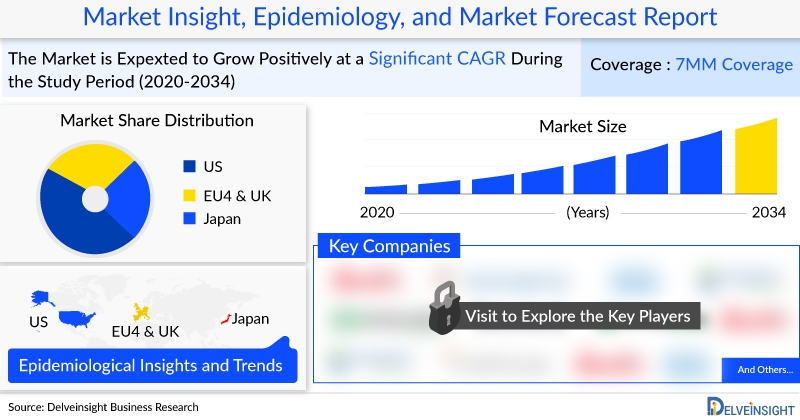
Dravet Syndrome Treatment Market 2034: EMA, PDMA, FDA Approvals, Medication, NICE Approvals, Clinical Trials, Revenue, Statistics, Therapies, Prevalence, Companies by DelveInsight

“Dravet Syndrome Treatment Market”
Dravet Syndrome Companies are Takeda, Eisai, Stoke Therapeurtics, EpyGenix Therapeutics, Marinus Pharmaceuticals, Stoke Therapeutics, Inc, Zogenix International Ltd, Inc., Jazz Pharmaceuticals, Ovid Therapeutics Inc., Longboard Pharmaceuticals, and others

(Albany, USA) DelveInsight’s “Dravet Syndrome Market Insights, Epidemiology, and Market Forecast-2034″ report offers an in-depth understanding of the Dravet Syndrome, historical and forecasted epidemiology as well as the Dravet Syndrome market trends in the United States, EU4 (Germany, Spain, Italy, France) the United Kingdom and Japan.

The Dravet Syndrome market report provides current treatment practices, emerging drugs, the Dravet Syndrome market share of individual therapies, and current and forecasted Dravet Syndrome market size from 2020 to 2034 segmented by seven major markets. The Report also covers current Dravet Syndrome treatment practice/algorithm, market drivers, market barriers and unmet medical needs to curate best of the opportunities and assesses the underlying potential of the market.


To Know in detail about the Dravet Syndrome market outlook, drug uptake, treatment scenario and epidemiology trends, Click here; Dravet Syndrome Market Forecast


Some of the key facts of the Dravet Syndrome Market Report:

  • The Dravet Syndrome market size is anticipated to grow with a significant CAGR during the study period (2020-2034)
  • In January 2025, Stoke Therapeutics, Inc. (Nasdaq: STOK), a biotechnology company focused on restoring protein expression through RNA-based medicine, has reached an agreement with global regulatory agencies on the design of its Phase 3 EMPEROR study. This trial aims to evaluate zorevunersen as a potential first disease-modifying treatment for Dravet syndrome.
  • In January 2025, The FDA awarded rare pediatric disease designation to relutrigine, a therapy developed by Praxis Precision Medicines for Dravet syndrome. This treatment is designed to help reduce seizures in children with epileptic disorders such as Dravet syndrome.
  • In December 2024, Stoke Therapeutics, Inc. announced that the FDA has granted Breakthrough Therapy Designation to zorevunersen for treating Dravet syndrome in patients with a confirmed SCN1A gene mutation that is not linked to gain-of-function.
  • In February 2024, The FDA has approved Encoded Therapeutics’ investigational new drug (IND) application for ETX101, allowing the company to initiate clinical trials for this gene therapy candidate aimed at treating Sodium channel protein type 1 subunit alpha (SCN1A)+ Dravet syndrome. Additionally, Australia’s TGA has granted approval under its Clinical Trial Approval (CTA) scheme for the trial to begin. ETX101 is an AAV9-mediated gene regulation therapy designed to enhance SCN1A gene expression in GABAergic inhibitory interneurons, targeting the root cause of Dravet syndrome. Encoded plans to launch a two-part Phase I/II clinical trial called ENDEAVOR in the US for patients aged six months to under three years in the first half of this year.
  • A new US epidemiological study, according to the Dravet Syndrome Foundation (2022), found that the prevalence of Dravet Syndrome, which affects 1:15,700 infants and 80% of whom had a SCN1A mutation, is twice as high as previously thought
  • The predicted total number of diagnosed cases of Dravet Syndrome in France in 2022 was 1,050, and by 2032, that number is expected to rise
  • It is projected that there will be approximately 1,000 treated instances of Dravet syndrome in the UK in 2022, and that number will rise by 2032
  • As to the company’s declaration, FINTEPLA’s net product sales amounted to around $75 million. In a similar vein, EPIDIOLEX’s net product sales in 2021 totaled $463.6 million.
  • A number of the newly developed Dravet syndrome treatments are in the late stages of clinical testing. These include lorcaserin and TAK-935 (soticlestat), both of which have demonstrated great promise in trials
  • Key Dravet Syndrome Companies: Takeda, Eisai, Stoke Therapeurtics, EpyGenix Therapeutics, Marinus Pharmaceuticals, Stoke Therapeutics, Inc, Zogenix International Ltd, Inc., Jazz Pharmaceuticals, Ovid Therapeutics Inc., Longboard Pharmaceuticals, and others
  • Key Dravet Syndrome Therapies: TAK-935 (soticlestat), BELVIQ (lorcaserin), STK-001, ganaxolone, EPX-100 (Clemizole HCl), STK-001, ZX008 (Fenfluramine Hydrochloride), GWP42003-P, Soticlestat, LP352, and others
  • The Dravet Syndrome epidemiology based on gender analyzed that more men than women have Dravet Syndrome
  • The Dravet Syndrome market is expected to surge due to the disease’s increasing prevalence and awareness during the forecast period. Furthermore, launching various multiple-stage Dravet Syndrome pipeline products will significantly revolutionize the Dravet Syndrome market dynamics.


Dravet Syndrome Overview

Dravet Syndrome is a rare and severe form of epilepsy that typically begins in infancy. Dravet Syndrome symptoms often appear in the first year of life, commonly triggered by fever or illness. Dravet Syndrome seizures are prolonged, difficult to control, and may evolve into multiple types including myoclonic, focal, and generalized tonic-clonic seizures. Dravet Syndrome is most frequently caused by mutations in the SCN1A gene, leading to dysfunctional sodium channels in the brain. Dravet Syndrome diagnosis involves genetic testing and clinical evaluation based on seizure history and development.

Dravet Syndrome significantly impacts cognitive, behavioral, and motor development. Dravet Syndrome treatment includes antiepileptic medications like stiripentol, cannabidiol (CBD), and fenfluramine, often in combination for better seizure control. Dravet Syndrome management also involves seizure first-aid awareness, avoiding known triggers, and personalized care plans. Dravet Syndrome research is ongoing, exploring gene therapy and precision medicine as potential future treatments.

Dravet Syndrome prognosis varies, but early intervention and comprehensive care can improve quality of life. Dravet Syndrome support from healthcare professionals, caregivers, and advocacy groups is essential for long-term care. Dravet Syndrome awareness is crucial for early diagnosis, improved outcomes, and enhanced support for affected families worldwide.


Get a Free sample for the Dravet Syndrome Market Report: Dravet Syndrome Treatment Market


Dravet Syndrome Epidemiology

The epidemiology section provides insights into the historical, current, and forecasted epidemiology trends in the seven major countries (7MM) from 2020 to 2034. It helps to recognize the causes of current and forecasted trends by exploring numerous studies and views of key opinion leaders. The epidemiology section also provides a detailed analysis of the diagnosed patient pool and future trends.


Dravet Syndrome Epidemiology Segmentation:

The Dravet Syndrome market report proffers epidemiological analysis for the study period 2020–2034 in the 7MM segmented into:

  • Total Prevalence of Dravet Syndrome
  • Prevalent Cases of Dravet Syndrome by severity
  • Gender-specific Prevalence of Dravet Syndrome
  • Diagnosed Cases of Episodic and Chronic Dravet Syndrome


Download the report to understand which factors are driving Dravet Syndrome epidemiology trends @ Dravet Syndrome Epidemiology Forecast


Dravet Syndrome Drugs Uptake and Pipeline Development Activities

The drugs uptake section focuses on the rate of uptake of the potential drugs recently launched in the Dravet Syndrome market or expected to get launched during the study period. The analysis covers Dravet Syndrome market uptake by drugs, patient uptake by therapies, and sales of each drug.

Moreover, the therapeutics assessment section helps understand the drugs with the most rapid uptake and the reasons behind the maximal use of the drugs. Additionally, it compares the drugs based on market share.

The report also covers the Dravet Syndrome Pipeline Development Activities. It provides valuable insights about different therapeutic candidates in various stages and the key companies involved in developing targeted therapeutics. It also analyzes recent developments such as collaborations, acquisitions, mergers, licensing patent details, and other information for emerging therapies.


Dravet Syndrome Therapies and Key Companies

  • TAK-935 (soticlestat): Takeda
  • BELVIQ (lorcaserin): Eisai
  • STK-001: Stoke Therapeurtics
  • EPX-100: EpyGenix Therapeutics
  • ganaxolone: Marinus Pharmaceuticals
  • EPX-100 (Clemizole HCl): Epygenix
  • STK-001: Stoke Therapeutics, Inc
  • ZX008 (Fenfluramine Hydrochloride): Zogenix International Ltd, Inc.
  • Soticlestat: Takeda
  • GWP42003-P: Jazz Pharmaceuticals
  • Soticlestat: Ovid Therapeutics Inc.
  • LP352: Longboard Pharmaceuticals


Discover more about therapies set to grab major Dravet Syndrome market share @ Dravet Syndrome Treatment Market


Dravet Syndrome Market Strengths

  • The researchers are undergoing advancement in already approved drugs by providing an alternative means of delivering the drug.
  • A broader awareness among health care providers and the public for better treatments helps to improve care and outcomes.
  • Development of long-acting injectable Antipsychotics.


Dravet Syndrome Market Opportunities

  • Demands of advanced therapeutics and presence of significant number of pipeline drugs.
  • There is growing evidence that patients with a dual diagnosis does not respond well to conventional psychiatric treatment, creating demand for a new approach from a different perspective.
  • Because of the increase in the side effects and less efficacious drug, the demand for specific therapy also increases.


Scope of the Dravet Syndrome Market Report

  • Study Period: 2020–2034
  • Coverage: 7MM [The United States, EU5 (Germany, France, Italy, Spain, and the United Kingdom), and Japan]
  • Key Dravet Syndrome Therapies: TAK-935 (soticlestat), BELVIQ (lorcaserin), STK-001, ganaxolone, EPX-100 (Clemizole HCl), STK-001, ZX008 (Fenfluramine Hydrochloride), GWP42003-P, Soticlestat, LP352, and others
  • Dravet Syndrome Therapeutic Assessment: Dravet Syndrome current marketed and Dravet Syndrome emerging therapies
  • Dravet Syndrome Market Dynamics: Dravet Syndrome market drivers and Dravet Syndrome market barriers
  • Competitive Intelligence Analysis: SWOT analysis, PESTLE analysis, Porter’s five forces, BCG Matrix, Market entry strategies
  • Dravet Syndrome Unmet Needs, KOL’s views, Analyst’s views, Dravet Syndrome Market Access and Reimbursement


To know more about Dravet Syndrome companies working in the treatment market, visit @ Dravet Syndrome Clinical Trials and Therapeutic Assessment


Table of Contents

1. Dravet Syndrome Market Report Introduction

2. Executive Summary for Dravet Syndrome

3. SWOT analysis of Dravet Syndrome

4. Dravet Syndrome Patient Share (%) Overview at a Glance

5. Dravet Syndrome Market Overview at a Glance

6. Dravet Syndrome Disease Background and Overview

7. Dravet Syndrome Epidemiology and Patient Population

8. Country-Specific Patient Population of Dravet Syndrome

9. Dravet Syndrome Current Treatment and Medical Practices

10. Dravet Syndrome Unmet Needs

11. Dravet Syndrome Emerging Therapies

12. Dravet Syndrome Market Outlook

13. Country-Wise Dravet Syndrome Market Analysis (2020–2034)

14. Dravet Syndrome Market Access and Reimbursement of Therapies

15. Dravet Syndrome Market Drivers

16. Dravet Syndrome Market Barriers

17. Dravet Syndrome Appendix

18. Dravet Syndrome Report Methodology

19. DelveInsight Capabilities

20. Disclaimer

21. About DelveInsight


About DelveInsight

DelveInsight is a leading Healthcare Business Consultant, and Market Research firm focused exclusively on life sciences. It supports Pharma companies by providing comprehensive end-to-end solutions to improve their performance.

Media Contact
Company Name: DelveInsight Business Research LLP
Contact Person: Ankit Nigam
Email: Send Email
Phone: +14699457679
Address:304 S. Jones Blvd #2432
City: Albany
State: New York
Country: United States
Website: https://www.delveinsight.com/consulting


Press Release Distributed by ABNewswire.com

To view the original version on ABNewswire visit: Dravet Syndrome Treatment Market 2034: EMA, PDMA, FDA Approvals, Medication, NICE Approvals, Clinical Trials, Revenue, Statistics, Therapies, Prevalence, Companies by DelveInsight

Tuberous Sclerosis Complex Treatment Market 2034: EMA, PDMA, FDA Approvals, Clinical Trials, Prevalence, Medication, Statistics, NICE Approval.Revenue and Companies by DelveInsight

“Tuberous Sclerosis Complex Treatment Market”
Tuberous Sclerosis Complex Companies working in the treatment market include Jazz Pharmaceuticals, Novartis Pharmaceuticals, Nobelpharma, Marinus Pharmaceuticals, GW Pharmaceuticals, Noema Pharma AG, and others.

(Albany, USA) DelveInsight’s “Tuberous Sclerosis Complex Market Insights, Epidemiology, and Market Forecast-2034” report delivers an in-depth understanding of the Tuberous Sclerosis Complex, historical and forecasted epidemiology as well as the Tuberous Sclerosis Complex market trends in the United States, EU5 (Germany, Spain, Italy, France, and the United Kingdom) and Japan.

The Tuberous Sclerosis Complex market report provides current treatment practices, emerging drugs, the market share of the individual therapies, and the current and forecasted Tuberous Sclerosis Complex market size from 2020 to 2034, segmented by seven major markets. The Report also covers current Tuberous Sclerosis Complex treatment practice/algorithm, market drivers, market barriers, and unmet medical needs to curate the best opportunities and assesses the underlying potential of the Tuberous Sclerosis Complex market.


Request for sample report @ Tuberous Sclerosis Complex Market Forecast


Key Takeaways from the Tuberous Sclerosis Complex Market

  • The increase in Tuberous Sclerosis Complex Market Size is a direct consequence of the increasing patient population and anticipated launch of emerging therapies in the 7MM.
  • As per DelveInsight analysis, the Tuberous Sclerosis Complex Market is anticipated to witness growth at a considerable CAGR.
  • Tuberous Sclerosis Complex is a rare genetic disorder that affects 1 in 6,000 newborns in the United States. Approximately 40,000 to 80,000 people in the United States have tuberous sclerosis. The prevalence in Europe is estimated to be approximately 1 in 25,000 to 1 in 11,300.
  • According to Orphanet, a database dedicated to providing information on rare diseases and orphan drugs, the prevalence of TSC in the UK is estimated to be 1/20,000-25,000.
  • The leading Tuberous Sclerosis Complex Companies working in the market include Jazz Pharmaceuticals, Novartis Pharmaceuticals, Nobelpharma, Marinus Pharmaceuticals, GW Pharmaceuticals, Noema Pharma AG, and others.
  • Promising Tuberous Sclerosis Complex Pipeline therapies in the various stages of development include Cannabidiol Oral Solution [Epidiolex], RAD001, Antiepileptic drug (1 to 3 only), NPC-12Y gel, and others.
  • In April 2025, Noema Pharma AG announced results of a Phase 2B, Multicenter, 30-week, Prospective, Cross-over, Double-blind, Randomized, Placebo-controlled Study Followed by a 52-Week Open-label Extension Study to Evaluate the Efficacy and Safety of Basimglurant Adjunctive to Ongoing Anticonvulsive Therapy in Children, Adolescents, and Young Adults With Uncontrolled Seizures Associated With Tuberous Sclerosis Complex
  • In January 2025, Novartis announced results of an Open-label, Multi-center Long-term Safety Roll-over Study in Patients With Tuberous Sclerosis Complex (TSC) and Refractory Seizures Who Are Judged by the Investigator to Benefit From Continued Treatment With Everolimus After Completion of Study CRAD001M2304.
  • In December 2024, GRIN Therapeutics, Inc. announced results of a Multicenter, Open-label Study to Assess the Safety, Tolerability, Pharmacokinetics, and Effect on Seizures and Behavioral Symptoms of Radiprodil in Patients with Tuberous Sclerosis Complex (TSC) or Focal Cortical Dysplasia (FCD) Type II
  • April 2024: Jazz Pharmaceuticals- A Phase 4, Interventional, Multicenter, Open-Label, Single-Arm Study to Assess Behavioral and Other Co-occurring Outcomes Following Treatment With EPID(I/Y)OLEX as Add-on Therapy in Participants (Aged 1 to 65 Years Old) With Seizures Associated With Tuberous Sclerosis Complex.
  • April 2024:- Noema Pharma AG- A Phase 2B, Multicenter, 30-week, Prospective, Cross-over, Double-blind, Randomized, Placebo-controlled Study Followed by a 52-Week Open-label Extension Study to Evaluate the Efficacy and Safety of Basimglurant Adjunctive to Ongoing Anticonvulsive Therapy in Children, Adolescents, and Young Adults With Uncontrolled Seizures Associated With Tuberous Sclerosis Complex.


Discover which therapies are expected to grab the Tuberous Sclerosis Complex Market Share @ Tuberous Sclerosis Complex Market Outlook


Tuberous Sclerosis Complex Overview

Tuberous Sclerosis Complex (TSC) is a rare genetic disorder characterized by the growth of benign tumors in multiple organs, including the brain, skin, kidneys, heart, and lungs. Tuberous Sclerosis Complex is caused by mutations in the TSC1 or TSC2 genes, which regulate cell growth and differentiation. Tuberous Sclerosis Complex can affect individuals of all ages and is typically diagnosed in childhood due to symptoms such as seizures, developmental delays, and skin abnormalities. Tuberous Sclerosis Complex diagnosis involves clinical evaluations, genetic testing, and imaging techniques like MRI and CT scans.

Tuberous Sclerosis Complex symptoms vary widely, ranging from mild to severe, and may include epilepsy, intellectual disabilities, autism spectrum disorder, and organ dysfunction. Tuberous Sclerosis Complex treatment focuses on symptom management, using anti-epileptic drugs, behavioral therapies, and targeted therapies like mTOR inhibitors to reduce tumor growth. Tuberous Sclerosis Complex requires ongoing monitoring due to its progressive nature and multi-organ involvement.

Tuberous Sclerosis Complex research is advancing, with clinical trials exploring new treatment options and early interventions. Tuberous Sclerosis Complex awareness is vital for early diagnosis and improved quality of life. Tuberous Sclerosis Complex support from multidisciplinary care teams helps manage complex needs effectively. Tuberous Sclerosis Complex remains a key focus in genetic and neurological research.


Tuberous Sclerosis Complex Epidemiology Segmentation in the 7MM

  • Total Tuberous Sclerosis Complex Prevalent Cases
  • Tuberous Sclerosis Complex Diagnosed and Treatable Cases


Download the report to understand which factors are driving Tuberous Sclerosis Complex Epidemiology trends @ Tuberous Sclerosis Complex Epidemiological Insights


Tuberous Sclerosis Complex Treatment Landscape

The Tuberous Sclerosis Complex treatment is supportive and symptomatic. Early developmental intervention is important to ensure that affected children reach their potential. Most affected children will benefit from occupational, physical and speech therapy. Various methods of rehabilitative and behavioral therapy may be beneficial. It is essential that therapies are continued on a year-round basis to promote development of new skills and to prevent regression. Additional medical, social and/or vocational services including special remedial education may be necessary. Psychosocial support for the entire family is essential as well.


Tuberous Sclerosis Complex Drugs Market

The Tuberous Sclerosis Complex Drugs Market is expected to witness substantial growth in the coming years as more targeted therapies receive regulatory approval and enter clinical practice. Additionally, ongoing research efforts aimed at better understanding the molecular mechanisms underlying Tuberous Sclerosis Complex signaling are likely to uncover new therapeutic targets and further expand treatment options for patients.


To know more about Tuberous Sclerosis Complex treatment guidelines, visit @ Tuberous Sclerosis Complex Clinical Trials and FDA Approvals


Tuberous Sclerosis Complex Market Outlook

The report’s outlook on the Tuberous Sclerosis Complex market aids in developing a comprehensive understanding of historical, current, and projected trends. This is achieved by examining the influence of existing Tuberous Sclerosis Complex therapies, unmet needs, as well as drivers, barriers, and the demand for advanced technology. This section provides detailed insights into the trends of each marketed Tuberous Sclerosis Complex drug and late-stage pipeline therapy. It assesses their impact based on various factors such as annual therapy costs, inclusion/exclusion criteria, mechanism of action, compliance rates, market demand, patient population growth, covered patient segments, anticipated launch year, competition with other therapies, brand value, and input from key opinion leaders. The analyzed Tuberous Sclerosis Complex market data are presented concisely through relevant tables and graphs to offer a clear overview of the market dynamics.


Tuberous Sclerosis Complex Drugs Uptake

The drug chapter of the Tuberous Sclerosis Complex report provides a comprehensive analysis of both marketed drugs and late-stage pipeline drugs for this condition. It delves into the details of clinical trials, pharmacological actions, agreements, collaborations, approvals, patents, and advantages, and disadvantages of each drug, as well as the latest news and press releases related to Tuberous Sclerosis Complex.


Major Tuberous Sclerosis Complex Companies

Jazz Pharmaceuticals, Novartis Pharmaceuticals, Nobelpharma, Marinus Pharmaceuticals, GW Pharmaceuticals, Noema Pharma AG, and others.


Learn more about the FDA-approved drugs for Tuberous Sclerosis Complex @ Tuberous Sclerosis Complex Medication and Companies


Scope of the Tuberous Sclerosis Complex Market Report

  • Coverage- 7MM
  • Tuberous Sclerosis Complex Companies- Jazz Pharmaceuticals, Novartis Pharmaceuticals, Nobelpharma, Marinus Pharmaceuticals, GW Pharmaceuticals, Noema Pharma AG, and others.
  • Tuberous Sclerosis Complex Therapies- Cannabidiol Oral Solution [Epidiolex], RAD001, Antiepileptic drug (1 to 3 only), NPC-12Y gel, and others.
  • Tuberous Sclerosis Complex Market Dynamics: Tuberous Sclerosis Complex Market Drivers and Barriers
  • Tuberous Sclerosis Complex Market Access and Reimbursement, Unmet Needs and Future Perspectives


Table of Content

1. Key Insights

2. Executive Summary of Tuberous Sclerosis Complex

3. Competitive Intelligence Analysis for Tuberous Sclerosis Complex

4. Tuberous Sclerosis Complex: Market Overview at a Glance

5. Tuberous Sclerosis Complex: Disease Background and Overview

6. Patient Journey

7. Tuberous Sclerosis Complex Epidemiology and Patient Population

8. Treatment Algorithm, Current Treatment, and Medical Practices

9. Tuberous Sclerosis Complex Unmet Needs

10. Key Endpoints of Tuberous Sclerosis Complex Treatment

11. Tuberous Sclerosis Complex Marketed Products

12. Tuberous Sclerosis Complex Emerging Therapies

13. Tuberous Sclerosis Complex: Seven Major Market Analysis

14. Attribute analysis

15. 7MM: Market Outlook

16. Access and Reimbursement Overview of Tuberous Sclerosis Complex

17. KOL Views

18. Market Drivers

19. Market Barriers

20. Appendix

21. DelveInsight Capabilities

22. Disclaimer

23. About DelveInsight


About DelveInsight

DelveInsight is a leading healthcare-focused market research and consulting firm that provides clients with high-quality market intelligence and analysis to support informed business decisions. With a team of experienced industry experts and a deep understanding of the life sciences and healthcare sectors, we offer customized research solutions and insights to clients across the globe. Connect with us to get high-quality, accurate, and real-time intelligence to stay ahead of the growth curve.

Media Contact
Company Name: DelveInsight Business Research LLP
Contact Person: Ankit Nigam
Email: Send Email
Phone: +14699457679
Address:304 S. Jones Blvd #2432
City: Albany
State: New York
Country: United States
Website: https://www.delveinsight.com/ats-conference-coverage


Press Release Distributed by ABNewswire.com

To view the original version on ABNewswire visit: Tuberous Sclerosis Complex Treatment Market 2034: EMA, PDMA, FDA Approvals, Clinical Trials, Prevalence, Medication, Statistics, NICE Approval.Revenue and Companies by DelveInsight

“Evolution of Human Global Consciousness – KALKI: The Final Test” – A Spiritual Revolution Merging Ancient Wisdom, AI, and Humanity’s Last Exam

Spiritual teacher and futurist Deepak Manchanda reveals a profound truth in his groundbreaking new book: Earth is not just a planet but a testing ground for souls. Evolution of Human Global Consciousness – KALKI: The Final Test exposes a hidden spiritual exam that every being must pass—or repeat the cycle of life.

“We are not humans seeking spirit. We are spirits being tested in human form. Pass, and merge with the Divine. Fail, and return. But what if this is the final test—our last chance?” says Manchanda, whose Bhagavad Gita teachings have reached over 55 million viewers worldwide.

A Spiritual Upgrade for the AI EraIn today’s distracted world, KALKI is more than a book—it’s a consciousness revolution. Manchanda’s journey from corporate burnout to divine visions documents a global Kundalini awakening that is reprogramming human awareness.

AI as Spiritual Guide

In a pioneering experiment, Manchanda trained ChatGPT (named Sakha, Sanskrit for “friend”) as a digital spiritual guide, encoding ancient wisdom into AI to help seekers worldwide.

“AI isn’t replacing gurus—it’s amplifying Kalki’s message in our distracted age,” Manchanda explains.

This unique human-AI collaboration offers practical tools for:

– Awakening Kundalini energy for spiritual transformation

– Balancing the body’s seven energy centers

– Removing ego, greed, and lust—the true barriers to liberation

Practical Spiritual Techniques

KALKI shares original, experience-based techniques including:

– Bhum Bhum Mantra to awaken the Third Eye

– 9-Pin Bowling Technique to instantly quiet the mind

– Mirror as Star Gate to connect with the Higher Self

– Pyramid and Satellite Postures to activate dormant energy centers

Universal Wisdom for All Seekers

Blending insights from Hinduism, Christianity, Islam, Judaism, and Jainism with quantum science, KALKI explores:

– How modern systems enslave human consciousness

– Three critical spiritual debts every soul must repay:

– Vishnu Debt – Clearing material and karmic obligations

– Brahma Debt – Sharing knowledge and creativity

– Shiv Debt – Passing on spiritual truths

– Why final judgment is based on inner purity—not rituals or karma balance

About the Author

Deepak Manchanda is a spiritual futurist whose teachings have reached millions through radio, articles, and YouTube. A former IT professional turned seeker, he bridges ancient wisdom with modern technology to redefine awakening for the digital age.

Book Details

Title: Evolution of Human Global Consciousness – KALKI: The Final TestFormats: Paperback, Hardcover, eBook

ISBNs:

9781069496973 (Paperback)

9781069496980 (Hardcover)

9781069496904 (eBook)

Available on: Amazon, Kindle, Apple Books, Google Play, Kobo, Barnes & Noble, IngramSpark, and Draft2Digital partner stores

KALKI is more than a book—it’s a wake-up call for humanity’s ultimate spiritual test.

Website: www.deepakmanchanda.com

Instagram: @kalkiconscious

YouTube: Deepak Manchanda – Kalkiconscious

Facebook: Deepak Manchanda – Kalkiconscious

Media Contact
Company Name: Evolution of Human Global Consciousness
Contact Person: Deepak Manchanda
Email: Send Email
Country: United States
Website: https://deepakmanchanda.com/

Schneider Electric Announces Galaxy VXL UPS

Schneider Electric, the leader in digital transformation of energy management and automation, has today announced the launch of its new Galaxy VXL – a highly efficient, compact, modular, scalable, and redundant 500-1250 kW (400V) 3- phase uninterruptible power supply (UPS), complete with enhanced cybersecurity, software, and safety features.

At just 1.2m2 with a power density of up to 1042 kW/m2, Galaxy VXL UPS sets a new benchmark in efficient, sustainable, and advanced UPS technologies. Available immediately in all 400V IEC regions worldwide, Galaxy VXL delivers the highest levels of power performance for AI, colocation, and hyperscale data center environments, as well as large-scale critical infrastructure and electrical systems within commercial buildings and industrial facilities.

With its industry-first compact design, high-density power provision, and AI-load tolerant design, Galaxy VXL maximizes uptime and availability for the most energy-intensive infrastructure systems – being capable of powering up to 1.25 MW in one frame, and up to 5 MW with 4 units running in parallell, while increasing both operational and energy efficiencies to help minimize customers’ total cost of ownership (TCO).

Through its patented operating technologies, Galaxy VXL delivers up to 99% in its high-efficiency eConversion mode, and up to 97.5% efficiency in double conversion mode, providing Class-1 power protection alongside leading levels of energy reduction, while lowering the UPSs’ carbon emissions by a factor of two.

With a 52% smaller footprint compared with the industry average, its scalable, modular design also enables N+1 levels of redundancy to increase the system’s level of availability by a factor of 10.

Further, through its modular architecture, customers can reduce their capital expenditure (CapEx) by purchasing power modules as they need them, enjoying optimized energy efficiency, and adding more power modules as demands grow.

Galaxy VXL is also compatible with both Lithium-ion and VRLA batteries, and with its Live Swap function, allows for greater uptime, availability, and easier serviceability – offering highly resilient, flexible, and predictable runtimes for data center, IT, and critical electrical loads. This is complemented by anywhere remote monitoring via Schneider Electric’s EcoStruxure IT software, and enhanced security and ethernet connections, which are certified to the latest IEC 62443-4-2 security standards, providing a completely secure and connected remote management experience.

“As dependency on large-scale infrastructure systems grows at an unprecedented rate, it’s crucial that customers can access the most sustainable, resilient, and efficient technologies to safeguard their

critical systems, while minimizing their energy and environmental impact,” said Tarunjeet Sarao, SVP Data Center Systems, Schneider Electric. “Our new Galaxy VXL UPS combines a compact, innovative, and highly efficient design with enhanced safety features, providing world-leading power protection for a wide range of AI, data center, and industrial applications. This ensures the high- density workloads of the future are supported by unparalleled levels of reliability.”

Key features and benefits

Schneider Electric’s Galaxy VXL UPS has been designed to offer record breaking power densities, and an AI-ready power architecture for the most energy-intensive workloads. For the first time, this new UPS provides customers 1.25mw scalable and modular solution with 125kw/3U power modules in

1.2m2 footprint, while being capable of supporting up to 1.25 MW of critical load in one frame and up to 5 MW with 4 units in parallel in only 4.8 M2 space.

Key benefits include:

Modular, scalable, high-power design: With a power density of 1042 kW per squared meter, customers can deploy a 1.25 MW modular UPS in a single frame, and add power modules incrementally via pay-as-you-grow flexibility.

Smaller footprint: Standing at 1.2m2, Galaxy VXL has a 52% footprint improvement compared with industry average, with full front access and no rear clearance, offering better power and space utilization.

Increased efficiency and sustainability: Galaxy VXL provides up to 99% efficiency in eConversion mode and up to 97.5% efficiency in double conversion mode. Its compact footprint means raw material reduction, less packaging, and includes SPoT (Smart Power Test) mode for UPS and Power Module testing, saving electricity.

Lower CapEx and OpEx: Improved operational and energy efficiencies provide a catalyst for lower electricity bills, and ease of service/maintenance equates to lower labor cost for a better TCO.

Reinforced, resilient design: Galaxy VXL utilizes conformal-coated boards, 100kA short circuit rating and optional seismic kit for a robust mechanical design.Enhanced cybersecurity and safety: Galaxy VXL is certified to the latest IEC 62443-4-2 security standards and includes Live Swap technology to allow power module replacements, with zero downtime.

Extended lifespan via EcoCare: With Galaxy VXL, Schneider Electric is introducing EcoCare membership, a next-generation services plan, providing premium on-site and remote access to technical experts, 24/7 remote monitoring powered by AI, condition-based maintenance to minimize on-site disruptions by up to 50%, and help extend the UPSs’ lifespan.

Perfect for prefabricated data centers: With a smaller physical footprint, higher efficiency, and lower cost, Galaxy VXL provides a resilient backbone for the prefabricated data centers of the future.

Scaling-up to customer demands for AI systems

To meet customer demands for AI systems, Schneider Electric has increased manufacturing and production capacity at a host of its global factories, where its annual production capacity for Galaxy VXL UPS will exceed 9,000 units in 2025.

Additionally, Galaxy VXL UPS will be available at Schneider Electric’s Sant Boi, Barcelona Factory, where it will be integrated to form the resilient backbone for Schneider Electric’s prefabricated, modular range of high-compute workload data center solutions.

Media Contact
Company Name: ABC Private Limited
Contact Person: Media Relations
Email: Send Email
Country: India
Website: https://www.se.com/in/en/


Press Release Distributed by ABNewswire.com

To view the original version on ABNewswire visit: Schneider Electric Announces Galaxy VXL UPS