Michael Kaufman’s Doing Good & Doing Well Inspires Helping Professionals to Become Leaders in Their Organizations

Doing Good & Doing Well champions the untapped leadership potential of helping professionals, inspiring them to nurture and showcase their natural abilities while pursuing their highest career aspirations in the fields to which they are dedicated.

Michael L. Kaufman, MSW, PhD, combines the heart of a social worker with the head of a business executive to lead companies, effect change, and improve lives.

As Managing Director of Premier Education Partners, Mike is committed to transforming the lives of K-12+ students with special needs through innovative and impactful educational programs. His leadership journey includes a career-defining tenure as the head of Specialized Education Services Inc., a private special education organization of day schools that grew to 75+ programs under his leadership, and the launch of TalkPath™ Live, a teletherapy company that has delivered tens of thousands of in-school support services sessions for students nationwide.

Mike’s diverse expertise stems from degrees in accounting, social work, and clinical psychology, along with completing Harvard Business School’s prestigious Key Executives Program. A sought-after speaker, thought leader, and educator, he has taught graduate-level courses at Rutgers University and continues to inspire through his mentorship, advocacy, and focus on meaningful change in education and beyond.

This one-on-one interview shares Mike’s background and experience writing Doing Good & Doing Well: Inspiring Helping Professionals to Become Leaders in Their Organizations.

Tell us about Doing Good & Doing Well: Inspiring Helping Professionals to Become Leaders in Their Organizations.

Helping professionals are everyday heroes who routinely and selflessly improve the lives of others. But many don’t realize that they are part of a valuable pool of future leaders—that their specific traits, distinct aptitudes, and inherent servant leader mindset not only prepare them, but uncommonly equip them to rise to the highest tiers of organizational leadership.

In Doing Good & Doing Well, I draw from my 30-year career to show how helpers’ skills, approaches, and values can guide them beyond in-the-field work to the upper echelons of their organization’s management structure. Through personal anecdotes, case studies, and cultural examples, readers will discover how to harness their innate potential to lead with impact, advance their career, and elevate not only the people they serve, but themselves as well.

It’s time for helping professionals to recognize their power, embrace their worth, and step into leadership roles where their talents and training are so desperately needed. Together, we can all continue to do good and also do well—for yourself, your organization, and society at large.

What inspired you to write Doing Good & Doing Well: Inspiring Helping Professionals to Become Leaders in Their Organizations?

The inspiration for writing this book was twofold.

First, during my decades of experience in the social services, I made many observations about what drives teams and learned many lessons climbing the ladder to C-suite positions. I felt compelled to share the knowledge and insights I acquired with my fellow helping professionals—to show them that it’s possible to blaze their own leadership trail and that they are more qualified to do so than they might believe.

Second, while teaching at my alma mater, the Rutgers School of Social Work, I saw how interested my students were in a career trajectory that would allow them to transition from the field to the corner office. Having successfully made that leap myself, I wanted to relay practical and inspirational guidance tailored specifically to those professionals who have chosen to dedicate their careers to being change-makers in their communities and positive influences in the world. That’s how Doing Good & Doing Well was born.

How did your background and experience influence your writing?

I began my career in the helping professions as a boots-on-the-ground social worker in underserved communities, especially working on behalf of underprivileged children and families.

My lifelong draw to working with children and adolescents in need soon led me to employment with a privatized special education company, where I not only mastered the ropes of the special education sphere, but rose from School Director in Training, to School Principal, to Regional Manager, to COO, then to CEO.

When I first earned my MSW and started as a field worker, I never imagined I’d reach the C-suite while I was still in my 30s, let alone thrive there. I didn’t even know I wanted to reach the C-suite at the start of my career!

But as I discovered my particular aptitudes and gifts, I realized there were others with untapped aspirations just like mine—and I was motivated to share my journey to help them rise too.

What is one message you would like readers to remember?

You don’t have to be either someone who does good in the world for others or someone who makes a good living running a company or managing others. You can be both—you can remain committed to the greater good of society and still lead a for-profit or non-profit organization or become a successful entrepreneur.

Don’t doubt your leadership potential—the work you do every day proves that you have it. Don’t limit the application of your skillset—it is both more expansive and effective than you may realize.

Advocate for your own career advancement as passionately and fiercely as you advocate for your clients, patients, and students, because the world needs compassionate, emotionally intelligent crisis managers and problem solvers in leadership roles more than ever.

If you want to be a business leader, you have it in you. Use this book to ignite that spark and light your journey forward.

Purchasing the Book

Doing Good & Doing Well: Inspiring Helping Professionals to Become Leaders in Their Organizations has received positive reviews from well-known literary organizations, authors, and reviewers around the world. Mark Claypool, President and CEO of Galileo Education Inc., writes, “A fresh and much-needed guidebook on how to turn one’s passion for helping others into an opportunity to help many people instead of just a few … It is full of wisdom earned the hard way and fills an information gap for like-minded social entrepreneurs.” In addition, Donna Marie Simon, CEO of Step by Step Behavioral Therapy, writes, “An empowering, brilliant, and genuine treasure … a must-read for any helper who truly wants to be the change that makes a difference … and live the life of your dreams.”

The book is available for sale on Amazon, Barnes & Noble, Rowman & Littlefield, and other online bookstores. Readers are encouraged to purchase their copy today: https://www.amazon.com/Doing-Good-Well-Professionals-Organizations/dp/1475868308/

To connect with Mike and learn more about his work, visit: https://www.michaellkaufman.com. You can also find him on LinkedIn, Instagram, and TikTok.

Media Contact
Company Name: Author News Network
Contact Person: Media Relations
Email: Send Email
Country: United States
Website: authornewsnetwork.com


Press Release Distributed by ABNewswire.com

To view the original version on ABNewswire visit: Michael Kaufman’s Doing Good & Doing Well Inspires Helping Professionals to Become Leaders in Their Organizations

Thyroid Eye Disease Pipeline 2025: MOA, ROA, and Clinical Trial Insights Explored by DelveInsight | Immunovant Sciences, Novartis, Viridian Therapeutics, Sling Therapeutics, Regeneron Pharma

(Las Vegas, Nevada, United States) As per DelveInsight’s assessment, globally, Thyroid Eye Disease pipeline constitutes key companies continuously working towards developing Thyroid Eye Disease treatment therapies, analysis of Clinical Trials, Therapies, Mechanism of Action, Route of Administration, and Developments analyzes DelveInsight.


Thyroid Eye Disease Pipeline Insight, 2025 report by DelveInsight outlines comprehensive insights into the present clinical development scenario and growth prospects across the Thyroid Eye Disease Market.


The Thyroid Eye Disease Pipeline report embraces in-depth commercial and clinical assessment of the pipeline products from the pre-clinical developmental phase to the marketed phase. The report also covers a detailed description of the drug, including the mechanism of action of the drug, clinical studies, NDA approvals (if any), and product development activities comprising the technology, collaborations, mergers acquisition, funding, designations, and other product-related details.


Some of the key takeaways from the Thyroid Eye Disease Pipeline Report:

  • Companies across the globe are diligently working toward developing novel Thyroid Eye Disease treatment therapies with a considerable amount of success over the years.

  • Thyroid Eye Disease companies working in the treatment market are Immunovant Sciences, Novartis, Viridian Therapeutics, Sling Therapeutics, Regeneron Pharmaceuticals, ValenzaBio, ACELYRIN Inc., Horizon Therapeutics USA, Inc., Neothetics, Inc, Sling Therapeutics, Inc., Novartis, and others, are developing therapies for the Thyroid Eye Disease treatment

  • Emerging Thyroid Eye Disease therapies in the different phases of clinical trials are- Batoclimab (IMVT 1401), COSENTYX (secukinumab), VRDN-001, Linsitinib, Aflibercept, VB421, RVT-140, lonigutamab, Teprotumumab, LIPO-102, Linsitinib, CFZ533, and others are expected to have a significant impact on the Thyroid Eye Disease market in the coming years.

  • In January 2025, Sling Therapeutics, Inc., a late-stage biopharmaceutical company developing oral small molecule therapies for thyroid eye disease (TED), has announced topline efficacy and safety results from its Phase 2b/3 LIDS trial evaluating linsitinib in patients with active, moderate to severe TED. Linsitinib, the company’s lead candidate, is a twice-daily oral small molecule targeting the validated IGF-1R pathway. It has demonstrated a well-established safety profile, having been studied in over 900 patients across 15 clinical trials for various conditions.

  • In December 2024, Viridian Therapeutics, Inc. (NASDAQ: VRDN), a biopharmaceutical company dedicated to developing potential best-in-class treatments for serious and rare conditions, has announced encouraging topline results from its Phase 3 THRIVE-2 clinical trial of veligrotug (veli). This intravenously administered anti-IGF-1R antibody was evaluated in patients with chronic thyroid eye disease (TED), an autoimmune disorder marked by inflammation, tissue expansion, and damage around the eyes.


Thyroid Eye Disease Overview

Thyroid Eye Disease (TED), also known as Graves’ orbitopathy or thyroid-associated ophthalmopathy, is an autoimmune condition where the immune system mistakenly attacks the tissues around the eyes. It is commonly associated with Graves’ disease, a type of hyperthyroidism. TED causes inflammation and swelling of the eye muscles, eyelids, and surrounding tissues, leading to symptoms such as bulging eyes (proptosis), double vision, dry or irritated eyes, and, in severe cases, vision loss. The disease typically progresses through an active (inflammatory) phase and later stabilizes. Early diagnosis and management are crucial to prevent complications and preserve vision.


Get a Free Sample PDF Report to know more about Thyroid Eye Disease Pipeline Therapeutic Assessment- https://www.delveinsight.com/report-store/thyroid-eye-disease-pipeline-insight


Emerging Thyroid Eye Disease Drugs Under Different Phases of Clinical Development Include:

  • Batoclimab (IMVT 1401): Immunovant Sciences

  • COSENTYX (secukinumab): Novartis

  • VRDN-001: Viridian Therapeutics

  • Linsitinib: Sling Therapeutics

  • Aflibercept: Regeneron Pharmaceuticals

  • VB421: ValenzaBio

  • Secukinumab: Novartis

  • RVT-1401: Immunovant Sciences GmbH

  • lonigutamab: ACELYRIN Inc.

  • Teprotumumab: Horizon Therapeutics USA, Inc.

  • LIPO-102: Neothetics, Inc

  • Linsitinib: Sling Therapeutics, Inc.

  • CFZ533: Novartis


Thyroid Eye Disease Pipeline Therapeutics Assessment

  • Thyroid Eye Disease Assessment by Product Type

  • Thyroid Eye Disease By Stage and Product Type

  • Thyroid Eye Disease Assessment by Route of Administration

  • Thyroid Eye Disease By Stage and Route of Administration

  • Thyroid Eye Disease Assessment by Molecule Type

  • Thyroid Eye Disease by Stage and Molecule Type


DelveInsight’s Thyroid Eye Disease Report covers around products under different phases of clinical development like

  • Late-stage products (Phase III)

  • Mid-stage products (Phase II)

  • Early-stage product (Phase I)

  • Pre-clinical and Discovery stage candidates

  • Discontinued & Inactive candidates

  • Route of Administration


Further Thyroid Eye Disease product details are provided in the report. Download the Thyroid Eye Disease pipeline report to learn more about the emerging Thyroid Eye Disease therapies


Some of the key companies in the Thyroid Eye Disease Therapeutics Market include:

Key companies developing therapies for Thyroid Eye Disease are – Horizon Therapeutics PLC, Pfizer Inc., Novartis AG, Johnson & Johnson Services, Inc. (Johnson & Johnson Vision Care, Inc.), AbbVie Inc., Cipla Inc., Bausch & Lomb Incorporated, Sun Pharmaceutical Industries, Inc., Eyevance Pharmaceuticals LLC, Alcon Inc., and others.


Thyroid Eye Disease Pipeline Analysis:

The Thyroid Eye Disease pipeline report provides insights into

  • The report provides detailed insights about companies that are developing therapies for the treatment of Thyroid Eye Disease with aggregate therapies developed by each company for the same.

  • It accesses the Different therapeutic candidates segmented into early-stage, mid-stage, and late-stage of development for Thyroid Eye Disease Treatment.

  • Thyroid Eye Disease key companies are involved in targeted therapeutics development with respective active and inactive (dormant or discontinued) projects.

  • Thyroid Eye Disease Drugs under development based on the stage of development, route of administration, target receptor, monotherapy or combination therapy, a different mechanism of action, and molecular type.

  • Detailed analysis of collaborations (company-company collaborations and company-academia collaborations), licensing agreement and financing details for future advancement of the Thyroid Eye Disease market.

The report is built using data and information traced from the researcher’s proprietary databases, company/university websites, clinical trial registries, conferences, SEC filings, investor presentations, and featured press releases from company/university websites and industry-specific third-party sources, etc.


Download Sample PDF Report to know more about Thyroid Eye Disease drugs and therapies


Thyroid Eye Disease Pipeline Market Drivers

  • Rising prevalence of Graves’ disease and autoimmune thyroid disorders globally, Increased awareness and early diagnosis of Thyroid Eye Disease, Advancements in biologic therapies, such as Teprotumumab, improving patient outcomes, Ongoing clinical trials and strong pipeline of innovative TED therapies, Improved healthcare infrastructure and access to specialty care in emerging markets, Growing demand for targeted and personalized treatment options, High cost of biologic therapies, limiting patient accessibility, are some of the important factors that are fueling the Thyroid Eye Disease Market.


Thyroid Eye Disease Pipeline Market Barriers

  • However, Limited availability of FDA-approved treatments, especially outside the U.S, Delayed diagnosis and misdiagnosis, reducing timely intervention, Adverse effects and safety concerns associated with long-term immunosuppressive therapy, Lack of disease-specific awareness among primary care providers, and other factors are creating obstacles in the Thyroid Eye Disease Market growth.


Scope of Thyroid Eye Disease Pipeline Drug Insight

  • Coverage: Global

  • Key Thyroid Eye Disease Companies: Immunovant Sciences, Novartis, Viridian Therapeutics, Sling Therapeutics, Regeneron Pharmaceuticals, ValenzaBio, ACELYRIN Inc., Horizon Therapeutics USA, Inc., Neothetics, Inc, Sling Therapeutics, Inc., Novartis, and others

  • Key Thyroid Eye Disease Therapies: Batoclimab (IMVT 1401), COSENTYX (secukinumab), VRDN-001, Linsitinib, Aflibercept, VB421, RVT-140, lonigutamab, Teprotumumab, LIPO-102, Linsitinib, CFZ533, and others

  • Thyroid Eye Disease Therapeutic Assessment: Thyroid Eye Disease current marketed and Thyroid Eye Disease emerging therapies

  • Thyroid Eye Disease Market Dynamics: Thyroid Eye Disease market drivers and Thyroid Eye Disease market barriers


Request for Sample PDF Report for Thyroid Eye Disease Pipeline Assessment and clinical trials


Table of Contents

1. Thyroid Eye Disease Report Introduction

2. Thyroid Eye Disease Executive Summary

3. Thyroid Eye Disease Overview

4. Thyroid Eye Disease- Analytical Perspective In-depth Commercial Assessment

5. Thyroid Eye Disease Pipeline Therapeutics

6. Thyroid Eye Disease Late Stage Products (Phase II/III)

7. Thyroid Eye Disease Mid Stage Products (Phase II)

8. Thyroid Eye Disease Early Stage Products (Phase I)

9. Thyroid Eye Disease Preclinical Stage Products

10. Thyroid Eye Disease Therapeutics Assessment

11. Thyroid Eye Disease Inactive Products

12. Company-University Collaborations (Licensing/Partnering) Analysis

13. Thyroid Eye Disease Key Companies

14. Thyroid Eye Disease Key Products

15. Thyroid Eye Disease Unmet Needs

16 . Thyroid Eye Disease Market Drivers and Barriers

17. Thyroid Eye Disease Future Perspectives and Conclusion

18. Thyroid Eye Disease Analyst Views

19. Appendix

20. About DelveInsight


About DelveInsight

DelveInsight is a leading Business Consultant and Market Research firm focused exclusively on life sciences. It supports Pharma companies by providing comprehensive end-to-end solutions to improve their performance. It also offers Healthcare Consulting Services, which benefits in market analysis to accelerate business growth and overcome challenges with a practical approach.

Media Contact
Company Name: DelveInsight
Contact Person: Gaurav Bora
Email: Send Email
Phone: +14699457679
Address:304 S. Jones Blvd #2432
City: Las Vegas
State: NV
Country: United States
Website: https://www.delveinsight.com/


Press Release Distributed by ABNewswire.com

To view the original version on ABNewswire visit: Thyroid Eye Disease Pipeline 2025: MOA, ROA, and Clinical Trial Insights Explored by DelveInsight | Immunovant Sciences, Novartis, Viridian Therapeutics, Sling Therapeutics, Regeneron Pharma

Lumbar Degenerative Disc Disease Treatment Market Poised for Significant Growth by 2032 with Expanding Therapeutic Options | DelveInsight

“Lumbar Degenerative Disc Disease Treatment Market Report”
The lumbar degenerative disc disease market is projected to demonstrate substantial growth in the coming years across the 7MM. The market landscape is witnessing active participation from key industry players, including Spine BioPharma Inc, MCRA, Synthes USA HQ Inc, NuVasive, Globus Medical Inc, Spineology Inc, Ranier Technology Limited, DiscGenic Inc, and several others who are working to address the significant unmet needs in degenerative disc management.

DelveInsight’s “Lumbar Degenerative Disc Disease Market Insights, Epidemiology, and Market Forecast-2032” report delivers an in-depth understanding of lumbar degenerative disc disease epidemiology, current treatment approaches, emerging therapies, and market dynamics in the US, EU4 (Germany, Spain, Italy, and France), the UK, and Japan. The report provides valuable insights into market drivers, barriers, and opportunities shaping the lumbar degenerative disc disease treatment landscape, which affects the intervertebral discs of the lower back.

The lumbar degenerative disc disease market is expected to experience significant growth during the forecast period 2023-2032, driven by the increasing prevalence of spinal disorders, rising geriatric population, growing awareness about available treatments, and the anticipated launch of novel therapeutic options. The market analysis covers detailed segmentation by therapy type and geography, providing a comprehensive view of the current market size and future growth potential.

Download the lumbar degenerative disc disease market report to understand which factors are driving the lumbar degenerative disc disease therapeutic market @ Lumbar Degenerative Disc Disease Market Trends.

Lumbar degenerative disc disease occurs when the intervertebral discs between the vertebrae in the lower back deteriorate or become damaged over time. These discs usually function as shock absorbers, providing flexibility and cushioning to the spine. However, due to aging, wear and tear, or injury, these discs can become dehydrated, lose elasticity, and develop cracks or tears. This degeneration typically manifests as chronic low back pain, stiffness, limited mobility, and radiating pain into the legs or buttocks, significantly impacting patients’ quality of life and functional capacity

Regional analysis indicates that the US represents the largest market share, followed by the EU4 countries and Japan. This regional dominance is attributed to higher healthcare spending, favorable reimbursement policies, and greater adoption of advanced treatment modalities. The market is further characterized by strategic collaborations, mergers, and acquisitions, and significant R&D investments as companies strive to strengthen their market position and address the lumbar degenerative disc disease market’s unmet needs.

According to DelveInsight’s lumbar degenerative disc disease epidemiological analysis, the condition affects a substantial population across the 7MM. The comprehensive epidemiological segmentation provides detailed insights about historical and current patient pools, as well as forecasted trends through 2032. The lumbar degenerative disc disease prevalence is highest in older adults, with the majority of individuals showing some level of degenerative disc and facet pathology by age 65. Furthermore, men tend to exhibit higher rates of lumbar disc degeneration in younger and middle-aged adults, with women experiencing more severe degeneration among the elderly population.

Discover evolving trends in the lumbar degenerative disc disease patient pool forecasts @ Lumbar Degenerative Disc Disease Epidemiology Analysis.

The current treatment landscape for lumbar degenerative disc disease encompasses a range of interventions from conservative approaches to surgical options. Lumbar degenerative disc disease management typically includes physical therapy, pain medications, lifestyle modifications, and minimally invasive procedures aimed at symptom relief. For more severe cases, surgical interventions such as spinal fusion or artificial disc replacement may be considered, particularly when patients experience significant functional limitations or progressive neurological symptoms.

The lumbar degenerative disc disease therapeutic landscape is evolving rapidly, with several promising candidates in the pipeline. Key lumbar degenerative disc disease companies driving innovation in this landscape include Spine BioPharma Inc., NuVasive, Globus Medical Inc., DiscGenic Inc., Invibio Ltd, Yuhan Corporation, Orthofix Inc, Janssen Korea Ltd, Eisai, Apatech Inc, and Bone Therapeutics S.A., among others. These companies are developing various therapeutic modalities, including biological treatments, minimally invasive surgical techniques, and regenerative medicine approaches to address different aspects of disc degeneration.

The lumbar degenerative disc disease treatment landscape is evolving significantly. In February 2025, BioRestorative Therapies, Inc. (BRTX) received FDA Fast Track designation for its BRTX-100 program, the first-ever stem cell treatment that aims to treat chronic lumbar disc disease. Additionally, in July 2024, DiscGenics, a biopharmaceutical company specializing in regenerative therapies for musculoskeletal conditions, received approval from the FDA to proceed with Phase III clinical trials of its injectable disc progenitor cell therapy (IDCT) for symptomatic lumbar degenerative disc disease.

Discover recent advancements in the lumbar degenerative disc disease treatment landscape @ Lumbar Degenerative Disc Disease Recent Developments.

Looking ahead, the lumbar degenerative disc disease market is poised for transformation, with an increased focus on personalized treatment approaches, the integration of advanced imaging technologies, and the development of regenerative therapies targeting disc repair and regeneration. Despite positive growth projections, challenges remain, including stringent regulatory requirements, high treatment costs, and the need for long-term efficacy data for emerging therapies. Healthcare stakeholders, including providers, payers, and manufacturers, will need to collaborate to overcome these challenges and enhance accessibility to effective treatments for the growing patient population affected by this debilitating spinal condition.

Table of Contents

1. Key Insights

2. Executive Summary of Lumbar Degenerative Disc Disease

3. Lumbar Degenerative Disc Disease Competitive Intelligence Analysis

4. Lumbar Degenerative Disc Disease: Market Overview at a Glance

5. Lumbar Degenerative Disc Disease: Disease Background and Overview

6. Lumbar Degenerative Disc Disease Patient Journey

7. Lumbar Degenerative Disc Disease Epidemiology and Patient Population

8. Treatment Algorithm, Current Treatment, and Medical Practices

9. Lumbar Degenerative Disc Disease Unmet Needs

10. Key Endpoints of Lumbar Degenerative Disc Disease Treatment

11. Lumbar Degenerative Disc Disease Marketed Products

12. Lumbar Degenerative Disc Disease Emerging Therapies

13. Lumbar Degenerative Disc Disease: Seven Major Market Analysis

14. Attribute analysis

15. 7MM: Market Outlook

16. Access and Reimbursement Overview of Lumbar Degenerative Disc Disease

17. KOL Views

18. Lumbar Degenerative Disc Disease Market Drivers

19. Lumbar Degenerative Disc Disease Market Barriers

20. Appendix

21. DelveInsight Capabilities

22. Disclaimer

23. About DelveInsight

About DelveInsight

DelveInsight is a leading market research and consulting firm specializing in disease-specific insights and therapeutic market analysis. Their reports integrate real-world data, clinical trial findings, and expert interviews to deliver comprehensive industry intelligence.

Media Contact
Company Name: DelveInsight Business Research LLP
Contact Person: Arpit Anand
Email: Send Email
Phone: +14699457679
Address:304 S. Jones Blvd #2432
City: Las Vegas
State: Nevada
Country: United States
Website: https://www.delveinsight.com/consulting/due-diligence-services


Press Release Distributed by ABNewswire.com

To view the original version on ABNewswire visit: Lumbar Degenerative Disc Disease Treatment Market Poised for Significant Growth by 2032 with Expanding Therapeutic Options | DelveInsight

Congenital Hyperinsulinism Pipeline 2025: MOA and ROA Insights, Clinical Trials Status, and Key Companies Involved by DelveInsight | Rezolute, Hanmi Pharmaceutical, Zealand Pharma, Crinetics Pharma

(Las Vegas, Nevada, United States) As per DelveInsight’s assessment, globally, Congenital Hyperinsulinism pipeline constitutes 4+ key companies continuously working towards developing 6+ Congenital Hyperinsulinism treatment therapies, analysis of Clinical Trials, Therapies, Mechanism of Action, Route of Administration, and Developments analyzes DelveInsight.


Congenital Hyperinsulinism Pipeline Insight, 2025 report by DelveInsight outlines comprehensive insights into the present clinical development scenario and growth prospects across the Congenital Hyperinsulinism Market.


The Congenital Hyperinsulinism Pipeline report embraces in-depth commercial and clinical assessment of the pipeline products from the pre-clinical developmental phase to the marketed phase. The report also covers a detailed description of the drug, including the mechanism of action of the drug, clinical studies, NDA approvals (if any), and product development activities comprising the technology, collaborations, mergers acquisition, funding, designations, and other product-related details.


Some of the key takeaways from the Congenital Hyperinsulinism Pipeline Report:

  • Companies across the globe are diligently working toward developing novel Congenital Hyperinsulinism treatment therapies with a considerable amount of success over the years.

  • Congenital Hyperinsulinism companies working in the treatment market are Crinetics Pharmaceuticals, Hanmi Pharmaceutical, Rezolute, Zealand Pharma, and others, are developing therapies for the Congenital Hyperinsulinism treatment

  • Emerging Congenital Hyperinsulinism therapies in the different phases of clinical trials are- CRN-04777, HM 15136, RZ358, Dasiglucagon, and others are expected to have a significant impact on the Congenital Hyperinsulinism market in the coming years.

  • In October 2024, Zealand Pharma A/S (Nasdaq: ZEAL), a biotechnology company specializing in peptide-based medicines, announced today that the U.S. Food and Drug Administration (FDA) has issued a Complete Response Letter (CRL) for Part 1 of the New Drug Application (NDA) for dasiglucagon. This application is for the prevention and treatment of hypoglycemia in pediatric patients aged 7 days and older with congenital hyperinsulinism (CHI) for up to three weeks of dosing.

  • In September 2024, The US Food and Drug Administration (FDA) has removed the partial clinical holds on Rezolute’s RZ358 (ersodetug), allowing the drug to proceed with a Phase III trial for the treatment of hypoglycemia caused by congenital hyperinsulinism (HI). This regulatory decision enables the inclusion of US participants in the ongoing global sunRIZE study.

  • In July 2024, Amylyx Pharmaceuticals, Inc. (NASDAQ: AMLX) announced today that it has acquired avexitide from Eiger BioPharmaceuticals, Inc. (Eiger). Avexitide has been investigated for its potential use in treating hyperinsulinemic hypoglycemia.


Congenital Hyperinsulinism Overview

Congenital Hyperinsulinism (CHI) is a rare genetic disorder characterized by the excessive production and secretion of insulin by the beta cells in the pancreas. Insulin is a hormone responsible for regulating blood sugar levels by promoting the uptake of glucose into cells. In individuals with congenital hyperinsulinism, there is an abnormality in the regulation of insulin secretion, leading to hypoglycemia (low blood sugar).


Get a Free Sample PDF Report to know more about Congenital Hyperinsulinism Pipeline Therapeutic Assessment-

https://www.delveinsight.com/report-store/congenital-hyperinsulinism-pipeline-insight


Emerging Congenital Hyperinsulinism Drugs Under Different Phases of Clinical Development Include:

  • CRN-04777: Crinetics Pharmaceuticals

  • HM 15136: Hanmi Pharmaceutical

  • RZ358: Rezolute

  • Dasiglucagon: Zealand Pharma


Congenital Hyperinsulinism Route of Administration

Congenital Hyperinsulinism pipeline report provides the therapeutic assessment of the pipeline drugs by the Route of Administration. Products have been categorized under various ROAs, such as

  • Oral

  • Parenteral

  • Intravenous

  • Subcutaneous

  • Topical


Congenital Hyperinsulinism Molecule Type

Congenital Hyperinsulinism Products have been categorized under various Molecule types, such as

  • Recombinant fusion proteins

  • Small molecule

  • Monoclonal antibody

  • Peptide

  • Polymer

  • Gene therapy


Congenital Hyperinsulinism Pipeline Therapeutics Assessment

  • Congenital Hyperinsulinism Assessment by Product Type

  • Congenital Hyperinsulinism By Stage and Product Type

  • Congenital Hyperinsulinism Assessment by Route of Administration

  • Congenital Hyperinsulinism By Stage and Route of Administration

  • Congenital Hyperinsulinism Assessment by Molecule Type

  • Congenital Hyperinsulinism by Stage and Molecule Type


DelveInsight’s Congenital Hyperinsulinism Report covers around 6+ products under different phases of clinical development like

  • Late-stage products (Phase III)

  • Mid-stage products (Phase II)

  • Early-stage product (Phase I)

  • Pre-clinical and Discovery stage candidates

  • Discontinued & Inactive candidates

  • Route of Administration


Further Congenital Hyperinsulinism product details are provided in the report. Download the Congenital Hyperinsulinism pipeline report to learn more about the emerging Congenital Hyperinsulinism therapies


Some of the key companies in the Congenital Hyperinsulinism Therapeutics Market include:

Key companies developing therapies for Congenital Hyperinsulinism are – Zealand Pharma, Rezolute, Hanmi Pharmaceutical, Crinetics Pharmaceuticals, and others.


Congenital Hyperinsulinism Pipeline Analysis:

The Congenital Hyperinsulinism pipeline report provides insights into

  • The report provides detailed insights about companies that are developing therapies for the treatment of Congenital Hyperinsulinism with aggregate therapies developed by each company for the same.

  • It accesses the Different therapeutic candidates segmented into early-stage, mid-stage, and late-stage of development for Congenital Hyperinsulinism Treatment.

  • Congenital Hyperinsulinism key companies are involved in targeted therapeutics development with respective active and inactive (dormant or discontinued) projects.

  • Congenital Hyperinsulinism Drugs under development based on the stage of development, route of administration, target receptor, monotherapy or combination therapy, a different mechanism of action, and molecular type.

  • Detailed analysis of collaborations (company-company collaborations and company-academia collaborations), licensing agreement and financing details for future advancement of the Congenital Hyperinsulinism market.

The report is built using data and information traced from the researcher’s proprietary databases, company/university websites, clinical trial registries, conferences, SEC filings, investor presentations, and featured press releases from company/university websites and industry-specific third-party sources, etc.


Download Sample PDF Report to know more about Congenital Hyperinsulinism drugs and therapies


Congenital Hyperinsulinism Pipeline Market Drivers

  • Increase in awareness of Congenital Hyperinsulinisms, increase in research and developmental activities are some of the important factors that are fueling the Congenital Hyperinsulinism Market.


Congenital Hyperinsulinism Pipeline Market Barriers

  • However, high-cost associated with the disease, complications associated with insulin formulation and other factors are creating obstacles in the Congenital Hyperinsulinism Market growth.


Scope of Congenital Hyperinsulinism Pipeline Drug Insight

  • Coverage: Global

  • Key Congenital Hyperinsulinism Companies: Crinetics Pharmaceuticals, Hanmi Pharmaceutical, Rezolute, Zealand Pharma, and others

  • Key Congenital Hyperinsulinism Therapies: CRN-04777, HM 15136, RZ358, Dasiglucagon, and others

  • Congenital Hyperinsulinism Therapeutic Assessment: Congenital Hyperinsulinism current marketed and Congenital Hyperinsulinism emerging therapies

  • Congenital Hyperinsulinism Market Dynamics: Congenital Hyperinsulinism market drivers and Congenital Hyperinsulinism market barriers


Request for Sample PDF Report for Congenital Hyperinsulinism Pipeline Assessment and clinical trials


Table of Contents

1. Congenital Hyperinsulinism Report Introduction

2. Congenital Hyperinsulinism Executive Summary

3. Congenital Hyperinsulinism Overview

4. Congenital Hyperinsulinism- Analytical Perspective In-depth Commercial Assessment

5. Congenital Hyperinsulinism Pipeline Therapeutics

6. Congenital Hyperinsulinism Late Stage Products (Phase II/III)

7. Congenital Hyperinsulinism Mid Stage Products (Phase II)

8. Congenital Hyperinsulinism Early Stage Products (Phase I)

9. Congenital Hyperinsulinism Preclinical Stage Products

10. Congenital Hyperinsulinism Therapeutics Assessment

11. Congenital Hyperinsulinism Inactive Products

12. Company-University Collaborations (Licensing/Partnering) Analysis

13. Congenital Hyperinsulinism Key Companies

14. Congenital Hyperinsulinism Key Products

15. Congenital Hyperinsulinism Unmet Needs

16 . Congenital Hyperinsulinism Market Drivers and Barriers

17. Congenital Hyperinsulinism Future Perspectives and Conclusion

18. Congenital Hyperinsulinism Analyst Views

19. Appendix

20. About DelveInsight


About DelveInsight

DelveInsight is a leading Business Consultant and Market Research firm focused exclusively on life sciences. It supports Pharma companies by providing comprehensive end-to-end solutions to improve their performance. It also offers Healthcare Consulting Services, which benefits in market analysis to accelerate business growth and overcome challenges with a practical approach.

Media Contact
Company Name: DelveInsight
Contact Person: Gaurav Bora
Email: Send Email
Phone: +14699457679
Address:304 S. Jones Blvd #2432
City: Las Vegas
State: NV
Country: United States
Website: https://www.delveinsight.com/


Press Release Distributed by ABNewswire.com

To view the original version on ABNewswire visit: Congenital Hyperinsulinism Pipeline 2025: MOA and ROA Insights, Clinical Trials Status, and Key Companies Involved by DelveInsight | Rezolute, Hanmi Pharmaceutical, Zealand Pharma, Crinetics Pharma

Cancer Pain Management Market is Expected to Grow Significantly by 2034, Driven by Emerging Non-Opioid Analgesics and FDA Approvals | DelveInsight

“Cancer Pain Management Market Report”
The cancer pain market is undergoing significant transformation, driven by the increasing prevalence of cancer, the introduction of innovative therapies, and a robust pipeline of emerging drugs. Key players such as Pfizer, Purdue Pharma, Teva Pharmaceuticals, Johnson & Johnson, WEX Pharmaceuticals, Centrexion Therapeutics, Regeneron, and Daiichi Sankyo have established a strong presence with their marketed opioid and non-opioid analgesics.

DelveInsight’s “Cancer Pain Market Insight, Epidemiology and Market Forecast – 2034” report delivers an in-depth understanding of the cancer pain therapeutic landscape, including historical and forecasted epidemiology alongside current and emerging market trends across the 7MM (United States, EU4, United Kingdom, and Japan). The cancer pain market is expected to grow significantly with a decent CAGR through 2034. This growth is underpinned by several market drivers, including the increasing incidence of cancer, improved survival rates, and a growing emphasis on enhancing the quality of life for cancer patients. The cancer pain burden is particularly high in the United States, which accounts for the largest share of the cancer pain market among the 7MM, with nearly USD 1.7 billion in 2023.

Download the cancer pain market report to understand which factors are driving the cancer pain therapeutic market @ Cancer Pain Market Trends.

Cancer pain remains a common and challenging complication, affecting nearly 70-80% of patients with advanced cancer. According to DelveInsight’s cancer pain epidemiological analysis, the total number of cancer pain cases in the 7MM is expected to continue rising. In 2023, the United States alone accounted for nearly 2.4 million cases of cancer pain, the highest among the 7MM. Among these cases, 1.5 million cases were attributed to direct tumor involvement. Additionally, Germany reported the highest chemotherapy-induced peripheral neuropathy incident cases in 2023 among the EU4 countries and the UK.

The report further divided the cancer pain epidemiological data into several categories, including the total number of cancer pain cases, cases specific to different causes (etiology), the incidence of chemotherapy-induced peripheral neuropathy, cases categorized by severity, cases based on pathophysiology, cases reflecting temporal variations, and the incidence of breakthrough cancer pain across the 7MM region.

Discover evolving trends in the cancer pain patient pool forecasts @ Cancer Pain Epidemiology Analysis.

The current cancer pain treatment landscape is dominated by opioid analgesics, which remain the mainstay for moderate to severe pain management. Marketed drugs such as morphine, oxycodone, fentanyl, and hydromorphone are widely used, with extended-release formulations and transdermal patches offering improved convenience and sustained relief.

In addition to opioids, non-opioid medications play a crucial role in multimodal pain management strategies. These include nonsteroidal anti-inflammatory drugs (NSAIDs) and adjuvant therapies such as antidepressants and anticonvulsants. Among the current cancer pain therapies, adjuvant analgesics represent the largest market share, followed by strong opioids.

However, the long-term use of opioids presents significant challenges. Issues such as tolerance, dependence, and side effects associated with opioid use have prompted the search for alternative and adjunctive therapies.

Top pharmaceutical companies are actively shaping the cancer pain market, leveraging their expertise to address unmet needs. Key players such as Pfizer (NYSE: PPE), Purdue Pharma, Teva Pharmaceuticals (TLV: TEVA), Johnson & Johnson (NYSE: JNJ), and Daiichi Sankyo (TYO: 4568) have established a strong presence with their marketed opioid and non-opioid analgesics. In recent years, the competitive landscape has been further enriched by the entry of companies like WEX Pharmaceuticals, Centrexion Therapeutics, and Regeneron, which are advancing novel mechanisms of action and non-opioid alternatives in the pipeline.

Recent updates in the cancer pain market highlight the momentum in research and development. In January 2025, the FDA approved JOURNAVX (suzetrigine) by Vertex Pharmaceuticals (NASDAQ: VRTX), a first-in-class non-opioid analgesic for the treatment of adults with moderate-to-severe acute pain. JOURNAVX selectively inhibits the NaV1.8 pain-signaling pathway in the peripheral nervous system, providing effective relief of pain without the limitations of currently available therapies, including the addictive potential of opioids.

Furthermore, in January 2025, Artelo Biosciences (NASDAQ: ARTL) announces the successful completion of the first cohort in a Phase I study of ART26.12, a compound targeting FABPs, specifically FABP5, which plays a role in pain, inflammation, and cancer treatment. The single ascending dose study intended to determine suitable doses for a subsequent multiple ascending dose study is planned for the second half of 2025.

Discover recent advancements in the cancer pain treatment landscape @ Cancer Pain Recent Developments.

Looking ahead, the cancer pain market is expected to expand steadily, driven by epidemiological trends, the launch of novel therapies, and a heightened focus on patient-centric care. DelveInsight’s analysis suggests that the integration of emerging drugs with established analgesics, alongside advances in diagnostics and pain assessment tools, is anticipated to enhance treatment outcomes and address longstanding challenges related to opioid use and inadequate pain control.

In summary, the cancer pain market is at a pivotal juncture, with leading pharmaceutical companies, innovative emerging drugs, and evolving treatment paradigms converging to improve the lives of cancer patients. As the epidemiological burden grows and the demand for safer, more effective pain management solutions intensifies, the market is set for sustained growth and diversification. Stakeholders across the oncology and pain management spectrum are closely monitoring developments, as the next wave of therapies promises to transform the cancer pain landscape and deliver meaningful relief to patients worldwide.

Table of Contents

1. Key Insights

2. Report Introduction

3. Cancer Pain Market Overview at a Glance

4. Executive Summary of Cancer Pain

5. Key Events

6. Epidemiology and Market Methodology

7. Disease Background and Overview

8. Treatment and Management of Cancer Pain

9. Cancer Pain Epidemiology and Patient Population

10. Cancer Pain Patient Journey

11. Cancer Pain Emerging Therapies

12. Cancer Pain Disease: 7 Major Market Analysis

13. KOL Views

14. SWOT Analysis

15. Cancer Pain Unmet Needs

16. Market Access and Reimbursement

17. Appendix

18. DelveInsight Capabilities

19. Disclaimer

20. About DelveInsight

About DelveInsight

DelveInsight is a leading market research and consulting firm specializing in disease-specific insights and therapeutic market analysis. Their reports integrate real-world data, clinical trial findings, and expert interviews to deliver comprehensive industry intelligence.

Media Contact
Company Name: DelveInsight Business Research LLP
Contact Person: Arpit Anand
Email: Send Email
Phone: +14699457679
Address:304 S. Jones Blvd #2432
City: Las Vegas
State: Nevada
Country: United States
Website: https://www.delveinsight.com/consulting/due-diligence-services


Press Release Distributed by ABNewswire.com

To view the original version on ABNewswire visit: Cancer Pain Management Market is Expected to Grow Significantly by 2034, Driven by Emerging Non-Opioid Analgesics and FDA Approvals | DelveInsight

Venous Ulcer Market to Witness Significant Growth by 2032 | DelveInsight

“Venous Ulcer Market Report”
The Venous Ulcer market across the 7MM is expected to experience significant growth due to the development of novel therapies, rising awareness, and changing demographic trends. Key companies, including Reponex Pharmaceuticals, Energenesis Biomedical, MediWound, Solascure Limited, TR Therapeutics, Promore Pharma AB, NovaLead Pharma, RHEACELL, Merakris Therapeutics, MTF Biologics, and others, are leveraging advanced technologies to address unmet clinical needs in this market.

DelveInsight’s report titled “Venous Leg Ulcer – Market Insight, Epidemiology And Market Forecast – 2032” offers comprehensive epidemiological data along with insights into market trends, an analysis of the competitive landscape, current and emerging therapeutic approaches, and assessments of the patient journey regarding venous leg ulcers.

The report forecasts that the venous leg ulcer market across the 7MM, which includes the United States, the EU4 countries (Germany, France, Italy, and Spain), the United Kingdom, and Japan, will grow at a considerable CAGR by 2032. This anticipated growth is attributed to increasing prevalence, development of novel therapies (such as stem cell therapy, growth factor therapy, and hyperbaric oxygen therapy), rising awareness, and demographic changes such as higher obesity rates, hypertension, diabetes, and sedentary lifestyles.

Download the Venous Ulcer Market report to understand which factors are driving the venous ulcer therapeutic market @ Venous Ulcer Market Trends.

The report reveals that the US has the highest prevalence of venous leg ulcers among the 7MM, primarily due to lifestyle factors such as obesity and physical inactivity. VLUs represent 60–80% of all leg ulcers, with an overall prevalence between 0.18% and 1%, increasing to 4% in individuals over 65. In Europe, age-adjusted rates are elevated due to an aging population. Notably, 33–60% of VLUs become chronic, persisting for more than six weeks. These trends are projected to drive market growth during the forecast period (2025-2032).

Discover evolving trends in the venous ulcer patient pool forecasts @ Venous Ulcer Epidemiology Analysis.

The report also examines current venous ulcer treatment practices, emerging drugs, market shares of individual therapies, and unmet medical needs. Standard treatment methods for venous ulcers typically include compression therapy, leg elevation, wound care, and infection prevention. However, despite these interventions, venous ulcers often persist for months or even years, posing significant challenges for both patients and healthcare providers.

Most current treatments, such as, Micronized purified flavonoid fraction (MPFF), pentoxifylline, sulodexide (SDX), and mesoglycan focus on passive management rather than actively stimulating the healing process, underscoring the critical need for innovative therapeutic approaches that can accelerate wound closure and improve long-term outcomes for individuals suffering from these chronic wounds.

Merakris Therapeutics has emerged as a leader in addressing this unmet need with their biological drug, Dermacyte Liquid, also referred to as MTX-001. According to interim Phase II trial results published in March 2025, this injectable cell-free amniotic fluid has demonstrated remarkable efficacy in treating chronic, non-healing venous leg ulcers. Notably, the therapy achieved complete wound closure within one month for patients who had ulcers persisting for a median of 7 months despite prior standard interventions.

Another promising advancement comes from MTF Biologics with their AmnioBand Membrane, an aseptically processed, dehydrated human amnion/chorion allograft. A recent study demonstrated that AmnioBand achieved full wound closure in 75% of patients with chronic venous leg ulcers after just 12 weeks of treatment, making it one of the most cost-effective advanced treatment options available today.

Discover recent advancements in the venous ulcer treatment landscape @ Venous Ulcer Recent Developments.

As these innovative therapies, among others, progress through clinical development, the venous skin ulcer treatment landscape is poised for significant transformation. The integration of biological, surgical, and technological approaches provides renewed hope for patients, addressing unmet needs in the field and driving market growth.

Table of Contents

1. Key Insights

2. Executive Summary of Venous Leg Ulcer

3. Competitive Intelligence Analysis for Venous Leg Ulcer

4. Venous Leg Ulcer: Market Overview at a Glance

5. Venous Leg Ulcer: Disease Background and Overview

6. Patient Journey

7. Venous Leg Ulcer Epidemiology and Patient Population

8. Treatment Algorithm, Current Treatment, and Medical Practices

9. Venous Leg Ulcer Unmet Needs

10. Key Endpoints of Venous Leg Ulcer Treatment

11. Venous Leg Ulcer Marketed Products

12. Venous Leg Ulcer Emerging Therapies

13. Venous Leg Ulcer: Seven Major Market Analysis

14. Attribute analysis

15. 7MM: Market Outlook

16. Access and Reimbursement Overview of Venous Leg Ulcer

17. KOL Views

18. Venous Leg Ulcer Market Drivers

19. Venous Leg Ulcer Market Barriers

20. Appendix

21. DelveInsight Capabilities

22. Disclaimer

23. About DelveInsight

Related Reports

Venous Leg Ulcers Pipeline Insight

The Venous Leg Ulcers Pipeline Insight Report provides comprehensive insights about the venous leg ulcers pipeline landscape, pipeline drug profiles, including clinical and non-clinical stage products, and the venous leg ulcers companies, including Reponex Pharmaceuticals, Energenesis Biomedical, MediWound, Solascure limited, TR Therapeutics, Promore Pharma AB, NovaLead Pharma, and RHEACELL, among others.

About DelveInsight

DelveInsight is a leading market research and consulting firm specializing in disease-specific insights and therapeutic market analysis. Their reports integrate real-world data, clinical trial findings, and expert interviews to deliver comprehensive industry intelligence.

Media Contact
Company Name: DelveInsight Business Research LLP
Contact Person: Arpit Anand
Email: Send Email
Phone: +14699457679
Address:304 S. Jones Blvd #2432
City: Las Vegas
State: Nevada
Country: United States
Website: https://www.delveinsight.com/consulting/due-diligence-services


Press Release Distributed by ABNewswire.com

To view the original version on ABNewswire visit: Venous Ulcer Market to Witness Significant Growth by 2032 | DelveInsight

Pheochromocytomas and Paragangliomas Market to Grow Significantly by 2034, from ~USD 310 Million in 2024 | DelveInsight

“Pheochromocytomas and Paragangliomas Market Report”
The pheochromocytomas and paragangliomas market is poised for robust expansion, primarily driven by increasing diagnostic capabilities, rising disease awareness, and the anticipated launch of novel therapeutic options by key pheochromocytoma companies, such as Chimerix, Ohara Pharmaceutical, Merck, Novartis, Perspective Therapeutics, and others.

DelveInsight’s “Pheochromocytomas and Paragangliomas Market Insights, Epidemiology, and Market Forecast – 2034” report delivers comprehensive insights into Pheochromocytomas and Paragangliomas market, including historical and forecasted epidemiology, current treatment paradigms, and emerging therapies across the 7MM, which include, US, EU4 (Germany, France, Italy, and Spain), the United Kingdom, and Japan. The report presents a detailed analysis of pheochromocytomas market trends, therapeutic landscapes, and unmet needs, providing valuable strategic insights for stakeholders in this specialized neuroendocrine tumor market.

The pheochromocytomas and paragangliomas market is poised for significant expansion, with the market size across the 7MM estimated at approximately USD 310 million in 2024. This growth trajectory is primarily driven by increasing diagnostic capabilities, rising disease awareness, and the anticipated launch of novel therapeutic options targeting specific molecular pathways. The US currently holds the largest pheochromocytoma market share, accounting for approximately USD 190 million in 2024, with promising growth expected in the coming decade due to favorable reimbursement policies and rapid adoption of innovative treatment modalities.

Download the Pheochromocytomas and Paragangliomas Market report to understand which factors are driving the PCPG therapeutic market @ Pheochromocytomas and Paragangliomas Market Trends.

The pheochromocytomas and paragangliomas epidemiological landscape reveals approximately 5K incident cases across the 7MM in 2024, with projections indicating sustained growth throughout the forecast period. Genetic analysis has become increasingly important in pheochromocytomas and paragangliomas management, with nearly 75% of US cases showing germline or somatic mutations in 2024. Among the EU4 and UK markets, which collectively reported approximately 2K incident cases in 2024, Germany accounted for the highest disease burden, while Spain demonstrated the lowest incidence. Japan shows a noteworthy pattern with localized pheochromocytoma cases significantly outnumbering metastatic presentations.

Discover evolving trends in the Pheochromocytomas and Paragangliomas patient pool forecasts @ Pheochromocytomas and Paragangliomas Epidemiology Analysis.

The report also analyses the current and emerging pheochromocytoma and paraganglioma treatment landscape. The current therapeutic landscape varies based on disease staging and functional status. For localized tumors, radical surgical resection remains the cornerstone of treatment, representing the only potentially curative intervention. The metastatic pheochromocytoma treatment paradigm has evolved toward a multidisciplinary approach encompassing debulking surgery, chemotherapy (particularly the cyclophosphamide, vincristine, and dacarbazine regimen), tyrosine kinase inhibitors, immunotherapies, and advanced radionuclide therapies. Radionuclide injection, a targeted treatment option, is also used for pheochromocytoma and paraganglioma treatment, especially in metastatic or inoperable cases.

Key marketed treatments include DEMSER (metyrosine) from Bausch Health (NYSE: BHC) and Ono Pharmaceutical (TYO: 4528). This oral tyrosine hydroxylase inhibitor remains an important option for preoperative preparation and chronic management of malignant pheochromocytoma. In July 2020, the FDA approved Amneal Pharmaceuticals’ generic version of DEMSER oral capsules.

The treatment landscape has faced challenges, including the AZEDRA discontinuation in 2023, due to commercial non-viability. AZEDRA, manufactured by Lantheus Holdings (NASDAQ: LNTH), was approved by the FDA in 2018 based on Study IB12 B.

Despite the challenges associated with drug development for ultra-rare diseases, the pheochromocytomas and paragangliomas pipeline demonstrates significant innovation, with several promising candidates advancing through clinical development.

In January 2025, the FDA accepted for Priority Review a supplemental New Drug Application for Merck’s WELIREG (belzutifan) for treating adult and pediatric patients with advanced, unresectable, or metastatic pheochromocytomas and paragangliomas. Welireg MOA involves blocking HIF-2α, which helps tumors grow in low-oxygen conditions. With a PDUFA date of May 26, 2025, WELIREG is positioned to potentially capture substantial market share upon approval.

Other notable emerging therapies include Chimerix’s ONC201, a first-in-class small molecule imipridone that selectively binds to dopamine receptor D2 and mitochondrial protease ClpP. ONC201 demonstrated a 50% objective response rate in paraganglioma during Phase II studies. Novartis (SWX: NOVN) is advancing LUTATHERA, a radiopharmaceutical that targets somatostatin receptors.

Additionally, in November 2024, Perspective Therapeutics (NYSE: CATX) presented promising initial results from its Phase I/IIa clinical trial of VMT-α-NET at the 2024 NANETS Multidisciplinary NET Medical Symposium.

Discover recent advancements in the Pheochromocytomas and Paragangliomas treatment landscape @ Pheochromocytomas and Paragangliomas Recent Developments.

The therapeutic landscape is increasingly focusing on targeted approaches based on tumor genetic profiles, with treatments tailored to specific molecular clusters. These include radionuclide therapies with SSTR2 agonists/antagonists, cold SSTR2 analogs, HIF-2α inhibitors, and novel DRD2 and ClpP agonists. This precision medicine approach represents a paradigm shift from traditional symptom management to molecularly targeted interventions that address the underlying pathophysiology of these rare neuroendocrine tumors.

Despite therapeutic advances, significant challenges remain in pheochromocytomas and paragangliomas management, including the heterogeneity of tumor behavior, limited treatment options for metastatic disease, and the need for improved biomarkers to guide therapy selection. The market is expected to witness continued growth driven by increased disease recognition, expanded genetic testing, and the introduction of innovative treatment modalities that address current unmet needs in this specialized oncology segment.

Table of Contents

1. KEY INSIGHTS

2. REPORT INTRODUCTION

3. EXECUTIVE SUMMARY

4. PCPG MARKET OVERVIEW AT A GLANCE

5. KEY EVENTS

6. EPIDEMIOLOGY AND MARKET METHODOLOGY

7. PCPG BACKGROUND AND OVERVIEW

8. PCPG TREATMENT AND MANAGEMENT

9. PCPG EPIDEMIOLOGY AND PATIENT POPULATION

10. PCPG PATIENT JOURNEY

11. PCPG MARKETED DRUGS

12. PCPG DISCONTINUED PRODUCT

13. PCPG EMERGING DRUGS

14. PCPG: SEVEN MAJOR MARKET ANALYSIS

15. PCPG UNMET NEEDS

16. SWOT ANALYSIS

17. KOL VIEWS

18. MARKET ACCESS AND REIMBURSEMENT

19. APPENDIX

20. DELVEINSIGHT CAPABILITIES

21. DISCLAIMER

22. ABOUT DELVEINSIGHT

About DelveInsight

DelveInsight is a leading market research and consulting firm specializing in disease-specific insights and therapeutic market analysis. Their reports integrate real-world data, clinical trial findings, and expert interviews to deliver comprehensive industry intelligence.

Media Contact
Company Name: DelveInsight Business Research LLP
Contact Person: Arpit Anand
Email: Send Email
Phone: +14699457679
Address:304 S. Jones Blvd #2432
City: Las Vegas
State: Nevada
Country: United States
Website: https://www.delveinsight.com/consulting/due-diligence-services


Press Release Distributed by ABNewswire.com

To view the original version on ABNewswire visit: Pheochromocytomas and Paragangliomas Market to Grow Significantly by 2034, from ~USD 310 Million in 2024 | DelveInsight

Students from Fordham University Team Up with Hacker Rangers for Enhancing Cybersecurity Training Through Innovation

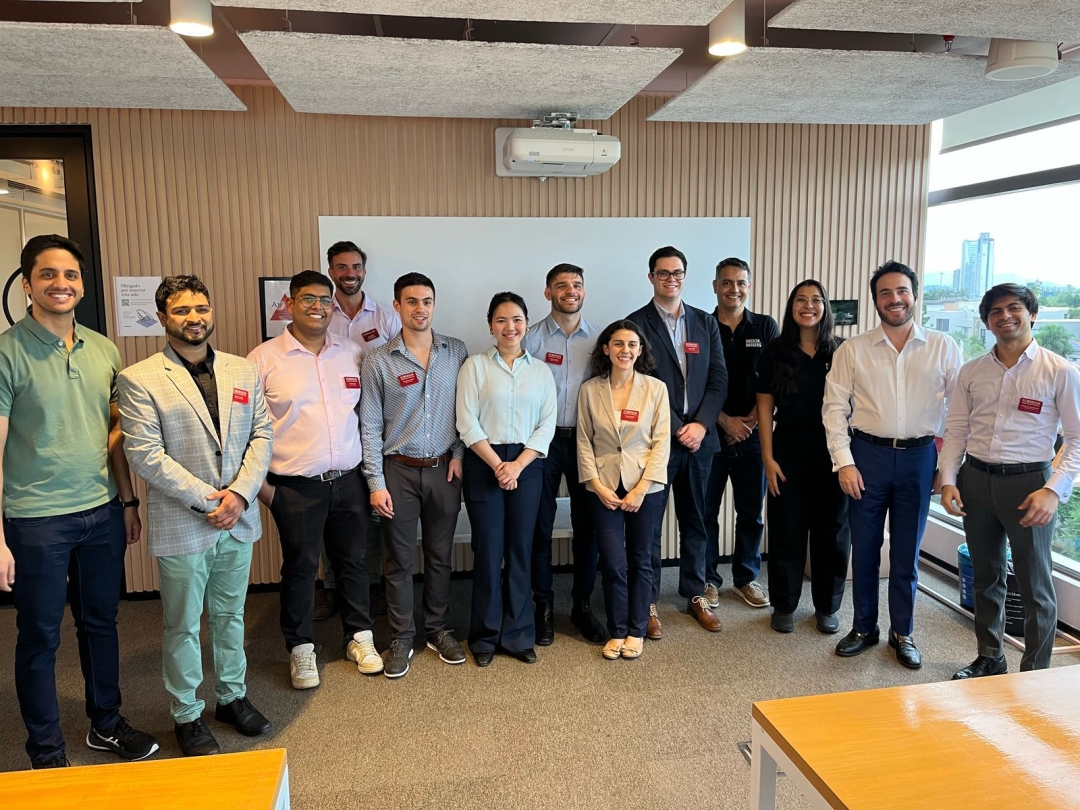
New York, NY – Hacker Rangers is proud to announce their collaboration with Fordham University under the university’s Student Consulting Program. Fordham students served as consulting partners for multiple innovative companies during an extended period, producing actionable insights and strategic direction for Hacker Rangers.

The cybersecurity awareness and culture change leader Hacker Rangers joined forces with Fordham students to investigate how Hacker Rangers runs as an organization and how to evaluate and further their success as they enter the international Market. Students gained valuable experience by reviewing market patterns and evaluating user interaction plans as they contributed to Hacker Rangers’ expansion effort to develop ordinary people into skilled cyber defenders.

The Director of Global Operations, Marcelo Barros, expressed his admiration for the Fordham partnership: “The students at Fordham provided me with an inspiring experience. They combined methodical analysis with a deep understanding of cultural dynamics, which matched our mission objectives and gave us great insights for future success.”

Fordham University consulting projects emphasize business by letting students tackle difficult real-world problems through classroom applications. Fordham students got a closer look at the operations of multiple organizations during this semester, including:

  • Hacker Rangers: Gamifying cybersecurity and culture change.

  • Natura: Where sustainability and beauty go hand in hand.

  • IBM: How AI and cloud technology are changing business.

  • Azul Airlines: redefining training, accessibility, and customer experience.

  • JBS: tackling operational challenges and talent retention.

  • Bradesco: innovation at the intersection of finance and digital transformation.

The student teams combined analytical precision with cultural awareness to create recommendations based on actual data and strategic planning.

The students collaborated with Hacker Rangers to discover how gamification can enhance security awareness and support positive organizational behavioral change. The partnership between students and Hacker Rangers brought in fresh perspectives and opened space for innovative thinking, setting the stage for a long-term relationship to help further shape the cybersecurity industry today as we know it.

For media inquiries or further information, please contact Thomas Mustac, Senior Publicist at Otter PR, who can be reached at thomas.mustac@otterpr.com

About Hacker Rangers

Hacker Rangers leads the way in gamified security awareness to build resilient organizations that maintain vigilant workplaces worldwide. Hacker Rangers utilizes interactive tools like PhishOS to develop confident teams that identify and respond to cyber threats.

Media Contact
Company Name: Otter PR
Contact Person: Thomas Mustac
Email: Send Email
Address:100 E Pine St Suite 110
City: Orlando
State: Florida
Country: United States
Website: OtterPR.com


Press Release Distributed by ABNewswire.com

To view the original version on ABNewswire visit: Students from Fordham University Team Up with Hacker Rangers for Enhancing Cybersecurity Training Through Innovation

Generalized Myasthenia Gravis Market Expected to Experience Major Growth by 2034, According to DelveInsight | Viela Bio, UCB Pharma, Ra Pharma, Argenx, Alexion Pharma, Takeda, Argenx-Halozyme Therapeu

The Key Generalized Myasthenia Gravis Companies in the market include – Viela Bio, UCB Pharma, Ra Pharmaceuticals, Argenx, Alexion Pharmaceuticals, Takeda, Argenx-Halozyme Therapeutics, Horizon Therapeutics, Hoffmann-La Roche, Janssen Research & Development, LLC, Immunovant Sciences GmbH, Sanofi, Cartesian Therapeutics, Takeda, DAS Therapeutics, Inc., and others.

DelveInsight’s “Generalized Myasthenia Gravis Market Insights, Epidemiology, and Market Forecast-2034″ report offers an in-depth understanding of the Generalized Myasthenia Gravis, historical and forecasted epidemiology as well as the Generalized Myasthenia Gravis market trends in the United States, EU4 (Germany, Spain, Italy, France) the United Kingdom and Japan.


To Know in detail about the Generalized Myasthenia Gravis market outlook, drug uptake, treatment scenario and epidemiology trends, Click here; Generalized Myasthenia Gravis Market Forecast


Some of the key facts of the Generalized Myasthenia Gravis Market Report:

  • The Generalized Myasthenia Gravis market size was valued approximately ~USD 2,700 million in 2021 and is anticipated to grow with a significant CAGR during the study period (2020-2034)

  • In April 2025, Cartesian Therapeutics, Inc. (NASDAQ: RNAC), a clinical-stage biotech company advancing cell therapies for autoimmune disorders, announced 12-month efficacy and safety results from its Phase 2b trial of Descartes-08 in patients with generalized myasthenia gravis (MG). Participants receiving a single six-week Descartes-08 treatment showed sustained symptom improvement at 12 months. The findings will be discussed by company leadership at the 24th Annual Needham Virtual Healthcare Conference on April 8, 2025, and presented by Dr. Tuan Vu, Professor of Neurology at the University of South Florida Morsani College of Medicine, at the 2025 American Academy of Neurology Annual Meeting on April 9, 2025.

  • In April 2025, Remarkable findings from the Phase 3 clinical trial (NCT05737160) assessing the efficacy and safety of Telitacicept (also known as RC18; brand name: 泰爱®) in patients with generalized myasthenia gravis (gMG) were unveiled during the Late-Breaking Science Session at the American Academy of Neurology (AAN) Annual Meeting.

  • In March 2025, Johnson & Johnson (NYSE: JNJ) announced that 12 abstracts—featuring two oral presentations—will be showcased at the 2025 American Academy of Neurology (AAN) Annual Meeting. These presentations will emphasize the company’s advancements in autoantibody disease research and the potential of nipocalimab to offer sustained, long-term disease control in treating generalized myasthenia gravis (gMG).

  • In January 2025, The U.S. Food and Drug Administration (FDA) has granted Priority Review to Johnson & Johnson’s Biologics License Application (BLA) for nipocalimab, a treatment for generalized myasthenia gravis (gMG) in patients who are antibody-positive, including those with anti-AChR, anti-MuSK, and anti-LRP4 antibodies.

  • In October 2024, Amgen (NASDAQ:AMGN) has announced the presentation of favorable top-line results from the Phase 3 MINT trial, which assessed the efficacy and safety of UPLIZNA® (inebilizumab-cdon) in treating adults with generalized myasthenia gravis (gMG), a rare autoimmune disease.

  • In August 2024, Merck KGaA (Merck) administered the first dose in a Phase III trial of oral Cladribine for treating generalized myasthenia gravis (gMG), a rare neuromuscular condition. Named MyClad, this international, randomized, double-blind, placebo-controlled study will evaluate the efficacy and safety of Cladribine capsules in comparison to a placebo.

  • In June 2024, Johnson & Johnson (NYSE: JNJ) announced positive findings from the Phase 3 Vivacity-MG3 study of nipocalimab in patients with generalized myasthenia gravis (gMG). Patients receiving nipocalimab in combination with standard of care (SOC) showed superior results compared to those treated with placebo and SOC, as indicated by the primary endpoint of improvement in the MG-ADL score from baseline over 24 weeks. These results will be featured in a presentation at the European Academy of Neurology (EAN) 2024 Congress and will be part of submissions to regulatory authorities later this year.

  • In January 2024, RYSTIGGO® (rozanolixizumab-noli) is a targeted treatment approved for adults with generalized myasthenia gravis (gMG) who test positive for anti-acetylcholine receptor or anti-muscle-specific tyrosine kinase antibodies.

  • In February 2024, Johnson & Johnson (J&J) unveiled favorable top-line findings for nipocalimab across two rare disease categories: generalized myasthenia gravis (gMG) and Sjogren’s disease. These achievements follow positive outcomes observed in two other autoantibody-related conditions, namely, haemolytic disease of the foetus and newborn (HDFN) and rheumatoid arthritis (RA). The Phase III VIVACITY trial (NCT03772587) of nipocalimab in adult gMG patients achieved its primary objective, demonstrating a statistically significant decrease in daily activity scores (measured by the myasthenia gravis activities of daily living scale – MG-ADL) from baseline over a period of 22 to 24 weeks, relative to placebo.

  • In 2021, the market size for Generalized Myasthenia Gravis (gMG) across the United States, EU5 countries (Germany, Spain, Italy, France, and the United Kingdom), and Japan was estimated to be around USD 2,700 million.

  • According to Suresh et al. (2021), there are 20 cases of myasthenia gravis for every 100,000 people in the United States. It shows that those under 40 have a higher female predominance, while people over 50 have a higher male predominance

  • The prevalence of MG varies from 1.5 to 17.9, or 2.19 to 36.71 cases/100.000 population, depending on the region. This suggests that there are roughly 60.000 sufferers in the US and 56,000–123,000 in Europe

  • According to a Green et al. (2020) study, 5.6% of the North American sample had non-family myasthenia gravis. While the majority of instances of myasthenia gravis are still not familial, a prevalence of 5.6% is several hundred times higher than the overall prevalence of 1 in 5–10 000 cases of the condition

  • Key Generalized Myasthenia Gravis Companies: Viela Bio, UCB Pharma, Ra Pharmaceuticals, Argenx, Alexion Pharmaceuticals, Takeda, Argenx-Halozyme Therapeutics, Horizon Therapeutics, Hoffmann-La Roche, Janssen Research & Development, LLC, Immunovant Sciences GmbH, Sanofi, Cartesian Therapeutics, Takeda, DAS Therapeutics, Inc., and others

  • Key Generalized Myasthenia Gravis Therapies: Inebilizumab, Rozanolixizumab, Zilucoplan, Efgartigimod, Eculizumab, TAK-079, Subcutaneous Efgartigimod, Uplizna (Inebilizumab), Enspryng (Satralizumab), Nipocalimab, Batoclimab, Tolebrutinib, Descartes-08, Mezagitamab (TAK-079), DAS-001, and others

  • The Generalized Myasthenia Gravis epidemiology based on gender analyzed that prevalence of Generalized Myasthenia Gravis is higher in females than males

  • The Generalized Myasthenia Gravis market is expected to surge due to the disease’s increasing prevalence and awareness during the forecast period. Furthermore, launching various multiple-stage Generalized Myasthenia Gravis pipeline products will significantly revolutionize the Generalized Myasthenia Gravis market dynamics.


Generalized Myasthenia Gravis Overview

Generalized Myasthenia Gravis (gMG) is a chronic autoimmune neuromuscular disorder that causes muscle weakness. It occurs when the immune system produces antibodies that disrupt communication between nerves and muscles, targeting proteins like the acetylcholine receptor or related components at the neuromuscular junction.

Symptoms of gMG include weakness in the arms, legs, neck, eyes (causing drooping eyelids or double vision), and difficulties with speaking, swallowing, and breathing. The severity of symptoms can vary and may worsen with activity but improve with rest.


Get a Free sample for the Generalized Myasthenia Gravis Market Report:

https://www.delveinsight.com/report-store/generalized-myasthenia-gravis-gmg-market


Generalized Myasthenia Gravis Epidemiology

The epidemiology section provides insights into the historical, current, and forecasted epidemiology trends in the seven major countries (7MM) from 2020 to 2034. It helps to recognize the causes of current and forecasted trends by exploring numerous studies and views of key opinion leaders. The epidemiology section also provides a detailed analysis of the diagnosed patient pool and future trends.


Generalized Myasthenia Gravis Epidemiology Segmentation:

The Generalized Myasthenia Gravis market report proffers epidemiological analysis for the study period 2020–2034 in the 7MM segmented into:

  • Total Prevalence of Generalized Myasthenia Gravis

  • Prevalent Cases of Generalized Myasthenia Gravis by severity

  • Gender-specific Prevalence of Generalized Myasthenia Gravis

  • Diagnosed Cases of Episodic and Chronic Generalized Myasthenia Gravis


Download the report to understand which factors are driving Generalized Myasthenia Gravis epidemiology trends @ Generalized Myasthenia Gravis Epidemiology Forecast


Generalized Myasthenia Gravis Drugs Uptake and Pipeline Development Activities

The drugs uptake section focuses on the rate of uptake of the potential drugs recently launched in the Generalized Myasthenia Gravis market or expected to get launched during the study period. The analysis covers Generalized Myasthenia Gravis market uptake by drugs, patient uptake by therapies, and sales of each drug.

Moreover, the therapeutics assessment section helps understand the drugs with the most rapid uptake and the reasons behind the maximal use of the drugs. Additionally, it compares the drugs based on market share.

The report also covers the Generalized Myasthenia Gravis Pipeline Development Activities. It provides valuable insights about different therapeutic candidates in various stages and the key companies involved in developing targeted therapeutics. It also analyzes recent developments such as collaborations, acquisitions, mergers, licensing patent details, and other information for emerging therapies.


Generalized Myasthenia Gravis Therapies and Key Companies

  • Inebilizumab: Viela Bio

  • Rozanolixizumab: UCB Pharma

  • Zilucoplan: Ra Pharmaceuticals

  • Efgartigimod: Argenx

  • Eculizumab: Alexion Pharmaceuticals

  • TAK-079: Takeda

  • Subcutaneous Efgartigimod: Argenx-Halozyme Therapeutics

  • Uplizna (Inebilizumab): Horizon Therapeutics

  • Enspryng (Satralizumab): Hoffmann-La Roche

  • Nipocalimab: Janssen Research & Development, LLC

  • Batoclimab: Immunovant Sciences GmbH

  • Tolebrutinib: Sanofi

  • Descartes-08: Cartesian Therapeutics

  • Mezagitamab (TAK-079): Takeda

  • DAS-001: DAS Therapeutics, Inc.


Discover more about therapies set to grab major Generalized Myasthenia Gravis market share @ Generalized Myasthenia Gravis Treatment Market


Generalized Myasthenia Gravis Market Strengths

  • Growing research and development is increasing the demand for better diagnosis and treatment options for MG.

  • Approval of targeted therapies such as Soliris, Vygart, and Ultomiris will fuel the market growth.


Generalized Myasthenia Gravis Market Opportunities

  • Approval of new therapies will provide better treatment options

  • Various big Pharma key players are currently active in the development of a novel drug for the treatment of MG.


Scope of the Generalized Myasthenia Gravis Market Report

  • Study Period: 2020–2034

  • Coverage: 7MM [The United States, EU5 (Germany, France, Italy, Spain, and the United Kingdom), and Japan]

  • Key Generalized Myasthenia Gravis Companies: Viela Bio, UCB Pharma, Ra Pharmaceuticals, Argenx, Alexion Pharmaceuticals, Takeda, Argenx-Halozyme Therapeutics, Horizon Therapeutics, Hoffmann-La Roche, Janssen Research & Development, LLC, Immunovant Sciences GmbH, Sanofi, Cartesian Therapeutics, Takeda, DAS Therapeutics, Inc., and others

  • Key Generalized Myasthenia Gravis Therapies: Inebilizumab, Rozanolixizumab, Zilucoplan, Efgartigimod, Eculizumab, TAK-079, Subcutaneous Efgartigimod, Uplizna (Inebilizumab), Enspryng (Satralizumab), Nipocalimab, Batoclimab, Tolebrutinib, Descartes-08, Mezagitamab (TAK-079), DAS-001, and others

  • Generalized Myasthenia Gravis Therapeutic Assessment: Generalized Myasthenia Gravis current marketed and Generalized Myasthenia Gravis emerging therapies

  • Generalized Myasthenia Gravis Market Dynamics: Generalized Myasthenia Gravis market drivers and Generalized Myasthenia Gravis market barriers

  • Competitive Intelligence Analysis: SWOT analysis, PESTLE analysis, Porter’s five forces, BCG Matrix, Market entry strategies

  • Generalized Myasthenia Gravis Unmet Needs, KOL’s views, Analyst’s views, Generalized Myasthenia Gravis Market Access and Reimbursement


To know more about Generalized Myasthenia Gravis companies working in the treatment market, visit @ Generalized Myasthenia Gravis Clinical Trials and Therapeutic Assessment


Table of Contents

1. Generalized Myasthenia Gravis Market Report Introduction

2. Executive Summary for Generalized Myasthenia Gravis

3. SWOT analysis of Generalized Myasthenia Gravis

4. Generalized Myasthenia Gravis Patient Share (%) Overview at a Glance

5. Generalized Myasthenia Gravis Market Overview at a Glance

6. Generalized Myasthenia Gravis Disease Background and Overview

7. Generalized Myasthenia Gravis Epidemiology and Patient Population

8. Country-Specific Patient Population of Generalized Myasthenia Gravis

9. Generalized Myasthenia Gravis Current Treatment and Medical Practices

10. Generalized Myasthenia Gravis Unmet Needs

11. Generalized Myasthenia Gravis Emerging Therapies

12. Generalized Myasthenia Gravis Market Outlook

13. Country-Wise Generalized Myasthenia Gravis Market Analysis (2020–2034)

14. Generalized Myasthenia Gravis Market Access and Reimbursement of Therapies

15. Generalized Myasthenia Gravis Market Drivers

16. Generalized Myasthenia Gravis Market Barriers

17. Generalized Myasthenia Gravis Appendix

18. Generalized Myasthenia Gravis Report Methodology

19. DelveInsight Capabilities

20. Disclaimer

21. About DelveInsight


About DelveInsight

DelveInsight is a leading Healthcare Business Consultant, and Market Research firm focused exclusively on life sciences. It supports Pharma companies by providing comprehensive end-to-end solutions to improve their performance.

It also offers Healthcare Consulting Services, which benefits in market analysis to accelerate the business growth and overcome challenges with a practical approach.

Media Contact
Company Name: DelveInsight
Contact Person: Gaurav Bora
Email: Send Email
Phone: +14699457679
Address:304 S. Jones Blvd #2432
City: Las Vegas
State: NV
Country: United States
Website: https://www.delveinsight.com/


Press Release Distributed by ABNewswire.com

To view the original version on ABNewswire visit: Generalized Myasthenia Gravis Market Expected to Experience Major Growth by 2034, According to DelveInsight | Viela Bio, UCB Pharma, Ra Pharma, Argenx, Alexion Pharma, Takeda, Argenx-Halozyme Therapeu

$7 Billion Annual Potential from New Strategic Agreement to Commercialize Self-Contained Pyrolysis Waste-to-Energy Units in California: China New Energy Group Company (Symbol: CNER)

$7 Billion Annual Potential from New Strategic Agreement to Commercialize Self-Contained Pyrolysis Waste-to-Energy Units in California: China New Energy Group Company (Symbol: CNER)
$CNER Opportunity in California Alone Represents One of the World’s Largest and Most Concentrated Manure-to-Energy Markets
  • New Technologies and Innovations for Scalable, Clean Energy Solutions Focused on Modular Carbon-Negative Waste to Energy Projects.
  • Syngas BioEnergy bioReactor is a Fully Self-Contained Pyrolysis Waste-to-Energy Unit Engineered Inside a Standard 40-foot Shipping Container.
  • Compact System Delivers up to 1.5 Megawatts of Thermal Energy Per Hour from 2 Tons Per Hour of Cow Manure.
  • New Agreement to Commercialize Syngas bioEnergy Tech to Address Energy Security for Farmers and Ranchers Starting in the California Central Valley.
  • Plans for Multiple Additional bioReactor Units to Serve Local Farming and Processing Operations that are Vulnerable to Grid Constraints and Price Volatility.
  • Market Opportunity in California Alone is Substantial and Represents One of the World’s Largest and Most Concentrated Manure-to-Energy Markets.
  • Converting Just 2 Tons of Manure into 1.5 MWh of Power Per Hour, Potential Energy Output Exceeds 35 million MWh Annually — An Estimated $7 Billion in Potential Annual Revenue.

China New Energy Group Company (OTC: CNER) commercializes new technologies and innovations that deliver scalable, clean energy solutions. CNER empowers agriculture, industry and remote operations with carbon-negative power, on-site waste processing and resilient energy infrastructure through capital investments in modular waste-to-energy technologies.

The Syngas BioEnergy bioReactor is a fully self-contained waste-to-energy unit engineered inside a standard 40-foot shipping container. Each reactor is prebuilt in the CNER factory, rigorously tested, and delivered ready for rapid deployment — making it one of the fastest, most portable solutions for on-site power generation. This rugged, modular design allows farms to scale energy production like building blocks, placing reactors exactly where waste is generated, without the need for complex construction or permitting delays. Whether deployed individually or as part of a 30-unit network, each CNER bioReactor acts as a decentralized energy module feeding the broader on-farm power grid — making speed, flexibility, and off-grid independence the defining features of our energy infrastructure solution.

The heart of the CNER system is the pyrolysis process — a high-temperature, low-oxygen thermal conversion that transforms organic waste into three valuable outputs. First, it produces syngas, a clean, combustible gas used to power generators and supply on-site energy. Second, it yields biochar, a carbon-rich solid that can be mixed with fresh manure to enhance its energy density and combustion efficiency in future cycles, creating a regenerative fuel loop. Third, it emits nutrient-rich gases and vapors ideal for feeding algae cultivation systems, which are harvested to produce organic fertilizer and high-protein feed for livestock. This closed-loop CNER process maximizes every molecule of waste, turning environmental liabilities into power, profit, and productivity.

Agreement to Commercialize Syngas bioEnergy Technology to Address Energy Security for Farmers and Ranchers.

On April 22nd CNER announced that it has entered into a strategic agreement to commercialize the syngas technology developed by BioEnergy Solutions Inc., an Alberta, Canada renewable energy developer, to launch the first commercial deployment of the bioReactor—a modular, containerized waste-to-energy system.

The initial installation is proposed to be located onsite at a major cattle operation in California’s San Joaquin Valley. Under the agreement, CNER will create a subsidiary called SynGas BioEnergy Corporation, the CNER internal commercialization entity. CNER will provide capital to fund the build, installation and ongoing operations of the CNER bioReactor technology.

The CNER bioreactor converts manure and other organic waste into clean thermal energy and biochar. The compact system delivers up to 1.5 megawatts of thermal energy per hour from 2 tons per hour of cow manure. The bioreactors will be placed close to waste sites, creating a micro-power Grid for all farming operations.

Manure pollution is one of California’s most severe yet under-acknowledged environmental crises. With nearly 2.4 million cows (Source: USDA California Cattle County Estimates, May 9, 2022), the state produces almost 128,800 tons of manure daily,” said Gary Bartholomew, Chairman and CEO of CNER. “California represents a massive opportunity for scalable, on-site bioenergy solutions that solve waste, energy, and environmental issues in one closed-loop system.”

Following this first deployment, CNER plans to fund the rollout of multiple additional bioReactor units. Each installation will be designed to serve the energy demands of local farming and processing operations that are increasingly vulnerable to grid constraints and price volatility.

The market opportunity in California alone is substantial and represents one of the world’s largest and most concentrated manure-to-energy markets. With close to 2.4 million dairy and beef cows producing nearly 128,800 tons of manure per day (www.lpelc.org March 5, 2019). Under strict environmental regulations, this waste stream creates both a cost burden and an untapped energy resource.

With the CNER Syngas BioEnergy bioReactors converting just 2 tons of manure into 1.5 MWh of power per hour, the total potential energy output exceeds 35 million MWh annually — translating to an estimated $7.0 billion in potential annual energy revenue at $0.20 per kWh. Deploying approximately 2,683 CNER bioReactors statewide would unlock this market, giving California farmers energy independence, reducing emissions, and transforming a waste liability into clean, localized power.

For more information on $CNER visit: www.cner.us

DISCLAIMER: https://corporateads.com/disclaimer/

Disclosure listed on the CorporateAds website

Media Contact
Company Name: China New Energy Group Company
Contact Person: Gary Bartholomew, Chairman and CEO
Email: Send Email
Phone: +1 647-400-6927
Address:5428 South Regal St. Unit 30954
City: Spokane
State: Washington
Country: United States
Website: www.cner.us