TevyHive: Affordable, High-Quality Indian Fashion in the U.S.

TevyHive is a small family-owned eCommerce business based in San Diego, bringing high-quality and trendy Indian fashion to customers across the U.S. Founder Pashie, having lived in both India and the U.S. for decades, understands the balance between tradition and modern style, making TevyHive the perfect destination for Indian fashion enthusiasts.

A Curated Selection for the Modern Indian-American

Big-box stores may offer cheaper options, but their quality is often subpar, and they fail to understand the unique blend of American preferences in Indian fashion. Designer online options from India can be expensive and time-consuming to navigate, making it difficult to find the right outfit. TevyHive bridges this gap by handpicking the best styles from renowned Indian brands and making them easily accessible at competitive prices.

With years of experience styling friends and family, followed by in-person selling, Pashie saves you time by curating only the best and most stylish Indian fashion. She knows exactly what customers want. Like TJ Maxx, TevyHive curates a thoughtfully selected range of ready-to-wear premium Indian outfits, ensuring customers get authentic, stylish, and high-quality options without the hassle.

Why Customers Love TevyHive

“Outfits that make you feel like a celebrity! Never, and I mean never, have I ever received so many compliments for an outfit! This is my first ever Indian outfit and I am so happy I went to TevyHive.” – Sandrina Lee

Customers wearing TevyHive outfits have won Best Dressed awards at various events. TevyHive hosts fashion shows in California featuring diverse models to showcase how Indian clothing looks stunning on people from all walks of life.

TevyHive sources elegant Sarees, Salwar Suits, Kurtis, Lehengas, and Shararas, made from luxurious fabrics like Silk, Georgette, Cotton, Crepe, Satin, and Velvet. Each piece features traditional techniques such as Chikankari, Shisha work, and Zardozi, seamlessly blended with modern silhouettes.

TevyHive also features a stunning fusion line, including popular Anarkali dresses, Kaftans, Co-ord sets, and Palazzo sets, blending contemporary fashion with traditional Indian elements. These versatile pieces cater to both casual and festive occasions, offering comfort and elegance for every event.

TevyHive also offers a men’s collection, including Kurta Pajamas and Sherwanis, as well as a kids’ collection, ensuring stylish and high-quality Indian attire for the entire family.

A standout feature is the video shopping experience, allowing customers to explore collections in real time, get expert styling advice, and confidently make purchases. For a hands-on experience, customers can also visit the San Diego studio for personalized guidance and customization.

Find the Perfect Outfit with Ease

Whether for an Indian wedding, a Diwali or Eid party, prom, graduation party, Chaniya Choli for Navratri, an after-Holi celebration, milestone birthday party, or a Bollywood-inspired theme party, TevyHive makes shopping stress-free. The brand also offers a Styling Guide with blogs, videos, and consultations to help customers look their best.

Shop TevyHive Today

TevyHive is more than just a clothing store—it’s a brand dedicated to preserving traditions while offering modern, accessible fashion. Explore the collection at TevyHive.com and subscribe for 20% off your first order!

Media Contact
Company Name: TevyHive LLC
Contact Person: Pashie Pandey
Email: Send Email
Country: United States
Website: http://tevyhive.com/

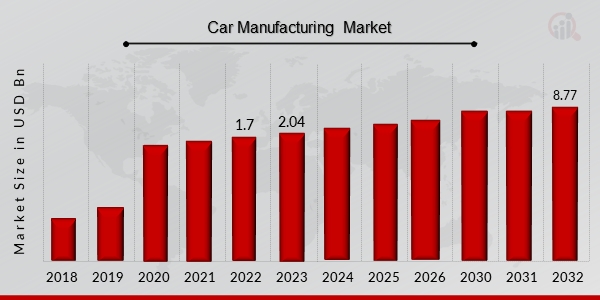
Car Manufacturing Market Growth from $1.7B in 2022 to $8.77B by 2032, Achieving a Remarkable CAGR of 20.00% from 2023 to 2032

“Car Manufacturing Market”
The Car Manufacturing Market is expected to grow from $1.7 billion in 2022 to $8.77 billion by 2032. This remarkable growth, with a CAGR of 20.00% from 2023 to 2032, is driven by advancements in manufacturing technologies and increasing vehicle production.

The Car Manufacturing Market was valued at $1.7 billion in 2022. It is projected to increase from $2.04 billion in 2023 to approximately $8.77 billion by 2032, showing a significant CAGR of 20.00% during the forecast period from 2023 to 2032.

The car manufacturing market is a vital sector of the global economy, encompassing the design, production, and distribution of vehicles. This market has undergone significant transformations due to technological advancements, changing consumer preferences, and increasing regulatory pressures. As the automotive industry shifts towards electrification and sustainability, manufacturers are adapting to meet new demands and challenges.

Current Trends

Key trends shaping the car manufacturing market include the rise of electric vehicles (EVs), the integration of advanced manufacturing technologies, and the growing importance of sustainability in production processes. Additionally, the trend toward autonomous vehicles is influencing design and manufacturing strategies.

Market Drivers

Several factors are driving the growth of the car manufacturing market:

1. Increasing Demand for Electric Vehicles

The global shift towards electric vehicles is a primary driver of change in the car manufacturing market. Governments are implementing stricter emissions regulations and offering incentives for EV purchases, prompting manufacturers to invest in electric vehicle production.

2. Technological Advancements

Innovations in manufacturing processes, such as automation, robotics, and additive manufacturing (3D printing), are enhancing efficiency and reducing production costs. These advancements enable manufacturers to produce vehicles more quickly and with higher precision.

3. Changing Consumer Preferences

Consumers are increasingly seeking vehicles that offer advanced technology, connectivity, and sustainability. Manufacturers are responding by incorporating smart features, infotainment systems, and eco-friendly materials into their designs.

4. Regulatory Pressures

Governments worldwide are implementing stricter environmental regulations, pushing manufacturers to develop cleaner and more efficient vehicles. Compliance with these regulations is driving innovation and investment in sustainable manufacturing practices.

Key Companies

The car manufacturing market is characterized by the presence of several major players, each contributing to the industry’s growth:

1. Toyota Motor Corporation

Toyota is one of the largest car manufacturers globally, known for its commitment to quality and innovation. The company has made significant investments in hybrid and electric vehicle technologies.

2. Volkswagen AG

Volkswagen is a leading automotive manufacturer with a diverse portfolio of brands. The company is heavily investing in electric vehicle production and aims to become a leader in sustainable mobility.

3. General Motors (GM)

GM is a major player in the automotive industry, focusing on electric and autonomous vehicles. The company has set ambitious goals for transitioning to an all-electric future.

4. Ford Motor Company

Ford is actively investing in electric vehicle technology and aims to expand its EV lineup significantly. The company is also focusing on integrating advanced technologies into its vehicles.

Get Free Sample Report for Detailed Market Insights; https://www.marketresearchfuture.com/sample_request/16168

Market Restraints

Despite its growth potential, the car manufacturing market faces several challenges:

1. High Production Costs

The costs associated with manufacturing vehicles, including raw materials, labor, and technology investments, can be substantial. These high costs can affect profit margins and pricing strategies.

2. Supply Chain Disruptions

The automotive industry is susceptible to supply chain disruptions, as seen during the COVID-19 pandemic. Shortages of critical components, such as semiconductors, can hinder production and delay vehicle launches.

3. Competition from New Entrants

The rise of electric vehicle startups and technology companies entering the automotive space is increasing competition. Established manufacturers must adapt quickly to maintain market share.

Market Segmentation Insights

The car manufacturing market can be segmented based on various factors:

1. Vehicle Type

  • Passenger Cars: The largest segment, driven by consumer demand for personal transportation.
  • Commercial Vehicles: Includes trucks, buses, and vans, catering to business and logistics needs.
  • Electric Vehicles: A growing segment focused on sustainability and reducing emissions.

2. Manufacturing Process

  • Conventional Manufacturing: Traditional assembly line methods for producing vehicles.
  • Advanced Manufacturing: Involves automation, robotics, and 3D printing to enhance efficiency.

3. Geographic Regions

  • North America: A major market driven by consumer demand and technological innovation.
  • Europe: Known for its strong automotive industry and focus on sustainability.
  • Asia-Pacific: Rapidly growing due to increasing vehicle production and rising disposable incomes, particularly in countries like China and India.

You can buy this market report at; https://www.marketresearchfuture.com/checkout?currency=one_user-USD&report_id=16168

Future Scope

The car manufacturing market is poised for significant growth, with several emerging trends and opportunities:

1. Electrification of Vehicles

The continued rise of electric vehicles will shape the future of car manufacturing. Manufacturers will need to invest in battery technology, charging infrastructure, and sustainable production practices to meet consumer demands.

2. Integration of Smart Technologies

The incorporation of advanced technologies such as AI, IoT, and connectivity features will enhance vehicle functionality and user experience. Manufacturers will focus on developing smart vehicles that integrate seamlessly with digital ecosystems.

3. Sustainable Manufacturing Practices

As environmental concerns grow, manufacturers will prioritize sustainability in their production processes. This includes using eco-friendly materials, reducing waste, and adopting renewable energy sources in manufacturing.

4. Autonomous Vehicle Development

The push towards autonomous vehicles will influence design and manufacturing strategies. Manufacturers will need to invest in research and development to create safe and reliable autonomous driving technologies.

The car manufacturing market is undergoing a significant transformation driven by the rise of electric vehicles, technological advancements, and changing consumer preferences. While challenges such as high production costs and supply chain disruptions exist, the potential for innovation and growth is substantial. As manufacturers adapt to the evolving landscape and invest in sustainable practices, the car manufacturing market is expected to flourish in the coming years, shaping the future of mobility.

Top Trending Reports:

Telecom Battery Market

Yacht Charter Market

About Market Research Future

At Market Research Future (MRFR), we enable our customers to unravel the complexity of various industries through our Cooked Research Report (CRR), Half-Cooked Research Reports (HCRR), Raw Research Reports (3R), Continuous-Feed Research (CFR), and Market Research Consulting Services. The MRFR team have a supreme objective to provide the optimum quality market research and intelligence services for our clients. Our market research studies by Components, Application, Logistics and market players for global, regional, and country level market segments enable our clients to see more, know more, and do more, which help to answer all their most important questions.

Media Contact
Company Name: Market Research Future
Contact Person: Media Relations
Email: Send Email
Country: United States
Website: https://www.marketresearchfuture.com


Press Release Distributed by ABNewswire.com

To view the original version on ABNewswire visit: Car Manufacturing Market Growth from $1.7B in 2022 to $8.77B by 2032, Achieving a Remarkable CAGR of 20.00% from 2023 to 2032

Stress-Free Dumpster Rentals with Jordan Disposal in Joplin

Stress-Free Dumpster Rentals with Jordan Disposal in Joplin
Jordan Disposal, a leading provider of waste management solutions, is serving Joplin with effortless dumpster solutions designed to simplify cleanup projects for homeowners and businesses.

Jordan Disposal, a leading provider of waste management solutions, is serving Joplin with effortless dumpster solutions designed to simplify cleanup projects for homeowners and businesses. Recognizing the often stressful nature of decluttering, renovations, and construction, Jordan Disposal has streamlined the dumpster rental process, prioritizing convenience and efficiency. Joplin residents can now experience a seamless, hassle-free experience that effectively addresses the challenges of debris management, allowing them to focus on their projects, not their waste.

“This is arguably one of the smartest moves we’ve made in addressing the real needs of our customers in Joplin,” shares Michelle Murphy of Jordan Disposal. “We’ve listened to their feedback, and we understand the frustrations they’ve experienced with traditional dumpster rental services. This streamlined approach tackles those pain points head-on, offering a truly hassle-free experience.”

In the bustling city of Joplin, where time is a precious commodity, effortless waste management solutions are a true boon for residents. Busy homeowners juggling work, family, and other commitments often find themselves overwhelmed by the prospect of decluttering, renovating, or managing construction debris. The availability of a reliable and convenient roll-off service in the Joplin area allows them to efficiently dispose of unwanted materials without sacrificing valuable time and energy. By simplifying the process of waste removal, these services empower Joplin residents to tackle projects with greater ease and efficiency, ultimately contributing to a cleaner and more organized community. Jordan Disposal is shifting the perspective from a daunting chore to a manageable task, transforming the stressful experience of waste disposal into a streamlined and convenient process. This allows homeowners to focus on the project at hand, knowing that Jordan Disposal has their waste removal needs covered.

Jordan Disposal, a family-owned business with over 100 years of history, brings a legacy of personalized care to the waste management industry. Their Joplin dumpster rental caters to various needs, making waste removal hassle-free for any size project. Beyond simply removing trash, Jordan Disposal is dedicated to providing accessible, reliable, and affordable waste disposal solutions for a wide range of needs. This focus on customer satisfaction is at the heart of Jordan Disposal’s mission.

Get started with an effortless dumpster rental today! Visit their website at https://jordandisposal.com/ and discover how easy waste removal can be.

Media Contact
Company Name: Jordan Disposal
Contact Person: Michelle Murphy
Email: Send Email
Phone: (417) 624-4469
Address:1040 E Front St
City: Galena
State: KS
Country: United States
Website: https://jordandisposal.com/

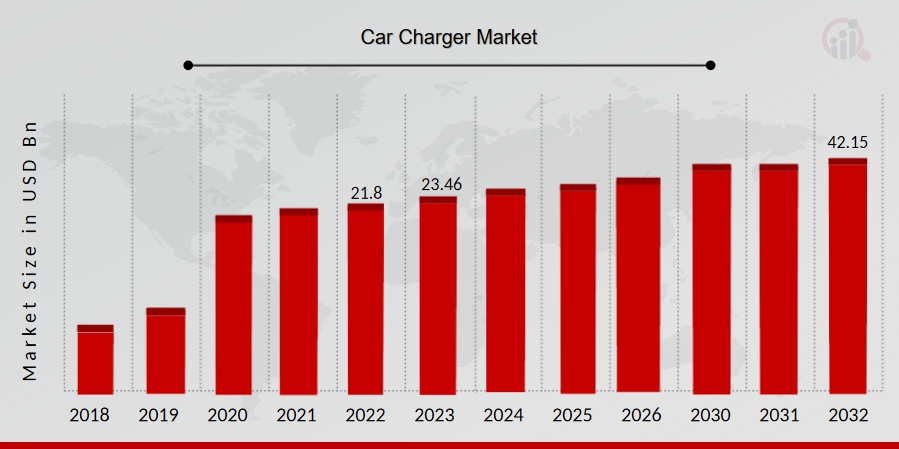
Car Charger Market Projected Expansion from $21.8B in 2022 to $42.15B by 2032 with a CAGR of 7.60% from 2023 to 2032

“Car Charger Market”
The Car Charger Market, valued at $21.8 billion in 2022, is projected to expand to $42.15 billion by 2032. This growth, with a CAGR of 7.60% from 2023 to 2032, is driven by the rising adoption of electric vehicles and the need for efficient charging solutions.

The Car Charger Market was valued at $21.8 billion in 2022. It is anticipated to grow from $23.46 billion in 2023 to around $42.15 billion by 2032. This represents a CAGR of about 7.60% during the forecast period from 2023 to 2032.

The car charger market is experiencing significant growth, driven by the increasing adoption of electric vehicles (EVs) and the growing emphasis on sustainable transportation solutions. As the automotive industry shifts towards electrification, the demand for efficient and reliable charging infrastructure is rising. Car chargers are essential for powering electric vehicles, making them a critical component of the EV ecosystem.

Current Trends

Current trends in the car charger market include the development of fast charging technologies, the expansion of charging networks, and the integration of smart charging solutions. Additionally, the rise of home charging stations and public charging infrastructure is becoming increasingly important as more consumers transition to electric vehicles.

Market Drivers

Several key factors are driving the growth of the car charger market:

1. Increasing Adoption of Electric Vehicles

The global shift towards electric vehicles is the primary driver of the car charger market. With governments worldwide implementing stricter emissions regulations and offering incentives for EV purchases, consumers are increasingly opting for electric vehicles, necessitating the development of robust charging infrastructure.

2. Technological Advancements

Advancements in charging technology, such as fast charging and wireless charging, are enhancing the convenience and efficiency of charging electric vehicles. These innovations are making EVs more attractive to consumers, further driving demand for car chargers.

3. Government Initiatives and Incentives

Many governments are investing in charging infrastructure and offering incentives to promote the adoption of electric vehicles. These initiatives are crucial for building a comprehensive charging network that supports EV users and encourages more consumers to switch to electric vehicles.

4. Growing Environmental Awareness

As awareness of climate change and environmental issues increases, more consumers are seeking sustainable transportation options. Electric vehicles are viewed as a cleaner alternative to traditional gasoline-powered vehicles, driving demand for car chargers.

Get Free Sample Report for Detailed Market Insights; https://www.marketresearchfuture.com/sample_request/14045

Key Companies

The car charger market is characterized by the presence of several major players, each contributing to the industry’s growth:

1. ChargePoint, Inc.

ChargePoint operates one of the largest networks of electric vehicle charging stations globally. The company focuses on providing reliable and user-friendly charging solutions for both residential and commercial applications.

2. Tesla, Inc.

Tesla is a leader in the electric vehicle market and has developed its proprietary Supercharger network, which offers fast charging solutions for Tesla vehicles. The company’s commitment to expanding its charging infrastructure is a significant driver of its growth.

3. ABB Ltd.

ABB is a global technology company that provides a range of charging solutions, including fast chargers and smart charging systems. The company is known for its innovation and commitment to sustainability in the automotive sector.

4. Schneider Electric

Schneider Electric offers a variety of electric vehicle charging solutions, including home chargers and public charging stations. The company’s focus on energy management and sustainability positions it as a key player in the car charger market.

Market Restraints

Despite its growth potential, the car charger market faces several challenges:

1. High Installation Costs

The installation of charging infrastructure can be expensive, particularly for fast chargers. This high cost can deter businesses and consumers from investing in charging solutions, limiting market growth.

2. Range Anxiety

Consumers may be hesitant to adopt electric vehicles due to concerns about the availability of charging stations and the time required to charge. Addressing range anxiety through the expansion of charging networks is essential for increasing EV adoption.

3. Compatibility Issues

The lack of standardization among charging connectors and technologies can create compatibility issues for consumers. Ensuring that charging stations are compatible with various electric vehicle models is crucial for market growth.

Market Segmentation Insights

The car charger market can be segmented based on various factors:

1. Charger Type

  • Level 1 Chargers: Standard household chargers that provide a slow charging rate, suitable for overnight charging.
  • Level 2 Chargers: Faster chargers commonly used in residential and commercial settings, providing a quicker charging solution.
  • DC Fast Chargers: High-powered chargers that can significantly reduce charging time, making them ideal for public charging stations.

2. Application

  • Residential Charging: Home charging solutions for EV owners.
  • Commercial Charging: Charging stations for businesses, fleets, and public use.
  • Fleet Charging: Solutions tailored for electric vehicle fleets, such as delivery services and public transport.

3. Geographic Regions

  • North America: A significant market driven by increasing EV adoption and government incentives.
  • Europe: Known for its strong commitment to sustainability and extensive charging infrastructure.
  • Asia-Pacific: Rapidly growing due to increasing electric vehicle production and government support for charging networks, particularly in countries like China and Japan.

You can buy this market report at; https://www.marketresearchfuture.com/checkout?currency=one_user-USD&report_id=14045

Future Scope

The car charger market is poised for significant growth, with several emerging trends and opportunities:

1. Expansion of Charging Infrastructure

As the number of electric vehicles on the road continues to rise, the demand for charging infrastructure will increase. Investments in public charging networks and partnerships between governments and private companies will be crucial for supporting this growth.

2. Development of Smart Charging Solutions

The integration of smart technology in charging systems will enhance user experiences and optimize energy consumption. Smart chargers can communicate with the grid, allowing for dynamic pricing and efficient energy usage.

3. Focus on Renewable Energy

As sustainability becomes a priority, the use of renewable energy sources for charging stations will increase. Solar-powered charging solutions and energy storage systems will play a significant role in creating a greener charging infrastructure.

4. Innovations in Charging Technology

Continued advancements in charging technology, such as wireless charging and ultra-fast charging solutions, will improve the convenience and efficiency of charging electric vehicles, making them more appealing to consumers.

The car charger market is undergoing a transformation, driven by the increasing adoption of electric vehicles, technological advancements, and growing environmental awareness. While challenges such as high installation costs and range anxiety exist, the potential for innovation and growth is substantial. As manufacturers and governments invest in charging infrastructure and develop advanced charging solutions, the car charger market is expected to flourish in the coming years, supporting the transition to sustainable transportation.

Top Trending Reports:

Light Commercial Vehicles Market

Tanzania Used Car Market

About Market Research Future

At Market Research Future (MRFR), we enable our customers to unravel the complexity of various industries through our Cooked Research Report (CRR), Half-Cooked Research Reports (HCRR), Raw Research Reports (3R), Continuous-Feed Research (CFR), and Market Research Consulting Services. The MRFR team have a supreme objective to provide the optimum quality market research and intelligence services for our clients. Our market research studies by Components, Application, Logistics and market players for global, regional, and country level market segments enable our clients to see more, know more, and do more, which help to answer all their most important questions.

Media Contact
Company Name: Market Research Future
Contact Person: Media Relations
Email: Send Email
Country: United States
Website: https://www.marketresearchfuture.com


Press Release Distributed by ABNewswire.com

To view the original version on ABNewswire visit: Car Charger Market Projected Expansion from $21.8B in 2022 to $42.15B by 2032 with a CAGR of 7.60% from 2023 to 2032

Cordierite Market [2023-2028] | Market Size, Growth, Dynamics and Trends with Top Key Players Opportunities and Forecast

“Browse 234 market data Tables and 44 Figures spread through 242 Pages and in-depth TOC on “Cordierite Market””
The Cordierite Market is poised for growth, driven by its rising demand in automotive, aerospace, and industrial applications. However, high production costs and raw material price fluctuations remain key challenges. Advancements in manufacturing techniques and expanding applications in energy-efficient technologies will shape future opportunities.

The cordierite market is projected to reach USD 3.2 billion by 2028, at a CAGR of 5.1% from USD 2.5 billion in 2023. The report highlights key elements of the market, including its size, emerging trends and cordierite market growth drivers, challenges, competitive landscape, and future growth potential. Cordierite is a commonly used material in automotive parts due to its excellent thermal properties and low thermal expansion coefficient. It is predominantly used in catalytic converters and diesel particulate filters (DPF) in the automotive industry. Cordierite offers several advantages that contribute to its market growth. It has excellent thermal stability, a low thermal expansion coefficient, and high resistance to thermal shock. These properties make it ideal for applications requiring high-temperature resistance, such as catalytic converters and DPFs. In addition, cordierite is cost-effective compared to alternative materials, which further drives its adoption in the market.

Download PDF Brochure: https://www.marketsandmarkets.com/pdfdownloadNew.asp?id=261429165

Cordierite Market Dynamics

  • Drivers: The growing demand for cordierite in automotive catalytic converters is a key driver, as the material offers excellent thermal shock resistance and low thermal expansion, making it ideal for emission control systems. Additionally, its use in kiln furniture, refractories, and electrical insulation is expanding due to its superior heat resistance and durability.

  • Restraints: The high production costs and complex manufacturing processes associated with cordierite limit its widespread adoption. The need for precise control over composition and sintering conditions increases overall costs, making it less accessible for price-sensitive applications.

  • Opportunities: Expanding applications in aerospace, electronics, and industrial manufacturing present significant growth opportunities. As industries seek lightweight, high-performance ceramic materials with excellent thermal and mechanical properties, the demand for cordierite is expected to rise, particularly in 3D printing, advanced insulation, and energy-efficient technologies.

  • Challenges: Fluctuating raw material prices and supply chain disruptions pose challenges to market stability. The availability and cost of key raw materials, such as alumina, silica, and magnesia, directly impact production expenses, while global trade uncertainties and transportation issues can affect supply continuity.

“Sintered cordierite segment is projected to grow at fastest CAGR, in terms of value, during the forecast period.”

Sintered cordierite possesses excellent thermal stability, allowing it to withstand high temperatures without deformation or degradation. This makes it suitable for applications involving thermal cycling and exposure to extreme heat, such as in automotive exhaust systems, catalytic converters, and kiln furniture. Sintered cordierite is commonly used in automotive applications, particularly in the manufacturing of diesel particulate filters (DPFs) and catalytic converters. Its high strength, low thermal expansion, and excellent thermal shock resistance make it ideal for these demanding environments.

Get a Sample Copy of This Report: https://www.marketsandmarkets.com/requestsampleNew.asp?id=261429165

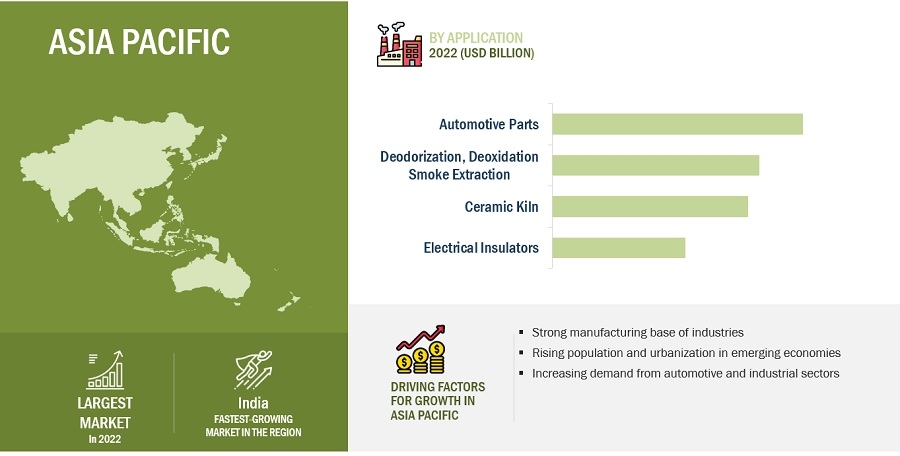
“Deodorization, deoxidation smoke extraction is projected to be the fastest growing application in the cordierite market, in terms of value.”

Cordierite is widely used in deodorization and deoxidation smoke extraction applications due to its excellent thermal stability, chemical resistance, and high porosity. In these applications, cordierite-based filters are utilized to effectively remove harmful gases, particulate matter, and unpleasant odors from industrial exhaust systems, commercial kitchens, waste treatment plants, and other similar environments. Cordierite filters efficiently trap and oxidize pollutants, contributing to improved air quality and ensuring compliance with stringent environmental regulations.

“Europe is expected to be the third-largest market for cordierite during the forecast period, in terms of value.”

This regional analysis delves into the market segmentation based on types, including sintered cordierite and porous cordierite, and applications such as automotive parts, deodorization & deoxidation smoke extraction, ceramic kiln, infrared radiators, electrical insulators, and welding strips rings. Europe’s stringent emission regulations, emphasis on sustainable solutions, and thriving automotive and ceramics industries contribute to the demand for cordierite in this region.

Cordierite Companies

The key players in the cordierite market include DENSO Corporation (Japan), Kyocera Corporation (Japan), Corning Inc. (US), TOTO Ltd. (Japan), NGK Insulators (Japan), Vesuvius Plc (UK), Elementis Plc (UK), CoorsTek (US), Unifrax (US), and CeramTec (Germany), among others. These companies are strong in their home regions and explore geographic diversification alternatives to grow their businesses. They focus on increasing their market shares through acquisitions, expansions, and partnerships.

DENSO CORPORATION

Denso Corporation, headquartered in Kariya, Aichi, Japan, is a multinational automotive supplier with a strong global presence. The company was founded in 1949 as a division of Toyota Motor Corporation and became an independent company in 1949. Denso has since grown into one of the largest automotive component manufacturers worldwide. Denso offers a diverse range of automotive technology and components, including powertrain systems, thermal systems, electronic systems, and information and safety systems. Within these product categories, Denso incorporates cordierite-based components such as catalytic converters and diesel particulate filters (DPFs) that help reduce emissions in vehicles.

Inquire Before Buying: https://www.marketsandmarkets.com/Enquiry_Before_BuyingNew.asp?id=261429165

In May 2023, Denso Corporation, a prominent supplier in the mobility industry, and United Semiconductor Japan Co., Ltd., a subsidiary of global semiconductor foundry United Microelectronics Corporation recently entered a collaborative partnership. This collaboration aims to manufacture insulated gate bipolar transistors (IGBT). These IGBTs have commenced mass production at the 300mm fabrication facility of United Semiconductor Japan Co., Ltd.

KYOCERA

Kyocera Corporation is a Japanese multinational company headquartered in Kyoto, Japan. It was founded in 1959 and has since grown into a diversified technology company with a global presence. Kyocera operates through a wide range of business segments, including Fine Ceramic Components, Semiconductor Components, Applied Ceramic Products, Electronic Devices, Telecommunications Equipment, and Document Solutions. In July 1969, Kyocera International, Inc. was established as a sales company operating under Kyocera Corporation. In the field of advanced ceramics, Kyocera is known for its expertise and innovation. The company develops and manufactures a variety of advanced ceramic products, including cordierite ceramics. Cordierite ceramics, with their excellent thermal resistance, low thermal expansion, and good electrical insulation properties, find applications in various industries such as automotive, electronics, energy, and more. In March 2023, Kyocera Corporation acquired a prominent manufacturer specializing in inkjet print engines and systems. As part of this agreement, the acquired company will subsequently operate under the name Kyocera Nixka Inkjet Systems S.A.S., with Kyocera assuming full ownership.

About MarketsandMarkets™

MarketsandMarkets™ has been recognized as one of America’s best management consulting firms by Forbes, as per their recent report.

MarketsandMarkets™ is a blue ocean alternative in growth consulting and program management, leveraging a man-machine offering to drive supernormal growth for progressive organizations in the B2B space. We have the widest lens on emerging technologies, making us proficient in co-creating supernormal growth for clients.

Earlier this year, we made a formal transformation into one of America’s best management consulting firms as per a survey conducted by Forbes.

The B2B economy is witnessing the emergence of $25 trillion of new revenue streams that are substituting existing revenue streams in this decade alone. We work with clients on growth programs, helping them monetize this $25 trillion opportunity through our service lines – TAM Expansion, Go-to-Market (GTM) Strategy to Execution, Market Share Gain, Account Enablement, and Thought Leadership Marketing.

Built on the ‘GIVE Growth’ principle, we work with several Forbes Global 2000 B2B companies – helping them stay relevant in a disruptive ecosystem. Our insights and strategies are molded by our industry experts, cutting-edge AI-powered Market Intelligence Cloud, and years of research. The KnowledgeStore™ (our Market Intelligence Cloud) integrates our research, facilitates an analysis of interconnections through a set of applications, helping clients look at the entire ecosystem and understand the revenue shifts happening in their industry.

Media Contact
Company Name: MarketsandMarkets™ Research Private Ltd.
Contact Person: Mr. Rohan Salgarkar
Email: Send Email
Phone: 18886006441
Address:1615 South Congress Ave. Suite 103, Delray Beach, FL 33445
City: Florida
State: Florida
Country: United States
Website: https://www.marketsandmarkets.com/Market-Reports/cordierite-market-261429165.html


Press Release Distributed by ABNewswire.com

To view the original version on ABNewswire visit: Cordierite Market [2023-2028] | Market Size, Growth, Dynamics and Trends with Top Key Players Opportunities and Forecast

ESR1 Mutated Metastatic Breast Cancer Market Size in the 7MM is ~USD 1,300 Million in 2023 and is expected to grow a significant CAGR by 2034, estimates DelveInsight

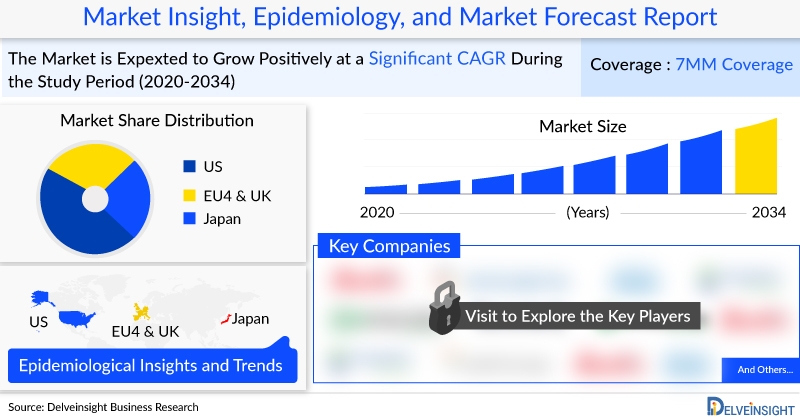
DelveInsight’s “ESR1-mutated Metastatic Breast Cancer Market Insights, Epidemiology, and Market Forecast – 2034” report delivers an in-depth understanding of the disease, historical and forecasted epidemiology as well as the market trends in the United States, EU4 (Germany, Spain, Italy, and France) and the United Kingdom, and Japan.

Discover Key Insights into the ESR1 Mutated Metastatic Breast Cancer Market with DelveInsight’s In-Depth Report @ ESR1 Mutated Metastatic Breast Cancer Market Size

Key Takeaways from the ESR1 Mutated Metastatic Breast Cancer Market Report

  • In February 2025:- Sermonix Pharmaceuticals Inc.:- This is an open-label, multicenter, single-arm safety study evaluating the safety and tolerability of the lasofoxifene and abemaciclib combination for the treatment of pre- and postmenopausal women with locally advanced or metastatic ER+/HER2- breast cancer who have disease progression on first and/or 2nd lines of hormonal treatment for metastatic disease and have an ESR1 mutation.
  • The total diagnosed prevalent cases of ESR1-mutated Metastatic Breast Cancer in the United States was around 18,800 cases in 2023.
  • The diagnosed prevalent cases of ESR1-mutated HR+ Metastatic Breast Cancer on first-line of treatment in the United States was estimated to be around 18,400 in 2023.
  • Among the EU4 countries, Germany had the highest cases of ESR1 mutation in metastatic breast cancer, followed by France, whereas Spain accounted for the lowest number of cases in 2023.
  • According to DelveInsight estimates, Japan reported approximately 45,000 cases of metastatic breast cancer, equivalent to around 13% of total cases in the 7MM.
  • The leading Esr1-mutated Metastatic Breast Cancer Companies such as AstraZeneca, Olema Pharmaceuticals, Arvinas, Sermonix Pharmaceuticals, Roche, Eli Lilly and Company, H3 Biomedicine, Eisai, Pfizer, Sun Pharma Advanced Research Company, Zenopharm, and others
  • Promising Esr1-mutated Metastatic Breast Cancer Therapies such as Elacestrant (RAD1901), Ibrance (Palbociclib), Rintodestrant (G1T48), SCO-120, ZB716, ARV-471, Lasofoxifene, H3B-6545, Giredestrant (RG6171, GDC-9545), Camizestrant (AZD9833), ZN-c5, OP1250, and others

Stay ahead in the ESR1 Mutated Metastatic Breast Cancer Therapeutics Market with DelveInsight’s Strategic Report @ ESR1 Mutated Metastatic Breast Cancer Market Outlook

Esr1-mutated Metastatic Breast Cancer Epidemiology Segmentation

  • Total Diagnosed Prevalent Cases of HR-Positive Breast Cancer
  • Stage-specific Diagnosed Prevalent Cases of HR-positive Breast Cancer
  • Total Diagnosed Prevalent Cases of Metastatic Breast Cancer
  • Diagnosed Prevalent Cases of ESR1 Mutated Metastatic Breast Cancer
  • Line-wise treatable cases of ESR1 Mutated Metastatic Breast Cancer

Download the report to understand which factors are driving ESR1 Mutated Metastatic Breast Cancer epidemiology trends @ ESR1 Mutated Metastatic Breast Cancer Prevalence

ESR1 Mutated Metastatic Breast Cancer Marketed Drugs


  • ORSERDU (elacestrant): Stemline Therapeutics (a wholly owned subsidiary of the Menarini Group)

ORSERDU (elacestrant) is a selective estrogen receptor degrader (SERD) out-licensed to Menarini Group. In January 2023, the US FDA approved ORSERDU for treating postmenopausal women or adult men with ER+, HER2−, ESR1-mutated, advanced or metastatic breast cancer with disease progression following at least one line of endocrine therapy. Later in September 2023, the drug also got approved in Europe.

ESR1 Mutated Metastatic Breast Cancer Emerging Drugs

  • Camizestrant (AZD9833): AstraZeneca

Camizestrant (AZD9833) is an oral SERD that has shown antitumor efficacy in a range of preclinical models of breast cancer. In June 2020, AstraZeneca initiated a Phase III clinical trial, SERENA-6, to evaluate the Safety and Efficacy of AZD9833 in combination with a CDK4/6 inhibitor (palbociclib or abemaciclib) for the treatment of patients with HR+ HER2− metastatic breast cancer with a detectable ESR1 mutation. As per Astrazeneca’s pipeline, Camizestrant’s + CDK4/6 inhibitor’s estimated filing acceptance in 1st line HR+ HER2- ESR1m breast cancer is 2025. Apart from that, the indication for SERENA-6 has been granted Fast Track Designation (FTD) by the US FDA.

  • Lasofoxifene: Sermonix Pharmaceuticals

Lasofoxifene is being investigated as a potent, bioavailable selective estrogen receptor modulator (SERM) with a differentiated safety profile that could prove useful in treating postmenopausal women and premenopausal women on ovarian suppression with locally advanced or metastatic ER+ breast cancer. Lasofoxifene’s bioavailability and activity in estrogen receptor mutations could hold promise for patients who have acquired endocrine resistance due to ESR1 mutations, a common finding in the metastatic setting and an area of high unmet medical needs need.

Get In-Depth Knowledge on ESR1 Mutated Metastatic Breast Cancer Market Trends and Forecasts with DelveInsight @ ESR1 Mutated Metastatic Breast Cancer Treatment Market

ESR1 Mutated Metastatic Breast Cancer Drugs Market Insights

The existing ESR1 treatment is mainly dominated by classes such as aromatase inhibitors, aromatase inhibitors + CDK4/6 inhibitors, and CDK4/6 + SERDs. For postmenopausal women with HR-positive, HER2-positive recurrent/Stage IV breast cancer, the preferred options available include fulvestrant with a CDK 4/6 inhibitor (palbociclib, ribociclib, and abemaciclib; category 1) or for those with tumor PIK3CA mutations, fulvestrant with alpelisib; everolimus with either an AI, tamoxifen or fulvestrant; monotherapy with fulvestrant, nonsteroidal or steroidal AI, or SERM.

ESR1-mutated Metastatic Breast Cancer Market Outlook

ESR1 mutations have increased, even with aromatase inhibitor (AI) therapy, indicating their adaptability to AI therapeutic conditions. In addition, the presence of ESR1 mutations has been correlated with a shorter time to treatment failure, as metastatic breast cancer (MBC) patients with ESR1 mutations exhibit an inadequate response to and shorter duration of effective endocrine control. Suppose AI treatment provides selection pressure for mutant-bearing clonal outgrowth in patients.

Get In-Depth Knowledge on ESR1 Mutated Metastatic Breast Cancer Market Trends and Forecasts with DelveInsight @ ESR1 Mutated Metastatic Breast Cancer Treatment Market

Esr1-mutated Metastatic Breast Cancer Therapies and Key Companies

  • Elacestrant (RAD1901): Radius Pharmaceuticals/Berlin-Chemie (Menarini Group)
  • Ibrance (Palbociclib): Pfizer
  • Rintodestrant (G1T48): G1 Therapeutics, Inc.
  • SCO-120: Sun Pharma Advanced Research Company
  • ZB716: Zenopharm
  • ARV-471: Arvinas
  • Lasofoxifene: Sermonix Pharmaceuticals
  • H3B-6545: H3 Biomedicine/Eisai
  • Giredestrant (RG6171, GDC-9545): Roche
  • Camizestrant (AZD9833): AstraZeneca
  • ZN-c5: Zentalis Pharmaceuticals
  • OP1250: Olema Pharmaceuticals

Scope of the ESR1 Mutated Metastatic Breast Cancer Market Report

  • Study Period: 2020–2034
  • Coverage: 7MM
  • Esr1-mutated Metastatic Breast Cancer Companies- AstraZeneca, Olema Pharmaceuticals, Arvinas, Sermonix Pharmaceuticals, Roche, Eli Lilly and Company, H3 Biomedicine, Eisai, Pfizer, Sun Pharma Advanced Research Company, Zenopharm, and others
  • Esr1-mutated Metastatic Breast Cancer Therapies- Elacestrant (RAD1901), Ibrance (Palbociclib), Rintodestrant (G1T48), SCO-120, ZB716, ARV-471, Lasofoxifene, H3B-6545, Giredestrant (RG6171, GDC-9545), Camizestrant (AZD9833), ZN-c5, OP1250, and others
  • Esr1-mutated Metastatic Breast Cancer Therapeutic Assessment: – Esr1-mutated Metastatic Breast Cancer current marketed and Esr1-mutated Metastatic Breast Cancer emerging therapies
  • Esr1-mutated Metastatic Breast Cancer Market Dynamics: Esr1-mutated Metastatic Breast Cancer market drivers and Esr1-mutated Metastatic Breast Cancer market barriers
  • Esr1-mutated Metastatic Breast Cancer Unmet Needs, KOL’s views, Analyst’s views, Esr1-mutated Metastatic Breast Cancer Market Access and Reimbursement

Table of Content

1 Key Insights

2 Report Introduction

3 Executive Summary

4 Key Events

5 Epidemiology and Market Forecast Methodology

6 ESR1-Mutated Metastatic Breast Cancer Market Overview at a Glance in the 7MM

7 Disease Background and Overview

8 Epidemiology and patient Population of the 7MM

9 Patient Journey

10 Key Endpoints in ESR1-mutated Metastatic Breast Cancer

11 Key Cross Competition of Drugs

12 Marketed Drug

13 Emerging Drugs

14 ESR1-mutated Metastatic Breast Cancer: The 7MM Market Analysis

15 Unmet Needs

16 SWOT Analysis

17 KOL Views

17.1 KOL Interviews

18 Market Access and Reimbursement

19 Appendix

20 DelveInsight Capabilities

21 Disclaimer

22 About DelveInsight

About Us

DelveInsight is a leading healthcare-focused market research and consulting firm that provides clients with high-quality market intelligence and analysis to support informed business decisions. With a team of experienced industry experts and a deep understanding of the life sciences and healthcare sectors, we offer customized research solutions and insights to clients across the globe. Connect with us to get high-quality, accurate, and real-time intelligence to stay ahead of the growth curve.

Media Contact
Company Name: DelveInsight Business Research LLP
Contact Person: Yash Bhardwaj
Email: Send Email
Phone: 09650213330
Address:304 S. Jones Blvd #2432
City: Las Vegas
State: NV
Country: United States
Website: https://www.delveinsight.com/report-store/wolman-disease-market


Press Release Distributed by ABNewswire.com

To view the original version on ABNewswire visit: ESR1 Mutated Metastatic Breast Cancer Market Size in the 7MM is ~USD 1,300 Million in 2023 and is expected to grow a significant CAGR by 2034, estimates DelveInsight

Small Businesses and the Payroll Processing Process in Oregon Challenges and Solutions

“payroll processing process in Oregon (USA)”
Small businesses in Oregon face increasing challenges in payroll processing due to stringent regulations and evolving labor laws. With the complexities of managing taxes, wage laws, and compliance, businesses are turning to automated payroll solutions to streamline operations and ensure compliance. Companies like IBN Technologies offer customized payroll services, helping businesses navigate these challenges, reduce risks, and focus on growth.

Miami, Florida, February 24, 2025 – Small businesses across Oregon are facing increasing challenges in the Payroll Processing Process. Stringent state regulations, compliance requirements, and financial constraints make payroll management more complex. The difficulties of managing payroll taxes, adhering to wage laws, and fulfilling government reporting obligations continue to burden business owners, driving a growing demand for innovative payroll solutions.

Take control of payroll – Simplify compliance and fuel your business growth! Click here 

Adding to these challenges, Oregon’s evolving labor laws further complicate payroll operations, requiring businesses to navigate an expanding list of regulatory obligations. Employers must comply with regional minimum wage laws and additional tax requirements, including the Oregon Transit Tax and Corporate Activity Tax. The state-mandated Oregon Saves retirement program increases administrative responsibilities by requiring businesses without employer-sponsored plans to enroll employees. Additionally, the Paid Leave Oregon program mandates payroll contribution withholdings, adding another layer of complexity.

“Payroll processing in Oregon has become more complex, compelling small businesses to implement automated solutions for compliance and risk reduction, thereby streamlining processes for long-term growth,” said Ajay Mehta, CEO of IBN Technologies. “By utilizing the right technology and expert support, businesses can navigate payroll complexities with ease, allowing them to focus on growth and achieving their long-term objectives.”

For small businesses without dedicated payroll specialists, these increasing requirements heighten the risk of payroll errors, missed deadlines, and regulatory penalties. Such challenges not only affect compliance but also have broader implications for employee retention and overall business stability, reinforcing the need for streamlined and reliable payroll management solutions.

Get expert bookkeeping advice – Book your 30-minute free consultation now!

https://www.ibntech.com/free-consultation/?pr=ABnewswire   

To overcome these obstacles, an increasing number of businesses are turning to automated payroll software and outsourcing services. Cloud-based platforms such as Gusto, QuickBooks Payroll, and Paychex provide automated tax calculations, direct deposit management, and compliance tracking, and reduce administrative errors. These solutions help businesses streamline payroll operations, ensuring accuracy and efficiency while minimizing the burden of manual processing.

“The growing complexity of payroll regulations in Oregon has presented significant challenges for our business. With expert assistance, we have streamlined our payroll processes, ensured compliance, and refocused on driving business growth. This support has been crucial in managing the complexities of payroll,” stated Mehta.

Additionally, companies like IBN Technologies offer comprehensive payroll solutions, including payroll processing, salary disbursement, benefits calculations, government report filings, and regulatory compliance support. Specializing in the payroll processing process in Oregon, IBN Technologies leverages global expertise in the US and UK markets to deliver customized payroll solutions that enhance compliance, increase efficiency, and support business growth. By partnering with IBN Technologies, businesses can ensure seamless and reliable payroll processing, minimizing operational risks and allowing them to focus on long-term success.

In addition to technological solutions, local resources such as the Oregon Small Business Development Center (OSBDC) offer training and guidance to help businesses navigate payroll requirements. The Oregon Department of Revenue provides online tools to simplify tax and payroll obligations, helping businesses remain compliant.

As payroll complexities continue to grow, businesses must adopt proactive payroll management strategies. Leveraging automation, outsourcing, and local business resources can streamline payroll operations and reduce compliance-related stress. Business leaders are encouraged to invest in the right payroll solutions and consult with industry experts to optimize efficiency and maintain regulatory compliance.

As a result, small businesses in Oregon are increasingly turning to automated payroll solutions to address the growing complexities of payroll processing. As the state’s labor laws become more stringent, businesses face challenges in managing tax codes, updating employee data, and ensuring timely payroll disbursements. Cloud-based platforms help businesses streamline operations, reduce human error, and save time, allowing them to focus on their core activities and growth. IBN Technologies has been at the forefront of this transformation, offering advanced payroll services that ensure businesses remain compliant with Oregon’s evolving regulations.

IBN Technologies has played a significant role in helping Oregon businesses navigate the complexities of payroll processing. With its comprehensive services, including payroll processing, regulatory compliance, and reporting, the company helps businesses tackle the state’s complex labor laws. By leveraging cutting-edge technology and offering customized payroll solutions, IBN Technologies supports small businesses in reducing administrative burdens, maintaining compliance, and ensuring long-term success in a dynamic regulatory environment.

Related Services:        

Catch-up Bookkeeping/ Year End Bookkeeping Services     

https://www.ibntech.com/ebook/catch-up-bookkeeping-guide-for-financial-and-tax-success/?pr=ABnewswire 

 AP/AR Management     

https://www.ibntech.com/accounts-payable-and-accounts-receivable-services/?pr=ABnewswire 


About IBN Technologies                       

IBN Technologies LLC, an outsourcing specialist with 25 years of experience, serves clients across the United States, United Kingdom, Middle East, and India. Renowned for its expertise in RPA, Intelligent process automation includes AP Automation services like P2P, Q2C, and Record-to-Report. IBN Technologies provides solutions compliant with ISO 9001:2015, 27001:2022, CMMI-5, and GDPR standards. The company has established itself as a leading provider of IT, KPO, and BPO outsourcing services in finance and accounting, including CPAs, hedge funds, alternative investments, banking, travel, human resources, and retail industries. It offers customized solutions that drive efficiency and growth.

Media Contact
Company Name: IBN Technologies LLC
Contact Person: Pradip
Email: Send Email
Phone: +1844-644-8440
Address:66, West Flagler Street Suite 900 Miami, FL, USA 33130
City: Miami
State: Florida
Country: United States
Website: https://www.ibntech.com/


Press Release Distributed by ABNewswire.com

To view the original version on ABNewswire visit: Small Businesses and the Payroll Processing Process in Oregon Challenges and Solutions

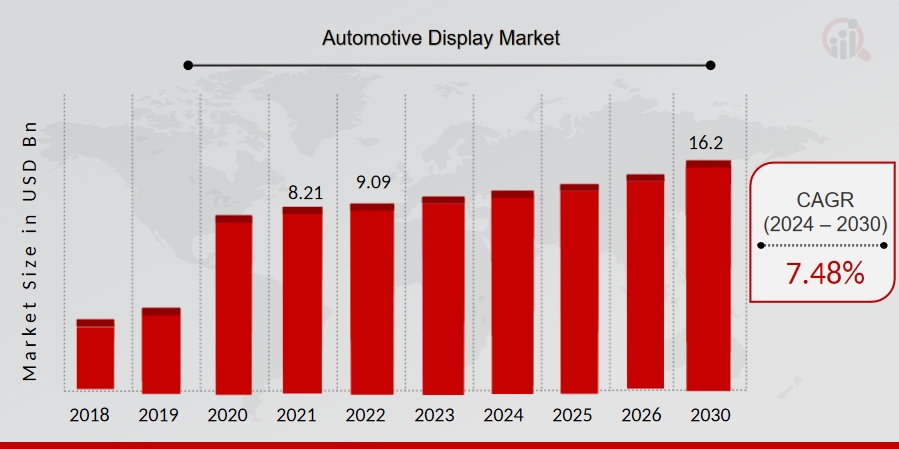
Automotive Display Market Growth Forecast from $8.21B in 2021 to $16.2B by 2030 at a CAGR of 7.48% from 2024 to 2030

“Automotive Display Market”
Valued at $8.21 billion in 2021, the Automotive Display Market is set to grow to $16.2 billion by 2030. This growth, at a CAGR of 7.48% from 2024 to 2030, is driven by the increasing demand for advanced infotainment systems and digital displays in vehicles.

In 2021, the Automotive Display Market was valued at $8.21 billion. It is expected to grow from $9.09 billion in 2022 to approximately $16.2 billion by 2030. This growth reflects a CAGR of about 7.48% during the forecast period from 2024 to 2030.

The automotive display market is experiencing rapid growth as vehicles become increasingly sophisticated and technologically advanced. Displays in modern vehicles serve various functions, from infotainment systems to advanced driver assistance systems (ADAS) and instrument clusters. With the rising demand for enhanced user experiences and connectivity, automotive displays are becoming a critical component of vehicle design and functionality.

Current Trends

Current trends in the automotive display market include the shift towards larger, high-resolution screens, the integration of touchscreen technology, and the development of advanced display technologies such as OLED and heads-up displays (HUDs). Additionally, the rise of electric and autonomous vehicles is driving innovation in display applications.

Market Drivers

Several key factors are driving the growth of the automotive display market:

1. Technological Advancements

Advancements in display technologies, such as OLED and LCD, are enhancing the visual quality and functionality of automotive displays. These technologies offer better color accuracy, contrast ratios, and energy efficiency, making them increasingly popular in modern vehicles.

2. Increasing Consumer Demand for Connectivity

Modern consumers expect seamless connectivity and advanced features in their vehicles. Infotainment systems that integrate navigation, entertainment, and smartphone connectivity are in high demand, driving the need for advanced display solutions.

3. Emphasis on Safety and Driver Assistance

As safety regulations become more stringent, the demand for advanced driver assistance systems (ADAS) is increasing. Displays play a crucial role in conveying important information to drivers, such as navigation prompts and safety alerts, enhancing overall vehicle safety.

4. Growth of Electric and Autonomous Vehicles

The rise of electric and autonomous vehicles is transforming the automotive landscape. These vehicles often feature advanced display systems that provide critical information to drivers and passengers, creating a need for innovative display solutions.

Get Free Sample Report for Detailed Market Insights; https://www.marketresearchfuture.com/sample_request/6954

Key Companies

The automotive display market is characterized by the presence of several major players, each contributing to the industry’s growth:

1. LG Display

LG Display is a leading manufacturer of display technologies, including OLED and LCD panels. The company is known for its innovative display solutions that enhance the visual experience in vehicles.

2. Samsung Display

Samsung Display is a prominent player in the automotive display market, offering a range of advanced display technologies. The company’s focus on research and development has led to the introduction of cutting-edge display solutions for the automotive sector.

3. Continental AG

Continental is a leading automotive supplier that produces a wide range of display solutions, including instrument clusters and infotainment systems. The company emphasizes innovation and connectivity in its display products.

4. DENSO Corporation

DENSO is known for its automotive technology solutions, including advanced display systems. The company’s focus on safety and user experience drives its development of innovative display technologies.

Market Restraints

Despite its growth potential, the automotive display market faces several challenges:

1. High Development Costs

Developing advanced display technologies can be costly, which may limit the ability of smaller manufacturers to compete in the market. These high costs can also affect the pricing of vehicles equipped with advanced displays.

2. Complexity of Integration

Integrating advanced display systems into vehicles can be complex, requiring coordination between various components and systems. This complexity can lead to longer development cycles and potential compatibility issues.

3. Regulatory Challenges

The automotive industry is subject to stringent regulations regarding safety and performance. Complying with these regulations can pose challenges for manufacturers of automotive displays, particularly in terms of durability and reliability.

Market Segmentation Insights

The automotive display market can be segmented based on various factors:

1. Display Type

  • Instrument Clusters: Digital displays that provide essential information about vehicle performance and status.
  • Infotainment Displays: Touchscreen displays that offer navigation, entertainment, and connectivity features.
  • Heads-Up Displays (HUDs): Displays that project important information onto the windshield, allowing drivers to keep their eyes on the road.
  • Rear-Seat Entertainment Displays: Screens designed for passenger entertainment in the rear seats.

2. Vehicle Type

  • Passenger Cars: The largest segment, driven by consumer demand for advanced infotainment and safety features.
  • Commercial Vehicles: Increasing adoption of display technologies for fleet management and driver assistance.

3. Geographic Regions

  • North America: A significant market driven by technological advancements and consumer preferences for connectivity.
  • Europe: Known for its strong automotive industry and emphasis on safety and regulatory compliance.
  • Asia-Pacific: Rapidly growing due to increasing vehicle production and rising disposable incomes, particularly in countries like China and India.

You can buy this market report at; https://www.marketresearchfuture.com/checkout?currency=one_user-USD&report_id=6954

Future Scope

The automotive display market is poised for significant growth, with several emerging trends and opportunities:

1. Advanced Display Technologies

The continued development of advanced display technologies, such as flexible displays and augmented reality (AR), will create new possibilities for automotive applications. These technologies can enhance user experiences and provide innovative solutions for navigation and safety.

2. Integration of AI and Machine Learning

The integration of AI and machine learning in automotive displays will enable personalized user experiences, predictive navigation, and enhanced safety features. These technologies can analyze driver behavior and preferences to optimize display functionality.

3. Expansion of Connectivity Features

As vehicles become more connected, the demand for displays that facilitate seamless integration with smartphones and other devices will increase. This trend will drive the development of advanced infotainment systems and user interfaces.

4. Focus on Sustainability

With the automotive industry shifting towards sustainability, manufacturers may prioritize eco-friendly materials and energy-efficient display technologies. This focus on sustainability will likely influence future product development.

The automotive display market is undergoing a transformation, driven by technological advancements, increasing consumer demand for connectivity, and the rise of electric and autonomous vehicles. While challenges such as high development costs and regulatory compliance exist, the potential for innovation and growth is substantial. As manufacturers continue to invest in advanced display solutions that enhance user experiences and safety, the automotive display market is expected to flourish in the coming years, shaping the future of mobility.

Top Trending Reports:

EV Power Module Market

India Two Wheeler Market

About Market Research Future

At Market Research Future (MRFR), we enable our customers to unravel the complexity of various industries through our Cooked Research Report (CRR), Half-Cooked Research Reports (HCRR), Raw Research Reports (3R), Continuous-Feed Research (CFR), and Market Research Consulting Services. The MRFR team have a supreme objective to provide the optimum quality market research and intelligence services for our clients. Our market research studies by Components, Application, Logistics and market players for global, regional, and country level market segments enable our clients to see more, know more, and do more, which help to answer all their most important questions.

Media Contact
Company Name: Market Research Future
Contact Person: Media Relations
Email: Send Email
Country: United States
Website: https://www.marketresearchfuture.com


Press Release Distributed by ABNewswire.com

To view the original version on ABNewswire visit: Automotive Display Market Growth Forecast from $8.21B in 2021 to $16.2B by 2030 at a CAGR of 7.48% from 2024 to 2030

Nausea and Vomiting Induced by Motion Sickness Treatment Market 2034: EMA, PDMA, FDA Approvals, Clinical Trials, Epidemiology, Medication, Pipeline, Therapeutics and Companies by DelveInsight

“Nausea and Vomiting Induced by Motion Sickness Treatment Market”
Nausea and Vomiting Induced by Motion Sickness Companies working in the drugs market are Defender Pharmaceuticals, Vanda Pharmaceuticals, Eli Lilly, and others.

DelveInsight’s “Nausea and Vomiting Induced by Motion Sickness Market Insights, Epidemiology, and Market Forecast-2032″ report offers an in-depth understanding of the Nausea and Vomiting Induced by Motion Sickness, historical and forecasted epidemiology as well as the Nausea and Vomiting Induced by Motion Sickness market trends in the United States, EU4 (Germany, Spain, Italy, France) the United Kingdom and Japan.

The latest healthcare forecast report offers a detailed analysis of Nausea and Vomiting Induced by Motion Sickness, providing comprehensive insights into revenue trends, prevalence, and the treatment landscape. It explores key statistics, evaluates the current and projected market size, and assesses the efficacy and development of emerging therapies. Additionally, the report examines the clinical trial landscape, highlighting ongoing and upcoming studies that are expected to influence future treatment approaches. This resource is invaluable for understanding market dynamics and the evolving therapeutic options in the Nausea and Vomiting Induced by Motion Sickness domain.


To Know in detail about the Nausea and Vomiting Induced by Motion Sickness market outlook, drug uptake, treatment scenario and epidemiology trends, Click here; Nausea and Vomiting Induced by Motion Sickness Market Forecast


Some of the key facts of the Nausea and Vomiting Induced by Motion Sickness Market Report:

  • The Nausea and Vomiting Induced by Motion Sickness market size was valued ~USD 796 million in 2022 and is anticipated to grow with a significant CAGR during the study period (2019-2032)

  • In May 2024, Vanda Pharmaceuticals has announced positive results from its second Phase III clinical trial of tradipitant for treating motion sickness. Named Motion Serifos, the double-blind, randomized, multicenter, placebo-controlled trial included 316 participants with a history of motion sickness.

  • DelveInsight’s estimates indicate that, among the 7MM, the US held the largest market share for nausea and vomiting induced by motion sickness, generating nearly USD 526.32 million in revenue in 2022. This is expected to grow over the forecast period due to a rising population and the introduction of new therapies.

  • Japan held the second largest market share for nausea and vomiting caused by motion sickness among the 7MM, generating around USD 95.06 million in revenue in 2022, with changes anticipated over the forecast period.

  • Vanda Pharmaceuticals and Eli Lilly’s VLY-686 (tradipitant) is a small molecule NK-1 receptor antagonist designed to prevent vomiting. It is expected to enter the US market by 2025, with projected revenue of USD 0.77 million in its first year.

  • Key Nausea and Vomiting Induced by Motion Sickness Companies: Defender Pharmaceuticals, Vanda Pharmaceuticals, Eli Lilly, and others.

  • Key Nausea and Vomiting Induced by Motion Sickness Therapies: DPI-386 (scopolamine gel), VLY-686 (tradipitant), and others.

  • The Nausea and Vomiting Induced by Motion Sickness market is expected to surge due to the disease’s increasing prevalence and awareness during the forecast period. Furthermore, launching various multiple-stage Nausea and Vomiting Induced by Motion Sickness pipeline products will significantly revolutionize the Nausea and Vomiting Induced by Motion Sickness market dynamics.

  • In 2022, there were around 217.2 million total cases of motion sickness across the 7MM, and this number is expected to rise by 2032.

  • In 2022, the US had the highest number of motion sickness cases among the 7MM, making up approximately 52% of the total, while Japan had the fewest cases, contributing about 14% of the overall count.

  • In 2022, among the EU4 and the UK, France reported the highest number of motion sickness cases, with approximately 17.1 million cases, followed by the UK with 16.9 million cases. Spain had the fewest cases, totaling around 11.8 million.

  • In the US, motion sickness was most commonly caused by car and bus travel, each with 33.7 million cases in 2022. This was followed by train travel with 22.5 million cases, air travel with 16.9 million cases, and other modes. These figures are expected to rise by 2032.

  • In the EU4 and the UK, approximately 30% of motion sickness cases in 2022 were attributed to car and bus travel for each mode, followed by around 20% of cases from train travel, 15% from airplane travel, and 5% from boat or ship travel.


Nausea and Vomiting Induced by Motion Sickness Overview

Nausea and vomiting induced by motion sickness is a common condition that occurs when there is a disconnect between the body’s sensory systems, primarily involving the inner ear, eyes, and proprioception. This sensory mismatch confuses the brain, leading to symptoms such as nausea, vomiting, dizziness, sweating, and fatigue. Motion sickness is frequently triggered by travel in cars, boats, airplanes, or amusement rides and can significantly impact an individual’s comfort and well-being.

The severity of motion sickness varies among individuals, with certain factors such as genetics, age, and previous exposure influencing susceptibility. It is more common in children, pregnant women, and individuals with vestibular disorders. While not a serious medical condition, persistent symptoms can be distressing and disruptive.

Management includes behavioral strategies such as fixing the gaze on a stable object, maintaining good ventilation, and avoiding reading while in motion. Pharmacological treatments include antihistamines (e.g., dimenhydrinate, meclizine) and scopolamine, which help reduce symptoms by acting on the central nervous system. Natural remedies like ginger and acupressure may also provide relief. Ongoing research continues to explore new therapies, including vestibular training and novel drug formulations, to improve symptom management and enhance patient comfort.


Get a Free sample for the Nausea and Vomiting Induced by Motion Sickness Market Forecast, Size & Share Analysis Report:

https://www.delveinsight.com/report-store/nausea-and-vomiting-induced-by-motion-sickness-market


Nausea and Vomiting Induced by Motion Sickness Epidemiology

The epidemiology section provides insights into the historical, current, and forecasted epidemiology trends in the seven major countries (7MM) from 2019 to 2032. It helps to recognize the causes of current and forecasted trends by exploring numerous studies and views of key opinion leaders. The epidemiology section also provides a detailed analysis of the diagnosed patient pool and future trends.


Nausea and Vomiting Induced by Motion Sickness Epidemiology Segmentation:

The Nausea and Vomiting Induced by Motion Sickness market report proffers epidemiological analysis for the study period 2019–2032 in the 7MM segmented into:

  • Total Prevalence of Nausea and Vomiting Induced by Motion Sickness

  • Prevalent Cases of Nausea and Vomiting Induced by Motion Sickness by severity

  • Gender-specific Prevalence of Nausea and Vomiting Induced by Motion Sickness

  • Diagnosed Cases of Episodic and Chronic Nausea and Vomiting Induced by Motion Sickness


Download the report to understand which factors are driving Nausea and Vomiting Induced by Motion Sickness epidemiology trends @ Nausea and Vomiting Induced by Motion Sickness Epidemiology Forecast


Nausea and Vomiting Induced by Motion Sickness Drugs Uptake and Pipeline Development Activities

The drugs uptake section focuses on the rate of uptake of the potential drugs recently launched in the Nausea and Vomiting Induced by Motion Sickness market or expected to get launched during the study period. The analysis covers Nausea and Vomiting Induced by Motion Sickness market uptake by drugs, patient uptake by therapies, and sales of each drug.

Moreover, the therapeutics assessment section helps understand the drugs with the most rapid uptake and the reasons behind the maximal use of the drugs. Additionally, it compares the drugs based on market share.

The report also covers the Nausea and Vomiting Induced by Motion Sickness Pipeline Development Activities. It provides valuable insights about different therapeutic candidates in various stages and the key companies involved in developing targeted therapeutics. It also analyzes recent developments such as collaborations, acquisitions, mergers, licensing patent details, and other information for emerging therapies.


Nausea and Vomiting Induced by Motion Sickness Therapies and Key Companies

  • DPI-386 (scopolamine gel): Defender Pharmaceuticals

  • VLY-686 (tradipitant): Vanda Pharmaceuticals/Eli Lilly


Discover more about therapies set to grab major Nausea and Vomiting Induced by Motion Sickness market share @ Nausea and Vomiting Induced by Motion Sickness Treatment Landscape


Nausea and Vomiting Induced by Motion Sickness Market Drivers

  • Increasing Travel Frequency

  • Advancements in Treatment Options

  • Rising Awareness

  • Growing Tourism and Leisure Activities


Nausea and Vomiting Induced by Motion Sickness Market Barriers

  • Side Effects of Existing Treatments

  • Lack of Awareness in Rural Areas

  • Seasonal Variations in Demand

  • Competition from Non-Pharmaceutical Remedies


Scope of the Nausea and Vomiting Induced by Motion Sickness Market Report

  • Study Period: 2019–2032

  • Coverage: 7MM [The United States, EU5 (Germany, France, Italy, Spain, and the United Kingdom), and Japan]

  • Key Nausea and Vomiting Induced by Motion Sickness Companies: Defender Pharmaceuticals, Vanda Pharmaceuticals, Eli Lilly, and others

  • Key Nausea and Vomiting Induced by Motion Sickness Therapies: DPI-386 (scopolamine gel), VLY-686 (tradipitant), and others

  • Nausea and Vomiting Induced by Motion Sickness Therapeutic Assessment: Nausea and Vomiting Induced by Motion Sickness current marketed and Nausea and Vomiting Induced by Motion Sickness emerging therapies

  • Nausea and Vomiting Induced by Motion Sickness Market Dynamics: Nausea and Vomiting Induced by Motion Sickness market drivers and Nausea and Vomiting Induced by Motion Sickness market barriers

  • Competitive Intelligence Analysis: SWOT analysis, PESTLE analysis, Porter’s five forces, BCG Matrix, Market entry strategies

  • Nausea and Vomiting Induced by Motion Sickness Unmet Needs, KOL’s views, Analyst’s views, Nausea and Vomiting Induced by Motion Sickness Market Access and Reimbursement


To know more about Nausea and Vomiting Induced by Motion Sickness companies working in the treatment market, visit @ Nausea and Vomiting Induced by Motion Sickness Clinical Trials and Therapeutic Assessment


Table of Contents

1. Nausea and Vomiting Induced by Motion Sickness Market Report Introduction

2. Executive Summary for Nausea and Vomiting Induced by Motion Sickness

3. SWOT analysis of Nausea and Vomiting Induced by Motion Sickness

4. Nausea and Vomiting Induced by Motion Sickness Patient Share (%) Overview at a Glance

5. Nausea and Vomiting Induced by Motion Sickness Market Overview at a Glance

6. Nausea and Vomiting Induced by Motion Sickness Disease Background and Overview

7. Nausea and Vomiting Induced by Motion Sickness Epidemiology and Patient Population

8. Country-Specific Patient Population of Nausea and Vomiting Induced by Motion Sickness

9. Nausea and Vomiting Induced by Motion Sickness Current Treatment and Medical Practices

10. Nausea and Vomiting Induced by Motion Sickness Unmet Needs

11. Nausea and Vomiting Induced by Motion Sickness Emerging Therapies

12. Nausea and Vomiting Induced by Motion Sickness Market Outlook

13. Country-Wise Nausea and Vomiting Induced by Motion Sickness Market Analysis (2019–2032)

14. Nausea and Vomiting Induced by Motion Sickness Market Access and Reimbursement of Therapies

15. Nausea and Vomiting Induced by Motion Sickness Market Drivers

16. Nausea and Vomiting Induced by Motion Sickness Market Barriers

17. Nausea and Vomiting Induced by Motion Sickness Appendix

18. Nausea and Vomiting Induced by Motion Sickness Report Methodology

19. DelveInsight Capabilities

20. Disclaimer

21. About DelveInsight


About DelveInsight

DelveInsight is a leading Healthcare Business Consultant, and Market Research firm focused exclusively on life sciences. It supports Pharma companies by providing comprehensive end-to-end solutions to improve their performance.

Media Contact
Company Name: DelveInsight Business Research LLP
Contact Person: Ankit Nigam
Email: Send Email
Phone: +14699457679
Address:304 S. Jones Blvd #2432
City: Albany
State: New York
Country: United States
Website: https://www.delveinsight.com/aacr-annual-meeting


Press Release Distributed by ABNewswire.com

To view the original version on ABNewswire visit: Nausea and Vomiting Induced by Motion Sickness Treatment Market 2034: EMA, PDMA, FDA Approvals, Clinical Trials, Epidemiology, Medication, Pipeline, Therapeutics and Companies by DelveInsight

Location Based Entertainment Market Advancements Highlighted by Size, Growth Trends and New Research Development Report to 2029


“Microsoft (US), Google (US), Meta (US), NVIDIA (US), Unity Technologies (US), Sony Interactive Experiences (US), Samsung (South Korea), Barco Electronic System (Belgium), Panasonic (Japan), Huawei Technologies (China), HQ Software (Estonia), HTC Vive (Taiwan), Niantic (US), Vicon Motion Systems (UK), Optitrack (US), Springboard VR (US).”
Location-based Entertainment Market by Systems (AR/VR, Projection Mapping, Interactive Gaming), Software (Content Management, Experience Design, Analytics & Monitoring), Application (Immersive Rides, Cinematic Experiences) – Global Forecast to 2029.

The global Location-Based Entertainment (LBE) market is projected to expand from USD 5.47 billion in 2024 to USD 15.33 billion by 2029, reflecting a compound annual growth rate (CAGR) of 22.9%. This growth is driven by advancements in immersive technologies such as Virtual Reality (VR) and Augmented Reality (AR), which enhance user engagement. Previously, immersive experiences required significant physical infrastructure investments, limiting accessibility. However, the integration of VR and AR in LBE now offers cost-effective and scalable solutions, making high-quality entertainment available to a broader audience. For example, gaming company Sandbox VR continues its expansion with new locations, such as Park Meadows Mall in Colorado, where visitors can experience full-body motion capture gaming. Additionally, Vertigo Games’ acquisition of Springboard VR aims to improve VR content distribution for LBE venues. These innovations are driving market expansion by improving accessibility and increasing consumer interest.

Download PDF Brochure@ https://www.marketsandmarkets.com/pdfdownloadNew.asp?id=9392821

“Based on Application Type, gaming will hold the largest market size during the forecast period.”

The Gaming segment will remain the largest market segment within LBE due to escalating requirements for immersive interactive gameplay. The gaming industry transforms into a realistic world experience through advancements that include AR/VR systems and motion tracking alongside projection mapping and AI-driven content personalization. The popularity of VR gaming arenas, interactive simulators, and esports venues continues rising because they deliver social gaming experiences with high-quality features that cannot be replicated at home.

A free-roam VR system combined with haptic feedback enables players to move freely while experiencing real-time physical touch, which deepens their gaming immersion. Through projection mapping the gaming industry expands its applications by generating interactive large-scale environments that work without headsets. Cloud gaming and AI-powered customization allow games to adjust their content according to how users interact with them.

For instance, the virtual reality systems from Sandbox VR let users experience multiplayer games through full-body motion tracking and Zero Latency operates free-roam VR gaming facilities with instant physical interaction possibilities. The Japanese arcade Mazaria combines projection mapping with mixed reality features to offer customers interactive gaming between real-world and virtual environments. The technological innovations fuel expansion, which has made gaming the primary use case in LBE.

“By offering, software segment is expected to hold highest growth rate during the forecast period.

Software solutions within the LBE market will experience maximum growth because businesses need enhanced solutions for managing content, designing experiences, and analyzing visitor data to optimize immersive experiences. Advanced software solutions become necessary for LBE venues when they implement AR/VR with projection mapping and AI-powered interactions to handle real-time rendering, motion tracking, and dynamic content adaptation.

The management of high-resolution visuals and interactive storytelling requires content management software to ensure smooth system synchronization. Experience design software helps create lifelike virtual worlds and custom user interactions, and operational analytics tools optimize visitor satisfaction and operational efficiency. AI-based algorithms now enable experiences that adjust according to how users interact with the system.

The Genie+ system from Disney implements AI-driven software to optimize guest experiences in real time. Holovis delivers interactive theme park attractions through its experience design platform with AI and projection mapping. Cloud-based solutions, together with real-time data analytics, drive software adoption at such a fast rate that it has become the fastest-growing segment within the LBE market.

“By venue, amusement parks are expected to hold higher market share during the forecast period.”

The LBE market demonstrates that amusement parks remain dominant because they offer extensive facilities and advanced technological innovations. These entertainment locations utilize AR/VR, projection mapping, AI, and interactive displays to develop unique immersive experiences that draw large visitor numbers.

Projection mapping allows operators to convert static roller coasters and dark rides into dynamic visual displays that construct meaningful stories while generating breathtaking environments. AR applications deliver interactive scavenger hunts combined with augmented storytelling features to guests while visitors can experience virtual reality attractions that provide simulated rides and immersive worlds. The ability of AI to deliver personalized guest experiences according to visitor preferences leads to enhanced satisfaction, which results in increased guest retention.

Real-time analytics and IoT systems help amusement parks control crowd movement, shortening waiting times and enhancing ride quality to improve visitor satisfaction. Universal Studios applies projection mapping in its Harry Potter rides and Disney uses AR and AI to provide customized experiences at its Star Wars: Galaxy’s Edge attractions. The evolving nature of amusement parks keeps them at the forefront of the LBE market through continuous innovation that fulfills customer expectations.

Request Sample Pages@ https://www.marketsandmarkets.com/requestsampleNew.asp?id=9392821

Unique Features in the Location Based Entertainment Market

The integration of cutting-edge technologies such as Virtual Reality (VR), Augmented Reality (AR), and Mixed Reality (MR) has transformed the LBE market. These technologies provide highly immersive and interactive experiences, making entertainment more engaging and realistic for consumers.

Previously, location-based entertainment required significant infrastructure investments, limiting accessibility. However, modern LBE solutions leverage scalable VR and AR platforms, reducing costs while offering high-quality experiences to a wider audience. This shift makes premium entertainment more affordable and accessible.

LBE venues are increasingly adopting full-body motion capture technology and haptic feedback systems to enhance realism. These features allow users to interact with virtual environments in real-time, delivering a heightened sense of presence and engagement.

Unlike traditional gaming, LBE venues emphasize social interactions through multiplayer experiences. Whether in VR escape rooms, AR-enhanced amusement parks, or interactive simulation centers, group participation fosters collaboration and social bonding among players.

AI-powered analytics and real-time tracking help optimize user experiences in LBE venues. Businesses can analyze customer preferences, adjust gaming difficulty levels, and personalize experiences based on real-time feedback, ensuring high engagement and repeat visits.

Major Highlights of the Location Based Entertainment Market

The integration of Virtual Reality (VR), Augmented Reality (AR), and Mixed Reality (MR) is revolutionizing the LBE sector. These technologies enhance user engagement by offering hyper-realistic, interactive, and immersive experiences that were previously limited to high-cost installations.

VR arcades and free-roam VR attractions are gaining traction, allowing users to experience high-quality, location-based gaming without requiring expensive personal VR setups. Companies like Sandbox VR and Zero Latency continue to expand their global presence with new venues.

Earlier, LBE experiences required substantial infrastructure investment. However, new scalable and affordable solutions make premium entertainment more accessible to a broader audience, lowering entry barriers for businesses and consumers alike.

LBE is increasingly being adopted in sectors such as education, healthcare, and corporate training. VR-based simulations are being used for immersive learning, medical training, and workforce development, expanding the market’s reach beyond leisure and entertainment.

Industry leaders are investing in acquisitions and partnerships to expand their market presence. For instance, Vertigo Games’ acquisition of Springboard VR aims to enhance VR content distribution for LBE venues, fostering innovation and content availability.

Inquire Before Buying@ https://www.marketsandmarkets.com/Enquiry_Before_BuyingNew.asp?id=9392821

Top Companies in the Location Based Entertainment Market

Various globally established players, such as Microsoft (US), Google (US), Meta (US), NVIDIA (US), Unity Technologies (US), Sony Interactive Experiences (US) are dominating the Location-Based Entertainment market. To increase their market share in the Location-Based Entertainment market, these competitors have used various growth methods, including partnerships, agreements, collaborations, new product releases, product enhancements, and acquisitions.

Microsoft

Microsoft was established in 1975 and maintains its headquarters in Redmond Washington while it delivers services across cloud computing and video games and digital services. The company maintains operations throughout 190 countries employing more than 210,000 staff members. Microsoft operates four business segments that include Productivity and Business Processes (Microsoft Office and Office 365 and Microsoft Teams) and Intelligent Cloud (Azure cloud platform) and More Personal Computing (Windows OS and Surface devices and Xbox) and Business Solutions (Dynamics 365 and LinkedIn). The company concentrates its operations on cloud and edge computing solutions. In the LBE domain, Microsoft’s Azure PlayFab delivers cloud-based developer tools that enable real-time multiplayer gaming alongside interactive gameplay features. For instance, Dreamscape Immersive implements Microsoft cloud solutions to deliver VR storytelling experiences in specific locations while Two Bit Circus utilizes Azure technology to provide interactive entertainment in its mini amusement parks.

Google

Since 1998 Google operates from California under Alphabet Inc. as its parent company while offering internet services, cloud computing and digital platforms. The company operates through Android, Chrome alongside Gmail, Google Drive and Google Maps together with Google Play, Search and YouTube which all serve more than one billion users. Through Google Cloud, customers gain access to scalable infrastructure and artificial intelligence capabilities, while Google Workspace delivers collaborative solutions. Many LBE companies employ Google Earth and Street View to embed actual locations into their immersive experiences. Recently, Google joined forces with Niantic to develop Location-Based AR gaming through its ARCore Geospatial API which enables users to experience real-world interactions. The VOID previously utilized Google Cloud services for Location-Based virtual reality experiences while WildEarth uses Google Earth for wildlife exploration in virtual reality.

Meta

Meta (US) is actively exploring the Location-Based Entertainment (LBE) market through its advancements in virtual reality (VR) and augmented reality (AR) technology. With products like Meta Quest headsets and immersive experiences, the company collaborates with entertainment venues, theme parks, and arcade operators to integrate VR-based attractions. Meta’s focus in this space aligns with its broader metaverse vision, enhancing social and interactive experiences beyond home use. While not a primary revenue stream, its involvement in LBE supports ecosystem growth, developer engagement, and broader adoption of its VR/AR technology.

NVIDIA

NVIDIA (US) plays a significant role in the Location-Based Entertainment (LBE) market by providing high-performance GPUs, AI solutions, and real-time rendering technologies that power immersive experiences. Its graphics processors and cloud-based solutions enable ultra-realistic visuals for VR arcades, theme parks, and interactive attractions. NVIDIA’s RTX technology enhances real-time ray tracing, while its Omniverse platform supports the development of large-scale, physics-based simulations for virtual environments. By collaborating with entertainment providers and developers, NVIDIA helps drive innovation in LBE, delivering cutting-edge visual fidelity and seamless interactive experiences.

Unity Technologies

Unity Technologies (US) is a key player in the Location-Based Entertainment (LBE) market, providing its powerful real-time 3D engine to develop immersive VR, AR, and interactive experiences. Widely used in theme parks, VR arcades, and interactive installations, Unity enables developers to create high-quality, scalable content for multi-user experiences. Its XR tools, AI-driven interactions, and cross-platform compatibility make it a preferred choice for LBE applications. Through partnerships with entertainment providers, Unity supports the creation of dynamic, engaging, and highly interactive attractions that enhance user engagement in physical entertainment spaces.

Media Contact
Company Name: MarketsandMarkets™ Research Private Ltd.
Contact Person: Mr. Rohan Salgarkar
Email: Send Email
Phone: 18886006441
Address:1615 South Congress Ave. Suite 103, Delray Beach, FL 33445
City: Florida
State: Florida
Country: United States
Website: https://www.marketsandmarkets.com/Market-Reports/location-based-entertainment-market-9392821.html


Press Release Distributed by ABNewswire.com

To view the original version on ABNewswire visit: Location Based Entertainment Market Advancements Highlighted by Size, Growth Trends and New Research Development Report to 2029