Peripheral Neuropathic Pain Market Expected to rise, 2034 | Daiichi Sankyo, Scilex Pharmaceuticals, Azurity Pharmaceuticals, Lexicon Pharmaceuticals, Merz Therapeutics, Apurano Pharmaceuticals, Vertex

“Peripheral Neuropathic Pain Market 2034”
The Peripheral Neuropathic Pain market growth is driven by factors like increase in the prevalence of Peripheral Neuropathic Pain, investments in research and development, entry of emerging therapies during the study period 2020-2034.

The Peripheral Neuropathic Pain market report also offers comprehensive insights into the Peripheral Neuropathic Pain market size, share, Peripheral Neuropathic Pain epidemiology, emerging therapies, market drivers and barriers, ongoing clinical trials, key collaboration in the space, market uptake by key therapies and companies actively pushing Peripheral Neuropathic Pain market size growth forward.

Some of the key highlights from the Peripheral Neuropathic Pain Market Insights Report:

  • Several key pharmaceutical companies, including Daiichi Sankyo, Scilex Pharmaceuticals, Azurity Pharmaceuticals, Lexicon Pharmaceuticals, Merz Therapeutics, Apurano Pharmaceuticals, Vertex Pharmaceuticals, WEX Pharmaceuticals, Scilex Holding Company, and others, are developing novel products to improve the Peripheral Neuropathic Pain treatment outlook.

  • In November 2023, Lexicon Pharmaceuticals announced the enrollment of the first patient in the PROGRESS study, a Phase IIb, dose-ranging, randomized, double-blind, placebo-controlled, parallel-group, multicenter trial with an open-label extension, evaluating LX9211 for diabetic peripheral neuropathic pain.

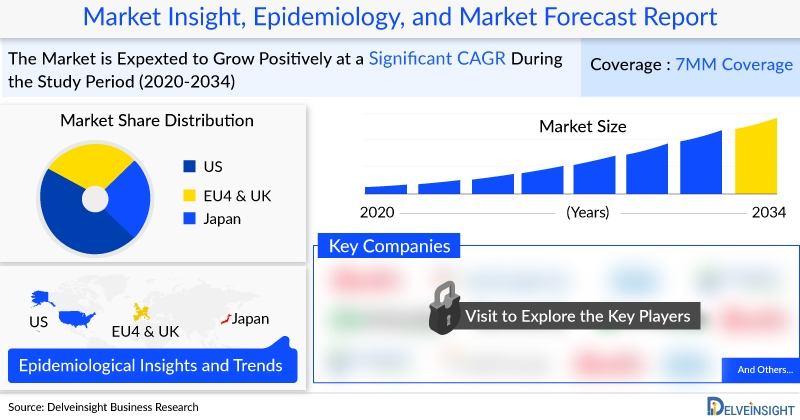
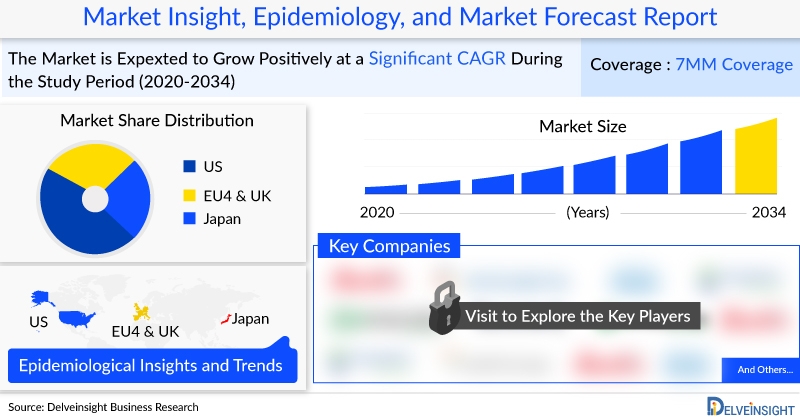
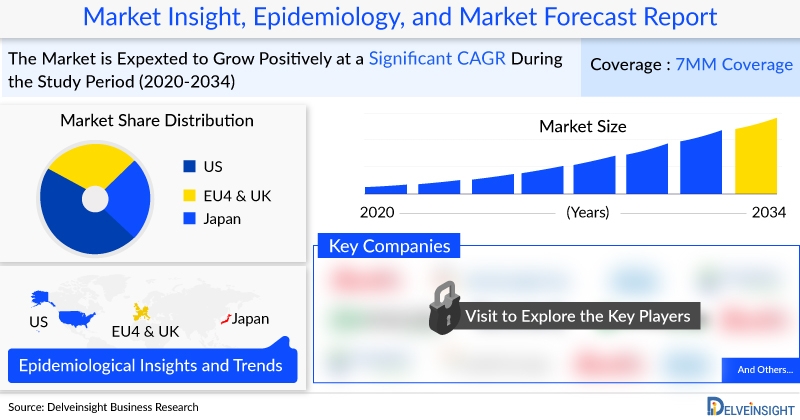
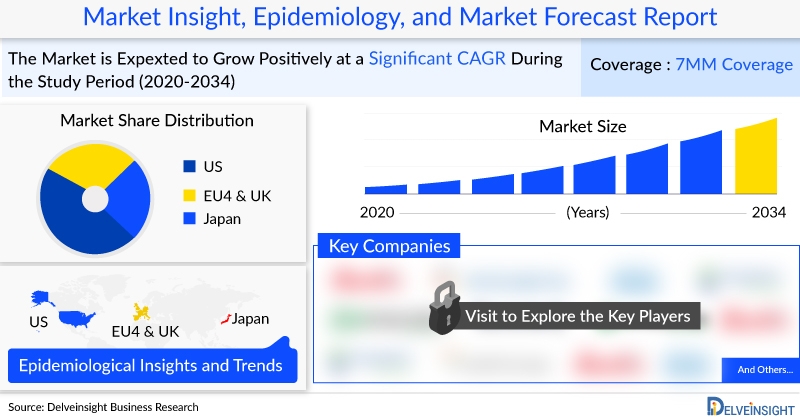
  • In 2023, the Peripheral Neuropathic Pain (PNP) market in the 7MM was valued at approximately USD 12 billion, with projections indicating significant growth by 2034 at a notable CAGR. The United States holds the largest market share compared to EU4 (Germany, Spain, Italy, France), the UK, and Japan.

  • PNP arises from damage to the peripheral nervous system due to factors such as mechanical trauma, metabolic disorders, infections, neurotoxic chemicals, or tumors. Among its various causes, diabetic peripheral neuropathy (DPN) is the most common subtype in the 7MM, followed by lumbosacral radiculopathy (LSR), post-operative and post-traumatic PNP, and chemotherapy-induced peripheral neuropathy (CIPN). Postherpetic neuralgia (PHN), a complication of shingles, is the least prevalent.

  • Treatment options include anticonvulsants, tricyclic antidepressants, and SNRIs, alongside topical agents like capsaicin and lidocaine. Nonpharmacological approaches, such as physical therapy and TENS, complement drug therapies. Approved treatments include QUTENZA, NUCYNTA ER, HORIZANT, ZTlido, and TARLIGE.

  • The market is expected to expand significantly with the introduction of emerging therapies, offering novel treatment options. Key pipeline drugs include AP-325, XEOMIN, VX-548, LX9211, HALNEURON, SEMDEXA, and adezunap. Among these, LX9211 and SEMDEXA are projected to lead the market by 2034. However, adezunap faces challenges such as legal restrictions, public stigma, and quality control concerns, limiting its adoption. Meanwhile, ZTlido has captured a substantial share of the lidocaine patch market but may encounter competition from generic alternatives.

  • The market’s growth will primarily be driven by the development of more targeted and personalized therapies addressing both symptoms and underlying causes of PNP.

  • As per DelveInsight analysis, the Peripheral Neuropathic Pain market is anticipated to witness growth at a considerable CAGR

Strategise your business goals by understanding market dynamics @ Peripheral Neuropathic Pain Market Landscape

Peripheral Neuropathic Pain Overview

Peripheral neuropathies refer to disorders affecting peripheral nerve cells and fibers, arising from various underlying conditions. These nerves include cranial nerves, spinal nerve roots and ganglia, nerve trunks and branches, as well as autonomic nervous system nerves. Peripheral neuropathies are classified into different types, such as mononeuropathies (affecting a single nerve), multiple mononeuropathies or mononeuropathy multiplex (impacting two or more nerves in separate areas), and polyneuropathies (involving widespread nerve damage).

The diverse symptom presentation allows for the identification of distinct clinical phenotypes, which are crucial for guiding diagnostic evaluations. Nerve conduction studies help determine whether the neuropathy is axonal or demyelinating and assess its severity. Additional diagnostic methods, such as genetic testing, cerebrospinal fluid (CSF) analysis, nerve imaging, and nerve biopsy, may be utilized in specific cases to refine diagnosis and treatment approaches.

Do you know the treatment paradigms for different countries? Download our Peripheral Neuropathic Pain Market Sample Report

Peripheral Neuropathic Pain Epidemiology Insights

  • In 2023, the United States reported the highest number of Peripheral Neuropathic Pain (PNP) cases among the 7MM, totaling approximately 35.2 million.

  • Across the 7MM, the highest incidence of severe cases was observed in post-operative and post-traumatic PNP, whereas moderate cases were more prevalent in postherpetic neuralgia (PHN).

Peripheral Neuropathic Pain Epidemiology Segmentation

DelveInsight’s Peripheral Neuropathic Pain market report is prepared on the basis of epidemiology model. It offers comprehensive insights to the Peripheral Neuropathic Pain historical patient pools and forecasted Peripheral Neuropathic Pain patients. The report provides in-depth data of various subtypes and for the same epidemiology is segmented further. The Peripheral Neuropathic Pain Market report proffers epidemiological analysis for the study period 2020-34 in the 7MM segmented into:

  • Peripheral Neuropathic Pain Prevalence

  • Age-Specific Peripheral Neuropathic Pain Prevalence

  • Gender-Specific Peripheral Neuropathic Pain Prevalence

  • Diagnosed and Treatable Cases of Peripheral Neuropathic Pain

Visit for more @ Peripheral Neuropathic Pain Epidemiological Insights

Peripheral Neuropathic Pain Market Outlook

Pharmaceutical companies such as Scilex Holding Company, Grünenthal and Averitas Pharma, Eli Lilly and Company, Mitsubishi Tanabe Pharma Corporation, AstraZeneca, Asahi Kasei Pharma, and Veloxis Pharmaceuticals are actively advancing their lead candidates through various stages of clinical development to explore potential treatments for Peripheral Neuropathic Pain (PNP).

Among emerging therapies, LX9211 and SEMDEXA are anticipated to become market leaders, significantly shaping the PNP market across the 7MM by 2034.

In 2023, opioids dominated the U.S. PNP market, generating approximately USD 2,400 million in revenue, followed closely by NSAIDs at around USD 2,300 million.

Adezunap is expected to see limited adoption in the 7MM due to regulatory challenges, public perception issues, high-risk classification, and quality control concerns related to cannabidiol in emerging markets, all of which impact its market acceptance and manufacturing standards.

Within the EU4 and the UK, NSAIDs contributed the highest revenue in the PNP market, generating approximately USD 600 million in 2023.

Peripheral Neuropathic Pain Marketed Drugs

  • QUTENZA (capsaicin): Grünenthal and Averitas Pharma

  • ZTLIDO (lidocaine): Scilex Pharmaceuticals

Peripheral Neuropathic Pain Emerging Drugs

  • SEMDEXA (SP-102): Scilex Holding Company

  • Adezunap (AP707): Apurano Pharmaceuticals

Peripheral Neuropathic Pain Key Companies

  • Daiichi Sankyo, Scilex Pharmaceuticals, Azurity Pharmaceuticals, Lexicon Pharmaceuticals, Merz Therapeutics, Apurano Pharmaceuticals, Vertex Pharmaceuticals, WEX Pharmaceuticals, Scilex Holding Company, and others
For more information, visit Peripheral Neuropathic Pain Market Analysis, Patient Pool, and Emerging Therapies

Scope of the Peripheral Neuropathic Pain Market Report:

  • 11 Years Forecast

  • 7MM Coverage

  • Descriptive overview of Peripheral Neuropathic Pain, causes, signs and symptoms, diagnosis, treatment

  • Comprehensive insight into Peripheral Neuropathic Pain epidemiology in the 7MM

  • Peripheral Neuropathic Pain marketed and emerging therapies

  • Peripheral Neuropathic Pain companies

  • Peripheral Neuropathic Pain market drivers and barriers

Table of Contents:

1 Peripheral Neuropathic Pain Market Key Comprehensive Insights

2 Peripheral Neuropathic Pain Market Report Introduction

3 Competitive Intelligence Analysis for Peripheral Neuropathic Pain

4 Peripheral Neuropathic Pain Market Analysis Overview at a Glance

5 Executive Summary of Peripheral Neuropathic Pain

6 Peripheral Neuropathic Pain Epidemiology and Market Methodology

7 Peripheral Neuropathic Pain Epidemiology and Patient Population

8 Peripheral Neuropathic Pain Patient Journey

9 Peripheral Neuropathic Pain Treatment Algorithm, Peripheral Neuropathic Pain Current Treatment, and Medical Practices

10 Key Endpoints in Peripheral Neuropathic Pain Clinical Trials

11 Peripheral Neuropathic Pain Marketed Therapies

12 Peripheral Neuropathic Pain Emerging Therapies

13 Peripheral Neuropathic Pain: 7 Major Market Analysis

14 Attribute analysis

15 Access and Reimbursement Overview of Peripheral Neuropathic Pain

16 Peripheral Neuropathic Pain Market Key Opinion Leaders Reviews

18 Peripheral Neuropathic Pain Market Drivers

19 Peripheral Neuropathic Pain Market Barriers

20 SWOT Analysis

21 Disclaimer

22 DelveInsight Capabilities

23 About DelveInsight

Related Reports:

Peripheral Neuropathic Pain Epidemiology 2034

DelveInsight’s “Peripheral Neuropathic Pain – Epidemiology Forecast to 2034” report delivers an in-depth understanding of the disease, historical and forecasted Peripheral Neuropathic Pain epidemiology in the 7MM, i.e., the United States, EU5 (Germany, Spain, Italy, France, and the United Kingdom), and Japan.

Peripheral Neuropathic Pain Pipeline 2024

“Peripheral Neuropathic Pain Pipeline Insights, 2024” report by DelveInsight outlines comprehensive insights of present clinical development scenarios and growth prospects across the Peripheral Neuropathic Pain market. A detailed picture of the Peripheral Neuropathic Pain pipeline landscape is provided, which includes the disease overview and Peripheral Neuropathic Pain treatment guidelines.

Media Contact
Company Name: DelveInsight Business Research LLP
Contact Person: Kritika Rehani
Email: Send Email
Phone: +14699457679
Address:304 S. Jones Blvd #2432
City: Las Vegas
State: Nevada
Country: United States
Website: https://www.delveinsight.com/


Press Release Distributed by ABNewswire.com

To view the original version on ABNewswire visit: Peripheral Neuropathic Pain Market Expected to rise, 2034 | Daiichi Sankyo, Scilex Pharmaceuticals, Azurity Pharmaceuticals, Lexicon Pharmaceuticals, Merz Therapeutics, Apurano Pharmaceuticals, Vertex
PWC-NY Survey Strives to Raise Awareness About Advantages for Women Working in the Construction Industry

““Today there are only 1.3 million women employed in the construction industry, despite its being ranked as the number one paying industry for women,” explains Regina Rivera, PWC NY Executive Director. “Although progress has been made over the years, PWC NY created this survey of its members in hopes of encouraging more women to choose construction as a career path, by learning from the experiences of those surveyed, and sharing the benefits and advantages they prioritized.””
A recent survey conducted by the New York chapter of Professional Women in Construction (PWC NY) shows that women employed in construction find many benefits to working in the industry and suggests ways to break barriers and increase awareness of opportunities for women.

According to the U.S. Bureau of Labor Statistics, 46.9% of women are employed in the total workforce, but women represent only 10.8% of workers in the male dominated industry of construction. Women are grossly underrepresented, in spite of the fact that it has one of the lowest gender pay gaps with women earning 95% of their male counterparts (compared to an average of 81% gender gap for all industries) and the salary of a female construction manager averaging $97,180 annually. Professional Women in Construction’s New York Chapter (PWC NY) conducted a survey of its members to help determine the reasons for this disparity and to seek suggestions for filling the void of female workers in the industry.

The survey revealed that the greater pay scale and advancement opportunities within the construction industry were the primary reasons for seeking a job in the field, followed by professional development, substantial benefits, and job security.

Some of the highlights that women noted working in the industry include contributing to the development of a building from start to finish; taking pride in a tangible result that required problem-solving and creativity; having the opportunity to grow; and the gratification of being a trailblazer for other women.

To encourage and welcome more women into the industry, the survey respondents suggested holding seminars and job fairs that tailor to skills inherent in women, such as communication, detail focus and organization, as well as highlight the work-life-balance possibilities in the construction field

Construction is a male-dominated industry creating a stereotypical stigma that prevents women from joining the industry. The survey revealed that the main barrier is the lack of awareness of the professional jobs in the field, suggesting that education is key to allowing women to see the limitless opportunities.

Professional Women in Construction is a nonprofit organization that supports and connects women in the fields of architecture, engineering, construction, and related industries. New York is the founding chapter of PWC, established in 1980 by eight women who banded together to support each other in advancing their careers and businesses. PWC offers informative industry programming, exclusive member resources, leadership and networking opportunities, and scholarships and mentorship programs.

Media contact: Liz Ammirato, liz@callprinc.com

Media Contact
Company Name: CATHY CALLEGARI PUBLIC RELATIONS INC
Contact Person: Liz Ammirato
Email: Send Email
Phone: 914-299-3882
Address:159 Madison Avenue, Apt. 5J
City: New York
State: NY
Country: United States
Website: www.callprinc.com


Press Release Distributed by ABNewswire.com

To view the original version on ABNewswire visit: PWC-NY Survey Strives to Raise Awareness About Advantages for Women Working in the Construction Industry

Dup15q Syndrome Market Expected to rise, 2032 | Ovid Therapeutics, Takeda, Q-State Biosciences, Radius Health, Zogenix, expected to drive market

“Dup15q Syndrome Market 2032”
The Dup15q Syndrome market growth is driven by factors like increase in the prevalence of Dup15q Syndrome, investments in research and development, entry of emerging therapies during the study period 2019-2032.

The Dup15q Syndrome market report also offers comprehensive insights into the Dup15q Syndrome market size, share, Dup15q Syndrome epidemiology, emerging therapies, market drivers and barriers, ongoing clinical trials, key collaboration in the space, market uptake by key therapies and companies actively pushing Dup15q Syndrome market size growth forward.

Some of the key highlights from the Dup15q Syndrome Market Insights Report:

  • According to DelveInsight, the Dup15q Syndrome Market is projected to grow at a strong rate during the forecast period (2023-2032), driven by the introduction of new therapies.

  • In November 2024, Ultragenyx Pharmaceutical Inc. (NASDAQ: RARE) announced Phase 1/2 data that supports the Phase 3 Aspire study for GTX-102, its experimental antisense oligonucleotide aimed at treating Angelman syndrome. This data will be showcased at the 2024 Foundation for Angelman Syndrome Therapeutics (FAST) Global Science Summit.

  • Key companies in the Dup15q Syndrome market, including Ovid Therapeutics, Takeda, Q-State Biosciences, Radius Health, and Zogenix, are actively contributing to its development.

Strategise your business goals by understanding market dynamics @ Dup15q Syndrome Market Landscape

Dup15q Syndrome Overview

Dup15q syndrome is a rare genetic condition caused by the duplication of part of chromosome 15, leading to various developmental challenges. It is characterized by hypotonia (low muscle tone), delays in motor skills, intellectual disability (ID), autism spectrum disorder (ASD), and epilepsy, with infantile spasms being a common type of seizure. The severity of these symptoms can vary depending on the specific genetic duplication and whether it is inherited from the mother or father.

Diagnosis of maternal dup15q syndrome is confirmed by detecting an extra copy of the Prader-Willi/Angelman critical region on chromosome 15q11.2-q13.1. Individuals with dup15q syndrome often show hypotonia in infancy, motor delays, ID, and language delays.

Currently, there is no cure for dup15q syndrome, but symptoms can be managed with treatments like antiepileptic medications, and therapies such as physical, occupational, and speech therapy. Applied behavioral analysis (ABA) therapy is also used to address social skill deficits associated with the syndrome.

Do you know the treatment paradigms for different countries? Download our Dup15q Syndrome Market Sample Report

Dup15q Syndrome Epidemiology Insights

  • In 2021, there were approximately 5,000 diagnosed cases of dup15q syndrome in the United States. According to DelveInsight’s projections, this number is anticipated to rise by 2032.

  • In the EU4 and the UK, the total number of prevalent dup15q syndrome cases was around 15,600 in 2021, with expectations for steady growth during the study period.

Dup15q Syndrome Epidemiology Segmentation

DelveInsight’s Dup15q Syndrome market report is prepared on the basis of epidemiology model. It offers comprehensive insights to the Dup15q Syndrome historical patient pools and forecasted Dup15q Syndrome patients. The report provides in-depth data of various subtypes and for the same epidemiology is segmented further. The Dup15q Syndrome Market report proffers epidemiological analysis for the study period 2019-32 in the 7MM segmented into:

  • Dup15q Syndrome Prevalence

  • Age-Specific Dup15q Syndrome Prevalence

  • Gender-Specific Dup15q Syndrome Prevalence

  • Diagnosed and Treatable Cases of Dup15q Syndrome

Visit for more @ Dup15q Syndrome Epidemiological Insights

Dup15q Syndrome Market Dynamics

The Dup15q Syndrome drug market is shaped by both driving factors and challenges. On the positive side, growing awareness and understanding of this rare genetic disorder have led to earlier diagnoses and increased demand for treatments. Additionally, advancements in precision medicine and the development of targeted therapies present opportunities to address specific symptoms, such as epilepsy and developmental delays. Collaboration between patient advocacy groups and research organizations has also accelerated progress in Dup15q syndrome research, driving innovation.


However, several obstacles hinder progress in the market. The rarity and diversity of the condition make it difficult to conduct large-scale clinical trials and create standardized treatments. Limited public awareness and delayed diagnoses can also lead to late interventions. Additionally, the high cost of specialized therapies may restrict access for some patients. Overcoming these barriers and expanding research efforts will be crucial for advancing the market and improving the lives of those with Dup15q Syndrome.

Numerous emerging therapies are under development, offering new therapeutic options with innovative mechanisms to treat Dup15q syndrome. Key companies involved in this space include Roche, Takeda, Q-State Biosciences, Ovid Therapeutics, Radius Health, Zogenix, and others.

Dup15q Syndrome Key Companies

  • Ovid Therapeutics

  • Takeda

  • Q-State Biosciences

  • Radius Health

  • Zogenix, and others

For more information, visit Dup15q Syndrome Market Analysis, Patient Pool, and Emerging Therapies

Scope of the Dup15q Syndrome Market Report:

  • 11 Years Forecast

  • 7MM Coverage

  • Descriptive overview of Dup15q Syndrome, causes, signs and symptoms, diagnosis, treatment

  • Comprehensive insight into Dup15q Syndrome epidemiology in the 7MM

  • Dup15q Syndrome marketed and emerging therapies

  • Dup15q Syndrome companies

  • Dup15q Syndrome market drivers and barriers

Table of Contents:

1 Dup15q Syndrome Market Key Comprehensive Insights

2 Dup15q Syndrome Market Report Introduction

3 Competitive Intelligence Analysis for Dup15q Syndrome

4 Dup15q Syndrome Market Analysis Overview at a Glance

5 Executive Summary of Dup15q Syndrome

6 Dup15q Syndrome Epidemiology and Market Methodology

7 Dup15q Syndrome Epidemiology and Patient Population

8 Dup15q Syndrome Patient Journey

9 Dup15q Syndrome Treatment Algorithm, Dup15q Syndrome Current Treatment, and Medical Practices

10 Key Endpoints in Dup15q Syndrome Clinical Trials

11 Dup15q Syndrome Marketed Therapies

12 Dup15q Syndrome Emerging Therapies

13 Dup15q Syndrome: 7 Major Market Analysis

14 Attribute analysis

15 Access and Reimbursement Overview of Dup15q Syndrome

16 Dup15q Syndrome Market Key Opinion Leaders Reviews

18 Dup15q Syndrome Market Drivers

19 Dup15q Syndrome Market Barriers

20 SWOT Analysis

21 Disclaimer

22 DelveInsight Capabilities

23 About DelveInsight

Related Reports:

Dup15q Syndrome Epidemiology 2032

DelveInsight’s “Dup15q Syndrome – Epidemiology Forecast to 2032″ report delivers an in-depth understanding of the disease, historical and forecasted Dup15q Syndrome epidemiology in the 7MM, i.e., the United States, EU5 (Germany, Spain, Italy, France, and the United Kingdom), and Japan.

Dup15q Syndrome Pipeline 2024

“Dup15q Syndrome Pipeline Insights, 2024” report by DelveInsight outlines comprehensive insights of present clinical development scenarios and growth prospects across the Dup15q Syndrome market. A detailed picture of the Dup15q Syndrome pipeline landscape is provided, which includes the disease overview and Dup15q Syndrome treatment guidelines.

Media Contact
Company Name: DelveInsight Business Research LLP
Contact Person: Kritika Rehani
Email: Send Email
Phone: +14699457679
Address:304 S. Jones Blvd #2432
City: Las Vegas
State: Nevada
Country: United States
Website: https://www.delveinsight.com/


Press Release Distributed by ABNewswire.com

To view the original version on ABNewswire visit: Dup15q Syndrome Market Expected to rise, 2032 | Ovid Therapeutics, Takeda, Q-State Biosciences, Radius Health, Zogenix, expected to drive market

Tanka Brings AI Memory to Workplace Chat

Redwood City, CA – 18th Feb, 2025 – Tanka, the world’s first AI-powered messenger with long-term memory, is taking on Slack with its official launch today. Backed by Shanda Group, a global investment group that has funded 75+ VC funds and operates the Chen Institute (TCCI), a leading research institute focused on bridging human cognition and artificial intelligence, Tanka is pioneering neuroscience-inspired AI memory technology – MemGraph – which turns business conversations into actionable intelligence, redefining how organizations retain and utilize knowledge.

AI That Remembers

Learn more about Tanka: https://www.youtube.com/watch?v=gvYyySgCgb0

Conventional chat apps like Slack and Microsoft Teams create fragmented silos of conversation. On average teams waste 30% of their time searching for past information. “After years working at Meta, TikTok and my own startup, Mindverse, I saw firsthand how painful it is searching for past discussions, re-explaining things, and losing institutional knowledge. AI memory solves this problem at scale, and that’s what led to Tanka AI,” said Kisson Lin, CEO of Tanka.

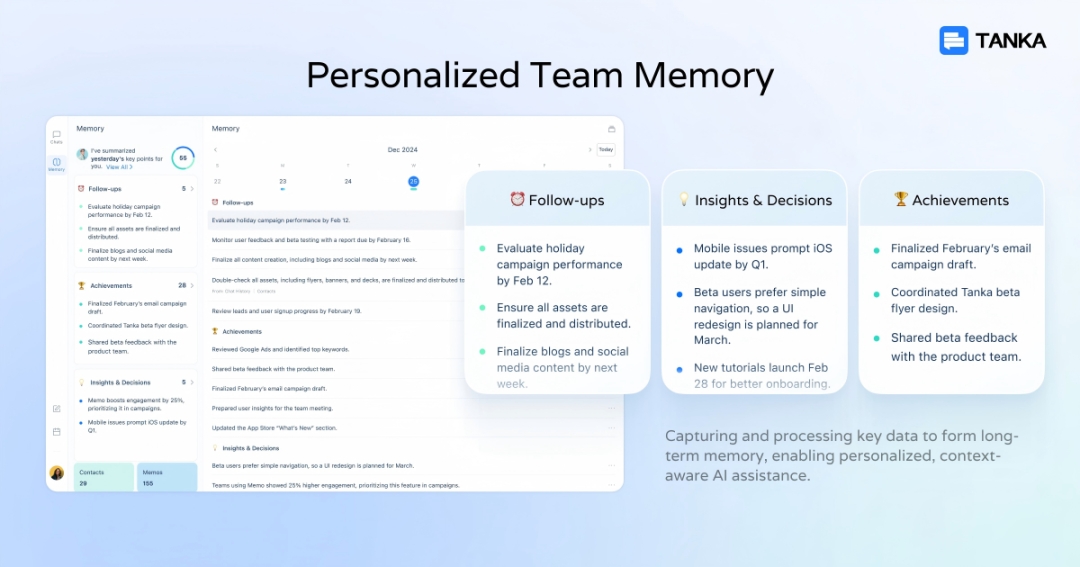
“Tanka doesn’t just respond—it remembers, learns, and surfaces knowledge proactively. Whether it’s a past conversation, a critical decision, or an ongoing project update, Tanka auto-retrieves in-context memories with critical insights, follow-ups and decisions, and organizes them in one place.”

Breaking AI’s Memory Bottleneck

Long-term memory (LTM) is the missing piece in AI evolution. Traditional AI assistants rely on Retrieval-Augmented Generation (RAG), which retrieves data but lacks relational understanding and contextual reasoning.

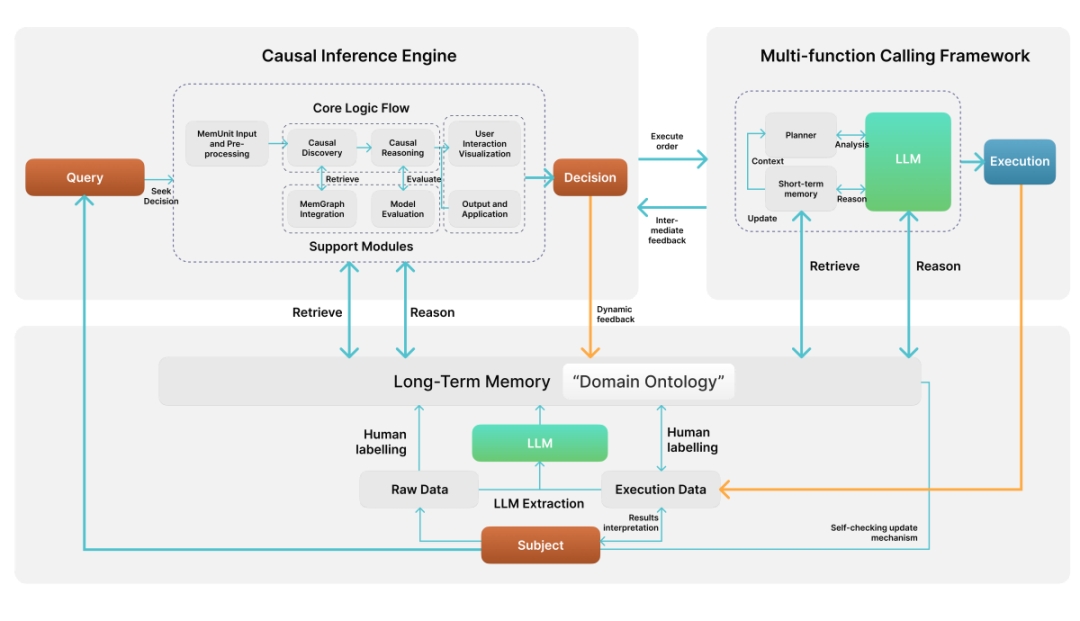
Tanka’s long-term memory technology, MemGraph, addresses these challenges by structuring knowledge hierarchically, enabling AI to go beyond simple fact retrieval, offering deeper reasoning, contextual connections, and actionable insights. Compared to RAG, MemGraph is better at:

  • Hierarchical Knowledge Representation: AI structures knowledge in layers, making it easier to connect related concepts, like a well-organized library.
  • Ontology Learning: AI categorizes and links knowledge dynamically, like a neural network of ideas, constantly mapping and refining connections between concepts.
  • Temporal Awareness: AI tracks changes over time, helping it consider past trends and evolving context, similar to how a strategist assesses past trends to make informed decisions.
  • Multi-Resolution Retrieval: AI retrieves information at different levels of detail, zooming in on specifics or summarizing broadly as needed.
  • In-context and Reinforcement Learning: Tanka’s AI learns from user feedback in real time, adapting quickly without large-scale retraining.

In addition to MemGraph, Tanka also developed an industry-leading multi-agent AI framework – OMNE – to power the personalized AI assistant for every user. OMNE recently topped the GAIA benchmark for general-purpose AI assistants, outperforming models from Microsoft Research and other leading institutions.

The Future of Work Has Memory

Tanka isn’t just another SaaS tool — it replaces rigid templates with AI-driven workflows, where natural language builds and adapts processes in real-time, like 3D printing solutions instead of stacking LEGO blocks. A few key differentiations:

  • Personalized AI Memory for Teams: Automatically extracts actions, decisions, and insights from chats and integrated tools, ensuring institutional knowledge is preserved.
  • Enhanced Efficiency with Smart AI Responses: Tanka integrates with other communication tools such as Slack, Telegram, WhatsApp, Outlook and Gmail. Whether the conversation is on Tanka or one of the integrated tools, Tanka AI can generate a ‘Smart Reply’ to messages. The replies are not only context-aware, but they also have relevant information from memory, calendar, and more. Moreover, it learns from one’s language style with few-shot learning. Since its alpha pilot launch in October 2024, Tanka had already generated 35,000+ AI-generated smart replies, or 16.5 smart replies per user per month, saving its customers equivalent of 111 workdays.
  • AI Assistant for Every User: Every user gets an AI assistant in all chat groups, capable of summarizing conversations, retrieving key information, and scheduling tasks. “Imagine having a 24/7 work assistant who remembers everything you say. And in the future, you can even have your assistant collaborating with other colleagues’ assistants.” Kisson explained.

Finally, Tanka is built with enterprise-grade security at its core—ensuring all data is encrypted, secured, and fully compliant with industry regulations. User data is never used for AI model training, and humans remain in full control with strict data governance ensuring transparency and accountability in AI interactions.

The age of static software is over. AI has already transformed how we interact with technology—now, AI with memory is transforming how organizations think, operate, and endure. Memory is the DNA of an organization, carrying its knowledge, decisions, and vision forward. Tanka doesn’t just boost productivity; it ensures businesses evolve, adapt, and build lasting legacies. This isn’t just an upgrade—it’s a paradigm shift. AI is no longer a passive tool; it’s an active, evolving partner, making work smarter, decisions sharper, and knowledge immortal. The future belongs to organizations that remember.

About Tanka

Tanka is the world’s first messenger with AI long-term memory. Inspired by decades of neuroscience research, it is your enterprise brain that grows and evolves alongside your team. As your productivity partner, Tanka learns from your business context, past conversations and connected apps to deliver fast, precise and context-rich AI-assisted email and message replies, timely reminders, and actionable suggestions — all within your chat.

For early access, visit www.tanka.ai.

For media inquiries, please contact:

Kisson Lin, CEO of Tanka

marketing@tanka.ai

Media Contact
Company Name: Tanka, Inc.
Contact Person: Kisson Lin
Email: Send Email
Country: United States
Website: www.tanka.ai

Top Real Estate Agent in Las Vegas, NV, Celebrates Milestone of 500 Clients Served with Exceptional Expertise

Cynthia Glickman, a leading real estate agent in Las Vegas, NV, is celebrating a significant milestone — serving her 500th client. This achievement reflects her unwavering commitment to providing personalized and professional service to buyers and sellers throughout Las Vegas. With over two decades of experience, Glickman has built a reputation for guiding clients through every step of the real estate process with expertise and care.

“I am incredibly grateful to have reached this milestone,” says Glickman. “Each of my clients holds a special place in my heart, and I strive to make every experience smooth and rewarding. My focus is on providing the highest level of service, ensuring that clients feel heard, understood, and supported throughout their journey.”

The real estate market in Las Vegas is constantly evolving, with economic shifts, interest rates, and technology impacting how buyers and sellers navigate the process. As a trusted Realtor in Las Vegas, NV, Glickman stays informed on the latest trends and market dynamics, using her knowledge to adapt and guide clients in an ever-changing landscape. Her experience and analytical skills enable her to negotiate favorable terms and secure the best possible outcomes for her clients.

One of the key factors behind Glickman’s success is her dedication to communication and empathy. As a Realtor agent in Las Vegas, NV, she understands that each client’s needs are unique. Whether clients are looking for their first home, seeking investment properties, or upgrading to a larger space, Glickman tailors her approach to ensure their goals are met with precision and care.

For those looking to make a move in Las Vegas, or sell a property, Glickman’s expertise and personalized approach make her the ideal choice. Contact Cynthia Glickman, real estate listing agent in Las Vegas, NV, at https://cynthiaglickmanrealtor.com/ to start your journey today. Let Cynthia guide you every step of the way with the same dedication that has earned her the trust of over 500 clients.

Media Contact
Company Name: Cynthia Glickman | Real Estate Agent in Las Vegas, NV | Windermere Real Estate
Contact Person: Cynthia Glickman
Email: Send Email
Phone: +1 702-829-2424
Address:10845 Griffith Peak Dr
City: Las Vegas
State: Nevada 89135
Country: United States
Website: http://windermereexcellence.com/


Press Release Distributed by ABNewswire.com

To view the original version on ABNewswire visit: Top Real Estate Agent in Las Vegas, NV, Celebrates Milestone of 500 Clients Served with Exceptional Expertise

Corneal Ulcer Drugs Market 2034: EMA, PDMA, FDA Approvals, Clinical Trials, Medication, NDA Approval, Prevalence, Incidence, Therapies, and Companies by DelveInsight

“Corneal Ulcer Drugs Market”
The Corneal Ulcer market features several key corneal ulcer companies, including Dompé Farmaceutici S.p.A, Claris Biotherapeutics, Inc., ReGenTree, Pfizer Inc., GlaxoSmithKline plc, Sanofi, Novartis AG, Allergan, Merck, Mylan N.V., Teva Pharmaceutical Industries Ltd., Bayer AG, Sun Pharmaceutical, Aurobindo Pharma, Lupin, AbbVie, Cumberland Pharmaceuticals Inc., Melinta Therapeutics LLC, Eli Lilly and Company, Cipla Inc., Dr. Reddy’s Laboratories Ltd., AstraZeneca, and Johnson & Johnson.

(Albany, USA) DelveInsight’s “Corneal Ulcer Market Insights, Epidemiology, and Market Forecast-2034” report delivers an in-depth understanding of Corneal Ulcer, historical and forecasted epidemiology as well as the Corneal Ulcer market trends in the United States, EU5 (Germany, Spain, Italy, France, and United Kingdom), and Japan.

The Corneal Ulcer market report provides current treatment practices, emerging drugs, the market share of the individual therapies, and the current and forecasted Corneal Ulcer market size from 2020 to 2034, segmented by seven major markets. The Report also covers current Corneal Ulcer treatment practice/algorithm, market drivers, market barriers, and unmet medical needs to curate the best opportunities and assesses the underlying potential of the Corneal Ulcer market.


Request for a Free Sample Report @ Corneal Ulcer Market Forecast


Some facts of the Corneal Ulcer Market Report are:

  • According to DelveInsight’s analysis, the market size for corneal ulcers is expected to grow significantly by 2034.
  • CL-related infectious keratitis has been shown to exhibit a female predominance of 57–69%, whereas trauma-related infectious keratitis is associated with a male predominance of 74–78%.
  • The promising corneal ulcer therapies in the pipeline include rhNGF, RGN-259, CSB-001, and others.
  • Leading Corneal Ulcer companies working in the market are Dompé Farmaceutici S.p.A, Claris Biotherapeutics, Inc. ReGenTree, Pfizer Inc., GlaxoSmithKline plc, Sanofi, Novartis AG, Allergan, Merck & Co., Inc., Mylan N.V., Teva Pharmaceutical Industries Ltd., Bayer AG, Sun Pharmaceutical Industries Ltd., Aurobindo Pharma, Lupin, AbbVie Inc., Cumberland Pharmaceuticals Inc., Melinta Therapeutics LLC, Eli Lilly and Company, Cipla Inc., Dr. Reddy’s Laboratories Ltd., AstraZeneca, and Johnson & Johnson Private Limited, among others.
  • High prevalence rate of eye diseases, growing use of contact lenses and rising initiatives by public and private organizations to spread awareness and growing government funding are the factors driving the Corneal Ulcer market growth.
  • As of August 5, 2024, Eyegate Pharmaceuticals is working on OcuNexus Therapeutics, focusing on developing new treatments for corneal ulcers.
  • Glaukos is involved in the development of new therapies for corneal ulcers, with updates as of September 27, 2024.
  • Xequel Bio is also actively working on corneal ulcer treatments, with developments reported as of September 27, 2024.


Corneal Ulcer Overview

Corneal Ulcer is an open sore on the cornea, typically caused by infections, trauma, or underlying eye conditions. Corneal Ulcer often results from bacterial, viral, fungal, or parasitic infections, with risk factors including contact lens misuse, dry eye syndrome, and ocular injuries. Corneal Ulcer symptoms include eye redness, severe pain, excessive tearing, light sensitivity, and blurred vision. Corneal Ulcer diagnosis involves a thorough eye examination, including fluorescein staining and slit-lamp evaluation, to identify the ulcer’s size, depth, and potential cause.

Corneal Ulcer treatment depends on the underlying cause, with bacterial infections managed through antibiotic eye drops, while viral and fungal ulcers require antiviral or antifungal medications, respectively. Corneal Ulcer complications can lead to scarring, vision loss, or even corneal perforation if left untreated. Corneal Ulcer prevention strategies include maintaining proper eye hygiene, avoiding prolonged contact lens wear, and seeking prompt medical attention for eye infections or injuries. Corneal Ulcer prognosis varies based on timely treatment and severity, but early intervention significantly improves outcomes. Corneal Ulcer remains a serious ophthalmic condition requiring immediate medical attention to prevent long-term visual impairment.


Learn more about Corneal Ulcer treatment algorithms in different geographies, and patient journeys. Contact to receive a sample @ https://www.delveinsight.com/sample-request/corneal-ulcer-market


Corneal Ulcer Market

The Corneal Ulcer market outlook of the report helps to build a detailed comprehension of the historical, current, and forecasted Corneal Ulcer market trends by analyzing the impact of current Corneal Ulcer therapies on the market and unmet needs, and drivers, barriers, and demand for better technology.

This segment gives a thorough detail of the Corneal Ulcer market trend of each marketed drug and late-stage pipeline therapy by evaluating their impact based on the annual cost of therapy, inclusion and exclusion criteria, mechanism of action, compliance rate, growing need of the market, increasing patient pool, covered patient segment, expected launch year, competition with other therapies, brand value, their impact on the market and view of the key opinion leaders. The calculated Corneal Ulcer market data are presented with relevant tables and graphs to give a clear view of the market at first sight.

According to DelveInsight, the Corneal Ulcer market in 7MM is expected to witness a major change in the study period 2020-2034.


Corneal Ulcer Epidemiology

The Corneal Ulcer epidemiology section provides insights into the historical and current Corneal Ulcer patient pool and forecasted trends for seven individual major countries. It helps to recognize the causes of current and forecasted trends by exploring numerous studies and views of key opinion leaders. This part of the Corneal Ulcer market report also provides the diagnosed patient pool, trends, and assumptions.


Explore more about Corneal Ulcer Epidemiology @ https://www.delveinsight.com/sample-request/corneal-ulcer-market


Corneal Ulcer Drugs Uptake

This section focuses on the uptake rate of the potential Corneal Ulcer drugs recently launched in the Corneal Ulcer market or expected to be launched in 2020-2034. The analysis covers the Corneal Ulcer market uptake by drugs, patient uptake by therapies, and sales of each drug.

Corneal Ulcer Drugs Uptake helps in understanding the drugs with the most rapid uptake and the reasons behind the maximal use of new drugs and allows the comparison of the drugs based on Corneal Ulcer market share and size, which again will be useful in investigating factors important in market uptake and in making financial and regulatory decisions.


Corneal Ulcer Pipeline Development Activities

The Corneal Ulcer report provides insights into different therapeutic candidates in Phase II, and Phase III stages. It also analyses Corneal Ulcer key players involved in developing targeted therapeutics.


Request for a sample report to understand more about the Corneal Ulcer pipeline development activities @ https://www.delveinsight.com/sample-request/corneal-ulcer-market


Corneal Ulcer Therapeutics Assessment

Major key companies are working proactively in the Corneal Ulcer Therapeutics market to develop novel therapies which will drive the Corneal Ulcer treatment markets in the upcoming years are Dompé Farmaceutici S.p.A, Claris Biotherapeutics, Inc. ReGenTree, Pfizer Inc., GlaxoSmithKline plc, Sanofi, Novartis AG, Allergan, Merck & Co., Inc., Mylan N.V., Teva Pharmaceutical Industries Ltd., Bayer AG, Sun Pharmaceutical Industries Ltd., Aurobindo Pharma, Lupin, AbbVie Inc., Cumberland Pharmaceuticals Inc., Melinta Therapeutics LLC, Eli Lilly and Company, Cipla Inc., Dr. Reddy’s Laboratories Ltd., AstraZeneca, and Johnson & Johnson Private Limited, among others.


Learn more about the emerging Corneal Ulcer therapies & key companies @ Corneal Ulcer Clinical Trials


Corneal Ulcer Report Key Insights

1. Corneal Ulcer Patient Population

2. Corneal Ulcer Market Size and Trends

3. Key Cross Competition in the Corneal Ulcer Market

4. Corneal Ulcer Market Dynamics (Key Drivers and Barriers)

5. Corneal Ulcer Market Opportunities

6. Corneal Ulcer Therapeutic Approaches

7. Corneal Ulcer Pipeline Analysis

8. Corneal Ulcer Current Treatment Practices/Algorithm

9. Impact of Emerging Therapies on the Corneal Ulcer Market


Table of Contents

1. Key Insights

2. Executive Summary

3. Corneal Ulcer Competitive Intelligence Analysis

4. Corneal Ulcer Market Overview at a Glance

5. Corneal Ulcer Disease Background and Overview

6. Corneal Ulcer Patient Journey

7. Corneal Ulcer Epidemiology and Patient Population

8. Corneal Ulcer Treatment Algorithm, Current Treatment, and Medical Practices

9. Corneal Ulcer Unmet Needs

10. Key Endpoints of Corneal Ulcer Treatment

11. Corneal Ulcer Marketed Products

12. Corneal Ulcer Emerging Therapies

13. Corneal Ulcer Seven Major Market Analysis

14. Attribute Analysis

15. Corneal Ulcer Market Outlook (7 major markets)

16. Corneal Ulcer Access and Reimbursement Overview

17. KOL Views on the Corneal Ulcer Market

18. Corneal Ulcer Market Drivers

19. Corneal Ulcer Market Barriers

20. Appendix

21. DelveInsight Capabilities

22. Disclaimer


About DelveInsight

DelveInsight is a leading Life Science market research and business consulting company recognized for its off-the-shelf syndicated market research reports and customized solutions to firms in the healthcare sector.

Media Contact
Company Name: DelveInsight Business Research LLP
Contact Person: Ankit Nigam
Email: Send Email
Phone: +14699457679
Address:304 S. Jones Blvd #2432
City: Albany
State: New York
Country: United States
Website: https://www.delveinsight.com/aacr-annual-meeting


Press Release Distributed by ABNewswire.com

To view the original version on ABNewswire visit: Corneal Ulcer Drugs Market 2034: EMA, PDMA, FDA Approvals, Clinical Trials, Medication, NDA Approval, Prevalence, Incidence, Therapies, and Companies by DelveInsight

Treatment-Resistant Depression Drugs Market 2032: EMA, PDMA, FDA Approvals, Clinical Trials, Medication, Prevalence, Incidence, NDA Approvals, Therapies, and Companies by DelveInsight

“Treatment-Resistant Depression Drugs Market”
Treatment-Resistant Depression companies working in the market are Navitor Pharmaceuticals, Supernus Pharmaceuti, Novartis, Relmada Therapeutics, Beckley Psytech, COMPASS Pathways, Axsome Therapeutics, Celon Pharma, and several others.

(Albany, USA) DelveInsight’s “Treatment-Resistant Depression Market Insights, Epidemiology, and Market Forecast-2032” report delivers an in-depth understanding of Treatment-Resistant Depression, historical and forecasted epidemiology as well as the Treatment-Resistant Depression market trends in the United States, EU5 (Germany, Spain, Italy, France, and United Kingdom), and Japan.

The Treatment-Resistant Depression market report provides current treatment practices, emerging drugs, the market share of the individual therapies, and the current and forecasted Treatment-Resistant Depression market size from 2019 to 2032, segmented by seven major markets. The Report also covers current Treatment-Resistant Depression treatment practice/algorithm, market drivers, market barriers, and unmet medical needs to curate the best opportunities and assesses the underlying potential of the Treatment-Resistant Depression market.


Request for a Free Sample Report @ Treatment-Resistant Depression Market Forecast


Some facts of the Treatment-Resistant Depression Market Report are:

  • According to DelveInsight, Treatment-Resistant Depression market size is expected to grow at a decent CAGR by 2032.
  • The total Treatment-Resistant Depression market size in the 7MM was approximately ~USD 3,100 million in 2022 and is projected to increase during the forecast period (2023–2032).
  • Leading Treatment-Resistant Depression companies working in the market are Navitor Pharmaceuticals, Supernus Pharmaceuti, Novartis, Relmada Therapeutics, Beckley Psytech, COMPASS Pathways, Axsome Therapeutics, Celon Pharma, and several others.
  • Key Treatment-Resistant Depression Therapies expected to launch in the market are SPRAVATO (esketamine), MIJ821, COMP360 (Psilocybin), and others.
  • On April 2024, COMPASS Pathways announced results of a Phase III, Multicentre, Randomised, Double-blind, Controlled Study to Investigate the Efficacy, Safety, and Tolerability of Two Administrations of COMP360 in Participants With Treatment-resistant Depression.
  • On November 2023, Navitor Pharmaceuticals announced results A Phase 2, Multicenter, Randomized, Double-Blind, Placebo-Controlled Study to Evaluate the Efficacy and Safety of NV-5138 in Adults With Treatment Resistant Depression


Treatment-Resistant Depression Overview

Treatment-Resistant Depression (TRD) is a severe form of depression that does not respond adequately to standard antidepressant treatments. Treatment-Resistant Depression is diagnosed when individuals fail to achieve symptom relief despite undergoing at least two different antidepressant trials at the appropriate dosage and duration. Treatment-Resistant Depression affects a significant percentage of patients with major depressive disorder (MDD), leading to prolonged distress and functional impairment.

Treatment-Resistant Depression requires a multifaceted approach, including medication adjustments, augmentation strategies, and non-pharmacological interventions. Common treatments for Treatment-Resistant Depression include switching antidepressants, combining multiple medications, or adding atypical antipsychotics. Additionally, advanced treatment options for Treatment-Resistant Depression include electroconvulsive therapy (ECT), transcranial magnetic stimulation (TMS), and ketamine-based therapies.

Treatment-Resistant Depression is influenced by various factors, such as genetic predisposition, neurochemical imbalances, and co-existing psychiatric or medical conditions. Due to the complexity of Treatment-Resistant Depression, personalized treatment plans are essential for better patient outcomes. Researchers continue to explore novel therapies for Treatment-Resistant Depression, such as psychedelic-assisted treatments and neurostimulation techniques.

Treatment-Resistant Depression significantly impacts the quality of life, making early diagnosis and tailored interventions crucial. Ongoing research and innovative therapies offer hope for individuals struggling with Treatment-Resistant Depression.


Learn more about Treatment-Resistant Depression treatment algorithms in different geographies, and patient journeys. Contact to receive a sample @ https://www.delveinsight.com/sample-request/treatment-resistant-depression-trd-market


Treatment-Resistant Depression Market

The Treatment-Resistant Depression market outlook of the report helps to build a detailed comprehension of the historical, current, and forecasted Treatment-Resistant Depression market trends by analyzing the impact of current Treatment-Resistant Depression therapies on the market and unmet needs, and drivers, barriers, and demand for better technology.

This segment gives a thorough detail of the Treatment-Resistant Depression market trend of each marketed drug and late-stage pipeline therapy by evaluating their impact based on the annual cost of therapy, inclusion and exclusion criteria, mechanism of action, compliance rate, growing need of the market, increasing patient pool, covered patient segment, expected launch year, competition with other therapies, brand value, their impact on the market and view of the key opinion leaders. The calculated Treatment-Resistant Depression market data are presented with relevant tables and graphs to give a clear view of the market at first sight.

According to DelveInsight, the Treatment-Resistant Depression market in 7MM is expected to witness a major change in the study period 2019-2032.


Treatment-Resistant Depression Epidemiology

The Treatment-Resistant Depression epidemiology section provides insights into the historical and current Treatment-Resistant Depression patient pool and forecasted trends for seven individual major countries. It helps to recognize the causes of current and forecasted trends by exploring numerous studies and views of key opinion leaders. This part of the Treatment-Resistant Depression market report also provides the diagnosed patient pool, trends, and assumptions.


Explore more about Treatment-Resistant Depression Epidemiology @ Treatment-Resistant Depression Market Dynamics


Treatment-Resistant Depression Drugs Uptake

This section focuses on the uptake rate of the potential Treatment-Resistant Depression drugs recently launched in the Treatment-Resistant Depression market or expected to be launched in 2019-2032. The analysis covers the Treatment-Resistant Depression market uptake by drugs, patient uptake by therapies, and sales of each drug.

Treatment-Resistant Depression Drugs Uptake helps in understanding the drugs with the most rapid uptake and the reasons behind the maximal use of new drugs and allows the comparison of the drugs based on Treatment-Resistant Depression market share and size, which again will be useful in investigating factors important in market uptake and in making financial and regulatory decisions.


Treatment-Resistant Depression Pipeline Development Activities

The Treatment-Resistant Depression report provides insights into different therapeutic candidates in Phase II, and Phase III stages. It also analyses Treatment-Resistant Depression key players involved in developing targeted therapeutics.


Request for a sample report to understand more about the Treatment-Resistant Depression pipeline development activities @ https://www.delveinsight.com/sample-request/treatment-resistant-depression-trd-market


Treatment-Resistant Depression Therapeutics Assessment

Major key companies are working proactively in the Treatment-Resistant Depression Therapeutics market to develop novel therapies which will drive the Treatment-Resistant Depression treatment markets in the upcoming years are Navitor Pharmaceuticals, Supernus Pharmaceuti, Novartis, Relmada Therapeutics, Beckley Psytech, COMPASS Pathways, Axsome Therapeutics, Celon Pharma, and several others.


Learn more about the emerging Treatment-Resistant Depression therapies & key companies @ https://www.delveinsight.com/sample-request/treatment-resistant-depression-trd-market


Treatment-Resistant Depression Report Key Insights

1. Treatment-Resistant Depression Patient Population

2. Treatment-Resistant Depression Market Size and Trends

3. Key Cross Competition in the Treatment-Resistant Depression Market

4. Treatment-Resistant Depression Market Dynamics (Key Drivers and Barriers)

5. Treatment-Resistant Depression Market Opportunities

6. Treatment-Resistant Depression Therapeutic Approaches

7. Treatment-Resistant Depression Pipeline Analysis

8. Treatment-Resistant Depression Current Treatment Practices/Algorithm

9. Impact of Emerging Therapies on the Treatment-Resistant Depression Market


Table of Contents


1. Key Insights

2. Executive Summary

3. Treatment-Resistant Depression Competitive Intelligence Analysis

4. Treatment-Resistant Depression Market Overview at a Glance

5. Treatment-Resistant Depression Disease Background and Overview

6. Treatment-Resistant Depression Patient Journey

7. Treatment-Resistant Depression Epidemiology and Patient Population

8. Treatment-Resistant Depression Treatment Algorithm, Current Treatment, and Medical Practices

9. Treatment-Resistant Depression Unmet Needs

10. Key Endpoints of Treatment-Resistant Depression Treatment

11. Treatment-Resistant Depression Marketed Products

12. Treatment-Resistant Depression Emerging Therapies

13. Treatment-Resistant Depression Seven Major Market Analysis

14. Attribute Analysis

15. Treatment-Resistant Depression Market Outlook (7 major markets)

16. Treatment-Resistant Depression Access and Reimbursement Overview

17. KOL Views on the Treatment-Resistant Depression Market

18. Treatment-Resistant Depression Market Drivers

19. Treatment-Resistant Depression Market Barriers

20. Appendix

21. DelveInsight Capabilities

22. Disclaimer


About DelveInsight

DelveInsight is a leading Life Science market research and business consulting company recognized for its off-the-shelf syndicated market research reports and customized solutions to firms in the healthcare sector.

Media Contact
Company Name: DelveInsight Business Research LLP
Contact Person: Ankit Nigam
Email: Send Email
Phone: +14699457679
Address:304 S. Jones Blvd #2432
City: Albany
State: New York
Country: United States
Website: https://www.delveinsight.com/consulting/regulatory-analysis-services


Press Release Distributed by ABNewswire.com

To view the original version on ABNewswire visit: Treatment-Resistant Depression Drugs Market 2032: EMA, PDMA, FDA Approvals, Clinical Trials, Medication, Prevalence, Incidence, NDA Approvals, Therapies, and Companies by DelveInsight

Ankylosing spondylitis Drugs Market 2034: EMA, PDMA, FDA Approvals, NDA Approval, Clinical Trials, Medication, Prevalence, Incidence, Therapies, and Companies by DelveInsight

“Ankylosing spondylitis Drugs Market”
In 2023, the United States held the largest share of the Ankylosing Spondylitis market within the 7MM, with an estimated market size of around USD 5 billion.

(Albany, USA) DelveInsight’s “Ankylosing spondylitis Market Insights, Epidemiology, and Market Forecast-2034″ report offers an in-depth understanding of the Ankylosing spondylitis, historical and forecasted epidemiology as well as the Ankylosing spondylitis market trends in the United States, EU5 (Germany, Spain, Italy, France, and United Kingdom) and Japan.

The Ankylosing spondylitis market is expected to surge due to the disease’s increasing prevalence and awareness during the forecast period. Furthermore, launching various multiple-stage Ankylosing spondylitis pipeline products will significantly revolutionize the Ankylosing spondylitis market dynamics.

The Ankylosing spondylitis market report covers emerging drugs, current treatment practices, market share of the individual therapies, and current & forecasted market size from 2020 to 2034. It also evaluates the current treatment practice/algorithm, market drivers & barriers, and unmet medical needs to curate the best of the opportunities and assess the underlying potential of the market.


To Know in detail about the Ankylosing spondylitis market outlook, drug uptake, treatment scenario and epidemiology trends, Click here; Ankylosing spondylitis Market Forecast


Some of the key facts of the Ankylosing spondylitis Market Report:

  • The Ankylosing spondylitis market size was valued at USD 4200 Million in the year 2021 and is anticipated to grow with a significant CAGR during the study period (2020-2034)
  • In November 2023, UCB announced new long-term data from the BIMZELX (bimekizumab) Phase IIb study BE AGILE and its open-label extension (OLE). Patients with ankylosing spondylitis (AS) treated with bimekizumab, an IL-17A and IL-17F inhibitor, demonstrated sustained improvements in signs and symptoms, disease activity, physical function, and health-related quality of life for up to five years, maintaining a consistent safety profile throughout the treatment period. These findings were presented at the American College of Rheumatology (ACR) Convergence 2023.
  • In 2023, the total prevalent population of ankylosing spondylitis in the 7MM region was approximately 2,300,000, with the highest number of cases observed in the United States.
  • In the 7MM, approximately 1,130,000 cases of diagnosed ankylosing spondylitis were reported in 2023. According to the analysis, these cases are projected to increase by 2034 with a moderate compound annual growth rate (CAGR).
  • In 2023, the United States reported the highest number of age-specific prevalent cases, with approximately 270,000 cases among individuals aged 40-59 years, followed by those under 40 years of age.
  • In 2023, Italy had the highest number of diagnosed prevalent cases of ankylosing spondylitis in the EU4 region, totaling approximately 192,000 cases.
  • Key Ankylosing spondylitis Companies: Galapagos NV, Affibody Therapeutic/Inmagene Biopharmaceuticals, Sunshine Guojian Pharmaceutical, Suzhou Zelgen Biopharmaceuticals, Akeso, Biocad, Tasly Pharmaceutical, Hanyang University Seoul Hospital, UCB Biopharma SRL, AbbVie, Eli Lilly and Company, and others
  • Key Ankylosing spondylitis Therapies: JYSELECA (filgotinib), ABY-035 (izokibep), 608 Dose A, Jaktinib, AK111, BCD-085, Jitongning tablets, Golimumab, Bimekizumab, Upadacitinib, Ixekizumab, and others
  • The Ankylosing spondylitis epidemiology based on gender analyzed that Ankylosing spondylitis is more common in males than females


Ankylosing spondylitis Overview

Ankylosing spondylitis is a chronic inflammatory disease that primarily affects the spine and sacroiliac joints, leading to pain, stiffness, and reduced mobility. Ankylosing spondylitis is classified as a type of axial spondyloarthritis and is strongly associated with the HLA-B27 genetic marker. Ankylosing spondylitis symptoms often begin in early adulthood, with lower back pain that worsens over time and improves with physical activity.

Ankylosing spondylitis progression can lead to fusion of the vertebrae, causing spinal rigidity and postural changes. Ankylosing spondylitis can also affect other areas, such as the eyes (uveitis), heart, and lungs. Ankylosing spondylitis diagnosis involves clinical evaluation, imaging tests like X-rays or MRI, and genetic testing for HLA-B27.

Ankylosing spondylitis treatment aims to manage symptoms and slow disease progression. Nonsteroidal anti-inflammatory drugs (NSAIDs) are the first-line treatment for Ankylosing spondylitis, while biologics like TNF inhibitors and IL-17 inhibitors are used for severe cases. Ankylosing spondylitis management also includes physical therapy and exercise to maintain mobility.

Ankylosing spondylitis research continues to explore new therapeutic approaches, with ongoing clinical trials for novel biologics and small-molecule inhibitors. Ankylosing spondylitis awareness and early intervention are crucial for improving patient outcomes.


Get a Free sample for the Ankylosing spondylitis Market Report – https://www.delveinsight.com/sample-request/ankylosing-spondylitis-as-market


Ankylosing spondylitis Market

The dynamics of the Ankylosing spondylitis market are anticipated to change in the coming years owing to the expected launch of emerging therapies and others during the forecasted period 2020-2034.


Ankylosing spondylitis Epidemiology

The epidemiology section provides insights into the historical, current, and forecasted epidemiology trends in the seven major countries (7MM) from 2020 to 2034. It helps to recognize the causes of current and forecasted trends by exploring numerous studies and views of key opinion leaders. The epidemiology section also provides a detailed analysis of the diagnosed patient pool and future trends.

Ankylosing spondylitis Epidemiology Segmentation:

The Ankylosing spondylitis market report proffers epidemiological analysis for the study period 2020–2034 in the 7MM segmented into:

  • Total Prevalent cases of Ankylosing Spondylitis in the 7MM
  • Diagnosed Prevalent cases of Ankylosing Spondylitis in the 7MM
  • Age-specific Diagnosed Prevalent Cases of Ankylosing Spondylitis in 7MM
  • Treated cases of Ankylosing Spondylitis in the 7MM
  • Gene-specific Diagnosed Prevalent cases of Ankylosing Spondylitis in the 7MM
  • Gender-specific Diagnosed Prevalent cases of Ankylosing Spondylitis in the 7MM


Download the report to understand which factors are driving Ankylosing spondylitis epidemiology trends @ Ankylosing spondylitis Epidemiological Insights


Ankylosing spondylitis Drugs Uptake and Pipeline Development Activities

The drugs uptake section focuses on the rate of uptake of the potential drugs recently launched in the Ankylosing spondylitis market or expected to get launched during the study period. The analysis covers Ankylosing spondylitis market uptake by drugs, patient uptake by therapies, and sales of each drug.

Moreover, the therapeutics assessment section helps understand the drugs with the most rapid uptake and the reasons behind the maximal use of the drugs. Additionally, it compares the drugs based on market share.

The report also covers the Ankylosing spondylitis Pipeline Development Activities. It provides valuable insights about different therapeutic candidates in various stages and the key companies involved in developing targeted therapeutics. It also analyzes recent developments such as collaborations, acquisitions, mergers, licensing patent details, and other information for emerging therapies.


Ankylosing spondylitis Therapies and Key Companies

  • JYSELECA (filgotinib): Galapagos NV
  • ABY-035 (izokibep): Affibody Therapeutic/Inmagene Biopharmaceuticals
  • 608 Dose A: Sunshine Guojian Pharmaceutical
  • Jaktinib: Suzhou Zelgen Biopharmaceuticals
  • AK111: Akeso
  • BCD-085: Biocad
  • Jitongning tablets: Tasly Pharmaceutical
  • Golimumab: Hanyang University Seoul Hospital
  • Bimekizumab: UCB Biopharma SRL
  • Upadacitinib: AbbVie
  • Ixekizumab: Eli Lilly and Company


Request for sample report @ Ankylosing Spondylitis Clinical Trials


Ankylosing spondylitis Market Strengths

  • Certain initiatives have been taken by private and government organizations to raise awareness about the disease. The Spondylitis Association of America (SAA) began officially celebrating SpA Awareness Month in May.
  • There has been an increase in pharmaceutical companies’ investment in the research and development of drugs.


Ankylosing spondylitis Market Opportunities

  • Several pharmaceutical key players have taken the initiative to meet the unmet needs of the Ankylosing Spondylitis market’s present situation.
  • The prevalence of Ankylosing Spondylitis diagnosis codes more than doubled between 2006 and 2016; increase in prevalence creates a lucrative opportunity for the Ankylosing Spondylitis market.


Scope of the Ankylosing spondylitis Market Report

  • Study Period: 2020–2034
  • Coverage: 7MM [The United States, EU5 (Germany, France, Italy, Spain, and the United Kingdom), and Japan]
  • Key Ankylosing spondylitis Companies: Sunshine Guojian Pharmaceutical, Suzhou Zelgen Biopharmaceuticals, Akeso, Biocad, Tasly Pharmaceutical, Hanyang University Seoul Hospital, UCB Biopharma SRL, AbbVie, Eli Lilly and Company, and others
  • Key Ankylosing spondylitis Therapies: JYSELECA (filgotinib), ABY-035 (izokibep), 608 Dose A, Jaktinib, AK111, BCD-085, Jitongning tablets, Golimumab, Bimekizumab, Upadacitinib, Ixekizumab, and others
  • Ankylosing spondylitis Therapeutic Assessment: Ankylosing spondylitis current marketed and Ankylosing spondylitis emerging therapies
  • Ankylosing spondylitis Market Dynamics: Ankylosing spondylitis market drivers and Ankylosing spondylitis market barriers
  • Competitive Intelligence Analysis: SWOT analysis, PESTLE analysis, Porter’s five forces, BCG Matrix, Market entry strategies
  • Ankylosing spondylitis Unmet Needs, KOL’s views, Analyst’s views, Ankylosing spondylitis Market Access and Reimbursement


Discover more about therapies set to grab major Ankylosing spondylitis market share @ Ankylosing spondylitis Treatment Landscape


Table of Contents

1. Ankylosing spondylitis Market Report Introduction

2. Executive Summary for Ankylosing spondylitis

3. SWOT analysis of Ankylosing spondylitis

4. Ankylosing spondylitis Patient Share (%) Overview at a Glance

5. Ankylosing spondylitis Market Overview at a Glance

6. Ankylosing spondylitis Disease Background and Overview

7. Ankylosing spondylitis Epidemiology and Patient Population

8. Country-Specific Patient Population of Ankylosing spondylitis

9. Ankylosing spondylitis Current Treatment and Medical Practices

10. Ankylosing spondylitis Unmet Needs

11. Ankylosing spondylitis Emerging Therapies

12. Ankylosing spondylitis Market Outlook

13. Country-Wise Ankylosing spondylitis Market Analysis (2020–2034)

14. Ankylosing spondylitis Market Access and Reimbursement of Therapies

15. Ankylosing spondylitis Market Drivers

16. Ankylosing spondylitis Market Barriers

17. Ankylosing spondylitis Appendix

18. Ankylosing spondylitis Report Methodology

19. DelveInsight Capabilities

20. Disclaimer

21. About DelveInsight


About DelveInsight

DelveInsight is a leading Healthcare Business Consultant, and Market Research firm focused exclusively on life sciences. It supports Pharma companies by providing comprehensive end-to-end solutions to improve their performance.

It also offers Healthcare Consulting Services, which benefits in market analysis to accelerate the business growth and overcome challenges with a practical approach.

Media Contact
Company Name: DelveInsight Business Research LLP
Contact Person: Ankit Nigam
Email: Send Email
Phone: +14699457679
Address:304 S. Jones Blvd #2432
City: Albany
State: New York
Country: United States
Website: https://www.delveinsight.com/aacr-annual-meeting


Press Release Distributed by ABNewswire.com

To view the original version on ABNewswire visit: Ankylosing spondylitis Drugs Market 2034: EMA, PDMA, FDA Approvals, NDA Approval, Clinical Trials, Medication, Prevalence, Incidence, Therapies, and Companies by DelveInsight

Non-Muscle Invasive Bladder Cancer (NMIBC) Drugs Market 2034: EMA, PDMA, FDA Approvals, Clinical Trials, Medication, Prevalence, Incidence, Therapies, and Companies by DelveInsight

“Non-Muscle Invasive Bladder Cancer (NMIBC) Market”
Key NMIBC companies in the non-muscle invasive bladder cancer market, including UroGen Pharma, Pfizer, Roche, CG Oncology, ImmunityBio, Theralase, enGene, SURGE Therapeutics, Aura Biosciences, UroGen Pharma Ltd., FKD Therapies Oy, ImmunityBio, Inc., Protara Therapeutics, Janssen Research & Development, LLC, Tyra Biosciences, Inc., and others.

(Albany, USA) DelveInsight’s Non-Muscle Invasive Bladder Cancer Market Insights report includes a comprehensive understanding of current treatment practices, non-muscle invasive bladder cancer emerging drugs, market share of individual therapies, and current and forecasted market size from 2020 to 2034, segmented into 7MM [the United States, the EU-4 (Italy, Spain, France, and Germany), the United Kingdom, and Japan].

The Non-Muscle Invasive Bladder Cancer market report provides current treatment practices, emerging drugs, the market share of the individual therapies, and the current and forecasted NMIBC market size from 2020 to 2034, segmented by seven major markets. The Non-Muscle Invasive Bladder Cancer Market Report also covers current Non-Muscle Invasive Bladder Cancer treatment practice/algorithm, market drivers, market barriers, and unmet medical needs to curate the best opportunities and assesses the underlying potential of the Non-Muscle Invasive Bladder Cancer market.


Request for Sample Report @ Non-Muscle Invasive Bladder Cancer Market Forecast


Key Takeaways from the Non-Muscle Invasive Bladder Cancer Market Report

  • The total NMIBC market size in the US was estimated to be USD 1,700 million in 2023, which is expected to grow during the forecast period (2024–2034).
  • According to DelveInsight estimates, the total diagnosed prevalent cases of NMIBC in the US was approximately 200K cases in 2022, which is expected to increase in the study period (2020–2034).
  • Leading non-muscle invasive bladder cancer companies such as UroGen Pharma, Pfizer, Roche, CG Oncology, ImmunityBio, Theralase, enGene, SURGE Therapeutics, Aura Biosciences, UroGen Pharma Ltd., FKD Therapies Oy, ImmunityBio, Inc., Protara Therapeutics, Janssen Research & Development, LLC, Tyra Biosciences, Inc, and others are developing novel non-muscle invasive bladder cancer drugs that can be available in the non-muscle invasive bladder cancer market in the coming years.
  • Some of the key therapies for non-muscle invasive bladder cancer treatment include UGN-102, Sasanlimab (PF-06801591), TECENTRIQ, CG0070, N-803, TLD-1433, EG-70, STM-416, AU-011, UGN-102, ADSTILADRIN, BCG+N-803, TARA-002, TAR-200, TYRA-300, and others.
  • In December 2022, US FDA approved ADSTILADRIN (nadofaragenefiradenovec-vncg), a non-replicating adenoviral vector-based gene therapy indicated for the treatment of adult patients with high-riskBacillus Calmette-Guérin (BCG)-unresponsive non-muscle invasive bladder cancer (NMIBC) with carcinoma in situ (CIS) with or without papillary tumors.


Non-Muscle Invasive Bladder Cancer Overview

Non-muscle invasive bladder cancer (NMIBC) is a type of bladder cancer. NMIBC is a type of cancer that exclusively grows in the thin tissue on the interior surface of the bladder. The bladder muscle is not implicated in NMIBC, and the tumor does not spread outside the bladder. The most common symptom of bladder cancer, which is generally painless, is blood in the urine. Other NMIBC symptoms include frequent and urgent urination, pain when passing pee, pain in the lower abdomen, and back pain. Doctors determine the stage of your bladder cancer by examining how far the tumors have spread into the bladder. This is known as the T stage. There are three T stages of nonmuscle invasive bladder cancer: Tis or CIS, Ta, and T1.

The healthcare professional will first perform a comprehensive medical history and physical exam to diagnose NMIBC, and then the patient will be sent to a urologist who will run additional tests to confirm the diagnosis. Urine cytology, blood tests, CT scans, cystoscopy, and rigid cystoscopy are among the diagnostics used to diagnose NMIBC.


Request for Sample Report @ https://www.delveinsight.com/sample-request/non-muscle-invasive-bladder-cancer-market


Non-Muscle Invasive Bladder Cancer Epidemiology Segmentation

The non-muscle invasive bladder cancer epidemiology section provides insights into the historical and current non-muscle invasive bladder cancer patient pool and forecasted trends for the seven individual major countries. It helps recognize the causes of current and forecasted trends by exploring numerous studies and views of key opinion leaders.

The non-muscle invasive bladder cancer market report proffers epidemiological analysis for the study period 2020–2034 in the 7MM segmented into:

  • Prevalent Cases of Bladder Cancer
  • Non-Muscle Invasive Bladder Cancer Diagnosed Prevalent Cases
  • Non-Muscle Invasive Bladder Cancer Age-specific Diagnosed Prevalence
  • Non-Muscle Invasive Bladder Cancer Tumor Stage-specific Diagnosed Prevalence
  • Non-Muscle Invasive Bladder Cancer Grade-specific Diagnosed Prevalence
  • Non-Muscle Invasive Bladder Cancer Risk-specific Diagnosed Prevalence


Non-Muscle Invasive Bladder Cancer Treatment Market

NMIBC is still a difficult disease to treat, with significant rates of recurrence and progression associated with existing treatments. The high rates of progression and recurrence with current therapy for NMIBC demand lifelong active surveillance, making bladder cancer the most expensive malignancy to treat from diagnosis to death, and increasing the need for novel therapeutics in NMIBC patients. NMIBC is a broad subtype of urothelial bladder cancer with a wide range of recurrence and progression rates. Risk-adapted treatment is critical for balancing treatment-related side effects with effective disease control, and there are numerous nomograms and ways to help, each with particular limits.

The current NMIBC treatment options include KEYTRUDA (pembrolizumab), ADSTILADRIN, surgery, intravesical immunotherapy (BCG), and intravesical chemotherapy. Intermediate- or high-risk NMIBC is often treated with transurethral resection of the bladder tumor (TURBT), followed by adjuvant BCG immunotherapy, which is the gold standard treatment for lowering tumor recurrence rates and avoiding subsequent stage advancement. TURBT with fulguration followed by intravesical therapy within 24 hours is the most common treatment for stage 0 bladder cancer. Sometimes no additional therapy is required. A cystoscopy is then performed every 3-6 months to check for signs of cancer recurrence. If BCG fails, Valrubicin may be administered. However, not all experts agree on this approach.


To know in detail about the recent happenings in NMIBC Market Landscape @ Non-Muscle Invasive Bladder Cancer Market Dynamics and Trends


Key Non-Muscle Invasive Bladder Cancer Therapies and Companies

  • UGN-102: UroGen Pharma
  • Sasanlimab (PF-06801591): Pfizer
  • TECENTRIQ: Roche
  • CG0070: CG Oncology
  • N-803: ImmunityBio
  • TLD-1433: Theralase
  • EG-70: enGene
  • STM-416: SURGE Therapeutics
  • AU-011: Aura Biosciences
  • UGN-102: UroGen Pharma Ltd.
  • ADSTILADRIN: FKD Therapies Oy
  • BCG+N-803: ImmunityBio, Inc.
  • TARA-002: Protara Therapeutics
  • TAR-200: Janssen Research & Development, LLC
  • TYRA-300: Tyra Biosciences, Inc


Request for sample report @ NMIBC Treatment Market


Non-Muscle Invasive Bladder Cancer Market Dynamics

The non-muscle invasive bladder cancer market is expected to change in the coming years. Several trials are currently underway that may yield data that will improve oncologist practice and so improve the short-and long-term prognosis for NMIBC. The growing prevalence of NMIBC creates a potential opportunity to raise awareness and innovate therapies to drive the NMIBC market. Moreover, there are few medicines available for the treatment and diagnostics of NMIBC, creating the lucrative potential for developing therapies. In addition, increasing R&D activities to introduce biomarkers for better diagnosis and combination therapy with BCG could propel the growth of the NMIBC market.

Furthermore, the expected introduction of emerging therapies with improved efficacy and a further improvement in the diagnosis rate are likely to boost the growth of the non-muscle invasive bladder cancer market in the 7MM.

However, certain factors may affect the growth of the non-muscle invasive bladder cancer market. Current chemotherapy, immunotherapy, and BCG all have negative side effects. Lack of technical reach, general population knowledge, and inadequate diagnosis in many emerging markets are major constraints to the growth of the NMIBC market. Moreover, many accessible treatments for NMIBC are off-label, and thus frequently favor over-the-counter medication, which can pose a danger to incoming approved drugs due to high cost.

Furthermore, the non-muscle invasive bladder cancer market growth may be offset by failures and discontinuation of emerging therapies, unaffordable pricing, market access and reimbursement issues, and a shortage of healthcare specialists. In addition, the undiagnosed, unreported cases and the unawareness about the disease may also impact the non-muscle invasive bladder cancer market growth.


Request for a sample report to understand more about the NMIBC pipeline development activities @ NMIBC Therapies and Drugs


Scope of the Non-Muscle Invasive Bladder Cancer Market Report

  • Non-Muscle Invasive Bladder Cancer Companies: UroGen Pharma, Pfizer, Roche, CG Oncology, ImmunityBio, Theralase, enGene, SURGE Therapeutics, Aura Biosciences, UroGen Pharma Ltd., FKD Therapies Oy, ImmunityBio, Inc., Protara Therapeutics, Janssen Research & Development, LLC, Tyra Biosciences, Inc, and others.
  • Non-Muscle Invasive Bladder Cancer Therapies: UGN-102, Sasanlimab (PF-06801591), TECENTRIQ, CG0070, N-803, TLD-1433, EG-70, STM-416, AU-011, UGN-102, ADSTILADRIN, BCG+N-803, TARA-002, TAR-200, TYRA-300, and others.
  • Therapeutic Assessment: Non-Muscle Invasive Bladder Cancer current marketed and emerging therapies
  • Non-Muscle Invasive Bladder Cancer Market Dynamics: Attribute Analysis of Emerging Non-Muscle Invasive Bladder Cancer Drugs
  • Competitive Intelligence Analysis: SWOT analysis and Market entry strategies
  • Unmet Needs, KOL’s views, Analyst’s views, Non-Muscle Invasive Bladder Cancer Market Access and Reimbursement


Table of Contents

1. Non-Muscle Invasive Bladder Cancer Market Key Insights

2. Non-Muscle Invasive Bladder Cancer Market Report Introduction

3. Non-Muscle Invasive Bladder Cancer Market Overview at a Glance

4. Non-Muscle Invasive Bladder Cancer Market Executive Summary

5. Disease Background and Overview

6. Non-Muscle Invasive Bladder Cancer Treatment and Management

7. Non-Muscle Invasive Bladder Cancer Epidemiology and Patient Population

8. Non-Muscle Invasive Bladder Cancer Patient Journey

9. Non-Muscle Invasive Bladder Cancer Marketed Drugs

10. Non-Muscle Invasive Bladder Cancer Emerging Drugs

11. Seven Major Non-Muscle Invasive Bladder Cancer Market Analysis

12. Non-Muscle Invasive Bladder Cancer Market Outlook

13. Potential of Current and Emerging Non-Muscle Invasive Bladder Cancer Therapies

14. Non-Muscle Invasive Bladder Cancer KOL Views

15. Non-Muscle Invasive Bladder Cancer Unmet Needs

16. Non-Muscle Invasive Bladder Cancer SWOT Analysis

17. Appendix

18. DelveInsight Capabilities

19. Disclaimer

20. About DelveInsight


About DelveInsight

DelveInsight is a leading Life Science market research and business consulting company recognized for its off-the-shelf syndicated market research reports and customized solutions to firms in the healthcare sector.

Media Contact
Company Name: DelveInsight Business Research LLP
Contact Person: Ankit Nigam
Email: Send Email
Phone: +14699457679
Address:304 S. Jones Blvd #2432
City: Albany
State: New York
Country: United States
Website: https://www.delveinsight.com/asco-conference-coverage


Press Release Distributed by ABNewswire.com

To view the original version on ABNewswire visit: Non-Muscle Invasive Bladder Cancer (NMIBC) Drugs Market 2034: EMA, PDMA, FDA Approvals, Clinical Trials, Medication, Prevalence, Incidence, Therapies, and Companies by DelveInsight

Brenmiller Energy’s Thermal Energy Storage Solutions May Be The Gold Standard To Serve Unprecedented Clean Energy Demand

The energy landscape is experiencing a generational transformation as industries worldwide seek clean, cost-effective, and reliable power solutions. Brenmiller Energy (NASDAQ: BNRG) is capitalizing on that movement, leveraging years of research and recent system deployments to establish its position as a pioneering thermal energy storage (TES) force. Its technology overcomes the limitations of traditional battery storage while enabling true industrial decarbonization.

The technology is attracting plenty of attention. The company entered 2025 with a commercial pipeline exceeding $500 million, penetrating markets in the USA, Europe, Germany, Israel, and Hungary. While impressive, expect more contracts to accrue. Brenmiller Energy updates indicate that this innovative company is not only scaling its technology but also demonstrating through client implementations that its solutions can redefine how the world approaches the soaring need for additional energy and, as importantly, how it’s stored for on-demand use.

The star of the show is Brenmiller Energy’s bGen™ ZERO system, an innovative approach to revolutionizing industrial sustainability initiatives by converting electricity into clean heat, often at a cost competitive with natural gas. However, eliminating price and supply chain uncertainties based on natural gas reliance is just one important part of the system’s value proposition.

Equally significant is that by capturing low-cost renewable or grid electricity and storing it in crushed rocks before releasing that energy in a variety of ways on-demand, bGen™ ZEROenhances grid stability and supports the expansion of utility-scale renewables. Those distinctions helped earn the bGen™ ZEROa spot among TIME’s Best Inventions of 2023 in the Green Energy category.

Redefining Energy and How it’s Stored

Accolades continue. Last week, Brenmiller announced that its bGen™ ZERO TES system is named as a finalist for the 2025 Edison Best New Products Awards™ in the Energy Storage and Management category. Finalists were chosen by a voting body of peers, including top scientists, engineers, designers, and academics from around the world. No matter the final place on the podium, the recognition itself is a validation of a technology whose end-user deliverables may be the best answer to a global need for clean and sustainable on-demand energy solutions.

That box is checked in stark contrast to traditional lithium-based systems, which often face supply chain issues and maintenance-riddled system degradation. Not Brenmiller’s bGen™ ZERO. It utilizes crushed volcanic rock as a heat reservoir, resulting in a limitless and maintenance-free method for energy and the storage thereof. Better still, the system also charges using renewable electricity, which, beyond that benefit, enables thermal energy to be stored at high temperatures for reliable release when needed. The better news:

Brenmiller Is Delivering Value, Not Hoping To

Unlike many, including potential competitor Rondo, who has raised and is expected to spend hundreds of millions to break into the space, Brenmiller’s technology isn’t in the development stage. Its impact is already being felt across multiple sectors, from manufacturing and food production to healthcare and heavy industry. The company is already delivering on a landmark 32 MWh deployment for beverage giant Tempo, partly owned by Heineken, to replace its massive fossil fuel boilers, expecting to cut over 6,200 tons of CO2 emissions annually and delivering more than $7.5 million in energy savings over 15 years.

Similarly, Brenmiller is deploying a 30 MWh bGen™ ZERO system for Partner in Pet Food Hungaria KFT under a 12-year Heat-as-a-Service (HaaS) agreement. That deal is a further testament to how companies are leveraging Brenmiller’s TES solutions to gain a competitive advantage while meeting stringent carbon reduction goals. Perhaps as important from a competitive landscape perspective, these deals demonstrate that Brenmiller’s solutions are not in the conceptual stages—they are already reshaping industrial operations in markets that are aggressively ushering change.

Over 50% of its commercial pipeline is rooted in Europe, where industrial decarbonization is a priority. There, Brenmiller has a fast start capitalizing on the accelerating demand for sustainable energy solutions. The recent establishment of Brenmiller Europe S.L., a joint venture with Green Enesys and Viridi, is fuel to accelerate adoption across the continent. And its partnership with Entelios AG in Germany strategically places Brenmiller within the heart of a projected $2.9 billion TES market by 2028. Those aren’t the only value drivers.

Beyond Europe, Brenmiller Energy is aggressively expanding its operations footprint in North America through an exclusive distribution agreement with Rock Energy Storage. Over just a few months, this partnership has expanded Brenmiller’s commercial pipeline in the U.S. from $150 million to over $210 million, a clear indication of the growing demand for its technology. There’s still more to appreciate.

World’s First TES Gigafactory

Brenmiller’s ability to scale and execute at an industrial level is strengthened after expanding its “world’s first” TES gigafactory, capable of producing 4 GWh annually—enough to provide power for over three million homes using an average of 10,000 kWh. While competitors may be concerned about having the resources to provide energy, Brenmiller isn’t.

Its partnership with TUTCO Heating Solutions Group, a subsidiary of a £5.6 billion (currently about $6.9 billion USD) industrial technology leader, ensures supply chain resilience and enhances production capabilities to offer seamless integration into Fortune 500 companies and large-scale industrial clients. In other words, clients can be confident that Brenmiller delivers as intended.

That’s important to the value proposition. The need for long-duration energy storage has never been more urgent, especially with energy storage needs projected to grow at a 23% CAGR through 2030 and geopolitical factors accelerating many countries’ push for energy independence. Don’t underestimate that intetion- governments worldwide are increasingly shifting focus toward infrastructure investments and industrial sustainability, recognizing thermal energy and its storage as an integral piece of the evolutionary puzzle.

Unveiling Its bGen™ ZTO to Target $8 Billion Market

That makes the recent unveiling of the bGen™ ZTO system particularly timely. The system, specifically designed to electrify industrial thermal oil applications, is more than another TES sector breakthrough- it targets an $8 billion market opportunity by serving industries such as pharmaceuticals, chemicals, and petrochemicals, which have long been dependent on fossil fuel-powered thermal oil heating. Not anymore.

With nearly 100% cycle efficiency and minimal maintenance requirements, the bGen™ ZTO system presents a zero-emissions alternative that significantly reduces energy costs and carbon footprints for industrial customers. Early traction is already evident, with Brenmiller identifying eight commercial projects worth approximately $170 million ahead of the system’s commercial rollout in 2026.

The interest isn’t surprising. Brenmiller’s holistic approach to energy transition is changing the narrative from regulatory policies focused on penalties and quotas to one embracing commercially viable and available alternatives that don’t require subsidies to be economically attractive. Brenmiller checks that box through a Heat-as-a-Service business model that allows industrial customers to shift to clean energy without massive capital expenditures. This unique model ensures that sustainability is not a burden but can be a profitable investment.

A Real-Time Provider, Not A Conceptual Dream

Best of all, for stakeholders of all kinds, Brenmiller Energy is not waiting for the future of clean energy; it’s helping to build it today with in-the-market solutions that deliver a technological edge that outpaces, outlasts, and outperforms virtually any legacy storage solution.

To only say that Brenmiller Energy is leading the charge into a new era of clean energy on demand is an understatement of fact- this company is demonstrating its leadership position in real-time compared to potential competitors who are still raising and spending hundreds of millions on developing technology that might not even work.

Frankly, no one truly knows if potential competitors will even make it to the starting gate. But know this- if any do, they’ll be following Brenmiller Energy, whose commercial pipeline is already spanning continents. In other words, as the world embraces the next generation of energy storage to close the gap between renewable energy production and industrial heat demand, Brenmiller Energy may be the company best positioned to provide the missing link.


Sources and references:

  • https://bren-energy.com/

  • https://www.businesswire.com/news/home/20240517659552/en/

  • https://www.businesswire.com/news/home/20250121103460/en/Brenmiller-Hits-Key-Project-Milestone-in-Hungary-Secures-Land-for-30-MWh-Thermal-Energy-Storage-Project-for-Pet-Food-Manufacturer

  • https://www.businesswire.com/news/home/20250211375230/en/

  • https://www.businesswire.com/news/home/20250211375230/en/

  • https://www.businesswire.com/news/home/20241025096917/en/

  • https://www.businesswire.com/news/home/20241121411485/en/

  • https://www.energy-storage.news/global-energy-storage-market-to-experience-23-cagr-until-2030-bnef/

  • https://www.businesswire.com/news/home/20250204778787/en/Brenmiller-Energy-to-Launch-Revolutionary-bGen


Additional Disclaimers and Disclosures: This is sponsored content. Hawk Point Media Group, LLC. (HPM) has been compensated, or expects to be, to produce and distribute digital content for Brenmiller Energy Ltd. It should be expressly understood that HPM is not operated by a licensed broker, a dealer, or a registered investment adviser. It should also be expressly understood that under no circumstances does any information published herein represent a recommendation to buy or sell a security. HPM reports/releases are commercial advertisements and are for general information purposes ONLY. The information made available by HPM is not intended to be, nor does it constitute, investment advice or recommendations. The contributors do NOT buy and sell securities covered before or after any particular article, report and/or publication. HPM holds ZERO shares in Brenmiller Energy Ltd. While HPM does not own or market shares, it is prudent to expect that those hiring HPM including that company’s owners, employees, and affiliates, may sell some or even all of the Brenmiller Energy Ltd. shares that they own, if any, during and/or after this engagement period. Always do your own due diligence prior to investing in any publicly traded company. Forward-Looking Statements: This article contains “forward-looking statements” within the meaning of the safe harbor provisions of the Private Securities Litigation Reform Act of 1995 and other federal securities laws. Statements that are not statements of historical fact may be deemed to be forward-looking statements. The forward-looking statements contained or implied in this articcle are subject to other risks and uncertainties, many of which are beyond the control of the Company, including those set forth in the Risk Factors section of the Company’s Annual Report on Form 20-F for the year ended December 31, 2023 filed with the SEC on March 18, 2024, which is available on the SEC’s website, www.sec.gov. Hawk Point Media Group, Llc. undertakes no obligation to update these statements for revisions or changes after the date of this release, except as required by law. For Hawk Point Media Group Llc’s full disclaimer and disclosure statement, click HERE.

Media Contact
Company Name: Hawk Point Media
Contact Person: Editorial Dept.
Email: info@hawkpointmedia.com
Country: United States
Website: https://hawkpointmedia.com/


Press Release Distributed by ABNewswire.com

To view the original version on ABNewswire visit: Brenmiller Energy’s Thermal Energy Storage Solutions May Be The Gold Standard To Serve Unprecedented Clean Energy Demand