Generalized Myasthenia Gravis Market Expected to Reach USD 15.6 Billion by 2036

DelveInsight, a leader in healthcare research firm, has recently published an in-depth report on the Generalized Myasthenia Gravis (gMG) market providing insights into the drug market landscape and market forecast up to 2036. The report, titled “Generalized Myasthenia Gravis (gMG) – Market Insights, Epidemiology and Market Forecast – 2036” is now available for review and analysis.

Explore the comprehensive Generalized Myasthenia Gravis market report by a leading healthcare research firm, offering detailed insights, sales forecasts, and market analysis up to 2036.

Are you interested in finding out the projected market size of Generalized Myasthenia Gravis in 2036? Generalized Myasthenia Gravis Market Forecast

Key Factors Driving Generalized Myasthenia Gravis Market Growth1. Strong Market Growth and Revenue Projections

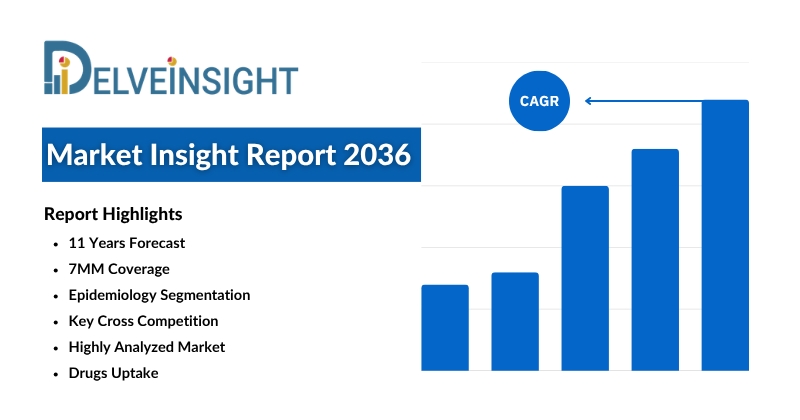
The gMG market across the 7MM was valued at approximately USD 5.9 billion in 2025 and is projected to expand at a CAGR of 9.1% through 2036, reaching approximately USD 15.6 billion.

Strong momentum is driven by targeted biologics, improved diagnosis through autoantibody testing, and sustained uptake across broader patient segments.

The United States accounted for approximately USD 4.7 billion in market size in 2025, representing the largest share among the 7MM.

Growing physician confidence is fueled by the transition from broad immunosuppression to mechanism-specific therapies, particularly FcRn inhibitors and complement inhibitors.

2. Expansion Across Targeted Patient Populations

Substantial Patient Base: In 2025, the United States accounted for approximately 90,000 diagnosed prevalent cases of gMG, underscoring a substantial patient base driving sustained demand.

Gender-Specific Distribution: Among gender-specific cases of gMG, the majority was occupied by females accounting for approximately 60% of the cases in the US in 2025.

Age Demographics: In 2025, the highest disease burden of gMG was observed in patients aged ≥65 years, accounting for approximately 108,000 cases across the 7MM, highlighting a predominantly elderly patient population.

Antibody Serology: In 2025, by antibody serology, Anti-AChR antibody-positive cases accounted for approximately 80% of patients with gMG in the EU4 and the UK, representing the dominant disease subtype.

Pipeline and lifecycle approaches, including next-generation FcRn blockers and complement inhibitors with improved durability and lifecycle protection, are expanding market penetration.

3. Paradigm Shift in Treatment Landscape

gMG management is transitioning from broad immunosuppression to targeted biologics such as VYVGART, RYSTIGGO, ZILBRYSQ, ULTOMIRIS, and IMAAVY driving mechanism-specific control and improved durability.

The loss of exclusivity of SOLIRIS has catalyzed the first meaningful biosimilar wave in gMG, introducing tangible pricing pressure and access expansion, while simultaneously accelerating strategic migration toward next-generation complement inhibitors.

Companies such as Immunovant, Alexion, Cartesian Therapeutics, Johnson & Johnson, Novartis, and others are advancing late-stage Phase III assets such as IMVT-1402, Gefurulimab, Descartes-08, Iptacopan, and MAVENCLAD.

Coupled with regulatory designations like ODD, FTD, Priority Review, and RMAT, these therapies are well-positioned to accelerate market growth and reshape the gMG treatment landscape.

The Generalized Myasthenia Gravis Market Report offers projected sales forecasts for gMG therapies until 2036, categorized across the 7MM i.e. United States, EU4 (Germany, France, Italy, and Spain), the United Kingdom, and Japan. The report also provides extensive coverage and a competitive landscape analysis of competitors and marketed products. It also covers analyst views along with market drivers and barriers.

What is Generalized Myasthenia Gravis?

Generalized Myasthenia Gravis (gMG) is an autoimmune disease in which the immune system attacks the body’s tissues. In myasthenia gravis, the attack interrupts the connection between nerve and muscle—the neuromuscular junction.

Myasthenia gravis is characterized by autoantibodies against the Acetylcholine Receptor Antibody (AChR-Ab) or against a receptor-associated protein called Muscle-specific tyrosine Kinase Antibody (MuSK-Ab).

The clinical diagnosis of gMG is confirmed by Electromyography (EMG) studies, pharmacologic testing, and serum Ab assay. EMG confirmation is crucial in patients with neither AChR nor MuSK Abs on the standard assay.

The report extensively covers the details and developments related to gMG therapies, capturing important highlights on developmental pipeline, regulatory status and special designations, route of administration, safety and efficacy details.

Generalized Myasthenia Gravis Market Assessment

This report provides a detailed market assessment of Generalized Myasthenia Gravis in the seven major markets, i.e., the United States, EU4 (Germany, France, Italy, and Spain) and the United Kingdom, and Japan. This segment of the report provides forecasted sales data from 2026 to 2036.

Generalized Myasthenia Gravis Clinical Assessment

The report provides the clinical trials information of gMG therapies covering trial interventions, trial conditions, trial status, start and completion dates. Report also includes important insights on regulatory milestones and other developmental activities related.

Do you know your drug’s competitive positioning in Generalized Myasthenia Gravis? gMG Drugs Insights

Generalized Myasthenia Gravis Recent Developments in the Treatment Landscape:

December 2025: Johnson & Johnson announced that the European Commission approved a Marketing Authorisation for IMAAVY (nipocalimab) as an add-on to standard therapy for gMG, making it the first FcRn blocker approved for both adults and adolescents aged 12 years and older who are anti-AChR or anti-MuSK antibody-positive.

December 2025: Immunovant reported the pricing of an underwritten common stock offering expected to generate approximately USD 550 million in gross proceeds, with Roivant Sciences, its controlling stockholder, committing to participate in the offering.

May 2025: UCB obtained approval from the Pharmaceuticals and Medical Devices Agency (PMDA) for rozanolixizumab to be self-administered at home by patients using either an infusion pump or a newly authorized manual push syringe technique.

December 2023: The EC approved ZILBRYSQ for the treatment of gMG in adult patients who are anti-AChR antibody-positive.

Generalized Myasthenia Gravis Competitive Landscape

The report offers insights into the key players and companies actively engaged in the development of therapies for gMG. It provides valuable information regarding the competitive positioning of therapies including VYVGART, RYSTIGGO, ZILBRYSQ, ULTOMIRIS, IMAAVY, IMVT-1402, Descartes-08, Gefurulimab, Iptacopan, and MAVENCLAD.

Generalized Myasthenia Gravis Market Size in the US

A dedicated section of the report focuses on the expected market size of gMG therapies for the United States. DelveInsight’s analysis includes market trends, growth projections, and key factors influencing the market dynamics, offering a comprehensive perspective for stakeholders.

Among the 7MM, the US accounted for the largest market size of gMG, i.e., approximately USD 4.7 billion in 2025.

Key Highlights of Generalized Myasthenia Gravis Market Report:

  • The report contains forecasted sales of gMG therapies until 2036.

  • Comprehensive coverage of the late-stage emerging therapies for Generalized Myasthenia Gravis.

  • The report also features the qualitative and quantitative analysis with analysts as well as KOL views for gMG therapies.

  • In 2036, among all the therapies for gMG, the highest revenue is estimated to be generated by efgartigimod alfa-fcab (VYVGART) in the 7MM.

Stay ahead in competition by leveraging insights on Generalized Myasthenia Gravis Market Report: Download gMG Market Report

Why You Should Buy Generalized Myasthenia Gravis Market Report:

The report provides future market assessments for gMG therapies in the 7 Major Markets, advanced qualitative analysis like SWOT and Conjoint Analysis, expert analysts’ views, detailed overview of market competitors, and comprehensive analysis of emerging therapies in Generalized Myasthenia Gravis.

Leading gMG forecasted market data will support the clients in the decision-making process regarding their therapeutic portfolio by identifying the overall scenario of the market.

Discover the competitive landscape of gMG therapies through 7MM: https://www.delveinsight.com/report-store/generalized-myasthenia-gravis-gmg-market?utm_source=abnewswire&utm_medium=druginsightpr&utm_campaign=mpr

Get a Thorough Analysis of the gMG Development pipeline, Safety & Efficacy, and Route of Administration

Thorough gMG market forecast will help understand how therapies are competing with other emerging treatments.

Get analysis of the gMG clinical trial advancements and the detailed clinical assessment, regulatory and commercial assessment.

Drug Market forecasts are calculated after taking into consideration KOL viewpoints from 8+ key opinion leaders across major markets including leading centers such as University of California and Royal College of Physicians.

About DelveInsight

DelveInsight is a leading Healthcare Business Consultant, and Market Research firm focused exclusively on life sciences. It supports Pharma companies by providing comprehensive end-to-end solutions to improve their performance.


Media Contact
Company Name: DelveInsight
Contact Person: Gaurav Bora
Email: Send Email
Phone: +919650213330
Address:304 S. Jones Blvd #2432
City: Albany
State: New York
Country: United States
Website: https://www.delveinsight.com/report-store/generalized-myasthenia-gravis-gmg-market


Press Release Distributed by ABNewswire.com

To view the original version on ABNewswire visit: Generalized Myasthenia Gravis Market Expected to Reach USD 15.6 Billion by 2036
Non Muscle Invasive Bladder Cancer Clinical Trial Pipeline Appears Robust With 20+ Key Pharma Companies Actively Working in the Domain | DelveInsight

DelveInsight’s, “Non Muscle Invasive Bladder Cancer Pipeline Insight 2026” report provides comprehensive insights about 20+ companies and 22+ pipeline drugs in the Non Muscle Invasive Bladder Cancer pipeline landscape. It covers the Non Muscle Invasive Bladder Cancer pipeline drug profiles, including clinical and nonclinical stage products. It also covers the Non Muscle Invasive Bladder Cancer pipeline therapeutics assessment by product type, stage, route of administration, and molecule type. It further highlights the inactive pipeline products in this space.

Curious about the latest updates in the NMIBC Pipeline? Click here to explore the therapies and trials making headlines @ https://www.delveinsight.com/sample-request/non-muscle-invasive-bladder-cancer-pipeline-insight

Key Takeaways from the NMIBC Pipeline Report

  • On May 22, 2026- Ferring Pharmaceuticals conducted a phase 3b study randomized controlled trial of Nadofaragene Firadenovec vs. Observation in Participants with Intermediate Risk Non-Muscle Invasive Bladder Cancer (IR NMIBC).
  • On May 20, 2026- Tyra Biosciences Inc. announced a Phase 2 Study of TYRA-300 in FGFR3 Altered Low Grade, Intermediate Risk NMIBC.
  • On May 18, 2026- Protara Therapeutics initiated a Phase 2 study (TARA-002-101-Ph2) is to further assess the safety and efficacy of TARA-002 at the RP2D which has been established in the Phase 1a dose finding study (TARA-002-101-Ph1a).
  • On May 11, 2026- Astellas Pharma Global Development Inc. conducted a phase 3 study is being done to see how well two drugs (enfortumab vedotin and pembrolizumab) work together as a bladder preservation approach to treat patients with muscle invasive bladder cancer. The study will compare these drugs to concurrent chemoradiotherapy that is usually used to treat this cancer (standard of care). The study will enroll patients with muscle-invasive bladder cancer (MIBC) who have cancer that has not spread outside the bladder.
  • DelveInsight’s Non Muscle Invasive Bladder Cancer pipeline report depicts a robust space with 20+ active players working to develop 22+ pipeline therapies for Non Muscle Invasive Bladder Cancer treatment.
  • The leading Non Muscle Invasive Bladder Cancer Companies such as CG Oncology, Janssen Research & Development, LLC, Tyra Biosciences, Inc, UroGen Pharma Ltd., Prokarium Ltd, Protara Therapeutics, ImmVira Pharma Co. Ltd, Trigone Pharma Ltd., Hoffmann-La Roche, Aura Biosciences, enGene Holdings Inc., Atonco Pharma and others.
  • Promising Non Muscle Invasive Bladder Cancer Therapies such as PF-06801591, Bacillus Calmette-Guerin, CG0070, Gemcitabine, APL-1202 treatment, Durvalumab, eRapa, Epirubicin Hydrochloride, Cabazitaxel, Gemcitabine, Cisplatin and others.

Want to know which companies are leading innovation in Non-Muscle Invasive Bladder Cancer? Dive into the full pipeline insights @ NMIBC Clinical Trials Assessment

The NMIBC Pipeline Report provides disease overview, pipeline scenario and therapeutic assessment of the key pipeline therapies in this domain. The NMIBC Pipeline Report also highlights the unmet needs with respect to the development of Non Muscle Invasive Bladder Cancer.

NMIBC Overview

Non-muscle invasive bladder cancer (NMIBC) refers to bladder tumors that are confined to the inner layers of the bladder wall and have not invaded the detrusor muscle. It includes stages Ta (non-invasive papillary carcinoma), T1 (tumor invades the subepithelial connective tissue), and carcinoma in situ (CIS), which is a flat, high-grade lesion. NMIBC accounts for approximately 70–80% of newly diagnosed bladder cancers and is often characterized by a high recurrence rate but relatively low risk of progression to muscle-invasive disease. Early detection and appropriate risk stratification are critical for effective management and long-term surveillance. Management typically involves transurethral resection of bladder tumor (TURBT) followed by intravesical therapy, such as Bacillus Calmette–Guérin (BCG) or chemotherapy. Risk-adapted strategies are essential to balance recurrence prevention with overtreatment avoidance. Regular cystoscopic monitoring remains a cornerstone of follow-up due to the high likelihood of tumor recurrence.

Non Muscle Invasive Bladder Cancer Emerging Drugs Profile

  • Cretostimogene grenadenorepvec: CG Oncology

Cretostimogene grenadenorepvec is an oncolytic immunotherapy with a dual mechanism of action that selectively replicates in and lyses cancer cells while simultaneously amplifying the immune response against bladder tumors. Cretostimogene enters the tumor by binding to Coxsackievirus and Adenovirus Receptors (CAR) and integrin αvβ5present in specialized intracellular junctions and tight junctions of polarized epithelial cells. There are two modifications made to cretostimogene for tumor selectivity and potency. The first modification is the insertion of an E2F-1 promoter in cretostimogene which acts as a safety mechanism to selectively replicate and lyse Rb-E2F altered tumor cells rather than healthy cells which have intact Rb-E2F pathways. The second modification is the insertion of the gene for the cytokine granulocyte-macrophage colony stimulation factor (GM-CSF).

  • TAR-210: Janssen Research & Development, LLC

TAR‑210 is an innovative intravesical targeted drug delivery system designed for patients with non–muscle-invasive bladder cancer (NMIBC) harboring FGFR alterations. The therapy utilizes a small, bladder-resident device that slowly releases erdafitinib, a potent FGFR tyrosine kinase inhibitor, directly into the bladder, achieving high local drug concentrations while minimizing systemic exposure. This localized delivery approach is intended to maximize anti-tumor activity within the bladder lining and enhance bladder preservation, making TAR‑210 a promising bladder-sparing option for patients who are unresponsive to BCG and ineligible or unwilling to undergo radical cystectomy. Currently, the drug is in Phase III stage of its development for the treatment of Non Muscle Invasive Bladder Cancer.

  • TYRA-300: Tyra Biosciences, Inc

TYRA-300 is the Tyra Biosciences’ lead precision medicine program stemming from its in-house SNÅP platform. TYRA-300 is an investigational, oral, FGFR3-selective inhibitor currently in development for the treatment of cancer and skeletal dysplasia, including achondroplasia and hypochondroplasia. In oncology, TYRA-300 is being evaluated in metastatic urothelial cancer (mUC) and intermediate risk non-muscle invasive bladder cancer (IR NMIBC). Currently, the drug is in Phase II stage of its development for the treatment of Non Muscle Invasive Bladder Cancer.

  • UGN-301: UroGen Pharma Ltd.

UGN-301 is an anti-CTLA-4 monoclonal antibody (zalifrelimab), originally licensed from Agenus Inc. in 2019. It is formulated with RTGel, our proprietary reverse-thermal hydrogel, for intravesical administration into the bladder. Intravesical administration of UGN-301 is designed to increase drug concentrations in the bladder without significant systemic exposure, potentially diminishing the systemic toxicity associated with CTLA-4 blockade. UroGen is evaluating UGN-301 in a multi-arm Phase I study of UGN-301 as monotherapy and in combination with other agents. The safety of UGN-301 is being evaluated in the monotherapy arm of the study as combination therapy for HG-NMIBC. Currently, the drug is in Phase I stage of its development for the treatment of Non Muscle Invasive Bladder Cancer.

NMIBC Market Drivers

  • Increasing NMIBC Prevalence
  • Advancements in Bladder Cancer Treatment

NMIBC Market Barriers

  • Increasing use of Biologics and Targeted Therapies
  • High Cost associated with the disease

The Non Muscle Invasive Bladder Cancer Pipeline report provides insights into

  • The report provides detailed insights about companies that are developing therapies for the treatment of Non Muscle Invasive Bladder Cancer with aggregate therapies developed by each company for the same.
  • It accesses the Different therapeutic candidates segmented into early-stage, mid-stage, and late-stage of development for Non Muscle Invasive Bladder Cancer Treatment.
  • Non Muscle Invasive Bladder Cancer Companies are involved in targeted therapeutics development with respective active and inactive (dormant or discontinued) projects.
  • Non Muscle Invasive Bladder Cancer Drugs under development based on the stage of development, route of administration, target receptor, monotherapy or combination therapy, a different mechanism of action, and molecular type.
  • Detailed analysis of collaborations (company-company collaborations and company-academia collaborations), licensing agreement and financing details for future advancement of the Non Muscle Invasive Bladder Cancer market.

If you’re tracking ongoing NMIBC clinical trials, this press release is a must-read @ NMIBC Treatment Drugs

Non Muscle Invasive Bladder Cancer Companies

CG Oncology, Janssen Research & Development, LLC, Tyra Biosciences, Inc, UroGen Pharma Ltd., Prokarium Ltd, Protara Therapeutics, ImmVira Pharma Co. Ltd, Trigone Pharma Ltd., Hoffmann-La Roche, Aura Biosciences, enGene Holdings Inc., Atonco Pharma and others.

Non Muscle Invasive Bladder Cancer pipeline report provides the therapeutic assessment of the pipeline drugs by the Route of Administration. Products have been categorized under various ROAs such as

  • Oral
  • Intravenous
  • Subcutaneous
  • Parenteral
  • Topical

Non Muscle Invasive Bladder Cancer Products have been categorized under various Molecule types such as

  • Recombinant fusion proteins
  • Small molecule
  • Monoclonal antibody
  • Peptide
  • Polymer
  • Gene therapy

From emerging drug candidates to competitive intelligence, the NMIBC Pipeline Report covers it all @ NMIBC Market Drivers and Barriers, and Future Perspectives

Scope of the NMIBC Pipeline Report

  • Coverage- Global
  • NMIBC Companies- CG Oncology, Janssen Research & Development, LLC, Tyra Biosciences, Inc, UroGen Pharma Ltd., Prokarium Ltd, Protara Therapeutics, ImmVira Pharma Co. Ltd, Trigone Pharma Ltd., Hoffmann-La Roche, Aura Biosciences, enGene Holdings Inc., Atonco Pharma and others.
  • NMIBC Therapies- PF-06801591, Bacillus Calmette-Guerin, CG0070, Gemcitabine, APL-1202 treatment, Durvalumab, eRapa, Epirubicin Hydrochloride, Cabazitaxel, Gemcitabine, Cisplatin and others.
  • NMIBC Therapeutic Assessment by Product Type: Mono, Combination, Mono/Combination
  • NMIBC Therapeutic Assessment by Clinical Stages: Discovery, Pre-clinical, Phase I, Phase II, Phase III

Discover what’s next for the NMIBC treatment landscape in this detailed analysis @ NMIBC Emerging Drugs and Major Players

Table of Contents

1. Introduction

2. Executive Summary

3. Non Muscle Invasive Bladder Cancer: Overview

4. Pipeline Therapeutics

5. Therapeutic Assessment

6. Non Muscle Invasive Bladder Cancer– DelveInsight’s Analytical Perspective

7. Late Stage Products (Phase III)

8. Cretostimogene grenadenorepvec: CG Oncology

9. Mid Stage Products (Phase II)

10. TYRA-300: Tyra Biosciences, Inc

11. Early Stage Products (Phase I)

12. UGN-301: UroGen Pharma Ltd.

13. Preclinical and Discovery Stage Products

14. Drug Name: Company Name

15. Inactive Products

16. Non Muscle Invasive Bladder Cancer Key Companies

17. Non Muscle Invasive Bladder Cancer Key Products

18. Non Muscle Invasive Bladder Cancer- Unmet Needs

19. Non Muscle Invasive Bladder Cancer- Market Drivers and Barriers

20. Non Muscle Invasive Bladder Cancer- Future Perspectives and Conclusion

21. Non Muscle Invasive Bladder Cancer Analyst Views

22. Non Muscle Invasive Bladder Cancer Key Companies

23. Appendix

About Us

DelveInsight is a leading healthcare-focused market research and consulting firm that provides clients with high-quality market intelligence and analysis to support informed business decisions. With a team of experienced industry experts and a deep understanding of the life sciences and healthcare sectors, we offer customized research solutions and insights to clients across the globe. Connect with us to get high-quality, accurate, and real-time intelligence to stay ahead of the growth curve.

Media Contact
Company Name: DelveInsight Business Research LLP
Contact Person: Yash Bhardwaj
Email: Send Email
Phone: 09650213330
Address:304 S. Jones Blvd #2432
City: Las Vegas
State: NV
Country: United States
Website: https://www.delveinsight.com/report-store/non-muscle-invasive-bladder-cancer-pipeline-insight


Press Release Distributed by ABNewswire.com

To view the original version on ABNewswire visit: Non Muscle Invasive Bladder Cancer Clinical Trial Pipeline Appears Robust With 20+ Key Pharma Companies Actively Working in the Domain | DelveInsight

Polymyalgia Rheumatica Therapeutics Market Size in the 7MM is projected to grow at a significant CAGR by 2034, estimates DelveInsight

DelveInsight’s “Polymyalgia Rheumatica Market Insights, Epidemiology, and Market Forecast – 2034” report delivers an in-depth understanding of the Polymyalgia Rheumatica, historical and forecasted epidemiology and the Polymyalgia Rheumatica market trends in the United States, EU4 (Germany, France, Italy, and Spain) and the United Kingdom, and Japan.

Download DelveInsight’s comprehensive report to explore market trends, pipeline analysis, and emerging therapies @ https://www.delveinsight.com/sample-request/polymyalgia-rheumatica-market

Key Takeaways from the Polymyalgia Rheumatica Market Report

  • On May 19, 2026- Sanofi initiated a Phase 4, 3-group study to assess whether treatment with sarilumab at either 150 mg q2w (once every two weeks) or at 200 mg q2w, each given with a 52-week prednisone taper, is superior to placebo given with a 52-week prednisone taper in participants with early polymyalgia rheumatica (PMR) and to determine the safety and tolerability of the sarilumab regimens.
  • In April 2026- Novartis Pharmaceuticals conducted a study will consist of an up to 4-week screening period, an up to 2-year Treatment Period which includes two Treatment Periods, and a 16-week treatment-free follow-up period (20 weeks post last dose of secukinumab).
  • According to the analysis, the number of individuals living with polymyalgia rheumatica in the US is projected to grow during the forecast period (2025–2034). This rise stems from an aging population, increased life expectancy among older adults, and greater recognition of the condition in routine health assessments.
  • According to the secondary research, the age-adjusted prevalence of polymyalgia rheumatica in the US is approximately 701 cases per 100,000 individuals aged 50 years and older.
  • As per the secondary research, higher rates in females at 870 per 100,000 and in males at 508 per 100,000.
  • As per the secondary research, approximately 15% of patients with PMR develop giant cell arteritis (GCA), and 40-50% of patients with GCA have associated PMR.
  • The leading Polymyalgia Rheumatica Companies such as Roche, Bristol Myers Squibb, Eli-lilly, Novartis, AbbVie, Sparrow Pharmaceuticals, Chugai Pharma, AbbVie, Janssen Research & Development, Sint Maartenskliniek, and others
  • Promising Polymyalgia Rheumatica Therapies such as Tocilizumab, Abatacept, Baricitinib, Secukinumab, ABBV-154, SPI-62, TCZ, Upadacitinib, Guselkumab, Rituximab, and others

Access DelveInsight’s in-depth market analysis and strategic insights today! @ Polymyalgia Rheumatica Treatment Market Size

Polymyalgia Rheumatica Epidemiology Segmentation in the 7MM

  • Total Prevalent Cases of Polymyalgia Rheumatica
  • Total Diagnosed Prevalent Cases of Polymyalgia Rheumatica
  • Gender-specific Diagnosed Prevalent Cases of Polymyalgia Rheumatica
  • Treated Cases of Polymyalgia Rheumatica

Download the report to understand which factors are driving Polymyalgia Rheumatica epidemiology trends @ Polymyalgia Rheumatica Prevalence

Polymyalgia Rheumatica Marketed Drugs

  • KEVZARA (sarilumab): Regeneron Pharmaceuticals

KEVZARA (sarilumab) is a fully human monoclonal antibody developed by Regeneron and Sanofi that targets and inhibits both soluble and membrane-bound interleukin-6 receptors (IL‑6R). It is the first and only biologic approved by the FDA specifically for adults with polymyalgia rheumatica who are inadequate responders to corticosteroids or cannot tolerate tapering. By blocking IL‑6 signaling, KEVZARA significantly reduces inflammation and disease activity, enabling more patients to achieve steroid-free remission, with supportive evidence from the Phase III SAPHYR trial showing nearly threefold higher sustained remission rates compared to placebo

Polymyalgia Rheumatica Emerging Drugs

  • SPI-47: Sparrow Pharmaceuticals

SPI-47, is an investigational oral treatment for polymyalgia rheumatica (PMR) that combines low-dose prednisolone with clofutriben (SPI-62), a targeted 11β-HSD1 inhibitor. This combination is intended to deliver the anti-inflammatory benefits of steroids while minimizing their long-term side effects by reducing cortisol activation in tissues such as bone, muscle, and liver. Currently in Phase IIa trials, SPI-47 is being studied as a potential steroid-sparing therapy to improve the safety and effectiveness of PMR treatment.

  • COSENTYX (secukinumab): Novartis

Secukinumab developed by Novartis is a fully human IgG1 monoclonal antibody that neutralizes interleukin‑17A (IL‑17A), a key cytokine driving inflammation. It is now being investigated as a treatment for polymyalgia rheumatica (PMR). In PMR, secukinumab is being studied for its potential to reduce inflammation and lower dependence on corticosteroids. A Phase III clinical trial (REPLENISH) is evaluating its effectiveness in achieving steroid-free remission in patients with relapsing PMR when combined with a short course of glucocorticoids.

Discover the future of Polymyalgia Rheumatica treatments with DelveInsight’s latest market report @ Polymyalgia Rheumatica Market Drivers and Barriers

Polymyalgia Rheumatica Companies

Roche, Bristol Myers Squibb, Eli-lilly, Novartis, AbbVie, Sparrow Pharmaceuticals, Chugai Pharma, AbbVie, Janssen Research & Development, Sint Maartenskliniek, and others

Polymyalgia Rheumatica Market Outlook

Treatment options for polymyalgia rheumatica primarily focus on controlling inflammation and relieving symptoms, with low-dose corticosteroids, such as prednisone, being the standard and most effective first-line therapy. While newer insights have emerged such as the role of IL-6 in inflammation major therapeutic breakthroughs have been limited, and most treatment strategies still revolve around careful steroid tapering over months to years. In patients who relapse frequently or are steroid-intolerant, off-label use of immunosuppressants like methotrexate or biologics such as KEVZARA (sarilumab) is considered.

Scope of the Polymyalgia Rheumatica Market Report

  • Coverage- 7MM
  • Study Period- 2020-2034
  • Polymyalgia Rheumatica Companies- Roche, Bristol Myers Squibb, Eli-lilly, Novartis, AbbVie, Sparrow Pharmaceuticals, Chugai Pharma, AbbVie, Janssen Research & Development, Sint Maartenskliniek, and others
  • Polymyalgia Rheumatica Therapies- Tocilizumab, Abatacept, Baricitinib, Secukinumab, ABBV-154, SPI-62, TCZ, Upadacitinib, Guselkumab, Rituximab, and others
  • Polymyalgia Rheumatica Therapeutic Assessment: Polymyalgia Rheumatica current marketed and Polymyalgia Rheumatica emerging therapies
  • Polymyalgia Rheumatica Market Dynamics: Polymyalgia Rheumatica market drivers and Polymyalgia Rheumatica market barriers
  • Competitive Intelligence Analysis: SWOT analysis, PESTLE analysis, Porter’s five forces, BCG Matrix, Market entry strategies
  • Polymyalgia Rheumatica Unmet Needs, KOL’s views, Analyst’s views, Polymyalgia Rheumatica Market Access and Reimbursement

From market size to emerging drugs, find it all in our latest report. Read now! @ Polymyalgia Rheumatica Ongoing Clinical Trials Analysis

Table of Content

1. Key Insights

2. Report Introduction

3. Polymyalgia Rheumatica Market Overview at a Glance

4. Polymyalgia Rheumatica Epidemiology and Market Methodology

5. Executive Summary

6. Key Events

7. Polymyalgia Rheumatica: Disease Background and Overview

8. Polymyalgia Rheumatica Epidemiology and Patient Population

9. Patient Journey

10. Polymyalgia Rheumatica Marketed Drugs

11. Polymyalgia Rheumatica Emerging Drugs

12. Polymyalgia Rheumatica: Market Analysis

13. Key Opinion Leaders’ Views

14. Polymyalgia Rheumatica SWOT Analysis

15. Polymyalgia Rheumatica Unmet Needs

16. Polymyalgia Rheumatica Market Access and Reimbursement

17. Appendix

18. DelveInsight Capabilities

19. Disclaimer

About Us

DelveInsight is a leading healthcare-focused market research and consulting firm that provides clients with high-quality market intelligence and analysis to support informed business decisions. With a team of experienced industry experts and a deep understanding of the life sciences and healthcare sectors, we offer customized research solutions and insights to clients across the globe. Connect with us to get high-quality, accurate, and real-time intelligence to stay ahead of the growth curve.

Media Contact
Company Name: DelveInsight Business Research LLP
Contact Person: Yash Bhardwaj
Email: Send Email
Phone: 09650213330
Address:304 S. Jones Blvd #2432
City: Las Vegas
State: NV
Country: United States
Website: https://www.delveinsight.com/report-store/polymyalgia-rheumatica-market


Press Release Distributed by ABNewswire.com

To view the original version on ABNewswire visit: Polymyalgia Rheumatica Therapeutics Market Size in the 7MM is projected to grow at a significant CAGR by 2034, estimates DelveInsight

Acne Vulgaris Treatment Pipeline Shows Strong Momentum as 20+ Pharma Companies in the Race | DelveInsight

DelveInsight’s, “Acne Vulgaris Pipeline Insight 2026” report provides comprehensive insights about 20+ companies and 22+ pipeline drugs in Acne Vulgaris pipeline landscape. It covers the Acne Vulgaris pipeline drug profiles, including clinical and nonclinical stage products. It also covers the Acne Vulgaris pipeline therapeutics assessment by product type, stage, route of administration, and molecule type. It further highlights the inactive pipeline products in this space.

Stay ahead in understanding the Acne Vulgaris Treatment Landscape @ https://www.delveinsight.com/sample-request/acne-vulgaris-pipeline-insight

Key Takeaways from the Acne Vulgaris Pipeline Report

  • In April 2026, Integrative Skin Science and Research initiated a study is being done to help better understand how the gut and skin bacteria of the body change when people with acne are treated with Sarecycline or Doxycycline. The bacteria in the gut and on the skin will be studied to see how each treatment may affect them and whether they change the profile of the bacteria that is present.
  • DelveInsight’s Acne Vulgaris pipeline report depicts a robust space with 20+ active players working to develop 22+ pipeline therapies for Acne Vulgaris treatment.
  • The leading Acne Vulgaris Companies such as Pelthos Therapeutics, Dermata Therapeutics, Suzhou Kintor Pharmaceuticals, Naked Biome, Inc, AOBiome LLC, Dermira, Inc., Sol-Gel Technologies, Ltd., Torrent Pharmaceuticals Limited, Galderma R&D, Boston Pharmaceuticals and others.
  • Promising Acne Vulgaris Pipeline Therapies such as Clascoterone, S6G5T-3, DMT310, ASC40 25mg, GK530G, CD5789 (trifarotene), NVN1000, Afamelanotide, Hydrogen Peroxide, gevokizumab, BLI1100 and others.

Discover groundbreaking developments in Acne Vulgaris Therapies! @ Acne Vulgaris Ongoing Clinical Trials Assessment

Acne Vulgaris Overview

Acne vulgaris is an inflammatory disorder of the pilosebaceous unit, which runs a chronic course and it is self-limiting. Acne vulgaris is triggered by Cutibacterium acnes in adolescence, under the influence of normal circulating dehydroepiandrosterone (DHEA). It is a very common skin disorder which can present with inflammatory and non-inflammatory lesions chiefly on the face but can also occur on the upper arms, trunk, and back. Acne may appear in adolescence, and it persists through the early thirties. Acne is more common in males than in females. Urban populations are more affected than rural populations. About 20% of the affected individuals develop severe acne, which results in scarring. Some races appear to be more affected than others. Acne occurs by hypersensitivity of the sebaceous glands to a normal circulating level of androgens, which are aggravated by P. acnes and inflammation.

Acne Vulgaris Emerging Drugs Profile

  • Berdazimer sodium (SB 204): Pelthos Therapeutics

SB204 is a first-in-class nitric oxide (NO)-releasing topical treatment monotherapy. The Phase 2b study demonstrated statistically significant reductions in the percent change of non-inflammatory (white heads and black heads) and inflammatory (larger red bumps and pustules) lesions at Week 12 with all doses of SB204 compared to vehicle. SB204 demonstrated excellent cutaneous tolerability with no treatment-related serious adverse events in over 400 dosed subjects to date. Currently, the drug is in Phase III stage of its development for the treatment of acne vulgaris.

  • DMT310: Dermata Therapeutics

DMT310 is a lead product candidate, developed from our Spongilla platform technology. The unique product candidate is derived from a natural source of Spongilla lacustris, which contains multiple active components to treat a variety of inflammatory skin diseases with once weekly applications. It is currently under development for the treatment of moderate to severe acne, mild to moderate psoriasis and moderate to severe papulopustular rosacea. It contains a unique freshwater sponge that is harvested from a select region of the world, under specific environmental conditions to ensure the sponge retains its distinctive anti-inflammatory, anti-microbial and mechanical properties. Currently, the drug is in Phase III stage of its development for the treatment of acne vulgaris.

  • GT 20029 : Suzhou Kintor Pharmaceuticals

GT-20029 is a small molecule that works on Androgen receptor degradation enhancer’s mechanism of action. It is administered through topical route as gel/tincture form. The drug candidate acts by targeting androgen receptor and cereblon (CRBN). It is being developed based on PROTAC (Protein Degradation Targeting Chimera) technology. Currently, the drug is in Phase I stage of its development for the treatment of acne vulgaris.

The Acne Vulgaris Pipeline Report Provides Insights into

  • The report provides detailed insights about companies that are developing therapies for the treatment of Acne Vulgaris with aggregate therapies developed by each company for the same.
  • It accesses the Different therapeutic candidates segmented into early-stage, mid-stage, and late-stage of development for Acne Vulgaris Treatment.
  • Acne Vulgaris Companies are involved in targeted therapeutics development with respective active and inactive (dormant or discontinued) projects.
  • Acne Vulgaris Drugs under development based on the stage of development, route of administration, target receptor, monotherapy or combination therapy, a different mechanism of action, and molecular type.
  • Detailed analysis of collaborations (company-company collaborations and company-academia collaborations), licensing agreement and financing details for future advancement of the Acne Vulgaris market

Uncover critical updates on therapeutic innovations and their potential impact on patients and the healthcare industry @ Acne Vulgaris Unmet Needs

Acne Vulgaris Companies

Pelthos Therapeutics, Dermata Therapeutics, Suzhou Kintor Pharmaceuticals, Naked Biome, Inc, AOBiome LLC, Dermira, Inc., Sol-Gel Technologies, Ltd., Torrent Pharmaceuticals Limited, Galderma R&D, Boston Pharmaceuticals and others.

Acne Vulgaris pipeline report provides the therapeutic assessment of the pipeline drugs by the Route of Administration. Products have been categorized under various ROAs such as

  • Oral
  • Intravenous
  • Subcutaneous
  • Parenteral
  • Topical

Acne Vulgaris Products have been categorized under various Molecule types such as

  • Recombinant fusion proteins
  • Small molecule
  • Monoclonal antibody
  • Peptide
  • Polymer
  • Gene therapy

See the latest progress in drug development and clinical research @ Acne Vulgaris Market Drivers and Barriers, and Future Perspectives

Scope of the Acne Vulgaris Pipeline Report

  • Coverage- Global
  • Acne Vulgaris Companies- Pelthos Therapeutics, Dermata Therapeutics, Suzhou Kintor Pharmaceuticals, Naked Biome, Inc, AOBiome LLC, Dermira, Inc., Sol-Gel Technologies, Ltd., Torrent Pharmaceuticals Limited, Galderma R&D, Boston Pharmaceuticals and others.
  • Acne Vulgaris Pipeline Therapies- Clascoterone, S6G5T-3, DMT310, ASC40 25mg, GK530G, CD5789 (trifarotene), NVN1000, Afamelanotide, Hydrogen Peroxide, gevokizumab, BLI1100 and others.
  • Acne Vulgaris Therapeutic Assessment by Product Type: Mono, Combination, Mono/Combination
  • Acne Vulgaris Therapeutic Assessment by Clinical Stages: Discovery, Pre-clinical, Phase I, Phase II, Phase III

Access the Full Acne Vulgaris Pipeline Analysis Today! @ Acne Vulgaris Drugs and Companies

Table of Contents

  1. Introduction
  2. Executive Summary
  3. Acne Vulgaris: Overview
  4. Pipeline Therapeutics
  5. Therapeutic Assessment
  6. Acne Vulgaris– DelveInsight’s Analytical Perspective
  7. Late Stage Products (Phase III)
  8. Berdazimer sodium (SB 204) : Pelthos Therapeutics
  9. Mid Stage Products (Phase II)
  10. Drug Name: Company Name
  11. Early Stage Products (Phase I/II)
  12. GT 20029 : Suzhou Kintor Pharmaceuticals
  13. Preclinical and Discovery Stage Products
  14. Drug Name: Company Name
  15. Inactive Products
  16. Acne Vulgaris Key Companies
  17. Acne Vulgaris Key Products
  18. Acne Vulgaris- Unmet Needs
  19. Acne Vulgaris- Market Drivers and Barriers
  20. Acne Vulgaris- Future Perspectives and Conclusion
  21. Acne Vulgaris Analyst Views
  22. Acne Vulgaris Key Companies
  23. Appendix

About Us

DelveInsight is a leading healthcare-focused market research and consulting firm that provides clients with high-quality market intelligence and analysis to support informed business decisions. With a team of experienced industry experts and a deep understanding of the life sciences and healthcare sectors, we offer customized research solutions and insights to clients across the globe. Connect with us to get high-quality, accurate, and real-time intelligence to stay ahead of the growth curve.

Media Contact
Company Name: DelveInsight Business Research LLP
Contact Person: Yash Bhardwaj
Email: Send Email
Phone: 09650213330
Address:304 S. Jones Blvd #2432
City: Las Vegas
State: NV
Country: United States
Website: https://www.delveinsight.com/report-store/acne-vulgaris-pipeline-insight


Press Release Distributed by ABNewswire.com

To view the original version on ABNewswire visit: Acne Vulgaris Treatment Pipeline Shows Strong Momentum as 20+ Pharma Companies in the Race | DelveInsight

Osteosarcoma Clinical Trial Pipeline Expands as 25+ Companies Driving Innovation in the Therapeutics | DelveInsight

DelveInsight’s “Osteosarcoma Pipeline Insight, 2026” report provides comprehensive insights about 25+ companies and 32+ pipeline drugs in the Osteosarcoma pipeline landscape. It covers the Osteosarcoma pipeline drug profiles, including clinical and nonclinical stage products. It also covers the Osteosarcoma pipeline therapeutics assessment by product type, stage, route of administration, and molecule type. It further highlights the inactive pipeline products in this space.

Curious about the latest updates in the Osteosarcoma Pipeline? Click here to explore the therapies and trials making headlines @ https://www.delveinsight.com/sample-request/osteosarcoma-pipeline-insight

Key Takeaways from the Osteosarcoma Pipeline Report

  • On May 22, 2026- M.D. Anderson Cancer Center initiated a phase II trial studies how well autologous tumor-infiltrating lymphocytes LN-145 (LN-145) or LN-145-S1 works in treating patients with ovarian cancer, triple negative breast cancer (TNBC), anaplastic thyroid cancer, osteosarcoma, or other bone and soft tissue sarcomas that do not respond to treatment (refractory) or that has come back (relapsed).
  • On May 19, 2026, St. Jude Children’s Research Hospital conducted a phase I study is designed for children or adolescents and young adults (AYA) with a diagnosis of a solid tumor that has recurred (come back after treatment) or is refractory (never completely went away). The trial will test 2 combinations of therapy and participants will be randomly assigned to either Arm A or Arm B. The purpose of the phase I study is to determine the highest tolerable doses of the combinations of treatment given in each Arm.
  • On May 15, 2026, Merck Sharp & Dohme LLC announced a phase 1/2 study is to assess the efficacy and safety of zilovertamab vedotin in pediatric participants with relapsed or refractory B-cell acute lymphoblastic leukemia (B-ALL), diffuse large B-cell lymphoma (DLBCL)/Burkitt lymphoma, or neuroblastoma and in pediatric and young adult participants with Ewing sarcoma.
  • DelveInsight’s Osteosarcoma Pipeline report depicts a robust space with 25+ active players working to develop 32+ pipeline therapies for Osteosarcoma treatment.
  • The leading Osteosarcoma Companies such as Zentalis Pharmaceuticals, MedPacto, Salarius Pharmaceuticals, NextPoint Therapeutics, Base Therapeutics, EMD Serono, Hansoh BioMedical R&D Company, Cellectar Biosciences, OS Therapies, AlaMab Therapeutics and others.
  • Promising Osteosarcoma Therapies such as Ceralasertib, Avelumab, Vactosertib, ZN-c3, Gemcitabine, Lenvatinib, Ifosfamide, Etoposide and others.

Want to know which companies are leading innovation in Osteosarcoma? Dive into the full pipeline insights @ Osteosarcoma Clinical Trials Assessment

The Osteosarcoma Pipeline Report provides disease overview, pipeline scenario and therapeutic assessment of the key pipeline therapies in this domain. The Osteosarcoma Pipeline Report also highlights the unmet needs with respect to the Osteosarcoma.

Osteosarcoma Overview

Osteosarcoma, or osteogenic sarcoma, is the most common primary malignant bone tumor, accounting for approximately 20% of all cases. Osteosarcoma demonstrates a bimodal age distribution and most commonly occurs in the extremities. Osteosarcoma derived from primitive osteoid-producing mesenchymal cells manifests heterogeneously; the degree of differentiation, location within the bone, and histological variation determine each osteosarcoma subtype. Each subtype varies in demographic distribution, biological behavior, and radiological appearance. High-grade conventional intramedullary osteosarcoma is the most common subtype. This subtype is a biologically complex and aggressive tumor involving a long bone’s metaphysis, usually adjacent to a physis with the most significant growth, such as the proximal humerus, distal femur, or proximal tibia. Osteosarcoma signs and symptoms most often start in a bone. The cancer most often affects the long bones of the legs, and sometimes the arms. The most common symptoms include: Bone or joint pain, pain related to a bone that breaks for no clear reason and swelling near bone.

Osteosarcoma Emerging Drugs Profile

  • HS-20093: Hansoh BioMedical R&D Company

HS-20093 (Risvutatug rezetecan) is a B7-H3-targeted antibody-drug conjugate (ADC) developed by Hansoh Pharmaceutical and licensed to GSK. It comprises a humanized anti-B7-H3 IgG1 antibody linked to a topoisomerase I inhibitor (TOPOi) payload. Its mechanism of action (MOA) involves binding to B7-H3 on tumor cells, followed by endocytosis and intracellular cleavage, releasing the cytotoxic payload to cause DNA damage, apoptosis, and potential “”bystander effects”” on surrounding tumor cells. Currently, the drug is being evaluated in the Phase III stage of its development for the treatment of Osteosarcoma.

  • Vactosertib: MedPacto, Inc.

Vactosertib (TEW-7197), a TGF-β1 kinase inhibitor, promotes the cancer cell killing activity of immune cells, and inhibits proliferation of cancer stem cells, angiogenesis and metastasis. In addition, vactosertib can support various cancer treatments to attack cancer cells by suppressing stroma formation. Currently, the drug is being evaluated in the Phase I/II stage of its development for the treatment of Osteosarcoma.

  • DIT-309: Tcelltech Inc.

DIT-309 (TX-103) is an autologous CAR-T cell therapy developed by Tcelltech for the treatment of neoplasms and nervous system diseases. The mechanism of action (MOA) centers on the use of 4-1BBL-OX40L technology to enhance the efficacy of the T cells. Currently, the drug is being evaluated in the Phase I stage of its development for the treatment of Osteosarcoma

If you’re tracking ongoing Osteosarcoma Clinical trials, this press release is a must-read @ Osteosarcoma Treatment Drugs

Osteosarcoma Companies

Zentalis Pharmaceuticals, MedPacto, Salarius Pharmaceuticals, NextPoint Therapeutics, Base Therapeutics, EMD Serono, Hansoh BioMedical R&D Company, Cellectar Biosciences, OS Therapies, AlaMab Therapeutics and others.

Osteosarcoma Pipeline report provides the therapeutic assessment of the pipeline drugs by the Route of Administration. Products have been categorized under various ROAs, such as

  • Oral
  • Intravenous
  • Subcutaneous
  • Parenteral
  • Topical

Osteosarcoma Products have been categorized under various Molecule types such as

  • Recombinant fusion proteins
  • Small molecule
  • Monoclonal antibody
  • Peptide
  • Polymer
  • Gene therapy

From emerging drug candidates to competitive intelligence, the Osteosarcoma Pipeline Report covers it all @ Osteosarcoma Market Drivers and Barriers, and Future Perspectives

Scope of the Osteosarcoma Pipeline Report

  • Coverage- Global
  • Osteosarcoma Companies- Zentalis Pharmaceuticals, MedPacto, Salarius Pharmaceuticals, NextPoint Therapeutics, Base Therapeutics, EMD Serono, Hansoh BioMedical R&D Company, Cellectar Biosciences, OS Therapies, AlaMab Therapeutics, and others.
  • Osteosarcoma Therapies- Ceralasertib, Avelumab, Vactosertib, ZN-c3, Gemcitabine, Lenvatinib, Ifosfamide, Etoposide, and others.
  • Osteosarcoma Therapeutic Assessment by Product Type: Mono, Combination, Mono/Combination
  • Osteosarcoma Therapeutic Assessment by Clinical Stages: Discovery, Pre-clinical, Phase I, Phase II, Phase III

Discover what’s next for the Osteosarcoma Treatment landscape in this detailed analysis @ Osteosarcoma Emerging Drugs and Major Players

Table of Contents

  1. Introduction
  2. Executive Summary
  3. Osteosarcoma: Overview
  4. Osteosarcoma Pipeline Therapeutics
  5. Osteosarcoma Therapeutic Assessment
  6. Osteosarcoma – DelveInsight’s Analytical Perspective
  7. Late Stage Products (Phase III)
  8. Drug name: Company name
  9. Drug profiles in the detailed report…..
  10. Mid Stage Products (Phase II)
  11. HS-20093: Hansoh BioMedical R&D Company
  12. Drug profiles in the detailed report…..
  13. Early Stage Products (Phase I/II)
  14. NPX267: Nextpoint Therapeutics
  15. Drug profiles in the detailed report…..
  16. Inactive Products
  17. Osteosarcoma Key Companies
  18. Osteosarcoma Key Products
  19. Osteosarcoma- Unmet Needs
  20. Osteosarcoma- Market Drivers and Barriers
  21. Osteosarcoma- Future Perspectives and Conclusion
  22. Osteosarcoma Analyst Views
  23. Osteosarcoma Key Companies
  24. Appendix

About Us

DelveInsight is a leading healthcare-focused market research and consulting firm that provides clients with high-quality market intelligence and analysis to support informed business decisions. With a team of experienced industry experts and a deep understanding of the life sciences and healthcare sectors, we offer customized research solutions and insights to clients across the globe. Connect with us to get high-quality, accurate, and real-time intelligence to stay ahead of the growth curve.

Media Contact
Company Name: DelveInsight Business Research LLP
Contact Person: Yash Bhardwaj
Email: Send Email
Phone: 09650213330
Address:304 S. Jones Blvd #2432
City: Las Vegas
State: NV
Country: United States
Website: https://www.delveinsight.com/report-store/osteosarcoma-pipeline-insight


Press Release Distributed by ABNewswire.com

To view the original version on ABNewswire visit: Osteosarcoma Clinical Trial Pipeline Expands as 25+ Companies Driving Innovation in the Therapeutics | DelveInsight

Inflammatory Bowel Disease Market to Undergo Major Transformation Through 2036 Fueled by Advanced Biologics, Precision Therapies, and Expanding Patient Population | DelveInsight

The BD market is witnessing remarkable growth driven by the increasing prevalence of Crohn’s disease and ulcerative colitis, rising adoption of advanced biologics and targeted therapies, growing awareness regarding early diagnosis, and expanding research into precision medicine approaches. Additionally, the anticipated launch of next-generation therapies such as Obefazimod (ABX464), RHB-204, and others is expected to significantly transform the future IBD treatment landscape.

DelveInsight, a leading market research and business consulting firm, has released its latest report, “Inflammatory Bowel Disease (IBD) Market Insights, Epidemiology, and Market Forecast – 2036.” The report delivers comprehensive insights into IBD epidemiology, current and emerging treatment paradigms, competitive intelligence, market trends, and forecast analysis across the United States, EU4 (Germany, France, Italy, Spain), the United Kingdom, and Japan.

Key Takeaways from the Inflammatory Bowel Disease (IBD) Market

  • The IBD market across the 7MM is expected to witness substantial growth through 2036, driven by increasing diagnosed prevalence, growing biologics adoption, and continuous therapeutic innovation.

  • As per DelveInsight estimates, the current Inflammatory Bowel Disease market in the 7MM was valued at approximately USD 20 billion in 2025.

  • The United States accounted for nearly 50% of the total diagnosed prevalent cases of IBD across the 7MM in 2025, representing the largest patient pool among all major markets.

  • In 2025, the total diagnosed prevalent cases of IBD in the United States were estimated at approximately 2.8 million cases, with ulcerative colitis accounting for nearly 57% of total diagnosed cases.

  • Moderate-to-severe disease cases represented the majority of IBD cases in the US, highlighting the growing need for advanced targeted therapies and biologic treatment options.

  • Key IBD companies including AbbVie, Abivax, RedHill Biopharma, Takeda Pharmaceuticals, Janssen Pharmaceuticals, Eli Lilly, Merck, Gilead, and others are actively advancing innovative therapies for inflammatory bowel disease management.

  • Promising emerging IBD therapies include Obefazimod (ABX464), RHB-204, Duvakitug, Tulisokibart (MK-7240), Guselkumab (TREMFYA), RVT-3101, Omilancor (BT-11), and others.

Gain strategic insights into the rapidly evolving Inflammatory Bowel Disease treatment landscape @ https://www.delveinsight.com/sample-request/inflammatory-bowel-disease-market?utm_source=abnewswire&utm_medium=pressrelease&utm_campaign=kspr

Key Factors Driving the Inflammatory Bowel Disease Market

  • Rising Prevalence of Crohn’s Disease and Ulcerative Colitis: The increasing global burden of inflammatory bowel disease, particularly among younger adults and aging populations, is significantly contributing to market expansion. Rising diagnosis rates and growing awareness regarding gastrointestinal disorders are further supporting treatment adoption.

  • Growing Adoption of Advanced Biologics and Targeted Therapies: The IBD treatment paradigm is rapidly shifting toward advanced biologics, interleukin inhibitors, JAK inhibitors, S1P receptor modulators, and anti-integrin agents. Therapies such as SKYRIZI, RINVOQ, STELARA, ENTYVIO, and OMVOH are reshaping disease management strategies through improved efficacy and remission outcomes.

  • Emergence of Precision Medicine and Biomarker-Driven Approaches: Increasing focus on systems biology, molecular characterization, and predictive biomarkers is enabling the development of personalized therapies tailored to specific patient subtypes, improving long-term treatment outcomes and reducing disease complications.

  • Expanding Pipeline of Oral and Patient-Friendly Therapies: The emergence of oral small molecules and convenient administration platforms is expected to improve patient compliance and accessibility compared to traditional injectable biologics. Therapies such as Obefazimod and RHB-204 represent key innovations in patient-centric IBD care.

Inflammatory Bowel Disease Competitive Landscape

Several emerging therapies are expected to intensify competition within the IBD market over the coming years, including Obefazimod (ABX464), RHB-204, Duvakitug (TEV-574/SAR447189), Tulisokibart (MK-7240), RVT-3101, Omilancor (BT-11), and Guselkumab (TREMFYA).

These therapies target diverse inflammatory pathways including miR-124 modulation, cytokine suppression, anti-integrin signaling, JAK inhibition, microbiome-targeted approaches, and advanced immunomodulation mechanisms. The therapies are designed to improve clinical remission, reduce inflammation, enhance safety profiles, and address limitations associated with existing therapies.

Discover the next generation of therapies poised to capture significant IBD market share @ Emerging Inflammatory Bowel Disease Therapies

Recent Developments in the Inflammatory Bowel Disease Market

  • In March 2026, AbbVie announced positive topline Phase III AFFIRM study results evaluating Risankizumab (SKYRIZI) subcutaneous induction therapy in Crohn’s disease patients.

  • In January 2026, Abivax announced that topline Phase III maintenance results for Obefazimod (ABX464) in ulcerative colitis are expected in late Q2 2026, followed by a planned US regulatory filing later in the year.

  • In February 2026, Sanofi and Teva reported that Duvakitug (TEV-574/SAR447189) demonstrated clinically meaningful and durable efficacy in Phase IIb maintenance studies across ulcerative colitis and Crohn’s disease.

  • RedHill Biopharma continues to advance RHB-204, an investigational oral antibiotic combination therapy targeting MAP-positive Crohn’s disease patients, currently progressing through clinical development.

  • Merck’s Tulisokibart (MK-7240) and Janssen’s Guselkumab (TREMFYA) are among the promising pipeline candidates expected to reshape the future IBD therapeutic landscape.

What is Inflammatory Bowel Disease (IBD)?

Inflammatory Bowel Disease (IBD) is a chronic inflammatory disorder of the gastrointestinal tract primarily comprising Crohn’s disease and ulcerative colitis. The condition results from immune system dysregulation triggered by genetic, microbial, environmental, and immunological factors.

IBD symptoms commonly include abdominal pain, diarrhea, rectal bleeding, fatigue, weight loss, bowel urgency, and nutritional deficiencies. The disease may also cause extra-intestinal manifestations affecting the skin, joints, liver, and eyes.

Current treatment strategies aim to reduce intestinal inflammation, achieve long-term remission, prevent complications, and improve quality of life through anti-inflammatory drugs, corticosteroids, biologics, immunomodulators, JAK inhibitors, and surgical interventions when necessary.

Inflammatory Bowel Disease Epidemiology Segmentation

The IBD epidemiology section provides insights into historical and forecasted patient trends across the 7MM from 2022–2036, segmented into:

  • Total Diagnosed Prevalent Cases of IBD

  • Type-specific Diagnosed Cases of IBD

  • Severity-specific Diagnosed Cases of IBD

  • Age-specific Diagnosed Cases of IBD

  • Total Treated Cases of IBD

  • Crohn’s Disease Cases

  • Ulcerative Colitis Cases

Scope of the Inflammatory Bowel Disease Market Report

  • Therapeutic Assessment: Current marketed and emerging IBD therapies

  • IBD Market Dynamics: Key market drivers, barriers, and forecast assumptions

  • Key Companies: AbbVie, Abivax, RedHill Biopharma, Takeda Pharmaceuticals, Janssen Pharmaceuticals, Merck, Eli Lilly, Gilead, and others

  • Key Therapies: Obefazimod (ABX464), RHB-204, SKYRIZI, RINVOQ, ENTYVIO, STELARA, TREMFYA, Duvakitug, RVT-3101, OMVOH, and others

  • Competitive Intelligence Analysis: SWOT analysis, market positioning, launch strategies, and conjoint analysis

  • Market Access and Reimbursement Assessment across the 7MM

  • KOL Insights, Analyst Views, and Unmet Needs Assessment

Explore comprehensive insights into Inflammatory Bowel Disease clinical development, epidemiology trends, and commercial opportunities @ Inflammatory Bowel Disease Clinical Trials and Market Outlook

Table of Contents

  1. Inflammatory Bowel Disease Market Report Introduction

  2. Executive Summary of IBD

  3. Key Events and Transactions

  4. Epidemiology and Market Methodology

  5. IBD Market Overview at a Glance

  6. Disease Background and Overview

  7. Signs and Symptoms of IBD

  8. Causes and Risk Factors

  9. Diagnostic and Treatment Algorithms

  10. Current Treatment Landscape

  11. Emerging Therapies Analysis

  12. Epidemiology and Patient Population

  13. Market Size and Forecast Analysis

  14. Market Share Distribution by Drug Class

  15. Conjoint Analysis

  16. SWOT Analysis

  17. KOL Views

  18. Market Access and Reimbursement

  19. Market Drivers and Barriers

  20. Appendix

  21. Report Methodology

  22. DelveInsight Capabilities

  23. Disclaimer

  24. About DelveInsight

For detailed competitive intelligence and future market opportunity assessment in Inflammatory Bowel Disease, visit https://www.delveinsight.com/sample-request/inflammatory-bowel-disease-market?utm_source=abnewswire&utm_medium=pressrelease&utm_campaign=kspr

About DelveInsight

DelveInsight is a leading Business Consultant and Market Research firm focused exclusively on life sciences. It supports pharmaceutical and biotechnology companies by providing comprehensive end-to-end market intelligence and strategic business solutions to improve business performance. Get hassle-free access to healthcare and pharma market research reports through DelveInsight’s subscription-based platform PharmDelve.

Media Contact
Company Name: DelveInsight
Contact Person: Kirti Sharma
Email: Send Email
Phone: +919650213330
Address:304 S. Jones Blvd #2432
City: Albany
State: New York
Country: United States
Website: https://www.delveinsight.com/


Press Release Distributed by ABNewswire.com

To view the original version on ABNewswire visit: Inflammatory Bowel Disease Market to Undergo Major Transformation Through 2036 Fueled by Advanced Biologics, Precision Therapies, and Expanding Patient Population | DelveInsight

Bipolar Depression Market Poised for Robust Growth with Upcoming Novel Therapies and Improved Diagnostics

DelveInsight, a prominent market research company, has announced the publication of its latest report titled “Bipolar Depression Market Insights, Epidemiology, and Market Forecast 2036.” The Bipolar Depression report offers a comprehensive analysis of bipolar depression, covering historical and projected epidemiological data, evolving market trends, and current as well as future treatment landscapes across key regions including the United States, EU4, the United Kingdom, and Japan.

The bipolar depression market is poised for significant growth during the forecast period, driven by rising disease prevalence and continuous advancements in psychiatric therapies. Increasing R&D investments and strong pipeline activity from key companies are accelerating innovation. Emerging therapies targeting novel pathways such as dopamine and glutamate modulation are expected to transform treatment outcomes. Additionally, improved diagnostic tools and growing healthcare spending across the 7MM are further fueling market expansion.

The dynamics of the bipolar depression market are anticipated to change due to extensive R&D activities and the increasing development of novel therapies such as Azetukalner (Xenon Pharmaceuticals), Elunetirom (ABX-002) (Autobahn Therapeutics), ABBV-932 and Icalcaprant (ABBV-1354) (AbbVie), ALTO-100 (Alto Neuroscience), NRX-101 (NRx Pharmaceuticals), LB-102 (LB Pharmaceuticals), and others, along with the growing effectiveness of advanced psychiatric treatments over conventional therapies.

Explore detailed market trends, emerging therapies, and competitive analysis—download the full report today: https://www.delveinsight.com/sample-request/bipolar-disorder-manic-depression-market?utm_source=abnewswire&utm_medium=pressrelease&utm_campaign=mpr

Key Takeaways from the Bipolar Depression Market

  • The bipolar depression treatment market size is expected to grow significantly by 2036 across the 7MM.

  • The United States accounted for the largest bipolar depression market size in 2025 compared to EU4 countries, the UK, and Japan.

  • Bipolar depression shows the highest prevalence in the 18–25 age group in the US, affecting approximately 3.40% of this population.

  • Leading Bipolar Depression companies such as Xenon Pharmaceuticals, Autobahn Therapeutics, AbbVie, Alto Neuroscience, NRx Pharmaceuticals, and LB Pharmaceuticals are actively developing innovative therapies.

  • Promising therapies in the pipeline include Azetukalner, Elunetirom (ABX-002), ABBV-932, ALTO-100, NRX-101, LB-102, and Icalcaprant (ABBV-1354).

Keen to know more about the market? Request our sample page: https://www.delveinsight.com/sample-request/bipolar-disorder-manic-depression-market?utm_source=abnewswire&utm_medium=pressrelease&utm_campaign=mpr

Key Factors Driving the Bipolar Depression Market Dynamics

Bipolar Depression Market Drivers

  • Rising diagnosed prevalence due to better awareness and diagnostic tools

  • Advancements in biomarkers, imaging, and digital mental health tools

  • Increasing R&D investments and strong clinical pipeline

  • Launch of novel therapies targeting unmet needs

Bipolar Depression Market Barriers

  • High unmet need due to suboptimal treatment response

  • Safety concerns including metabolic and cognitive side effects

  • Delayed diagnosis and poor long-term treatment adherence

  • High cost and limited accessibility of advanced therapies

Bipolar Depression Market Landscape

The treatment landscape for bipolar depression primarily includes mood stabilizers such as lithium and valproate, along with atypical antipsychotics like quetiapine, lurasidone, and olanzapine/fluoxetine combinations. These therapies are widely used for managing depressive episodes and preventing relapse.

Additionally, approved therapies such as FANAPT and VRAYLAR have strengthened treatment options. However, despite these advancements, current therapies often present safety concerns and inconsistent patient response, highlighting the need for more effective and safer treatment alternatives.

Request a sample report to gain deeper insights into the: https://www.delveinsight.com/sample-request/bipolar-disorder-manic-depression-market?utm_source=abnewswire&utm_medium=pressrelease&utm_campaign=mpr

Bipolar Depression Competitive Landscape

The competitive landscape is characterized by the presence of both established pharmaceutical companies and emerging biotech firms focusing on innovative psychiatric therapies.

Key Bipolar Depression companies and emerging therapies:

  • Azetukalner: Xenon Pharmaceuticals

  • Elunetirom (ABX-002): Autobahn Therapeutics

  • ABBV-932: AbbVie

  • Icalcaprant (ABBV-1354): AbbVie

  • ALTO-100: Alto Neuroscience

  • NRX-101: NRx Pharmaceuticals

  • LB-102: LB Pharmaceuticals

Recent Developments in the Bipolar Depression Market

  • In, January 2026: Autobahn Therapeutics announced Phase II AMPLIFY-BD trial results for azetukalner expected in Q2 2026.

  • In January 2026, Phase III X-CEED study of azetukalner is ongoing for bipolar depression patients.

What is Bipolar Depression?

Bipolar depression is the depressive phase of bipolar disorder, a mental health condition characterized by extreme mood swings ranging from depressive lows to manic or hypomanic highs. During depressive episodes, individuals experience persistent sadness, fatigue, and loss of interest in daily activities. Effective management typically requires a combination of pharmacological treatment, psychotherapy, and lifestyle interventions.

Bipolar Depression Epidemiology Segmentation

The bipolar depression epidemiology section provides insights into historical and current patient pools along with forecasted trends across the 7MM. The condition shows significant prevalence globally, with approximately 1% prevalence reported in countries such as the UK, Germany, and Italy.

Segmentation includes:

  • Diagnosed Prevalent Cases of Bipolar Depression

  • Type-specific Diagnosed Cases

  • Severity-specific Diagnosed Cases

  • Age-specific Diagnosed Cases

Scope of the Bipolar Depression Market Report

  • Bipolar Depression Therapeutic Assessment: Evaluation of currently marketed therapies such as mood stabilizers (lithium, valproate), atypical antipsychotics (quetiapine, lurasidone, olanzapine/fluoxetine), and approved drugs like FANAPT and VRAYLAR, along with emerging therapies including Azetukalner, Elunetirom (ABX-002), ABBV-932, ALTO-100, NRX-101, LB-102, and Icalcaprant (ABBV-1354).

  • Bipolar Depression Market Dynamics: Insights into key growth drivers such as rising prevalence, increasing healthcare spending, advancements in diagnostic technologies, and the anticipated launch of novel therapies, along with challenges like safety concerns, relapse rates, and treatment adherence issues shaping the future outlook.

  • Bipolar Depression Competitive Intelligence Analysis: Assessment of key players including Xenon Pharmaceuticals, Autobahn Therapeutics, AbbVie, Alto Neuroscience, NRx Pharmaceuticals, and LB Pharmaceuticals, focusing on their pipeline strength, clinical developments, and strategies to enhance market positioning.

  • Bipolar Depression Company Landscape & Pipeline Analysis: Detailed profiling of leading companies such as Xenon Pharmaceuticals, Autobahn Therapeutics, AbbVie, Alto Neuroscience, NRx Pharmaceuticals, LB Pharmaceuticals, and Vanda Pharmaceuticals, highlighting their key drug candidates, mechanisms of action, and ongoing clinical trials shaping the future bipolar depression market.

  • Bipolar Depression Maarket Unmet Needs, KOL Insights, Analyst Views, and Reimbursement Scenario: Identification of persistent unmet needs such as suboptimal treatment response, delayed diagnosis, and safety concerns; expert opinions emphasizing novel pathways like dopamine and glutamate modulation; and insights into accessibility and reimbursement challenges.

Download the report to understand antipsychotics vs antidepressants in bipolar depression: https://www.delveinsight.com/sample-request/bipolar-disorder-manic-depression-market?utm_source=abnewswire&utm_medium=pressrelease&utm_campaign=mpr

Table of Contents

  1. Bipolar Depression Market Key Insights

  2. Bipolar Depression Market Report Introduction

  3. Bipolar Depression Market Overview at a Glance

  4. Bipolar Depression Market Executive Summary

  5. Disease Background and Overview

  6. Bipolar Depression Treatment and Management

  7. Bipolar Depression Epidemiology and Patient Population

  8. Patient Journey

  9. Bipolar Depression Marketed Drugs

  10. Bipolar Depression Emerging Drugs

  11. Seven Major Market Analysis

  12. Bipolar Depression Market Outlook

  13. Potential of Current and Emerging Therapies

  14. KOL Views

  15. Unmet Needs

  16. SWOT Analysis

  17. Appendix

  18. DelveInsight Capabilities

  19. Disclaimer

  20. About DelveInsight

About DelveInsight

DelveInsight is a leading Business Consultant and Market Research firm focused exclusively on life sciences. It supports pharmaceutical companies by providing comprehensive end-to-end solutions to improve performance. The company offers easy access to healthcare market research reports through its subscription-based platform, PharmDelve.

Media Contact
Company Name: DelveInsight
Contact Person: Mehul Malhotra
Email: Send Email
Phone: +919650213330
Address:304 S. Jones Blvd #2432
City: Las Vegas
State: NV
Country: United States
Website: https://www.delveinsight.com/report-store/bipolar-disorder-manic-depression-market


Press Release Distributed by ABNewswire.com

To view the original version on ABNewswire visit: Bipolar Depression Market Poised for Robust Growth with Upcoming Novel Therapies and Improved Diagnostics

Atopic Dermatitis Market Set for Strong Expansion Through 2036 Amid Rising Investment Interest – DelveInsight | Kymab, BiomX, LEO Pharma, GlaxoSmithKline, Arjil Pharma, SCM Lifescience, Sun Pharma

The Key Atopic Dermatitis Companies in the market include – Kymab, BiomX, LEO Pharma, GlaxoSmithKline, Arjil Pharmaceuticals, SCM Lifescience, Sun Pharmaceutical Industries Limited, Brickell Biotech Inc,, AstraZeneca, Kyowa Kirin, UCB Biopharma, Arcutis Biotherapeutics, Vanda Pharmaceuticals, Kyowa Kirin, Sanofi, KeyMed Biosciences, Asana BioSciences, Bristol-Myers Squibb, RAPT Therapeutics, Allakos, Novartis, BioMimetix, Shanghai Hengrui Pharmaceutical Co, Connect Biopharma, Pfizer, and others.


DelveInsight’s “Atopic Dermatitis Market Insights, Epidemiology, and Market Forecast-2036″ report offers an in-depth understanding of the Atopic Dermatitis, historical and forecasted epidemiology as well as the Atopic Dermatitis market trends in the United States, EU4 (Germany, Spain, Italy, France, and United Kingdom) and Japan.


Get a Free sample for the Atopic Dermatitis Market Report:

https://www.delveinsight.com/report-store/atopic-dermatitis-market


Some of the key facts of the Atopic Dermatitis Market Report:

  • The Atopic Dermatitis market size is projected to grow from approximately USD 13 billion in 2025 to nearly USD 28 billion by 2036, expanding at a CAGR of 7.0% during the forecast period from 2026 to 2036.

  • In March 2026, Sanofi presented new results from its Phase III amlitelimab studies in atopic dermatitis during a late-breaking research session at the American Academy of Dermatology Annual Meeting 2026.

  • In March 2026, Eli Lilly announced positive Phase III results (ADorable-1 trial) for lebrikizumab in pediatric atopic dermatitis (≥6 months), demonstrating significant improvements in skin clearance and itch, with plans for regulatory submissions for label expansion.

  • In January 2026, recent dermatology updates highlighted continued expansion of novel therapies for atopic dermatitis, including newer topical and biologic agents, reflecting rapid innovation and broader treatment options across age groups.

  • In September 2025, the US Food and Drug Administration approved ruxolitinib cream (Opzelura) for pediatric patients aged 2–11 years, expanding access to a topical JAK inhibitor for atopic dermatitis.

  • In December 2025, Elanco Animal Health Incorporated (NYSE: ELAN) has expanded its presence in the growing canine dermatology market with USDA approval of Befrena™ (tirnovetmab), a new anti-IL31 monoclonal antibody injection for treating canine allergic and atopic dermatitis. Notably, Befrena is administered at 6 to 8-week intervals post-treatment, compared to the 4 to 8-week dosing schedule of the existing competitor, lokivetmab.

  • In December 2025, Enveda, a clinical-stage biotechnology company advancing next-generation small-molecule medicines inspired by natural chemistry, has begun two simultaneous Phase 2a trials for ENV-294, a first-in-class oral small molecule being developed for moderate-to-severe Atopic Dermatitis (AD) and Asthma. Launching these Phase 2a studies marks a key milestone in the company’s efforts to realize the full therapeutic potential of ENV-294. With many patients still dependent on injectable biologics, an effective and safe oral option presents a significant opportunity, particularly for those living with AD.

  • In December 2025, Kymera Therapeutics has announced promising initial findings for KT-621, the first oral STAT6 degrader to reach clinical development, showing reductions in disease severity and type 2 (Th2) inflammation comparable to biologics in patients with moderate to severe atopic dermatitis (AD). In the Phase 1b BroADen study involving 22 participants, once-daily KT-621 achieved a 63% average reduction in EASI scores within four weeks, along with rapid, meaningful itch relief and strong suppression of Th2 inflammatory biomarkers. The treatment was well tolerated, with no therapy-related adverse events reported, according to the company.

  • In December 2025, Zai Lab (ZLAB) has begun a global Phase 1/1b clinical study, administering the first dose to a participant to evaluate ZL-1503, a bispecific antibody directed at IL-13 and IL-31R for the treatment of atopic dermatitis. The trial will examine the therapy’s safety, tolerability, pharmacokinetics, and early signs of efficacy. Developed in-house by Zai Lab’s discovery team, ZL-1503 is engineered with an extended serum half-life and dual action on both the IL-13 and IL-31 pathways, a combination that may offer faster therapeutic effects and enhanced overall efficacy.

  • In September 2025, Phase III ASCEND trial (NCT05882877) results showed that rocatinlimab from Amgen and Kyowa Kirin delivered durable clinical improvements and maintained a favorable long-term safety profile in adults with moderate to severe atopic dermatitis (AD). The company noted that this investigational therapy targets OX40 to rebalance T-cell activity, with the goal of addressing chronic inflammation and lowering treatment burden through reduced dosing frequency.

  • In June 2025, US biotechnology company TRex Bio has initiated dosing of healthy volunteers in a clinical trial evaluating TRB-061 for atopic dermatitis (AD). TRB-061, a TNFR2 agonist, is being developed to treat AD (commonly known as eczema) by activating and expanding effector regulatory T cells within tissue to help restore immune balance in inflammatory conditions.

  • In March 2025, Amgen and Kyowa Kirin announced that their 24-week Phase III IGNITE trial evaluating two dose levels of rocatinlimab, a T-cell rebalancing therapy for moderate to severe atopic dermatitis (AD), successfully met its co-primary endpoints. All key secondary endpoints also achieved statistical significance over placebo. The double-blind, randomized, placebo-controlled study included 769 adults, some of whom had prior treatment with biologics or systemic Janus kinase (JAK) inhibitors.

  • In March 2025, Hudson Therapeutics, the U.S. arm of Shaperon, announced that Shaperon is set to begin Phase 2b Part 2 of its clinical trial for NuGel an innovative inflammasome inhibitor aimed at treating mild to moderate atopic dermatitis. A recent kickoff meeting held in March in the U.S. marks a key step in NuGel’s global clinical progress.

  • According to the estimates, the largest market size of atopic dermatitis was captured by the United States, i.e., ~USD 9,000 million in 2025.

  • The atopic dermatitis market is evolving as treatment focus shifts from broad-spectrum biologics to more targeted therapies, with JAK inhibitors and IL-targeted agents driving adoption due to their favorable efficacy, safety, and expanded pediatric indications.

  • Regional market dynamics show the US leading in revenue, while Japan and EU markets demonstrate steady growth, reflecting increasing diagnosis rates, broader pediatric access, and rising adoption of novel mechanisms.

  • In 2025, among all the therapies for atopic dermatitis, the highest revenue is estimated to be generated by DUPIXENT, in the United States.

  • According to DelveInsight’s estimates, the total prevalent cases of atopic dermatitis in the 7MM were approximately 73,243,000 in 2025.

  • It has been observed that the prevalence of atopic dermatitis is higher in children (

  • In 2025, among severity of atopic dermatitis in the US, mild atopic dermatitis was the most prevalent subtype (~14,739,000 cases), followed by moderate atopic dermatitis.

  • The atopic dermatitis is found to be more prevalent in females than in males.

  • Key Atopic Dermatitis Companies: Kymab, BiomX, LEO Pharma, GlaxoSmithKline, Arjil Pharmaceuticals, SCM Lifescience, Sun Pharmaceutical Industries Limited, Brickell Biotech Inc,, AstraZeneca, Kyowa Kirin, UCB Biopharma, Arcutis Biotherapeutics, Vanda Pharmaceuticals, Kyowa Kirin, Sanofi, KeyMed Biosciences, Asana BioSciences, Bristol-Myers Squibb, RAPT Therapeutics, Allakos, Novartis, BioMimetix, Shanghai Hengrui Pharmaceutical Co, Connect Biopharma, Pfizer, and others

  • Key Atopic Dermatitis Therapies: Bermekimab, FB825, Lebrikizumab, Nemolizumab, B244, Ruxolitinib, Difelikefalin, Roflumilast, Rocatinlimab, Tapinarof, KAPRUVIA/KORSUVA (difelikefalin), Etrasimod, BMX-010, and others

  • The Atopic Dermatitis market is expected to surge due to the disease’s increasing prevalence and awareness during the forecast period. Furthermore, launching various multiple-stage Atopic Dermatitis pipeline products will significantly revolutionize the Atopic Dermatitis market dynamics.


Atopic Dermatitis Overview

Atopic Dermatitis, commonly known as eczema, is a chronic inflammatory skin condition characterized by itchy, red, and dry skin. It is most frequently seen in children but can occur at any age. Atopic Dermatitis is part of a group of allergic conditions, often referred to as the atopic triad, which also includes asthma and allergic rhinitis (hay fever).


To Know in detail about the Atopic Dermatitis market outlook, drug uptake, treatment scenario and epidemiology trends, Click here; Atopic Dermatitis Market Forecast


Atopic Dermatitis Epidemiology

The epidemiology section provides insights into the historical, current, and forecasted epidemiology trends in the seven major countries (7MM) from 2022 to 2036. It helps to recognize the causes of current and forecasted trends by exploring numerous studies and views of key opinion leaders. The epidemiology section also provides a detailed analysis of the diagnosed patient pool and future trends.


Atopic Dermatitis Epidemiology Segmentation:

The Atopic Dermatitis market report proffers epidemiological analysis for the study period 2022–2036 in the 7MM segmented into:

  • Total Prevalence of Atopic Dermatitis

  • Prevalent Cases of Atopic Dermatitis by severity

  • Gender-specific Prevalence of Atopic Dermatitis

  • Diagnosed Cases of Episodic and Chronic Atopic Dermatitis


Download the report to understand which factors are driving Atopic Dermatitis epidemiology trends @ Atopic Dermatitis Epidemiology Forecast


Atopic Dermatitis Drugs Uptake and Pipeline Development Activities

The drugs uptake section focuses on the rate of uptake of the potential drugs recently launched in the Atopic Dermatitis market or expected to get launched during the study period. The analysis covers Atopic Dermatitis market uptake by drugs, patient uptake by therapies, and sales of each drug.

Moreover, the therapeutics assessment section helps understand the drugs with the most rapid uptake and the reasons behind the maximal use of the drugs. Additionally, it compares the drugs based on market share.

The report also covers the Atopic Dermatitis Pipeline Development Activities. It provides valuable insights about different therapeutic candidates in various stages and the key companies involved in developing targeted therapeutics. It also analyzes recent developments such as collaborations, acquisitions, mergers, licensing patent details, and other information for emerging therapies.


Atopic Dermatitis Therapies and Key Companies

  • Upadacitinib (RINVOQ): AbbVie

  • Amlitelimab (KY1005): Sanofi

  • Bosakitug: Biosion

  • Orismilast: UNION Therapeutics

  • Bermekimab: Janssen Pharmaceutical

  • FB825: Oneness Biotech

  • Lebrikizumab: Eli Lily

  • Nemolizumab: Galderma

  • B244: AOBiome

  • Ruxolitinib: Incyte

  • Difelikefalin: Cara Therapeutics

  • Roflumilast: Arcutis Biotherapeutics

  • Rocatinlimab: Amgen/Kyowa Kirin

  • Tapinarof: Dermavant Sciences

  • KAPRUVIA/KORSUVA (difelikefalin): Cara Therapeutics

  • Etrasimod: Pfizer/Arena pharmaceuticals

  • BMX-010: BioMimetix


Discover more about therapies set to grab major Atopic Dermatitis market share @ Atopic Dermatitis Treatment Market


Atopic Dermatitis Market Drivers

  • Rising prevalence of Atopic Dermatitis

  • Escalating expenditure on healthcare

  • Approvals of JAK inhibitors

  • Potential Emerging Therapies for Atopic Dermatitis and pruritus

  • Increasing awareness about the condition


Atopic Dermatitis Market Barriers

  • Over-the-counter medications

  • Outdated treatment recommendations

  • Poor prognosis and treatment adherence

  • Lack of timely diagnosis

  • Management of Atopic Dermatitis in the primary care setting


Scope of the Atopic Dermatitis Market Report

  • Study Period: 2022–2036

  • Coverage: 7MM [The United States, EU5 (Germany, France, Italy, Spain, and the United Kingdom), and Japan]

  • Key Atopic Dermatitis Companies: Kymab, BiomX, LEO Pharma, GlaxoSmithKline, Arjil Pharmaceuticals, SCM Lifescience, Sun Pharmaceutical Industries Limited, Brickell Biotech Inc,, AstraZeneca, Kyowa Kirin, UCB Biopharma, Arcutis Biotherapeutics, Vanda Pharmaceuticals, Kyowa Kirin, Sanofi, KeyMed Biosciences, Asana BioSciences, Bristol-Myers Squibb, RAPT Therapeutics, Allakos, Novartis, BioMimetix, Shanghai Hengrui Pharmaceutical Co, Connect Biopharma, Pfizer, and others

  • Key Atopic Dermatitis Therapies: Bermekimab, FB825, Lebrikizumab, Nemolizumab, B244, Ruxolitinib, Difelikefalin, Roflumilast, Rocatinlimab, Tapinarof, KAPRUVIA/KORSUVA (difelikefalin), Etrasimod, BMX-010, and others

  • Atopic Dermatitis Therapeutic Assessment: Atopic Dermatitis current marketed and Atopic Dermatitis emerging therapies

  • Atopic Dermatitis Market Dynamics: Atopic Dermatitis market drivers and Atopic Dermatitis market barriers

  • Competitive Intelligence Analysis: SWOT analysis, PESTLE analysis, Porter’s five forces, BCG Matrix, Market entry strategies

  • Atopic Dermatitis Unmet Needs, KOL’s views, Analyst’s views, Atopic Dermatitis Market Access and Reimbursement


To know more about Atopic Dermatitis companies working in the treatment market, visit @ Atopic Dermatitis Clinical Trials and Therapeutic Assessment


Table of Contents

1. Atopic Dermatitis Market Report Introduction

2. Executive Summary for Atopic Dermatitis

3. SWOT analysis of Atopic Dermatitis

4. Atopic Dermatitis Patient Share (%) Overview at a Glance

5. Atopic Dermatitis Market Overview at a Glance

6. Atopic Dermatitis Disease Background and Overview

7. Atopic Dermatitis Epidemiology and Patient Population

8. Country-Specific Patient Population of Atopic Dermatitis

9. Atopic Dermatitis Current Treatment and Medical Practices

10. Atopic Dermatitis Unmet Needs

11. Atopic Dermatitis Emerging Therapies

12. Atopic Dermatitis Market Outlook

13. Country-Wise Atopic Dermatitis Market Analysis (2022–2036)

14. Atopic Dermatitis Market Access and Reimbursement of Therapies

15. Atopic Dermatitis Market Drivers

16. Atopic Dermatitis Market Barriers

17. Atopic Dermatitis Appendix

18. Atopic Dermatitis Report Methodology

19. DelveInsight Capabilities

20. Disclaimer

21. About DelveInsight


About DelveInsight

DelveInsight is a leading Healthcare Business Consultant, and Market Research firm focused exclusively on life sciences. It supports Pharma companies by providing comprehensive end-to-end solutions to improve their performance.

It also offers Healthcare Consulting Services, which benefits in market analysis to accelerate the business growth and overcome challenges with a practical approach

Media Contact
Company Name: DelveInsight
Contact Person: Gaurav Bora
Email: Send Email
Phone: +14699457679
Address:304 S. Jones Blvd #2432
City: Las Vegas
State: NV
Country: United States
Website: https://www.delveinsight.com/


Press Release Distributed by ABNewswire.com

To view the original version on ABNewswire visit: Atopic Dermatitis Market Set for Strong Expansion Through 2036 Amid Rising Investment Interest – DelveInsight | Kymab, BiomX, LEO Pharma, GlaxoSmithKline, Arjil Pharma, SCM Lifescience, Sun Pharma

Autistic Disorder Clinical Trial Pipeline Gains Momentum: 25+ Companies Lead the Charge in Pioneering New Treatments | DelveInsight

DelveInsight’s “Autistic Disorder Pipeline Insight 2026” report provides comprehensive insights about 25+ companies and 25+ pipeline drugs in the Autistic Disorder pipeline landscape. It covers the Autistic Disorder pipeline drug profiles, including clinical and nonclinical stage products. It also covers the Autistic Disorder pipeline therapeutics assessment by product type, stage, route of administration, and molecule type. It further highlights the inactive pipeline products in this space.

Discover the latest drugs and treatment options in the Autistic Disorder Pipeline @ https://www.delveinsight.com/sample-request/autistic-disorder-pipeline-insight

Key Takeaways from the Autistic Disorder Pipeline Report

  • On May 19, 2026- MapLight Therapeutics conducted a study that will enroll approximately 150 adolescent and adult subjects with ASD. The primary objective is to evaluate the efficacy of ML-004 compared with placebo in the improvement of social communication deficits in subjects with ASD.
  • On May 13, 2026- Otsuka Pharmaceutical Development & Commercialization Inc. conducted a study will compare the effectiveness (how well the drug works) of aripiprazole, flexibly dosed with a placebo, in reducing serious behavioral problems in children and adolescents with a diagnosis of autistic disorder (AD).
  • On May 11, 2026- Karuna Therapeutics Inc. initiated a phase 3 study is to evaluate the long-term safety and tolerability of KarXT and KarX-EC for the treatment of Schizophrenia and autism-related irritability in adolescents, respectively
  • DelveInsight’s Autistic Disorder pipeline report depicts a robust space with 25+ active players working to develop 25+ pipeline therapies for Autistic Disorder treatment.
  • The leading Autistic Disorder Companies such as AbbVie, Yamo Pharmaceuticals, Stalicla SA, Vanda Pharmaceuticals, Paxmedica, SciSparc, Scioto Biosciences, Inc., Hoffmann-La Roche, ACADIA Pharmaceuticals Inc., Neurotech International, Neuren Pharmaceuticals, MapLight Therapeutics, Jazz Pharmaceuticals, Axial Therapeutics Inc. and others.
  • Promising Autistic Disorder Pipeline Therapies such as Aripiprazole, Sapropterin, Kuvan®, Fluoxetine, Atomoxetine, Terpenes-Enriched CBD-Predominant Oil, L1-79, Midomafetamine HCl, Cannabidivarin and others.

Stay ahead with the most recent pipeline outlook for Autistic Disorder @ Autistic Disorder Treatment Drugs

The Autistic Disorder Pipeline Report provides a disease overview, pipeline scenario, and therapeutic assessment of the key pipeline therapies in this domain. The Autistic Disorder Pipeline Report also highlights the unmet needs with respect to Autistic Disorder.

Autistic Disorder Overview

Autistic disorder, also known as Autism Spectrum Disorder (ASD), encompasses a spectrum of neurodevelopmental disabilities. ASD is a complicated neurodevelopmental disorder that is characterized by behavioral and psychological problems in children. These children become distressed when their surrounding environment changes because their adaptive capabilities are minimal. The symptoms are present from early childhood and affect daily functioning. Children with ASD have co-occurring language problems, intellectual disabilities, and epilepsy at higher rates than the general population.

Autistic Disorder Emerging Drugs Profile

  • Cariprazine: AbbVie

Cariprazine is an atypical antipsychotic. It is thought to be effective due to its partial agonist activity at the dopamine D2 receptor and serotonin 5HT1A receptor and its antagonism at the serotonin 5HT2A receptor. Additionally, Cariprazine has a high affinity for dopamine D3 receptors, acting as a partial agonist at D3 receptors. Cariprazine is primarily metabolized by CYP3A4 into Desmethyl Cariprazine (DCAR), and DCAR is then further metabolized by CYP3A4 into Didesmethyl Cariprazine (DDCAR). DCAR and DDCAR both display similar pharmacological potencies as Cariprazine. Currently, the drug is in the Phase III stage of its development for the treatment of Autistic Disorder.

  • L1-79: Yamo Pharmaceuticals

L1-79 is a novel therapy that targets the core symptoms of autism. Previous experience with open-label administration of L1-79 in patients with autism demonstrated that L1-79 is a well-tolerated oral treatment that has the potential to improve the core symptoms of autism. In a recently completed Phase II study, multiple independent efficacy measures assessed using commonly accepted and validated psychometric tests demonstrated positive trends supporting improvements in the target core symptom domains affected by autism, especially social domains, despite a short treatment period and small number of patients. This data supported the granting of a Fast Track Designation by the Food and Drug Administration (FDA) in May of 2018. Currently, the drug is in the Phase II stage of its development for the treatment of Autistic Disorder.

  • STP1: Stalicla SA

STP1 is a fixed dose combination of PDE4/3 inhibitor (ibudilast) and NKCC1 antagonist (bumetanide) shown to be a top drug match for a subgroup of patients with autism spectrum disorder (ASD) called phenotype 1. STP1 has completed phase 1b trials showing strong safety and tolerability, improvements in brain function for executive function and memory and improved autism severity scores. Currently, the drug is in Phase II stage of its development for the treatment of autistic disorder.

Explore groundbreaking therapies and clinical trials in the Autistic Disorder Pipeline @ New Autistic Disorder Drugs

The Autistic Disorder Pipeline Report Provides Insights into

  • The report provides detailed insights about companies that are developing therapies for the treatment of Autistic Disorder with aggregate therapies developed by each company for the same.
  • It accesses the Different therapeutic candidates segmented into early-stage, mid-stage, and late-stage of development for Autistic Disorder Treatment.
  • Autistic Disorder Companies are involved in targeted therapeutics development with respective active and inactive (dormant or discontinued) projects.
  • Autistic Disorder Drugs under development based on the stage of development, route of administration, target receptor, monotherapy or combination therapy, a different mechanism of action, and molecular type.
  • Detailed analysis of collaborations (company-company collaborations and company-academia collaborations), licensing agreement and financing details for future advancement of the Autistic Disorder market

Autistic Disorder Companies

AbbVie, Yamo Pharmaceuticals, Stalicla SA, Vanda Pharmaceuticals, Paxmedica, SciSparc, Scioto Biosciences, Inc., Hoffmann-La Roche, ACADIA Pharmaceuticals Inc., Neurotech International, Neuren Pharmaceuticals, MapLight Therapeutics, Jazz Pharmaceuticals, Axial Therapeutics Inc. and others.

Autistic Disorder pipeline report provides the therapeutic assessment of the pipeline drugs by the Route of Administration. Products have been categorized under various ROAs such as

  • Oral
  • Intravenous
  • Subcutaneous
  • Parenteral
  • Topical

Autistic Disorder Products have been categorized under various Molecule types such as

  • Recombinant fusion proteins
  • Small molecule
  • Monoclonal antibody
  • Peptide
  • Polymer
  • Gene therapy

Learn about new drugs, pipeline developments, and key companies with DelveInsight’s expert analysis @ Autistic Disorder Market Drivers and Barriers

Scope of the Autistic Disorder Pipeline Report

  • Coverage- Global
  • Autistic Disorder Companies- AbbVie, Yamo Pharmaceuticals, Stalicla SA, Vanda Pharmaceuticals, Paxmedica, SciSparc, Scioto Biosciences, Inc., Hoffmann-La Roche, ACADIA Pharmaceuticals Inc., Neurotech International, Neuren Pharmaceuticals, MapLight Therapeutics, Jazz Pharmaceuticals, Axial Therapeutics Inc. and others.
  • Autistic Disorder Pipeline Therapies- Aripiprazole, Sapropterin, Kuvan®, Fluoxetine, Atomoxetine, Terpenes-Enriched CBD-Predominant Oil, L1-79, Midomafetamine HCl, Cannabidivarin and others.
  • Autistic Disorder Therapeutic Assessment by Product Type: Mono, Combination, Mono/Combination
  • Autistic Disorder Therapeutic Assessment by Clinical Stages: Discovery, Pre-clinical, Phase I, Phase II, Phase III

Download DelveInsight’s in-depth pipeline report today! @ Autistic Disorder Companies, Key Products, and Unmet Needs

Table of Contents

  1. Introduction
  2. Executive Summary
  3. Autistic Disorder: Overview
  4. Pipeline Therapeutics
  5. Therapeutics Assessment
  6. Autistic Disorder– DelveInsight’s Analytical Perspective
  7. Late Stage Products (Phase III)
  8. Cariprazine: AbbVie
  9. Mid Stage Products (Phase II)
  10. L1-79: Yamo Pharmaceuticals
  11. Early Stage Products (Phase I)
  12. STP1: Stalicla SA
  13. Preclinical and Discovery Stage Products
  14. Inactive Products
  15. Autistic Disorder Key Companies
  16. Autistic Disorder Key Products
  17. Autistic Disorder- Unmet Needs
  18. Autistic Disorder- Market Drivers and Barriers
  19. Autistic Disorder- Future Perspectives and Conclusion
  20. Autistic Disorder Analyst Views
  21. Autistic Disorder Key Companies
  22. Appendix

About Us

DelveInsight is a leading healthcare-focused market research and consulting firm that provides clients with high-quality market intelligence and analysis to support informed business decisions. With a team of experienced industry experts and a deep understanding of the life sciences and healthcare sectors, we offer customized research solutions and insights to clients across the globe. Connect with us to get high-quality, accurate, and real-time intelligence to stay ahead of the growth curve.

Media Contact
Company Name: DelveInsight Business Research LLP
Contact Person: Yash Bhardwaj
Email: Send Email
Phone: 09650213330
Address:304 S. Jones Blvd #2432
City: Las Vegas
State: NV
Country: United States
Website: https://www.delveinsight.com/report-store/autistic-disorder-pipeline-insight


Press Release Distributed by ABNewswire.com

To view the original version on ABNewswire visit: Autistic Disorder Clinical Trial Pipeline Gains Momentum: 25+ Companies Lead the Charge in Pioneering New Treatments | DelveInsight

Synovial Sarcoma Clinical Trial Pipeline Accelerates as 15+ Pharma Companies Rigorously Develop Drugs for Market Entry | DelveInsight

DelveInsight’s, “Synovial Sarcoma Pipeline Insight, 2026” report provides comprehensive insights about 15+ companies and 20+ pipeline drugs in Synovial Sarcoma pipeline landscape. It covers the Synovial Sarcoma pipeline drug profiles, including clinical and nonclinical stage products. It also covers the Synovial Sarcoma pipeline therapeutics assessment by product type, stage, route of administration, and molecule type. It further highlights the inactive pipeline products in this space.

Learn more about our innovative pipeline today! @ Synovial Sarcoma Pipeline Outlook

Key Takeaways from the Synovial Sarcoma Pipeline Report

  • In April 2026, USWM CT LLC initiated a clinical trial will evaluate safety and efficacy of human engineered T-cell therapies, in participants with advanced tumors. New York esophageal antigen-1 (NY-ESO-1) and LAGE-1a antigens are tumor-associated proteins that have been found in several tumor types. Clinical trials using adoptively transferred T cells directed against NY-ESO-1/LAGE-1a have shown objective responses. Letetresgene autoleucel (lete-cel, GSK3377794) is the first generation of NY-ESO-1 specific T-cell receptor engineered T cells.
  • DelveInsight’s Synovial Sarcoma pipeline report depicts a robust space with 15+ active players working to develop 20+ pipeline therapies for Synovial Sarcoma treatment.
  • The leading Synovial Sarcoma Companies such as Advenchen Laboratories, Ipsen, OncoTherapy Science, C4 Therapeutics, Takara Bio, BioAtla, Inc., Immatics Biotechnologies GmbH, Sapience Therapeutics, PharmaMar and others.
  • Promising Synovial Sarcoma Pipeline Therapies such as TBI-1301, Cyclophosphamide, AL3818, Dacarbazine, Sorafenib and Dacarbazine, Soblidotin, Doxorubicin, APX005M, Pazopanib and others.

Download for updates and be a part of the revolution in oncology care @ Synovial Sarcoma Clinical Trials Assessment

Synovial-Sarcoma Overview

Synovial sarcoma is a rare type of soft tissue sarcoma that arises primarily around joints, often affecting the arms or legs, though it can occur in other parts of the body as well. Despite its name, it does not originate from synovial tissue (the tissue lining joints) but tends to develop in areas near joints or tendons. The exact cause of synovial sarcoma remains unclear, though genetic mutations, particularly a specific translocation between chromosomes X and 18 (t(X;18)), play a crucial role in its development. This fusion gene, SS18-SSX, drives abnormal cell growth and differentiation, contributing to tumor formation.

Synovial Sarcoma Emerging Drugs Profile

  • AL3818: Advenchen Laboratories

Anlotinib (AL3818) is a novel oral receptor tyrosine kinase inhibitor targeting vascular endothelial growth factor receptor 2 and 3, fibroblast growth factor 1–4, platelet-derived growth factor receptor α and β, c-Kit and Ret. Anlotinib exerts inhibitory effects on tumor growth and angiogenesis. Anlotinib has encouraging efficacy and a manageable and tolerable safety profile in a broad range of malignancies, including medullary thyroid cancer, renal cell cancer, gastric cancer and esophageal squamous cell carcinoma. Currently, the drug is in the Phase III stage of its development for the treatment of Synovial sarcoma.

  • Tazemetostat: Ipsen

Tazemetostat is a first-in-class, oral small molecule inhibitor of the epigenetic enzyme EZH2. It is one of the histone methyltransferases in the epigenetics-related protein group, and is thought to regulate the expression of cancer-related genes and suppress the growth of cancer cells by specifically targeting EZH2, which contributes to the cancer growth process. Eisai holds the rights for development and commercialization of tazemetostat in Japan, where it was approved for the indication of “relapsed or refractory EZH2 gene mutation-positive follicular lymphoma (only when standard treatment is not applicable)” in 2021, and manufactures and distributes the product. Currently, the drug is being evaluated in the Phase II stage of its development for the treatment of synovial sarcoma.

  • DS-2243a: Daiichi Sankyo

DS-2243a is an investigational bispecific T-cell engager (BiTE) developed by Daiichi Sankyo, currently being studied for the treatment of advanced synovial sarcoma. This agent is designed to target tumors that express the HLA-A2 molecule and the cancer-testis antigen NY-ESO, both of which are commonly found in synovial sarcoma cells. By binding to both the tumor antigen and cytotoxic T lymphocytes, DS-2243a aims to direct the patient’s immune system specifically against synovial sarcoma cells, potentially improving the body’s ability to recognize and kill these cancerous cells. The ongoing Phase I clinical trial is focused on evaluating the safety, tolerability, and initial signs of efficacy of DS-2243a in patients with advanced synovial sarcoma who have limited treatment options.

The Synovial Sarcoma Pipeline Report provides insights into

  • The report provides detailed insights about companies that are developing therapies for the treatment of Synovial Sarcoma with aggregate therapies developed by each company for the same.
  • It accesses the Different therapeutic candidates segmented into early-stage, mid-stage, and late-stage of development for Synovial Sarcoma Treatment.
  • Synovial Sarcoma Companies are involved in targeted therapeutics development with respective active and inactive (dormant or discontinued) projects.
  • Synovial Sarcoma Drugs under development based on the stage of development, route of administration, target receptor, monotherapy or combination therapy, a different mechanism of action, and molecular type.
  • Detailed analysis of collaborations (company-company collaborations and company-academia collaborations), licensing agreement and financing details for future advancement of the Synovial Sarcoma market.

Learn more about Synovial Sarcoma Drugs opportunities in our groundbreaking Synovial Sarcoma research and development projects @ Synovial Sarcoma Unmet Needs

Synovial Sarcoma Companies

Advenchen Laboratories, Ipsen, OncoTherapy Science, C4 Therapeutics, Takara Bio, BioAtla, Inc., Immatics Biotechnologies GmbH, Sapience Therapeutics, PharmaMar and others.

Synovial-Sarcoma pipeline report provides the therapeutic assessment of the pipeline drugs by the Route of Administration. Products have been categorized under various ROAs such as

  • Oral
  • Intravenous
  • Subcutaneous
  • Parenteral
  • Topical

Synovial Sarcoma Products have been categorized under various Molecule types such as

  • Recombinant fusion proteins
  • Small molecule
  • Monoclonal antibody
  • Peptide
  • Polymer
  • Gene therapy

Stay informed about how we’re transforming the future of oncology @ Synovial Sarcoma Market Drivers and Barriers, and Future Perspectives

Scope of the Synovial Sarcoma Pipeline Report

  • Coverage- Global
  • Synovial Sarcoma Companies- Advenchen Laboratories, Ipsen, OncoTherapy Science, C4 Therapeutics, Takara Bio, BioAtla, Inc., Immatics Biotechnologies GmbH, Sapience Therapeutics, PharmaMar and others.
  • Synovial Sarcoma Pipeline Therapies- TBI-1301, Cyclophosphamide, AL3818, Dacarbazine, Sorafenib and Dacarbazine, Soblidotin, Doxorubicin, APX005M, Pazopanib and others.
  • Synovial Sarcoma Therapeutic Assessment by Product Type: Mono, Combination, Mono/Combination
  • Synovial Sarcoma Therapeutic Assessment by Clinical Stages: Discovery, Pre-clinical, Phase I, Phase II, Phase III

Read the full details of Synovial Sarcoma Pipeline on our website @ Synovial Sarcoma Emerging Drugs and Companies

Table of Contents

  1. Introduction
  2. Executive Summary
  3. Synovial Sarcoma: Overview
  4. Pipeline Therapeutics
  5. Therapeutic Assessment
  6. Synovial Sarcoma– DelveInsight’s Analytical Perspective
  7. Late Stage Products (Phase III)
  8. AL3818: Advenchen Laboratories
  9. Drug profiles in the detailed report…..
  10. Mid Stage Products (Phase II)
  11. Tazemetostat: Ipsen
  12. Drug profiles in the detailed report…..
  13. Early Stage Products (Phase I)
  14. DS-2243a: Daiichi Sankyo
  15. Drug profiles in the detailed report…..
  16. Preclinical and Discovery Stage Products
  17. Drug Name: Company Name
  18. Drug profiles in the detailed report…..
  19. Inactive Products
  20. Synovial Sarcoma Key Companies
  21. Synovial Sarcoma Key Products
  22. Synovial Sarcoma- Unmet Needs
  23. Synovial Sarcoma- Market Drivers and Barriers
  24. Synovial Sarcoma- Future Perspectives and Conclusion
  25. Synovial Sarcoma Analyst Views
  26. Synovial Sarcoma Key Companies
  27. Appendix

About Us

DelveInsight is a leading healthcare-focused market research and consulting firm that provides clients with high-quality market intelligence and analysis to support informed business decisions. With a team of experienced industry experts and a deep understanding of the life sciences and healthcare sectors, we offer customized research solutions and insights to clients across the globe. Connect with us to get high-quality, accurate, and real-time intelligence to stay ahead of the growth curve.

Media Contact
Company Name: DelveInsight Business Research LLP
Contact Person: Yash Bhardwaj
Email: Send Email
Phone: 09650213330
Address:304 S. Jones Blvd #2432
City: Las Vegas
State: NV
Country: United States
Website: https://www.delveinsight.com/report-store/synovial-sarcoma-pipeline-insight


Press Release Distributed by ABNewswire.com

To view the original version on ABNewswire visit: Synovial Sarcoma Clinical Trial Pipeline Accelerates as 15+ Pharma Companies Rigorously Develop Drugs for Market Entry | DelveInsight