Acute Respiratory Distress Syndrome Market size in 7MM was ~USD 941 million in 2023, asserts DelveInsight | MediciNova, Edesa Biotech, Light Chain Biosciences, Boehringer Ingelheim, Genentech
“Acute Respiratory Distress Syndrome Market”
As per DelveInsight, the Acute Respiratory Distress Syndrome Market is anticipated to grow immensely in the coming years owing to the launch of upcoming therapies and the increase in the incident population of ARDS in the 7MM.

Key Acute Respiratory Distress Syndrome companies are MediciNova, Edesa Biotech, Light Chain Biosciences, Boehringer Ingelheim, Genentech, Windtree Therapeutics, Biomarck Pharmaceuticals, Athersys, Healios, Direct Biologics, Biohaven Pharmaceutical, Arch Biopartners, APEPTICO Forschung und Entwicklung GmbH, Staidson (Beijing) Biopharmaceuticals, Veru, Mesoblast Limited, Avalo Therapeutics, Pluristem Therapeutics, ILTOO Pharma, and others.


Expected launch of emerging therapies, such as Traumakine (Faron Pharmaceuticals) BIO-11006 (BioMarck Pharmaceuticals), MultiStem (Athersys), Solnatide (Apeptico Forschung und Entwicklung GmbH), PB1046 (PhaseBio Pharmaceuticals), and others are expected to create a positive impact on the ARDS treatment scenario and ARDS market outlook in the upcoming years. 


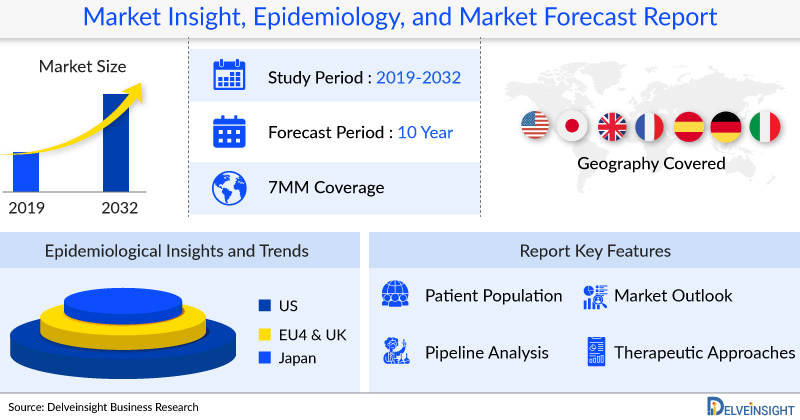
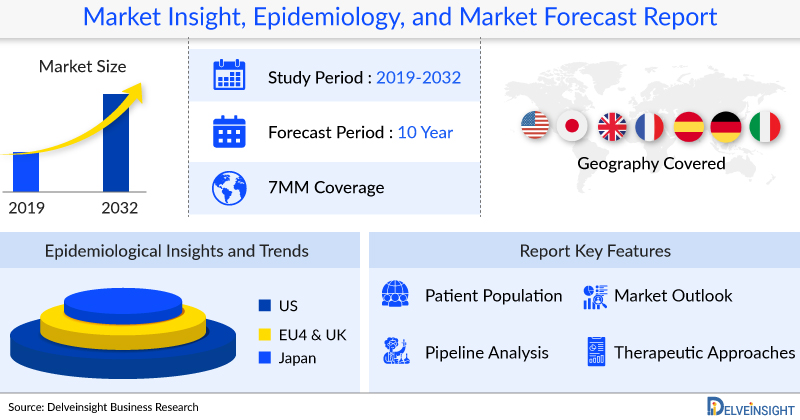
DelveInsight’s “Acute Respiratory Distress Syndrome Market Insights, Epidemiology, and Market Forecast 2034” report delivers an in-depth understanding of the disease, historical and forecasted epidemiology, as well as the Acute Respiratory Distress Syndrome market size, share, trends, and growth opportunities in the seven major markets (7MM) (i.e., the United States, EU4 (Germany, Spain, Italy, France), the United Kingdom and Japan).


The Acute Respiratory Distress Syndrome market report covers emerging drugs, current treatment practices, market share of individual therapies, and current & forecasted market size from 2020 to 2034. It also evaluates the current treatment practice/algorithm, key drivers & barriers impacting the market growth, and unmet medical needs to curate the best of the opportunities and assess the underlying potential of the market. 


Key highlights from the Acute Respiratory Distress Syndrome Market Report:


  • The market for acute respiratory distress syndrome (ARDS) in the 7MM was valued at approximately USD 941 million in 2023 and is projected to grow by 2034. Among the 7MM, the U.S. had the largest market share in 2023, accounting for around USD 666.9 million. This figure is expected to rise further by 2034 due to increasing rates of chronic health conditions and the emergence of new infectious diseases, including novel viral strains.

  • Several factors contribute to the rising incidence of ARDS. Environmental pollutants, such as air pollution and toxins, exacerbate respiratory issues. Additionally, chronic conditions like diabetes, heart disease, and obesity, especially when poorly managed, elevate the risk of developing ARDS.

  • The ARDS market is anticipated to experience steady growth from 2024 to 2034. This growth is driven by an aging population that is more susceptible to long-term illnesses, weakened immune systems, and an increased prevalence of viral and bacterial infections, including pneumonia, influenza, sepsis, and emerging coronavirus strains.

  • Current treatment strategies for ARDS include supportive care, mechanical ventilation, oxygen therapy, sedation, corticosteroids, ACE inhibitors, ARBs, neuromuscular blockers, inhaled vasodilators, and, in some cases, extracorporeal membrane oxygenation (ECMO). Supportive measures such as prone positioning, fluid management, and conservative fluid strategies are also used to optimize patient outcomes.


Read detailed insights on ARDS market outlook 2034 @ https://www.delveinsight.com/report-store/acute-respiratory-distress-syndrome-ards-market


Acute Respiratory Distress Syndrome Overview


Acute respiratory distress syndrome (ARDS) is a rapidly progressive condition that primarily affects critically ill patients. It is marked by the accumulation of fluid in the lungs, which severely impairs breathing and results in low blood oxygen levels. ARDS often arises as a complication of another serious illness or major injury, leading to fluid buildup in the lung’s tiny air sacs and a breakdown of surfactant.


The causes of ARDS are categorized into two main types: direct and indirect lung injuries. Direct lung injuries include conditions such as pneumonia, aspiration, and trauma. Indirect lung injuries involve systemic issues such as pancreatitis, severe infections (sepsis), blood transfusion reactions, burns, and adverse drug reactions.


The initial symptoms of ARDS typically include shortness of breath, cough, and fever. Other signs may involve low blood oxygen levels, rapid breathing, and abnormal lung sounds such as clicking, bubbling, or rattling.


ARDS is generally described in three stages: 


1. Exudative Stage: Occurs within the first 2 to 4 days after lung injury, characterized by the accumulation of protein-rich fluid, excessive fluid, and inflammatory cells in the alveoli.


2. Fibroproliferative (Proliferative) Stage: This stage involves the proliferation of connective tissue and structural elements in response to lung injury. Patients are at higher risk for complications like pneumonia, sepsis, and lung rupture during this phase.


3. Resolution and Recovery Stage: During this phase, the lung begins to reorganize and recover, with potential improvements in lung function. 


Some experts also identify a fourth phase, where patients may face long-term health issues or psychological effects similar to post-traumatic stress disorder (PTSD), including anxiety, depression, and flashbacks related to their critical illness.


Acute respiratory distress syndrome diagnosis


Early detection of acute respiratory distress syndrome (ARDS) is crucial for promptly initiating lung-protective ventilation strategies. Despite efforts to refine disease definitions, ARDS is often under-recognized by clinicians, with diagnoses frequently delayed. Reports suggest that up to 40% of ARDS cases are under-diagnosed, with diagnostic rates improving as the disease severity increases. ARDS diagnosis relies on several clinical criteria, none of which are particularly precise. For instance, the Berlin definition has a specificity of only 63% for detecting diffuse alveolar damage (DAD) at autopsy. Currently, no specific biomarker exists for ARDS diagnosis, making this a significant focus of ongoing research.


Chest X-rays (CXR) have relatively low sensitivity and specificity (around 70%) compared to CT scans for diagnosing ARDS. CXR is more effective in identifying diffuse or patchy infiltrates than focal ones. The use of CT scans and other imaging techniques has become increasingly important in diagnosing and managing ARDS. Additionally, lung ultrasound is gaining recognition as a useful bedside tool for facilitating ARDS diagnosis.


Acute Respiratory Distress Syndrome Treatment Market


The treatment of acute respiratory distress syndrome (ARDS) primarily involves supportive care. This includes mechanical ventilation, prevention of stress ulcers and venous thromboembolism, and nutritional support. Effective supportive care for ARDS patients, as with other ICU patients, encompasses early enteral feeding, good glycemic control, prevention of deep venous thrombosis, and prophylaxis against stress ulcers. It is also crucial to identify and treat any underlying infections with antibiotics tailored to culture sensitivities; if cultures are unavailable, antibiotics should target common pathogens relevant to the infection site.


Additional treatments for ARDS patients typically involve supplemental oxygen, prone positioning, the use of neuromuscular blockers (paralytics), fluid management, and positive end-expiratory pressure (PEEP) to help expel fluid from the air sacs. These supportive measures are combined with ongoing treatment of the primary illness or injury. Given that ARDS patients are more susceptible to lung infections, such as bacterial pneumonia, antibiotics are administered to manage these infections. Supportive care may also include intravenous fluids or nutrition as needed.


Acute Respiratory Distress Syndrome Epidemiology Assessment 


The epidemiology section provides insights into the historical, current, and forecasted epidemiology trends in the seven major countries (7MM) from 2020 to 2034. It helps to recognize the causes of current and forecasted epidemiology trends by exploring numerous studies and research. The epidemiology section also provides a detailed analysis of diagnosed and prevalent patient pool, future trends, and views of key opinion leaders. 


Acute Respiratory Distress Syndrome Epidemiology Insights:


  • In 2023, DelveInsight estimated approximately 862,000 new cases of acute respiratory distress syndrome (ARDS) across the 7MM. This number is expected to rise over the forecast period from 2024 to 2034, largely due to environmental factors such as air pollution and toxin exposure, which exacerbate respiratory diseases.

  • In the U.S., there were about 545,000 new ARDS cases in 2023. This figure is anticipated to grow by 2034 due to the increasing prevalence of chronic conditions like diabetes, heart disease, and obesity.

  • Among the EU4 and the UK, Germany had the highest incidence of ARDS with approximately 157,000 cases in 2023, followed by Italy with around 45,000 cases. Spain had the lowest incidence, with about 21,000 cases.

  • In 2023, the EU4 and the UK reported approximately 44,000 cases of mild ARDS, 132,000 cases of moderate ARDS, and 122,000 cases of severe ARDS.

  • In Japan, there were about 19,000 new ARDS cases in 2023. The primary risk factors included pneumonia (34%), sepsis (29%), trauma (7%), aspiration (10%), pancreatitis (2%), other causes (16%), and unknown factors (2%).


Acute Respiratory Distress Syndrome Emerging Drugs


  • EB05 (paridiprubart): Edesa Biotech/Light Chain Biosciences

  • Alteplase (Actilyse): Boehringer Ingelheim/ Genentech

  • BIO-11006: BioMarck Pharmaceuticals

  • ExoFlo (DB-001): Direct Biologics


Learn How the Acute Respiratory Distress Syndrome Market Will Evolve and Grow by 2034 @ https://www.delveinsight.com/sample-request/acute-respiratory-distress-syndrome-ards-market


Acute Respiratory Distress Syndrome Market


Despite decades of research, treatment options for acute respiratory distress syndrome (ARDS) remain limited. The primary approach to managing ARDS continues to be supportive care with mechanical ventilation, as there are relatively few available treatments.


In addition to mechanical ventilation, ARDS management often includes supplemental oxygen, prone positioning, neuromuscular blockers (paralytics), fluid management, and the use of positive end-expiratory pressure (PEEP) to help remove fluid from the air sacs. These treatments are combined with ongoing management of the underlying illness or injury. ARDS patients are also at increased risk for bacterial pneumonia, so antibiotics are administered as needed. Supportive care may include intravenous fluids and nutrition.


Key pathophysiological issues in ARDS include alveolar flooding and pulmonary edema. Experimental studies have shown that β2 agonists can enhance sodium transport by activating β2 receptors on alveolar cells, potentially accelerating the resolution of pulmonary edema.


Alveolar epithelial injury is a significant contributor to ARDS, and accelerating the repair of these epithelial cells may help resolve pulmonary edema and lung injury. Keratinocyte growth factor (KGF) plays a crucial role in alveolar epithelial repair, and both experimental and clinical studies suggest that KGF could be beneficial for ARDS patients.


The U.S. FDA has issued an emergency use authorization (EUA) for Actemra/RoActemra (tocilizumab) for the treatment of hospitalized adults and pediatric patients (2 years and older) who are receiving systemic corticosteroids and need supplemental oxygen, non-invasive or invasive mechanical ventilation, or extracorporeal membrane oxygenation (ECMO). Additionally, the FDA has approved Pluristem Therapeutics’ Expanded Access Program (EAP) for using its PLX-PAD cells to treat ARDS caused by COVID-19, outside of the ongoing Phase II study. Current therapies have mainly addressed ARDS-related inflammation, with no specific treatments available for impaired lung function.


To address the significant unmet needs in ARDS treatment, companies worldwide are focusing on developing new therapies. Emerging treatments are anticipated to have a substantial impact on the ARDS market. These include EB05 (Edesa Biotech), BIO-11006 (BioMarck Pharmaceuticals), MultiStem (Athersys), Alteplase (Boehringer Ingelheim/Genentech), Lucinactant (Windtree Therapeutics), and DB-001 (Direct Biologics), which are expected to launch between 2024 and 2034.


According to DelveInsight, the ARDS market dynamics are expected to evolve in the coming years with the introduction of these new therapies.


Leading Players in the Acute Respiratory Distress Syndrome Therapeutics Market Include:

MediciNova, Edesa Biotech, Light Chain Biosciences, Boehringer Ingelheim, Genentech, Windtree Therapeutics, Biomarck Pharmaceuticals, Athersys, Healios, Direct Biologics, Biohaven Pharmaceutical, Arch Biopartners, APEPTICO Forschung und Entwicklung GmbH, Staidson (Beijing) Biopharmaceuticals, Veru, Mesoblast Limited, Avalo Therapeutics, Pluristem Therapeutics, ILTOO Pharma, and others.

Table of Contents


1. Key Insights

2. Executive Summary 

3. Acute Respiratory Distress Syndrome Competitive Intelligence Analysis

4. Acute Respiratory Distress Syndrome Market Overview at a Glance

5. Acute Respiratory Distress Syndrome Disease Background and Overview

6. Acute Respiratory Distress Syndrome Patient Journey

7. Acute Respiratory Distress Syndrome Epidemiology and Patient Population (In the US, EU5, and Japan)

8. Acute Respiratory Distress Syndrome Treatment Algorithm, Current Treatment, and Medical Practices

9. Acute Respiratory Distress Syndrome Unmet Needs

10. Key Endpoints of Acute Respiratory Distress Syndrome Treatment

11. Acute Respiratory Distress Syndrome Marketed Products

12. Acute Respiratory Distress Syndrome Emerging Drugs and Latest Therapeutic Advances

13. Acute Respiratory Distress Syndrome Seven Major Market Analysis

14. Attribute Analysis

15. Acute Respiratory Distress Syndrome Market Outlook (In US, EU5, and Japan)

16. Acute Respiratory Distress Syndrome Access and Reimbursement Overview

17. KOL Views on the Acute Respiratory Distress Syndrome Market

18. Acute Respiratory Distress Syndrome Market Drivers

19. Acute Respiratory Distress Syndrome Market Barriers

20. Appendix

21. DelveInsight Capabilities

22. Disclaimer

Trending Reports by DelveInsight:

Adalimumab Biosimilar Market  | Arbovirus Infection Market | Artificial Pancreas Device System Market | Dental Equipment Market | Gluten Sensitivity Market | Hypothyroidism Market | Inflammatory Bowel Disease Market | Mayus Kinase Jak Inhibitors Market | Mild Dry Eye Market | Mucopolysaccharidosis Market | Oncolytic Virus Cancer Therapy Market | Pyoderma Gangrenosum Market | Transdermal Drug Delivery Devices Market 

Media Contact
Company Name: DelveInsight Business Research LLP
Contact Person: Kritika Rehani
Email: Send Email
Phone: +14699457679
Address:304 S. Jones Blvd #2432
City: Las Vegas
State: Nevada
Country: United States
Website: https://www.delveinsight.com/


Press Release Distributed by ABNewswire.com

To view the original version on ABNewswire visit: Acute Respiratory Distress Syndrome Market size in 7MM was ~USD 941 million in 2023, asserts DelveInsight | MediciNova, Edesa Biotech, Light Chain Biosciences, Boehringer Ingelheim, Genentech
Acute Lymphocytic Leukemia Pipeline Assessment 2024 | Clinical Trials, Emerging Drugs, Latest FDA, EMA, and PMDA Approvals, Competitive Landscape, Key Companies | AbbVie, Autolus Limited, Celgene

“Acute Lymphocytic Leukemia Pipeline Assessment 2024”
DelveInsight’s “Acute Lymphocytic Leukemia – Pipeline Insight, 2024,” report provides comprehensive insights about 125+ companies and 130+ pipeline drugs in Acute Lymphocytic Leukemia pipeline landscape. It covers the pipeline drug profiles, including clinical and nonclinical stage products. It also covers the therapeutics assessment by product type, stage, route of administration, and molecule type. It further highlights the inactive pipeline products in this space.

“Acute Lymphocytic Leukemia  (ALL) Pipeline Insight, 2024” report by DelveInsight outlines a comprehensive assessment of the present clinical/non-clinical development activities and growth prospects across the Acute Lymphocytic Leukemia Market. 


The Acute Lymphocytic Leukemia Pipeline report embraces in-depth commercial and clinical assessment of the pipeline products from the pre-clinical developmental phase to the marketed phase. The report also covers a detailed description of the drug, including the mechanism of action of the drug, clinical studies, NDA approvals (if any), and product development activities comprising the technology, collaborations, mergers, acquisition, funding, designations, and other product-related details.


Recent Advancement in the Acute Lymphocytic Leukemia Pipeline Domain:


  • Novel chemoimmunotherapy approach shows promise for B-cell acute lymphoblastic leukemia in phase 1 study at Fred Hutch


Acute Lymphocytic Leukemia Overview


Acute Lymphocytic Leukemia, also known as acute lymphoblastic leukemia, is a rapidly progressing cancer that can become fatal within a few months if left untreated. The term “acute” indicates the fast progression of the disease, while “lymphocytic” refers to its origin in immature lymphocytes, a type of white blood cell. ALL begins in the bone marrow, the soft tissue inside bones where new blood cells are produced. It often quickly spreads to the blood and can also invade other parts of the body, including the lymph nodes, liver, spleen, central nervous system (brain and spinal cord), and, in males, the testicles. Unlike ALL, cancers originating in these organs and then spreading to the bone marrow are not classified as leukemia.


The early symptoms of ALL can resemble those of the flu or other common illnesses. Common signs and symptoms include fatigue or weakness, fever or night sweats, easy bruising or bleeding, petechiae (small, flat red or purple spots under the skin due to bleeding), shortness of breath, weight loss or loss of appetite, bone or abdominal pain, swelling or lumps in the neck, underarm, abdomen, or groin, and frequent infections.


To diagnose ALL, the following tests and procedures are commonly used: a physical examination and health history review, a complete blood count (CBC) with differential, and a bone marrow aspiration and biopsy.


Acute Lymphocytic Leukemia Pipeline Analysis


The report provides insights into: 

  • The report provides detailed insights into the emerging therapies for the treatment of Acute Lymphocytic Leukemia and the aggregate therapies developed by major pharma companies.

  • It accesses the different therapeutic candidates segmented into early-stage, mid-stage, and late-stage of clinical development.

  • It outlines the key companies involved in targeted therapeutics development with respective active and inactive (dormant or discontinued) projects.

  • The report evaluates the drugs that are under development based on the stage of development, route of administration, target receptor, monotherapy or combination therapy, a different mechanism of action, and molecular type. 

  • It navigates the major collaborations (company-company collaborations and company-academia collaborations), licensing agreements, financing details, data presentation by the pharma giants, and regulatory approval in the Acute Lymphocytic Leukemia market.


Analysis of Emerging Therapies by Phases

The report covers the emerging products under different phases of clinical development like

  • Late stage products (Phase III)

  • Mid-stage products (Phase II)

  • Early-stage product (Phase I) 

  • Pre-clinical and Discovery stage candidates

  • Discontinued & Inactive candidates


Route of Administration


Acute Lymphocytic Leukemia pipeline report provides the therapeutic assessment of the pipeline drugs by the Route of Administration. Products have been categorized under various ROAs, such as

  • Infusion

  • Intradermal

  • Intramuscular

  • Intranasal

  • Intravenous

  • Oral

  • Parenteral

  • Subcutaneous

Molecule Type

Products have been categorized under various Molecule types, such as

  • Gene therapies

  • Small molecule

  • Vaccines

  • Polymers

  • Peptides

  • Monoclonal antibodies


Learn How the Ongoing Clinical & Commercial Activities will Affect the Acute Lymphocytic Leukemia Therapeutic Segment @ https://www.delveinsight.com/sample-request/acute-lymphocytic-leukemia-all-pipeline-insight


Acute Lymphocytic Leukemia Emerging Drugs


  • Orca-T: Orca Biosystems, Inc.

  • TGRX-814: Shenzhen TargetRx, Inc.

  • UCART22: Cellectis


Major Players in Acute Lymphocytic Leukemia


There are approx. 125+ key acute lymphocytic leukemia companies which are developing the therapies for Acute Lymphocytic Leukemia. The companies which have their Acute Lymphocytic Leukemia drug candidates in the most advanced stage, i.e. phase III include Orca Biosystems, Inc. and others

AbbVie, Autolus Limited, Celgene, Cellectis S.A., Jazz Pharmaceuticals, Juventas Cell Therapy Ltd., Novartis Pharmaceuticals, PersonGen BioTherapeutics, Pinze Lifetechnology Co. Ltd., Takara Bio Inc., and others are working in the Acute Lymphocytic Leukemia Market.


Request the Sample PDF to Get a Better Understanding of the Emerging Drugs and Key Companies @ https://www.delveinsight.com/sample-request/acute-lymphocytic-leukemia-all-pipeline-insight

Table of Contents


1. Report Introduction

2. Executive Summary

3. Acute Lymphocytic Leukemia Current Treatment Patterns

4. Acute Lymphocytic Leukemia – DelveInsight’s Analytical Perspective

5. Therapeutic Assessment

6. Acute Lymphocytic Leukemia Late Stage Products (Phase-III)

7. Acute Lymphocytic Leukemia Mid-Stage Products (Phase-II)

8. Acute Lymphocytic Leukemia Early Stage Products (Phase-I)

9. Pre-clinical Products and Discovery Stage Products

10. Inactive Products

11. Dormant Products

12. Acute Lymphocytic Leukemia Discontinued Products

13. Acute Lymphocytic Leukemia Product Profiles

14. Key Companies in the Acute Lymphocytic Leukemia Market

15. Key Products in the Acute Lymphocytic Leukemia Therapeutics Segment

16. Dormant and Discontinued Products

17. Acute Lymphocytic Leukemia Unmet Needs

18. Acute Lymphocytic Leukemia Future Perspectives

19. Acute Lymphocytic Leukemia Analyst Review  

20. Appendix

21. Report Methodology

Media Contact
Company Name: DelveInsight Business Research LLP
Contact Person: Kritika Rehani
Email: Send Email
Phone: +14699457679
Address:304 S. Jones Blvd #2432
City: Las Vegas
State: Nevada
Country: United States
Website: https://www.delveinsight.com/


Press Release Distributed by ABNewswire.com

To view the original version on ABNewswire visit: Acute Lymphocytic Leukemia Pipeline Assessment 2024 | Clinical Trials, Emerging Drugs, Latest FDA, EMA, and PMDA Approvals, Competitive Landscape, Key Companies | AbbVie, Autolus Limited, Celgene

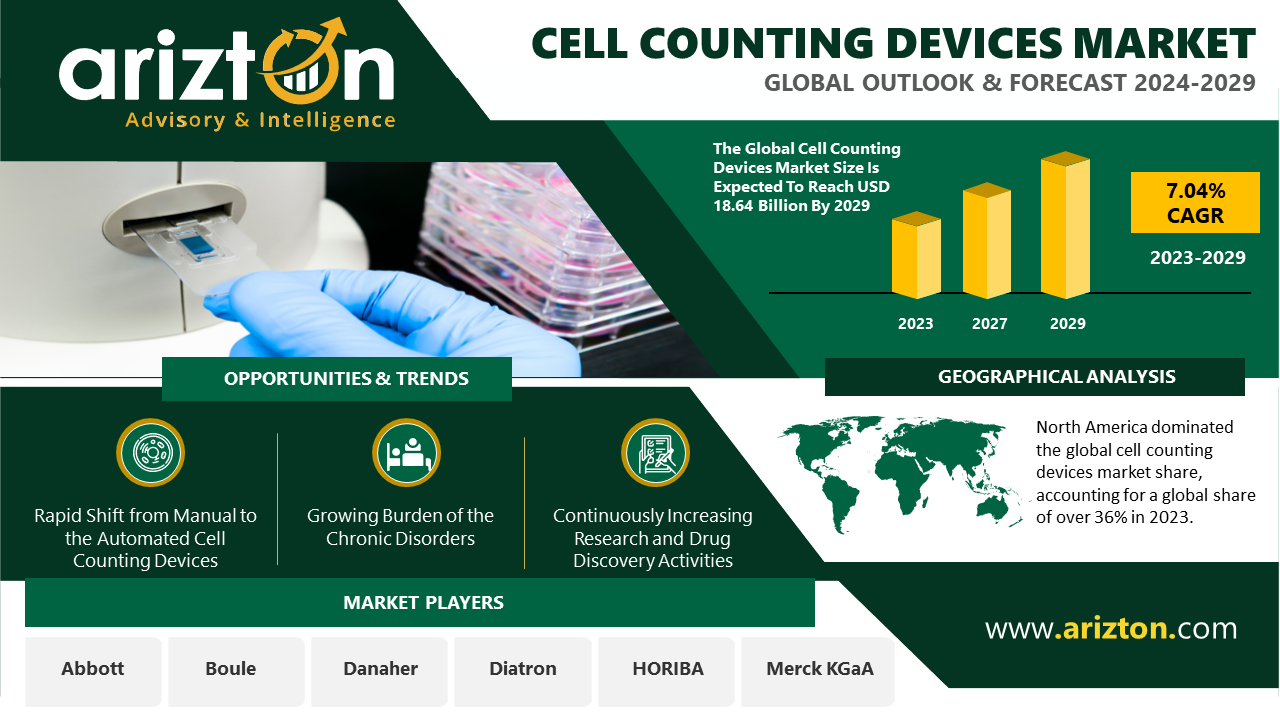
The Cell Counting Devices Market is Set to Reach $18.64 Billion by 2029 – Arizton

“Cell Counting Devices Market Research Report by Arizton”
Industry Analysis Report, Regional Outlook, Growth Potential, Price Trends, Competitive Market Share & Forecast 2024–2029.

According to Arizton’s latest research report, the cell counting devices market will grow at a CAGR of 7.04% during 2023-2029. 


To Learn More About the Market, Visit: https://www.arizton.com/market-reports/cell-counting-devices-market 


Cell Counting Devices Market Report Scope   

Market Size (2029): $18.64 Billion  

Market Size (2023): $12.39 Billion  

CAGR (2023-2029): 7.04%  

Historic Year: 2020-2022  

Base Year: 2023  

Forecast Year: 2024-2029  

Market Segmentation: Product, Applications, End-Users, and Geography 

Geographic Analysis: North America, Europe, APAC, Latin America, and Middle East & Africa  


Stay ahead of the curve with Arizton’s exclusive subscription plan, offering in-depth analysis, market sizing, and growth forecasts for less than $900 per month—a significant value compared to individual report purchases. Click here: https://www.arizton.com/subscription          


The global market for cell counting devices is highly dynamic, shaped by various trends, opportunities, enablers, and challenges. Key drivers include a significant patient population and expanding R&D activities in cell research. Technological advancements, particularly in automated and fully automated cell counters, are pivotal in driving revenue growth. Traditional cell counters remain prevalent in developing markets due to their affordability and simplicity. Conversely, developed markets are increasingly adopting automated devices to address labor shortages and enhance efficiency. The pharmaceutical, biotech, and healthcare sectors are major adopters, leveraging automated technologies for enhanced productivity. Ongoing technological developments are further diversifying options and expanding the utility of cell counting devices in routine laboratories and diagnostic applications. 


Market Trends & Drivers 

Automated cell counting devices represent a transformative leap in the life sciences and healthcare sectors. Originating with the Coulter Counter in the 1950s, early adoption was hindered by cost and complexity. Manual cell counting remained prevalent until recent decades, when advancements spurred significant market growth. Millipore’s introduction of the first handheld automated cell counter in 2009 marked a turning point, followed by innovations like the first fully automated fluorescent cell counter in 2021. These devices streamline cell counting, eliminating laborious manual methods and microscope use. Affordable introductory models priced from $2,000 to $5,000 have democratized access, particularly in middle and high-income countries. Fluorescence capabilities cater to cell biology’s demands, enhancing device appeal and functionality. Automated technologies now facilitate cell culture and counting directly within incubators, further driving adoption and efficiency in laboratory operations. 


Pharma & Biotech Firms Dominate Market, Unveiling Lucrative Opportunities in Cell Counting Technologies 

In 2023, the pharmaceutical and biotechnology companies sector held a dominant share of 33.70% in the global cell counting devices market. These industries are pivotal in driving revenues for cell counting devices and consumables. The increasing focus on cell and gene therapy trials, alongside the expanding interest in regenerative medicines involving stem cell research, are key factors fueling the demand for cell counters within pharmaceutical and biotechnology firms. Over recent years, there has been a notable surge in research and development (R&D) expenditures, with the pharmaceutical industry alone dedicating approximately $90 billion to R&D activities in 2022. Between 2010 and 2019, a significant number of new drugs were approved, peaking at 59 in 2018, which boosted drug sales by 60% compared to the previous decade. This heightened R&D investment and activity levels within the pharmaceutical sector continue to drive the demand for cell counting devices.Bottom of Form 


Global Cell Counting Devices Market Sees Intense Competition and Strategic Alliances Among Pharma and Biotech Leaders 

The cell counting devices market is dynamic with many global, regional, and local players offering diverse technologies. Hematology analyzers play a pivotal role, intensifying competition among vendors. Leading pharmaceutical and biotech companies drive significant demand, fueled by robust R&D in cell and gene therapies and regenerative medicine. Strategic collaborations and partnerships are key strategies for maintaining competitive advantage. For instance, Merck KGaA’s collaboration with Mersana Therapeutics highlights efforts to innovate in antibody-drug conjugates. Strategic acquisitions, like Danaher’s acquisition of GE Life Sciences’ biopharma business and Agilent Technologies’ acquisition of BioTek Instruments, underscore efforts to enhance market presence and technology offerings. Vendors also emphasize long-term relationships with distributors to bolster market penetration and expand geographic reach. 


Buy this Research @ https://www.arizton.com/market-reports/cell-counting-devices-market 


Key Company Profiles 

  • Abbott 

  • Bio-Rad Laboratories 

  • Boule 

  • Danaher 

  • Diatron 

  • HORIBA 

  • Merck KGaA 

  • PerkinElmer 

  • Siemens Healthineers 

  • Sysmex Corporation 

  • Thermo Fisher Scientific 

  • Advanced Instruments 

  • Agilent Technologies 

  • Axion BioSystems 

  • Aligned Genetics (Logos Biosystems) 

  • Alphatec Scientific 

  • Agappe Diagnostics 

  • Analyticon Biotechnologies 

  • Balio Diagnostics 

  • B&E BIO-TECHNOLOGY 

  • BioSystems Diagnostics 

  • Bioway Biological Technology 

  • BIOSYSY Scientific Devices GmbH 

  • Benchmark Scientific 

  • BD 

  • Bruker Spatial Biology (NanoString Technologies, Inc.) 

  • Bentley Instruments 

  • ChemoMetec 

  • Corning Incorporated 

  • Curiosis Inc 

  • Cytek Biosciences 

  • Cole-Parmer Instrument Company 

  • Cellular Technology Limited (Immunospot) 

  • CLINDIAG SYSTEMS 

  • CONTECH MEDICAL SYSTEMS 

  • Convergent Technologies 

  • CPC Diagnostics 

  • DIAGON 

  • Dirui 

  • Drucker Diagnostics 

  • DeNovix 

  • EDAN Instruments 

  • F. Hoffmann-La Roche 

  • Genrui Biotech 

  • High Technology 

  • Hospitex International Ltd 

  • LINEAR CHEMICALS 

  • Maccura Biotechnology 

  • Meril Life Sciences 

  • Medsource Ozone Biomedicals 

  • NIHON KOHDEN CORPORATION 

  • Norma Instruments 

  • NanoEntek 

  • Paul Marienfeld GmbH & Co. KG 

  • RWD Life Sciences Co., LTD. 

  • Revvity 

  • Sartorius AG 

  • Shenzhen Mindray Bio-Medical Electronics 

  • Shenzhen Landwind Industry 

  • Prestige Diagnostics 

  • SFRI 

  • Shenzhen Dymind Biotechnology 

  • Shenzhen Prokan Electronics 

  • SPINREACT 

  • Trivitron Healthcare 

  • Tecan Trading Ag 

  • Tip Biosystems 


Market Segmentation  

Product 

  • Consumables 

  • Instruments 

Applications 

  • Research, Development, & Bioprocessing 

  • Clinical Diagnostics 

  • Other Applications 

End-Users 

  • Pharma & Biotech Companies 

  • Diagnostics Laboratories 

  • Research Institutes & Labs 

  • CDMOs & CROs 

  • Other End-users 

Geography 

  • North America 

  • The US 

  • Canada 

  • Europe 

  • Germany 

  • France 

  • The UK 

  • Italy 

  • Spain 

  • Russia 

  • Poland 

  • APAC 

  • China 

  • Japan 

  • India 

  • South Korea 

  • Australia 

  • Indonesia 

  • Latin America 

  • Brazil 

  • Mexico 

  • Argentina 

  • Middle East & Africa 

  • Turkey 

  • Saudi Arabia 

  • South Africa 

  • The UAE 


Key Questions Answered in the Report: 

What is the growth rate of the global cell counting devices market? 

How big is the cell counting devices market? 

What are the significant trends in the cell counting devices industry? 

Which region dominates the global cell counting devices market share? 

Who are the key players in the global cell counting devices market? 


Check Out Some of the Top-Selling Research Reports:   

Safety Cabinet Market – Global Outlook & Forecast 2024-2029 

https://www.arizton.com/market-reports/safety-cabinet-market 

IVD Contract Manufacturing Market – Global Outlook & Forecast 2024-2029 

https://www.arizton.com/market-reports/ivd-contract-manufacturing-market  


Why Arizton?                                  

100% Customer Satisfaction                                  

24×7 availability – we are always there when you need us                                  

200+ Fortune 500 Companies trust Arizton’s report                                  

80% of our reports are exclusive and first in the industry                                  

100% more data and analysis                                  

1500+ reports published till date                


Post-Purchase Benefit                              

  • 1hr of free analyst discussion                              

  • 10% off on customization           


About Us:                                                                       

Arizton Advisory and Intelligence is an innovative and quality-driven firm that offers cutting-edge research solutions to clients worldwide. We excel in providing comprehensive market intelligence reports and advisory and consulting services.                                                                     

We offer comprehensive market research reports on consumer goods & retail technology, automotive and mobility, smart tech, healthcare, life sciences, industrial machinery, chemicals, materials, I.T. and media, logistics, and packaging. These reports contain detailed industry analysis, market size, share, growth drivers, and trend forecasts.                                                                      

Arizton comprises a team of exuberant and well-experienced analysts who have mastered generating incisive reports. Our specialist analysts possess exemplary skills in market research. We train our team in advanced research practices, techniques, and ethics to outperform in fabricating impregnable research reports.                                                                            

Media Contact
Company Name: Arizton Advisory & Intelligence
Contact Person: Jessica
Email: Send Email
Phone: +1-312-235-2040/+1 302 469 0707    
Country: United States
Website: https://www.arizton.com/market-reports/cell-counting-devices-market


Press Release Distributed by ABNewswire.com

To view the original version on ABNewswire visit: The Cell Counting Devices Market is Set to Reach $18.64 Billion by 2029 – Arizton

Acute Myeloid Leukemia Pipeline Analysis 2024 | Clinical Trials, Emerging Drugs, Latest FDA, EMA, and PMDA Approvals, Competitive Landscape, Key Companies | Abbvie, Actinium Pharmaceuticals

“Acute Myeloid Leukemia Pipeline Insight, 2024”
DelveInsight’s, “Acute Myeloid Leukemia Pipeline Insight, 2024” report provides comprehensive insights about 110+ companies and 120+ pipeline drugs in the Acute Myeloid Leukemia pipeline landscape. It covers the pipeline drug profiles, including Acute Myeloid Leukemia clinical trials and nonclinical stage products. It also covers the therapeutics assessment by product type, stage, route of administration, and molecule type. It further highlights the inactive pipeline products in this space.

Acute Myeloid Leukemia Pipeline Insight, 2024” report by DelveInsight outlines a comprehensive assessment of the present clinical/non-clinical development activities and growth prospects across the Acute Myeloid Leukemia Market. 


The Acute Myeloid Leukemia Pipeline report embraces in-depth commercial and clinical assessment of the pipeline products from the pre-clinical developmental phase to the marketed phase. The report also covers a detailed description of the drug, including the mechanism of action of the drug, clinical studies, NDA approvals (if any), and product development activities comprising the technology, collaborations, mergers, acquisition, funding, designations, and other product-related details.


Acute Myeloid Leukemia Overview


Acute Myeloid Leukemia (AML) is a cancer affecting the bone marrow and blood. In AML, the bone marrow produces abnormal myeloid cells—immature white blood cells that should normally mature into red blood cells, white blood cells, and platelets. These abnormal cells proliferate uncontrollably, displacing healthy blood cells and impairing normal bone marrow function. This disruption results in a shortage of healthy blood cells and can cause a range of symptoms and complications. Common signs of AML include fatigue, weakness, shortness of breath, easy bruising or bleeding, frequent infections, fever, and weight loss, all stemming from the insufficient production of healthy blood cells and the accumulation of abnormal cells in the bone marrow and bloodstream. AML tends to progress rapidly, necessitating prompt medical diagnosis and intervention.


AML arises from genetic mutations in hematopoietic stem cells, which lead to the overproduction of immature myeloid precursor cells in the bone marrow. These abnormal cells fail to mature properly and accumulate, crowding out normal blood cells. This results in bone marrow failure and reduced production of red blood cells, white blood cells, and platelets. The presence of leukemic cells in the bloodstream causes systemic issues such as anemia, increased susceptibility to infections due to low neutrophil levels (neutropenia), and bleeding tendencies from low platelet counts (thrombocytopenia). Leukemic cells can also infiltrate other organs, such as the spleen, liver, and lymph nodes, leading to organ enlargement and additional complications.


The exact cause of AML is often unclear, but several risk factors have been identified. These include exposure to high levels of radiation, certain chemicals like benzene, prior chemotherapy or radiation for other cancers, genetic disorders such as Down syndrome, and smoking. In many cases, however, the precise cause of AML remains unknown.


Diagnosis of AML typically involves a comprehensive physical examination, blood tests to assess various blood cell levels and other markers, and a bone marrow biopsy to identify abnormalities in bone marrow cells. Treatment usually consists of chemotherapy to eradicate the abnormal cells and allow for the regeneration of healthy blood cells. Depending on the individual case, a bone marrow transplant may be recommended to replace the diseased marrow with healthy donor cells. Additional treatments, such as targeted therapy and immunotherapy, may also be employed based on the cancer’s specific characteristics and the patient’s overall health. Early detection and intervention are crucial for improving outcomes and enhancing the likelihood of long-term remission.


Recent advances in the Acute Myeloid Leukemia Pipeline Segment:


  • GlycoMimetics reports data from Phase III AML treatment trial: US-based biotechnology company GlycoMimetics has released topline results from its Phase III clinical trial of uproleselan, an E-selectin antagonist designed to treat relapsed/refractory acute myeloid leukaemia (r/r AML).

  • Thermo Fisher Scientific to Help Advance Myeloid Cancer Clinical Research and Treatment Utilizing Next Generation Sequencing Technology


Acute Myeloid Leukemia Pipeline Analysis


The report provides insights into: 

  • The report provides detailed insights into the emerging therapies for the treatment of Acute Myeloid Leukemia and the aggregate therapies developed by major pharma companies.

  • It accesses the different therapeutic candidates segmented into early-stage, mid-stage, and late-stage of clinical development.

  • It outlines the key companies involved in targeted therapeutics development with respective active and inactive (dormant or discontinued) projects.

  • The report evaluates the drugs that are under development based on the stage of development, route of administration, target receptor, monotherapy or combination therapy, a different mechanism of action, and molecular type. 

  • It navigates the major collaborations (company-company collaborations and company-academia collaborations), licensing agreements, financing details, data presentation by the pharma giants, and regulatory approval in the Acute Myeloid Leukemia market.


Analysis of Emerging Therapies by Phases


Report covers the emerging products under different phases of clinical development like –

  • Late stage products (Phase III)

  • Mid-stage products (Phase II)

  • Early-stage product (Phase I) 

  • Pre-clinical and Discovery stage candidates

  • Discontinued & Inactive candidates


Route of Administration


The Acute Myeloid Leukaemia pipeline report provides the therapeutic assessment of the pipeline drugs by the Route of Administration. Products have been categorized under various ROAs such as:


  • Oral

  • Intravenous

  • Subcutaneous


Molecule Type

Acute Myeloid Leukaemia Products have been categorized under various Molecule types such as

  • Small molecule

  • Cell Therapy

  • Peptides

  • Polymer

  • Small molecule

  • Gene therapy


Learn How the Ongoing Clinical & Commercial Activities will Affect the Acute Myeloid Leukemia Therapeutic Segment @ https://www.delveinsight.com/sample-request/acute-myeloid-leukemia-aml-pipeline-insight


Acute Myeloid Leukaemia Emerging Drugs


Uproleselan: GlycoMimetics


GlycoMimetics is developing uproleselan, a specific E-selectin antagonist, to be used in combination with chemotherapy to treat patients with Acute Myeloid Leukemia (AML) (AML) and potentially other hematologic cancers. Uproleselan is designed to bind to E-selectin and block the normal processes controlled by E-selectin. E-selectin is expressed on the surface of blood vessels, and its binding to myeloid cells confers a pro-survival effect via NF-kB signaling. Uproleselan is designed to provide a novel approach to disrupting established mechanisms of leukemic cell resistance. It is believed that by binding to E-selectin, uproleselan pushes AML cells out of their protective niche, blocks cellular communication signals that promote survival, and sensitizes cancer cells to the toxic effects of chemotherapy. Currently, the drug is in Phase III stage of its development for the treatment of Acute Myeloid Leukemia (AML).


BST-236: BioSight


Aspacytarabine (BST-236) is a novel proprietary anti-metabolite. It is composed of cytarabine covalently bound to asparagine, acting as a pro-drug of cytarabine, enabling delivery of high cytarabine doses to leukemia patients with lower systemic exposure to the free drug. Currently, the drug is in Phase II stage of its development for the treatment of Acute Myeloid Leukemia (AML).


MK-0482: Merck Sharp & Dohme LLC


MK-0482, a novel humanized IgG4 mAb targeting ILT3, is undergoing phase I evaluation ±pembrolizumab (pembro) in advanced solid tumors. MK-0482 ± pembro was generally well tolerated, and combination therapy provided modest antitumor activity in patients with heavily pretreated advanced solid tumors. The RP2D of MK-0482 + pembro is under further evaluation in tumor-specific cohorts. Currently, the drug is in Phase I stage of its development for the treatment of AML.


Ziftomenib – Kura Oncology


Ziftomenib is a novel, once-daily, oral investigational drug candidate targeting the menin-KMT2A/MLL protein-protein interaction for treatment of genetically defined AML patients with high unmet need. In preclinical models, ziftomenib inhibits the KMT2A/MLL protein complex and exhibits downstream effects on HOXA9/MEIS1 expression and potent anti-leukemic activity in genetically defined preclinical models of AML. Ziftomenib has received Orphan Drug Designation from the U.S. Food and Drug Administration for the treatment of AML. Currently, the drug is in Phase I/II stage of its development for the treatment of AML.


SENTI 202: Senti Biosciences


SENTI-202 is a first in class Logic-gated CAR-NK product engineered with an OR and a NOT Logic Gate gene circuit approach to enhance therapeutic efficacy and safety, with additional arming via expression of calibrated release IL-15 (crIL-15). A dual targeting activating CAR (aCAR) that recognizes both CD33 and FLT3 tumor antigens improves the anti-tumor activity, ensuring the targeting of AML blasts and LSCs. Currently, the drug is in Preclinical stage of its development for the treatment of AML.


Leading Players in the Acute Myeloid Leukemia Therapeutics Market are Abbvie, Actinium Pharmaceuticals, Agastiya Biotech, AGC Biologics S.p.A., Agios Pharmaceuticals, Allogene therapeutics, Aprea Therapeutics, Aptevo Therapeutics, Armaceutica, Arog Pharmaceuticals, Astellas Pharma, Astex Pharmaceuticals, Inc., AstraZeneca, Bellicum Pharmaceuticals, BerGenBio ASA, Bio-Path Holdings, Biosight Ltd., Bristol-Myers Squibb, Cardiff Oncology, Celgene, CellCentric Ltd., Chimerix, Clear Creek Bio Inc., CSPC ZhongQi Pharmaceutical Technology Co., Ltd., Curis, Inc., Daiichi Sankyo., DCPrime BV, Delta-Fly Pharma, Forma Therapeutics, GEMoaB Monoclonals, Gilead Sciences, GlycoMimetics, GlycoMimetics Incorporated, GT Biopharma, Inc., Hanmi Pharmaceutical Company Limited, Immune-Onc Therapeutics, Immunicum, ImmunityBio, ImmunoGen, Inc., Immunomedics, Inc., Incyte Corporation, Janssen Research & Development, LLC, Jasper Therapeutics, Jazz Pharmaceuticals, Kronos Bio, MacroGenics, MediGene, Molecular Partners, New Epsilon Innovation Limited, NexImmune Inc., Novartis, Oncoceutics, Orca Bio, PersonGen BioTherapeutics, Pfizer, Poseida Therapeutics, Precigen, Inc., Rafael Pharmaceuticals Inc., Sellas Life Sciences Group, Sumitomo Dainippon Pharma Co., Ltd., Syndax Pharmaceuticals, Synimmune GmbH, Syros Pharmaceuticals, Takeda Oncology, TC BioPharm, Teva Pharmaceutical Industries, Xencor, Inc., and others.


Request the Sample PDF to Get a Better Understanding of the Emerging Drugs and Key Companies @ https://www.delveinsight.com/sample-request/acute-myeloid-leukemia-aml-pipeline-insight


Table of Contents


1. Report Introduction

2. Executive Summary

3. Acute Myeloid Leukemia Current Treatment Patterns

4. Acute Myeloid Leukemia – DelveInsight’s Analytical Perspective

5. Therapeutic Assessment

6. Acute Myeloid Leukemia Late Stage Products (Phase-III)

7. Acute Myeloid Leukemia Mid-Stage Products (Phase-II)

8. Acute Myeloid Leukemia Early Stage Products (Phase-I)

9. Pre-clinical Products and Discovery Stage Products

10. Inactive Products

11. Dormant Products

12. Acute Myeloid Leukemia Discontinued Products

13. Acute Myeloid Leukemia Product Profiles

14. Key Companies in the Acute Myeloid Leukemia Market

15. Key Products in the Acute Myeloid Leukemia Therapeutics Segment

16. Dormant and Discontinued Products

17. Acute Myeloid Leukemia Unmet Needs

18. Acute Myeloid Leukemia Future Perspectives

19. Acute Myeloid Leukemia Analyst Review  

20. Appendix

21. Report Methodology

Trending Reports by DelveInsight:

Adalimumab Biosimilar Market   | Arbovirus Infection Market | Artificial Pancreas Device System Market | Dental Equipment Market | Gluten Sensitivity Market | Hypothyroidism Market | Inflammatory Bowel Disease Market | Mayus Kinase Jak Inhibitors Market | Mild Dry Eye Market | Mucopolysaccharidosis Market | Oncolytic Virus Cancer Therapy Market | Pyoderma Gangrenosum Market | Transdermal Drug Delivery Devices Market 

Media Contact
Company Name: DelveInsight Business Research LLP
Contact Person: Kritika Rehani
Email: Send Email
Phone: +14699457679
Address:304 S. Jones Blvd #2432
City: Las Vegas
State: Nevada
Country: United States
Website: https://www.delveinsight.com/


Press Release Distributed by ABNewswire.com

To view the original version on ABNewswire visit: Acute Myeloid Leukemia Pipeline Analysis 2024 | Clinical Trials, Emerging Drugs, Latest FDA, EMA, and PMDA Approvals, Competitive Landscape, Key Companies | Abbvie, Actinium Pharmaceuticals

Delivering Dreams International Surrogacy Agency Asserts Commitment to Ethical Practices in Response to Media Critique

Agency Highlights Rigorous Standards and Positive Record Amidst Challenges in Ukrainian Surrogacy Sector

Delivering Dreams International Surrogacy Agency addresses recent critical media reports about Ukrainian surrogacy, affirming its commitment to high ethical standards and the welfare of both surrogates and intended parents. The agency emphasizes the positive outcomes that often characterize Ukrainian surrogacy, contrasting with isolated negative incidents reported in the media.

Recent stories highlighted by ABC News have cast a shadow over the practice, citing instances such as the abandonment of a child by U.S. parents and substandard treatment of surrogates by another agency. Delivering Dreams points out that such incidents are not reflective of the overall industry, which is tightly regulated and generally successful.

The agency underscores the importance of selecting a reputable surrogacy partner. “When advisors or professionals recommend a single agency without alternatives, it’s crucial to consider the possibility of a conflict of interest,” states a spokesperson for Delivering Dreams. The agency ensures that intended parents are well-informed and directly involved in the surrogacy process, fostering open communication with their surrogate.

Delivering Dreams is dedicated to maintaining a transparent and supportive environment throughout the surrogacy journey. Surrogates undergo thorough screening and daily contact is maintained to ensure their well-being is prioritized, which in turn, benefits the health of the baby.

“In the context of ongoing challenges, including the backdrop of conflict in Ukraine, our mission has never wavered. We provide a safe and supportive experience for all parties involved,” the agency confirms. Delivering Dreams operates independently of any medical facility, allowing them to select the best possible care providers and swiftly address any issues, ensuring continuous, high-quality care.

For those considering the path of surrogacy in Ukraine, Delivering Dreams International Surrogacy Agency offers a robust support system and a commitment to excellence that sets them apart in the industry. Interested individuals are encouraged to reach out via phone at +1 908 386 3864, email info@delivering-dreams.com, or visit www.delivering-dreams.com. Further insights and support can be found by joining the agency’s Facebook group, “Intended Parents FB Group.”

About Delivering Dreams International Surrogacy Agency

Delivering Dreams International Surrogacy Agency champions a community-centric approach to surrogacy, advocating for the health and rights of surrogates while fulfilling the dreams of prospective parents. Based in New Jersey, USA, and Ukraine, the agency is a beacon of hope and a pillar of support for families around the world.

Media Contact
Company Name: Delivering Dreams International Surrogacy Agency
Contact Person: Susan Kibler
Email: Send Email
Country: United States
Website: http://www.delivering-dreams.com

Cowboy Bebop Store Unveils an Exclusively New Collection for the Discerning Fans of the Anime that highlights various philosophical themes

The latest line captures the Iconic Style and Spirit of Beloved Anime, whose first TV show aired back in 1998.

Cowboy Bebop Store, the premier destination for fans of the iconic anime series, has announced the launch of its exclusive new merchandise collection. This latest line pays homage to the timeless appeal of Cowboy Bebop, a series that has blended neo-noir and space Western elements to become a classic since its TV debut in 1998.

A senior spokesperson for the online store stated, “Cowboy Bebop has captivated audiences with its compelling characters, intricate storytelling, and unforgettable music. The series’ rich world-building, memorable characters, and genre-blending storytelling have created a deeply immersive experience that resonates with viewers. The show’s exploration of existentialism, loneliness, and redemption, with its stylish visuals and jazz-infused soundtrack, has cemented its place as a landmark in anime history. From the smooth-talking Spike Spiegel to the enigmatic Faye Valentine, the series has built a devoted following that spans generations and continents. Our new collection allows fans to connect with the series and bring a piece of the Bebop universe into their lives.”

The Cowboy Bebop Store collaborated with top designers to create a range of meticulously crafted, high-quality merchandise that showcases the best moments of the series. The new items features an array of products, including apparel like Cowboy Bebop Shirt and Cowboy Bebop Hoodie featuring fan-favorite characters like Spike Spiegel, Jet Black, Faye Valentine, Ein the data dog and Edward . Other items include detailed action figures and accessories like posters, and phone cases.

The spokesperson added, “Our exclusive collection captures the essence of Cowboy Bebop’s artistic brilliance and emotional depth. From cozy hoodies perfect for a night of anime marathons to intricately designed action figures that bring the characters to life, each item is crafted to delight fans and immerse them further into the world of Cowboy Bebop. We pride ourselves on offering authentic, high-quality merchandise representing the series’ creative vision.”

To celebrate the launch and support the franchise’s dedicated fanbase, the Cowboy Bebop Store is offering a special promotion: a 15% discount on orders over $100. Fans eager to explore the new collection and show their support for one of the most influential anime series of all time can visit the official Cowboy Bebop Store website at https://cowboybebop.store/

Media Contact
Company Name: Cowboy Bebop Store
Contact Person: Jerry Tim
Email: Send Email
Address:821 King Avenue
City: Waynesboro
State: VA 22980
Country: United States
Website: https://cowboybebop.store/

ANSI Recognizes Lorelei Carobolante with Meritorious Service Award for Contributions to Voluntary Standardization

WBEC-West Board Member and Manager & CEO of G2nd Systems Honored for Outstanding Service

The American National Standards Institute (ANSI) announced today that Lorelei Carobolante, WBEC-West Board Member, National Forum Representative, and Manager and CEO of G2nd Systems LLC, has been named a recipient of the prestigious ANSI Meritorious Service Award. This recognition highlights Carobolante’s significant contributions to the U.S. voluntary standardization system and her outstanding service in enabling ANSI to attain its foundational objectives.

Lorelei Carobolante is a global human capital management consultant-practitioner and a recognized thought leader in ISO HR management standards. Her extensive research and practice interests span international HR management, including global workforce mobility, organizational subsidiary expansion, upstream/downstream vendor management, ethical and socially responsible AI, workforce diversity and inclusion, workplace communication, HR certification, organizational performance metrics, and leadership development.

As the Manager and CEO of G2nd Systems, Carobolante leads a global HR consultancy renowned for its innovative models and proprietary technology. These advancements enhance HR management, mobile workforce effectiveness, and business communication across multilingual and multicultural workplaces. Her leadership in G2nd Systems has been instrumental in helping global organizations across various sectors, including biotech, energy, semiconductor, healthcare, pharmaceutical, transportation, online retail, manufacturing, and major not-for-profit associations, achieve their goals.

Carobolante’s contributions extend to her roles on non-profit boards and governance, including serving on the WBEC-West Board of Directors and as a National Forum Representative. She is also an influential figure in ISO Technical Committee 260 HR Management leadership roles and an ISO Registered Expert. Her leadership positions include Chair for ISO TC/260 HR Management United States Technical Advisory Committee and Convenor for ISO 30201 HR Management Systems Requirements. She has previously served as Project Leader for HRM – Diversity & Inclusion (ISO/TS30415:2021) and Impact of Hire Metrics (ISO/TS30410:2018).

Dr. Pamela Williamson, President and CEO of WBEC-West, commented on the recognition: “Lorelei Carobolante’s dedication to advancing HR management standards and her innovative contributions to the field are truly remarkable. Her work has had a profound impact on global workforce mobility and diversity, and she continues to set new standards of excellence in the industry. We are incredibly proud of her achievements and this well-deserved recognition by ANSI.”

“ANSI congratulates Lorelei Carobolante on her remarkable achievements and her dedication to advancing the standards and conformity assessment industry.”

About ANSI

The American National Standards Institute (ANSI) is a private non-profit organization whose mission is to enhance both the global competitiveness of U.S. business and the U.S. quality of life by promoting and facilitating voluntary consensus standards and conformity assessment systems and safeguarding their integrity. Its membership is comprised of businesses, professional societies and trade associations, standards developers, government agencies, and consumer and labor organizations. The Institute represents and serves the diverse interests of more than 270,000 companies and organizations and 30 million professionals worldwide. ANSI is the official U.S. representative to the International Organization for Standardization (ISO) and, via the U.S. National Committee, the International Electrotechnical Commission (IEC).

For more information, visit www.ansi.org and access the latest news and content on LinkedIn, X, and Facebook.

About Women’s Business Enterprise Council-West (WBEC-West)

WBEC-West is a regional partner of the Women’s Business Enterprise National Council (WBENC), a coalition of corporations, WBEs, and regionally focused women’s business organizations. As an affiliate organization, WBEC-West implements the certification standards of WBENC throughout Arizona, Colorado, Southern California, Utah, Wyoming, Nevada, Hawaii, and Guam. WBENC is the largest certifier of women’s business enterprises in the U.S. and a leading advocate for women business owners, leaders, and entrepreneurs. WBENC certification is nationally recognized and accepted by more than 10,000 major corporations. We also support corporations in their efforts to include WBENC Certified WBEs in their supply chain.

Visit www.wbec-west.org to learn more.

Media Contact
Company Name: WBEC-West
Contact Person: Tera Jenkins
Email: Send Email
Phone: 480-969-9232
Country: United States
Website: https://wbec-west.com/

Acute Ischemic Stroke Pipeline Assessment 2024 | In-depth Insights into the Clinical Trials, Emerging Drugs, Latest FDA, EMA, and PMDA Approvals, Competitive Landscape, Key Companies

“Acute Ischemic Stroke Pipeline Insight, 2024”
DelveInsight’s “Acute Ischemic Stroke Pipeline Insight, 2024,” report provides comprehensive insights about 30+ companies and 30+ pipeline drugs in the Acute Ischemic Stroke pipeline landscape. It covers the pipeline drug profiles, including clinical and nonclinical stage products. It also covers the therapeutics assessment by product type, stage, route of administration, and molecule type. It further highlights the inactive Acute Ischemic Stroke pipeline products in this space.

Acute Ischemic Stroke Pipeline Insight, 2024” report by DelveInsight outlines a comprehensive assessment of the present clinical/non-clinical development activities and growth prospects across the Acute Ischemic Stroke Market. 


The Acute Ischemic Stroke Pipeline report embraces in-depth commercial and clinical assessment of the pipeline products from the pre-clinical developmental phase to the marketed phase. The report also covers a detailed description of the drug, including the mechanism of action of the drug, clinical studies, NDA approvals (if any), and product development activities comprising the technology, collaborations, mergers, acquisition, funding, designations, and other product-related details.


Acute Ischemic Stroke Overview


Acute ischemic stroke (AIS) is a critical medical emergency resulting from a reduction in blood flow to the brain, leading to damage and death of brain cells. It is a major cause of death and disability in the U.S., impacting approximately 700,000 individuals annually. AIS occurs when blood vessels supplying the brain become blocked by a clot or narrowed, obstructing blood flow. This interruption prevents oxygen and nutrients from reaching brain tissue, causing cell death within minutes to hours. The severity of an ischemic stroke and its symptoms depend on the brain region affected and the extent of tissue damage.


Common signs and symptoms of AIS include sudden numbness or weakness in an arm or leg, facial droop, difficulty speaking or understanding speech, confusion, balance or coordination problems, and vision loss. Symptoms can vary, but they typically involve sudden weakness or numbness, especially on one side of the body, confusion, difficulty with speech, visual disturbances, and severe headaches with no obvious cause. Recognizing these symptoms can help healthcare providers identify the affected brain area. Given that stroke symptoms represent a medical emergency, immediate treatment is crucial to minimize brain damage and complications. Sometimes, an acute ischemic stroke is preceded by a transient ischemic attack (TIA), a brief episode of reduced blood flow to the brain.


High blood pressure is the primary risk factor for AIS, with additional risks including previous TIAs, smoking, high cholesterol, diabetes, obesity, end-stage kidney disease, and atrial fibrillation, a heart rhythm disorder.


Diagnosing an acute ischemic stroke involves a detailed medical history, physical examination, and diagnostic imaging. CT scans and MRIs are essential for identifying the type of stroke and assessing the affected brain areas. Treatment aims to restore blood flow to the brain as quickly as possible. This may involve thrombolytics (clot-busting drugs), mechanical clot removal in some cases, and medications to prevent further clots. Rehabilitation, including physical, occupational, and speech therapy, is often necessary to help patients regain strength, mobility, and communication abilities. The goal of treatment is to preserve brain tissue in areas with reduced blood flow but not yet infarcted, by restoring blood flow and enhancing collateral circulation. Effective recanalization strategies, such as recombinant tissue-type plasminogen activator, can reduce ischemic damage if administered promptly. Timely intervention is critical for improving recovery outcomes, highlighting the importance of seeking immediate medical attention for stroke symptoms.


Acute Ischemic Stroke Pipeline Analysis


The report provides insights into: 

  • The report provides detailed insights into the emerging therapies for the treatment of Acute Ischemic Stroke and the aggregate therapies developed by major pharma companies.

  • It accesses the different therapeutic candidates segmented into early-stage, mid-stage, and late-stage of clinical development.

  • It outlines the key companies involved in targeted therapeutics development with respective active and inactive (dormant or discontinued) projects.

  • The report evaluates the drugs that are under development based on the stage of development, route of administration, target receptor, monotherapy or combination therapy, a different mechanism of action, and molecular type. 

  • It navigates the major collaborations (company-company collaborations and company-academia collaborations), licensing agreements, financing details, data presentation by the pharma giants, and regulatory approval in the Acute Ischemic Stroke market.

The report is built using data and information traced from the researcher’s proprietary databases, company/university websites, clinical trial registries, conferences, SEC filings, investor presentations, and featured press releases from company/university websites and industry-specific third-party sources, etc.  


Analysis of Emerging Therapies by Phases


The report covers the emerging products under different phases of clinical development like

  • Late stage products (Phase III)

  • Mid-stage products (Phase II)

  • Early-stage product (Phase I) 

  • Pre-clinical and Discovery stage candidates

  • Discontinued & Inactive candidates

Route of Administration

Acute Ischemic Stroke pipeline report provides the therapeutic assessment of the pipeline drugs by the Route of Administration. Acute Ischemic Stroke Products have been categorized under various ROAs such as

  • Intra-articular

  • Intraocular

  • Intrathecal

  • Intravenous

  • Ophthalmic

  • Oral

  • Parenteral

  • Subcutaneous

  • Topical

  • Transdermal

Molecule Type


Acute Ischemic Stroke Products have been categorized under various Molecule types such as

  • Oligonucleotide

  • Peptide

  • Small molecule


Learn How the Ongoing Clinical & Commercial Activities will Affect the Acute Ischemic Stroke Therapeutic Segment @ https://www.delveinsight.com/sample-request/acute-ischemic-stroke-ais-pipeline-insight 


Acute Ischemic Stroke Emerging Drugs


  • Nelonemdaz: GNT Pharma

  • Glenzocimab : Acticor Biotech

  • NoNO-42: NoNO Inc.


There are approx. 30+ key Acute Ischemic Stroke companies which are developing the Acute Ischemic Stroke therapies. The companies which have their Acute Ischemic Stroke drug candidates in the most advanced stage, i.e. phase III include, GNT Pharma.


Leading Players in the Acute Ischemic Stroke Therapeutics Market are AbbVie, Acticor Biotech, Angde Biotech Pharmaceutical, aptaTargets, Athersys|Healios K.K., Bayer, Biogen, Biogen Inc., Bristol-Myers Squibb, Clinuvel Pharmaceuticals, DiaMedica Therapeutics, Genentech, Inc., GNT Pharma, Healios, Janssen Pharmaceutical, JCR Pharmaceuticals, Lumosa Therapeutics, NC Medical Research, NoNO Inc., NuvOx Pharma, Pharmazz, Pharming Group, PT. Prodia Stem Cell Indonesia, Revalesio Corporation, Roche, Shin Poong Pharmaceutical, Shionogi & Co., Ltd., Silver Creek Pharmaceuticals, Supergene, Tasly Pharmaceutical, TrueBinding, Inc, ZZ Biotech, and others.


Request the Sample PDF to Get a Better Understanding of the Emerging Drugs and Key Companies @ https://www.delveinsight.com/sample-request/acute-ischemic-stroke-ais-pipeline-insight


Table of Contents


1. Report Introduction

2. Executive Summary

3. Acute Ischemic Stroke Current Treatment Patterns

4. Acute Ischemic Stroke – DelveInsight’s Analytical Perspective

5. Therapeutic Assessment

6. Acute Ischemic Stroke Late Stage Products (Phase-III)

7. Acute Ischemic Stroke Mid-Stage Products (Phase-II)

8. Acute Ischemic Stroke Early Stage Products (Phase-I)

9. Pre-clinical Products and Discovery Stage Products

10. Inactive Products

11. Dormant Products

12. Acute Ischemic Stroke Discontinued Products

13. Acute Ischemic Stroke Product Profiles

14. Key Companies in the Acute Ischemic Stroke Market

15. Key Products in the Acute Ischemic Stroke Therapeutics Segment

16. Dormant and Discontinued Products

17. Acute Ischemic Stroke Unmet Needs

18. Acute Ischemic Stroke Future Perspectives

19. Acute Ischemic Stroke Analyst Review  

20. Appendix

21. Report Methodology

Media Contact
Company Name: DelveInsight Business Research LLP
Contact Person: Kritika Rehani
Email: Send Email
Phone: +14699457679
Address:304 S. Jones Blvd #2432
City: Las Vegas
State: Nevada
Country: United States
Website: https://www.delveinsight.com/


Press Release Distributed by ABNewswire.com

To view the original version on ABNewswire visit: Acute Ischemic Stroke Pipeline Assessment 2024 | In-depth Insights into the Clinical Trials, Emerging Drugs, Latest FDA, EMA, and PMDA Approvals, Competitive Landscape, Key Companies

Acute Kidney Injury Market to Witness Grow During the Forecast Period, asserts DelveInsight | Alloksys Life Sciences, AM-Pharma Holding, Ampio Pharmaceuticals Inc., Angion Biomedica, Arch Biopartners

“Acute Kidney Injury Market”
The incidence of Acute Kidney Injury is on the rise, particularly in individuals with acute illnesses and potentially those undergoing significant surgical procedures.

DelveInsight’s “Acute Kidney Injury–Market Insights, Epidemiology and Market Forecast–2034” report delivers an in-depth understanding of the Acute Kidney Injury, historical and forecasted epidemiology as well as the Acute Kidney Injury market trends in the United States, EU4 (Germany, France, Italy, and Spain), and the United Kingdom, and Japan.


Acute Kidney Injury market report provides current treatment practices, emerging drugs, and market share of the individual therapies, current and forecasted 7MM Acute Kidney Injury market size from 2020 to 2034. The report also covers current Acute Kidney Injury treatment practices/algorithms, and unmet medical needs to curate the best of the opportunities and assesses the underlying potential of the market.


Acute Kidney Injury (AKI) Overview


Acute Kidney Injury (AKI) is characterized by a sudden decline in kidney function, typically evidenced by a rapid increase in nitrogen waste products, such as blood urea nitrogen (BUN) and serum creatinine levels, occurring over hours to weeks. Symptoms of AKI can include nausea, vomiting, weakness, dizziness, and lower back pain. However, some patients may be asymptomatic, while others may experience generalized symptoms not specific to the kidneys.


A thorough medical history and physical examination are crucial for determining the underlying cause of AKI. The medical history can reveal nephrotoxic medications or systemic illnesses contributing to kidney dysfunction. During the physical exam, attention should be given to assessing intravascular volume status. Skin rashes might suggest underlying conditions, such as systemic lupus erythematosus or vasculitis, or exposure to certain drugs that could indicate acute interstitial nephritis. AKI diagnosis is traditionally based on elevated serum creatinine levels and/or reduced urine output. Laboratory tests for diagnosis include serum creatinine measurement, urinalysis, renal biopsy, and urine electrolyte analysis.


Treatment strategies for AKI, as outlined by KDIGO guidelines and care bundles, are primarily supportive. The clinical approach should focus on hemodynamic stabilization, early detection of complications, and addressing the underlying cause of AKI. Hemodynamic stabilization is crucial due to impaired autoregulation in AKI. Treatment depends on the specific cause of the condition. Most patients require hospitalization until kidney function improves. In addition to temporary hemodialysis, treatments may include medications to manage blood levels of vitamins and minerals, and interventions to regulate fluid balance. Currently, there are no approved treatments specifically for AKI; management typically involves conventional therapies (such as vasopressors, diuretics, and statins) and renal replacement therapies (RRT).


Recent updates in the Acute Kidney Injury Market:


  • CalciMedica Announces FDA Clearance of IND Application for Phase 2 Trial of Auxora™ for the Treatment of Severe Acute Kidney Injury

  • US FDA approves Jardiance® for the treatment of adults with chronic kidney disease


Key Highlights from the Acute Kidney Injury (AKI) Market Report:

  • Currently, there are no targeted pharmacotherapies approved for the treatment of Acute Kidney Injury. At present, the therapeutic market size of Acute Kidney Injury is mainly dominated by the use of RRT and off-label drugs, which include various classes such as ACE inhibitors, ARBs, Diuretics, and NSAIDs.

  • Total mortality-adjusted incident cases of Acute Kidney Injury in hospitalized patients in the 7MM accounted for approximately 14.6 million in 2022.

  • In 2022, the market size of Acute Kidney Injury was highest in the United States among the 7MM, accounting for approximately USD 65% million, which is further expected to increase by 2032.

  • In December 2023, SeaStar Medical announced enrollment of patients in the NEUTRALIZE-Acute Kidney Injury pivotal clinical trial of its cell-directed Selective Cytopheretic Device (SCD) extracorporeal therapy in critically ill adults with Acute Kidney Injury requiring continuous kidney replacement therapy (CKRT).

  • In October 2023, Renibus Therapeutics announced that the first patient had been dosed in the pivotal Phase III PROTECT trial of RBT-1 for patients with post-operative complications in cardiac surgery. Top-line results are expected in mid-2025. NDA filing is anticipated by early 2026.


Acute Kidney Injury (AKI) Market


The Acute Kidney Injury (AKI) market is significantly influenced by a promising pipeline of novel therapies and the rising incidence of the condition. The evolving pipeline, featuring innovative mechanisms of action, is poised to transform the market dynamics, which currently rely heavily on biologics and conventional molecules with established mechanisms.


Presently, there are no targeted pharmacotherapies approved specifically for AKI. The market is predominantly driven by renal replacement therapy (RRT) and off-label drugs, including ACE inhibitors, ARBs, diuretics, and NSAIDs.


Comorbidities such as cardiovascular disease, hypertension, diabetes mellitus, chronic kidney disease (CKD), and complications like renal recovery further increase the risk of AKI in affected patients. Currently, the AKI market is largely dependent on RRT and traditional therapies like NSAIDs, ACE inhibitors, ARBs, and diuretics. However, this landscape is expected to shift with the introduction of emerging therapies targeting AKI caused by conditions such as sepsis, cardiac surgery, and delayed graft function. 


The AKI pipeline features novel candidates aimed at conditions such as hepatorenal syndrome (HRS)-associated AKI, post-cardiac surgery AKI, and sepsis-related AKI. These developments are set to diversify treatment options and address the current unmet needs in AKI management. Key players in the emerging pipeline include Renibus Therapeutics (RBT-1), Ocelot Bio (OCE-205), AM-Pharma (Ilofotase alfa), and Guard Therapeutics (RMC-035), among others. These companies are working to introduce new therapies that could significantly impact patient outcomes and reduce mortality rates in hospital settings. As a result, the AKI therapeutics market is anticipated to experience substantial growth during the forecast period (2024–2034).


Acute Kidney Injury (AKI) Epidemiology Assessment 


The epidemiology section provides insights into the historical, current, and forecasted epidemiology trends in the seven major countries (7MM) from 2020 to 2034. It helps to recognize the causes of current and forecasted epidemiology trends by exploring numerous studies and research. The epidemiology section also provides a detailed analysis of diagnosed and prevalent patient pool, future trends, and views of key opinion leaders. 

  • The total Mortality-adjusted Incident Cases of Acute Kidney Injury in the 7MM comprised 14.6 million cases in 2022 and are projected to increase during the forecast period.

  • The total Mortality-adjusted Incident Cases of Acute Kidney Injury in the United States were approximately 5.7 in 2022.

  • The US contributed to the largest incident population of Acute Kidney Injury, accounting for ~ 39% in the 7MM in 2022.

  • Among EU4 and the UK, Germany accounted for the highest number of Acute Kidney Injury cases, followed by France, whereas Spain accounted for the lowest cases in 2022.

  • The stage-specific cases of Acute Kidney Injury include Stage I, Stage II, and, Stage III. Out of which maximum cases were reported in stage I Acute Kidney Injury followed by stage II and Stage III.


Acute Kidney Injury (AKI) Emerging Drugs


  • RBT-1: Renibus Therapeutics

  • OCE-205: Ocelot Bio


Learn How the Acute Kidney Injury Market Will Evolve and Grow by 2034 @ https://www.delveinsight.com/sample-request/acute-kidney-injury-aki-market


Leading Companies in the Acute Kidney Injury (AKI) Therapeutics Market are Alloksys Life Sciences, AM-Pharma Holding, Ampio Pharmaceuticals Inc., Angion Biomedica, Arch Biopartners Inc., Atorvia, CalciMedica Inc., EBI Exponential Biotherapies, Exponential Biotherapies, Guard Therapeutics, ILIAS Biologics Inc., MediBeacon, Metro International Biotech, LLC, Mission Therapeutics, Ocelot Bio, Inc, Pharming Technologies B.V., Quark-Pharmaceuticals, Rénibus Therapeutics, Sentien Biotechnologies, Serpin Pharma, Sulfateq BV, Vifor Pharma, XORTX Therapeutics, and others.


Report Covers the In-depth Assessment of the Emerging Drugs & Key Companies. Download the Sample Report to Learn More @ https://www.delveinsight.com/sample-request/acute-kidney-injury-aki-market


Table of Contents


1. Key Insights

2. Executive Summary 

3. Acute Kidney Injury Competitive Intelligence Analysis

4. Acute Kidney Injury Market Overview at a Glance

5. Acute Kidney Injury Disease Background and Overview

6. Acute Kidney Injury Patient Journey

7. Acute Kidney Injury Epidemiology and Patient Population (In the US, EU5, and Japan)

8. Acute Kidney Injury Treatment Algorithm, Current Treatment, and Medical Practices

9. Acute Kidney Injury Unmet Needs

10. Key Endpoints of Acute Kidney Injury Treatment

11. Acute Kidney Injury Marketed Products

12. Acute Kidney Injury Emerging Drugs and Latest Therapeutic Advances

13. Acute Kidney Injury Seven Major Market Analysis

14. Attribute Analysis

15. Acute Kidney Injury Market Outlook (In US, EU5, and Japan)

16. Acute Kidney Injury Access and Reimbursement Overview

17. KOL Views on the Acute Kidney Injury Market

18. Acute Kidney Injury Market Drivers

19. Acute Kidney Injury Market Barriers

20. Appendix

21. DelveInsight Capabilities

22. Disclaimer

Trending reports by DelveInsight:

Adalimumab Biosimilar Market   | Arbovirus Infection Market | Artificial Pancreas Device System Market | Dental Equipment Market | Gluten Sensitivity Market | Hypothyroidism Market | Inflammatory Bowel Disease Market | Mayus Kinase Jak Inhibitors Market | Mild Dry Eye Market | Mucopolysaccharidosis Market | Oncolytic Virus Cancer Therapy Market | Pyoderma Gangrenosum Market | Transdermal Drug Delivery Devices Market 

Media Contact
Company Name: DelveInsight Business Research LLP
Contact Person: Kritika Rehani
Email: Send Email
Phone: +14699457679
Address:304 S. Jones Blvd #2432
City: Las Vegas
State: Nevada
Country: United States
Website: https://www.delveinsight.com/


Press Release Distributed by ABNewswire.com

To view the original version on ABNewswire visit: Acute Kidney Injury Market to Witness Grow During the Forecast Period, asserts DelveInsight | Alloksys Life Sciences, AM-Pharma Holding, Ampio Pharmaceuticals Inc., Angion Biomedica, Arch Biopartners

LankyBox Store Releases Exciting New Merchandise Collection for Young Fans of the famous YouTube channel

The merch collection highlights the fun and creativity of that channel, which has over 38 million subscribers.

Lankybox Store, the official merchandise destination for fans of the popular YouTube duo, has unveiled its latest collection of trendy products. This new line celebrates the channel’s infectious energy, humour, and beloved characters that have captivated millions of young viewers worldwide.

A senior spokesperson for the online store stated, “LankyBox has become a cultural phenomenon among kids and tweens with their hilarious skits, gaming content, and lovable characters like Foxy and Boxy. The channel’s family-friendly content, featuring twin brothers Justin and Adam, resonates with children through its blend of gaming, humour, and positive messages. LankyBox’s characters, like Foxy, Boxy, and Thicc Shark, have become iconic among their audience, making themed products highly desirable. Our new collection allows fans to connect with Justin and Adam’s creativity in tangible ways, bringing smiles and laughter beyond the screen.”

The LankyBox Store collaborated with top designers to create a range of premium-quality merchandise that captures the essence of the channel’s most popular characters and catchphrases. The new collection features an array of high-quality products, including colorful and comfortable apparel like Lankybox Shirt and Lankybox Hoodie, as well as plush toys of fan-favorite characters such as Foxy, Boxy, and Thicc Shark. Other accessories on offer include workout gear, posters, and phone cases.

The spokesperson went on to add, “Parents appreciate LankyBox merchandise for its ability to spark joy and creativity in their children.  The channel’s positive messages and clean humour make it a hit with families, and the new product line extends that experience into daily life. Our exclusive collection captures the fun-loving spirit of LankyBox. Each item is designed to delight fans and encourage imaginative play, from cozy Foxy onesies perfect for lounging to interactive plush toys that bring the characters to life.”

To celebrate the launch and thank their dedicated fanbase, the LankyBox Store is offering a special 15% discount on orders over $100. Additionally, they offer fast shipping. Young fans and parents eager to explore the new collection and show their support for one of YouTube’s most popular family-friendly channels can visit the official LankyBox Store website at https://lankyboxmerchandise.com/ or reach out to the representative mentioned below.

Media Contact
Company Name: Lankybox Store
Contact Person: Jerry Tim
Email: Send Email
Address:1111 Countryridge Lane
City: London
State: Oh 43140
Country: United States
Website: https://lankyboxmerchandise.com/