MainChorusMaine Debuts ‘Parables of Main Chorus Maine,’ a Genre-Bending Album Inspired by Real-Life Resilience

The rising hip hop artist MainChorusMaine is proud to launch his debut album, “Parables of Main Chorus Maine.” The album is a powerful collection of tracks that provide a combination of hard-hitting storytelling and introspective lyrics. The singer says the album was inspired by Eminem, Big Sean, and Kendrick Lamar. It provides you with a completely new and fresh take on contemporary hip-hop, weaving tales with deeper meanings that resonate with listeners.

“Parables of Main Chorus Maine” is more than just music. It is created as a testament to perseverance. In fact, it can be a sign of the journey that the creator has gone through. Maine Williams, the creator of the album, has been able to defy all the odds to rise above every circumstance.

Maine, who hails from Oakland, had to live a life of adversity. He was heading towards a promising future as an engineering student at the age of 17. However, things changed for him when he was shot by his colleague. It was a life-changing event that forced him to evaluate his aspirations for life. The incident derailed his engineering aspirations, but it did not affect his true spirits.

Driven by an unyielding spirit, he went back to school in 2019. Later, he graduated with a degree in Business, Marketing, and Sales in 2022. He kept channeling his experiences and that was how he went on creating wonderful music. In fact, you would notice that dedication and resilience are the cornerstones of MainChorusMaine’s artistic identity. He has been able to channel his focus on creating short films, comedy skits, and music videos.

Fans will also have the chance to experience his electrifying performance live at the upcoming Coast2Coast concert in the Bay Area on October 18, 2024.

MAINCHORUSMAINE’S JOURNEY

Straight out of Oakland, California, MainChorusMaine has defied the odds to rise from poor, humble beginnings to wealth and success. Known for his captivating performances and extraordinary talent, MainChorusMaine, born Maine Williams, has been inspiring fans and colleagues alike.

Growing up in a crowded two-bedroom house with nine family members, Maine learned to make the most of his circumstances. His journey began with creating short films, comedy skits, and music videos, which he initially shared with colleagues on YouTube. However, it was his freestyle videos on Snapchat that truly set him apart. In 2016, he was recognized as “Snapchat of the Year,” catapulting his stage name, “MainChorusMaine,” into global recognition.

BEYOND PERFORMANCES

MainChorusMaine offers a unique experience beyond his performances. Fans can delve into the world of MainChorusMaine, gaining access to special benefits that extend beyond the stage. This includes learning intricate dances, mastering new songs, and uncovering the captivating tales of the MainChorusMaine legacy.

His talent for connecting and captivating audiences, while maintaining the utmost professionalism, has made MainChorusMaine an exemplary inspiration for many esteemed organizations.

AVAILABILITY

MainChorusMaine is available for various events, including:

Live Concerts

Virtual Concerts

Parties

Weddings

Graduations

Worldwide Events

Special Occasions

MainChorusMaine’s story is a testament to the power of resilience and talent. From his humble beginnings in Oakland to his global success, he continues to inspire and entertain audiences around the world.

Listen on Spotify.

Watch on Youtube: https://m.youtube.com/c/MainChorusMaine.

Visit: https://www.mainchorusmaine.com.

Media Contact
Company Name: MainChorusMaine
Contact Person: Maine Williams
Email: Send Email
Country: United States
Website: https://www.mainchorusmaine.com

Hypovolemic Shock Market to Rise at CAGR During the Forecast Period, Estimates DelveInsight | Perfusion Medical, Vivacelle Bio, Pharmazz, and others

“Hypovolemic shock market”
According to DelveInsight, the hypovolemic shock market is projected to experience significant growth in the coming years. This anticipated expansion is driven by an increasing number of hypovolemic shock cases across the 7MM (the seven major markets) and the upcoming introduction of new, approved therapies.

Globally, companies are actively working on developing innovative treatments for hypovolemic shock. Major players in the field include Pharmazz, Vivacelle Bio, and Perfusion Medical, among others. The ongoing research and development efforts by these pharmaceutical companies are expected to further accelerate market growth.


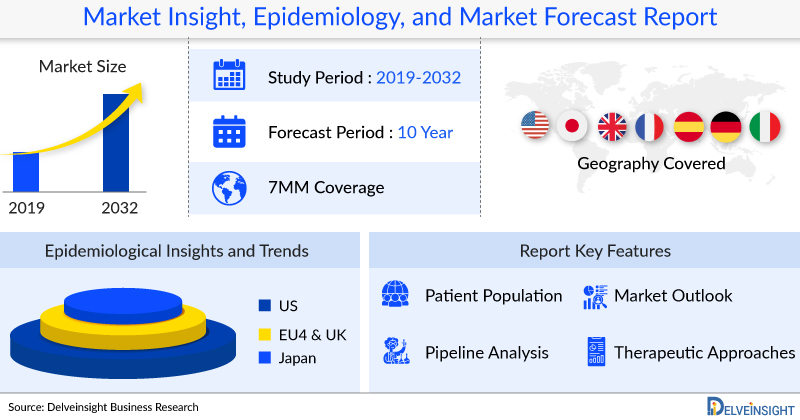
DelveInsight’s “Hypovolemic Shock Market Insights, Epidemiology, and Market Forecast 2032” report delivers an in-depth understanding of the disease, historical and forecasted epidemiology, as well as the Hypovolemic Shock market size, share, trends, and growth opportunities in the seven major markets (7MM) (i.e., the United States, EU4 (Germany, Spain, Italy, France), the United Kingdom and Japan).


The Hypovolemic Shock market report covers emerging drugs, current treatment practices, market share of individual therapies, and current & forecasted market size from 2019 to 2032. It also evaluates the current treatment practice/algorithm, key drivers & barriers impacting the market growth, and unmet medical needs to curate the best of the opportunities and assess the underlying potential of the market. 

Hypovolemic Shock Overview


Hypovolemic shock is an acute circulatory disturbance where there is a mismatch between oxygen supply and demand in the tissues due to a significant drop in circulating blood volume. This condition can be attributed to either external blood loss, such as from cuts, injuries, or internal bleeding, or to fluid loss from extracellular sources like gastrointestinal, renal, or skin losses, as well as fluid sequestration within body cavities.


The most common cause of hypovolemic shock is trauma, but it can also result from fluid accumulation in the abdominal cavity. The severity of the shock is influenced by the volume of fluid lost, the duration of the loss, and the individual’s age and pre-existing health conditions.


Initially, vital signs may show an increased diastolic blood pressure with a narrowed pulse pressure. As blood volume continues to decrease, systolic blood pressure drops. This leads to insufficient oxygen delivery to vital organs, forcing cells to shift from aerobic to anaerobic metabolism, causing lactic acidosis. Increased sympathetic activity redirects blood flow to the heart and brain, worsening tissue ischemia and lactic acidosis.


If not promptly treated, hypovolemic shock can lead to severe peripheral hypovolemia and decreased organ perfusion, potentially resulting in ischemic injury, multi-system organ failure, and an inflammatory response, particularly in the gut. The condition is also marked by reduced immune function.


Determining whether hypovolemic shock is due to hemorrhage or fluid loss is crucial for treatment. Once the cause is identified, prompt replacement of lost blood or fluids is essential to prevent further tissue damage and ischemia.


Hypovolemic Shock Market


In recent decades, research into hypovolemic shock has surged, leading to significant advancements in understanding its pathophysiology and treatment options. Emerging drug therapies targeting specific ion channels are entering early clinical trials, and exciting new research areas, such as gene therapy, cell therapy, and the role of microRNAs in tissue remodeling, are gaining traction. Given the aging population and the rising incidence of hypovolemic shock, developing optimized treatment strategies is crucial. Despite technological advancements that have clarified many aspects of hypovolemic shock, several challenges and unknowns remain. Continued research is expected to yield more effective drug therapies and ablation techniques in the near future.


Additionally, the hypovolemic shock market is anticipated to grow due to the increasing morbidity rate and heightened awareness of available treatments during the forecast period (2019–2032). Improved understanding of disease mechanisms will also drive the development of innovative therapeutics for hypovolemic shock.


Hypovolemic Shock Epidemiology Assessment 


The epidemiology section provides insights into the historical, current, and forecasted epidemiology trends in the seven major countries (7MM) from 2019 to 2032. It helps to recognize the causes of current and forecasted epidemiology trends by exploring numerous studies and research. The epidemiology section also provides a detailed analysis of diagnosed and prevalent patient pool, future trends, and views of key opinion leaders. 


Hypovolemic Shock Emerging Drugs


According to ClinicalTrials.gov, late-stage pipeline activity for hypovolemic shock remains limited. However, significant progress has been made in the development of prevention and treatment options. Companies around the world are actively pursuing new therapies for hypovolemic shock. Notable players in this field include Pharmazz, Vivacelle Bio, and Perfusion Medical.


One promising development is PEG-20k, an innovative IV solution created at Virginia Commonwealth University (VCU) School of Medicine. PEG-20k aims to revolutionize the management of severe hemorrhagic shock by enhancing tissue perfusion. Its primary mechanism involves increasing oxygen delivery to tissues and organs by counteracting the metabolic swelling and capillary compression that occur during shock.


Vivacelle Bio is advancing two formulations: VBI-S and VBI-1. VBI-1, a suspension of lipid nanoparticles, has shown promise in animal models for restoring blood pressure and circulating volume, potentially offering a significant improvement over standard treatments for hemorrhagic shock. It is a colloid non-blood volume expander that has demonstrated two to three times greater effectiveness than current therapies. VBI-1 has received FDA clearance for a Phase IIa trial focused on severe blood loss and blood pressure elevation in hypovolemic patients. VBI-S, a phospholipid-based nanoparticle fluid, is currently undergoing Phase IIa trials for hypovolemic septic shock patients.


Pharmazz is developing PMZ-2010 (Centhaquine), which operates through a unique mechanism distinct from existing treatments. PMZ-2010 enhances blood pressure and cardiac output by increasing venous blood return to the heart (via alpha2B-adrenergic stimulation) and improving tissue perfusion through arterial dilation (via alpha1-adrenergic block). This approach helps mitigate the adverse effects commonly associated with vasopressors and avoids the risk of arrhythmias by not affecting beta-adrenergic receptors. Pharmazz submitted a pre-IND meeting request to the US FDA in October 2019 and was granted a Type C face-to-face meeting in December 2019.


Learn How the Hypovolemic Shock Market Will Evolve and Grow by 2032 @ https://www.delveinsight.com/sample-request/hypovolemic-shock-market


Leading Companies in the Hypovolemic Shock Therapeutics Market Include

  • Perfusion Medical

  • Vivacelle Bio

  • Pharmazz


Hypovolemic Shock Drugs Covered in the Report Include:

  • PEG-20k

  • VBI-1

  • PMZ-2010 (Centhaquine)


Report Covers the In-depth Assessment of the Emerging Drugs & Key Companies. Download the Sample Report to Learn More @ https://www.delveinsight.com/sample-request/hypovolemic-shock-market


Table of Contents

1. Key Insights

2. Executive Summary 

3. Hypovolemic Shock Competitive Intelligence Analysis

4. Hypovolemic Shock Market Overview at a Glance

5. Hypovolemic Shock Disease Background and Overview

6. Hypovolemic Shock Patient Journey

7. Hypovolemic Shock Epidemiology and Patient Population (In the US, EU5, and Japan)

8. Hypovolemic Shock Treatment Algorithm, Current Treatment, and Medical Practices

9. Hypovolemic Shock Unmet Needs

10. Key Endpoints of Hypovolemic Shock Treatment

11. Hypovolemic Shock Marketed Products

12. Hypovolemic Shock Emerging Drugs and Latest Therapeutic Advances

13. Hypovolemic Shock Seven Major Market Analysis

14. Attribute Analysis

15. Hypovolemic Shock Market Outlook (In US, EU5, and Japan)

16. Hypovolemic Shock Access and Reimbursement Overview

17. KOL Views on the Hypovolemic Shock Market

18. Hypovolemic Shock Market Drivers

19. Hypovolemic Shock Market Barriers

20. Appendix

21. DelveInsight Capabilities

22. Disclaimer


Download the Sample PDF to Learn More About the Key Offerings of the Report @ https://www.delveinsight.com/report-store/hypovolemic-shock-market

Media Contact
Company Name: DelveInsight Business Research LLP
Contact Person: Kritika Rehani
Email: Send Email
Phone: +14699457679
Address:304 S. Jones Blvd #2432
City: Las Vegas
State: Nevada
Country: United States
Website: https://www.delveinsight.com/


Press Release Distributed by ABNewswire.com

To view the original version on ABNewswire visit: Hypovolemic Shock Market to Rise at CAGR During the Forecast Period, Estimates DelveInsight | Perfusion Medical, Vivacelle Bio, Pharmazz, and others

Pyruvate Kinase Deficiency Market to Rise at a Significant CAGR During the Forecast Period, asserts DelveInsight | Agios Pharmaceuticals, Rocket Pharmaceuticals, and others

“Pyruvate kinase deficiency market”
According to DelveInsight, the pyruvate kinase deficiency (PKD) therapeutics market is expected to experience substantial growth in the coming years. This expansion is driven by the rising prevalence of pyruvate kinase deficiency and the anticipated introduction of new therapies.

Companies worldwide are actively advancing novel treatments for PKD, showing significant progress over recent years. Notable players in this field include Rocket Pharmaceuticals, Agios Pharmaceuticals, and others, who are developing innovative drugs to address this condition. Among these, RP-L301 is highly anticipated as a leading emerging therapy in the PKD treatment landscape.

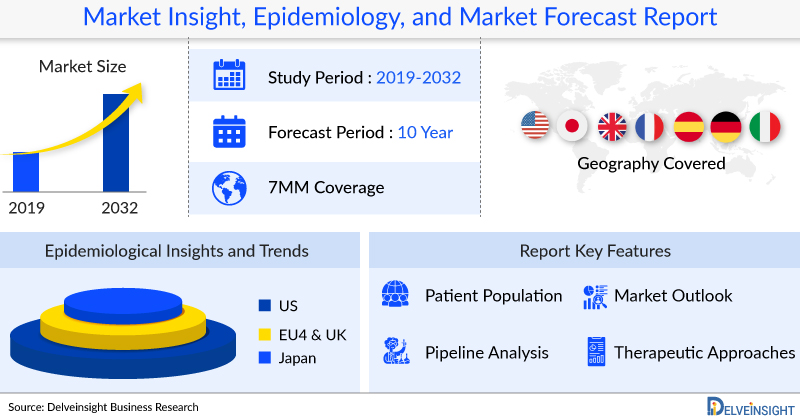
DelveInsight’s “Pyruvate Kinase Deficiency (PKD) Market Insights, Epidemiology, and Market Forecast 2032” report delivers an in-depth understanding of the disease, historical and forecasted epidemiology, as well as the Pyruvate Kinase Deficiency market size, share, trends, and growth opportunities in the seven major markets (7MM) (i.e., the United States, EU4 (Germany, Spain, Italy, France), the United Kingdom and Japan).

The Pyruvate Kinase Deficiency market report covers emerging drugs, current treatment practices, market share of individual therapies, and current & forecasted market size from 2019 to 2032. It also evaluates the current treatment practice/algorithm, key drivers & barriers impacting the market growth, and unmet medical needs to curate the best of the opportunities and assess the underlying potential of the market. 

Pyruvate Kinase Deficiency Overview

Pyruvate kinase deficiency (PKD) is a rare genetic blood disorder caused by low levels of the enzyme pyruvate kinase, which is essential for red blood cell function. This condition arises from mutations in the PKLR gene, leading to insufficient pyruvate kinase. Without this enzyme, red blood cells become more prone to breakdown, resulting in hemolytic anemia. PKD is inherited in an autosomal recessive pattern, meaning a child must inherit a defective gene from both parents to develop the disorder. While PKD is the second most common cause of hemolytic anemia after glucose-6-phosphate dehydrogenase (G6PD) deficiency, it is relatively rare.

PKD affects individuals across all ethnic backgrounds, though certain populations, such as the Amish, have a higher prevalence. The disorder has been most frequently reported in Europe. However, due to its rarity, PKD is often misdiagnosed or undiagnosed, making its true prevalence in the general population difficult to ascertain.

Pyruvate Kinase Deficiency Market Key Facts

  • According to NORD, pyruvate kinase deficiency (PKD) is a rare disorder affecting both men and women, though its exact frequency is not well-defined. Estimates suggest that about 1 in 20,000 Caucasian individuals may develop PKD, while clinical practice reports indicate a prevalence closer to 1 in 1,000,000 people.

  • Grace et al. (2019) noted that PKD generally follows an autosomal recessive inheritance pattern and is distributed across various geographic regions. Prevalence estimates vary widely, ranging from 1 in 1,000,000 to 1 in 20,000. Heterozygote frequencies among different populations, based on biochemical analyses, range from 0.15% to 6%.

  • A high-quality study by Christensen et al. (2020) contributed valuable data on PKD prevalence. The researchers screened 153,830 live births in the US for elevated bilirubin levels, testing those with neonatal jaundice for PKD. They identified five cases of PKD, estimating a prevalence of approximately 1 in 30,000 births.


Report Covers the In-depth Assessment of the Emerging Drugs & Key Companies. Download the Sample Report to Learn More @ https://www.delveinsight.com/sample-request/pyruvate-kinase-deficiency-market

Pyruvate Kinase Deficiency (PKD) Market

The report on the Pyruvate Kinase Deficiency (PKD) market provides a comprehensive analysis of historical, current, and projected market trends. It examines the impact of existing PKD therapies, identifies unmet needs, and explores both drivers and barriers to market growth, as well as the demand for advanced technologies.

This section offers an in-depth look at the market trends for each marketed drug and late-stage pipeline therapy. It assesses their impact based on factors such as annual therapy costs, inclusion and exclusion criteria, mechanism of action, compliance rates, market demand, patient demographics, expected launch timelines, competitive landscape, brand value, and perspectives from key opinion leaders. The data are illustrated with relevant tables and graphs to provide a clear overview of the market.

According to DelveInsight, the PKD market across the 7MM is anticipated to undergo significant changes during the study period from 2019 to 2032.

Pyruvate Kinase Deficiency (PKD) Epidemiology Assessment 

The epidemiology section offers an in-depth analysis of historical, current, and projected epidemiology trends for the seven major markets (7MM) from 2019 to 2032. It identifies the factors influencing these trends through a review of various studies and research. This section also includes a detailed examination of diagnosed and prevalent patient populations, future epidemiological trends, and insights from key opinion leaders.

Learn How the Pyruvate Kinase Deficiency Market Will Evolve and Grow by 2032 @ https://www.delveinsight.com/sample-request/pyruvate-kinase-deficiency-market

Pyruvate Kinase Deficiency (PKD) Therapies Covered in the Report Include:

  • Mitapivat (PYRUKYND)

  • RP-L301

Table of Contents

1. Key Insights

2. Executive Summary 

3. Pyruvate Kinase Deficiency Competitive Intelligence Analysis

4. Pyruvate Kinase Deficiency Market Overview at a Glance

5. Pyruvate Kinase Deficiency Disease Background and Overview

6. Pyruvate Kinase Deficiency Patient Journey

7. Pyruvate Kinase Deficiency Epidemiology and Patient Population (In the US, EU5, and Japan)

8. Pyruvate Kinase Deficiency Treatment Algorithm, Current Treatment, and Medical Practices

9. Pyruvate Kinase Deficiency Unmet Needs

10. Key Endpoints of Pyruvate Kinase Deficiency Treatment

11. Pyruvate Kinase Deficiency Marketed Products

12. Pyruvate Kinase Deficiency Emerging Drugs and Latest Therapeutic Advances

13. Pyruvate Kinase Deficiency Seven Major Market Analysis

14. Attribute Analysis

15. Pyruvate Kinase Deficiency Market Outlook (In US, EU5, and Japan)

16. Pyruvate Kinase Deficiency Access and Reimbursement Overview

17. KOL Views on the Pyruvate Kinase Deficiency Market

18. Pyruvate Kinase Deficiency Market Drivers

19. Pyruvate Kinase Deficiency Market Barriers

20. Appendix

21. DelveInsight Capabilities

22. Disclaimer

Media Contact
Company Name: DelveInsight Business Research LLP
Contact Person: Kritika Rehani
Email: Send Email
Phone: +14699457679
Address:304 S. Jones Blvd #2432
City: Las Vegas
State: Nevada
Country: United States
Website: https://www.delveinsight.com/


Press Release Distributed by ABNewswire.com

To view the original version on ABNewswire visit: Pyruvate Kinase Deficiency Market to Rise at a Significant CAGR During the Forecast Period, asserts DelveInsight | Agios Pharmaceuticals, Rocket Pharmaceuticals, and others

Optic Neuritis Market to See a Significant Growth During the Forecast Period, asserts DelveInsight | Noveome, Questcor, Biogen, Accure Therapeutics, Mitochon Pharma, and others

“Optic Neuritis Market”
According to DelveInsight, the optic neuritis therapeutics market is expected to experience significant growth in the coming years, driven by recent advancements in research and development and the anticipated introduction of new therapies. Key players in this field, including Accure Therapeutics, Mitochon Pharmaceuticals, Noveome Biotherapeutics, and others, are actively contributing to the development of treatments for optic neuritis.

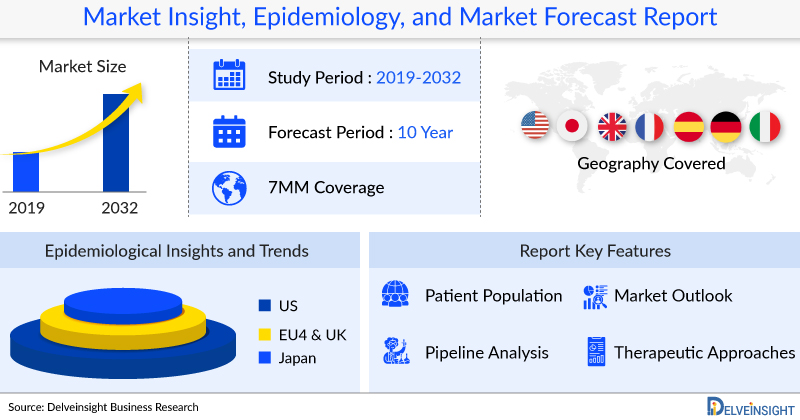
DelveInsight’s “Optic Neuritis Market Insights, Epidemiology, and Market Forecast 2032” report delivers an in-depth understanding of the disease, historical and forecasted epidemiology, as well as the Optic Neuritis market size, share, trends, and growth opportunities in the seven major markets (7MM) (i.e., the United States, EU4 (Germany, Spain, Italy, France), the United Kingdom and Japan).

The Optic Neuritis market report covers emerging drugs, current treatment practices, market share of individual therapies, and current & forecasted market size from 2019 to 2032. It also evaluates the current treatment practice/algorithm, key drivers & barriers impacting the market growth, and unmet medical needs to curate the best of the opportunities and assess the underlying potential of the market. 

Optic Neuritis Overview

Optic neuritis is an inflammatory condition affecting the optic nerve, which transmits visual information from the eye to the brain. This inflammation leads to symptoms such as vision loss, pain, and visual disturbances. It often presents as a sudden decrease in vision, typically in one eye, accompanied by pain that worsens with eye movement.

Causes and Risk Factors

Optic neuritis can be caused by various factors, including:

  • Autoimmune Disorders: It is commonly associated with multiple sclerosis (MS), where the body’s immune system attacks the myelin sheath of the optic nerve.

  • Infections: Viral or bacterial infections can lead to inflammation of the optic nerve.

  • Other Inflammatory Conditions: Conditions such as neuromyelitis optica (NMO) and systemic lupus erythematosus (SLE) may also cause optic neuritis.

  • Medications and Toxins: Certain drugs and toxins might trigger optic nerve inflammation.

Symptoms

Common symptoms of optic neuritis include:


  • Vision Loss: Gradual or sudden loss of vision in one eye.

  • Pain: Eye pain, especially during eye movement.

  • Color Vision Changes: Difficulty distinguishing colors.

  • Visual Disturbances: Blurred or dim vision, or seeing flashes of light.

Diagnosis

Diagnosis of optic neuritis involves a combination of:

Clinical Examination: Assessment of visual acuity, eye movements, and pupillary responses.

Imaging: Magnetic resonance imaging (MRI) of the brain and optic nerves to identify inflammation and rule out other conditions.

Lumbar Puncture: Analysis of cerebrospinal fluid to detect signs of inflammation or demyelination.

Visual Evoked Potentials (VEP): Tests that measure the electrical activity in the brain in response to visual stimuli.

Treatment

Treatment for optic neuritis may include:


  • Steroids: High-dose corticosteroids are commonly used to reduce inflammation and speed up recovery.

  • Disease-Modifying Therapies: For those with underlying conditions like MS, medications to manage the disease can help prevent future episodes.

  • Supportive Care: Pain management and visual rehabilitation may be necessary.

Prognosis

The prognosis for optic neuritis varies. Many patients experience significant improvement in vision within months, though some may have residual visual deficits. Early treatment and management of underlying conditions can enhance recovery and reduce the risk of recurrence.

Current Research and Market Trends

The optic neuritis therapeutics market is evolving with increased research and development efforts focusing on novel treatments. Emerging therapies and advancements in understanding the condition are expected to drive growth in this market, with key players like Accure Therapeutics, Mitochon Pharmaceuticals, and Noveome Biotherapeutics leading the way.

Optic Neuritis Market Key Facts

  • According to DelveInsight, the Optic Neuritis market in 7MM is expected to witness a major change in the study period 2019-2032.

  • Leading Optic Neuritis companies working in the market are Aerie Pharmaceuticals, Abbvie, Bausch Health Companies Inc., Merck, Pfizer, Teva Pharmaceutical, EyePoint Pharmaceuticals, Amorphex Therapeutics Holdings, Kubota Vision, Alcon Vision LLC, Ellex Medical, Lumenis Be Ltd, Acorn Biomedical, Astellas Pharma, Glenmark Pharmaceuticals, Bayer, Novartis AG, and others.

Optic Neuritis Market

The report’s outlook on the optic neuritis market provides a comprehensive understanding of historical, current, and projected trends. It examines the impact of existing optic neuritis therapies, identifies unmet needs, and explores market drivers, barriers, and the demand for advanced technologies.

This section offers an in-depth analysis of market trends for each marketed drug and late-stage pipeline therapy. It evaluates their influence based on factors such as annual therapy costs, inclusion and exclusion criteria, mechanisms of action, compliance rates, market demand, patient demographics, expected launch dates, competition with other treatments, brand value, and insights from key opinion leaders. Market data is presented with relevant tables and graphs to provide a clear and immediate overview.

According to DelveInsight, the optic neuritis market across the 7MM is anticipated to undergo significant changes during the study period from 2019 to 2032.

Optic Neuritis Epidemiology Assessment 

The epidemiology section provides insights into the historical, current, and forecasted epidemiology trends in the seven major countries (7MM) from 2019 to 2032. It helps to recognize the causes of current and forecasted epidemiology trends by exploring numerous studies and research. The epidemiology section also provides a detailed analysis of diagnosed and prevalent patient pool, future trends, and views of key opinion leaders. 

Optic Neuritis Therapeutics Analysis

Advances in technology and a deeper understanding of optic neuritis, particularly its connection with Multiple Sclerosis, have created promising opportunities for new research and the development of innovative treatment approaches. Major pharmaceutical and biotech companies, including Iogen, Mitochon Pharmaceuticals, and Noveome Biotherapeutics, are actively engaged in enhancing therapeutic options for optic neuritis. The introduction of new therapies from the pipeline is anticipated to significantly alter treatment practices for optic neuritis in the near future.

Leading Companies in the Optic Neuritis Therapeutics Market Include:

  • Accure Therapeutics

  • Mitochon Pharmaceuticals

  • Noveome

  • Questcor

  • Biogen

Optic Neuritis Therapies Covered in the Report Include:

  • ACT-01: Accure Therapeutics

  • MP-101: Mitochon Pharmaceuticals

  • ST266: Noveome

  • H.P. Acthar Gel (repository corticotropin) Injection: Questcor

  • Opicinumab: Biogen

Report Covers the In-depth Assessment of the Emerging Drugs & Key Companies. Download the Sample Report to Learn More @ https://www.delveinsight.com/sample-request/optic-neuritis-market


Table of Contents:

1. Key Insights

2. Executive Summary 

3. Optic Neuritis Competitive Intelligence Analysis

4. Optic Neuritis Market Overview at a Glance

5. Optic Neuritis Disease Background and Overview

6. Optic Neuritis Patient Journey

7. Optic Neuritis Epidemiology and Patient Population (In the US, EU5, and Japan)

8. Optic Neuritis Treatment Algorithm, Current Treatment, and Medical Practices

9. Optic Neuritis Unmet Needs

10. Key Endpoints of Optic Neuritis Treatment

11. Optic Neuritis Marketed Products

12. Optic Neuritis Emerging Drugs and Latest Therapeutic Advances

13. Optic Neuritis Seven Major Market Analysis

14. Attribute Analysis

15. Optic Neuritis Market Outlook (In US, EU5, and Japan)

16. Optic Neuritis Access and Reimbursement Overview

17. KOL Views on the Optic Neuritis Market

18. Optic Neuritis Market Drivers

19. Optic Neuritis Market Barriers

20. Appendix

21. DelveInsight Capabilities

22. Disclaimer

Download the Sample PDF to Learn More About the Key Offerings of the Report @ https://www.delveinsight.com/sample-request/optic-neuritis-market

Media Contact
Company Name: DelveInsight Business Research LLP
Contact Person: Kritika Rehani
Email: Send Email
Phone: +14699457679
Address:304 S. Jones Blvd #2432
City: Las Vegas
State: Nevada
Country: United States
Website: https://www.delveinsight.com/


Press Release Distributed by ABNewswire.com

To view the original version on ABNewswire visit: Optic Neuritis Market to See a Significant Growth During the Forecast Period, asserts DelveInsight | Noveome, Questcor, Biogen, Accure Therapeutics, Mitochon Pharma, and others

Giant-Cell Arteritis Market to Rise During the Forecast Period, estimates DelveInsight | Novartis, Abbvie, CSL, Kiniksa Pharma, Roche, MorphoSys, and others

“Giant-Cell Arteritis Market Insight”
According to DelveInsight, the giant cell arteritis market is expected to undergo significant growth in the coming years. This anticipated expansion is driven by an aging population, increasing prevalence of cardiovascular disorders, and advancements in healthcare technology.

Key pharmaceutical and biotech companies, including AbbVie, Novartis Pharmaceuticals, CSL, Kiniksa Pharmaceuticals, Johnson & Johnson, and MorphoSys AG, are actively engaged in developing new treatments for giant cell arteritis.

DelveInsight’s “Giant-Cell Arteritis Market Insights, Epidemiology, and Market Forecast 2034” report delivers an in-depth understanding of the disease, historical and forecasted epidemiology, as well as the Giant-Cell Arteritis market size, share, trends, and growth opportunities in the seven major markets (7MM) (i.e., the United States, EU4 (Germany, Spain, Italy, France), the United Kingdom and Japan).

The Giant-Cell Arteritis market report covers emerging drugs, current treatment practices, market share of individual therapies, and current & forecasted market size from 2020 to 2034. It also evaluates the current treatment practice/algorithm, key drivers & barriers impacting the market growth, and unmet medical needs to curate the best of the opportunities and assess the underlying potential of the market. 

Giant-Cell Arteritis Overview

Giant-Cell Arteritis, or “Temporal Arteritis,” is an inflammation of the lining of the arteries (blood vessels). Giant-Cell Arteritis most commonly affects arteries in the head, especially those in the temples. For this reason, Giant-Cell Arteritis is sometimes also called temporal arteritis. In Giant-Cell Arteritis, the temporal arteries, which course along the sides of the head just in front of the ears (to the temples), can become inflamed. The inflammation causes the arteries to narrow down, resulting in poor blood flow.

Giant-Cell Arteritis is classified as a large-vessel vasculitis but also involves medium and small arteritis, particularly the superficial temporal arteritis- hence it is termed temporal arteritis. Along with this, Giant-Cell Arteritis most commonly affects the ophthalmic, occipital, vertebral, posterior ciliary, and proximal vertebral arteries. Medium- and large-sized vessels that may be involved include the aorta and the carotid, subclavian, and iliac arteries.

The etiology of Giant-Cell Arteritis is a bit complex and is still being widely researched. Genetic and environmental factors (such as infections) are thought to play important roles. Because it is rare in people under age 50, its development could be linked to the aging process also.

Among genetic factors, certain genes with Human Leukocyte Antigen (HLA) class I and class II regions, specifically HLA-DRB1*04, DRW6, and DR3, are associated with susceptibility to Giant-Cell Arteritis. In environmental factors, a variety of different infectious stimuli have also been implicated, including Chlamydia pneumoniae, varicella virus, and parvovirus B19.

After the initial trigger, a dual immune response begins. One involves a systemic inflammatory reaction, and the other is a maladaptive, antigen-specific immune response. The systemic inflammatory reaction results from the over-activation of the innate acute phase response: a non-antigen-driven, non-adaptive defense mechanism to overall stress and injury. This response is mediated by IL-6, produced by circulating macrophages, neutrophils, and monocytes. IL-6 levels are correlated with the intensity of the immune response and other acute-phase reactants such as C-reactive proteins, haptoglobin, fibrinogen, and complement.

The combination of these reactants under the systemic inflammatory reaction leads to the general signs of inflammation seen in Giant-Cell Arteritis, such as fevers, chills, sweats, myalgias, anorexia, and weight loss. The antigen-specific immune response damages the arterial walls and results in the focal ischemic complications seen in Giant-Cell Arteritis. The combination of these two processes results in systemic inflammatory syndrome and arteritis, respectively.

Giant-Cell Arteritis Diagnosis

Since 1990, the mainstay of Giant-Cell Arteritis diagnosis was predicated on fulfilling 3/5 of the America College of Rheumatology’s criteria, namely: age of onset =50 years, new onset of localized headache, temporal artery tenderness or decreased pulse, elevated ESR = 50 mm/h and predominance of mononuclear cell infiltrates or a granulomatous inflammation with multinucleate giant cells on TAB.

While a clinical presentation of headache, jaw claudication, scalp tenderness, fever, and other systemic symptoms and serum markers are together highly suggestive of the disease, diagnosis can be challenging in those cases in which classic symptoms are lacking.

No test can confirm the presence of Giant-Cell Arteritis. To help the doctor reach a diagnosis, the doctor will observe the symptoms and note down the medical history of the patient. The doctors can also conduct a physical examination, partly focusing on the arteries in the temples, and if the patient has Giant-Cell Arteritis, the arteries may feel hard or tender.

Then, the patients are required to go through some testing procedures. Typically, if a doctor suspects the Giant-Cell Arteritis, the first tests ordered are blood tests looking for inflammation. These may include Erythrocyte sedimentation rate (ESR) and C-reactive protein (CRP) blood tests; high levels of either signify inflammation suggesting Giant-Cell Arteritis.

Imaging tests may also help pinpoint Giant-Cell Arteritis as well. A specialized ultrasound can be performed in some medical centers to evaluate for inflammation of the temporal arteries and the large arteries in the upper chest. Other types of imaging studies may also be performed if the doctor suspects inflammation in the aorta (in the chest) or its branches in the chest and upper extremities.

While blood tests and imaging are helpful, there is one test often prized above all others. The gold-standard test for Giant-Cell Arteritis has traditionally been a temporal artery biopsy showing active inflammation of the temporal artery. If a doctor recommends a patient that they should have a temporal artery biopsy, this generally means they have a high level of suspicion for Giant-Cell Arteritis.

Giant-Cell Arteritis Market Key Facts

  • As per the latest assessment by DelveInsight, in the 7MM, the United States accounted for the highest Giant-Cell Arteritis Market, with nearly 65% of the market share as compared to EU4, the UK, and Japan in 2023.

  • In 2023, among EU4 and the UK, the UK accounted for the largest Giant-Cell Arteritis Market, while Spain accounted for the smallest share.

  • In 2023, the United States accounted for the highest number of diagnosed incident cases of Giant-Cell Arteritis in the 7MM.

  • In the United States, Giant-Cell Arteritis primarily affects individuals aged 80–89 years, constituting approximately ~42% of the total cases.

  • Among the EU4 and the UK, out of all clinical manifestation-specific cases, scalp tenderness accounted for the highest number of cases, followed by myalgia and fever of unknown origin in 2023.

  • Steroids are the first line of treatment to get Giant-Cell Arteritis under control and prevent any serious complications, and currently, there is no alternative first line of treatment available. Steroid tablets slow down the activity of the immune system and reduce the inflammation in blood vessels. Alternative treatments may also include conventional disease-modifying anti-rheumatic drugs (DMARDs).

  • There are also some newer drugs available called biological therapies; these drugs target key cells within the immune system to stop them from causing inflammation. The US FDA has recently approved one such biological treatment, ACTEMRA (tocilizumab), for the treatment of people with Giant-Cell Arteritis. It can also be prescribed if other treatments have not worked.

  • Emerging therapies in the pipeline, including RINVOQ and COSENTYX, are expected to bring a positive shift in the Giant-Cell Arteritis treatment landscape during the forecast period (2024–2034).

  • Key companies such as Novartis, AbbVie, and J&J/MorphoSys AG are expected to transform the treatment landscape for Giant-Cell Arteritis patients.

  • The growth of the Giant-Cell Arteritis market is expected to be mainly driven by the growing geriatric population, the rise in the prevalence of cardiovascular disorders, technological advancements in the healthcare industry, etc.

  • Delays in diagnosis, serious complications of Giant-Cell Arteritis, economic burden, and lack of proper understanding of the disease will be going to hit the Giant-Cell Arteritis market.

Giant-Cell Arteritis Market

The term “Giant Cell” in Giant Cell Arteritis (GCA) refers to the appearance of large, “giant” cells observed in biopsies of inflamed temporal arteries under a microscope. The exact causes of GCA are complex and not fully understood, but ongoing research suggests that genetic factors (such as those related to the HLA family), infectious or environmental influences, immune responses, and T-cell activation may play roles.

The primary goal in treating GCA is to prevent severe complications, such as blindness. Treatment typically involves high doses of corticosteroids, ranging from 40 mg to 60 mg daily for about 3–4 weeks. The dosage is then gradually reduced if the patient’s condition improves. However, the safety profile of corticosteroids remains a topic of ongoing debate. In some cases, disease-modifying anti-rheumatic drugs (DMARDs) like methotrexate, leflunomide, and azathioprine are also used.

Currently, the only approved therapy for GCA in the 7MM is ACTEMRA/ROACTEMRA (tocilizumab) from Chugai Pharmaceuticals/Roche. The treatment options for GCA remain limited, especially for the most severe and disabling phases of the disease. New treatments are urgently needed, and several companies are actively investigating potential solutions. Notable among these are Novartis with COSENTYX (secukinumab), AbbVie with RINVOQ (upadacitinib), and Johnson & Johnson/MorphoSys AG with TREMFYA (guselkumab), all of which have initiated clinical trials for new therapies.

While it is still early to predict which of these promising candidates will emerge in the market during the forecast period (2024–2034), the future of GCA treatment looks promising. The landscape is expected to improve significantly, driven by increased healthcare spending and advancements in medical research.

Giant-Cell Arteritis Market Insights

  • In 2023, the total market size of Giant-Cell Arteritis was around USD 960 million, which is expected to increase by 2034 during the study period (2020–2034) in the 7MM.

  • Among the 7MM, the United States accounted for the highest market size in 2023, followed by the United Kingdom for Giant-Cell Arteritis.

  • Some of the Giant-Cell Arteritis Companies such as Novartis, AbbVie, J&J/MorphoSys AG, and others, are involved in developing therapies. The expected launch of emerging therapies and other treatments will lead to a significant increase in the market size during the forecast period [2024–2034].

  • During the forecast period (2024–2034), pipeline candidates such as COSENTYX, RINVOQ and TREMFYA are expected to drive the rise in Giant-Cell Arteritis market size.

  • By 2034, RINVOQ (upadacitinib) is expected to garner the largest market share in the 7MM.

Learn How the Giant-Cell Arteritis Market Will Evolve and Grow by 2034 @ https://www.delveinsight.com/sample-request/giant-cell-arteritis-market

Giant-Cell Arteritis Therapeutics Analysis

Currently, the sole approved therapy for giant cell arteritis (GCA) in the 7MM is Actemra/RoActemra (Tocilizumab) from Chugai Pharmaceuticals/Roche. Meanwhile, several leading pharmaceutical and biotech companies are developing new treatments for GCA. Among them, Novartis stands out with its drug candidates for GCA, which are in the most advanced stages of clinical development.

Leading Companies in the Giant-Cell Arteritis Therapeutics Market Include:

  • Novartis

  • AbbVie

  • XOMA

  • Kiniksa Pharmaceuticals

  • Eli Lilly and Company

  • Janssen Biotech

  • Dr Reddys Laboratories

  • Roche Holding

  • AbbVie

  • Novartis Pharmaceuticals

  • CSL

  • Johnson & Johnson

  • MorphoSys AG

Giant-Cell Arteritis Emerging and Marketed Drugs Covered in the Report Include:

  • Cosentyx (secukinumab): Novartis Pharmaceuticals

  • KPL-301 (mavrilimumab): CSL/Kiniksa Pharmaceuticals

  • Tremfya (guselkumab): Johnson & Johnson/MorphoSys AG

  • Rinvoq (upadacitinib): AbbVie

  • Actemra / RoActemra (Tocilizumab): Roche Holding

Report Covers the In-depth Assessment of the Emerging Drugs & Key Companies. Download the Sample Report to Learn More @ https://www.delveinsight.com/sample-request/giant-cell-arteritis-market

Table of Contents

1. Key Insights

2. Executive Summary 

3. Giant-Cell Arteritis Competitive Intelligence Analysis

4. Giant-Cell Arteritis Market Overview at a Glance

5. Giant-Cell Arteritis Disease Background and Overview

6. Giant-Cell Arteritis Patient Journey

7. Giant-Cell Arteritis Epidemiology and Patient Population (In the US, EU5, and Japan)

8. Giant-Cell Arteritis Treatment Algorithm, Current Treatment, and Medical Practices

9. Giant-Cell Arteritis Unmet Needs

10. Key Endpoints of Giant-Cell Arteritis Treatment

11. Giant-Cell Arteritis Marketed Products

12. Giant-Cell Arteritis Emerging Drugs and Latest Therapeutic Advances

13. Giant-Cell Arteritis Seven Major Market Analysis

14. Attribute Analysis

15. Giant-Cell Arteritis Market Outlook (In US, EU5, and Japan)

16. Giant-Cell Arteritis Access and Reimbursement Overview

17. KOL Views on the Giant-Cell Arteritis Market

18. Giant-Cell Arteritis Market Drivers

19. Giant-Cell Arteritis Market Barriers

20. Appendix

21. DelveInsight Capabilities

22. Disclaimer

Media Contact
Company Name: DelveInsight Business Research LLP
Contact Person: Kritika Rehani
Email: Send Email
Phone: +14699457679
Address:304 S. Jones Blvd #2432
City: Las Vegas
State: Nevada
Country: United States
Website: https://www.delveinsight.com/


Press Release Distributed by ABNewswire.com

To view the original version on ABNewswire visit: Giant-Cell Arteritis Market to Rise During the Forecast Period, estimates DelveInsight | Novartis, Abbvie, CSL, Kiniksa Pharma, Roche, MorphoSys, and others

Graves’ Ophthalmopathy Market to Grow During the Forecast Period, estimates DelveInsight | Novartis, Harbour BioMed, Immunovant, Viridian, Sling Therapeutics, and others

“Graves Ophthalmopathy Market”
According to DelveInsight, the Graves’ Ophthalmopathy therapeutics market is poised for significant growth in the coming years. This expansion is driven by a rising patient population across the seven major markets (7MM), favorable reimbursement policies, and heightened awareness of the complications linked to thyroid disorders. Additionally, the market is being propelled by the introduction of new therapies and increased screening for iodine disorders and thyroid tumors.

Leading pharmaceutical and biotech companies, including Immunovant Sciences, Novartis Pharmaceuticals, Viridian Therapeutics, Sling Therapeutics, Regeneron Pharmaceuticals, and ValenzaBio, are advancing their key drug candidates through various stages of clinical development. Among the promising new therapies are VRDN-001 from Viridian Therapeutics and IMVT-1401 from Immunovant Sciences GmbH, both expected to enter the market soon.

DelveInsight’s “Graves’ Ophthalmopathy Market Insights, Epidemiology, and Market Forecast 2034” report delivers an in-depth understanding of the disease, historical and forecasted epidemiology, as well as the Graves’ Ophthalmopathy market size, share, trends, and growth opportunities in the seven major markets (7MM) (i.e., the United States, EU4 (Germany, Spain, Italy, France), the United Kingdom and Japan).

The Graves’ Ophthalmopathy market report covers emerging drugs, current treatment practices, market share of individual therapies, and current & forecasted market size from 2020 to 2034. It also evaluates the current treatment practice/algorithm, key drivers & barriers impacting the market growth, and unmet medical needs to curate the best of the opportunities and assess the underlying potential of the market. 

Graves’ Ophthalmopathy Overview

Graves’ Ophthalmopathy, also known as Thyroid Eye Disease (TED), is a complex and potentially debilitating orbital inflammatory condition primarily associated with thyroid dysfunction. Named after the Irish physician Robert J. Graves, who first described its association with thyrotoxicosis, this disease affects the muscles, eyelids, tear glands, and fatty tissues behind the eyes, leading to a range of ocular symptoms.

Key Features:

– Inflammation and Swelling: The condition causes inflammation in the tissues surrounding the eyes, which can result in symptoms such as red, swollen, and uncomfortable eyes. It may also lead to bulging or protrusion of the eyes (exophthalmos).

– Thyroid Dysfunction: Graves’ Ophthalmopathy often occurs in conjunction with untreated or poorly managed thyroid disorders, such as hyperthyroidism or hypothyroidism. Thyroid dysfunction is a significant factor in the development and progression of the disease.

– Risk Factors: Smoking is a major risk factor for the development of Graves’ Ophthalmopathy. Other potential contributing factors include genetic predisposition and environmental triggers.

Epidemiology:

– Prevalence: The prevalence of Graves’ Ophthalmopathy is estimated to be approximately 16 cases per 100,000 women and 2.9 cases per 100,000 men in the general population. 

– Demographics: The condition predominantly affects females, with about 80% of cases occurring in women. The disease is also more common in individuals over the age of 30.

Symptoms and Complications:

– Ocular Symptoms: Patients may experience bulging eyes, double vision, eye pain, and difficulty closing the eyes. The severity of symptoms can range from mild to severe and can significantly impact a patient’s quality of life.

– Complications: Without treatment, Graves’ Ophthalmopathy can lead to serious complications such as vision impairment or loss, severe eye discomfort, and significant cosmetic changes.

Diagnosis and Treatment:

– Diagnosis: Diagnosis typically involves a combination of clinical evaluation, patient history, and imaging studies such as CT or MRI scans to assess the extent of orbital inflammation.

– Treatment: Management of Graves’ Ophthalmopathy often involves addressing the underlying thyroid disorder with antithyroid medications or surgery. Treatment options for the ophthalmopathy itself may include corticosteroids, orbital radiation therapy, or surgical interventions to alleviate symptoms and prevent further complications.

Market Outlook:

– Therapeutics Market: The Graves’ Ophthalmopathy therapeutics market is expected to see substantial growth due to increasing patient awareness, favorable reimbursement policies, and the introduction of new therapies. Major pharmaceutical and biotech companies are actively developing new treatment options, aiming to improve patient outcomes and manage the disease more effectively.

Research and Development:

– Emerging Therapies: Companies such as Novartis, Immunovant Sciences, and Viridian Therapeutics are leading the development of novel therapies for Graves’ Ophthalmopathy. Promising candidates in the pipeline, such as VRDN-001 and IMVT-1401, are anticipated to make a significant impact on the market and provide new treatment options for patients.

Graves’ Ophthalmopathy remains a critical area of research and development, with ongoing efforts to better understand the disease, improve treatment options, and ultimately enhance the quality of life for those affected.

According to NORD, the precise prevalence of Graves’ ophthalmopathy—defined as the number of individuals affected by the disorder within a specific population at a given time—is not definitively known. However, estimates suggest that it occurs in approximately 16 per 100,000 women and 2.9 per 100,000 men in the general population.

Graves’ Ophthalmopathy Market Key Facts

  • In 2023, the total Graves’ Ophthalmopathy market size was around USD 2,600 million, which is expected to increase by 2034 during the study period (2020–2034) in the 7MM.

  • Graves’ ophthalmopathy, also known as thyroid-associated ophthalmopathy and thyroid eye disease, is the most frequent extrathyroidal manifestation of Graves’ disease.

  • With estimated 1 million patients affected in the US, thyroid eye disease is a burben some disorder which become sight threatning in upto 5% of the cases

  • Thyroid-associated Ophthalmopathy remains largely undiagnosed due to less awareness among the treating physicians and asymptomatic nature of the disease

  • US has the highest prevalent cases of graves ophthalmopathy among the 7MM. Among the EU4 and the UK, out of all prevalent cases, Germany accounted for the highest number of cases followed by France and Spain accounted for the lowest number of cases in 2023.

  • Graves’ Ophthalmopathy management varies based on symptoms and severity, involving basic, medical, and surgical approaches. Corticosteroid therapy for 3 months may prevent or alleviate ophthalmopathy after radioactive iodine therapy. Botulinum toxin can temporarily treat dysthyroid strabismus during the acute phase.

  • Untill recently, the drug treatment was largely available only for patients in acute phase of the disease and surgery was the only option for the management of chronic disease form

  • Amgen’s TEPEZZA (trepotumab), one of the most successful launch for a rare indication, generated a revenue of ~USD 2 Billion in 2023 after becoming the first launched therapy for thyroid eye disease in the year 2020

  • The US FDA has granted clearance to Tourmaline Bio’s investigational new drug (IND) application enabling the initiation of a Phase IIb trial of TOUR006 to treat thyroid eye disease (TED). According to Tourmaline Bio, TOUR006 attributes demonstrated that it is long-acting with a terminal half-life of ~7 weeks and shows high affinity to IL-6.

  • In March 2024, ACELYRIN announced positive Phase I/II proof-of-concept data for lonigutamab, the first subcutaneous anti-IGF-1R to demonstrate clinical responses in thyroid eye disease.

  • Key Graves Ophthalmopathy Companies such as Immunovant Sciences and Viridian Therapeutics are expected to transform the treatment landscape for Graves’ Ophthalmopathy patients.

  • As potential treatments for chronic Graves’ Ophthalmopathy develop, understanding its clinical presentation and impact on QoL grows crucial. Further exploration, particularly through prospective studies integrating patient-reported outcomes and clinical examinations, is warranted. Concurrently, the unique dynamics of the TED market offer a promising opportunity for innovative therapeutic strategies.

Graves’ Ophthalmopathy Market

Approximately 50% of individuals with Graves’ Disease experience symptoms of Graves’ Ophthalmopathy, which are often mild.

Diagnosis of Graves’ Ophthalmopathy is usually based on a clinical assessment of ocular symptoms and signs. Early diagnosis is crucial as it allows for proper evaluation and treatment, potentially preventing the development of more severe manifestations. The most prevalent signs of Graves’ Ophthalmopathy are upper eyelid retraction, seen in about 90% of patients, and proptosis (bulging of the eyes).

Graves’ Ophthalmopathy Epidemiology Assessment 

The epidemiology section provides insights into the historical, current, and forecasted epidemiology trends in the seven major countries (7MM) from 2020 to 2034. It helps to recognize the causes of current and forecasted epidemiology trends by exploring numerous studies and research. The epidemiology section also provides a detailed analysis of diagnosed and prevalent patient pool, future trends, and views of key opinion leaders. 

Graves’ Ophthalmopathy Treatment Market

Graves’ ophthalmopathy is an autoimmune inflammatory disorder linked with thyroid disease, affecting ocular and orbital tissues. It is also referred to as Graves’ orbitopathy, Graves’ eye disease, thyroid eye disease (TED), or thyroid-associated ophthalmopathy.

This condition is the primary extrathyroidal manifestation of Graves’ disease (GD) and can be severely disfiguring, significantly impacting the quality of life (QoL) of those affected while imposing substantial direct and indirect costs on healthcare systems.

Graves’ Ophthalmopathy presents a broad range of ocular symptoms, including irritation, conjunctival injection, periorbital swelling, exposure keratopathy, lid retraction, exophthalmos (bulging eyes), diplopia (double vision), and optic neuropathy. These symptoms result from inflammation and enlargement of the extraocular muscles (EOMs) and fat compartments within the orbit.

Diagnostic imaging, such as computed tomography (CT) or magnetic resonance imaging (MRI), is utilized to assess the enlargement of the EOMs and fat compartments.

Learn How the Graves’ Ophthalmopathy Market Will Evolve and Grow by 2034 @ https://www.delveinsight.com/sample-request/graves-ophthalmopathy-market

Leading Companies in the Graves Ophthalmopathy Therapeutics Market Include:

  • Novartis

  • Harbour BioMed

  • Viridian Therapeutics, Inc.

  • Suzhou Suncadia Biopharmaceuticals Co., Ltd.

  • Sling Therapeutics, Inc.

  • ValenzaBio

  • Argenx

  • HanAll Biopharma

  • Immunovant Sciences

  • Novartis

  • Viridian Therapeutics

Graves Ophthalmopathy Therapies Covered in the Report Include:

  • Tepezza (teprotumumab) : Horizon Therapeutics

  • Secukinumab: Novartis

  • Batoclimab (HBM9161): Harbour BioMed

  • TEPEZZA (teprotumumab): Horizon Therapeutics

  • Batoclimab: Immunovant Sciences

  • VRDN-001: Viridian Therapeutics

  • Linsitinib : Sling Therapeutics

Report Covers the In-depth Assessment of the Emerging Drugs & Key Companies. Download the Sample Report to Learn More @ https://www.delveinsight.com/sample-request/graves-ophthalmopathy-market

Table of Contents

1. Key Insights

2. Executive Summary 

3. Graves’ Ophthalmopathy Competitive Intelligence Analysis

4. Graves’ Ophthalmopathy Market Overview at a Glance

5. Graves’ Ophthalmopathy Disease Background and Overview

6. Graves’ Ophthalmopathy Patient Journey

7. Graves’ Ophthalmopathy Epidemiology and Patient Population (In the US, EU5, and Japan)

8. Graves’ Ophthalmopathy Treatment Algorithm, Current Treatment, and Medical Practices

9. Graves’ Ophthalmopathy Unmet Needs

10. Key Endpoints of Graves’ Ophthalmopathy Treatment

11. Graves’ Ophthalmopathy Marketed Products

12. Graves’ Ophthalmopathy Emerging Drugs and Latest Therapeutic Advances

13. Graves’ Ophthalmopathy Seven Major Market Analysis

14. Attribute Analysis

15. Graves’ Ophthalmopathy Market Outlook (In US, EU5, and Japan)

16. Graves’ Ophthalmopathy Access and Reimbursement Overview

17. KOL Views on the Graves’ Ophthalmopathy Market

18. Graves’ Ophthalmopathy Market Drivers

19. Graves’ Ophthalmopathy Market Barriers

20. Appendix

21. DelveInsight Capabilities

22. Disclaimer

Media Contact
Company Name: DelveInsight Business Research LLP
Contact Person: Kritika Rehani
Email: Send Email
Phone: +14699457679
Address:304 S. Jones Blvd #2432
City: Las Vegas
State: Nevada
Country: United States
Website: https://www.delveinsight.com/


Press Release Distributed by ABNewswire.com

To view the original version on ABNewswire visit: Graves’ Ophthalmopathy Market to Grow During the Forecast Period, estimates DelveInsight | Novartis, Harbour BioMed, Immunovant, Viridian, Sling Therapeutics, and others

Again Launches Alpha Version of Innovative Content Creation Platform

Again Launches Alpha Version of Innovative Content Creation Platform
Revolutionizing Content Monetization: Again Alpha Version Empowers Creators to Earn Effortlessly

Again, a cutting-edge social platform designed specifically for content creators is thrilled to announce the release of its alpha version. Creators from various fields, including writers, designers, developers, photographers, and more, can now sign up and begin building their profiles on the platform at https://again.social.

About Again

Again is dedicated to empowering creators by providing them with a versatile platform where they can monetize their content and connect with their audience. The platform allows creators to create both free and premium posts, enabling them to generate income from their most loyal followers or anyone who appreciates their work.

Key Features of Again Alpha Version

  1. Easy Sign-Up and Profile Creation:

    • Creators can quickly sign up and set up their profiles, showcasing their unique talents and content.
  2. Monetization Options:

    • Creators can earn money through subscriptions, allowing them to offer exclusive content to their supporters.
    • The platform supports payments in SOCIAL Token, with options to save on currency conversion fees by choosing a base currency of BUSD or BNB.
  3. Content Flexibility:

    • Creators can post a wide variety of content types, including text, images, videos, and more.
    • Both free and premium content options are available, giving creators control over what they want to monetize.
  4. Community Engagement:

    • The platform fosters a strong sense of community, enabling creators to interact with their audience and build meaningful connections.
  5. Secure and Fast Payments:

    • Again ensures secure and instant payments directly into the creators’ accounts, with withdrawal approvals taking just a few minutes.
  6. User-Friendly Interface:

    • The platform is designed to be intuitive and easy to navigate, ensuring a seamless experience for both creators and their audiences.


Statement from the Developer

“We are excited to launch the alpha version of Again, a platform that we believe will revolutionize the way content creators monetize their work,” said Ryan Sato, Developer of Again. “Our mission is to provide creators with the tools and support they need to turn their passion into profit, and we can’t wait to see the amazing content they will share with the world through Again.”

Join Again Today

Creators interested in joining Again can sign up and start building their profiles by visiting https://again.social. The alpha version offers a glimpse into the platform’s capabilities, with more features and enhancements to come as we continue to develop and improve the user experience.

About Again

Again is a social platform designed to support content creators by providing them with the tools they need to monetize their work and connect with their audience. By offering flexible content options and secure, instant payments, Again aims to empower creators and help them achieve their creative and financial goals.

Media Contact
Company Name: Again Social
Contact Person: Ryan Sato
Email: Send Email
Country: Singapore
Website: https://again.social

Chad Nicely’s Monday Round Table Transforms Businesses and Lives Around the Globe

Transform Your Business and Life: Join Chad Nicely’s Monday Round Table for Unparalleled Insights and Growth Opportunities

Business owners and entrepreneurs seeking a transformative experience need look no further than Chad Nicely’s Monday Round Table. It’s a call held every Monday at 10 AM PST / 1 PM EST, this motivational call is not just another business seminar. It’s a life-changing event that offers an open forum for individuals to connect, share and learn from one of the most successful business minds of our time.

Nicely, a renowned entrepreneur and creator of unparalleled software has dedicated his career to empowering others through his innovative marketing strategies and deep commitment to personal and professional growth. His Monday Round Table provides an unprecedented opportunity for business owners to tap into his wealth of knowledge, ask questions about their unique challenges, and gain actionable insights that can transform their business landscape.

As a regular attendee, Carol A Santella of Interviews to Fame, stated: “I have witnessed firsthand the profound impact these sessions have had not only with my business and personal growth, but also the same for multiple businesses and fellow entrepreneurs. Chad is a community builder the likes of which I have never seen. He is equally motivating and inspiring.”

Every week, business owners from all walks of life come together to explore new ideas, overcome challenges and celebrate successes—all under the guidance of Nicely’s expert mentorship. Santella continued: “One’s expectations are always met. Ironically, some of the calls that have offered even more than the normal pure gold have been times when at the close Chad has shared: ‘I didn’t know exactly what would be covered on today’s call.’ Believe me, many of us were thinking: “are we ever glad we didn’t miss this call today because we just walked away with a complete system from an incredible person who genuinely wants us to succeed and on top of it all, these are gratis! They are testimony to his character and professionalism,” Santella concluded.

Nicely’s Monday Round Table isn’t just about listening; it’s about engaging. Entrepreneurs and business owners are encouraged to bring their pressing questions, share their strategies, and discuss any obstacles they face. Nicely leads the conversation with honesty and depth, providing real solutions and advice that are often worth thousands of dollars.

Nicely’s experience in building communities and businesses shines through as he shares incredible stories, insights and profound words of wisdom. With his characteristic passion and authenticity, Nicely often provides a step-by-step roadmap tailored to your business needs, offering transformative ideas that can elevate your business to new heights.

Cameras on! This call isn’t just a one-way street—it’s a thriving community of like-minded individuals. It’s a space where relationships are built, ideas are exchanged and successes are celebrated and thus Nicely does encourage cameras on. The camaraderie and support from fellow participants add to the invaluable experience of these sessions.

Nicely isn’t just a mentor—he’s a business visionary who has made a significant impact across various industries. From owning successful restaurants, coffee shops and gift stores to launching innovative marketing solutions, Nicely has proven himself as a master of building online and offline empires, currently reaching a magnificent success with his Entourage Mastermind.

Although the Monday Round Table is a stand alone offering, it can serve as an entry point and an essential glimpse into the robust support and growth opportunities available within this exclusive community and Nicely’s broader Entourage Mastermind. It further provides continuous access to cutting-edge strategies, personalized mentorship and a network of like-minded professionals who are all committed to mutual success.

Nicely’s key to success lies in fostering genuine relationships, understanding core messaging, and delivering strategies that drive maximum leads and sales. Nicely’s enthusiasm and expertise have not only transformed businesses, but also created lasting personal growth for countless entrepreneurs.

If you are ready to unlock the potential of your business, the Monday Round Table Call is your gateway to an extraordinary journey of growth and transformation. Santella emphatically shared: “As someone who has experienced the positive changes firsthand, I can assure you that this call is a game-changer and it truly is one call that everyone always makes certain is on their calendar week after week.”

Whether you’re facing challenges in your business, seeking guidance on new strategies, or simply looking for motivation to start your week, Nicely’s Monday Round Table is the place to be. Don’t miss out on the chance to learn from one of the industry’s most generous and insightful mentors.

Here is the private access to the Monday Round Table: https://smallbusinessacceleration.com/rt

Interested in further information about the Entourage Mastermind, it is suggested that a true experience would be to begin with the Monday Round Table call, to experience Nicely and his community first hand and ask there or if you prefer, you are welcome, of course, to access more information here: entourage mastermind preview  https://smallbusinessacceleration.com/emp1

For further information or questions, see contact info below.

Media Contact
Company Name: Interviews to Fame
Contact Person: Carol A Santella
Email: Send Email
Phone: 4126811105
Country: United States
Website: https://www.interviewstofame.com

EnFogrowth Exchange Releases Latest Security Report Showcasing Robust Protective Capabilities

Recently, EnFogrowth released its latest security report, comprehensively demonstrating the platform’s robust protective capabilities in safeguarding user assets and information privacy. This report not only provides an in-depth analysis of EnFogrowth’s own security defense system but also showcases the significant results achieved through technical exchanges with partners. Furthermore, it lays a solid foundation for the upcoming global market expansion plans.

EnFogrowth has established deep cooperation with several internationally renowned security agencies and technology companies, engaging in extensive technical exchanges. Through this collaboration, EnFogrowth has incorporated the latest security technologies and best practices, further enhancing the platform’s security capabilities. This technical exchange covers not only the latest advancements in blockchain technology but also spans various fields such as cybersecurity, encryption algorithms, and identity verification.

Based on these technical exchanges, EnFogrowth has comprehensively upgraded its security system. The platform employs multi-layered encryption algorithms to provide comprehensive protection for user data, ensuring data security during transmission and storage. Additionally, EnFogrowth has deployed advanced firewalls and intrusion detection systems to promptly identify and address potential security threats.

The newly released security report provides a detailed analysis of EnFogrowth’s leading advantages in security protection from multiple dimensions:

1. Advanced Blockchain Technology: EnFogrowth utilizes state-of-the-art blockchain technology to ensure transparency and immutability of every transaction, safeguarding user assets.

2. Regular Security Audits: EnFogrowth conducts regular security audits and vulnerability scans to promptly identify and rectify potential security risks, ensuring the platform’s security remains at the forefront of the industry.

3. Global Security Operations Center: As part of its global market expansion, EnFogrowth has established a global security operations center to enhance the platform’s security monitoring and response capabilities.

The latest security report released by EnFogrowth not only showcases its outstanding performance and leading edge in protecting user assets and information but also provides a solid security guarantee for the platform’s global market expansion plans. EnFogrowth plans to accelerate its global market expansion over the next two years by establishing localized security operation centers and user support teams, further consolidating its leading position in the cryptocurrency trading industry.

Looking ahead, EnFogrowth will continue to increase investment in the security field, continually enhancing the platform’s security protection capabilities and service levels. Through continuous innovation and stringent management, EnFogrowth is committed to providing a secure, stable, and trustworthy trading environment for global users, contributing to the healthy development of the cryptocurrency industry.

Disclaimer: This press release may contain forward-looking statements. Forward-looking statements describe future expectations, plans, results, or strategies (including product offerings, regulatory plans and business plans) and may change without notice. You are cautioned that such statements are subject to a multitude of risks and uncertainties that could cause future circumstances, events, or results to differ materially from those projected in the forward-looking statements, including the risks that actual results may differ materially from those projected in the forward-looking statements.

Media Contact
Company Name: EnFogrowth
Contact Person: Taylor
Email: Send Email
Country: United Kingdom
Website: https://enfogrowth.com

Transforming Challenges into Strengths: Chris Terry’s Vision for IM Mastery Academy

“Developing emotional intelligence helps us maintain a steady and focused approach in both personal and professional contexts.” – Christopher Terry.

On a recent Elevate and Empower Mentorship call, Chris Terry offered a roadmap for personal and professional growth, aligning with IM Mastery Academy’s mission to foster leadership and empowerment for Independent Business Owners (IBOs). This article explores the key components of Terry’s message from that call, highlighting how they support the Academy’s objectives and their broader implications for the community.

A significant portion of Chris Terry’s talk was dedicated to the concept of perception and its impact on our emotional stability and professional effectiveness. He emphasized the role of emotional intelligence in maintaining a steady and focused approach, regardless of external circumstances. By cultivating emotional intelligence, individual business owners can better manage their responses to stress and adversity, leading to more effective decision-making and leadership.

Terry reflected on the journey of learning and skill development, emphasizing the importance of practice and risk management. He advised against rushing into making decisions in the markets without adequate preparation and highlighted the value of using a learning tool.

No matter what area or industry you are in, the ability to persist and adapt is key to long-term success. A core message in Terry’s address was the importance of leveraging personal strengths to achieve goals. He encouraged subscribers to focus on their unique capabilities and to remain committed to their growth and development. Visualization emerged as a powerful tool for setting and achieving goals. Chris emphasized the importance of clearly defining what we want to achieve and staying focused on these desired outcomes.

IM Mastery Academy, under the leadership of Chris Terry, is committed to fostering a culture of continuous growth and empowerment. The Academy provides IBOs with the tools, training, and support needed to navigate challenges and achieve growth. Their mission aligns with the principles outlined in Terry’s message, reinforcing the importance of personal growth, adaptability, and the power of perception in achieving consistency.

Chris Terry’s message serves as a powerful call to embrace transformation, develop emotional intelligence, and leverage personal strengths. By focusing on these principles, subscribers of IM Mastery Academy can navigate challenges effectively. “As we move forward, let’s commit to continuous growth, celebrate our milestones, and maintain a positive perspective on the challenges we face. Together, we can build a thriving and supportive community that empowers each member to reach personal growth.”

For more information, visit https://im.academy/

Disclaimer: IM Mastery Academy does not offer advisory or broker services. IM Mastery Academy provides online educational services only.

Media Contact
Company Name: IM Mastery Academy
Contact Person: Marketing Dept
Email: Send Email
Country: United States
Website: im.academy


Press Release Distributed by ABNewswire.com

To view the original version on ABNewswire visit: Transforming Challenges into Strengths: Chris Terry’s Vision for IM Mastery Academy