Persistent Epithelial Defects Pipeline Insight 2025: Regenerative Biologics, Novel Growth Factor Therapies, and Advanced Ocular Surface Modulators Drive Innovation | DelveInsight
“Persistent Epithelial Defects Pipeline Insight”
The therapeutic pipeline for persistent epithelial defects (PEDs) is expanding, with a focus on regenerative and targeted therapies. Current treatments often offer only temporary relief, leaving patients at risk of serious complications. This highlights the need for durable, mechanism-based solutions to restore ocular surface health.

DelveInsight’s “Persistent Epithelial Defects – Pipeline Insight, 2025” highlights an emerging wave of candidates designed to enhance corneal healing and prevent complications. Recombinant growth factors such as nerve growth factor (NGF) and epidermal growth factor (EGF) are being evaluated for their ability to stimulate epithelial proliferation and migration. Cell- and tissue-based approaches, including cultivated limbal epithelial transplantation and engineered amniotic membrane products, are advancing in clinical studies, offering regenerative potential for patients unresponsive to conventional therapy. Novel ocular surface modulators—ranging from integrin antagonists to matrix protein enhancers—are being investigated to optimize corneal adhesion, reduce inflammation, and accelerate wound closure.

The 2025 pipeline for PEDs reflects a paradigm shift toward biologics, regenerative medicine, and precision-targeted therapeutics. With regulatory pathways encouraging innovation in rare ophthalmic disorders and increasing industry-academic collaborations, these next-generation therapies hold promise to transform outcomes for patients with persistent epithelial defects—moving beyond supportive care toward definitive, vision-preserving solutions.

Interested in learning more about the current treatment landscape and the key drivers shaping the persistent epithelial defects pipeline? Click here


Key Takeaways from the Persistent Epithelial Defects Pipeline Report

• DelveInsight’s persistent epithelial defects pipeline analysis depicts a strong space with 5+ active players working to develop 5+ pipeline drugs for persistent epithelial defects treatment.

• The leading persistent epithelial defects companies include Eyevance/Amber Ophthalmics, Kala Pharmaceuticals, Noveome Biotherapeutics, Oyster Point Pharma, and others are evaluating their lead assets to improve the persistent epithelial defects treatment landscape.

• Key persistent epithelial defects pipeline therapies in various stages of development include Nexagon, KPI-012, ST266, OC-01, and others.

• In July 2025, Kala Bio announced completion of enrollment in its Phase 2b “CHASE” trial evaluating KPI-012, a human mesenchymal stem cell secretome, for treating PCED. The multicenter, randomized, double-masked, vehicle-controlled trial enrolled 79 patients across 37 sites in the U.S. and Latin America, with the goal of assessing complete healing of PCED as the primary endpoint


Persistent Epithelial Defects Overview

Persistent Epithelial Defects (PEDs) refer to areas of the corneal epithelium that fail to heal within the expected timeframe, typically persisting for more than 2 weeks despite standard medical treatment. These defects are often secondary to underlying conditions that disrupt normal epithelial healing, such as neurotrophic keratopathy, limbal stem cell deficiency, exposure keratopathy, severe dry eye disease, or mechanical trauma. PEDs can lead to complications like stromal melting, infection, and scarring, posing a threat to vision.

Management of PEDs involves addressing the underlying cause, promoting re-epithelialization, and protecting the ocular surface. Treatment strategies may include aggressive lubrication, bandage contact lenses, punctal occlusion, amniotic membrane transplantation, autologous serum eye drops, and newer biologics such as cenegermin (recombinant human nerve growth factor). In refractory cases, surgical intervention may be necessary. Early diagnosis and tailored treatment are critical to prevent long-term visual impairment.

Find out more about persistent epithelial defects medication at https://www.delveinsight.com/report-store/persistent-corneal-epithelial-defects-pceds-pipeline-insight


Persistent Epithelial Defects Treatment Analysis: Drug Profile

KPI-012: Kala Pharmaceuticals

Kala Pharmaceuticals is developing KPI-012, a novel biologic therapy in clinical development for the treatment of persistent corneal epithelial defect (PCED), a rare condition characterized by impaired corneal healing. KPI-012, currently in a Phase II clinical trial expected to complete in February 2024, is being evaluated not only for PCED but also for potential expansion into other rare front-of-eye diseases, including partial limbal stem cell deficiency and moderate-to-severe Sjögren’s syndrome. KPI-012 is derived from a proprietary mesenchymal stem cell secretome (MSC-S) platform, which Kala acquired through its November 2021 acquisition of Combangio, Inc. The company is focused on harnessing this MSC-S technology to develop regenerative biologic therapies for ocular surface diseases.

Nexagon: Eyevance/Amber Ophthalmics

Nexagon (lufepirsen ophthalmic gel) is a first-in-class, unmodified antisense oligodeoxynucleotide developed by Amber Ophthalmics (formerly Eyevance), targeting connexin43 (Cx43), a cell membrane protein that becomes overexpressed following acute injury or in chronic disease. Overexpression of Cx43 leads to dysfunctional hemichannel activity, resulting in the release of extracellular ATP and activation of the inflammasome pathway, which drives inflammation, microvascular damage, and limbal ischemia. By inhibiting Cx43, Nexagon interrupts this inflammatory cascade, restores limbal microvasculature, and supports corneal epithelial regeneration. Nexagon demonstrated positive Phase II results in PCED secondary to chemical or thermal injury and has been granted orphan drug status by the FDA. Amber Ophthalmics plans to initiate a Phase II/III trial in a broader PCED population in Q1 2023.

Learn more about the novel and emerging persistent epithelial defects pipeline therapies.


Persistent Epithelial Defects Therapeutics Assessment

By Product Type

• Mono

• Combination

• Mono/Combination.


By Stage

• Late-stage products (Phase III)

• Mid-stage products (Phase II)

• Early-stage product (Phase I) along with the details of

• Pre-clinical and Discovery stage candidates

• Discontinued & Inactive candidates


By Route of Administration

• Intra-articular

• Intraocular

• Intrathecal

• Intravenous

• Ophthalmic

• Oral

• Parenteral

• Subcutaneous

• Topical

• Transdermal


By Molecule Type

• Oligonucleotide

• Peptide

• Small molecule


Scope of the Persistent Epithelial Defects Pipeline Report

• Coverage: Global

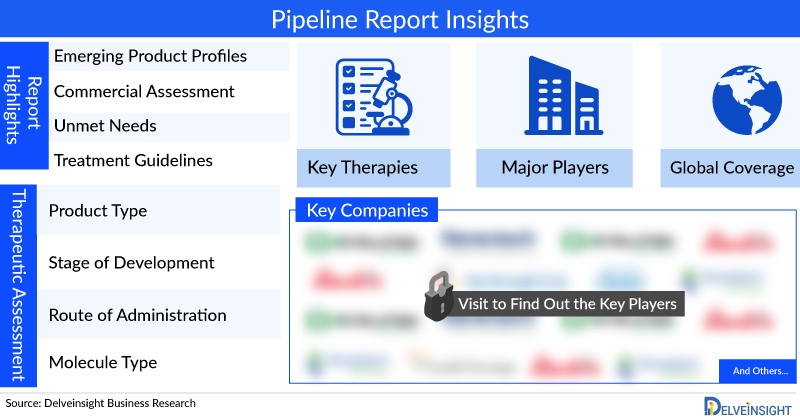
• Key Persistent Epithelial Defects Companies: Eyevance/Amber Ophthalmics, Kala Pharmaceuticals, Noveome Biotherapeutics, Oyster Point Pharma, and others.

• Key Persistent Epithelial Defects Pipeline Therapies: Nexagon, KPI-012, ST266, OC-01, and others.

Explore detailed insights on drugs used in the treatment of persistent epithelial defects here.


Table of Contents

1. Introduction

2. Executive Summary

3. Persistent Epithelial Defects Pipeline: Overview

4. Analytical Perspective In-depth Commercial Assessment

5. Persistent Epithelial Defects Pipeline Therapeutics

6. Persistent Epithelial Defects Pipeline: Late-Stage Products (Phase III)

7. Persistent Epithelial Defects Pipeline: Mid-Stage Products (Phase II)

8. Persistent Epithelial Defects Pipeline: Early Stage Products (Phase I)

9. Therapeutic Assessment

10. Inactive Products

11. Company-University Collaborations (Licensing/Partnering) Analysis

12. Key Companies

13. Key Products

14. Unmet Needs

15. Market Drivers and Barriers

16. Future Perspectives and Conclusion

17. Analyst Views

18. Appendix


About DelveInsight

DelveInsight is a leading Business Consultant and Market Research firm focused exclusively on life sciences. It supports Pharma companies by providing comprehensive end-to-end solutions to improve their performance. Get hassle-free access to all the healthcare and pharma market research reports through our subscription-based platform, PharmDelve.

Media Contact
Company Name: DelveInsight Business Research LLP
Contact Person: Jatin Vimal
Email: Send Email
Phone: +14699457679
Address:304 S. Jones Blvd #2432
City: Las Vegas
State: NV
Country: United States
Website: https://www.delveinsight.com/


Press Release Distributed by ABNewswire.com

To view the original version on ABNewswire visit: Persistent Epithelial Defects Pipeline Insight 2025: Regenerative Biologics, Novel Growth Factor Therapies, and Advanced Ocular Surface Modulators Drive Innovation | DelveInsight
Primary Mitochondrial Myopathies Pipeline Insight 2025: Novel Mitochondrial Modulators, Gene Therapies, and Precision Diagnostics Propel Progress | DelveInsight

“Primary Mitochondrial Myopathies Pipeline”
The therapeutic landscape for Primary Mitochondrial Myopathies (PMM) is evolving rapidly, with novel approaches emerging to address the debilitating effects of impaired mitochondrial energy metabolism. PMM, a rare and heterogeneous group of disorders, currently lacks disease-modifying treatments, with care largely limited to symptom management, supportive measures, and nutritional supplements. This ongoing unmet need is fueling innovation across multiple therapeutic modalities.

DelveInsight’s “Primary Mitochondrial Myopathies – Pipeline Insight, 2025” highlights an expanding array of candidates spanning small molecules, gene therapies, and next-generation mitochondrial modulators. Novel agents targeting mitochondrial biogenesis, oxidative phosphorylation, and redox balance are under active development to restore cellular energy production and reduce muscle weakness and fatigue. Precision gene therapy platforms—including AAV-based delivery systems and genome editing tools—are progressing in preclinical and early clinical stages to directly address underlying genetic mutations. In addition, advancements in metabolic modulators, peptide-based therapies, and repurposed agents are contributing to a diversified therapeutic pipeline.

Emerging diagnostic innovations, including genomic sequencing and functional biomarker platforms, are also enabling better patient stratification, clinical trial design, and personalized treatment pathways. With regulatory support for rare disease drug development, rising patient advocacy, and increased investment from biotech and pharma, the PMM pipeline reflects a transformative shift toward disease-modifying solutions.

The 2025 PMM landscape underscores growing optimism, with promising therapies poised to redefine treatment paradigms—offering hope for durable improvements in quality of life and long-term outcomes for patients affected by these complex mitochondrial disorders.

Interested in learning more about the current treatment landscape and the key drivers shaping the primary mitochondrial myopathies pipeline? Click here


Key Takeaways from the Primary Mitochondrial Myopathies Pipeline Report

• DelveInsight’s primary mitochondrial myopathies pipeline analysis depicts a strong space with 4+ active players working to develop 4+ pipeline drugs for primary mitochondrial myopathies treatment.

• The leading primary mitochondrial myopathies companies include Stealth BioTherapeutics Inc., Omeicos Therapeutics GmbH, UCB Pharma, and others are evaluating their lead assets to improve the primary mitochondrial myopathies treatment landscape.

• Key primary mitochondrial myopathies pipeline therapies in various stages of development include Elamipretide, OMT-28, MT1621, and others.

• In May 2025, the FDA declined approval of elamipretide for mitochondrial syndromes like MLS, citing insufficient clinical trial evidence following phase II results. Patients and advocates are concerned, as the company (Stealth BioTherapeutics) now faces financial strain

5• In April 2024, early results from a phase I trial of KL1333 (designed to boost NAD levels in mitochondria) demonstrated safety and potential improvements in muscle strength and fatigue, assessed via the 30-second Sit-to-Stand Test. Researchers aim to move toward larger confirmatory trials.

• In June 2025, a Phase III, randomized, double-blind trial reported that SYN023 (zamerovimab + mazorelvimab) used for post-exposure prophylaxis achieved superior Day-8 RVNA titers vs HRIG with no rabies cases, published online ahead of print in Vaccine on June 5, 2025.


Primary Mitochondrial Myopathies Overview

Primary Mitochondrial Myopathies (PMM) are a group of rare genetic disorders caused by dysfunction in the mitochondria, the organelles responsible for producing cellular energy. These conditions are typically inherited and can result from mutations in either mitochondrial DNA or nuclear DNA that affect mitochondrial function. PMM primarily affects skeletal muscles, leading to symptoms such as muscle weakness, fatigue, exercise intolerance, and drooping eyelids (ptosis). However, other organs like the brain, heart, and eyes may also be involved, making the clinical presentation diverse and often progressive.

There is currently no cure for PMM, and treatment focuses on symptom management and supportive care. Common approaches include the use of nutritional supplements (such as Coenzyme Q10 or L-carnitine), physical therapy, and regular monitoring of cardiac and neurological function. Several investigational therapies, including Elamipretide, OMT-28, and MT1621, are being evaluated in clinical trials to improve mitochondrial function and alleviate disease burden. Early diagnosis and multidisciplinary care are essential to improving the quality of life for patients with PMM.

Find out more about primary mitochondrial myopathies medication at https://www.delveinsight.com/report-store/primary-mitochondrial-myopathies-pmm-pipeline-insight


Primary Mitochondrial Myopathies Treatment Analysis: Drug Profile

Elamipretide (Stealth BioTherapeutics Inc.)

Elamipretide is a mitochondria-targeted therapeutic in clinical development for diseases linked to mitochondrial dysfunction. It binds to cardiolipin, a key phospholipid in the inner mitochondrial membrane, helping to stabilize membrane structure and improve mitochondrial respiration and energy production. By restoring mitochondrial integrity, elamipretide enhances overall mitochondrial function. The drug is currently undergoing Phase III clinical trials for the treatment of Primary Mitochondrial Myopathy.

OMT-28 (Omeicos Therapeutics GmbH)

OMT-28 is a synthetic analog of the omega-3 metabolite 17,18-EEQ, engineered for high efficacy, safety, and oral bioavailability. It works by activating the AMPK/SIRT-1/PGC1-alpha pathway, reducing mitochondrial dysfunction and oxidative stress. This leads to a decrease in stress markers such as GDF-15 and IL-6. OMT-28 is currently in Phase II clinical trials for the treatment of Primary Mitochondrial Disease.

Learn more about the novel and emerging primary mitochondrial myopathies pipeline therapies.


Primary Mitochondrial Myopathies Therapeutics Assessment

By Product Type

• Mono

• Combination

• Mono/Combination.


By Stage

• Late-stage products (Phase III)

• Mid-stage products (Phase II)

• Early-stage product (Phase I) along with the details of

• Pre-clinical and Discovery stage candidates

• Discontinued & Inactive candidates


By Route of Administration

• Oral

• Intravenous

• Subcutaneous

• Parenteral

• Topical


By Molecule Type

• Recombinant fusion proteins

• Small molecule

• Monoclonal antibody

• Peptide

• Polymer

• Gene therapy


Scope of the Primary Mitochondrial Myopathies Pipeline Report

• Coverage: Global

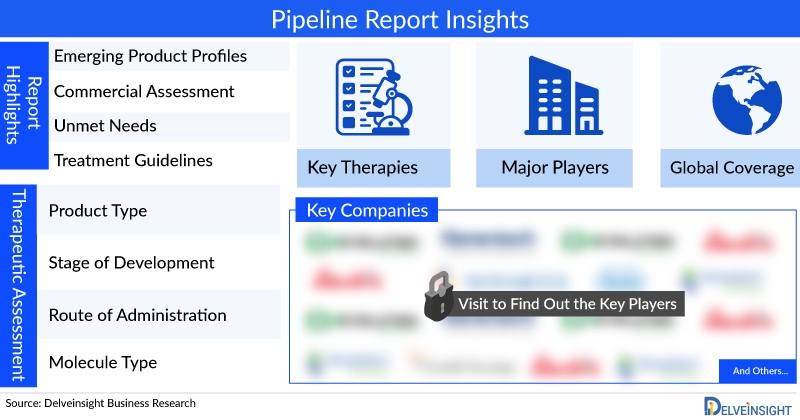
• Key Primary Mitochondrial Myopathies Companies: Stealth BioTherapeutics Inc., Omeicos Therapeutics GmbH, UCB Pharma, and others.

• Key Primary Mitochondrial Myopathies Pipeline Therapies: Elamipretide, OMT-28, MT1621, and others.

Explore detailed insights on drugs used in the treatment of primary mitochondrial myopathies here.


Table of Contents

1. Introduction

2. Executive Summary

3. Primary Mitochondrial Myopathies Pipeline: Overview

4. Analytical Perspective In-depth Commercial Assessment

5. Primary Mitochondrial Myopathies Pipeline Therapeutics

6. Primary Mitochondrial Myopathies Pipeline: Late-Stage Products (Phase III)

7. Primary Mitochondrial Myopathies Pipeline: Mid-Stage Products (Phase II)

8. Primary Mitochondrial Myopathies Pipeline: Early Stage Products (Phase I)

9. Therapeutic Assessment

10. Inactive Products

11. Company-University Collaborations (Licensing/Partnering) Analysis

12. Key Companies

13. Key Products

14. Unmet Needs

15. Market Drivers and Barriers

16. Future Perspectives and Conclusion

17. Analyst Views

18. Appendix


About DelveInsight

DelveInsight is a leading Business Consultant and Market Research firm focused exclusively on life sciences. It supports Pharma companies by providing comprehensive end-to-end solutions to improve their performance. Get hassle-free access to all the healthcare and pharma market research reports through our subscription-based platform, PharmDelve.

Media Contact
Company Name: DelveInsight Business Research LLP
Contact Person: Jatin Vimal
Email: Send Email
Phone: +14699457679
Address:304 S. Jones Blvd #2432
City: Las Vegas
State: NV
Country: United States
Website: https://www.delveinsight.com/


Press Release Distributed by ABNewswire.com

To view the original version on ABNewswire visit: Primary Mitochondrial Myopathies Pipeline Insight 2025: Novel Mitochondrial Modulators, Gene Therapies, and Precision Diagnostics Propel Progress | DelveInsight

Epilepsy Market Outlook 2034 – Clinical Trials, Market Size, Medication, Prevalence, Companies by DelveInsight

“Epilepsy Market”
Epilepsy Treatment Drugs Market Size in the 7MM was approximately USD 9 billion in 2023 and is projected to increase during the forecast period (2024–2034), with a CAGR of approximately 7%.

Epilepsy Market Summary

The Epilepsy Market is projected to grow at a CAGR of ~7% from 2024 to 2034 across the 7MM, driven by innovative therapies such as LIBERVANT, XEN1101, COMFYDE, Lorcaserin, and Soticlestat. The market is becoming increasingly competitive, with new drug developments and recent approvals in epilepsy surgery for specific patient groups, including those with acute repetitive seizures and Lennox-Gastaut syndrome. In 2023, around 7 million diagnosed prevalent cases were reported in the 7MM, with the US accounting for 48%, EU4 and the UK 39%, and Japan 13%. Current antiepileptic drugs focus mainly on seizure control and often have side effects, offering limited benefit for refractory epilepsy patients. However, a strong pipeline targeting ion channels, receptors, and neurotransmitters may significantly shift market dynamics in the coming years.


DelveInsight’s “Epilepsy Market Insights, Epidemiology, and Market Forecast – 2034” report offers a comprehensive analysis of epilepsy, covering historical trends, forecasted epidemiology, and market dynamics across the United States, EU4 (Germany, Spain, Italy, and France), the United Kingdom, and Japan. The epilepsy treatment market is expected to experience significant growth in the coming years, fueled by advancements in therapeutic approaches and rising awareness of the disease. The pipeline features innovative candidates designed to manage acute seizures and reduce recurrence rates. The report details current treatment patterns, emerging therapies, market share of existing drugs, and the projected epilepsy market size from 2020 to 2034 across seven major markets. It also highlights treatment algorithms, key growth drivers, barriers, and unmet needs, helping to identify strategic opportunities and assess the full potential of the epilepsy market.


Discover Key Insights into the Epilepsy Market with DelveInsight’s In-Depth Report @ Epilepsy Market Analysis


Key Takeaways from the Epilepsy Market Report

  • Epilepsy Treatment Market Size in the 7MM was approximately USD 9 billion in 2023 and is projected to increase during the forecast period (2024–2034), with a CAGR of approximately 7%.
  • The leading Epilepsy Companies such as Xenon Pharmaceuticals, Aquestive Therapeutics, Atnahs Pharma (Pharmanovia), Takeda, Ovid Therapeutics, SK Biopharmaceuticals (SK Life Science), Eisai, Biohaven Pharmaceuticals, Knopp Biosciences, UCB Pharma, Alexza Pharmaceuticals, Neurocrine Biosciences, Idorsia Pharmaceuticals, Equilibre Biopharmaceuticals, and others.
  • Promising Epilepsy Therapies such as Satralizumab, GWP42003-P, Cannabidiol, Carisbamate, XEN1101, Ganaxalone, and others.
  • In the 7MM, the total diagnosed prevalent cases of epilepsy were nearly 7 million in 2023, which is expected to increase at a CAGR of 0.4% by 2034.
  • In the US, the total diagnosed prevalent cases of epilepsy were approximately 3.3 million in 2023, of which nearly 14% of cases were diagnosed in children and 86% in adults; the total cases of epilepsy are expected to increase by 2034.
  • In 2023, the diagnosed prevalent cases in the EU4 and the UK comprised nearly 1.3 million male cases and 1.5 million female cases. These numbers are expected to rise throughout the study period.
  • In 2023, among EU4 and the UK, Germany had the highest number of cases of epilepsy, i.e., 735 thousand, of which nearly 74% of the cases were focal epileptic seizures, 18% were generalized epileptic seizures, while 8% of the cases were other determined or undetermined epileptic seizures.
  • Among the 7MM, in 2023, Japan accounted for the second highest diagnosed prevalent cases of epilepsy, i.e., 890 thousand cases, these cases are expected to change during the study period.
  • In Japan, among the other types of epilepsies and associated diseases, the highest cases were found in drug-resistant epilepsy/refractory cases, i.e., 82 thousand followed by photosensitivity and childhood absence epilepsy with equal cases, i.e., 44 thousand, in 2023. These cases are expected to change by 2034.


Stay ahead in the Epilepsy Therapeutics Market with DelveInsight’s Strategic Report @ Epilepsy Treatment Market Outlook


Epilepsy Epidemiology

In 2023, the 7MM reported nearly 7 million diagnosed prevalent cases of epilepsy, projected to grow at a CAGR of 0.4% through 2034. The US accounted for about 3.3 million cases, with 14% in children and 86% in adults, expected to rise further. In the EU4 and the UK, there were ~1.3 million male and 1.5 million female cases, with Germany leading at 735,000—74% focal seizures, 18% generalized, and 8% other/undetermined. Japan reported 890,000 cases, the second highest in the 7MM, with drug-resistant epilepsy (82,000), photosensitivity (44,000), and childhood absence epilepsy (44,000) being the most prevalent subtypes. These numbers are anticipated to increase by 2034.

Epilepsy Epidemiology Segmentation in the 7MM

  • Total Diagnosed Prevalent Cases
  • Gender-specific Diagnosed Prevalent Cases
  • Diagnosed Prevalent Cases of Epilepsy Based on Seizure Type
  • Diagnosed Cases of Other Types of Epilepsies and Associated Diseases


Download the report to understand which factors are driving Epilepsy epidemiology trends @ Epilepsy Prevalence


Epilepsy Treatment Market

The Epilepsy treatment paradigm of epilepsy or its management strategies involves three main categories, i.e., pharmacotherapy, surgery, and alternative treatment strategies, including neurostimulation, ketogenic diet, and lifestyle changes. Medical professionals decide the treatment line according to the patient’s condition and the severity of the case. Epilepsy treatment involves various drug classes to control seizures, including sodium channel blockers (e.g., phenytoin, lamotrigine), which stabilize neuronal activity by inhibiting abnormal electrical impulses. Calcium channel blockers (e.g., ethosuximide) are effective for absence seizures, while GABAergic agents (e.g., valproate, benzodiazepines) enhance inhibitory neurotransmission to reduce seizure frequency.

The epilepsy market is primarily driven by the rising prevalence of neurological disorders, increased awareness about the disease, and advancements in diagnostic technologies and treatment options, including novel anti-epileptic drugs (AEDs) and neuromodulation therapies. Additionally, growing healthcare expenditure and government support for rare and chronic diseases contribute to market expansion. However, several barriers hinder its growth, such as the high cost of advanced treatments, limited accessibility in low-income regions, and a lack of disease awareness in rural populations. Moreover, challenges related to drug-resistant epilepsy and the side effects associated with long-term AED usage continue to impede optimal disease management.


Marketed Epilepsy Drugs

  • LIBERVANT (diazepam buccal film): Aquestive Therapeutics/Atnahs Pharma (Pharmanovia)
  • EPIDIOLEX/EPIDYOLEX (cannabidiol): Jazz Pharmaceuticals
  • XCOPRI/ONTOZRY (cenobamate): SK Biopharmaceutical/Angelini Pharma/Ono Pharmaceutical
  • AFINITOR DISPERZ/VOTUBIA (everolimus): Novartis


Emerging Epilepsy Drugs

  • XEN1101/Azetukalner: Xenon Pharmaceuticals
  • Soticlestat (TAK-935): Takeda/Ovid Therapeutics


Get In-Depth Knowledge on Epilepsy Market Trends and Forecasts with DelveInsight @ Epilepsy Treatment Market


Epilepsy Market Drivers

  • Rising Prevalence of Epilepsy: Nearly 7 million diagnosed prevalent cases in the 7MM, with numbers expected to grow steadily.
  • Advancements in Therapies: Launch of innovative drugs like LIBERVANT, XEN1101, COMFYDE, Lorcaserin, and Soticlestat offering new treatment options.
  • Expanding Treatment Landscape: Increasing approvals in epilepsy surgery and targeted therapies for subgroups such as acute repetitive seizures, partial onset seizures, and Lennox-Gastaut syndrome.
  • Robust Pipeline: Ongoing research focusing on ion channels, receptors, and neurotransmitters, aiming to address refractory epilepsy and improve patient outcomes.
  • Growing Awareness & Diagnosis: Improved screening and early diagnosis, particularly in developed markets, is expanding the patient pool.


Epilepsy Market Barriers

  • Limited Cure Potential: Current antiepileptic drugs (AEDs) primarily control seizures without addressing the root cause of epilepsy.
  • Treatment Gaps in Refractory Epilepsy: Many patients continue to experience seizures despite multiple drug combinations, leaving unmet medical needs.
  • Side Effects of AEDs: Cardiovascular, respiratory, and cognitive side effects hinder patient compliance and long-term use.
  • High Competition & Market Saturation: Numerous drugs with similar mechanisms make differentiation difficult for new entrants.
  • Economic Burden: High cost of newer therapies and surgery limits accessibility, particularly in low- and middle-income countries.


Scope of the Epilepsy Market Report

  • Coverage- 7MM
  • Epilepsy Companies- Equilibre Biopharmaceuticals (Private), Eisai Co., Ltd. (TYO: 4523), Biohaven Ltd. (NYSE: BHVN), SK Biopharmaceuticals Co., Ltd. (KRX: 326030), Atnahs Pharma (Private, now Pharmanovia), Ovid Therapeutics Inc. (NASDAQ: OVID), Idorsia Ltd (SWX: IDIA), Xenon Pharmaceuticals Inc. (NASDAQ: XENE), Aquestive Therapeutics Inc. (NASDAQ: AQST), UCB S.A. (EBR: UCB), Alexza Pharmaceuticals (Private), Neurocrine Biosciences Inc. (NASDAQ: NBIX), Takeda Pharmaceutical Company Limited (TYO: 4502), Knopp Biosciences and others.
  • Epilepsy Therapies- Satralizumab, GWP42003-P, Cannabidiol, Carisbamate, XEN1101, Ganaxalone, and others.
  • Epilepsy Competitive Intelligence Analysis: SWOT analysis and Market entry strategies
  • Epilepsy Unmet Needs, KOL’s views, Analyst’s views, Epilepsy Market Access and Reimbursement


Unlock Strategic Insights with DelveInsight’s Comprehensive Epilepsy Market Report @ Epilepsy Market Drivers and Barriers


Table of Content

1 Key Insights

2 Report Introduction

3 Epilepsy Market Overview at a Glance

4 Methodology of Epilepsy Epidemiology and Market

5 Executive Summary

6 Key Events

7 Disease Background and Overview

8 Epilepsy Patient Journey

9 Epilepsy Epidemiology and Patient Population

10 Epilepsy Marketed Drugs

11 Epilepsy Emerging Drugs

12 Epilepsy: Market Analysis

13 Key Opinion Leaders’ Views

14 SWOT Analysis

15 Epilepsy Unmet Needs

16 Market Access and Reimbursement

17 Appendix

18 DelveInsight Capabilities

19 Disclaimer

20 About DelveInsight


About Us

DelveInsight is a leading healthcare-focused market research and consulting firm that provides clients with high-quality market intelligence and analysis to support informed business decisions. With a team of experienced industry experts and a deep understanding of the life sciences and healthcare sectors, we offer customized research solutions and insights to clients across the globe. Connect with us to get high-quality, accurate, and real-time intelligence to stay ahead of the growth curve.

Media Contact
Company Name: DelveInsight Business Research LLP
Contact Person: Ankit Nigam
Email: Send Email
Phone: +14699457679
Address:304 S. Jones Blvd #2432
City: Albany
State: New York
Country: United States
Website: https://www.delveinsight.com/consulting/conference-coverage-services


Press Release Distributed by ABNewswire.com

To view the original version on ABNewswire visit: Epilepsy Market Outlook 2034 – Clinical Trials, Market Size, Medication, Prevalence, Companies by DelveInsight

Biotech at a Pivotal Moment: Four Stocks Defining The Transformation (MDCX, IOBT, INSM, RNA)

The biotech sector is entering a pivotal phase fueled by scientific breakthroughs, accelerated regulatory approvals, and a surge of strategic dealmaking. The Nasdaq Biotechnology Index has posted strong gains, signaling renewed investor confidence. The FDA is clearing a record number of novel therapies, while global mergers and acquisitions have climbed past $105 billion, a seven percent increase from last year.

Together, these forces are reshaping the industry, aligning innovation with market demand and creating compelling opportunities for investors. Clinical progress, regulatory momentum, and consolidation are converging to define what could be one of the most transformative periods in biotech history.

Medicus Pharma Ltd. (NASDAQ: MDCX) is an emerging biotech company that is beginning to make its mark through a combination of innovative clinical programs, international expansion, and strategic partnerships. With a footprint across three continents, the company is focused on advancing novel therapeutics using its proprietary dissolvable microneedle array technology. This platform is designed to deliver chemotherapy and other agents directly through the skin in a way that is both noninvasive and precise.

In June 2025 Medicus strengthened its balance sheet with a seven million dollar public offering priced at three dollars and ten cents per unit. Each unit included one common share and a warrant exercisable at the same price for five years. The financing, led by Maxim Group with additional placement support, gives the company fresh capital to advance its Phase 2 proof-of-concept trial in basal cell carcinoma. Proceeds may also extend into pivotal trials and additional non-melanoma skin disease programs, further broadening the development pipeline.

The company’s lead asset, a doxorubicin-loaded dissolvable microneedle patch known as D-MNA, is already showing clinical promise. Earlier Phase 1 work confirmed safety and tolerability with no dose-limiting toxicities. Remarkably, six patients achieved complete responses, defined as the disappearance of basal cell carcinoma on final histology. Building on that foundation, Medicus has been conducting a randomized Phase 2 study across nine United States sites, with interim analysis indicating more than sixty percent clearance. Enrollment has been expanded to ninety subjects, with additional European trial sites and a parallel study in the United Arab Emirates at institutions such as Cleveland Clinic Abu Dhabi.

In parallel, Medicus is targeting veterinary oncology, where treatment options are limited. Its D-MNA patch received a Minor Use in Major Species designation from the FDA for external squamous cell carcinoma in horses, a market that management estimates at a potential two hundred and fifty million dollars. As Executive Chairman and CEO Dr. Raza Bokhari explained, “Developing a non-invasive treatment for equine SCC represents an untapped and unmet market opportunity.” A randomized study is planned in fifty horses, providing another path to market with orphan-style exclusivity incentives.

Medicus is also bolstering its pipeline through acquisitions and collaborations. In April it announced a binding letter of intent to acquire UK-based Antev Limited, which is developing Teverelix, a next-generation therapy for advanced prostate cancer. And in August Medicus unveiled a memorandum of understanding with Helix Nanotechnologies to co-develop thermostable mRNA vaccines delivered by microneedle arrays. The goal is to create needle-free vaccines that do not require cold-chain storage, potentially transforming global immunization logistics.

Governance is strengthening as well. At its July shareholder meeting, Medicus added two high-profile directors: former Congresswoman Cathy McMorris Rodgers, who chaired the House Energy and Commerce Committee, and Ajay Raju, a venture capitalist and early investor in Medicus. Their combined experience in policy, capital markets, and biotech entrepreneurship adds credibility as the company scales.

Taken together, Medicus Pharma is positioning itself as more than a single-asset developer. The company is advancing human and veterinary oncology programs, expanding geographically, and forging partnerships that could extend its microneedle platform into vaccines. With fresh funding, positive early clinical signals, and a strengthened board, MDCX has a profile that investors may want to watch closely as the biotech sector gains renewed momentum.

Insmed Inc. (NASDAQ: INSM) is entering a defining moment as it prepares for one of the most meaningful product launches in its history. The company has already built a strong commercial foundation with Arikayce, which generated one hundred and seven million dollars in the second quarter of 2025, representing nineteen percent growth over the prior year. Momentum was evident across every geography, and management reaffirmed full-year revenue guidance of four hundred and five to four hundred and twenty-five million dollars. This level of consistency matters because it provides both proof of execution and a financial base to support the next wave of innovation.

The centerpiece of that innovation is brensocatib, a first-in-class oral therapy for patients with bronchiectasis. The FDA has granted priority review with an action date of August twelfth, and if approved, the drug will launch immediately in the United States. Regulatory filings are also under review in Europe and the United Kingdom, with a submission planned for Japan later this year. These launches could create a global commercial franchise beginning in 2026 and mark the first meaningful therapeutic advance for a large population of underserved patients.

Beyond brensocatib, INSM is also progressing its treprostinil palmitil inhalation powder program for pulmonary vascular disease. Positive phase two results in pulmonary arterial hypertension this summer demonstrated reductions in pulmonary vascular resistance and improvements in exercise capacity, setting the stage for phase three trials in both interstitial lung disease and pulmonary arterial hypertension. The company is also expanding into genetic medicines, with its first patient treated in a Duchenne muscular dystrophy study and additional candidates advancing toward clinical entry.

For investors, INSM combines growing revenue, late-stage regulatory catalysts, and a pipeline that touches pulmonary disease, rare conditions, and gene therapy. That balance of commercial validation and clinical expansion makes the current period one of the most important in the company’s trajectory.

IO Biotech Inc. (NASDAQ: IOBT) is advancing an ambitious immuno-oncology strategy with its off-the-shelf cancer vaccine platform, T-win. The company’s lead candidate, Cylembio, is designed to activate T cells against both tumor cells and the immunosuppressive microenvironment, a dual mechanism that could differentiate it from other checkpoint-based approaches.

In August, IO Biotech announced topline results from its pivotal Phase 3 trial of Cylembio in combination with Merck’s KEYTRUDA for first-line advanced melanoma. While the study narrowly missed statistical significance on its primary endpoint, the clinical signal was notable: median progression-free survival reached 19.4 months versus 11.0 months with KEYTRUDA alone, the longest ever reported in a Phase 3 melanoma trial. Subgroup analyses further strengthened the case, with PD-L1 negative patients achieving 16.6 months progression-free survival compared to just 3.0 months in the control arm, and post-hoc analyses showing 24.8 months versus 11.0 months in patients without prior PD-1 therapy. Importantly, the regimen was well tolerated, with no new safety issues identified.

The company plans to meet with the FDA this fall to discuss a potential Biologics License Application, a meeting that could shape the next phase of its development and commercial trajectory. Beyond melanoma, Cylembio is also being studied in head and neck cancer, non-small cell lung cancer, and perioperative settings, with multiple Phase 2 readouts expected in late 2025 and 2026.

On the balance sheet, IO Biotech ended the second quarter with $28.1 million in cash and subsequently drew €12.5 million from its European Investment Bank loan facility, extending its runway into early 2026. Management will highlight progress at the Morgan Stanley Global Healthcare Conference and H.C. Wainwright Annual Investment Conference in September, events that could serve as catalysts for visibility. For investors, IOBT represents a high-risk, high-reward play at the intersection of clinical innovation and regulatory inflection.

Avidity Biosciences (NASDAQ: RNA) is advancing a new class of RNA therapeutics known as Antibody Oligonucleotide Conjugates (AOCs), a platform designed to expand the reach of RNA medicines into tissues previously thought to be inaccessible. The company has established clinical leadership in rare neuromuscular diseases while also building a broader pipeline in cardiology and immunology.

The second quarter of 2025 underscored this momentum. Avidity aligned with the FDA on both accelerated and full approval pathways for del-brax in facioscapulohumeral muscular dystrophy (FSHD) and reported positive topline data from its Phase 1/2 FORTITUDE trial, demonstrating functional improvement, biomarker reductions, and strong safety. A global confirmatory Phase 3 trial has since been initiated, with the goal of supporting worldwide registration.

In Duchenne muscular dystrophy, the company’s del-zota program (DMD44) secured Breakthrough Therapy designation in July, keeping Avidity on track for a BLA submission by year-end 2025—its first regulatory filing. Meanwhile, in myotonic dystrophy type 1, enrollment has been completed in the pivotal HARBOR trial, with long-term data updates expected later this year and a pivotal readout in mid-2026. Together, these three late-stage neuromuscular programs position Avidity for as many as three BLA submissions over a 12-month span, beginning with del-zota.

Financially, Avidity is well-capitalized, ending Q2 with approximately $1.2 billion in cash, equivalents, and securities, further bolstered by $185.5 million in recent ATM proceeds. Management expects this runway to extend into mid-2027, providing the resources to prepare for its first potential U.S. commercial launch in 2026 while scaling a global infrastructure.

With advancing clinical data, clear regulatory pathways, and one of the strongest balance sheets in its peer group, Avidity is positioned at a pivotal juncture. Success across any one of its lead programs could establish AOCs as a transformative new class of RNA therapy.

Disclaimers: RazorPitch Inc. “RazorPitch” is not operated by a licensed broker, a dealer, or a registered investment adviser. This content is for informational purposes only and is not intended to be investment advice. The Private Securities Litigation Reform Act of 1995 provides investors a safe harbor in regard to forward-looking statements. Any statements that express or involve discussions with respect to predictions, expectations, beliefs, plans, projections, objectives, goals, assumptions, or future events or performances are not statements of historical fact and may be forward-looking statements. Forward-looking statements are based on expectations, estimates, and projections at the time the statements are made that involve a number of risks and uncertainties that could cause actual results or events to differ materially from those presently anticipated. Forward-looking statements in this action may be identified through the use of words such as projects, foresee, expects, will, anticipates, estimates, believes, understands, or that by statements indicating certain actions & quote; may, could, or might occur. Understand there is no guarantee past performance will be indicative of future results. Investing in micro-cap and growth securities is highly speculative and carries an extremely high degree of risk. It is possible that an investor’s investment may be lost or impaired due to the speculative nature of the companies profiled. RazorPitch has been retained and compensated by Medicus Pharma to assist in the production and distribution of content related to MDCX. RazorPitch is responsible for the production and distribution of this content. It should be expressly understood that under no circumstances does any information published herein represent a recommendation to buy or sell a security. This content is for informational purposes only; you should not construe any such information or other material as legal, tax, investment, financial, or other advice. Nothing contained in this article constitutes a solicitation, recommendation, endorsement, or offer by RazorPitch or any third-party service provider to buy or sell any securities or other financial instruments. All content in this article is information of a general nature and does not address the circumstances of any particular individual or entity. Nothing in this article constitutes professional and/or financial advice, nor does any information in the article constitute a comprehensive or complete statement of the matters discussed or the law relating thereto. RazorPitch is not a fiduciary by virtue of any persons use of or access to this content.

Media Contact
Company Name: RazorPitch
Contact Person: Mark McKelvie
Email: Send Email
City: NAPLES
State: Florida
Country: United States
Website: https://razorpitch.com/


Press Release Distributed by ABNewswire.com

To view the original version on ABNewswire visit: Biotech at a Pivotal Moment: Four Stocks Defining The Transformation (MDCX, IOBT, INSM, RNA)

Neuroblastoma Market Outlook 2034 – Clinical Trials, Market Size, Medication, Prevalence, Companies by DelveInsight

“Neuroblastoma Market”
Neuroblastoma companies in the treatment market include United Therapeutics, EUSA Pharma, Y-mAbs Therapeutics, Clarity Pharmaceuticals, and many others.

Neuroblastoma Market Summary

The Neuroblastoma Treatment Market is projected to grow significantly by 2034. About 90% of cases occur in children under 5, with nearly 50% of high-risk cases relapsing after initial remission and 15% showing treatment resistance (refractory neuroblastoma). Current treatment options include surgery, chemotherapy, radiation, and stem cell transplantation. Approved drugs include IWILFIN (USWM), DANYELZA (Y-mAbs), QARZIBA (EUSA Pharma), among others. IWILFIN became the first FDA-approved therapy to reduce relapse risk in pediatric and adult high-risk neuroblastoma patients, with ongoing regulatory submissions in multiple countries. The pipeline is strong, featuring candidates like 64Cu/67Cu SARTATE, idasanutlin, SACT-1, and LEE011. Recent industry moves include Essential Pharma’s acquisition of Renaissance Pharma (Hu14.18 immunotherapy, Phase II) and a manufacturing partnership with AGC Biologics in 2024.


DelveInsight’s report, “Neuroblastoma Market Insight, Epidemiology, and Market Forecast – 2034,” provides a comprehensive analysis of Neuroblastoma, covering its historical and projected epidemiology, along with market trends across the United States, EU5 (Germany, Spain, Italy, France, and the United Kingdom), and Japan. The report examines current treatment practices, emerging therapies, market share of available drugs, and market size forecasts from 2020 to 2034 across the seven major markets. It also highlights the treatment landscape, market drivers and barriers, unmet medical needs, and growth opportunities, offering insights into the future potential of the Neuroblastoma market.


To Know in detail about the Neuroblastoma market outlook, drug uptake, treatment scenario, and epidemiology trends, Click here: Neuroblastoma Market Forecast


Some of the key facts of the Neuroblastoma Market Report:

  • Among the 7MM, the US had the highest number of incident cases of neuroblastoma in 2023.
  • There are about 700–800 new cases of neuroblastoma each year in the US.
  • Several approved drugs for neuroblastoma include IWILFIN (USWM), DANYELZA (Y-mAbs Therapeutics), QARZIBA (EUSA Pharma), and others.
  • In August 2025, Curant Health is proud to announce that Curant Rare is now the exclusive pharmacy partner for IWILFIN™, a groundbreaking therapy used to reduce the risk of relapse in adults and children with high-risk neuroblastoma (HRNB). Beginning in August 2025, patients will transition to Curant Rare with one clear goal in mind: to ensure uninterrupted access to care while enhancing the patient and caregiver experience through the IWILFIN Cares® program.
  • In July 2025, Norgine, a leading European specialty pharmaceutical company, is pleased to announce that Swissmedic has approved the registration of IFINWIL® (eflornithine) as monotherapy for the treatment of paediatric patients from one year with high-risk neuroblastoma (HRNB)1.
  • On 7 May 2025, the FDA approved an IND application enabling Myrio’s lead product (PHOX2B PC-CAR T) to enter human trials. Myrio, in collaboration the leading children’s hospital in Philadelphia have co-developed a Chimeric Antigen Receptor (CAR-T) therapy for the treatment of neuroblastoma. Under the leadership of Prof. John Maris, a functionally relevant and highly specific protein, called PHOX2B, was identified in neuroblastoma cells and the team elucidated that a peptide from PHOX2B could serve as an excellent target for an immunotherapy to treat this devastating disease.
  • In September 2024, Senhwa Biosciences, Inc. (TPEx: 6492) announced that its new drug Silmitasertib (CX-4945) was granted a rare pediatric disease designation (RPDD) by US FDA for the treatment of neuroblastoma.
  • In August 2024, RedHill Biopharma Ltd. announced that the US FDA granted orphan-drug designation to opaganib for treatment of neuroblastoma.
  • In August 2024, Invenra Inc. announced that its bispecific antibody INV724, developed for neuroblastoma, was awarded both Rare Pediatric Disease (RPDD) and Orphan Drug (ODD) Designations by the US FDA.
  • In April 2024, Essential Pharma completed the acquisition of Renaissance Pharma, with its lead asset Hu14.18K322A (Hu14.18), an immunotherapy currently in Phase II clinical development for high-risk neuroblastoma (HRNB).
  • Emerging therapies include UNITUXIN (dinutuximab), QARZIBA (dinutuximab beta), Omburtamab, SARTATE, and others.
  • Key companies in the neuroblastoma treatment market include United Therapeutics, EUSA Pharma, Y-mAbs Therapeutics, Clarity Pharmaceuticals, and many others.


Neuroblastoma Overview

Neuroblastoma is a tumor that develops from neuroblasts (immature nerve tissue) in an infant or child, usually before the age of five. It most often develops in infancy and may be diagnosed in the first month of life. The tumor most often develops in the adrenal gland but may develop in the neck, chest, or spinal cord. It is considered an aggressive tumor because it often spreads to other parts of the body (metastasize). In most cases, it has spread by the time it is diagnosed. A neuroblastoma can cause a variety of signs and symptoms, including a lump where the tumor is growing, bone pain, diarrhea, and various neurological symptoms. The cause of most neuroblastomas is not known. Rarely, a neuroblastoma is caused by an inherited mutation in a gene, such as the ALK gene or PHOX2B gene.


Discover Neuroblastoma market drivers, barriers, company strategies, and emerging opportunities across the 7MM – Neuroblastoma Treatment Market


Neuroblastoma Epidemiology

In 2023, the US recorded the highest number of neuroblastoma incidence cases among the 7MM, with about 700–800 new cases annually. The UK reports around 100 pediatric cases (ages 0–14) each year, while Japan sees 150–200 cases annually, accounting for roughly 8% of pediatric cancers.

Neuroblastoma Epidemiology Segmentation

The Neuroblastoma epidemiology chapter in the report provides historical as well as forecasted epidemiology segmented by:

  • Total Incident Cases of Neuroblastoma
  • Age-specific Incident Cases of Neuroblastoma
  • Incident Cases of Neuroblastoma by Risk Groups
  • Treatable Cases of Neuroblastoma


Download the report to understand which factors are driving Neuroblastoma epidemiology trends @ Neuroblastoma Patient Population


Neuroblastoma Drugs Uptake and Pipeline Development Activities

  • 64Cu/67Cu SARTATE (Clarity Pharmaceuticals): A next-generation radiopharmaceutical targeting SSTR2-positive cancers with high specificity and stability. Currently in Phase I/II trials for pediatric high-risk neuroblastoma (advanced to Cohort III). It has received FDA Orphan Drug Designation (64Cu & 67Cu) and Rare Pediatric Disease Designation (67Cu) for neuroblastoma treatment.
  • SACT-1 (Aptorum Group): An orally administered repurposed small molecule designed to induce tumor cell death and suppress MYCN expression, commonly amplified in high-risk/relapsed neuroblastoma. Intended for use in combination with chemotherapy. In June 2023, Aptorum submitted its Phase Ib/IIa trial protocol to the FDA for relapsed/refractory high-risk neuroblastoma. The drug has also been granted FDA Orphan Drug Designation.


Get a comprehensive view of drug uptake trends, clinical progress, regulatory designations, and market opportunities shaping the neuroblastoma market @ Neuroblastoma Medication and FDA Approvals


Neuroblastoma Therapies and Key Companies

  • Omburtamab: Y-mabs therapeutics
  • SARTATE: Clarity Pharmaceuticals
  • Sacituzumab Tirumotecan (Mk-2870): Merck And Kelun-Biotech
  • Eflornithine: K C Pharmaceuticals


Neuroblastoma Market Drivers

  • Rising incidence in children: Neuroblastoma accounts for ~8% of pediatric cancers, with significant annual cases across the US, UK, and Japan.
  • High unmet medical need: Many children with high-risk neuroblastoma relapse (~50%) or show treatment resistance (~15%), creating demand for novel therapies.
  • Advancements in treatment options: Approval of drugs like IWILFIN, DANYELZA, and QARZIBA, and pipeline therapies such as 64Cu/67Cu SARTATE, SACT-1, and Hu14.18.
  • Regulatory support: FDA Orphan Drug and Rare Pediatric Disease designations encourage drug development.
  • Strategic collaborations and acquisitions: Partnerships (e.g., Essential Pharma with AGC Biologics) are strengthening R&D and commercialization efforts.
  • Shift toward precision medicine: Development of targeted therapies and immunotherapies addressing genetic and molecular drivers like MYCN amplification.


Neuroblastoma Market Barriers

  • Small patient pool: Being a rare pediatric cancer, the limited number of cases reduces overall market size and commercial viability.
  • High relapse and refractory rates: Despite new therapies, outcomes remain poor for many high-risk patients.
  • High cost of therapies: Advanced biologics and radiopharmaceuticals pose affordability and accessibility challenges.
  • Complex clinical trials: Recruiting pediatric patients for trials is difficult, slowing R&D timelines.
  • Regulatory hurdles: Pediatric oncology trials face stricter ethical and safety requirements, delaying approvals.
  • Limited awareness in low-incidence regions: Diagnosis and timely treatment may be hindered in certain geographies due to lack of specialized expertise.


To learn more about Neuroblastoma companies working in the treatment market, visit @ Neuroblastoma Clinical Trials and Therapeutic Assessment


Scope of the Neuroblastoma Market Report

  • Study Period: 2020–2034
  • Coverage: 7MM [The United States, EU5 (Germany, France, Italy, Spain, and the United Kingdom), and Japan]
  • Key Neuroblastoma Companies: United Therapeutics, EUSA Pharma, Y-mAbs Therapeutics, Clarity Pharmaceuticals, and many others.
  • Key Neuroblastoma Therapies: UNITUXIN (dinutuximab), QARZIBA (dinutuximab beta), Omburtamab, SARTATE, and others.
  • Neuroblastoma Therapeutic Assessment: Neuroblastoma current marketed and Neuroblastoma emerging therapies
  • Neuroblastoma Market Dynamics: Neuroblastoma market drivers and Neuroblastoma market barriers
  • Competitive Intelligence Analysis: SWOT analysis, PESTLE analysis, Porter’s five forces, BCG Matrix, Market entry strategies
  • Neuroblastoma Unmet Needs, KOL’s views, Analyst’s views, Neuroblastoma Market Access and Reimbursement


Table of Contents

1. Neuroblastoma Market Report Introduction

2. Executive Summary for Neuroblastoma

3. SWOT analysis of Neuroblastoma

4. Neuroblastoma Patient Share (%) Overview at a Glance

5. Neuroblastoma Market Overview at a Glance

6. Neuroblastoma Disease Background and Overview

7. Neuroblastoma Epidemiology and Patient Population

8. Country-Specific Patient Population of Neuroblastoma

9. Neuroblastoma Current Treatment and Medical Practices

10. Neuroblastoma Unmet Needs

11. Neuroblastoma Emerging Therapies

12. Neuroblastoma Market Outlook

13. Country-Wise Neuroblastoma Market Analysis (2020–2034)

14. Neuroblastoma Market Access and Reimbursement of Therapies

15. Neuroblastoma Market Drivers

16. Neuroblastoma Market Barriers

17. Neuroblastoma Appendix

18. Neuroblastoma Report Methodology

19. DelveInsight Capabilities

20. Disclaimer

21. About DelveInsight


About DelveInsight

DelveInsight is a leading Healthcare Business Consultant and Market Research firm focused exclusively on life sciences. It supports Pharma companies by providing comprehensive end-to-end solutions to improve their performance.

Media Contact
Company Name: DelveInsight Business Research LLP
Contact Person: Ankit Nigam
Email: Send Email
Phone: +14699457679
Address:304 S. Jones Blvd #2432
City: Albany
State: New York
Country: United States
Website: https://www.delveinsight.com/consulting/conference-coverage-services


Press Release Distributed by ABNewswire.com

To view the original version on ABNewswire visit: Neuroblastoma Market Outlook 2034 – Clinical Trials, Market Size, Medication, Prevalence, Companies by DelveInsight

Acne Vulgaris Market Outlook 2034 – Clinical Trials, Market Size, Medication, Prevalence, Companies by DelveInsight

The Acne Vulgaris Market Size in the 7MM was approximately USD 4,256 million in 2023 and is projected to increase during the forecast period (2024–2034).

Acne Vulgaris Market Summary

In 2023, the US led the Acne Vulgaris market across the 7MM, valued at about USD 2,949 million, with growth projected through 2034. The 7MM reported nearly 29.4 million diagnosed cases, expected to rise due to factors like hormones, diet, genetics, and pollution. The highest prevalence was seen in the 15–19 age group, with around 5.9 million cases in the US. Emerging therapy SB204, anticipated to launch in 2027, is expected to significantly ease the acne burden in coming years.


DelveInsight’s report, “Acne Vulgaris Market Insights, Epidemiology, and Market Forecast – 2034” provides a comprehensive overview of Acne Vulgaris, including historical and projected epidemiology as well as therapeutic market trends across the United States, EU4 (Germany, Spain, Italy, and France), the United Kingdom, and Japan. The report presents detailed insights into revenue patterns, disease prevalence, and the treatment landscape, while also analyzing the market size and growth potential. It further explores the pipeline of emerging therapies, their clinical progress, and the impact of ongoing and upcoming trials expected to shape future treatment strategies. This study serves as a valuable resource for understanding market dynamics and the evolving therapeutic opportunities in Acne Vulgaris.


Unlock key insights into the Acne Vulgaris Market! Download DelveInsight’s comprehensive report to explore market trends, pipeline analysis, and emerging therapies @ Acne Vulgaris Market Size


Key Takeaways from the Acne Vulgaris Market Report

  • The Acne Vulgaris market size was valued ~USD 4,256 million in 2023 among the 7MM countries and is anticipated to grow with a significant CAGR during the study period (2020-2034)
  • In May 2025, AOB Pharma reported new metabolomic insights on B244, showing it produces multiple skin-beneficial metabolites, with select data presented at the Dermatology Drug Development Summit Europe, highlighting its potential for broader therapeutic applications.
  • In April 2025, Dermata reported Phase III results showing XYNGARI achieved significant efficacy, separating from placebo after four weekly treatments, positioning it as a potential first once-weekly topical for moderate-to-severe acne.
  • In April 2025, Cosmo reported that the EMA’s CHMP issued a negative opinion on WINLEVI’S marketing application in Europe, citing concerns over its benefit-risk profile in adolescents. The company plans to request a re-examination, emphasizing positive trial results, safety data, and real-world evidence supporting its use in both adolescents and adults.
  • In March 2025, Dermata Therapeutics, Inc. (Nasdaq: DRMA, DRMAW), a late-stage biotechnology company specializing in medical and aesthetic skin disease treatments, has announced the completion of the final patient visit in its pivotal Phase 3 Spongilla Treatment for Acne Research (STAR-1) trial. The trial is evaluating XYNGARITM, a novel once-weekly topical treatment designed for moderate-to-severe acne
  • In March 2025, Kane Biotech Inc. (TSX-V: KNE, OTCQB: KNBIF) has received approval from the Internal Review Board (IRB) of the University of Miami Health System (UHealth) to initiate a clinical study evaluating its DispersinB® Acne Cleanser prototype for treating mild to moderate Acne Vulgaris.
  • In March 2025, Sagimet Biosciences Inc. (Nasdaq: SGMT), a clinical-stage biopharmaceutical company focused on developing therapies for metabolic and fibrotic diseases, has received FDA clearance for its Investigational New Drug (IND) application for TVB-3567, the company’s second fatty acid synthase (FASN) inhibitor. This potent and selective small molecule is set to enter clinical development for acne treatment. The IND approval from the FDA’s Division of Dermatology and Dentistry paves the way for a first-in-human Phase 1 trial of TVB-3567, expected to begin in 2025.
  • In February 2025, Glenmark received MHRA approval to market WINLEVI in the UK for patients aged 12 and older, under its licensing agreement with Cosmo Pharmaceuticals for European distribution. In August 2020, the US FDA approved WINLEVI (clascoterone) for the topical treatment of acne vulgaris in patients 12 years of age and older.
  • In 2023, the US had the largest market size for Acne Vulgaris among the 7MM, reaching approximately USD 2,949 million, with expectations for further growth by 2034.
  • Among European countries, Germany had the largest Acne Vulgaris Market Size in 2023, reaching USD 311 million, while the UK had the smallest market size, with USD 121 million.
  • In 2023, the Acne Vulgaris Market Size in Japan was approximately USD 316 million, with expectations for continued growth by 2034.
  • In 2023, the 7MM reported around 29,433 thousand diagnosed prevalent cases of Acne Vulgaris, with an anticipated rise in cases throughout the forecast period from 2024 to 2034.
  • In 2023, the 7MM saw an estimated ~140,217 thousand cases of Acne Vulgaris, with the US accounting for around 69,500 thousand cases. These figures are expected to grow consistently over the forecast period.
  • The prevalence of Acne Vulgaris is categorized by age groups: 15-19 years, 20-29 years, 30-39 years, 40-49 years, and 50 years and older. In the United States, the highest number of cases was seen in the 15-19 age group, with approximately 5,853 thousand cases reported in 2023.
  • The upcoming drug SB204 is anticipated to enter the US market by 2027, with the potential to alleviate the burden of acne vulgaris during the forecast period.
  • Key Acne Vulgaris Companies: BioPharmX, Bausch Health Americas, Inc., Kintor Pharma, Sol-Gel Technologies, Ltd., Ascletis Pharma, Galderma R&D, Torrent Pharma, Dermata Therapeutics, Clinuvel Pharma, Novan, Inc., Dermata Therapeutics, Accelovance, Balmoral Medical, Vyne Therapeutics Inc., XOMA (US) LLC, Braintree Laboratories, Teva Pharma, AnaptysBio, Inc., Janssen Research, Cutia Therapeutics, Bausch Health, and others
  • Key Acne Vulgaris Therapies: BPX-01, IDP-120, GT20029, KX-826, S6G5T-3, ASC40, GK530G, Dapsone, DMT310, CD5789 (trifarotene), Afamelanotide, NVN1000, Hydrogen Peroxide, Trifarotene Cream, S6G5T-3, GDC 268 Lotion, Isotretinoin, gevokizumab, BLI1100, AKLIEF®, Imsidolimab, RA-18C3, FMX101, IDP-126, and others
  • The Acne Vulgaris epidemiology based on gender analyzed that females are predominantly affected compared to males
  • The Acne Vulgaris market is expected to surge due to the disease’s increasing prevalence and awareness during the forecast period. Furthermore, launching various multiple-stage Acne Vulgaris pipeline products will significantly revolutionize the Acne Vulgaris market dynamics.


Stay ahead in the competitive landscape of the Acne Vulgaris Market. Access DelveInsight’s in-depth market analysis and strategic insights today! Click here for more @ Acne Vulgaris Treatment Market Size


Acne Vulgaris Epidemiology

In 2023, there were ~140.2 million Acne Vulgaris prevalent cases across the 7MM, with the US contributing ~69.5 million. Females accounted for 63% of diagnosed cases, showing higher prevalence than males. By severity, moderate cases dominated (45%), while severe cases were least common (10%). Acne Vulgaris prevalence is expected to rise during the forecast period.

Acne Vulgaris Epidemiology Segmentation in the 7MM

  • Acne Vulgaris Prevalent Cases
  • Acne Vulgaris Diagnosed Prevalent Cases
  • Acne Vulgaris Severity-specific Diagnosed Prevalent Cases
  • Acne Vulgaris Gender-specific Diagnosed Prevalent Cases
  • Acne Vulgaris Age-specific Diagnosed Prevalent Cases


Download the report to understand which factors are driving Acne Vulgaris epidemiology trends @ Acne Vulgaris Prevalence


Acne Vulgaris Marketed Drugs

  • AKLIEF (Trifarotene)/ CD-5789: Galderma S.A.

Trifarotene, a first-in-class fourth-generation topical retinoid, has been approved by the FDA for the treatment of acne vulgaris in patients aged 9 years and older. This novel retinoid selectively targets retinoic acid receptor gamma (RAR?), the most common RAR found in the skin, making it a more targeted and skin-specific treatment compared to earlier-generation retinoids. Trifarotene is effective in reducing inflammatory lesions on the face and trunk, with significant improvements observed as early as 2 weeks on the face and 4 weeks on the back, shoulders, and chest. The cream is well tolerated, with common adverse reactions including application-site irritation, pruritus, and sunburn.


  • AMZEEQ (minocycline): Journey Medical Corporation/Vyne Therapeutics Inc.

In 2019, the FDA approved AMZEEQ, a foam formulation of the tetracycline antibiotic minocycline, for treating severe acne in adults and children aged 9 years and older. AMZEEQ is specifically indicated for treating pimples and red bumps (non-nodular inflammatory lesions) linked to moderate to severe acne. This new formulation utilizes Foamix’s proprietary Molecule Stabilizing Technology (MST) platform to deliver minocycline in a foam form, offering a more targeted and effective treatment option. Furthermore, minocycline is also approved by the FDA for treating rosacea in adult patients, expanding its therapeutic applications in dermatology.


  • ARAZLO (tazarotene): Bausch Health Companies Inc. / Ortho Dermatologics

ARAZLO, a topical cream containing tazarotene as the active ingredient, is a treatment option for acne vulgaris in patients aged 9 years and older. The cream combines tazarotene with three moisturizers: sebacic acid, light mineral oil, and sorbitol, allowing it to be highly effective against acne while minimizing skin irritation. Additionally, ARAZLO lotion employs patented polymeric emulsion technology, which enhances skin absorption and reduces irritation, making it a comprehensive treatment option for acne patients.


Acne Vulgaris Emerging Drugs

SB204 (Pelthos Therapeutics)

A topical nitric oxide-releasing monotherapy targeting inflammation and bacterial colonization, offering anti-inflammatory and antibacterial benefits for acne vulgaris. B244 (AOBiome LLC)

A topical microbiome-restoring therapy using Nitrosomonas eutropha to produce antibacterial nitrite and anti-inflammatory nitric oxide, reducing cytokines linked to atopic responses. DMT310 (Dermata Therapeutics)

A Spongilla-based therapy targeting IL-17A/17F, currently in Phase III trials, with potential for both medical and cosmetic acne treatment.


Discover the future of Acne Vulgaris Treatments with DelveInsight’s latest market report. Get expert insights and forecasts—download now! @ Acne Vulgaris Market Drivers and Barriers


Acne Vulgaris Market Outlook

In 2023, the Acne Vulgaris Market Size in the 7MM was ~USD 4,256 million, projected to grow through 2034. The market is driven by rising prevalence, skincare awareness, and demand for new therapies. Current options include topicals (salicylic acid, azelaic acid), systemics (oral antibiotics, isotretinoin, hormonal agents), but remain insufficient, highlighting the need for novel treatments. Emerging drugs like SB204, DMT310, B244, BPX-01, and BTX-1503 show promise. Regionally, Germany led Europe (USD 311M), while the UK had the lowest (USD 121M); Japan’s market was USD 316M, expected to grow further.


Acne Vulgaris Market Drivers

  • Rising prevalence of acne, especially in adolescents and young adults.
  • Growing skincare awareness and demand for dermatological treatments.
  • Advancements in topical & systemic therapies improving patient outcomes.
  • Pipeline innovation with novel drugs (e.g., SB204, DMT310, B244, BPX-01, BTX-1503).
  • Lifestyle factors (diet, pollution, hormonal changes) fueling diagnosis rates.


Acne Vulgaris Market Barriers

  • Limited efficacy and safety concerns with existing therapies (e.g., isotretinoin side effects).
  • High relapse rates after discontinuation of treatment.
  • Antibiotic resistance reducing effectiveness of long-term antibiotic use.
  • Cosmetic stigma & underreporting—not all patients seek medical care.
  • High treatment costs and limited insurance coverage in some regions.


Scope of the Acne Vulgaris Market Report

  • Coverage- 7MM
  • Study Period- 2020-2034
  • Acne Vulgaris Companies- Galderma Labs, Ortho Dermatologics, Bausch Health, Timber Pharmaceuticals, BioPharmX, Botanix Pharmaceuticals, Kintor Pharma, and others.
  • Acne Vulgaris Therapies- B244, SB204, DMT310, BTX 1503, and others.
  • Acne Vulgaris Therapeutic Assessment: Acne Vulgaris Current Marketed and Acne Vulgaris Emerging Therapies
  • Acne Vulgaris Market Dynamics: Acne Vulgaris market drivers and Acne Vulgaris market barriers
  • Acne Vulgaris Unmet Needs, KOL’s views, Analyst’s views, Acne Vulgaris Market Access and Reimbursement


Explore the dynamics of the Acne Vulgaris Market with DelveInsight. From market size to emerging drugs—find it all in our latest report. Read now! @ Acne Vulgaris Ongoing Clinical Trials Analysis


Table of Content

1 Key Insights

2 Report Introduction

3 Acne Vulgaris Epidemiology Overview at a Glance

4 Epidemiology Forecast Methodology

5 Executive Summary

6 Key Events

7 Disease Background and Overview

8 Epidemiology and Patient Population

9 Patient Journey

10 KOL Views

11 Appendix

12 DelveInsight Capabilities

13 Disclaimer

14 About DelveInsight


About Us

DelveInsight is a leading healthcare-focused market research and consulting firm that provides clients with high-quality market intelligence and analysis to support informed business decisions. With a team of experienced industry experts and a deep understanding of the life sciences and healthcare sectors, we offer customized research solutions and insights to clients across the globe. Connect with us to get high-quality, accurate, and real-time intelligence to stay ahead of the growth curve.

Media Contact
Company Name: DelveInsight Business Research LLP
Contact Person: Ankit Nigam
Email: Send Email
Phone: +14699457679
Address:304 S. Jones Blvd #2432
City: Albany
State: New York
Country: United States
Website: https://www.delveinsight.com/consulting/conference-coverage-services


Press Release Distributed by ABNewswire.com

To view the original version on ABNewswire visit: Acne Vulgaris Market Outlook 2034 – Clinical Trials, Market Size, Medication, Prevalence, Companies by DelveInsight

Behcet’s Disease Market Outlook 2034 – Clinical Trials, Market Size, Medication, Prevalence, Companies by DelveInsight

“Behcet’s Disease Market”
According to DelveInsight, the total Behçet’s Disease market in the 7MM was approximately USD 140 million in 2023.

Behçet’s Disease Market Summary

In 2023, the total Behçet’s Disease market in the US was approximately USD 60 million. The disease has a strong genetic component, influenced by specific HLA alleles, and lifestyle factors such as diet, stress, and environmental exposure may further impact disease onset or severity. Advances in diagnostics and clinical understanding are expected to increase accurate identification of cases during the 2024–2034 forecast period. Current approved therapies include OTEZLA for oral ulcers, while HUMIRA and REMICADE are used in Japan for disease complications. Off-label treatments, including corticosteroids, azathioprine, and colchicine, address symptom management. The heterogeneity of symptoms—ranging from oral and skin lesions to eye and neurological involvement—complicates clinical trials and drug development. A limited pipeline and lack of specific biomarkers highlight significant unmet needs, emphasizing the demand for more effective and targeted therapies, including pediatric-focused OTEZLA studies.


DelveInsight’s report, “Behcet’s Disease Market Insights, Epidemiology, and Market Forecast – 2034” provides a comprehensive analysis of Behcet’s Disease, encompassing historical and projected epidemiology, as well as market trends across the United States, EU4 (Germany, Spain, Italy, France), the United Kingdom, and Japan. The report details current treatment strategies, emerging therapeutic candidates, and the market share of individual interventions. It also presents the current and forecasted market size for Behcet’s Disease from 2020 to 2034 across seven major markets. Additionally, the analysis addresses treatment algorithms, market drivers and restraints, and unmet clinical needs, offering strategic insights into key opportunities and evaluating the overall growth potential of the global Behcet’s Disease market.


To Know in detail about the Behcet’s Disease market outlook, drug uptake, treatment scenario and epidemiology trends, Click here; Behcet’s Disease Market Forecast


Some of the key facts of the Behcet’s Disease Market Report:

  • The Behcet’s Disease market size was value ~USD 140 million in 2023 and is anticipated to grow with a significant CAGR during the study period (2020-2034)
  • Among the EU4 and the UK, Italy has the largest Behcet’s Disease market size at around USD 10 million, followed by France with approximately USD 8 million. These figures are anticipated to change over the forecast period (2024-2034) due to ongoing research and development efforts, which may result in the discovery of more effective treatments for Behcet’s Disease.
  • In August 2025, Soligenix, Inc. (Nasdaq: SNGX) (Soligenix or the Company), a late-stage biopharmaceutical company focused on developing and commercializing products to treat rare diseases where there is an unmet medical need, announced today that the Office of Orphan Products Development of the United States (U.S.) Food and Drug Administration (FDA) has granted orphan drug designation to dusquetide, the active ingredient in SGX945, for “treatment of Behçet’s Disease” following review of recent Phase 2a clinical results demonstrating biological efficacy and safety in patients with Behçet’s Disease.
  • In March 2025, Christopher J. Schaber, PhD, President and CEO of Soligenix, Inc. (Nasdaq: SNGX), a late-stage biopharmaceutical company focused on developing and commercializing treatments for rare diseases with significant unmet needs, stated that the company remains committed to advancing its diverse clinical pipeline. Key upcoming milestones include the anticipated top-line results in 2026 from the ongoing confirmatory Phase 3 placebo-controlled trial evaluating HyBryte™ (synthetic hypericin) for early-stage cutaneous T-cell lymphoma (CTCL). Additionally, in the latter half of this year, Soligenix expects to announce top-line data from its ongoing Phase 2 trials of SGX945 (dusquetide) for Behçet’s disease and SGX302 (synthetic hypericin) for mild-to-moderate psoriasis.
  • In November 2024, Soligenix, Inc. (Nasdaq: SNGX), a late-stage biopharmaceutical company dedicated to developing and commercializing therapies for rare diseases with unmet medical needs, announced the initiation of patient enrollment for its Phase 2 clinical trial (protocol number DUS-AUBD-01) assessing SGX945 (dusquetide) as a treatment for Behçet’s Disease.
  • In January 2024, Soligenix announced that the US Food and Drug Administration (FDA) has granted fast track designation to SGX945 (dusquetide)
  • In 2023, Japan had the highest number of diagnosed prevalent cases of Behcet’s Disease among the 7MM countries.
  • In 2023, Italy had the highest number of diagnosed prevalent cases among the EU4 and the UK, with approximately 7,000 cases. This number is expected to increase by 2034.
  • In 2023, the total diagnosed prevalent cases of Behcet’s Disease in the US were approximately 3,500 for pediatric patients and around 16,000 for young adults.
  • Among the clinical manifestations of Behcet’s Disease in the US, oral ulcers were the most prevalent, representing about 30% of the total cases, followed by genital ulcers.
  • In the EU4 countries and the UK, oral ulcers were the most common, with approximately 5,000 cases, followed by genital ulcers, which accounted for around 3,000 cases.
  • Key Behcet’s Disease Companies: Soligenix, Chugai Pharmaceutical, UMC Utrecht, Ganzhou Hemay Pharmaceutical, Amgen, and others
  • Key Behcet’s Disease Therapies: SGX945, RAY121, Dusquetide, Filgotinib, Hemay005, Apremilast, and others
  • The Behcet’s Disease market is expected to surge due to the disease’s increasing prevalence and awareness during the forecast period. Furthermore, launching various multiple-stage Behcet’s Disease pipeline products will significantly revolutionize the Behcet’s Disease market dynamics.


Behcet’s Disease Overview

Behcet’s Disease is a rare, chronic, and multisystem inflammatory disorder characterized by recurrent oral and genital ulcers, eye inflammation, and skin lesions. Behcet’s Disease primarily affects blood vessels throughout the body, leading to systemic vasculitis that can impact various organs including the eyes, skin, joints, gastrointestinal tract, and central nervous system. Behcet’s Disease commonly develops in individuals aged 20 to 40 and is more prevalent along the ancient Silk Road regions, including countries in the Middle East and East Asia.

Behcet’s Disease is believed to be caused by a combination of genetic predisposition and environmental triggers that result in an abnormal immune response. Behcet’s Disease symptoms vary significantly from patient to patient and can lead to serious complications such as blindness, vascular aneurysms, or neurological issues if left untreated. Behcet’s Disease diagnosis is mainly clinical, based on a pattern of recurring symptoms, as there are no specific laboratory tests for confirmation.

Behcet’s Disease treatment focuses on reducing inflammation and managing symptoms using corticosteroids, immunosuppressants, and biologic agents targeting TNF-alpha or interleukins. Behcet’s Disease requires a multidisciplinary approach involving rheumatologists, dermatologists, and ophthalmologists. Behcet’s Disease awareness, early diagnosis, and tailored treatment plans are crucial for improving patient outcomes and quality of life.


Get a Free sample for the Behcet’s Disease Market Forecast, Size & Share Analysis Report: Behcet’s Disease Treatment Market


Behcet’s Disease Epidemiology

The 7MM diagnosed prevalence of Behçet’s Disease was approximately 73,000 cases in 2023 and is projected to rise through 2034 due to increased awareness and improved diagnosis. In the US, there were around 20,000 diagnosed cases, with 83% affecting young adults and 17% pediatric patients. Rising sedentary lifestyles and environmental triggers are expected to contribute to further increases. Within the EU4 and the UK, Italy reported the highest prevalence at approximately 7,000 cases, followed by Spain (6,000) and France (5,000). These figures are anticipated to shift during the forecast period.

Japan accounted for the largest national burden, with nearly 33,000 diagnosed cases in 2023. Clinical manifestations included oral ulcers (5,000), genital ulcers (4,000), skin lesions (3,000), and arthritis (3,000). Urbanization and population migration are expected to influence disease prevalence, leading to higher case numbers by 2034.

Behcet’s Disease Epidemiology Segmentation

  • The Behcet’s Disease market report proffers epidemiological analysis for the study period 2020–2034 in the 7MM segmented into:
  • Total Diagnosed Prevalent Cases of Behcet’s Disease in the 7MM
  • Diagnosed Cases of Behcet’s Disease Based on the Age of Onset in the 7MM
  • Clinical Manifestations Associated With Behcet’s Disease in the 7MM
  • Total Patients Seeking Treatment for Behcet’s Disease in the 7MM


Download the report to understand which factors are driving Behcet’s Disease epidemiology trends @ Behcet’s Disease Patient Pool


Behçet’s Disease Market Outlook

The 7MM Behçet’s Disease market was valued at approximately USD 140 thousand million in 2023, with the US accounting for USD 60 thousand million. Italy led the EU4 market, followed by France and Spain, while Japan represented roughly 34% of the total 7MM market. Market growth through 2034 is expected to be driven by advancements in research, novel therapies, and increased disease awareness.

Treatment of Behçet’s Disease is largely symptomatic and tailored to individual patient presentations, with decisions influenced by disease severity, age, and gender. Mild manifestations such as oral and genital ulcers are managed with topical corticosteroids or anesthetic mouthwashes, while recurrent attacks may respond to colchicine. More severe or refractory cases often require immunosuppressive therapies, including azathioprine, thalidomide, interferon-alpha, and anti-TNF agents. Arthritis is commonly managed with NSAIDs and colchicine, and eye involvement requires collaboration with ophthalmologists, utilizing corticosteroid eye drops or systemic immunosuppressants for aggressive disease. Gastrointestinal, central nervous system, and vascular complications may also be addressed with corticosteroids and immunosuppressive drugs, sometimes in combination with anticoagulants.

Emerging therapies, such as OTEZLA (apremilast), highlight a shift toward targeted treatment, with pediatric indications under investigation during the 2024–2034 forecast period.


Behçet’s Disease Market Drivers

  1. Rising Awareness and Diagnosis: Improved understanding of Behçet’s Disease among healthcare providers and the public is leading to earlier diagnosis and increased reporting of cases.
  2. Advances in Diagnostic Tools: Enhanced imaging techniques, genetic testing, and biomarker research facilitate more accurate and timely identification of the disease.
  3. Emergence of Targeted Therapies: The approval and development of drugs like OTEZLA (apremilast) and biologics for symptom-specific management are expanding therapeutic options.
  4. Growing Pediatric and Adult Patient Population: Urbanization, lifestyle changes, and better detection methods are contributing to an increased prevalence, particularly in high-burden countries such as Japan and the US.
  5. Focus on Symptom-Specific Management: Personalized treatment strategies for ocular, oral, genital, and systemic manifestations are improving patient outcomes, driving market growth.


Behçet’s Disease Market Barriers

  1. Limited Pipeline of Novel Therapies: There is a scarcity of new, late-stage therapeutic candidates, constraining treatment options.
  2. Heterogeneity of Symptoms: Variable clinical presentations make treatment standardization and clinical trial design challenging.
  3. Lack of Specific Biomarkers: Absence of reliable diagnostic and prognostic markers complicates patient monitoring and drug development.
  4. High Treatment Costs: Biologic therapies and immunosuppressants are expensive, limiting accessibility in some regions.
  5. Regulatory and Reimbursement Challenges: Differing approval pathways and healthcare policies across regions may slow market expansion.


Behcet’s Disease Drugs Uptake and Pipeline Development Activities

  • SGX945: Soligenix
  • RAY121: Chugai Pharmaceutical
  • Dusquetide: Soligenix
  • Filgotinib: UMC Utrecht
  • Hemay005: Ganzhou Hemay Pharmaceutical
  • Apremilast: Amgen


Emerging Behcet’s Disease Drugs

OTEZLA (apremilast): Amgen

OTEZLA is a small oral molecule and is the first and only FDA-approved treatment for oral ulcers associated with Behcet’s Disease. It acts by inhibiting PDE4 specific for cyclic adenosine monophosphate (cAMP). The drug has already received approval for treating oral ulcers linked to Behcet’s Disease in adults, and it’s now undergoing investigation in a Phase III trial (BEAN) trial to evaluate its efficacy in pediatric patients who have active oral ulcers associated with Behçet’s Disease.


Discover more about therapies set to grab major Behcet’s Disease market share @ Behcet’s Disease Treatment Landscape


Scope of the Behcet’s Disease Market Report

  • Study Period: 2020–2034
  • Coverage: 7MM [The United States, EU5 (Germany, France, Italy, Spain, and the United Kingdom), and Japan]
  • Key Behcet’s Disease Companies: Soligenix, Chugai Pharmaceutical, UMC Utrecht, Ganzhou Hemay Pharmaceutical, Amgen, and others
  • Key Behcet’s Disease Therapies: SGX945, RAY121, Dusquetide, Filgotinib, Hemay005, Apremilast, and others
  • Behcet’s Disease Therapeutic Assessment: Behcet’s Disease current marketed and Behcet’s Disease emerging therapies
  • Behcet’s Disease Market Dynamics: Behcet’s Disease market drivers and Behcet’s Disease market barriers
  • Competitive Intelligence Analysis: SWOT analysis, PESTLE analysis, Porter’s five forces, BCG Matrix, Market entry strategies
  • Behcet’s Disease Unmet Needs, KOL’s views, Analyst’s views, Behcet’s Disease Market Access and Reimbursement


To know more about Behcet’s Disease companies working in the treatment market, visit @ Behcet’s Disease Clinical Trials and Therapeutic Assessment


Table of Contents

1. Behcet’s Disease Market Report Introduction

2. Executive Summary for Behcet’s Disease

3. SWOT analysis of Behcet’s Disease

4. Behcet’s Disease Patient Share (%) Overview at a Glance

5. Behcet’s Disease Market Overview at a Glance

6. Behcet’s Disease Disease Background and Overview

7. Behcet’s Disease Epidemiology and Patient Population

8. Country-Specific Patient Population of Behcet’s Disease

9. Behcet’s Disease Current Treatment and Medical Practices

10. Behcet’s Disease Unmet Needs

11. Behcet’s Disease Emerging Therapies

12. Behcet’s Disease Market Outlook

13. Country-Wise Behcet’s Disease Market Analysis (2020–2034)

14. Behcet’s Disease Market Access and Reimbursement of Therapies

15. Behcet’s Disease Market Drivers

16. Behcet’s Disease Market Barriers

17. Behcet’s Disease Appendix

18. Behcet’s Disease Report Methodology

19. DelveInsight Capabilities

20. Disclaimer

21. About DelveInsight


About DelveInsight

DelveInsight is a leading Business Consultant and Market Research firm focused exclusively on life sciences. It supports Pharma companies by providing comprehensive end-to-end solutions to improve their performance. Get hassle-free access to all the healthcare and pharma market research reports through our subscription-based platform, PharmDelve.

Media Contact
Company Name: DelveInsight Business Research LLP
Contact Person: Ankit Nigam
Email: Send Email
Phone: +14699457679
Address:304 S. Jones Blvd #2432
City: Albany
State: New York
Country: United States
Website: https://www.delveinsight.com/consulting/primary-research-services


Press Release Distributed by ABNewswire.com

To view the original version on ABNewswire visit: Behcet’s Disease Market Outlook 2034 – Clinical Trials, Market Size, Medication, Prevalence, Companies by DelveInsight

Myocardial Infarction Market Outlook 2034 – Clinical Trials, Market Size, Medication, Prevalence, Companies by DelveInsight

“Myocardial Infarction Market”
The Myocardial Infarction Market Size in the 7MM was estimated to be nearly USD 21,750 million in 2023, which is expected to show positive growth by 2034.

Myocardial Infarction Market Summary

In 2023, the United States accounted for the largest myocardial infarction market, valued at approximately USD 16,300 million, driven by high disease prevalence and elevated treatment costs. Pharmacologic management focuses on improving survival, reducing recurrent ischemic events, and alleviating symptoms, often through multimodal therapy regimens. The treatment landscape is segmented into key therapeutic classes, including antiplatelet agents, anticoagulants, vasodilators, beta-blockers, lipid-lowering drugs, ACE inhibitors, ARBs, and calcium channel blockers, reflecting a diverse approach to managing myocardial infarction and associated complications.


DelveInsight’s report, “Myocardial Infarction Market Insights, Epidemiology, and Market Forecast – 2034,” provides a comprehensive analysis of myocardial infarction, covering both historical and projected epidemiology as well as market trends across the United States, EU5 (Germany, Spain, Italy, France, and the United Kingdom), and Japan. The report examines current treatment paradigms, emerging therapeutic candidates, and the market share of individual interventions. It also presents the current and forecasted market size for myocardial infarction from 2020 to 2034 across seven major markets. Additionally, the analysis addresses treatment algorithms, market drivers and constraints, and unmet clinical needs, offering strategic insights into key growth opportunities and evaluating the overall potential of the global myocardial infarction market.


Access DelveInsight’s Myocardial Infarction report for key market insights, treatment trends, and growth opportunities across major global regions through 2034 @ Myocardial Infarction Market Forecast


Some facts of the Myocardial Infarction Market Report are:

  • The Myocardial Infarction market size was valued approximately USD 21,750 million in 2023 and is anticipated to grow with a significant CAGR during the study period (2020-2034)
  • In August 2025, Aspire Biopharma Announces Positive Top-Line Results from Clinical Trial of Investigational New Sublingual Aspirin Product for Treatment of Suspected Acute Myocardial Infarction (Heart Attack)
  • In March 2025, Powerful Medical, a leader in AI-driven cardiovascular diagnostics, announced that its PMcardio STEMI AI ECG model has received Breakthrough Device Designation from the US FDA. This recognition highlights PMcardio’s innovation in detecting ST-elevation myocardial infarction (STEMI) and STEMI equivalents, conditions that require urgent intervention.
  • In August 2024, CellProthera announced a successful pre-investigational new drug (IND) meeting with the US Food and Drug Administration (FDA), bringing the company closer to launching a pivotal Phase III trial for its cell therapy targeting myocardial infarction. The France-based company stated that the FDA supported the trial design, which includes a two-year follow-up. The trial will assess the therapy’s effectiveness in preventing future heart diseases.
  • In February 2024, Australian CSL announced the topline results from the Phase III AEGIS-II trial of CSL112 in patients after an acute myocardial infarction (MI). The results revealed that the drug did not achieve its primary endpoint of reducing the risk of major adverse cardiovascular events (MACE) within 90 days.
  • Estimates suggest that the United States will hold the largest share of the Myocardial Infarction Market, with a value of approximately USD 16,300 million in 2023, driven by a higher number of cases and relatively higher treatment costs.
  • In 2023, the total number of diagnosed prevalent cases of Myocardial Infarction across the 7MM was approximately 15.5 million, with expectations of growth during the forecast period.
  • In 2023, the United States had approximately 8 million diagnosed prevalent cases of Myocardial Infarction.
  • In 2023, the United States represented the largest share of the Myocardial Infarction prevalent population, accounting for approximately 55% of the 7MM. Meanwhile, EU4 and the UK contributed around 35%, and Japan made up about 10% of the total population share.
  • DelveInsight estimates indicate that in 2023, the United States had approximately 3.2 million cases of STEMI and 5 million cases of NSTEMI. The prevalence is expected to rise throughout the forecast period.
  • Key Myocardial Infarction Companies: Novartis, AstraZeneca, Recardio, Idorsia Pharmaceuticals, Eli Lilly and Company, Boehringer Ingelheim, Pfizer, Bayer, Mesoblast, Inc., The Medicines Company, Mitsubishi Tanabe Pharma, Athera Biotechnologies, Hoffmann-La Roche, Idorsia Pharmaceuticals, and others
  • Key Myocardial Infarction Therapies: JARDIANCE (empagliflozin), Pelacarsen, FARXIGA(dapagliflozin), Dutogliptin, Selatogrel, abciximab, Empagliflozin, Aliskiren, Eplerenone, Fulacimstat (BAY1142524), Prochymal®, Angiomax (bivalirudin) anticoagulant, TNK-tPA, MCC-135, ATH3G10, RO4905417, Selatogrel, and others
  • The Myocardial Infarction epidemiology based on gender analyzed that the prevalence of myocardial infarction (MI) is more common among males as compared to females
  • The Myocardial Infarction market is expected to surge due to the disease’s increasing prevalence and awareness during the forecast period. Furthermore, launching various multiple-stage Myocardial Infarction pipeline products will significantly revolutionize the Myocardial Infarction market dynamics.


Myocardial Infarction Overview

Myocardial infarction, commonly known as a heart attack, occurs when blood flow to a part of the heart muscle is blocked, typically due to a blood clot in a coronary artery. Myocardial infarction causes often include coronary artery disease, high cholesterol, smoking, hypertension, diabetes, and a sedentary lifestyle. Myocardial infarction symptoms can vary but commonly involve chest pain or discomfort, shortness of breath, nausea, sweating, and pain radiating to the arm, jaw, or back.

Myocardial infarction diagnosis is usually confirmed through ECG tests, blood markers like troponin, and imaging techniques. Prompt myocardial infarction treatment is critical and may involve medications such as antiplatelets, thrombolytics, and beta-blockers, as well as procedures like angioplasty or coronary artery bypass surgery. Myocardial infarction recovery depends on the extent of heart damage and timely medical intervention.

Myocardial infarction prevention strategies focus on lifestyle modifications, including regular exercise, a heart-healthy diet, smoking cessation, and effective management of risk factors. Myocardial infarction complications can include heart failure, arrhythmias, and recurrent attacks. Continued advancements in myocardial infarction research and myocardial infarction awareness programs are essential for improving outcomes and reducing the global burden of this life-threatening condition.


Learn more about Myocardial Infarction treatment algorithms in different geographies, and patient journeys. Contact to receive a sample @ Myocardial Infarction Treatment Market


Myocardial Infarction Market Outlook

The total Myocardial Infarction market in the 7MM was USD 21,750 million in 2023, with the US leading at USD 16,300 million. Lipid-lowering drugs generated the highest revenue, while Germany had the largest market share in the EU4 and UK, and Spain the lowest.

The pharmacologic management of myocardial infarction (MI) involves medications aimed at improving survival, preventing recurrent ischemic events, and providing symptomatic relief. Treatment typically begins with rapid diagnostics, biomarker analysis, and risk assessment using TIMI and GRACE models, followed by antithrombotic therapy, sublingual nitroglycerin, high-intensity statins, ACE inhibitors/ARBs, and beta-blockers. The Myocardial Infarction market is segmented by therapeutic classes including antiplatelet agents, anticoagulants, vasodilators, beta-blockers, lipid-lowering drugs, ACE inhibitors/ARBs, and calcium channel blockers. Emerging lipid-lowering therapies, such as PCSK9 inhibitors, along with early patient screening and integration of new clinical protocols, are driving market evolution. Key pipeline candidates under development include pelacarsen, dutogliptin, selatogrel, JARDIANCE, olpasiran, and CL2020.

According to DelveInsight, the Myocardial Infarction market in 7MM is expected to witness a major change in the study period 2020-2034.


Myocardial Infarction Market Drivers

  1. Rising Prevalence of Cardiovascular Diseases: Increasing incidence of MI globally, particularly in aging populations, drives demand for effective treatments.
  2. Advancements in Therapeutics: Introduction of innovative drugs, including lipid-lowering therapies (e.g., PCSK9 inhibitors), antiplatelets, and novel anticoagulants, improves patient outcomes and expands treatment options.
  3. Improved Diagnostics and Early Detection: Widespread use of biomarkers, imaging, and risk-assessment tools (TIMI, GRACE) enables timely intervention and better disease management.
  4. Growing Awareness: Enhanced awareness among healthcare professionals and patients increases diagnosis rates and adherence to treatment protocols.
  5. Expansion of Healthcare Infrastructure: Better access to hospitals and cardiac care centers supports the delivery of advanced MI therapies.


Myocardial Infarction Market Barriers:

  1. High Treatment Costs: Advanced pharmacologic and interventional therapies are expensive, limiting patient access in certain regions.
  2. Complexity of Disease Management: MI often requires multimodal treatment regimens, complicating adherence and patient monitoring.
  3. Side Effects and Safety Concerns: Long-term use of certain drugs (anticoagulants, statins, antiplatelets) can cause adverse effects, affecting compliance.
  4. Limited Access in Low-Income Regions: Shortage of specialized cardiac centers restricts timely care.


Myocardial Infarction Epidemiology

In 2023, the 7MM diagnosed prevalence of myocardial infarction was approximately 15.5 million cases, with the United States representing the largest share at around 8 million cases (~55% of the 7MM). The EU4 and the UK accounted for roughly 35%, while Japan contributed 10% of the total cases. Within the EU4 and the UK, Germany had the highest number of diagnosed cases, followed by France, with Spain reporting the lowest. In the US, STEMI cases numbered approximately 3.2 million, and NSTEMI cases around 5 million in 2023. The overall prevalence across all regions is projected to rise steadily during the forecast period.


Myocardial Infarction Epidemiology Segmentation:

  • Myocardial Infarction diagnosed prevalent cases
  • Myocardial Infarction gender-specific prevalence cases
  • Myocardial Infarction type-specific cases


Explore more about Myocardial Infarction Epidemiology @ Myocardial Infarction Prevalence


Myocardial Infarction Drugs Uptake

FARXIGA (dapagliflozin) – AstraZeneca

Dapagliflozin is an oral, once-daily SGLT2 inhibitor shown to protect heart and kidney function and delay cardiorenal disease. It is being evaluated in the DAPA-MI Phase III trial for patients without type 2 diabetes following acute myocardial infarction. The trial, conducted with UCR and MINAP in the UK, explores FARXIGA’s potential to reduce hospitalization for heart failure and cardiovascular death. The FDA granted Fast Track Designation for this indication in July 2022.

JARDIANCE (empagliflozin) – Boehringer Ingelheim & Eli Lilly

Empagliflozin, an SGLT2 inhibitor, reduces blood glucose by preventing renal glucose reabsorption. It is the first diabetes drug labeled with cardiovascular death risk reduction in multiple countries. The FDA granted Fast Track Designation in 2020 for preventing heart failure hospitalization and reducing mortality post-acute MI in patients with or without diabetes.

Olpasiran – Amgen

Olpasiran is a small interfering RNA targeting apolipoprotein(a) to lower Lp(a) and cardiovascular risk. Phase II OCEAN-DOSE study data in patients with elevated Lp(a) and ASCVD history were presented at the 2022 AHA Late-Breaking Science Session.


Myocardial Infarction Pipeline Development Activities

The Myocardial Infarction report provides insights into different therapeutic candidates in Phase II, and Phase III stages. It also analyses Myocardial Infarction key players involved in developing targeted therapeutics.

  • INSPRA (eplerenone): Pfizer
  • PLAVIX (clopidogrel bisulfate): Sanofi-Aventis/Bristol-Myers Squibb
  • BRILINTA (ticagrelor): AstraZeneca
  • PRALUENT (alirocumab): Regeneron/Sanofi
  • FARXIGA/FORXIGA (dapagliflozin): AstraZeneca
  • JARDIANCE (empagliflozin): Boehringer Ingelheim and Eli Lilly and Company
  • Olpasiran: Amgen
  • And Many Others.


Request for a sample report to understand more about the Myocardial Infarction pipeline development activities @ Myocardial Infarction Medication and Companies


Myocardial Infarction Therapeutics Assessment

Major key companies are working proactively in the Myocardial Infarction Therapeutics market to develop novel therapies which will drive the Myocardial Infarction treatment markets in the upcoming years are Novartis (SWX: NOVN), AstraZeneca (LSE: AZN), Recardio, Idorsia Pharmaceuticals (SWX: IDIA), Eli Lilly and Company (NYSE: LLY), Boehringer Ingelheim, Pfizer (NYSE: PFE), Bayer (ETR: BAYN), Mesoblast, Inc. (ASX: MSB), The Medicines Company (Acquired by Novartis), Mitsubishi Tanabe Pharma (TSE: 4508), Athera Biotechnologies, Hoffmann-La Roche (SWX: ROG), and others.


Learn more about the emerging Myocardial Infarction therapies & key companies @ Myocardial Infarction Clinical Trials and FDA Approvals


Myocardial Infarction Report Key Insights

1. Myocardial Infarction Patient Population

2. Myocardial Infarction Market Size and Trends

3. Key Cross Competition in the Myocardial Infarction Market

4. Myocardial Infarction Market Dynamics (Key Drivers and Barriers)

5. Myocardial Infarction Market Opportunities

6. Myocardial Infarction Therapeutic Approaches

7. Myocardial Infarction Pipeline Analysis

8. Myocardial Infarction Current Treatment Practices/Algorithm

9. Impact of Emerging Therapies on the Myocardial Infarction Market


Table of Contents

1. Key Insights

2. Executive Summary

3. Myocardial Infarction Competitive Intelligence Analysis

4. Myocardial Infarction Market Overview at a Glance

5. Myocardial Infarction Disease Background and Overview

6. Myocardial Infarction Patient Journey

7. Myocardial Infarction Epidemiology and Patient Population

8. Myocardial Infarction Treatment Algorithm, Current Treatment, and Medical Practices

9. Myocardial Infarction Unmet Needs

10. Key Endpoints of Myocardial Infarction Treatment

11. Myocardial Infarction Marketed Products

12. Myocardial Infarction Emerging Therapies

13. Myocardial Infarction Seven Major Market Analysis

14. Attribute Analysis

15. Myocardial Infarction Market Outlook (7 major markets)

16. Myocardial Infarction Access and Reimbursement Overview

17. KOL Views on the Myocardial Infarction Market

18. Myocardial Infarction Market Drivers

19. Myocardial Infarction Market Barriers

20. Appendix

21. DelveInsight Capabilities

22. Disclaimer


About DelveInsight

DelveInsight is a leading Life Science market research and business consulting company recognized for its off-the-shelf syndicated market research reports and customized solutions to firms in the healthcare sector.

Media Contact
Company Name: DelveInsight Business Research LLP
Contact Person: Ankit Nigam
Email: Send Email
Phone: +14699457679
Address:304 S. Jones Blvd #2432
City: Albany
State: New York
Country: United States
Website: https://www.delveinsight.com/consulting/competitive-intelligence-services


Press Release Distributed by ABNewswire.com

To view the original version on ABNewswire visit: Myocardial Infarction Market Outlook 2034 – Clinical Trials, Market Size, Medication, Prevalence, Companies by DelveInsight

Healing With Horses LLC Launches Limited Time Program To Boost Confidence in Hill Country Riders

Boerne-based program combines horsemanship and equine-assisted therapy in a fresh, refined approach for riders of all ages and experience levels.

Healing With Horses LLC is kicking off a new chapter with a limited-time Starter Program designed to help riders and horse owners progress their skills while unlocking the therapeutic benefits of time with horses.

For just $50, participants receive a private riding session plus a personalized four-week plan—a hands-on introduction to refined riding instruction that blends proven equine-assisted therapy practices. Open to riders in San Antonio, Boerne, and surrounding areas, the program is available only through September 15 or until spots fill.

The Starter Program is part of the organization’s rebrand, led by founder Chloe Pfude, a San Antonio-based riding instructor with more than a decade of professional experience and recent certification from Professional Association of Therapeutic Horsemanship International (P.A.T.H Intl). Built to meet riders at any stage, the program welcomes beginners as well as those overcoming uncertainty, fear or frustration with their horses. Participants gain a fresh perspective, customized groundwork and riding exercises, and practical tools they can carry forward, whether continuing independently or advancing through Healing With Horses’ expanded programs.

“When I bridged my skills in riding with the fresh perspective of equine-assisted therapy, it changed everything, inside and outside of the barn,” said Pfude. “As someone who struggles with anxiety, I’ve experienced the difference firsthand. My mission is to make the same transformation possible for more people in my community.”

With stress and anxiety on the rise nationwide, holistic approaches like equine-assisted therapy are gaining momentum. Healing With Horses’ programs blend guided groundwork, under-saddle work, body awareness and self-talk techniques, helping riders improve their horsemanship while gaining tools for nervous system regulation and stress management that carry into everyday life.

“I’ve learned more in the past year with Chloe than I ever imagined,” said client Gracie Perrott. “The exercises not only improved my riding, but they’ve also helped me manage stress and navigate grief outside of the barn.”

Since refining her programs, Pfude has seen riders progress faster, deepen their confidence and connection with their horses, and experience the program’s motto firsthand: “Come for calm, leave great rider.”

About Healing With Horses LLC

Based in Boerne, Texas, Healing With Horses LLC offers a fresh approach to both English and Western riding. Founded by Chloe Pfude, a horse owner, former competitor, and riding instructor with over 10 years of professional experience, the organization blends proven riding techniques with equine assisted therapy principles to make the benefits of horsemanship more accessible. The programs are designed to help with anxiety, stress management, grief and personal growth.

Learn more at www.healing-withhorses.com/plan.

If you would like more information about this topic, please call Chloe Pfude, owner of Healing With Horses, at (480) 216-9842 or email info@healing-withhorses.com. Interviews available upon request.

Media Contact
Company Name: Healing With Horses LLC
Contact Person: Chloe Pfude
Email: Send Email
Phone: (480) 216-9842
City: Boerne
State: Texas
Country: United States
Website: www.healing-withhorses.com

DermaStation Skin Clinic strengthens its facial treatment portfolio with innovative procedures and concepts

“We strive to extend the best treatment for Pigmentation, Acne Scars, Skin Tags and Warts, to help our beauty-conscious clients be more confident and satisfied about their appeal.”
The skin Clinic by making its advanced pigmentation treatment, acne scars treatment and Warts/ Skin Tags Treatment a top priority, aims to better serve its beauty-conscious clients.

DermaStation, one of the most trusted skin and hair clinics in Delhi, is strengthening its facial-beauty portfolio by incorporating a series of new-age highly-innovative skin treatment laser procedures and therapies.

In addition to its existing non-invasive expert treatment offerings, DermaStation in view of the dramatic rise in demand for treatment of common to complex facial-skin conditions by beauty-conscious clients is gearing up its laser-systems apparatus for managing and treating different skin conditions better.

Specifically focusing on the most common yet challenging skin conditions, the clinic in line with its commitment to offer the most-advanced treatment procedures, has introduced new conceptual combinations of its clinically-proven topical solutions, chemical peels, microneedling, and oral supplements in conjunction with its targeted laser procedures for pigmentation, acne scars, Warts and Skin Tags.

“We’re constantly witnessing a surge in walk-ins by patients struggling with Hyperpigmentation, Acne Scars, Skin Tags and Warts, amongst others, affecting their confidence quite significantly,” said Dr Sumit Sethi, a leading skin specialist in Delhi and Consultant Dermatologist at DermaStation. Adding to it, he further states, “To help these patients re-live a better and a happier life and achieve expected results, we’re now focusing on specialized laser treatments that are best known to heal such conditions in shortest time.”

As more and more people think of skin care as a long-term investment, the clinic along with its range of Chemicals Peels like Glycolic Acid, Salicylic Acid, TCA Peels; laser therapies with Q -Switched Lasers, Fraction Lasers, IPL (Intense Pulsed Light) Therapy; as well as through procedures like Microneedling (Dermaroller), Microneedling Radiofrequency, Microdermabraze, Dermal Fillers, and Cryotherapy, aims for precise personalized treatment plan for all its patients.

Commenting on the quality of laser technology, Dr Sethi said, “Our highly-advanced laser technology is capable of delivering the best results for most of the common skin conditions. To better equip ourselves with latest technology we continuously work towards identifying what’s best suited for our patients as their safety is of prime importance at DermaStation.

Leading from the front in utilizing lasers with other solutions, DermaStation happens to be one of the few skin clinics in Delhi to bring cutting-edge latest laser technology for skin treatments in Delhi.

About DermaStation

DermaStation is one of the most scientifically-driven dermatology clinics in Delhi led by Dr Sumit Sethi, MBBS, MD, DNB (Dermatology) and Consultant Dermatologist at DermaStation. The clinic offers a series of highly specialized skin and hair care treatment services and is equipped with the finest laser technology for advanced procedures. With immense popularity for expert supervision by Dr Sethi himself, the clinic has positioned itself as one of the most trusted and reliable skin clinics in Delhi committed to the wellbeing of its clients with medical and scientifically-backed skin and hair care procedures.

Media Contact
Company Name: DermaStation
Contact Person: Dr. Sumit Sethi
Email: Send Email
Phone: +91-7011227592
Address:B2A / 121, Dharam Marg, Landmark: Opposite City Union Bank, Near Janakpuri East Metro Station Pillar No 541
City: New Delhi
State: Delhi
Country: India
Website: https://www.dermastation.com


Press Release Distributed by ABNewswire.com

To view the original version on ABNewswire visit: DermaStation Skin Clinic strengthens its facial treatment portfolio with innovative procedures and concepts